
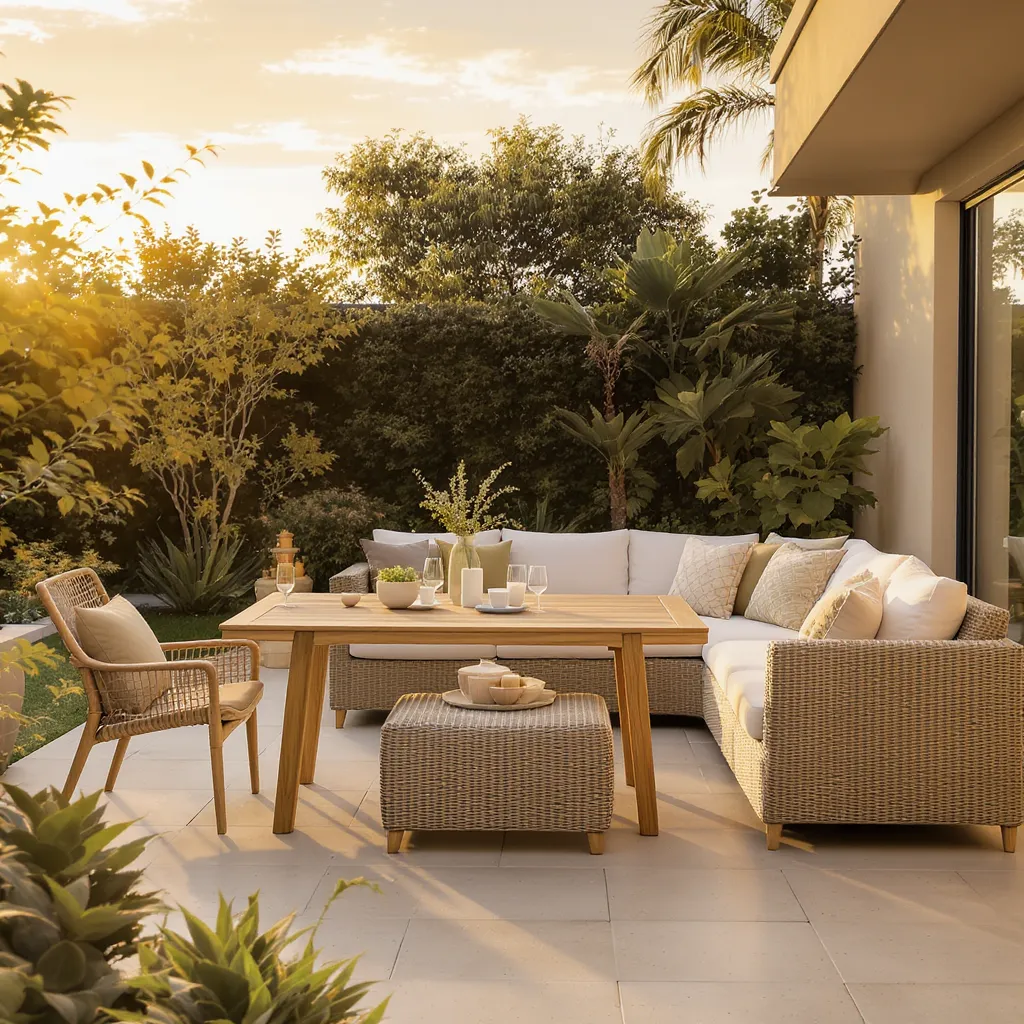
Sustainable Outdoor Furniture Trends Shaping 2025
Sustainable outdoor furniture is no longer a niche choice—it’s becoming the defining trend for patios, gardens, and balconies in 2025. Homeowners and outdoor décor enthusiasts are increasingly choosing eco-friendly designs that combine durability, style, and environmental responsibility. The global outdoor furniture market is projected to hit US$49.55 billion in 2025 (Statista), with sustainability driving a significant share of that growth.
🎯 Introduction: Why Sustainability Matters in Outdoor Furniture
Think about your patio, garden, or balcony—these spaces are where you relax, entertain, and connect with nature. However, the furniture you choose for them can either help or harm the environment. With climate change and resource scarcity becoming more pressing, sustainable outdoor furniture offers a way to enjoy beautiful outdoor living while reducing your ecological footprint. From FSC-certified teak dining sets to recycled rattan chairs, 2025’s designs are proving that sustainability and style can go hand in hand.
Sustainability in outdoor furniture also extends beyond materials—it’s about responsible manufacturing, ethical labor practices, and designs intended to last for decades rather than seasons. Many consumers are becoming aware of the hidden environmental costs of fast furniture, where cheap pieces wear out quickly and end up in landfills. By investing in well-crafted, eco-conscious products, homeowners can reduce waste, conserve resources, and support companies that prioritize environmental stewardship.
We’re also seeing a shift in mindset: outdoor furniture is no longer just a seasonal purchase, but a long-term investment in personal comfort and environmental well-being. In 2025, brands are transparent about their sourcing, publishing sustainability reports and carbon footprint data to help buyers make informed decisions. This transparency builds trust and encourages more people to embrace sustainable living.
Consumers in 2025 are not just buying furniture—they’re investing in pieces that align with their environmental values. Materials like FSC-certified wood and recycled plastics are no longer niche; they’re becoming the standard.
In this article, we’ll explore eight key trends shaping sustainable outdoor furniture in 2025, backed by data, expert insights, and practical tips for choosing pieces that look great and last.
📈 1. Eco-Friendly Materials Leading the Charge
The shift toward eco-friendly designs is perhaps the most visible change in outdoor furniture. Manufacturers are embracing materials that reduce environmental impact without compromising durability.
According to Ferly Living (2025), using FSC-certified teak and recycled ocean plastics can cut a product’s carbon footprint by up to 40%. This isn’t just good for the planet—it’s also a selling point for consumers who want to make responsible choices.
Eco-friendly materials are diverse, ranging from reclaimed wood to bio-based resins derived from plant oils. FSC-certified teak remains a favorite for its natural resistance to rot and pests, but it’s now complemented by innovative options like hemp-based fabrics, cork accents, and recycled metals. Recycled HDPE (high-density polyethylene) is particularly popular for weatherproof seating, offering a sturdy alternative to virgin plastic without the associated environmental toll.
| Material | Eco-Benefit | Durability |
|---|---|---|
| FSC-certified teak | Carbon footprint reduction 40% | High |
| Recycled ocean plastics | Removes waste from oceans | High |
| Bio-based composites | Lower emissions | Medium |
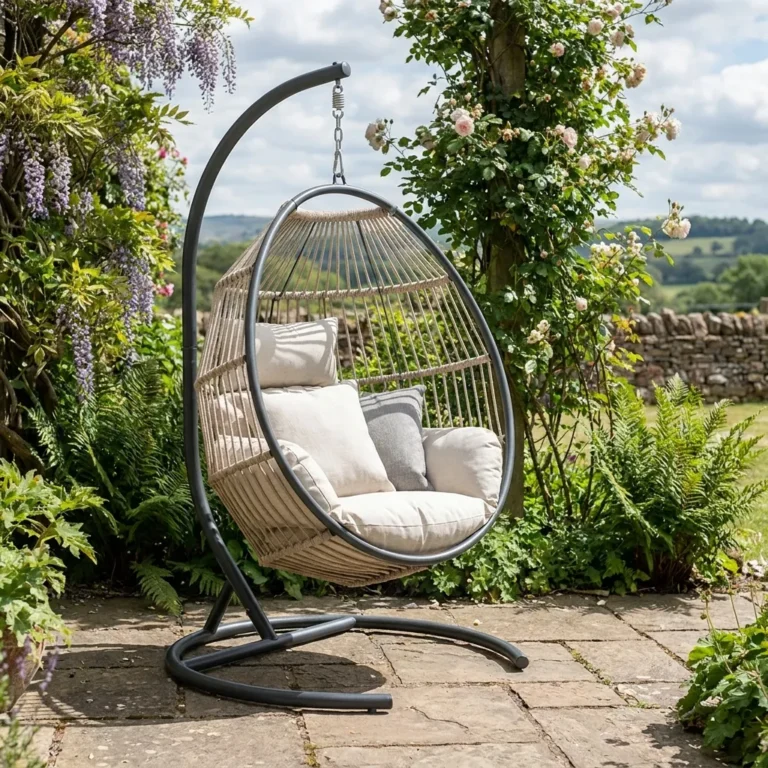
Recycled rattan and responsibly sourced bamboo are especially popular for rattan chairs, dining sets, and rattan corner sofas—offering a natural look with impressive weather resistance. Bamboo, for instance, is one of the fastest-growing plants on Earth, making it a highly renewable resource that can be harvested without deforestation. Ocean plastic recovery projects also contribute to cleaner waterways while providing raw material for stylish, durable outdoor pieces.
Some brands go further by incorporating cradle-to-cradle design principles, ensuring that their products can be fully recycled or composted at the end of their life cycle. These practices not only appeal to eco-conscious consumers but also set a new benchmark for the industry. For more ideas on material selection, see our guide on best materials for outdoor furniture.
💡 2. Mixed Materials & Textures for Unique Aesthetics
Designers are blending materials like wood, metal, and woven fibers to create outdoor furniture that’s both stylish and functional. Powder-coated aluminum frames paired with soft, sustainable fabrics give you a sleek, modern look while ensuring longevity.
City Furniture (2025) notes that mixed-material designs are dominating high-end outdoor furniture stores, especially in modular rattan corner sofas and outdoor dining sets. This approach also allows for creative customization—perfect for homeowners who want a unique garden furniture setup.
Mixing materials isn’t just about aesthetics—it’s also a way to enhance performance. For example, pairing a hardwood tabletop with a recycled aluminum base combines the warmth of natural wood with the corrosion resistance of metal. Woven elements, such as recycled PET rope or eco-friendly synthetic fibers, add tactile interest while standing up to UV exposure and moisture.
Texture variety also plays a role in creating inviting outdoor spaces. Smooth, polished surfaces can be contrasted with rustic, matte finishes to give depth and personality to a design. In 2025, expect to see more experimentation with layered materials: think stone inlays on wooden coffee tables, ceramic-tiled sideboards with bamboo framing, or glass-topped rattan lounges.
These combinations not only elevate the visual appeal but also reflect a practical approach to sustainability—using the best attributes of each material to extend the furniture’s life and reduce waste.
🚀 3. Modular & Flexible Designs for Every Space
Urban living often means limited outdoor space, but modular designs solve this problem elegantly. Modular furniture lets you reconfigure pieces to suit your needs—whether you’re hosting a garden party or enjoying a quiet balcony breakfast.
Hauser’s Patio (2025) reports a surge in demand for modular, eco-friendly outdoor sets, with sales up 35% year-over-year. This flexibility appeals to homeowners who value adaptability without sacrificing sustainability.
Modular systems often feature interchangeable components, such as corner units, ottomans, and side tables, that can be rearranged to fit different layouts. This adaptability is particularly useful for small patios, rooftop terraces, or irregularly shaped gardens where space optimization is key.
From an environmental perspective, modularity reduces the need to buy new furniture when your living situation changes. Instead of replacing an entire set, you can add or remove modules to fit a new space. Some brands even offer upgrade kits made from the same sustainable materials as the original set, ensuring compatibility and reducing waste.
Explore more modular furniture ideas to transform your patio into a year-round retreat. Imagine a rattan corner sofa that expands into a U-shaped lounge for parties, or a compact dining set that folds into a coffee table arrangement for casual evenings.
🔍 4. Smart Outdoor Furniture Integration
Technology is enhancing outdoor furniture in surprising ways. From solar-powered lighting embedded in tables to USB charging ports in armrests, smart features are becoming more common. Weather sensors can even alert you when rain is approaching, so you can protect your cushions.
These innovations make outdoor living more convenient while supporting sustainable energy use. Solar panels integrated into side tables or shade structures provide renewable electricity for lighting, fans, and small devices. Motion-activated LED systems reduce energy consumption by illuminating only when needed.
Smart irrigation systems connected to outdoor furniture planters can monitor soil moisture and deliver water efficiently, reducing waste. Bluetooth-enabled speakers embedded in seating allow for entertainment without additional clutter or energy-hungry standalone devices.
The fusion of technology and sustainability creates a new category of outdoor furniture that’s not only functional but also environmentally responsible. Expect to see more AI-driven features, such as automated shading systems that adjust based on sun intensity, helping maintain comfort while reducing reliance on energy-hungry cooling devices.
⭐ 5. Minimalist & Timeless Styles
Minimalism isn’t just a passing trend—it’s a sustainability strategy. Neutral tones, clean lines, and timeless silhouettes mean furniture stays in style for years, reducing waste from frequent replacements.
Outdoor furniture stores are embracing minimalist aesthetics that blend indoor luxury with outdoor durability. Think rattan corner sofas in soft beige paired with teak dining sets that age gracefully over decades.
Minimalist designs often focus on functionality and comfort without excessive ornamentation, which makes them versatile across different décor styles. A simple teak bench can fit seamlessly into a modern patio, a rustic garden, or a coastal deck. Timeless designs also tend to be easier to repair or refurbish, extending their lifespan and reducing environmental impact.
In 2025, minimalism is being enhanced with subtle details like handwoven textures, organic curves, and understated color contrasts. These touches maintain visual interest without succumbing to short-lived fashion trends. For inspiration, check our feature on transforming your outdoor space with timeless furniture pieces.
⚙️ 6. Durability as a Sustainability Factor
Durability is sustainability’s secret weapon. Furniture that withstands harsh weather means fewer replacements and less waste. Materials like powder-coated aluminum, HDPE rattan, and marine-grade fabrics ensure long lifespans.
Durability also encompasses design features such as reinforced joints, rust-resistant hardware, and UV-protected finishes. High-quality construction prevents structural damage over time, while weatherproof fabrics resist fading, mold, and mildew.
From an environmental standpoint, extending a product’s usable life dramatically reduces its overall carbon footprint. A teak dining table that lasts 30 years has a far smaller environmental impact than three lower-quality tables replaced every decade.
Learn more about durable outdoor furniture materials to make informed buying decisions. In 2025, many brands offer extended warranties and repair services, further encouraging consumers to maintain rather than replace their furniture.
🏆 7. Consumer Preferences Driving Change
Modern buyers prioritize comfort, style, and eco-consciousness. Ergonomic designs with plush, sustainable cushions are in high demand. Pieces that blend indoor luxury with outdoor resilience—like waterproof rattan corner sofas—are particularly popular.
Consumers are also more educated about sustainability metrics, asking questions about material sourcing, manufacturing emissions, and end-of-life recycling options. This increased awareness puts pressure on brands to innovate and maintain transparent practices.
We’ve seen a 35% increase in sales of modular, eco-friendly outdoor sets in the past year. People want adaptability without compromising on sustainability.
In 2025, social media plays a significant role in shaping preferences. Platforms like Instagram and Pinterest showcase eco-friendly outdoor setups, inspiring consumers to replicate these looks at home. Influencer partnerships with sustainable brands further amplify the trend, making green living aspirational as well as responsible.
⚠️ 8. Future Trends & Predictions
Looking ahead, expect more innovation in sustainable outdoor furniture: bio-based foams for cushions, blockchain for supply chain transparency, and AI-assisted design tools for personalized layouts.
We’re likely to see advances in closed-loop manufacturing, where old furniture is collected, broken down, and remade into new products without waste. Nanotechnology may also play a role, with coatings that repel dirt and moisture naturally, reducing the need for chemical cleaners.
Mordor Intelligence (2025) predicts the U.S. outdoor furniture market will grow from USD 6.53 billion in 2025 to USD 8.41 billion by 2030 at a 5.19% CAGR. This growth will be fueled by sustainability-conscious consumers seeking garden furniture that’s both beautiful and responsible.
Expect the integration of more renewable energy solutions, such as kinetic-powered lighting that harnesses movement or wind-powered charging stations built into patio setups. As climate change intensifies, furniture designed for resilience—able to withstand extreme heat, heavy rain, and strong winds—will become a necessity rather than a luxury.
✅ Conclusion: Choosing Sustainable Outdoor Furniture in 2025
Sustainable outdoor furniture is more than a trend—it’s a movement toward responsible living. Whether you’re shopping for a rattan chair, a teak dining set, or a modular rattan corner sofa, the options in 2025 make it easy to combine style, comfort, and eco-consciousness.
Key takeaways:
- Choose materials like FSC-certified teak and recycled rattan for maximum sustainability.
- Opt for modular designs to adapt to changing needs.
- Invest in durable pieces to reduce waste.
By making thoughtful choices, you can create an outdoor space that’s as kind to the planet as it is inviting for guests. And with innovations in smart features and timeless styles, your patio or garden will be ready for years of enjoyment.
In 2025, the most sustainable choice is also the most stylish. The market’s evolution means you no longer have to compromise aesthetics for eco-friendliness—today’s designs prove you can have both. From mixed materials that elevate your décor to smart integrations that save energy, every purchase is an opportunity to support a greener future.
Ready to find your perfect sustainable outdoor furniture? Visit leading outdoor furniture stores and explore collections that embody the trends shaping 2025. By doing so, you’re not just enhancing your home—you’re contributing to a global movement that values the planet as much as the beauty of our living spaces.
3 Comments