Garden Benches Manchester: Top Places to Buy in the UK
Garden benches remain one of the most versatile and consistently overlooked upgrades for UK outdoor spaces. They’re often dismissed because they look simple at first glance. Yet whether shaping a compact Manchester courtyard, resetting a Birmingham patio, or choosing a statement piece for a larger Cheshire or Shropshire garden, the right bench adds structure and lasting comfort that performs year after year. It gives a space a clear resting point, showing where people naturally stop and sit, often along planting edges or patio lines where movement slows. Across Manchester, Birmingham, Cheshire, Shropshire, and Staffordshire, homeowners are increasingly choosing benches that pair modern design with real weather resistance, rather than furniture that looks good for one summer and fails the next. That change is overdue, and it’s easy to see in current buying behaviour.
Demand has climbed as outdoor living shifts from a seasonal extra to a year‑round expectation, and that shift rarely goes backwards. Buyers no longer accept flimsy seating that fades, warps, or rusts after a single winter outside. Search behaviour mirrors this change, with clear interest around garden benches in major cities and around weatherproof garden benches more broadly. The pattern is clear. Durability, clean lines, and materials that handle unpredictable UK conditions now outweigh novelty or low price, often by a wide margin.
This guide sets out the leading places to buy garden benches across these regions and explains how to judge materials, styles, and buying approaches. It looks at wooden garden benches UK homeowners still prefer, then moves into metal and aluminium seating and why those options keep gaining ground, especially in exposed gardens. Modern Garden benches for tighter urban spaces are also covered, along with how online‑first retailers are changing availability, pricing, and delivery expectations. Practical tips and regional insights run throughout, tying each option to real purchasing decisions rather than surface‑level trends.
Why Garden Benches Remain a Smart Outdoor Investment
Garden benches still matter because they solve several practical needs at the same time. Flexible seating is one part of it, but the bigger benefit is how they avoid overcrowding outdoor spaces that already have a lot to handle. Paths, planting, and storage all compete for limited room, and there is usually not much space left over. Garden benches fit easily into patios and balconies where layout choices are limited. Unlike trend-driven furniture sets, they tend to age well instead of looking outdated after a few seasons. That long-term usefulness explains much of their appeal. Moreover, the data supports this view. Statista reports that the UK outdoor furniture market reached around US$1.8 billion in 2025, with growth expected through 2026 and beyond. That points to steady demand, not a passing trend.
| Metric | Value | Year |
|---|---|---|
| UK outdoor furniture market size | US$1.80 billion | 2025 |
| Forecast market size | US$2.32 billion | 2026 |
| Residential share | 58.72% | 2026 |
Garden benches contribute to that growth because they adapt well to different living situations. In cities like Manchester and Birmingham, compact benches work for terraces and smaller patios where every square metre matters, especially when they sit against a wall or follow a path. In counties such as Cheshire and Shropshire, the same styles often act as visual anchors in larger, designed gardens. Fortune Business Insights notes that residential buyers make up nearly 59% of the UK outdoor furniture market. That figure reflects choices shaped by everyday use rather than showroom displays (Source).
Durability also helps benches keep their place. A solid wooden or metal bench can last ten years or more with little maintenance. On a cost-per-use basis, they often outperform sofas and dining sets, especially in gardens used for reading, short breaks, or informal conversations. Estate agents also point out that well-placed outdoor seating can raise perceived property value by improving first impressions during viewings, where the first look often sets expectations.
Understanding Regional Buying Trends Across the Midlands and North West
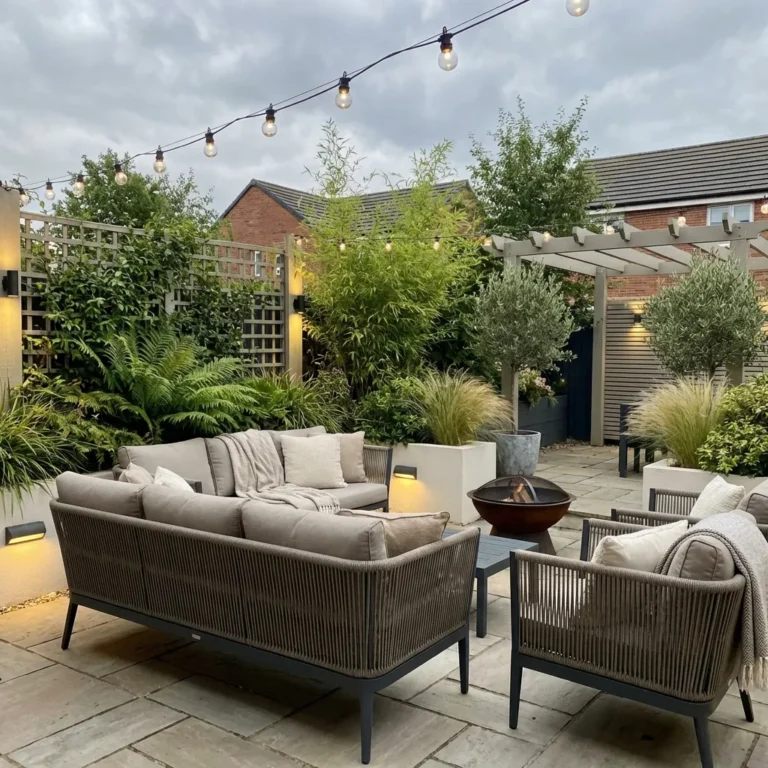
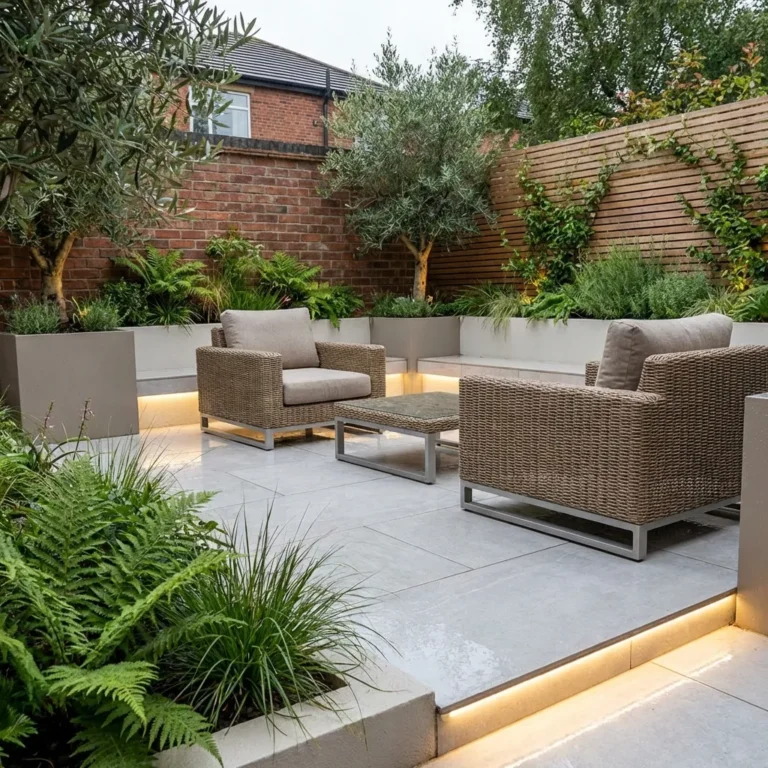
Location often decides which garden bench actually works, and this is something buyers regularly miss. In Manchester and Birmingham, demand consistently leans toward garden benches made from aluminium or powder‑coated steel. The appeal is practical, not decorative. Smaller outdoor areas, shared courtyards, and frequent rain push low‑maintenance materials to the top of the list. Neutral finishes like charcoal and matte black are common because they sit comfortably alongside red brick terraces, paved gardens, and contemporary planting without drawing focus. The outcome is garden benches Manchester buyers often view as restrained and reliable, which explains why regional sales data shows these materials selling steadily throughout the year with little ongoing care.
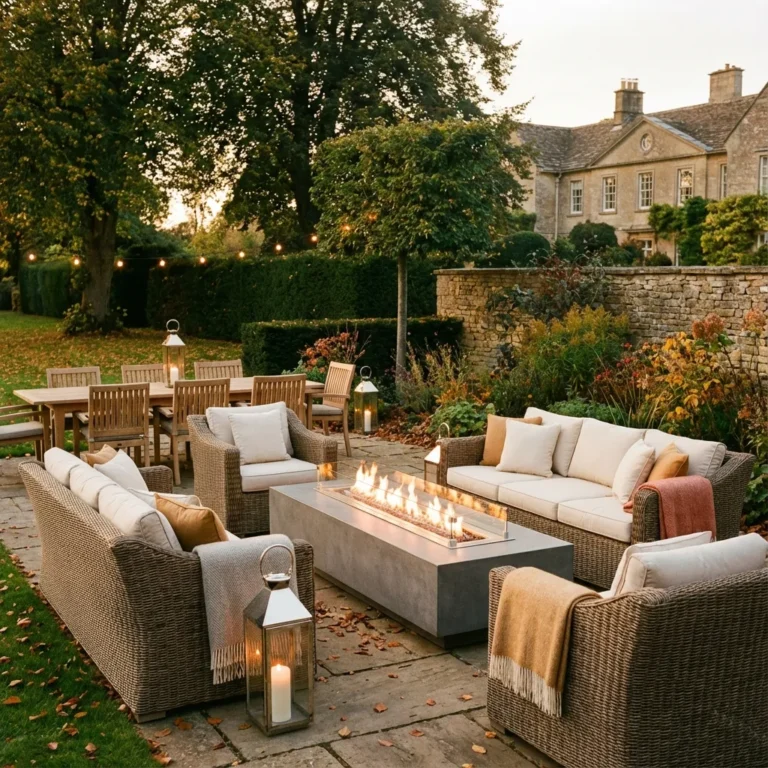
Cheshire and Shropshire usually move in another direction, largely because space and setting make it possible. Wooden garden benches UK homeowners choose here are typically teak or oak, often built with thicker frames and more traditional detailing. These benches still cover everyday seating needs, but they also add warmth that helps anchor larger lawns and layered planting schemes. The preference isn’t based on nostalgia alone. According to Grand View Research, wood accounts for over 62% of outdoor furniture material usage in Europe, showing how established materials continue to influence regional buying behaviour (Source). Style in these areas is usually about balance rather than standing out for its own sake.
Staffordshire tends to fall between these two approaches. Price matters, but relevance does too, which explains the popularity of benches that mix timber with metal. Garden centres still influence many decisions, though online retailers offering home delivery are becoming more common for clear reasons. In exposed rural locations, heavier benches are often chosen because they’re less likely to move in strong winds.
Planning a wider garden update? Bench seating now needs to work alongside dining furniture, especially in tighter layouts. Furthermore, that overlap is explored further in our guide on outdoor dining trends in Manchester, where benches are often used as informal dining seating in smaller urban gardens.
Choosing Between Wooden, Metal and Modern Garden Benches
Material choice is usually where hesitation starts, and that reaction makes sense. Wooden garden benches UK shoppers often choose set the tone first, bringing warmth and a traditional feel that sits comfortably among planted borders. That familiar look works across most garden styles. However, many people miss the maintenance requirements. Wood needs occasional oiling or sealing to keep its appearance over time, and that ongoing effort matters. Teak sits at the higher end because of its natural oils and long-term durability, even in exposed areas. Eucalyptus and acacia are easier on the budget, offering a similar look without teak’s higher cost, which makes them a sensible option for everyday gardens.
Metal garden benches UK homeowners are increasingly choosing address a different need. Aluminium garden benches do not rust, which is especially useful in damp conditions. Powder-coated aluminium combines light weight with strong weather resistance, something that becomes obvious on patios or balconies where furniture is moved or stored. Steel benches are heavier and feel solid from the start. When properly treated, that extra weight delivers a classic appearance and reliable stability that many buyers prefer.
Modern garden benches often combine materials, usually wooden slats with aluminium frames. This style is becoming more common among buyers looking for patio benches UK-wide, where clean lines and comfort need to work together. Design matters, but durability often drives the final choice. Market Research Future points to metal as the fastest-growing outdoor furniture material, largely due to low maintenance needs (Source).
Comfort still influences the final decision. Wooden slats tend to create a firmer, traditional seat, while metal frames often pair better with outdoor cushions. Space affects everything. In smaller areas, slim designs or benches with built-in storage keep the space practical without visual clutter, a detail that becomes more noticeable over time.
Buying Garden Benches Online Versus Local Retailers
How people buy garden benches has changed clearly in recent years, and once habits shift, they tend to stick. Local garden centres across Cheshire and Staffordshire still see steady weekend traffic, while cities such as Manchester and Birmingham are shaped more by online‑first retailers. That split reflects how planning now works. Choice usually leads the process. Comparing materials from the sofa, checking exact dimensions against a patio layout, and judging finishes on screen often leads to more precise decisions than in the past. It isn’t automatically better or worse, just better suited to how many buyers approach purchases today.
Online, the range is what people notice first. Contemporary designs are easier to find, including weatherproof garden benches built to stay outside all year. Clear descriptions, detailed size information, and clear delivery terms cut down uncertainty, which many urban buyers value. For anyone without a car or easy access to out‑of‑town retail parks, delivery is less a bonus and more a practical requirement.
Local retailers still matter. Sitting on a bench answers comfort questions straight away, and that carries weight. Many shoppers start online, then visit a showroom to check seat height, depth, and back support in person. Independent stores may also offer assembly and advice shaped by local weather and ground conditions, which often proves more useful than expected. First‑time buyers especially tend to depend on that guidance.
If timing affects your choice, this is covered in our article on choosing the best time to buy outdoor furniture. It explains how seasonal sales can reduce costs without cutting quality.
What Makes a Garden Bench Truly Weatherproof
What usually separates a bench that lasts from one that fails becomes clear after a few winters, and most people notice it by then. Weatherproofing isn’t just a marketing term; it comes down to materials and finishes built to handle moisture, UV exposure, and the constant stress of seasonal temperature shifts. In the UK, that standard is non‑negotiable. With wooden benches, this typically means dense hardwoods or pressure‑treated softwoods combined with protective oils that slow wear over time. Metal benches rely on powder‑coated finishes and stainless fixings that hold up outdoors, a difference that often shows after only a few seasons.
Design details matter just as much, sometimes more than expected. Slatted seats let rain drain away, while raised legs reduce long contact with wet ground. These small choices extend the lifespan of garden benches Manchester and Birmingham homeowners use year‑round. UV‑resistant coatings also help, cutting colour fade and surface damage during hotter UK summers so performance lasts, not just looks.
According to Grand View Research, demand for weather‑resistant outdoor furniture keeps rising as UK buyers focus on longevity over short‑term savings (Source).
Matching Garden Benches to Patios and Balconies, as well as Larger Gardens
A bench needs to suit both the space it sits in and how people will actually use it. That sounds simple, but it’s easy to miss. On patios and balconies, slimmer designs without arms often work best. They provide seating while keeping the area open, rather than making it feel boxed in. Larger gardens allow more choice. Benches with armrests and supportive backs tend to fit better here, creating clear stopping points along paths or beside planting beds where people naturally pause. These choices are usually led by practical thinking, and that approach generally pays off.
Colour choice often matters more than people expect. Dark metal benches usually fit contemporary patios and hardscaped areas, while natural wood sits more comfortably among greenery and softer planting. In Cheshire and Shropshire, benches are often used as visual anchors as much as seating. They’re placed to frame a view, point to a feature, or give structure to a wide lawn or border. Visual balance often carries more weight than assumed.
Function matters just as much. A bench near the front door can work for putting on shoes, while one set in a quieter corner is more likely to be used for slowing down. Sightlines, sun movement, and how close the bench is to a table or fire pit all help it feel planned rather than random. When space is tight, this is covered in more detail in our guide to small space garden furniture ideas, which shows how a narrow balcony bench can still fit comfortably without crowding.
Common Mistakes to Avoid When Buying Garden Benches
The most expensive mistake often begins with chasing the lowest price instead of solid build quality. It’s tempting, but a cheap bench that warps or rusts after one tough winter usually costs more in the long run than a sturdier model that keeps its shape after the first rough season. Short-term savings in this case don’t last. Another common problem is ignoring dimensions. A bench may look great in photos yet feel awkward if the seat depth or height is wrong, something you notice within minutes of sitting. Comfort tends to matter more than buyers expect.
Maintenance deserves equal attention. If yearly oiling isn’t realistic, metal or composite benches are usually a better choice. Delivery also matters. Narrow gates or steps can limit access. Weight limits are often overlooked, and cushions are frequently assumed to be included, even though they’re usually sold separately.
Garden Bench Trends Shaping 2026 and Beyond
Technology is settling into outdoor furniture at a rapid pace. Solar lighting details and smart surface coatings that resist dirt and algae are becoming common, and by 2026 they are often expected rather than novel. Garden benches are moving into tougher, multifunctional roles, usually driven by tighter residential layouts. Storage benches and modular seating that connect with dining tables are gaining traction where spaces need to work harder.
Sustainability now shapes buying decisions, with FSC-certified wood and recyclable aluminium treated as core selling points instead of optional extras. Neutral colours still dominate, yet subtle textures and mixed materials add interest without visual noise. Buyers increasingly favour timeless designs to avoid quick fades and keep outdoor spaces relevant beyond short-term trends.
Answers for Common Questions
Where can I buy high-quality garden benches in Manchester and Birmingham?
Your best options are online retailers that focus on modern outdoor furniture, along with a few local garden centres, which are generally reliable. Online shops usually offer more weatherproof, contemporary bench designs and home delivery, saving time compared with visiting garden centres. In particular, those searching for garden benches Manchester styles will find plenty of choice from UK-based online suppliers.
Are wooden garden benches suitable for UK weather?
Yes, hardwoods like teak, or treated softwood, handle UK conditions. With occasional care, usually oiling, lifespan improves and the look lasts; skip maintenance, and British weather usually takes its toll.
What is the best material for low-maintenance garden benches?
Powder-coated aluminium is one of the lowest-maintenance options overall for most gardens. It generally resists rust, needs little cleaning, and suits clean, modern outdoor spaces and contemporary garden designs very well.
Can garden benches work as dining seating?
Yes. Many homeowners pair benches with outdoor dining tables on patios and terraces. The setup stays flexible, works well outside, and most people enjoy using it.
When is the best time to buy garden benches in the UK?
Late summer and early autumn usually offer the best value. Retailers make room for winter ranges, so prices tend to drop as remaining stock moves, which often means you pay less once older collections begin to sell through.
How long should a quality garden bench last?
Longevity varies. A well-built garden bench made from durable materials often lasts 10, 15 years or more, based on material choice and how it deals with weather exposure. Over time, simple maintenance usually makes the difference, and you will notice.
Making the Right Choice for Your Outdoor Space
The most interesting part of choosing a garden bench is rarely the style. What usually decides whether it works over time is comfort, durability, and how often it actually gets used, details people often miss. That choice says a lot about whether a garden is treated as a space to sit in and enjoy, not just something that looks good from a distance. Local habits matter as well. From garden benches Manchester homeowners rely on to modern patio seating in Birmingham, weather conditions and daily routines shape what performs well. Noticing those differences helps narrow options without guesswork or wasted effort, and it keeps the focus on function, not just appearance.
What becomes clear is that solid build quality and real weather resistance matter most once everyday use begins, kids climbing, guests staying longer, rain setting in. Ultimately, a practical way to choose is to compare materials from reputable retailers and ask one question: will this still hold up after a few seasons? Short-term savings can be tempting, but rain and seasonal wear usually point toward benches made to last. Ultimately, if you are searching for garden benches Manchester retailers recommend, focus on proven materials and trusted sellers to ensure your investment holds up.