Garden Umbrella Types UK Guide: Parasol Styles Explained
British gardens are being used more than ever, with patios working as outdoor rooms rather than simple walkways. This will sound familiar to anyone who has tried eating outside recently. The UK climate, however, makes shade choices tricky. Sun can quickly turn to wind, with light rain drifting through the same afternoon, sometimes within an hour. That unpredictability often turns a parasol from a nice extra into a practical choice. Choosing the wrong one can mean the space stops being usable when conditions change mid‑afternoon. The right umbrella, by contrast, helps a garden stay comfortable for longer periods by reducing glare, cutting wind slightly, and handling light rain. Therefore, understanding garden umbrella types is essential for any UK homeowner looking to choose the right shade solution.
This outdoor parasol guide UK homeowners can trust looks beyond catalogue images and explains how the most common garden umbrella types actually perform in British gardens. From compact London terraces to larger patios in Shropshire and Cheshire, each style tends to suit a specific use. Some designs let shade move as the sun shifts, while others focus on strength and balance, which is often important in breezier locations. Moreover, newer options sometimes combine both, with cleaner, more modern designs that work well when gardens are visible from the house.
In this guide, readers learn about classic and modern garden parasol styles, including cantilever designs and centre pole umbrella UK favourites that remain popular because they are usually simple and stable. Tilting options are covered too, especially for dealing with low evening sun on west‑facing patios. Shape choices, such as rectangular or round patio umbrellas, are discussed in relation to table size and layout. The guide also explains why a wind resistant garden umbrella matters in Britain, and why premium garden umbrellas often last longer while needing less adjustment, repair, and replacement over time.
Understanding British Garden Umbrella Types
When people look up patio umbrella types, size or colour often grabs attention first. That’s understandable because those details are easy to see right away. In the UK, though, the structure often matters just as much, and sometimes more once the parasol is used every day. Wind exposure, soil type, and garden layout all affect how well a parasol holds up over time. With the UK’s changeable weather, build quality tends to stand out faster than appearance. Some designs simply handle these conditions better than others.
The UK outdoor furniture market reached £1.39 billion in 2025, showing how seriously homeowners now take their gardens (Statista). Consequently, this growth points to a clear shift: gardens are used as everyday living spaces, not just seasonal extras. Shade has become something people expect rather than a treat.
The disappearing boundary between the home and garden, which makes outdoor spaces an extension of the home in purpose and style, is driving market growth.
British garden umbrella types usually fall into a few clear groups.
- Centre pole umbrellas, often chosen for stability and straightforward setup
- Cantilever garden umbrellas, built to cover larger seating areas without a pole in the middle
- Tilting garden umbrellas, using simple mechanisms to adjust as the sun moves
- Rectangular garden parasols, a good fit for dining tables and narrow spaces
- Round patio umbrellas, commonly used in smaller or more enclosed gardens
Different regions tend to prefer different styles. Cottage gardens in Cheshire often use centre pole designs. Larger modern patios in Shropshire usually choose cantilever models (Garden Parasol Shropshire: Stylish Shade Solutions for 2026). Urban gardens in Manchester and Birmingham often rely on tilting or rectangular parasols, where space is limited and light changes quickly. For more local inspiration, see Top Garden Parasols Birmingham for Patios & Small Gardens.
Centre Pole and Cantilever Garden Umbrella Types Explained
Centre pole umbrella UK designs are usually the most familiar option seen in gardens. The pole runs straight through the middle and often fits into a table, so many people have used one without really thinking about it. That familiar setup is part of why they remain popular. They tend to suit small patios and terraces where space feels tight. Because the structure is simple, these umbrellas are easy to move, simple to look after, and usually more affordable. They also avoid the need for specialist fittings, which helps when everything is set up without professional support.
When space is limited, centre pole umbrellas often feel like the practical choice. They sit naturally in cottage gardens and traditional layouts without looking out of place or overly modern. Many higher-end models now use aluminium frames with UV-resistant fabric. That change is useful, especially when the umbrella stays outdoors for long stretches. These materials help reduce rust and slow colour fading, which matters in damp climates where moisture can linger.
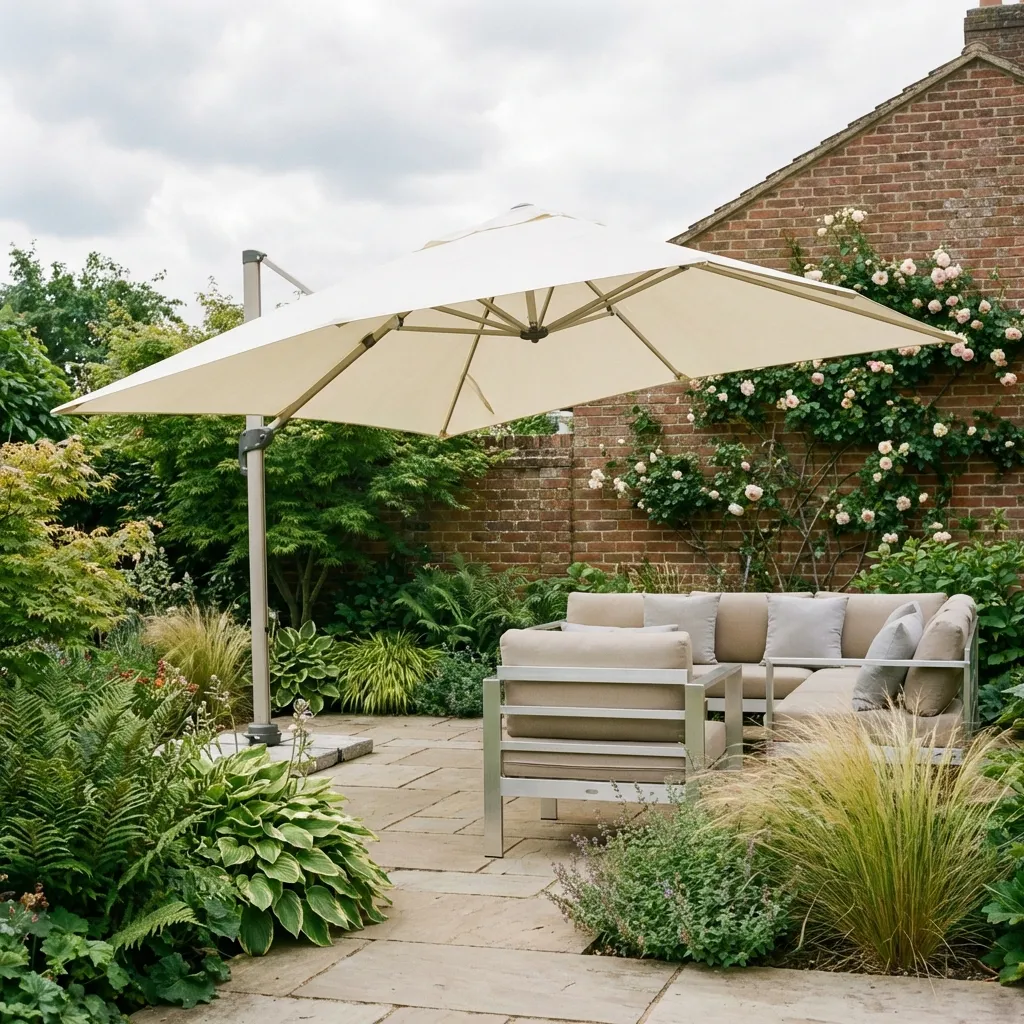
Cantilever garden umbrellas handle shade in a different way. The pole sits to one side, with an arm reaching over the seating area, leaving the centre clear. This design difference is where they tend to stand out. The open space underneath allows furniture to be arranged more freely, which helps as layouts shift during the season.
In Shropshire and Cheshire, cantilever umbrellas are popular with outdoor lounge sets and larger dining areas. They work well with modular seating and corner sofas, especially when pieces are moved around. On modern patios, this style often feels more intentional than decorative, giving the space a clearer structure. Readers can find more on design trends in Regional Guide: Best Garden Furniture Styles for Cheshire Homes.
Wind often becomes the deciding factor. Cantilever designs rely on heavy bases and thick aluminium arms for stability. Because of this, UK shade specialists commonly suggest arms of at least 2mm thickness to handle typical British weather conditions (The Telegraph).
Tilting Parasols and Common Garden Umbrella Types Shape Options
Shade needs rarely stay the same during the day. In south-facing gardens, the sun’s position often shifts quickly, and this becomes clear by the afternoon. A tilting garden umbrella is made for this situation. By adjusting the angle, it can block lower sunlight later in the day while the base stays in place. This is especially helpful when furniture sits close to a wall or fence, which is common in smaller spaces. Instead of acting as a visual feature, this setup usually cuts down on the need to keep moving chairs.
This is one reason tilting designs are common in cities like Manchester and Birmingham. Outdoor areas there are often narrow or closed in on several sides. The tilt feature allows more accurate shade control without using an oversized canopy that would take over a small patio. Furthermore, that balance keeps the space comfortable without feeling crowded.
Shape is another practical factor. Rectangular garden parasols often suit dining tables and longer seating layouts because they direct shade where people actually sit and eat, rather than covering unused areas.
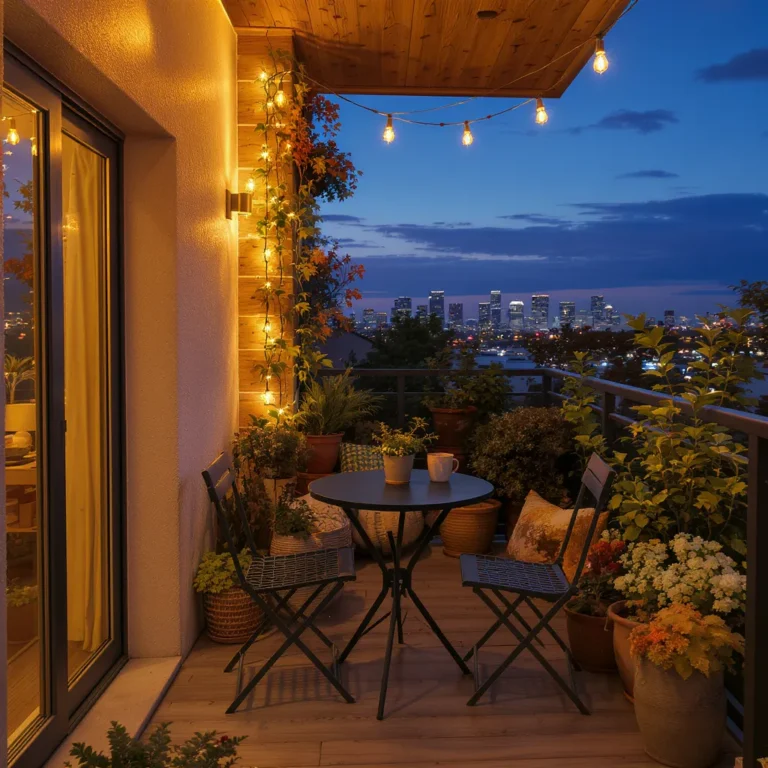
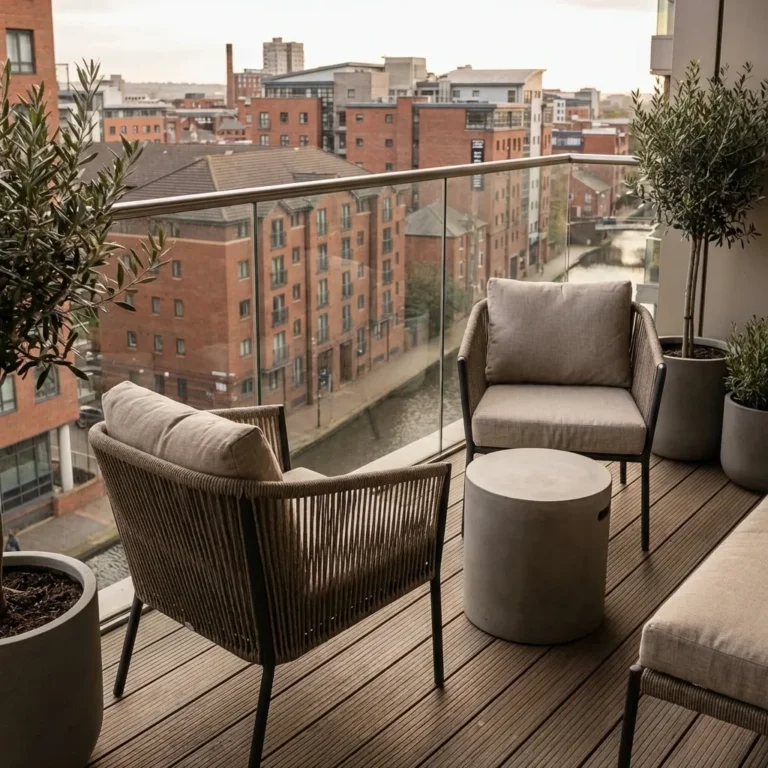
Round patio umbrellas, on the other hand, usually work better in smaller gardens and with bistro tables. Their softer outline fits balconies and compact patios, and they are often lighter. Many London homeowners choose round models because they are easier to move and store between uses, which helps when space is shared.
Why does measuring matter before buying? Choosing a parasol only for how it looks often leads to frustration. Measuring the seating area first usually leads to better results. In most cases, a canopy that extends at least 50cm beyond the edges of a table or sofa provides shade where it is actually needed.
For compact layouts, some useful examples are shared here: balcony and patio furniture ideas.
Wind Resistance and UK Weather Reality in Garden Umbrella Types
Sudden, sharp gusts usually knock over garden umbrellas in Britain. The weather changes quickly here, so picking the wrong model often leads to tipping, bent frames, or torn fabric. That’s why a wind‑resistant umbrella isn’t optional.
A helpful way to think about this is how different designs deal with airflow and long‑term stress. Vented canopies allow air to move through, while reinforced ribs, often fibreglass or steel, handle repeated pressure. A heavy base matched to the canopy size matters more than many expect, and corrosion‑resistant aluminium frames work well in damp conditions.
So why avoid leaving parasols open? Experts advise against it, especially with cantilever designs, where a single strong gust can be enough.
From hand-crafted natural wicker statement chairs to elegantly sculptured tables, consumers are opting for outdoor pieces that have the same level of craftsmanship and comfort as their indoor furniture.
This explains why more people choose premium umbrellas that can handle real UK weather alongside solid outdoor furniture. For additional advice, explore Best Weather-Resistant Outdoor Furniture for UK Gardens.
Sustainability and Modern UK Parasol Trends
One of the clearest shifts in current UK parasol design is how sustainability now shapes everyday buying decisions. For many people, this consideration matters just as much as price or style. Recycled polyester canopies gradually replace older fabrics because they cut down on waste and are usually easier to maintain over time. Aluminium frames also resist rust in unpredictable UK weather and can be recycled, making them a sensible long‑term choice.
Wood still has a strong place in the market. FSC‑certified teak and timber poles attract buyers who prefer natural finishes and a sense of warmth. Timber accounts for over 62% of the UK outdoor furniture material share, according to Grand View Research.
Colour choices reflect this balance. Neutral shades such as stone, sand, and soft grey pair well with rattan, rope weave, and teak. At the higher end of the market, LED lighting and modular shade systems allow outdoor spaces to be used into the evening. Consequently, gardens function as dining and lounge areas. A clear example of matching shade to seating through texture and tone can be seen in rope weave garden lounge sets.
Frequently Asked Questions About Garden Umbrella Types
What is the best garden parasol for windy UK gardens?
Stability matters most in gusty weather, especially on patios. In the UK, gardens usually benefit from a wind‑resistant parasol with a vented canopy and a heavy base. Aluminium frames and ribs improve safety, but it should not be left unattended.
Are cantilever umbrellas suitable for small patios?
On small patios, a centre pole umbrella usually fits without trouble. Cantilever umbrellas need space for the base and swing arm, so room still matters, even if they can work in some tight setups.
What shape parasol is best for outdoor dining?
A rectangular garden parasol is often the best choice, because it covers long tables from end to end during meals and fits the typical seating layouts most people use.
For umbrellas, lifespan often improves with basics: clean the canopy with mild soap, then dry it before storage. A winter cover often extends life through simple care.
Are modern parasols worth the extra cost?
Often, paying more makes sense when strong materials are used. In the UK, outdoor parasol designs last longer and need less upkeep, so they can give better value over time.
Choosing the Right Shade for Your Garden
Garden shade is about comfort as much as appearance. The right umbrella supports how an outdoor space gets used, not just how it looks in photos. It protects furniture from sun and light rain, extends usable hours into the afternoon, and helps the layout feel balanced rather than top‑heavy. That sense of proportion often matters more than people expect once everything is set up.
If the scale is off, problems show up fast. Measuring the area first helps avoid frustration later. Wind exposure also matters, especially in open gardens where conditions change quickly. The parasol style should fit the furniture and overall design, but the choice isn’t fixed. Centre pole umbrellas suit classic settings, while modern layouts often work better with cantilever designs. Tilting features help as the sun moves.
British garden umbrella types keep evolving, but the basics stay the same. Strong frames and quality fabrics matter most in everyday use. That’s why a well‑chosen parasol often becomes part of daily garden life, not just a short‑term extra.