
Outdoor Furniture Materials: UK Buyer’s Guide 2025
Choosing the right outdoor furniture materials is more than a design decision; it’s an investment in comfort, durability, and style that will shape your garden experience for years. For UK homeowners, the challenge is balancing weather resistance with aesthetic appeal, all while aligning with sustainability values. Whether you’re selecting a garden sofa set, a lounge sofa set, or a dining table for alfresco evenings, understanding outdoor furniture materials is the first step towards creating a year-round haven.
In this comprehensive buying guide, we’ll explore the most popular outdoor furniture materials in the UK market, their pros and cons, maintenance needs, and how they align with current design trends. We’ll also provide actionable tips for choosing the perfect option for your space.
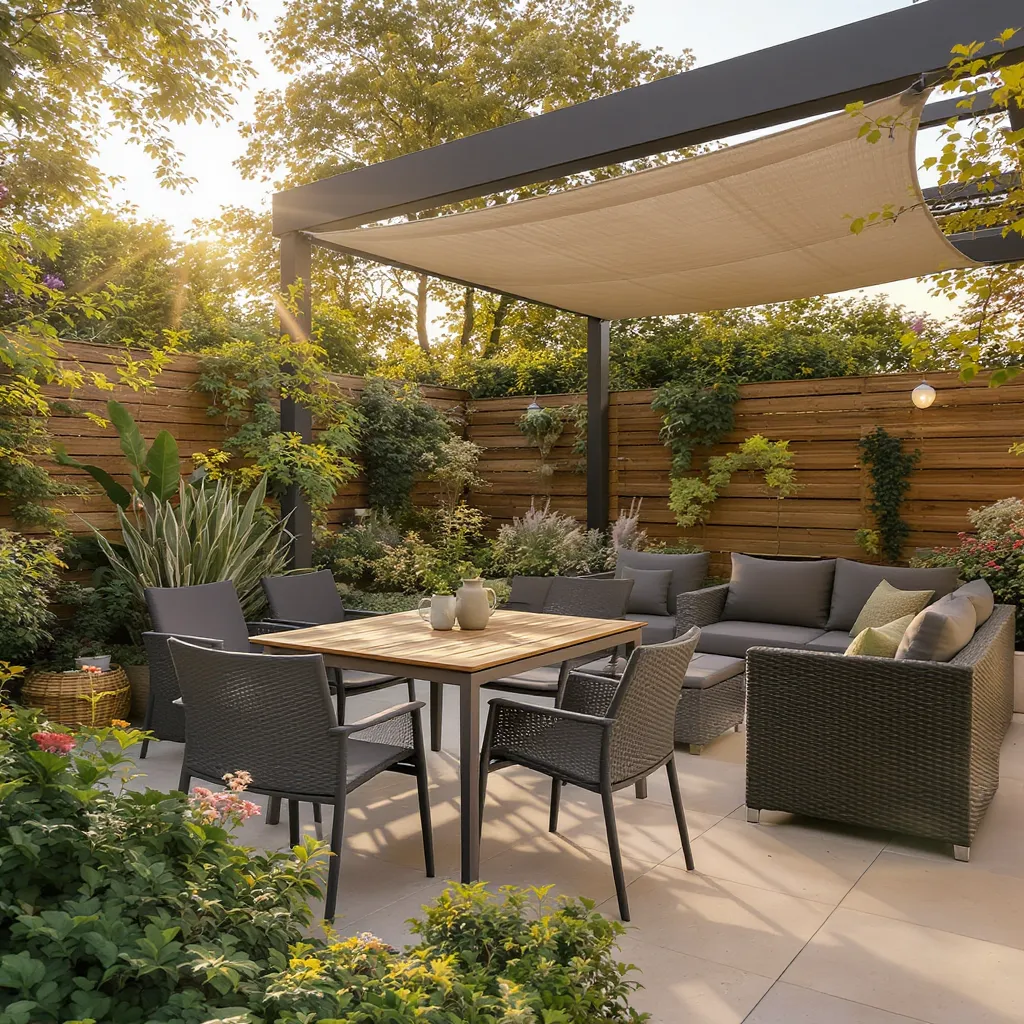
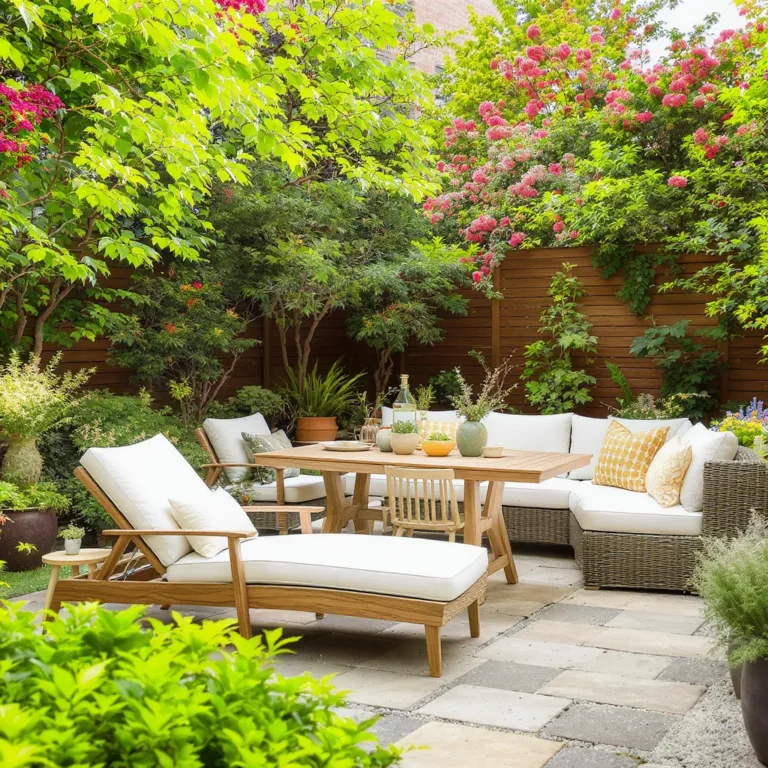
Teak remains the gold standard for outdoor furniture due to its natural oils that resist rot and insects. However, modern powder-coated aluminium offers a lighter, equally weatherproof alternative.
Understanding the UK Garden Furniture Market
The UK outdoor furniture market is projected to grow at 4.8% CAGR (2025–2030), driven by increased demand for premium, sustainable designs. According to Fortune Business Insights, materials like teak wood, powder-coated aluminium, and synthetic rattan dominate sales, with recycled plastic gaining traction among eco-conscious buyers.
| Material | Market Share | Growth Rate |
|---|---|---|
| Teak Wood | 22% | Stable |
| Powder-Coated Aluminium | 18% | Moderate |
| Synthetic Rattan | 15% | Low |
| Recycled Plastic | 12% | High |
As shown above, teak’s dominance is tied to its unmatched durability, while aluminium appeals to those seeking contemporary style and minimal maintenance. Beyond raw figures, consumer behaviour is shifting toward multipurpose outdoor spaces, patios doubling as dining rooms, gardens serving as entertainment areas, which influences the type of outdoor furniture materials purchased. Millennials and Gen Z homeowners are driving demand for eco-friendly and modular designs, often favouring materials that balance aesthetics with ethical sourcing. For example, FSC-certified teak and recycled aluminium are now widely available, and brands that can demonstrate supply chain transparency are enjoying increased customer loyalty. Seasonal promotions, particularly in spring and early summer, also significantly impact buying trends, with many consumers investing in premium sets ahead of peak outdoor use. For more insights into market trends, see our Outdoor Furniture Trends 2025: Sustainable, Stylish & Functional Ideas.
Teak Wood Outdoor Furniture Materials: Premium Longevity
Teak is the quintessential choice for luxury garden furniture in the UK. Rich in natural oils, it resists moisture, pests, and decay, making it ideal for year-round exposure. Its dense grain structure means it can withstand heavy use without warping, and its ability to naturally repel water makes it less prone to swelling or cracking compared to softer woods.
Advantages:
- Long lifespan (20+ years)
- Elegant aging with silver patina
- Minimal maintenance
Considerations:
- High upfront cost
- Requires occasional oiling to maintain golden hue
Teak’s timeless appeal pairs beautifully with both traditional and modern British garden designs. In country gardens, it blends with stone patios and lush greenery, while in urban terraces it offers a warm, natural counterpoint to steel and glass. Many UK households choose teak for dining sets, benches, and loungers because it can remain outdoors uncovered through most weather conditions. High-grade plantation teak, sourced responsibly, offers not just longevity but also a sustainable story, a factor increasingly important to discerning buyers. While the silver-grey patina is prized by some for its rustic charm, others prefer to maintain the honey-gold tone through periodic oiling, a simple process that can be done annually. This dual aesthetic potential makes teak versatile across design preferences.
Powder-Coated Aluminium Outdoor Furniture Materials: Modern Minimalism
Powder-coated aluminium offers a sleek, contemporary look with practical benefits:
- Lightweight yet sturdy
- Rust-proof
- Available in various finishes
It’s particularly suited for modular lounge sofa sets, where flexibility is key. The powder-coating process involves applying a dry powder electrostatically and then curing it under heat, creating a smooth, durable finish that resists chipping and fading. Aluminium’s corrosion resistance is ideal for the UK’s damp climate, and because it’s lightweight, rearranging furniture for different occasions is effortless. This makes it perfect for homeowners who frequently host gatherings or need to adapt their outdoor space for seasonal activities. However, aluminium can dent under heavy impact, so it’s best for spaces with controlled traffic. In modern gardens, matte black or anthracite aluminium frames paired with neutral cushions create a minimalist aesthetic, while white or champagne finishes can brighten compact patios. Brands are now combining aluminium frames with teak or ceramic tops, blending materials for enhanced visual appeal and functionality.
Synthetic Rattan Outdoor Furniture Materials: Stylish Ease
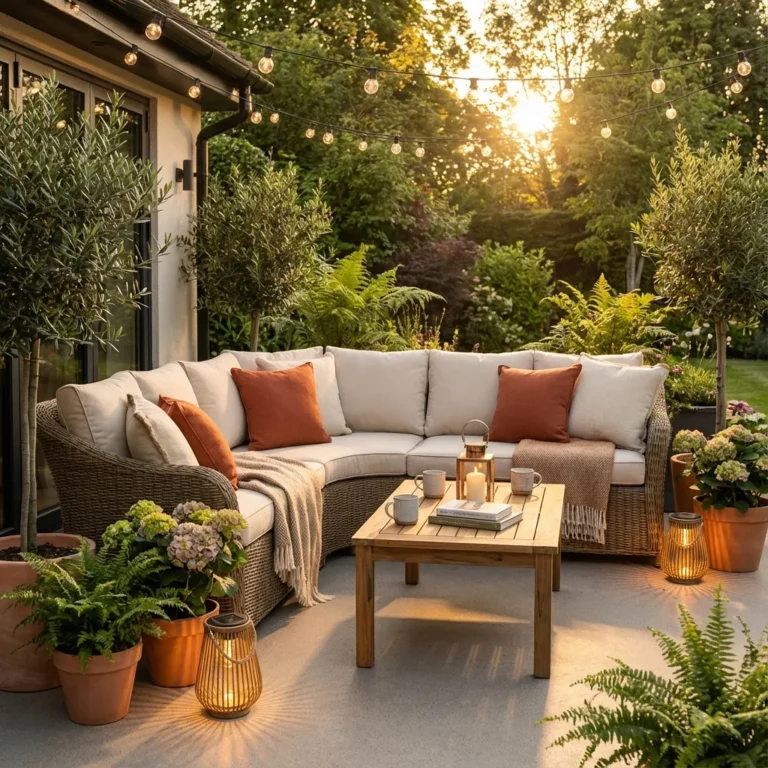
Synthetic rattan, often made from PE (polyethylene), brings the charm of woven textures without the maintenance headaches of natural wicker. It’s UV-resistant and weatherproof, making it perfect for casual seating. Unlike natural rattan, which can crack or fade when exposed to moisture and sunlight, synthetic varieties retain their colour and shape for years. The weave patterns can range from tight and uniform for a sleek look to looser, rustic styles for a more relaxed vibe.
Best Uses:
- Garden sofa sets
- Bistro tables
- Modular lounge sets
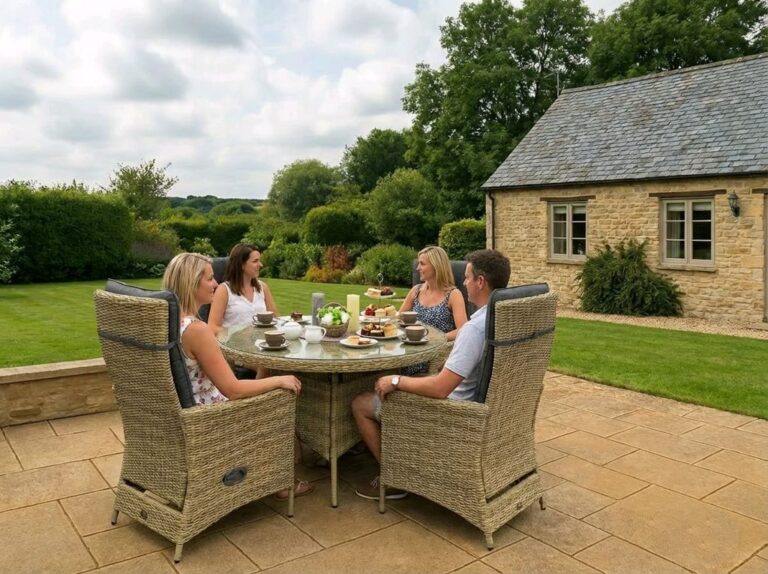
Synthetic rattan is particularly appealing for families and busy households because it requires minimal upkeep—a quick rinse with a hose is often enough to keep it looking fresh. It’s also lightweight, making it easy to move pieces around to suit changing layouts or to store them during extreme weather. For inspiration, explore our Stylish Balcony Sets with Durable Rattan Garden Furniture. Many modern designs incorporate aluminium frames wrapped in synthetic rattan, combining structural strength with visual softness. Colour options now extend beyond traditional browns and greys, with contemporary offerings in deep charcoal, soft taupe, and even two-tone weaves for added dimension.
Recycled Plastic Outdoor Furniture Materials: Sustainability First
Eco-conscious buyers are increasingly choosing recycled HDPE plastic furniture. It’s affordable, durable, and available in various styles. HDPE (high-density polyethylene) is made from post-consumer waste such as milk bottles and detergent containers, which are cleaned, processed, and moulded into sturdy furniture components. This process diverts plastic from landfills and reduces demand for virgin materials.
While it may lack the premium feel of teak, it’s an excellent choice for budget-friendly sustainability. Recycled plastic furniture is often resistant to moisture, insects, and UV damage, making it ideal for year-round outdoor use without the need for protective covers. It can be crafted to mimic the appearance of wood grain or painted in vibrant colours, allowing for creative garden styling. Schools, public parks, and eco-conscious hospitality venues in the UK are increasingly adopting recycled plastic benches and tables for their low maintenance requirements.
Consumers are prioritising materials that align with environmental values, recycled plastics, FSC-certified woods, and responsibly sourced metals are no longer niche; they’re mainstream.
For homeowners, choosing recycled plastic is a statement of values as much as a practical decision. While some designs may be heavier than aluminium, they are incredibly stable in windy conditions and can withstand years of use without fading or splintering.
Rope and Woven Fibres for Contemporary Comfort
Emerging in high-end lounge sofa sets, rope and woven fibres add texture and visual interest. When made from weather-resistant synthetics like polypropylene or olefin, they offer comfort and style without compromising durability. These materials are often used to create intricate patterns and tactile surfaces, adding a handcrafted feel to modern outdoor spaces.
Rope seating and woven panels are comfortable without heavy padding, allowing for more breathable designs perfect for summer use. In coastal-inspired gardens, pale rope finishes complement light woods and soft blue accents, while dark woven fibres pair beautifully with sleek aluminium frames in urban settings. Rope furniture can also be combined with teak or ceramic tabletops to create mixed-material sets that are both functional and visually engaging. Designers are increasingly using these materials to soften the look of metal frames, providing a more inviting, lounge-like feel to outdoor seating.
Matching Materials to Seasonal Versatility
UK weather demands furniture that can endure rain, frost, and summer sun. Teak and aluminium excel here, while synthetic rattan and recycled plastic are solid mid-range choices. Seasonal versatility means not only surviving weather extremes but also remaining comfortable and functional across temperature changes.
| Material | Seasonal Rating | Maintenance |
|---|---|---|
| Teak | Excellent | Low |
| Aluminium | Excellent | Very Low |
| Synthetic Rattan | Good | Low |
| Recycled Plastic | Good | Very Low |
For example, teak’s ability to withstand frost without splitting makes it ideal for gardens left uncovered in winter. Aluminium’s resistance to rust means it can sit through months of rain without degradation. Synthetic rattan, while resilient, may require cushion storage during wetter months to avoid mildew. Recycled plastic’s non-porous nature prevents water absorption, making it a favourite for seaside properties exposed to salty air. By matching outdoor furniture materials to your region’s microclimate, whether that’s the milder south coast or the chillier Scottish Highlands, you can ensure comfort and longevity year-round.
Design Harmony in British Garden Furniture
Neutral palettes and organic textures dominate 2025 trends. Teak’s natural grain, aluminium’s matte finishes, and rattan’s woven charm integrate seamlessly into diverse garden styles. Design harmony involves considering not just the furniture itself but how it interacts with surrounding elements, paving, planting schemes, and architectural features.
For example, a contemporary London terrace might pair slim-profile aluminium chairs with a teak dining table for a balanced blend of modern and organic. In contrast, a country garden could feature deep-seated synthetic rattan sofas surrounded by lavender and rosemary borders. Mixing materials can also enhance visual interest: combining rope-backed chairs with recycled plastic side tables adds both texture and sustainability. Lighting choices, from warm festoon bulbs to discreet solar spots, further influence how materials appear at different times of day. For design inspiration, see Transform Your Outdoor Space: Design Tips and Ideas.
Maintenance Tips for Garden Furniture
- Teak: Clean annually with mild soap and water, using a soft brush to remove surface dirt. If maintaining golden colour, apply teak oil once or twice a year; otherwise, allow natural weathering for silver patina.
- Aluminium: Wipe frames with a damp cloth and mild detergent; avoid abrasive cleaners which can scratch powder coating. Check joints periodically for stability.
- Synthetic Rattan: Hose down periodically, especially after pollen-heavy spring months. Store cushions indoors during wet seasons to prevent mildew.
- Recycled Plastic: Wash with water or mild soap; resistant to staining and does not require sealing or painting. Inspect for any loose fittings annually.
Establishing a seasonal maintenance routine can significantly extend the lifespan of outdoor furniture materials. For instance, covering furniture during prolonged heavy rain or snow can prevent wear even in highly durable materials. Investing in breathable, UV-resistant covers ensures protection without trapping moisture.
Balancing Budget and Longevity
Entry-level sets start around £500, while premium modular sets can exceed £3,000. Consider total cost of ownership: a teak set lasting 20 years may be more economical long-term than replacing a cheaper set every 5–7 years. Aluminium sets offer a middle ground, combining modern aesthetics with durability at moderate prices. Synthetic rattan provides an attractive, affordable option with reasonable longevity, especially when paired with robust frames.
Budget planning should also account for accessories, cushions, covers, and maintenance products, which can add to initial costs but enhance comfort and lifespan. Financing options and seasonal sales can make premium materials more accessible; many UK retailers offer spring promotions or clearance events at summer’s end. Weighing upfront investment against replacement frequency helps avoid false economies, ensuring your purchase remains both functional and stylish over time.
Conclusion: Your Investment in Outdoor Furniture Materials
Choosing outdoor furniture materials is about aligning lifestyle, budget, and design vision. In the UK, teak and aluminium lead for durability, synthetic rattan offers stylish ease, and recycled plastic delivers sustainability. Rope and woven fibres add contemporary comfort, enhancing tactile appeal.
By understanding each material’s strengths and limitations, you can invest in a garden space that thrives through every season. Whether you’re upgrading to a lounge sofa set or curating a complete dining experience, let your choice of outdoor furniture materials be the foundation for years of outdoor enjoyment. In doing so, you’re not just buying furniture—you’re shaping the character of your outdoor living space, creating a backdrop for relaxation, gatherings, and memories under the ever-changing British sky.

One Comment