The Best Outdoor Furniture for All Seasons: A Comprehensive Guide
Loving the outdoors means knowing how the right furniture can completely change the mood of a garden, patio, or balcony. Sometimes it’s just one well-placed chair that makes a corner perfect for morning coffee; other times, a matching set can turn the space into everyone’s go-to spot. The tricky part is finding the best outdoor furniture that looks good but can also stand up to whatever weather comes along. Summer sun can fade fabrics, and winter frost can damage finishes. Therefore, strength really counts, especially when mixed with comfort and easy care. Picking furniture made from weather-ready materials and simple-to-clean designs usually saves a lot of effort later.
This guide explores what helps outdoor furniture stay in shape all year. You’ll see which materials work best outdoors, learn care tips to keep things fresh, and get ideas for matching your setup to your space. We’ll also point out common mistakes to skip and share ways to keep your balcony or garden welcoming every season.
Choosing Materials for the Best Outdoor Furniture That Lasts in Every Season
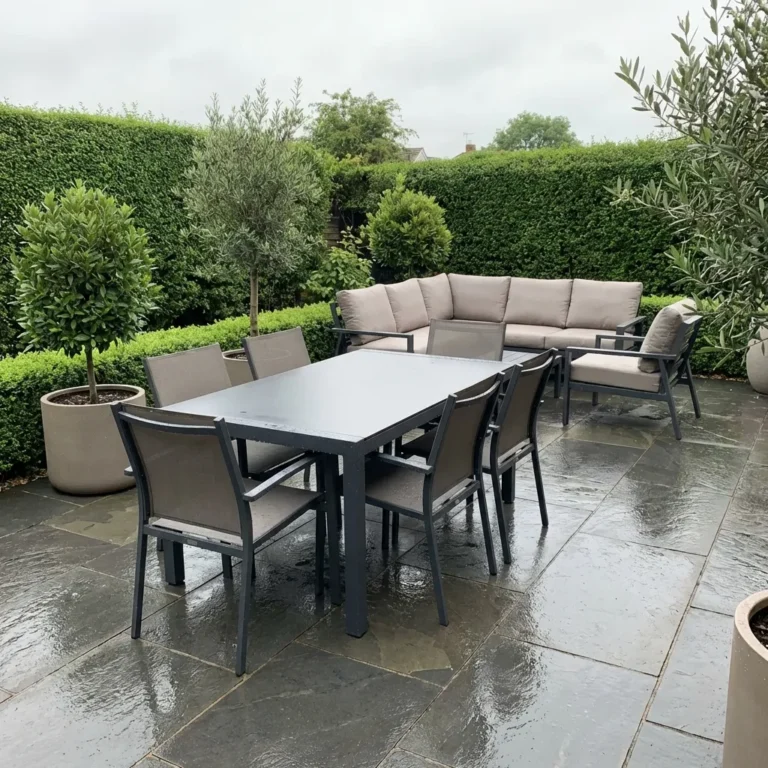
When picking outdoor furniture that can handle year-round weather, the main thing to think about is the material. Some stand up to rain, sun, and wind far better than others. For example, teak wood has natural oils that help keep out moisture and bugs, plus it smells nice when freshly cut. Powder-coated aluminum stays strong and rust-free whether it’s pouring rain, heavy snow, or blustery wind. Synthetic rattan gives you that classic wicker look without the worry of it rotting over time.
Industry tests show that choosing the right material can add years to how long your furniture lasts, especially in places where the weather changes fast or gets extreme. Durability isn’t just surviving one storm; it’s about resisting sun damage, mold, and big temperature swings that can make weaker materials crack or warp. Materials with strong tensile strength, low porosity, and built-in weather protection usually hold up best. Teak will slowly fade to a silvery gray but still stay solid. Marine-grade polymers handle salty coastal air without a problem.
<DataTable
headers=[“Material”, “Weather Resistance”, “Maintenance”]
rows=[
[“Teak”, “Excellent”, “Low”],
[“Aluminum”, “Very Good”, “Low”],
[“Synthetic Rattan”, “Good”, “Low to Medium”],
[“Steel”, “Fair”, “Medium to High”],
[“Plastic/Resin”, “Good”, “Low”]
]
caption=“Comparison of popular outdoor furniture materials”
/>
Of course, every option has pros and cons. Teak and aluminum are great for strength. Synthetic rattan offers a warmer style with little upkeep, perfect if you’d rather lounge than sand and refinish. Think about your climate and how much maintenance you’re okay with. Choose well now, and you can avoid repairs, extra costs, and the hassle of worn-out furniture later. For more on selecting the right materials, see our guide on choosing the best outdoor furniture materials for UK gardens and this Better Homes & Gardens article on outdoor furniture materials.
Planning for Seasonal Changes to the Best Outdoor Furniture
Outdoor furniture, no matter how sturdy it looks, still needs a bit of care as the months roll by. Summer’s strong sunlight can slowly fade fabrics and make some plastics brittle. Then winter shows up with its chilly mix of damp and frost; water gets in, freezes, and suddenly that solid chair feels unsteady. These seasonal changes are just how nature works. However, planning ahead can help your furniture stay in good shape for much longer.
Covers made to fit your furniture’s exact shape tend to stay in place, no chasing them down the street on a gusty day. They keep out rain, snow, and even piles of leaves or stray twigs. A handy routine is to clean everything in autumn, dry it well, then cover or store it. Cushions with quick-dry foam are especially useful, and zip-off covers make washing simple. Moving pieces under a pergola or awning during peak-sun weeks can really help prevent wear.
In places like the UK, where the weather is mild but often damp, all-weather furniture works well. In climates that swing from hot summers to freezing winters, aluminum or other light materials make storing pieces much easier.
Matching Your Outdoor Furniture to Space and Lifestyle
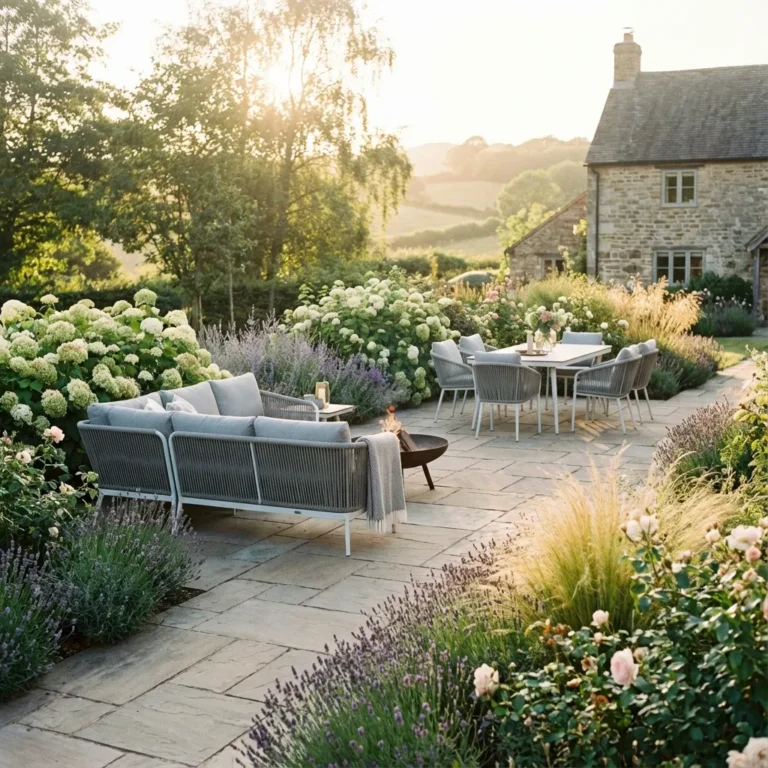
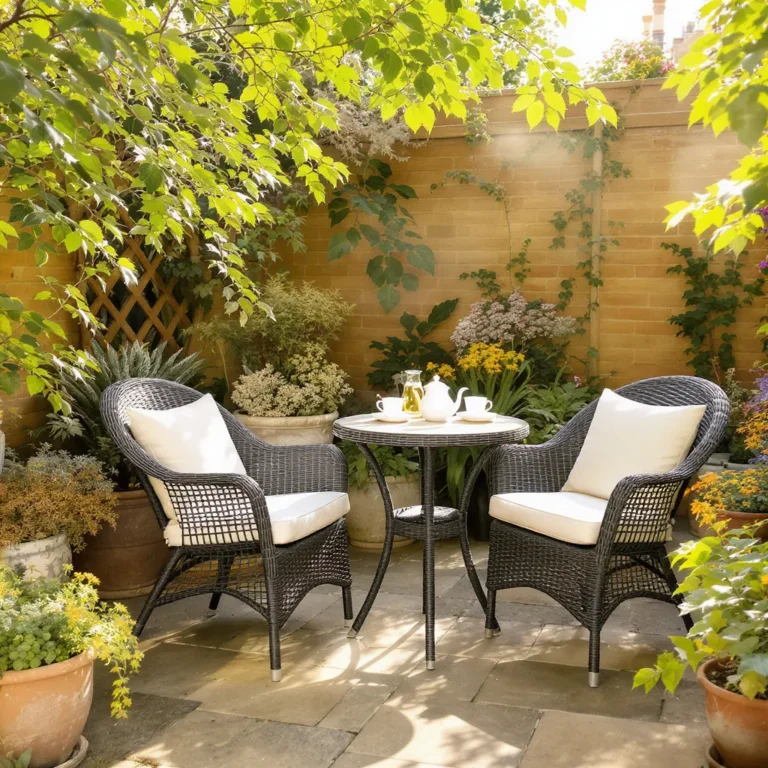
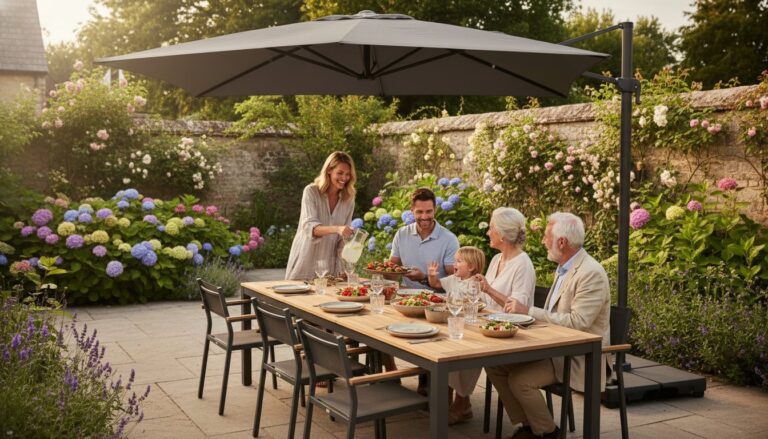
Choosing outdoor furniture isn’t just about finding pieces that can survive a few rainy seasons. It works best when they match how you actually spend time outside. If you’ve got a big garden, you can go all‑out with a full dining setup: maybe an extendable table and cushy chairs that make hanging out after dinner feel easy. But for a small balcony, a fold‑away bistro set keeps things practical, leaving space to move around without bumping into bulky seats. Moreover, less clutter usually means more comfort.
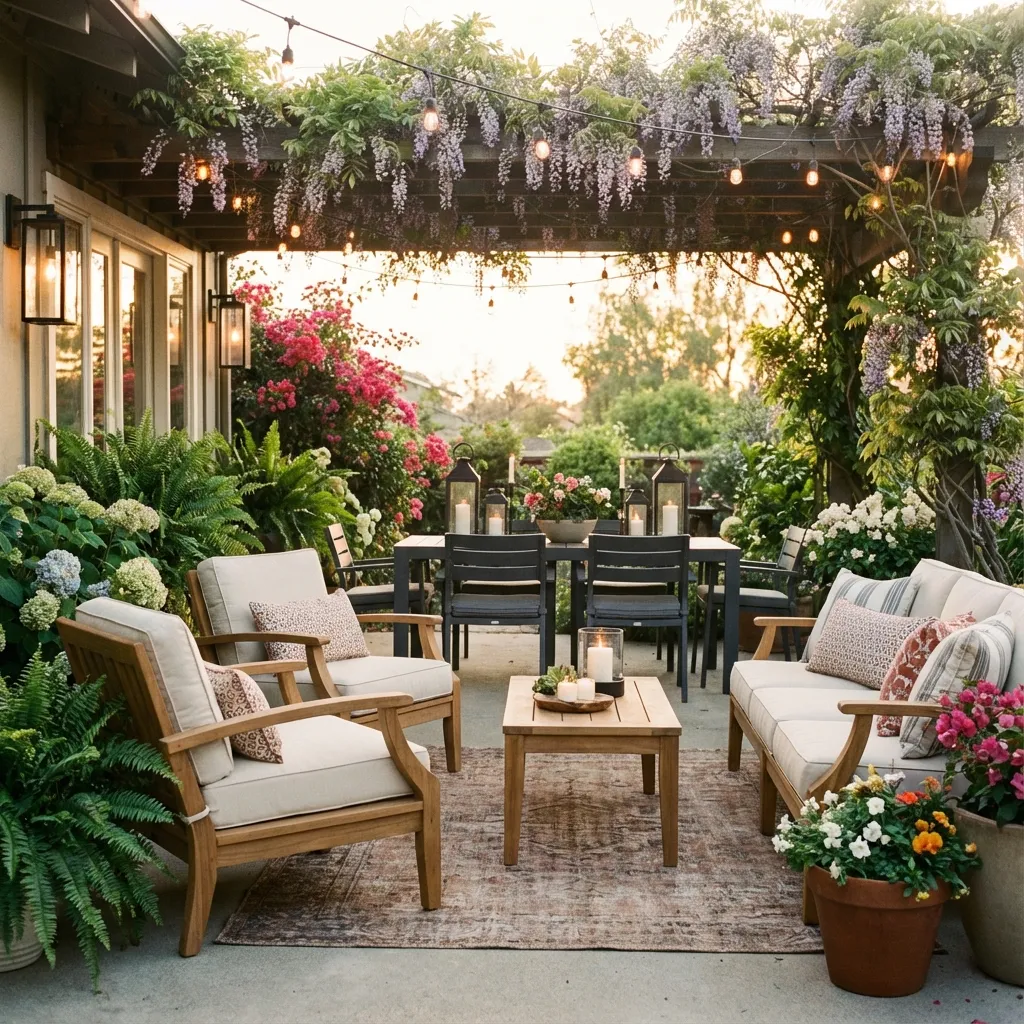
Think about how you normally use your outdoor space. Is it lively dinners with friends, or quiet afternoons reading? Modular seating can be really helpful, sectionals that shift with your plans. You might push them together for a cosy corner lounge, or spread them out when guests come over. Some days, two smaller sofas feel relaxed; other times, pulling them close makes a snug movie spot under the stars.
When space is tight, furniture that does two jobs makes a difference. A storage bench can hide cushions or tools while staying guest‑ready. Hanging chairs and wall‑mounted tables free up floor space and add style. For more smart, space‑saving ideas, see our guide on maximizing space with modular outdoor furniture and this Architectural Digest article on small outdoor spaces.
Common Mistakes to Avoid When Buying the Best Outdoor Furniture
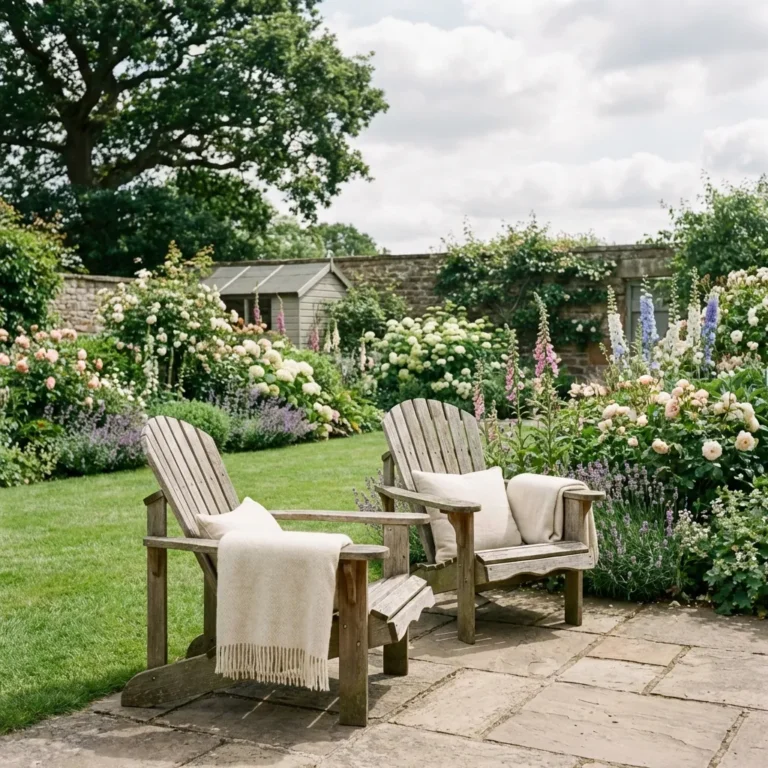
Even experienced shoppers can make slip-ups when choosing outdoor pieces. The one that catches most people? Picking something that looks amazing without thinking about how it will survive outside. That raw wood table that seems perfect under showroom lights might, after a wet winter, greet you with warped boards or deep cracks you can’t ignore. Good-looking doesn’t always mean long-lasting, especially when weather comes into play.
Comfort is another thing people skip over more than they realize. Outdoor chairs should feel almost as cozy as your favorite living room seat, not something you just put up with. Test them, sit down, lean back, shift your weight. You’ll quickly tell if they pinch or feel stiff, and that discomfort will creep into every backyard hangout. Cushions might add style, but they won’t fix bad design.
Sizing can trip you up too. Measure carefully so there’s enough room for people to move around. Cramped layouts can make a patio feel like a packed storage shed. Furthermore, plan ahead: if replacement fabrics or parts are hard to find, even a small repair could turn into an expensive hassle.
Trends and Innovations in All-Season Outdoor Furniture
Outdoor furniture has been changing fast, and it’s easy to notice. More designers are turning to eco-friendly materials, like recycled plastics that look like rich, natural wood but can handle heavy rain, hot sun, and even snow without warping or breaking. This kind of durability means less maintenance, which is great for anyone who prefers lounging over sanding or staining. Adjustable designs are appearing everywhere, too: tables that change height for dining or relaxing, and chairs that let you adjust the recline until it feels just right.
Color choices are becoming bolder. Earthy neutrals still dominate, but deep navy, forest green, and lively orange are showing up in new collections. Some brands are mixing materials, teak with aluminum or tempered glass, for a style that blends modern sleekness with cozy charm. Textured finishes are also becoming more common, encouraging a tactile feel.
Sustainability is shaping buying habits. People often look for long-lasting pieces made from planet-friendly options, like FSC-certified wood or cushions filled with recycled fibers. Tech is joining the scene, with solar panels to power devices, hidden USB ports, and built-in lighting that makes evening hangouts warm and welcoming. For more inspiration, see our article on outdoor furniture garden sofa set trends and buying guide for 2025 and House Beautiful’s outdoor trends.
Maintenance and Longevity Strategies for the Best Outdoor Furniture
Outdoor furniture can stay in good shape for years with regular care. A quick monthly wipe usually keeps dirt away, while a deeper clean twice a year, spring and autumn work well, helps stop buildup. Loose screws, chipped paint, rust spots, or anything that feels off should be fixed right away, since small issues often turn into big ones faster than expected. Early repairs can save money.
Wood furniture benefits from a yearly coat of oil or sealant to keep the grain from drying out or cracking. Metal pieces often need an anti-rust spray, especially if you live near the coast where salty air speeds up corrosion. Synthetic furniture is easy to look after; just use mild soap and water. Cushions and fabric parts last longer if stored indoors during heavy rain or snow, and they’ll stay cleaner too.
For a full guide by material type, see: outdoor furniture maintenance tips to maximize longevity and The Spruce’s patio furniture care tips.
Making the Best Outdoor Furniture Work for You
Turning your outdoor area into a place you’ll actually enjoy in every season takes more than just adding a few stylish chairs. It’s really about picking pieces that fit your weather, your space, and the way you like to spend time there. A good-looking setup that you never use isn’t worth the trouble. Choose materials that can handle rain, strong sunlight, and maybe even a bit of snow. Planning ahead with covers, storage options, or some form of shade or wind protection can make seasonal changes a lot easier. A helpful tip is to choose furniture based on what you love doing outside, whether that’s curling up with a book or throwing weekend barbecues.
Think about the outdoor moments you enjoy most. Maybe it’s sitting down with family for dinner under the stars, or sipping coffee in the cool morning air. Add little touches that make those times better: a soft rug for bare feet, a portable heater for chilly evenings, an umbrella or awning for midday sun, or a wind screen for breezy days. Lighting can really change the mood, solar lanterns for a green glow, string lights for a cozy vibe, or a spotlight to draw attention to a special feature.
With sturdy furniture, smart weather prep, and a bit of care, your balcony, patio, or garden can be a welcoming spot all year for relaxing, entertaining, or simply enjoying the outdoors.