
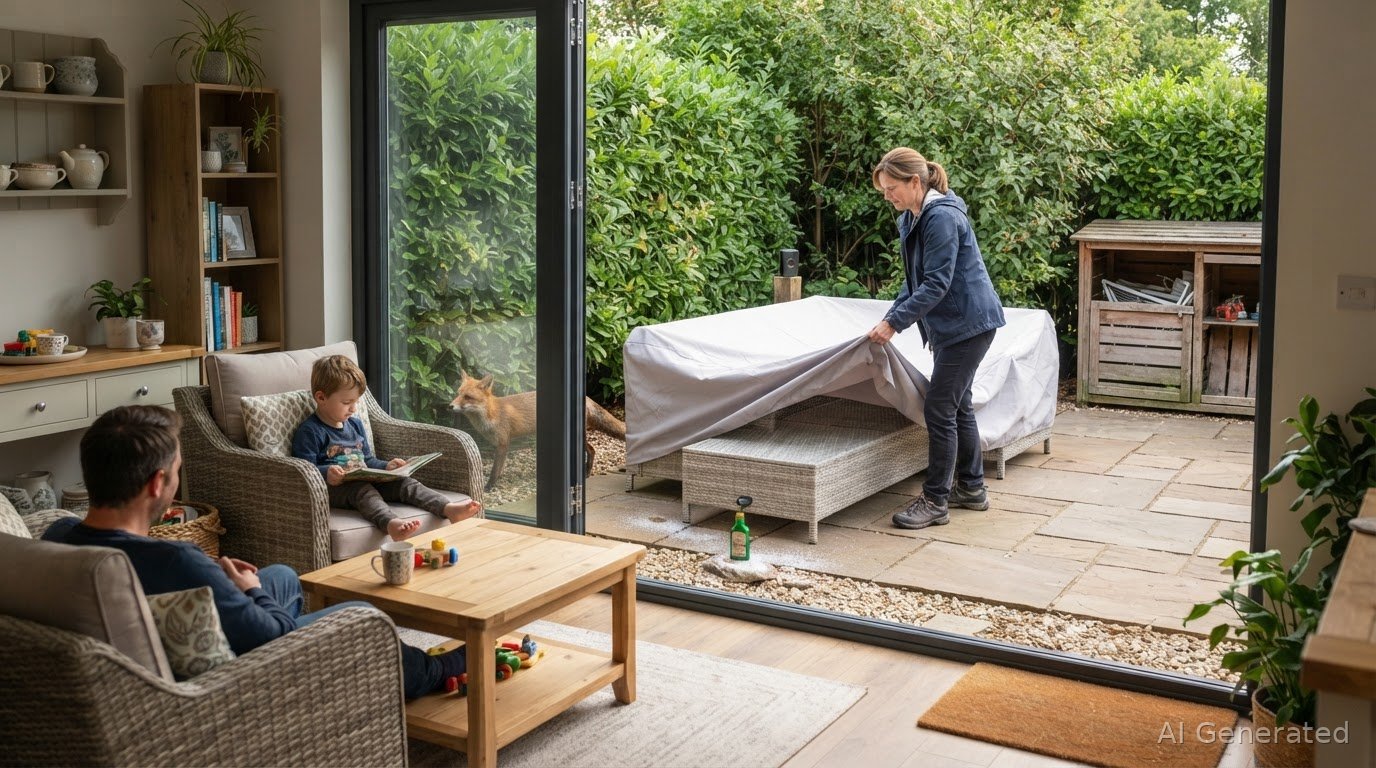
Protecting Furniture from Fox Damage with Natural and Animal Repellents
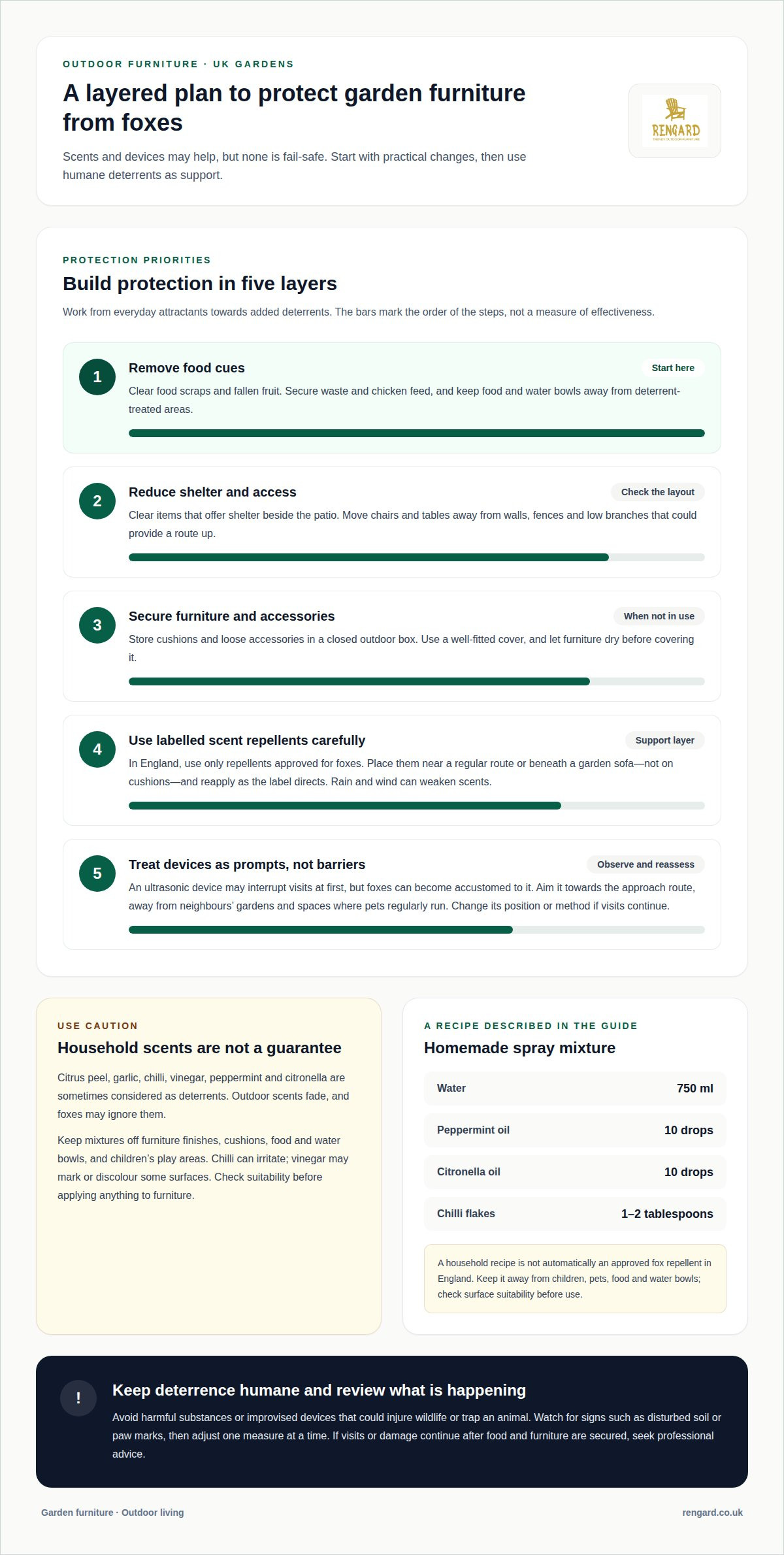
Natural fox repellents aren’t fail-safe and cannot guarantee that foxes will stay out of a UK garden. When protecting furniture from fox damage, treat scents and animal deterrents as one part of a layered approach: outdoor repellents need frequent reapplication, and foxes may ignore them.
It’s understandable to hope a familiar household scent will keep curious visitors away. Citrus, garlic, chilli, vinegar and essential oils are often considered as deterrents, but in England, only repellents approved for use against foxes should be used. Their effect can fade, so relying on scent alone may leave outdoor furniture exposed.
This guide explains how scents, animal repellents and ultrasonic devices may help, and why none is a complete solution. You’ll also find practical ways to reduce opportunities for foxes to approach garden furniture, with sensible steps for outdoor spaces across the UK.
Key Takeaways
- Natural scents can be part of a deterrent plan, but work best alongside practical changes to the garden.
- Rotate or reassess scaring devices if foxes appear to become accustomed to them.
- Look for food, shelter and access points that could be drawing foxes towards your outdoor space.
- Reduce opportunities for damage by securing or repositioning furniture and protecting vulnerable areas.
- Choose covers and materials with outdoor conditions in mind, and let furniture dry before covering it.
1. Citrus, garlic, chilli, vinegar and essential-oil deterrents
Citrus peel, garlic, chilli, vinegar and essential oils are often considered for discouraging foxes. Place citrus peel near a regular route, not on a garden sofa or dining table. Outdoor scents fade, particularly after rain, so inspect treated areas and refresh products according to their instructions. Don’t assume one application will keep foxes away.
Peppermint and citronella oils are sometimes used in homemade deterrent mixtures. Keep mixtures off cushions, furniture finishes, food and water bowls, and children’s play areas. Chilli can irritate, while vinegar may mark or discolour some surfaces. Don’t apply a household mixture to garden furniture without checking its suitability for the material.
Combine scent deterrents with practical measures. Remove food scraps, secure chicken feed and waste, and clear items that could offer shelter beside a patio. If foxes follow a particular route, place the deterrent there rather than across the whole garden. Reapply as directed and review your approach if activity continues.
In England, only repellents and deterrents approved for use against foxes should be used. Avoid harmful substances or improvised devices that could injure wildlife or trap an animal. Foxes and other animals caught in England are protected under the Animal Welfare Act 2006, according to legislation.gov.uk. Use products as labelled and avoid any method that could cause suffering.
Dogs aren’t a routine deterrent for garden furniture. In England, no more than 2 dogs may be used to stalk or flush out foxes above ground to stop serious property damage, according to UK Government. For an ordinary patio, focus instead on approved repellents, removing food sources and limiting access to vulnerable areas.
What does it cost to protect garden furniture from foxes in the UK? Costs depend on the measures you choose, such as a suitable repellent, a protective cover or secure cushion storage. The furniture, garden layout and likely source of fox activity all affect what you may need.
Are fox repellents safe and effective around pets and children in the UK? Safety depends on the product and how it’s used. Follow the label, keep children and pets away during application, and avoid placing deterrents near food, water or play areas.
Can foxes damage garden furniture, and how can I limit exposure? Yes, foxes may investigate exposed furniture and chew or scratch accessible surfaces. Store cushions and loose accessories in a closed outdoor box, and use a well-fitted cover when seating is not in use.
When should I contact a UK pest-control professional about fox damage? Seek professional advice if visits or damage continue after you’ve secured food and furniture. Mention any suspected den or trapped animal before work begins, so welfare considerations can be addressed.
2. Animal repellents and scaring devices
Animal repellents work through scent, taste or a sudden stimulus, so placement matters. Put a suitable scent deterrent near a fox’s route or beneath a garden sofa, rather than spraying cushions. Rain, wind and outdoor exposure can weaken scents, so follow the product label and reapply as directed. Foxes may still return, particularly if food or shelter remains nearby.
A homemade spray recipe uses 750 ml of water, 10 drops of peppermint oil, 10 drops of citronella oil and 1-2 tablespoons of chilli flakes. Mix the ingredients carefully and keep the spray away from children, pets, food and water bowls. Don’t apply it to furniture, plants or paving without checking the surface and product suitability. A household recipe isn’t automatically an approved fox repellent in England.
For a commercial scent-based repellent, choose one labelled for foxes and use it exactly as directed. Don’t assume a product intended for another animal will have the same effect. Strong-smelling products can also affect pets and other wildlife, so keep application areas controlled. Check the treated spot after rain and remove residue if an animal could come into contact with it.
Ultrasonic devices may interrupt visits at first, but foxes can become accustomed to the sound and lose their fear. If you use one, aim it towards the approach route, not a neighbour’s garden or a space where pets regularly run. Observe activity over time, then change the position or method if the fox keeps coming. A device is a prompt, not a physical barrier.
How can I stop foxes climbing onto or getting under garden furniture? Move chairs and tables away from walls, fences and low branches that offer a route upwards. Close access beneath fixed furniture with a secure barrier, leaving no loose edges that could trap an animal. Keep the area clear of food and nesting material, and inspect it regularly, especially in spring.
Combine methods rather than relying on one scent or sound. For example, secure food waste, clear fallen fruit, use a labelled repellent near the approach and reposition a portable chair. Nearby cover can influence where foxes travel, but a clear patio and consistent routine make furniture less inviting.
Use deterrents humanely and avoid anything that could injure wildlife or cause distress. Watch for signs of activity, such as disturbed soil or paw marks, then adjust one measure at a time. This makes it easier to see what helps, without leaving a scent device running where it could bother pets or neighbours.
3. Why do foxes chew, scratch or damage garden furniture?
Foxes usually investigate opportunities rather than target a particular garden chair or table. Food smells, sheltered corners and objects in their path can draw their attention. A fox may nose around a dining set after scraps fall beneath it, or explore a sofa where a cushion carries food odours. Damage can follow as it investigates, chews or paws at an unfamiliar item.
Food caching is one possible reason for digging near furniture. Foxes may hide excess food for later, including chicken eggs they have found, so a patio with food waste or accessible pet food can become more attractive. Check beneath a garden table after meals outdoors, remove dropped food promptly and secure waste. These steps address the attractant, rather than treating every mark as deliberate furniture damage.
Chewing can also affect plastic items around a garden. Foxes can chew through plastic hosepipes and polythene tunnels, so exposed plastic furniture parts or accessories may be vulnerable if investigated. Inspect soft plastic fittings, storage tubs and nearby gardening equipment for tooth marks. A damaged hosepipe beside a chair may indicate wider activity, not an attempt to destroy the chair itself.
Scratching and digging may be linked to foraging. Foxes can tear up lawns while searching for chafer grubs from autumn to spring, so disturbed turf near a patio may appear alongside marks around outdoor furniture. New planting can also attract digging if bonemeal, dried blood or chicken pellet manure has been used. The smell may lead a fox to investigate soil around planters or seating.
Furniture placement can create cover or access. A low sofa beside a fence may provide a concealed route, while gaps beneath decking or a shed can offer shelter. Check the setting, not just the damaged surface: look for disturbed soil, food remnants, chewed plastic and repeated tracks. If activity continues, note where and when signs appear before changing the layout.
Foxes are active in gardens throughout the year, so a quiet spell doesn’t prove visits have stopped. Cubs remain with their parents until mid to late summer, then disperse, which can change local activity. Protecting furniture from fox damage starts with identifying the likely draw: food, a hiding place, an access route or nearby foraging. Match your response to the evidence and keep checking vulnerable spots.
Where digging around planting is a concern, the RHS advises using fertilisers other than bonemeal, dried blood or other animal-derived fertilisers in gardens where foxes may dig. Foxes may dig up new plants where bonemeal, dried blood or chicken pellet manure has been used, because they smell these materials and dig in search of food. Burying wire mesh 6-12 inches deep can prevent foxes from digging again. In England, food waste should be secured in bins to discourage foxes from visiting a property.
Leather, microfiber and canvas are suggested as furniture fabrics that are more resistant to scratches and stains from pets. In the UK, the Wild Mammals (Protection) Act 1996 makes it illegal to harm or cruelly mistreat foxes when trying to get rid of them from a garden.
4. How can I fox-proof outdoor furniture in the UK?
Start with the layout. Move chairs, loungers and lightweight side tables away from fences, walls and low branches that could provide access. Store portable pieces in a shed or garage when they’re not in use, especially overnight. If a piece cannot be moved, raise it off the floor using blocks of foam or wood at least one inch high. This reduces the sheltered space beneath it.
Close gaps beneath decking or sheds only after checking whether a fox den is occupied. The RSPCA advises autumn and winter as the safest time to block access beneath these structures. If you suspect a den, don’t seal the entrance immediately. The RSPCA suggests covering part of it with loose soil or sticks, then checking after a few days to see whether the fox has moved.
Standard garden netting or fencing is unlikely to keep foxes out. Foxes can scramble over barriers or dig beneath them, and they can squeeze through gaps as small as 10 cm. Inspect fence lines, gates and the space around furniture for openings. Where a barrier is appropriate, secure its edges and consider buried wire mesh, rather than leaving a loose strip at ground level.
For areas that need stronger protection, the RSPCA recommends covering crops with fences or solid weld-mesh with holes at least 4 cm wide. This advice concerns crops, not a guaranteed furniture barrier, but it illustrates why material and fit matter. Keep mesh taut and away from seating routes, so it doesn’t snag clothing, paws or garden furniture covers.
Remove attractants around the patio. Secure food waste in bins, clear fallen fruit and bring pet food indoors after feeding. If foxes have dug near a chair or table, fill holes promptly before they deepen; the RHS advises this to reduce the chance of a den being established. Check beneath furniture and along borders for fresh soil or signs of repeated visits.
During wet British weather, bring cushions inside and cover dry furniture with a well-fitted outdoor cover. A cover protects against dirt and weather, but it shouldn’t trail on the ground or create a concealed space underneath. Secure it in high winds, then inspect its ties and edges after storms. Keep wooden furniture dry before covering it to help limit trapped moisture.
Use barriers to protect pets and livestock where needed, but avoid trapping or injuring wildlife. Combine a clear layout, secured food and regular inspections; each addresses a different route of access. If you find a suspected occupied den beneath decking, delay blocking the entrance and follow the humane approach outlined above.
5. Which furniture covers and materials resist fox damage best?
No outdoor fabric makes a garden sofa fox-proof. A cover can shield cushions from dirt, rain and everyday contact, but a fox may still paw or chew loose material. Choose a waterproof, stain-resistant cover that fits closely, with secure fastenings and no trailing corners. Remove it when using the furniture and inspect it for tears after visits.
Fit matters as much as fabric. A loose cover can billow in British winds or create a concealed space beneath a chair. Measure the table, sofa or dining set before choosing a cover, then secure it without blocking drainage or trapping damp. Let wooden furniture dry completely before covering it, since trapped moisture can encourage mould.
For exposed frames, consider how each material responds to weather and contact. Aluminium frames avoid exposed timber surfaces that can scratch or swell, while woven rattan merits inspection for pulled strands. These material differences don’t make furniture immune to foxes. Check joints, weave and exposed edges for damage, particularly where furniture sits beside a fence or planting.
Teak is naturally durable outdoors, as are cedar and redwood. Timber still needs care: clean it with a soft brush, mild soap and water, then let it dry fully. Moisture can make wood swell and weaken joints; sunlight can fade or discolour it. A sheltered position beneath a pergola can reduce exposure to rain and UV light.
Pay attention to cushions and delicate finishes. Silk, velvet and linen can be easily damaged by claws or accidents, so they’re poor choices for a seat left exposed to wildlife. Weather-resistant fabrics are more suited to outdoor use, but bring cushions indoors when the garden is unattended. A sealed storage box can keep soft furnishings out of reach and protect them from rain.
After a fox visit, check covers, cushion seams and frame edges before cleaning. Brush away loose dirt, then use a cleaning method suited to the material. Avoid applying oils or sealants to damp timber; let it dry completely first. Reapply protective coatings according to the manufacturer’s guidance, especially after harsh weather.
For a garden setting that balances material choice with everyday outdoor use, explore garden furniture accessories. If you’re planning a refresh, get in touch to discuss your garden furniture needs.
For extra protection from everyday mess, waterproof, stain-resistant and machine-washable furniture covers can help guard against spills, dirt and hair. In households with dogs, brushing a dog’s coat helps distribute its natural oils, making the coat healthier and less likely to shed excessively. This can reduce hair around seating, but doesn’t replace covering or storing cushions when they’re not in use.
Before covering wooden furniture, make sure it’s dry; trapped moisture can cause mould. After cleaning, let it dry completely before applying oils or sealants, or putting on a cover. During prolonged wet weather, waterproof covers can protect outdoor furniture from rain, frost and snow. Secure or cover wooden furniture during high winds to reduce the risk of damage from wind and debris.
Rengard: Furniture Accessories
Rengard offers furniture accessories to complement a considered garden setting. Once you’ve addressed fox activity, choose finishing touches that suit your patio or terrace and how you use your outdoor seating or dining area. A cohesive arrangement can feel practical and welcoming without relying on accessories as fox deterrents.
Explore Rengard’s furniture accessories when you’re ready to complete your garden setting. For more information, contact Rengard or visit rengard.co.uk.
Make your outdoor space work for everyday life
Protecting furniture from fox damage is one part of creating a comfortable, considered outdoor setting. Your next step can be a simple review of how you use the space: which pieces stay outside, where cushions are stored, and whether the layout leaves clear access around seating and dining areas.
Rengard’s garden furniture, including garden dining sets and rattan garden furniture, can help shape a setting around your patio or terrace. Choose pieces that suit your layout and how you spend time outdoors, then pair them with the practical measures you’ve put in place.
Contact Rengard to discuss your garden furniture needs, and take the next step towards an outdoor space that feels welcoming and well considered.
Frequently Asked Questions
Are Natural Fox Repellents 100% Effective?
No. Natural fox repellents cannot guarantee that foxes will stay out of a UK garden. A scent that discourages one visit might not deter a fox that keeps finding food or shelter nearby. Treat natural options as one part of a wider plan, and judge their usefulness by whether activity changes around the area you’re protecting.
What Smells Deter Foxes?
Citrus, garlic, chilli, vinegar and essential oils such as peppermint or citronella are commonly used as scent deterrents. Their effect depends on the fox and how exposed the treated area is to rain and wind. Avoid applying pungent mixtures directly to furniture, plants or areas pets use; choose a product labelled for foxes and follow its directions.
Do motion-activated lights or sprinklers deter foxes from furniture?
Motion-activated lights and sprinklers can startle a fox as it approaches, making a patio less appealing. Position them to cover the route towards the furniture, rather than aiming at seating where people regularly pass. If a fox continues using the same route, change your approach and remove nearby attractants instead of relying on one device alone.