Premium Furniture for Outdoor Living That Lasts
Creating a beautiful patio or garden is exciting, but keeping it looking good year after year is usually the harder part. Many homeowners choose premium furniture and outdoor sets that look great in spring, then watch them fade, rust, crack, or sag much sooner than expected. That is why smart outdoor living often starts with one practical question: will this furniture really handle rain, strong sun, wind, and everyday use over time?
Outdoor spaces are no longer treated as an afterthought. They now work as dining areas, lounges, reading corners, and places where families spend time together, which probably explains why expectations are higher. There has clearly been a shift, and market research suggests it is still growing. Persistence Market Research values the global outdoor furniture market at US$59.2 billion in 2026, while Mordor Intelligence places the global market at USD 20.5 billion in 2026. The numbers differ because research firms use different methods, but they still point in the same direction: demand is rising for stylish, durable pieces that support better outdoor living (Persistence Market Research, Mordor Intelligence).
This matters for anyone looking for premium furniture without wasting money. A well-made set should be comfortable, suit the home, and hold up to British weather without needing too much upkeep, which is usually what most buyers want. In this guide, you will learn which materials usually last longest, which design details are worth noticing, how to balance luxury with value, how to protect your investment, and what helps an outdoor space feel polished as well as practical. If the goal is furniture that works hard and still looks good, this is a sensible place to start.
Why durable premium furniture matters more than ever
Outdoor furniture is no longer seen as a quick seasonal buy. More homeowners now treat the garden, patio, balcony, or terrace as a real extension of the home, which helps explain the shift in buying habits. People want deeper seating, stronger frames, better fabrics, and finishes that feel closer to indoor style rather than temporary pieces. In many cases, they want furniture that can stay outside through multiple seasons and still keep its look. Future Market Insights says outdoor spaces are becoming long-term lifestyle areas instead of simple warm-weather zones.
The commercial case for long-lasting furniture is also fairly clear. According to Mordor Intelligence, the mid-range price tier held 51.40% share in 2025, while the premium tier is projected to grow at 5.88% CAGR. That usually suggests buyers want affordable luxury: not the cheapest option, but not always the most expensive either. They are often choosing products that offer better long-term value through stronger materials, longer use, and fewer replacements.
That context helps explain why premium furniture can be worth the investment when it is well made. A cheaper set may need replacing after only a few hard seasons, while a stronger one often costs more upfront but can cut expense, effort, and frustration over time. This is especially relevant for households that use their outdoor space often. It also tends to keep its appearance for longer, which matters when an outdoor living area is meant to feel calm, styled, and welcoming for family or guests.
Many UK homeowners now choose pieces designed to balance comfort and resilience. Brands such as RENGARD reflect that demand with durable materials and clean design styles suited to real homes and gardens, not only showroom settings. The aim is simple: an outdoor area that stays comfortable, looks tidy, and works well year after year.
For readers comparing options before buying, Exploring Premium Furniture Options for Every Home offers a broader look at how quality furniture choices can work across indoor and outdoor spaces.
The best materials for premium furniture that lasts
If one point from this article stands out, it should be this: weather resistance starts with the material you choose. It’s really that simple. A beautiful design matters much less when the frame can’t handle moisture, UV exposure, temperature swings, or everyday wear and tear, which often shows up quickly. In this view, the strongest long-term performers keep appearing in buying guides, trade research, and real-world recommendations, for good reason.
Teak for natural strength and timeless style
Teak is often seen as the gold standard for wooden furniture, and usually for good reason. Its natural oils help it resist moisture and decay, which is why it often works so well outdoors. The wood also has a rich look that fits both modern homes and more traditional spaces. Forbes Vetted lists teak among the best patio furniture materials because of its strong durability and premium feel (Forbes Vetted).
The trade-off is maintenance. To keep teak’s warm golden tone, it needs regular care, and that step usually cannot be skipped. Without that upkeep, it often weathers into a silver-grey patina. That creates a different kind of beauty, and in many cases, people really like that aged look.
Powder-coated aluminum for low-maintenance durability
Aluminum is light and rust-resistant, which makes it easier to move and often more convenient for everyday use. With a quality powder-coated finish, it’s usually one of the more practical options for outdoor living, especially in rainy climates. It also tends to fit modern spaces well. Global Industrial also describes powder-coated aluminum as a durable choice for harsh weather settings (Global Industrial).
HDPE and recycled plastic for all-weather performance
HDPE, poly lumber, other recycled plastic materials, and similar options are designed to resist rot, cracking, and fading. That matters in wet UK conditions, where outdoor furniture often deals with a lot of rain. They also usually need very little upkeep, while still giving you a painted-wood look without many of the usual drawbacks of real wood, which is often why people choose them.
For a closer comparison of how these materials perform in UK conditions, this guide to best outdoor furniture materials in the UK is a useful read.
What premium furniture really means outdoors
Many people hear “premium furniture” and assume it only means expensive. In practice, though, it should point to better construction, stronger materials, more comfort, and a more thoughtful finish, not just a higher price tag. The label itself is not the real test. What usually matters is whether the furniture feels solid, works well, and continues to look attractive after regular use in a garden, on a patio, or on a terrace.
A premium outdoor piece often comes with a stronger frame, tighter joins, thicker cushions, and fabric that resists fading better. It may also include details that make daily use easier, such as removable cushion covers, quick-dry foam, adjustable feet for uneven patios, or similar practical features that people often notice over time. These are not flashy extras. Still, they tend to make a clear difference after months or years of use.
Design is part of the value too. Today’s Patio reports a clear move toward “outdoor as indoor” styling, with warmer finishes, stone tabletops, larger silhouettes, and furniture that feels more permanent and architectural (Today’s Patio). That matters here because many homeowners want a garden that feels as finished and intentional as the inside of the home.
Before buying, look at furniture in layers:
Frame
This is probably where your money should go first. If the frame is poor, it can ruin the whole set.
Surface
Wood, rope, rattan, or metal should usually suit your climate and setup. It also depends on how you’ll use it.
Cushion and fabric quality
Even a sturdy frame can still feel cheap if cushions flatten fast or the fabric fades after one summer, which sadly happens. That’s pretty disappointing.
Scale and comfort in premium furniture
Premium furniture should look good and fit the way you live; that’s what matters most here. Long lunches, reading outside, and family evenings all need real support and comfort, often even more than looks alone.
For ideas on blending style across the home, that’s covered here if it helps: Indoor Outdoor Living UK: How to Style Your Home with Furniture.
How to balance affordability with premium furniture design
This is the point where many buyers hesitate. They want an outdoor space that looks high-end, but they also want to use their budget carefully. The good news is that not everything needs the premium option. A more practical approach is to spend more on the pieces that really need to last over time, and less on the items that are easier to replace later. In practice, that often makes future updates feel less difficult too.
The structure should come first. Dining tables, sofa frames, lounge chairs, and core seating usually get the most wear, and they are often the hardest pieces to replace one at a time. It makes sense to choose durable materials such as teak, powder-coated aluminum, or all-weather rattan, instead of lower-cost steel that may rust or plastic that can become brittle with age. In most cases, this is where spending more tends to pay off most clearly.
The softer and more seasonal layers are where it is easier to save. Cushions, throws, lanterns, planters, and side tables can usually be refreshed without pushing the budget too far. Even smaller updates often have a clear effect. That is one of the simplest ways to make the space feel more luxurious while keeping the overall cost manageable, without having to replace everything.
There is also a visual approach that helps. Larger pieces work well in classic shapes and neutral colours, while texture and smaller accents can add personality. Rope details, woven finishes, ceramic accessories, and warm lighting add depth without tying the space to a short-lived trend. The result is a cleaner foundation that still feels layered rather than plain.
This is also why Scandinavian or industrial style often suits this balance. Clean lines, muted tones, and honest materials usually age better than more decorative looks that change quickly. For many homeowners, that can feel like the right middle ground: elevated now, and easier to live with over time.
A useful rule is to buy the best frame the budget allows, then build the style around it gradually. It is a simple idea, but often an effective one. In this view, outdoor living can feel luxurious while still fitting real life.
For more buying perspectives and customer experiences, Customer Reviews Outdoor Furniture: Real Stories & Insights highlights what homeowners tend to value most after long-term use.
Care and maintenance: the difference between lasting and failing
Even the best materials still need some care; that’s simply part of owning them. Durable does not mean indestructible. It means your furniture starts from a stronger position and, in most cases, responds well to sensible maintenance.
Wirecutter puts it clearly:
The table’s wood top requires some maintenance in most climates.
That applies especially to wood. Teak and other hardwoods can last for years, but they still benefit from cleaning and, if you want, treatment that helps preserve their colour, usually that original warm tone. It is simple upkeep.
Over time, dirt, bird droppings, pollen, and standing water can wear surfaces down. For most outdoor furniture, though, the routine is simple:
Clean little and often
Wipe frames and brush off debris before dirt gets stuck, as it often does. Wash the surfaces too if you can.
Keep cushions dry when possible
Even weather-resistant fabrics usually last longer if you store them during heavy rain. During winter, that often helps too.
Use breathable covers properly
Putting covers on dirty or wet furniture often traps moisture, which happens often and can cause mildew.
Check fastenings and joints
A quick seasonal check can help spot small issues early, which will likely save trouble later.
Wirecutter also says:
Using a waterproof cover before rain and snow will extend your furniture’s life and prevent rot or mildew.
That advice is especially relevant in the UK, where the weather can change fast, sometimes within a single day. Covers and storage benches can help, and placing furniture in a sheltered spot often makes a clear difference. Good layout planning matters too. If possible, put premium furniture where water drains well and airflow stays decent. In most cases, protecting furniture comes down to a steady routine rather than one big action.
Choosing the right premium furniture for the way you live
The best outdoor furniture should be durable and fit the way the space is actually used. A small courtyard, a family garden, and a balcony usually need very different setups. When people buy without thinking about daily use, outdoor areas often end up feeling awkward, which happens often, or they simply get used less than expected. That is a common mistake.
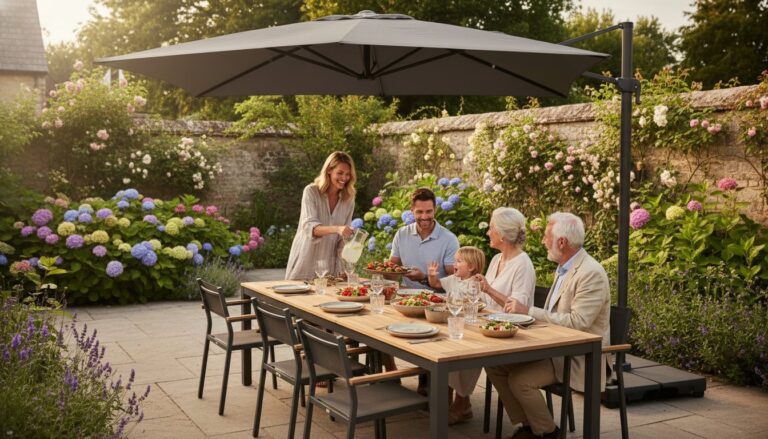
If alfresco dining is the main focus, a sturdy dining set should come first, with enough chairs and a table surface that can handle spills and changing weather. If relaxing matters more, deeper lounge seating will probably be more useful than a large table. When a space needs to do both, a flexible layout with modular pieces often works well. Another practical option is a compact dining set for meals, plus a separate pair of lounge chairs for slower afternoons.
Chairs matter here for a simple reason. Mordor Intelligence reports that the chairs segment held 39.70% of the market in 2025, showing that seating remains central in outdoor design (Mordor Intelligence). That makes sense here. Comfort often drives use, and regular use is usually what gives furniture real value, not just how it looks on day one.
For many homes, the ideal setup includes:
A dining zone
Ideal for meals, work, or entertaining, I think. Simple.
A lounge zone
Good for reading, coffee, or relaxing at night, with a quiet, calm feel.
Lighting and accessories
These details help keep the space usable after sunset, and they also shape the mood.
When styling from scratch, a well-chosen outdoor furniture specialist can often make the options easier to narrow down. The team and collections at this UK home and garden furniture store show how coordinated materials, lighting, and decor can simplify planning while still leaving room for personal style, which is usually what makes the result feel considered.
Readers planning outdoor dining spaces may also find Garden Furniture Showroom Ideas for Outdoor Dining Spaces helpful for layout inspiration.
Weatherproofing tips for UK gardens, patios, and balconies
British weather puts outdoor furniture under real strain. Rain, damp mornings, the odd frost, and short periods of strong sun can all show up in the same week, which is pretty normal in the UK. That means weatherproofing is not just about getting through a storm. It also means choosing furniture that can handle regular changes in conditions from one day to the next.
Exposure is usually the first thing to check. Open gardens often need tougher all-weather materials than a sheltered patio or covered terrace. On balconies, lighter furniture may be a better choice, but it still needs UV resistance and solid construction, even when the design looks very minimal. Coastal homes often need extra care too, since salty air can speed up wear, especially on cheaper metals and exposed fittings.
Premium furniture placement and protection
Placement can also make a clear difference. It is best not to put furniture right against walls that stay damp, especially north-facing walls or shaded brick surfaces. A bit of space around each piece helps. Raised feet and slatted surfaces usually let moisture drain away faster. Quick-dry cushions can also be useful, especially after overnight rain or damp mornings.
Protective routines matter just as much. Soft furnishings are better stored in a dry deck box or moved indoors during long wet periods. Bird mess should be cleaned off quickly because it can stain surfaces and damage finishes. And when furniture needs moving, lifting it instead of dragging it helps avoid scratches to protective coatings and reduces strain on joints.
If you want a practical breakdown of design and comfort ideas for real homes, Creating a Cozy Outdoor Living Space: Expert Tips & Ideas offers useful styling guidance that works well alongside durability planning.
Sustainable choices that still feel luxurious
Sustainability matters more now than it used to, but buyers still do not want to give up style in the process. The good news is that sustainable home choices often fit outdoor living options made to last, which makes the decision easier. In many cases, the more responsible option is also the one that lasts longer and does not need replacing as often.
That helps explain why HDPE and recycled plastic products are getting more attention. They usually offer strong resistance to moisture and fading, while also using recycled material streams. Responsibly sourced wood is another reliable choice, especially when it is well maintained and built for years of use, and that is often where the value becomes clear over time.
A better approach is to avoid false economy from the start. Furniture that fails quickly creates more waste, even if the initial price looked appealing. I think it often makes more sense to buy fewer, better pieces with timeless style. Simple, neutral frames, quality craftsmanship, and replaceable soft furnishings all support a more sustainable home over time.
Repairability matters here too. Removable cushion covers, replaceable pads, and strong modular designs can all help extend the life of a set. Luxury is also about more than how a space looks on day one. In my view, it depends on whether that space still works well years later, when it is used regularly and still needs to feel comfortable and practical.
For readers interested in eco-conscious buying trends, Sustainable Outdoor Furniture Trends Shaping 2025 explores how durability and sustainability increasingly overlap.
Frequently Asked Questions
What is the longest-lasting material for outdoor furniture?
There is no single winner for every home, but teak, powder-coated aluminum, and HDPE are among the most reliable choices. Teak offers natural beauty and long life, aluminum is low maintenance and rust-resistant, and HDPE performs very well in wet conditions.
Is premium furniture worth it for outdoor living?
Yes, if the higher price reflects better materials, construction, and fabric quality. Premium furniture usually lasts longer, stays more comfortable, and keeps its appearance better than low-cost sets that need quick replacement.
How do I protect outdoor furniture in winter?
Clean it first, let it dry fully, and then use breathable waterproof covers or indoor storage where possible. Cushions should be stored in a dry place, and wooden pieces may need seasonal treatment depending on the finish.
What type of furniture is best for a small patio or balcony?
Look for compact dining sets, stackable chairs, slim arm profiles, and multifunctional pieces like benches with storage. Lighter materials such as aluminum can also make it easier to move furniture around as your needs change.
Where can I find stylish outdoor furniture in the UK that balances durability and design?
Look for retailers that focus on weather-resistant materials, clear product details, and timeless styling rather than fast trends. RENGARD is one example in the UK market, with collections built around durable materials such as rattan, rope, and teak in clean Scandinavian and industrial-inspired styles.
How can I make my outdoor space feel luxurious without overspending?
Spend more on the core pieces like seating and tables, then build atmosphere with lighting, planters, textiles, and layered textures. RENGARD’s broader mix of furniture, lighting, and decor reflects this practical approach well: invest in the structure first, then add finishing touches over time.
The bottom line for furniture that truly lasts
Outdoor living usually works best when style and durability stay connected. The best choices often come down to a few practical decisions: choose better materials, put your budget into the main pieces first, buy furniture that fits how you actually live, and protect it with simple seasonal care that does not need to be complicated. That is often how premium furniture becomes a practical purchase instead of an expensive mistake.
The market keeps growing because more people want outdoor spaces that feel like real rooms instead of temporary setups. This points to a real shift. For homeowners, that creates a real opportunity. A patio or garden can look polished, feel comfortable, and hold up well over time without needing the most expensive option in every category, which is often unnecessary.
Keep these takeaways in mind:
- When long-term use matters most, choose teak, powder-coated aluminum, HDPE, or another durable material.
- It often makes sense to put more of the budget into frames and structure first, since durability usually starts there.
- Accessories that are easier to replace and softer styling layers can be where saving money makes more sense.
- Covers, storage, and regular cleaning can help furniture last longer, and even simple care often makes a clear difference.
- A timeless design can help an outdoor living space still feel current years from now.
Shop this way, and the garden becomes more than a seasonal extra. It becomes a lasting part of the home that gets used more often and enjoyed longer, whether that means quiet mornings outside or regular evenings on the patio.
3 Comments