
Teak vs Rattan vs Aluminium Garden Furniture UK Durability
Choosing garden furniture in the UK isn’t just about appearance. It usually comes down to how well each piece handles being outdoors, which is where issues often start. Rain, frost, damp air, strong winds, and sudden heatwaves all place steady strain on furniture year after year. Consequently, that ongoing exposure often matters more than people realise. Across Cheshire, Birmingham, Manchester, and other parts of the country, homeowners keep asking the same practical question: which material really lasts in the UK climate over time? When comparing teak vs rattan vs aluminium garden furniture, this becomes the key factor.
Based on real UK conditions rather than showroom displays, this guide compares teak and rattan, with aluminium also included. It looks at lifespan, maintenance, comfort, sustainability, and overall value. Moreover, it explains which materials tend to suit patios, lawns, balconies, and busy family gardens where furniture is used regularly. If you’re searching for durable garden furniture UK homeowners trust for the long term, this should help narrow the choice.
The guide also explains how each material deals with moisture and changing temperatures during everyday use. What happens over time is examined using real‑world lifespan data and expert insight focused on daily living.
Understanding UK Weather and Teak vs Rattan vs Aluminium Garden Furniture
The main challenge for garden furniture in the UK is the steady wear caused by the weather. Moisture often does the quiet damage first, slowly leading to rot and rust. In contrast, cold winters can make some materials split or crack. Strong summer sun can fade finishes faster than many people expect. In these conditions, weatherproof materials aren’t just a bonus; they often decide whether garden furniture lasts more than a few seasons.
In places like Worcestershire, Derbyshire, and across North Wales, furniture is often left outside all year with little cover. This everyday habit makes material choice especially important. Research suggests around 70% of UK buyers now put durability ahead of price. Therefore, long-term use often matters more than short-term savings.
Once outside, materials react in different ways. Wood depends on natural oils to manage moisture, while metals and synthetic weaves rely on coatings, UV resistance, and frame strength. Knowing these differences can help prevent expensive replacements later.
Market Research Future reports that long-lasting outdoor furniture is increasingly seen as a home investment rather than a one-season buy (https://www.marketresearchfuture.com/reports/uk-outdoor-furniture-market-12657).
| Material | Typical UK Lifespan | Weather Resistance |
|---|---|---|
| Grade‑A Teak | 30, 50+ years | Excellent |
| Powder‑coated Aluminium | 15, 25 years | Very High |
| PE Rattan (Aluminium Frame) | 10, 15 years | Moderate, High |
| Steel‑frame Rattan | 3, 7 years | Low |
Teak vs Rattan vs Aluminium Garden Furniture UK: Built for Decades
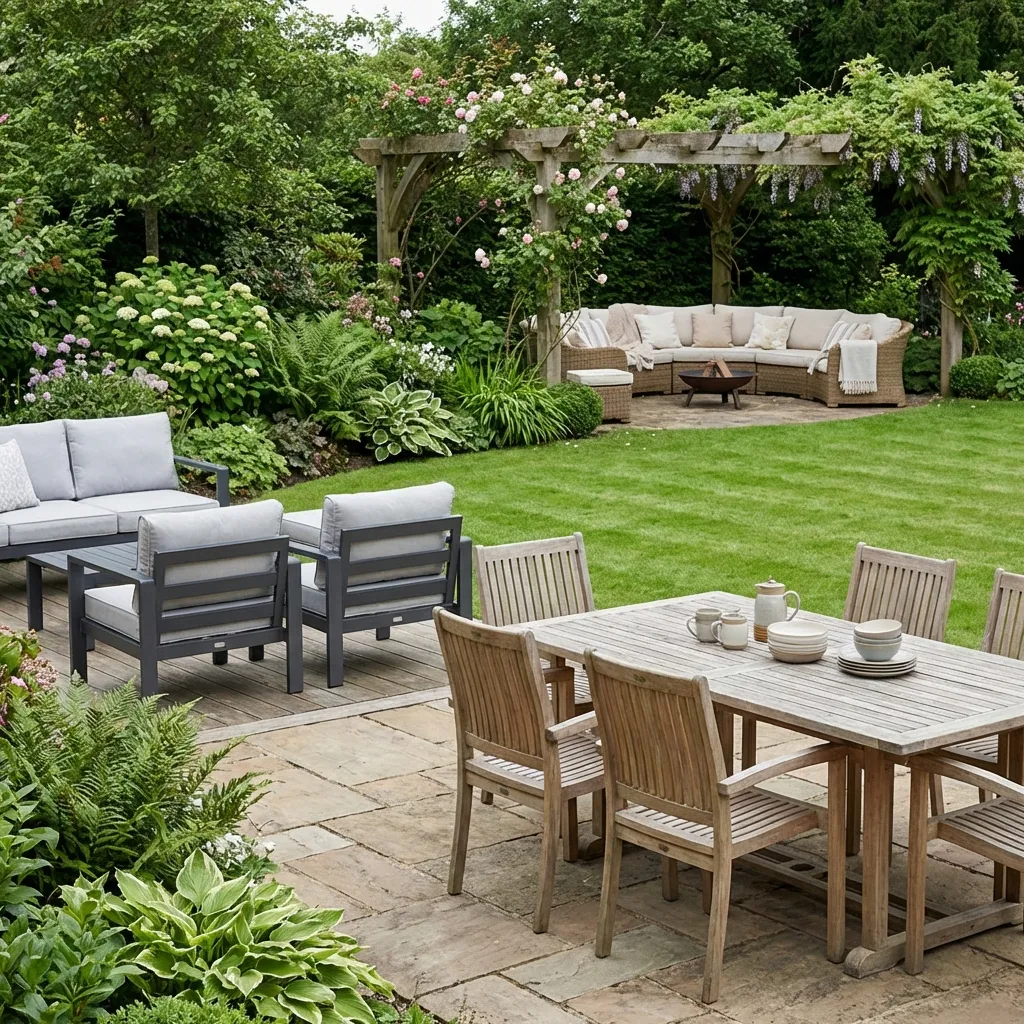
One of the first things people notice about teak garden furniture in the UK is how it changes over time outdoors. In many gardens, the wood slowly turns a soft silver‑grey, and most owners see this as a feature rather than a problem. Many homeowners like the weathered look, while others prefer to gently clean or oil the surface to keep the original golden colour. This choice usually depends on garden style and personal preference.
Durability is the main reason teak offers this flexibility. High‑grade teak has naturally high levels of oils and silica, which help protect it from moisture damage and decay. Consequently, teak holds up so well year after year, even in typical British weather. In many UK gardens, it can stay outdoors all year without covers, which is genuinely practical.
Grade‑A teak often lasts more than 30 years, and sometimes much longer, especially when it’s left to age naturally instead of being overtreated.
Gone are the days when garden furniture was an afterthought, 2025 is all about transforming outdoor spaces into stylish, functional extensions of the home.
From a sustainability point of view, FSC‑certified teak appeals to buyers of premium outdoor furniture in the UK who expect to keep their furniture for decades. The main downside is cost, as teak has the highest upfront price, and its weight can make it harder to move. Nevertheless, in countryside gardens in Shropshire or large family patios in Cheshire, these qualities are worthwhile trade‑offs.
For further insight, see Why Teak Is the Best Material for Garden Furniture in the UK.
Rattan and Teak vs Rattan vs Aluminium Garden Furniture UK: Comfort with Conditions
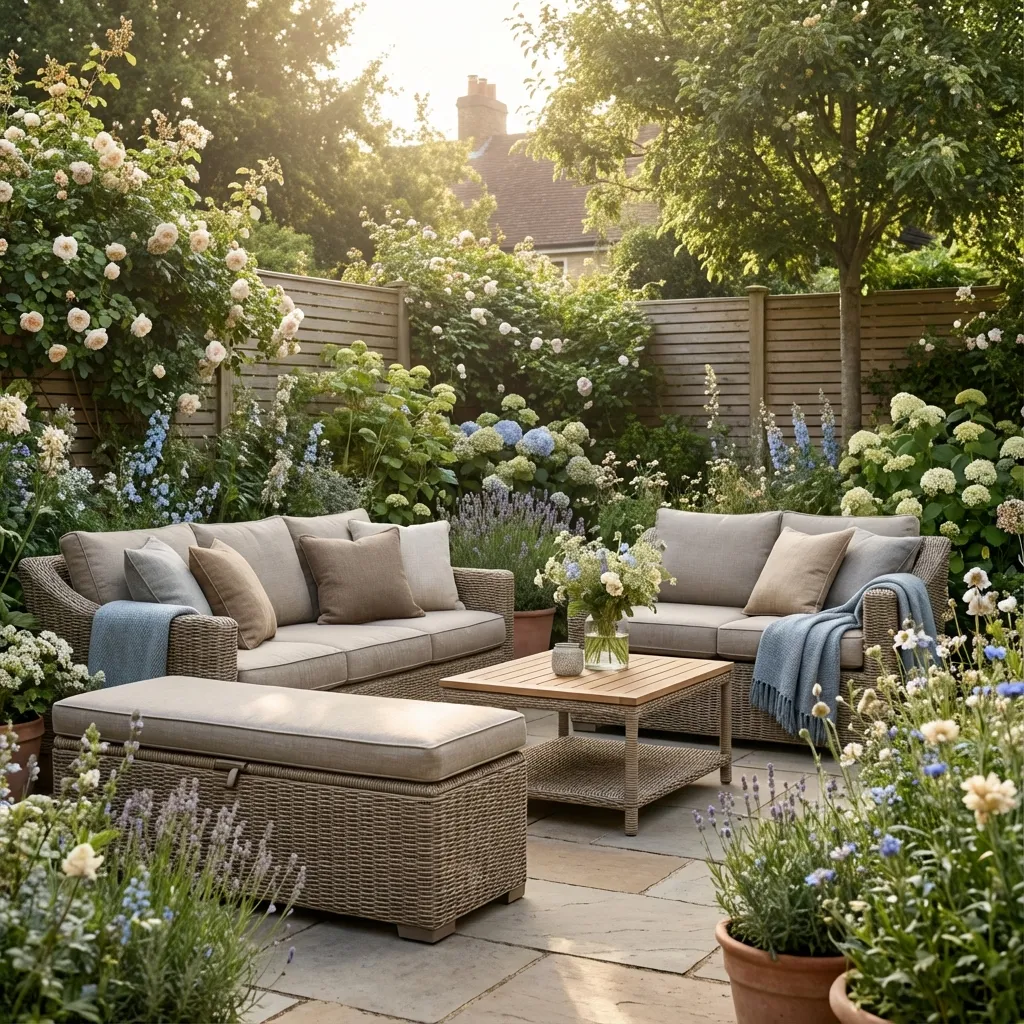
Rattan garden furniture remains popular with UK homeowners because it combines comfort with a style that works well in everyday gardens. Most modern sets use PE rattan, a synthetic weave made for outdoor use. Compared with metal furniture, it feels softer and more forgiving to sit on. Consequently, patios and decking often feel more inviting.
How long rattan lasts usually depends more on build quality than on how it looks. Higher‑end sets tend to use UV‑stabilised weave over aluminium frames, which helps reduce weather damage over time. Cheaper options often rely on hidden steel frames, and in the UK’s damp climate these can rust faster than expected. In many cases, the frame wears out before the weave shows real problems.
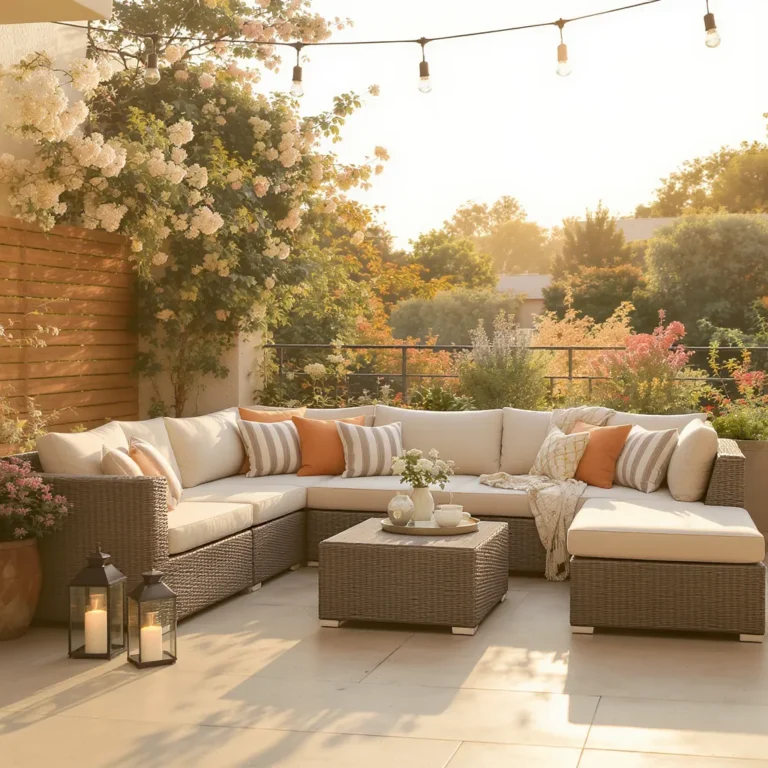
Covered patios and conservatories are usually the best settings for rattan. In fully open gardens, moisture can settle in the weave and slowly reduce its lifespan. Cushions also need care, as “weather‑resistant” fabrics are rarely fully waterproof. Chelsea Home & Leisure notes that in UK conditions, the frame material often matters more than the weave itself (https://chelseahomeandleisureltd.co.uk/stylish-teak-and-rattan-garden-furniture).
With sustainability, longevity, and aesthetics at the forefront of design, this year’s garden furniture trends are all about creating inviting outdoor spaces that are both practical and beautiful.
Overall, rattan suits style‑focused spaces and mid‑range budgets. Comfort and appearance are the main reasons UK buyers choose it, while durability mostly depends on placement and ongoing care.
Outdoor styling ideas are explored further in Rattan garden furniture: transform your outdoor space.
Aluminium and Teak vs Rattan vs Aluminium Garden Furniture UK: Low Maintenance Winner
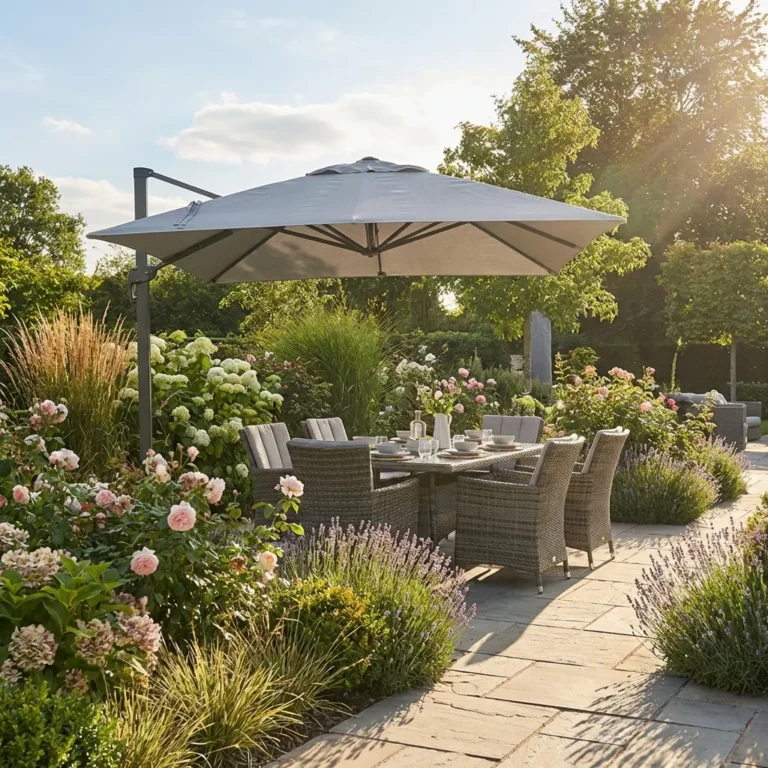
One of the first things people notice is how little effort aluminium garden furniture needs. Powder‑coated aluminium resists rust and usually handles year‑round UK weather well. Therefore, swelling or cracking is much less likely. This really matters for busy households, where upkeep can slip down the list, and it’s a practical plus in day‑to‑day use.
This dependability works well on modern patios in cities like Birmingham and Manchester. It also performs reliably in more exposed coastal gardens. Even though it’s strong, aluminium stays light, making chairs and tables easy to move when layouts change. Cleaning is straightforward too, as a quick wipe often brings the surface back to life.
One of the biggest shifts in garden furniture trends is the move towards curved designs, with aluminium frames playing a key role thanks to their strength, longevity and flexibility.
When it comes to lifespan, aluminium garden furniture usually lasts between 15 and 25 years. Teak can last longer, but aluminium is often chosen for everyday ease rather than maximum lifespan. Furthermore, many higher‑end sets now combine aluminium frames with teak tabletops or armrests to balance durability and comfort.
Rengard specialists also point out that aluminium is one of the most recyclable materials used in outdoor furniture today. More details are available in Aluminium Garden Furniture Cheshire: Reliable for UK Weather.
Maintenance, Comfort, and Teak vs Rattan vs Aluminium Garden Furniture Value
Comfort is often the first thing people notice, and it usually comes down to material choice. Teak chairs tend to feel firm and supportive, which suits dining well. They feel solid and steady. Rattan, on the other hand, is designed for a softer sit, with cushions providing most of the comfort.
Longevity includes how much work is needed over time. Teak usually needs occasional cleaning, while aluminium needs very little care once installed. Therefore, aluminium is popular in busy households.
When value is considered, teak’s higher upfront cost is often spread over many years of use. Rattan starts out cheaper but may need replacing sooner. As a result, many UK buyers mix materials, such as teak dining tables paired with aluminium seating.
Which Material Lasts Longest in the UK?
When lifespan matters most, teak often comes up first, which makes sense given how well it copes with British weather. Aluminium is a strong option when low maintenance is a priority, while rattan still appeals to people who care most about comfort and style. Each material behaves differently. Therefore, understanding teak vs rattan vs aluminium garden furniture comparisons helps clarify long-term expectations.
Across Staffordshire and Warwickshire, with Cheshire also considered, a common approach is to use a mix of materials in one space. Outdoor areas are now used as real extensions of the home, often for more than one season.
Questions You Ask Often
In the UK, Grade‑A teak tends to last the longest, often over 30 years, as its natural oils help it resist rain and rot over time.
Is aluminium garden furniture suitable for UK weather?
Yes, powder‑coated aluminium resists rust. In the UK’s wet climate, it generally holds up well, so upkeep is usually low.
Does rattan garden furniture survive British winters?
With cushions put away, good‑quality PE rattan on aluminium frames usually holds up through UK winters. Steel‑frame rattan, in contrast, often has problems if it’s neglected.
Aluminium usually needs little upkeep; I find it easy to manage. Often, a quick wipe keeps it looking new most of the time.
Is teak garden furniture sustainable?
Teak is often sustainable with FSC certification, because its durability leads to a longer service life and reduces how often furniture needs replacing.
The Bottom Line for UK Gardens
For many UK homes, including Manchester, Birmingham, and Cheshire, combining aluminium with teak often works well. Deciding between teak and aluminium garden furniture usually depends on how the outdoor area is used and how much maintenance feels realistic. Teak is known for its long lifespan and generally suits UK conditions, while aluminium avoids regular upkeep. Rattan still fits in, mainly for casual seating. Ultimately, teak vs rattan vs aluminium garden furniture comparisons help homeowners choose materials suited to their lifestyle and climate.
3 Comments