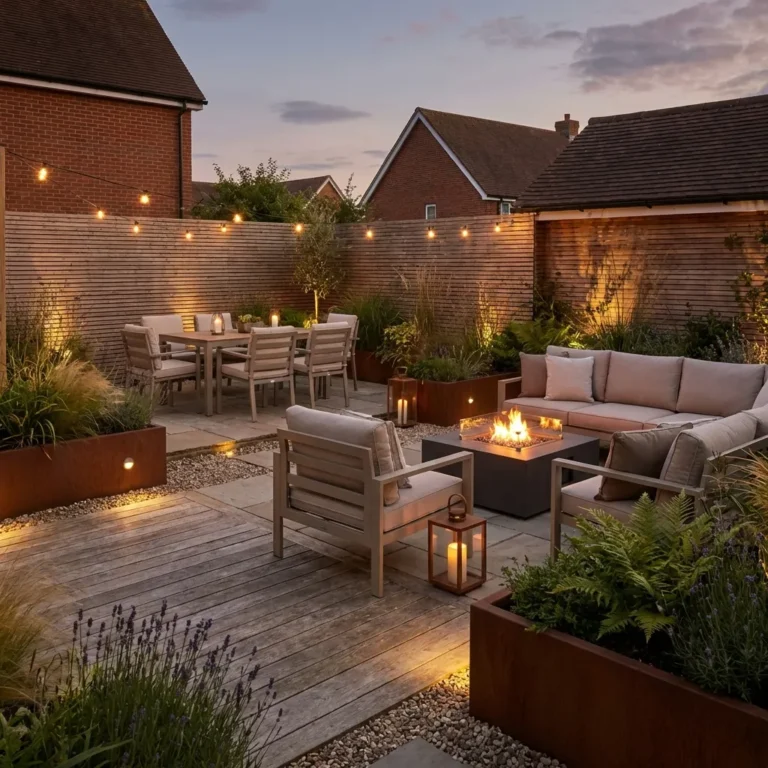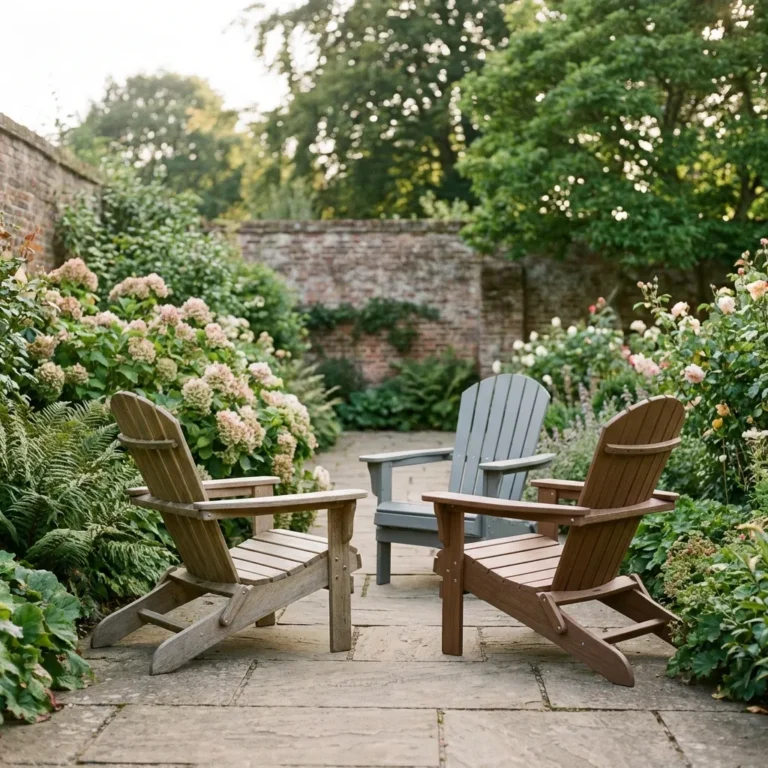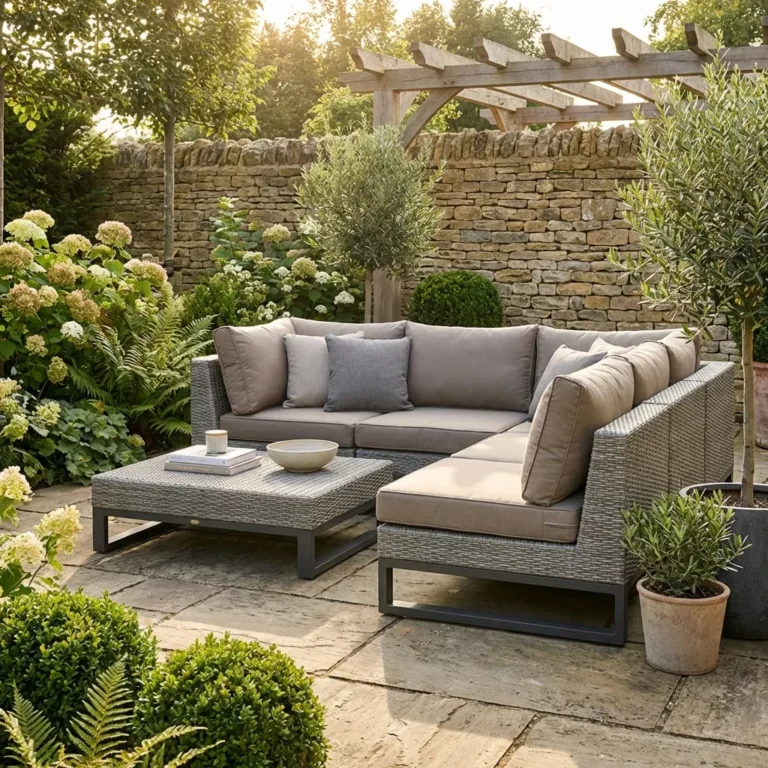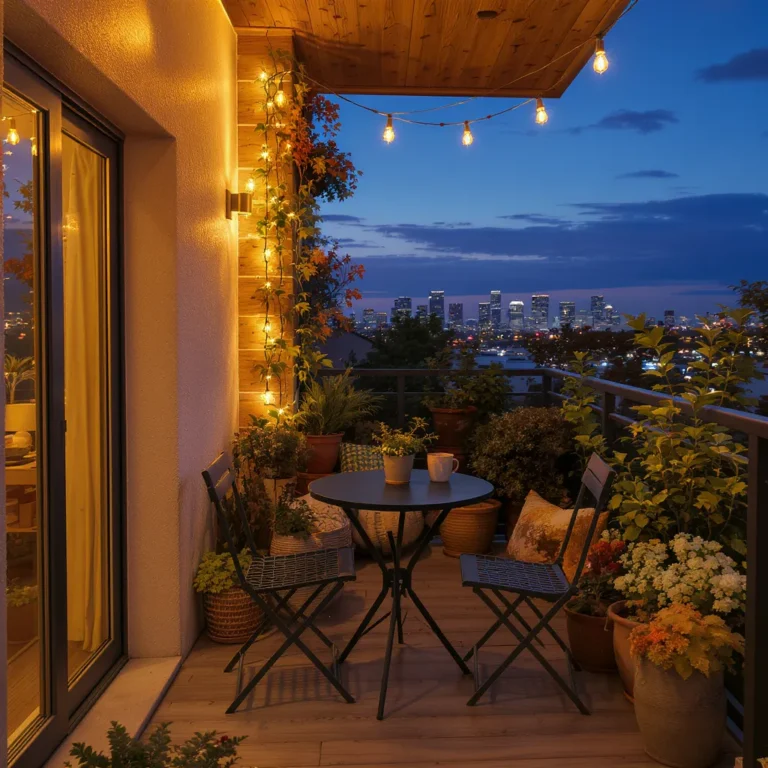
Why Teak Is the Best Material for Garden Furniture in the UK
TLDR; Teak stands out as the best material for UK garden furniture because it naturally resists rain, temperature changes, and humidity. This makes it ideal for unpredictable British weather. Market data shows teak leads the UK outdoor furniture sector thanks to its long lifespan, premium comfort, and timeless design that outperforms alternatives like metal, plastic, or softer woods. Although more expensive upfront, teak requires minimal maintenance and can last decades. Therefore, it offers better value over time. Buyers should focus on responsibly sourced, certified teak and choose designs that suit their space, from large gardens to small balconies, for durable and sustainable outdoor living.
British weather is well known for changing without warning. One week can bring clear skies, while the next delivers rain from every direction, sometimes within a single afternoon. For homeowners investing in outdoor spaces, this creates a real challenge. Many materials look great in a showroom but start to let people down after a few seasons outdoors. Over time, weather exposure usually shows what a material can really handle.
The Challenge of UK Weather for Outdoor Furniture
This helps explain why teak garden furniture UK buyers continue to trust has earned its reputation as a gold standard for gardens and patios. It keeps performing when conditions turn difficult. Teak outdoor furniture UK homes rely on is rarely picked just for style. Its value comes from how it performs year after year, not from short-lived trends. Furthermore, teak copes with rain, frost, heat, and regular use better than most outdoor materials, including during awkward in‑between seasons. From small city patios in Birmingham to larger countryside gardens in Shropshire, teak continues to show long-term value as the weather shifts.
For more inspiration on regional styles, see our guide to Garden Dining Furniture Cheshire: Stylish & Durable Sets.
What This Guide Covers
This guide explains why premium teak garden furniture stands apart. It looks at durability, weather resistance, comfort, sustainability, and long-term costs. These details usually become clear after a few years, not on day one. It also includes a practical comparison with other popular materials. This shows how teak performs across UK regions such as Cheshire, Manchester, Staffordshire, and Derbyshire, where changing conditions often reveal which materials truly last.
Why Teak Garden Furniture UK Thrives in the Climate
Teak’s strengths make more sense when you compare them with the realities of British weather. The UK is tough on outdoor furniture. Regular rain, long periods of damp air, winter frost, and the occasional summer heatwave arrive with little warning. Many materials struggle under those conditions. Teak usually does not, and that durability comes from how the wood is built, not from luck.
On a structural level, teak differs from many common hardwoods. It is naturally dense, and within that dense grain are oils and rubber-like compounds that affect how it performs outdoors. These oils often stop water from soaking into the wood. When rain hits teak patio furniture UK gardens leave outside all year, moisture tends to sit on the surface instead of being absorbed. With less water inside the wood, the chances of rot, swelling, or surface cracks developing over time are much lower.
Resistance to Cold, Sun, and Humidity
Cold weather brings another challenge. In winter, any water trapped in wood can freeze and expand. Repeated freeze, thaw cycles are a common reason weaker woods split or break down. Since teak absorbs very little moisture in the first place, it usually avoids that internal stress. That explains why weatherproof teak furniture UK homeowners choose often keeps its shape and strength after tough winters.
Sun exposure also matters, especially over many years. UV light dries out and weakens most woods, but teak’s natural oils slow that process and help the surface stay stable. The colour gradually shifts from warm brown to a silver-grey patina. This change shows age, not damage, and many people see it as part of teak’s appeal.
Humidity changes are another constant in the UK. Conditions can swing from damp to dry within days. Teak handles those shifts with minimal warping, which is why it has long been used on ship decks and other exposed areas. In everyday use, joints stay tight, tables stay level, and chairs still feel solid long after purchase.
To understand teak’s durability more clearly, it helps to compare verified performance data.
| Material Property | Teak Performance | Typical Benefit |
|---|---|---|
| Outdoor lifespan | 30, 50+ years | Long-term investment |
| Natural rot resistance | Up to 20 years untreated | Less maintenance |
| Water absorption | Very low | Reduced cracking |
| UV resistance | High | Stable structure |
Market Data Shows Teak Garden Furniture UK Leads the Outdoor Furniture Sector
One clear point is that teak’s place at the premium end of the market is not based on taste alone. It is backed by measurable demand. Market data shows a steady preference for wooden outdoor furniture, with teak regularly performing better than other materials. This conclusion comes from figures rather than opinion.
UK Market Trends and Insights
Research from Market Research Future shows the UK outdoor furniture market growing at a steady pace. Wooden furniture makes up more than 60 percent of total market share, mainly because it tends to last longer and offer better value over time. In outdoor use, durability often matters more than short-term savings, especially in places where rain and temperature changes are part of everyday conditions. For many buyers, purchasing once and avoiding early replacement is the practical aim.
| Market Metric | Value | Year |
|---|---|---|
| UK outdoor furniture market value | £1.39 billion | 2025 |
| Wood furniture share | 62.31% | 2025 |
| Projected market growth | ~6% CAGR | 2025, 2035 |
The same pattern can be seen across Europe. Cognitive Market Research reports that Europe generates over 25 percent of global teak furniture revenue, with the strongest demand in climates similar to the UK.
Repeat buying adds to this picture. Retailers often see customers return years later to add benches or loungers, which usually points to long-term satisfaction. Teak dining sets UK buyers choose also tend to hold their value more consistently over time, based on observed performance.
For additional buying tips, check our guide to Garden Benches Manchester: Top Places to Buy in the UK.
How Teak Garden Furniture UK Compares to Other Outdoor Materials
The first thing most people notice is the price. Lower-cost woods and synthetic options often seem like a sensible place to start. Pine, acacia, rattan, and aluminium can all be used outdoors, and at first they generally look suitable. Over time, though, they rarely offer the same mix of strength and long-term durability.
Common Weaknesses in Alternative Materials
Seasonal change is where softer woods often struggle. Pine absorbs moisture quickly, so swelling and movement are common as temperatures shift. Boards may warp or joints can loosen after only a few years. Even when treated, pine usually needs sealing every year just to slow this process. Acacia has an attractive grain, but in the UK its tendency to crack during freeze, thaw cycles is a real downside. Synthetic rattan handles moisture well, yet long periods of sun exposure often cause fading and brittleness.
Metal avoids rot, but brings different compromises. Aluminium is easy to move because it is light, though it can feel unstable in windy areas. Steel feels sturdier, but once protective coatings wear down, rust often follows. Plastic is affordable and simple to maintain, yet UV exposure frequently leaves it chalky and weaker.
Why Teak Excels
Teak stands apart because its durability comes from the wood itself. Instead of depending on surface treatments, its natural oils and dense structure usually protect it for decades. This helps explain why solid teak garden benches UK homeowners see in parks often last longer than other options. In mixed-material spaces, teak still works best where people sit and lean every day. It generally stays smooth and splinter-free as it ages.
…