best dining tables for open plan homes | UK Guide
Open-plan homes can be bright, sociable, and easy to live in, but getting the furniture right isn’t always straightforward. In many of the best dining tables for open plan homes, the table has to do more than just handle mealtimes. In a single room where the kitchen, dining area, and lounge all share the same space, the dining table has to do more than just handle mealtimes. It often plays a big part in how the room functions, and that’s not always as easy as it sounds. It can mark out the dining area, make the shift from kitchen to seating feel easier, and cope with everyday family use, from breakfast and homework to weekend guests.
That’s why choosing premium dining tables for open plan homes calls for a different approach than choosing one for a separate dining room. It’s not just a case of matching chairs to the tabletop. In this kind of space, the wider picture matters more: flow, sightlines, daily use, lighting, storage, materials, and the overall feel of the room all have to work together. For many buyers across Shropshire, Staffordshire, Cheshire, Manchester, North Wales, and Birmingham, that means finding a table that feels solid without making the room seem too heavy, and that can be trickier than it first appears.
This guide looks at the best dining tables for open plan homes. It covers how a table can work as a zoning tool, which sizes and materials usually work best, how to balance kitchen finishes with the living area, and what makes an open plan dining table UK buyers can genuinely live with every day. If you’re comparing large dining tables UK retailers offer, or trying to find a modern dining table for open plan space that suits contemporary and soft-modern interiors, this article should make the choice feel clearer and easier. A small point, but still worth noting.
Why the best dining tables for open plan homes matter so much in open-plan layouts
In an open-plan room, the dining table is often right at the centre visually, so it matters more than it would in a separate dining room. It often becomes the main focal point and helps draw the line between the kitchen and the lounge, which is usually the tricky bit. When it gets this right, the room feels more settled, without blocking light or making it awkward to move through.
This matters because open-plan living remains a major priority in UK homes. Houzz UK research published in 2024 found that 45% of homeowners renovating or planning a kitchen made it more open to nearby rooms, while 33% had completely open-plan kitchens with no wall separation (Houzz). The same report also found that 60% increased kitchen size, which suggests many households want larger connected spaces rather than closed-off rooms. That’s a pretty clear sign.
In practical terms, that means dining tables for open plan living need to do several jobs well, often at the same time:
- create a clear dining zone
- support everyday family use and fit naturally into daily routines
- connect visually with the kitchen
- still sit comfortably with the lounge area
Architect George Clarke has put this clearly:
You’ve got to be clever and design it as three zones that each work independently.
That idea is central to good open plan kitchen dining furniture. The table should make the room feel planned, not thrown together. It needs to show where dining happens without making the space feel separated from cooking or relaxing, because that’s often the balance that makes the layout work. And it shouldn’t look like it was just dropped into spare floor space. Premium tables often do this better because they tend to have better proportions, better materials, and more presence in the room.
What makes the best dining tables for open plan homes right for modern family living
A dining table in a modern family home has to do more than just cover mealtimes. In plenty of homes, it ends up being where school projects get spread out, where a laptop gets opened, where food is set out when friends are over, and where people sit and chat while dinner’s cooking, which is often when everyone comes together. It’s for daily use, not only for eating.
Aviva’s 2025 How We Live report says 28% of people making home changes did so with home working or side hustles in mind (Aviva). So there’s a clear need for furniture that can switch roles easily and work for different parts of the day.
In open-plan homes, the tables that work best usually have a few practical things in common:
Strong everyday durability in the best dining tables for open plan homes
In busy kitchen-dining-living rooms, surfaces have to put up with heat, spills, plates, homework, repeated cleaning, and everyday wear, day after day, which is asking a lot. Premium materials usually help here with appearance and, in most cases, peace of mind.
A shape that supports circulation
You need enough room to walk around the table, from the kitchen to the sofa, so the layout doesn’t feel cramped, that’s often the first problem. The table can still be large, but it needs to leave clear paths to move through.
A design that looks good from every angle
In open-plan spaces, the table is often visible from the front door, the sofa, the kitchen island, and sometimes even the garden doors, which is quite common. That’s why, in this setup, the base matters as much as the top, and you’ll probably notice that quickly.
Flexibility without compromise in the best dining tables for open plan homes
Some families want a large fixed table, while others go for an extendable one when guests come over, which, to be fair, happens quite often. If you’re deciding between a fixed table and one that extends, our guide to extending dining tables UK for modern homes goes into the practical trade-offs in more detail and helps you compare space, seating, and everyday use.
A premium table should feel steady and dependable day to day, not just look dramatic in a showroom, because that’s only one moment, after all. In most homes, that tends to matter more at everyday meals and in regular use.
Using the best dining tables for open plan homes to zone the room without closing it off
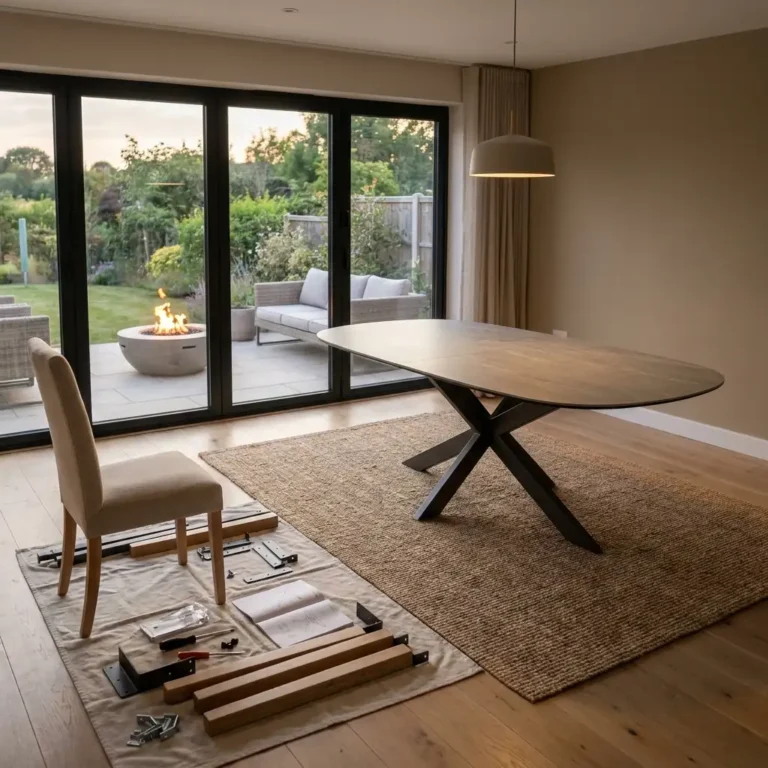
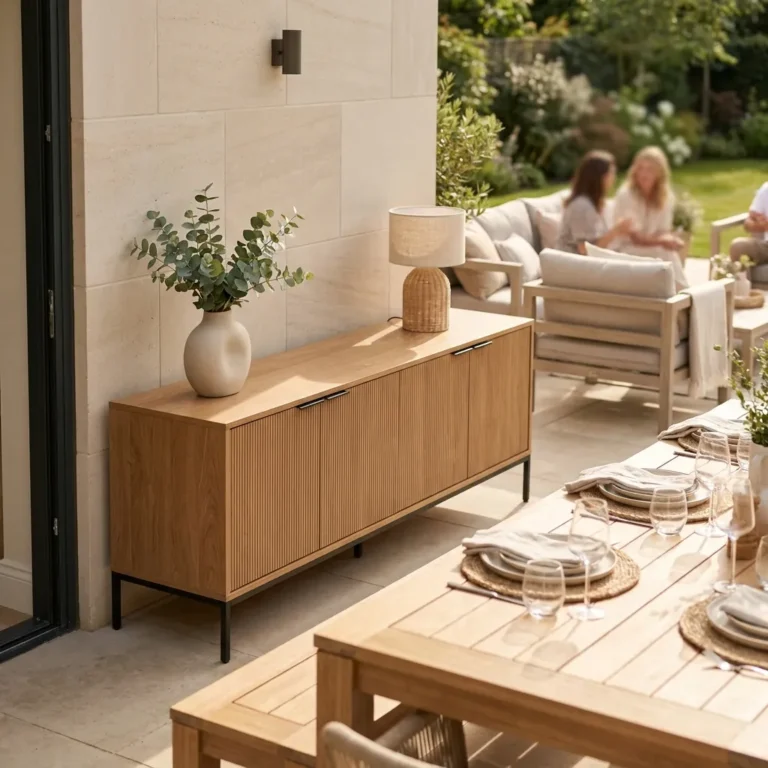
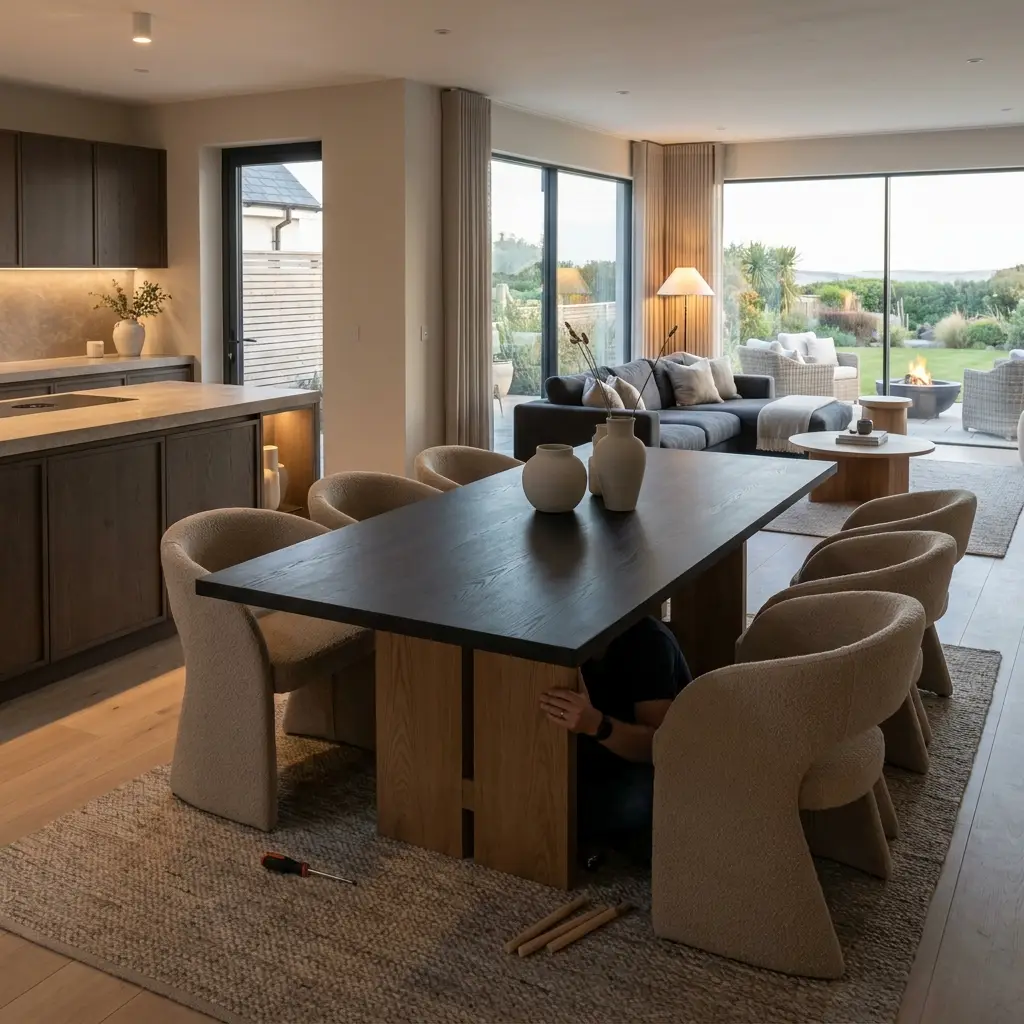
In open-plan spaces, one of the trickiest parts is making each area feel distinct without adding visual clutter again. A good dining table can do some of that work on its own. Set between the kitchen and lounge, it gives the space an anchor, and that tends to help more than people expect, especially with a rug underneath, a pendant light above, a sideboard on the wall, or even a bench nearby.
Zoning usually works better in layers than as a hard border. The table sets the main footprint, and the pieces around it can back that up and give the room more structure in a straightforward, practical way.
Visual zoning ideas for the best dining tables for open plan homes
- A pendant or linear light placed in the centre above the table
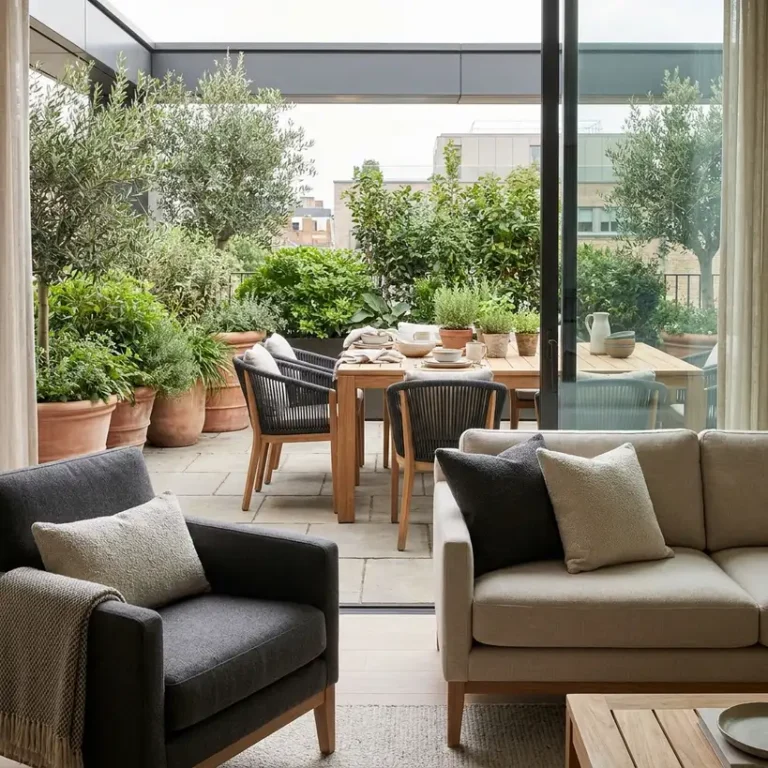
- Dining chairs in a fabric or colour that connects with the living room seating or other soft furnishings
- A timber table can bring warmth to a sleek painted kitchen, which often works well in practice
- A rug under the dining set, if the layout gives enough clearance around the chairs
- A console or sideboard behind the dining zone can create a softer edge between the dining area and the seating space
- Bench seating on one side can save space, and it often helps the room flow more easily, especially in narrower layouts
George Clarke says balance matters in open-plan rooms too:
You’ve got to make sure you get the balance of the space right.
That balance usually comes back to proportion. A table that is too small can look lost in the middle of the room, while one that is too bulky can make the space feel tighter and less practical for everyday movement around it.
In soft-modern interiors, many buyers now want rounded corners, sculptural bases, warmer finishes, and shapes that define a zone without bringing in harsh lines. In other words, softer details. This matches the wider UK design direction toward warmer, more social kitchens and softer living-led finishes (Houzz).
The best dining tables for open plan homes in kitchen-dining-living rooms
Not every table style works well in a shared multifunctional space, and that’s usually the challenge. Some look great on their own, but can feel too formal, too bulky, or too sharp-edged when placed between a kitchen island and a sofa area. The best options usually feel present while still being easy to live with, which you’ll probably notice right away. Simple.
Oval and racetrack tables for the best dining tables for open plan homes
In open-plan homes, these are often a good choice because they soften the room and make it easier to move around near the table ends, which is practical. They suit contemporary dining tables UK buyers often want for family life, with a more relaxed feel than a strict rectangle. But they still seat plenty of people, so they will likely be useful day to day.
Rectangular tables with softer detailing
A rectangular top still works well in many larger layouts, especially when your kitchen island runs parallel, which can often help. But it’s worth choosing rounded corners and chamfered edges. You could also pick a base with a little visual space underneath, since that usually helps too.
Round tables for square-ish zones
Round tables can work well when the dining area sits by a bay, in a central square footprint, or between circulation routes, which is often the case in open-plan layouts. They’re less useful when a narrow zone needs to seat more people, since a rectangular table will probably fit better. In open-plan homes, though, round tables can suit spaces that need easier conversation and softer lines, which is usually the main appeal. If shape is the main sticking point, this dining table shape guide UK for Modern Homes gives a quick summary. You can also compare layouts in Choosing Between Round and Rectangular Dining Tables in Shropshire.
Pedestal bases and sculptural supports for the best dining tables for open plan homes
They can cut down on visual clutter and make it easier to pull up a chair too, which you’ll likely notice straight away. In open-plan rooms, a table with a clean base can make a larger size look less heavy, and the dining area can feel less cramped.
A simple way to picture it:
- Before: a chunky dark table with thick corner legs blocks views across the room, so the space feels divided.
- After: a warm wood or mixed-material table with softer edges can set out a clear dining zone, and views across the room usually feel more open, so the space tends to read as one area.
That’s why many premium dining tables for open-plan homes now come in simple shapes with tactile finishes, and their silhouettes tend to feel less formal and more relaxed.
Choosing materials for the best dining tables for open plan homes
In open-plan layouts, the material often matters even more because the table has to sit between two different styles, and that’s usually the tricky part. Kitchens usually have painted cabinetry, stone worktops, metal hardware, and hard flooring, so the textures can feel pretty different.
Living areas, though, add upholstery, rugs, wood tones, and softer finishes, and you notice that fairly quickly. The dining table is one of the few pieces that can tie both spaces together, so it often makes the room feel more pulled together.
Wood for warmth and visual grounding
Oak, walnut, and teak-inspired tones can make a room feel warmer, especially when the space otherwise comes across as hard or cool. They fit especially well in soft-modern homes and Scandinavian-led interiors, where rooms tend to feel calmer and more grounded. For anyone comparing finishes, Oak Dining Tables UK vs Walnut: Which Is Best? gives a useful breakdown.
Ceramic or stone-look tops for busy households
They’re often a practical pick in busy homes, especially with kids: spills and heat are less of an issue, and they still look premium. If the zone faces the kitchen, they can often be matched to the worktops, or even the splashbacks. Buyers comparing surface durability may also find Ceramic Dining Tables Explained: Everything UK Buyers Need to Know helpful.
Mixed materials for balance
A timber top with a plain metal base can tie the kitchen fittings to the lounge furniture, so the space tends to feel more connected. It works well in industrial-soft schemes, and it also looks right in newer open-plan homes, especially when the room needs a bit of balance.
Matte finishes over glossy ones
Matte finishes tend to feel calmer and, to a lot of people, a little more premium. In rooms with large windows or bifold doors, they can also reduce glare, which is often a real plus. You tend to notice that most in bright, open-plan spaces.
That’s where a brand like RENGARD comes into the picture. With its focus on durable materials, natural teak wood, and Scandinavian or industrial-style lines, it lines up with what many buyers want from open plan kitchen dining furniture: warmth, durability, and a modern look that still feels easy to live with rather than overly polished.
The UK market also shows strong interest in better furniture. Consumer spending on furniture and furnishings reached £21.5 billion in 2024, according to the British Furniture Association (British Furniture Association). People are still spending on home pieces that do more and last longer, often because they want quality and practicality in the same dining set.
Large dining tables UK buyers should consider for open-plan spaces
Large dining tables UK homeowners choose for open-plan spaces need careful planning. With this sort of layout, going bigger doesn’t always help. You want the table to feel properly part of the dining area, not stuck in the middle of the room, while still being practical and not so heavy that it’s awkward to live with.
One simple way to think about size is its role:
If the table is the main room anchor
Go larger if it’s in the center, as it often is, and has to stand up next to a kitchen island and a substantial sofa area. In this kind of setup, the table needs some visual weight, and a more generous shape usually makes the room feel better proportioned.
If the table sits near one edge of the open-plan space
Keep it large enough to define the zone, since that usually works well. But don’t force movement into one narrow strip by the wall, because you’ll probably notice it.
If you host often but live compactly day to day
An extending table will usually work best. Most of the time, it leaves the room feeling open, which makes everyday use easier. And when guests arrive, you’ve got the extra seating you need. A practical option.
If children use the table daily
Go for hard-wearing finishes, softer edges, and enough legroom under the table, rather than looking only at a sculptural design.
In many households, a premium table has to do more than one job to earn its place. It can be the dining table, a spot for homework, and sometimes even a place to work or entertain. That’s especially handy in homes where one room now has to cover several tasks.
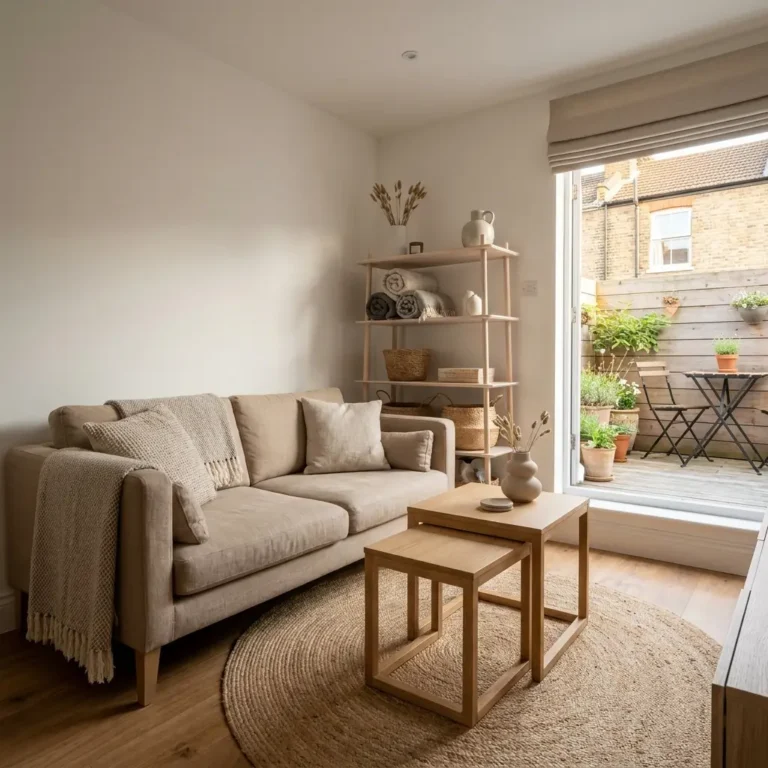
If the layout is on the smaller side of open-plan, it can also help to look at options in more compact formats. So this guide to Modern Dining Tables for Small Spaces UK can help anyone who wants strong style without taking up too much room.
Matching the best dining tables for open plan homes to soft-modern interiors
Many open-plan homes in the UK are moving away from stark minimalism. More often, they go for warmer neutrals, curved shapes, and a quieter kind of luxury that’s simply easier to live with. That change tends to suit dining tables with more texture and softer detailing.
Current design direction points to:
- warm wood finishes
- taupe, sand, mushroom, and clay tones
- rounded edges
- sculptural bases
- statement chairs that still feel comfortable
Trend-led pieces on their own usually aren’t enough. For open-plan spaces, the contemporary dining tables UK buyers tend to choose follow a clear principle: they look refined, but they’re also practical to live with, don’t need constant care, and don’t feel too formal, which is often what matters most day to day.
In practical styling terms:
Pair warm timber with calm upholstery
It can take the edge off hard kitchen lines, which tends to help. And it makes it easier for the dining area to tie in with nearby sofas or armchairs. It’s simple, and it usually works.
Echo one finish from the kitchen
That could be black metal, brushed brass, or pale oak. It seems minor, but it does help. When you use the same finish again, the room usually feels more pulled together.
Keep contrast controlled
Usually, one standout piece does the job. When the base has a sculptural feel, a simple top tends to work better. Bold chairs can work well with a simpler table, and most of the time, that’s enough.
Consider what the table looks like when not in use
In open-plan rooms, that’s often the real test, and probably the main one. In most cases, the table is still out in the open when nothing’s on it, so it still has to look like it belongs there.
When people compare options across online furniture shops or premium retailers, this is often the first place better craftsmanship stands out, especially at a glance. That is the key point. Buyers comparing seating styles can also look at Best Dining Chairs for Modern Homes for ideas that suit open-plan layouts.
Common mistakes when buying the best dining tables for open plan homes
Even beautiful tables can miss the mark in open-plan homes when the buying process is too narrow, and that happens often. Small choices can get costly here. In most cases, the problem comes from focusing only on size or only on style.
These are the mistakes that show up most often, and a few will probably look familiar:
Buying for seat count alone
A table that seats eight on paper can still feel wrong. The room often loses its flow, and chair pull-out space can end up hitting the kitchen island, which happens a lot.
Ignoring the base design
Corner legs can work. But in a busy open-plan layout, awkward leg placement often becomes annoying fairly quickly, especially near walkways. It seems like a small thing.
Choosing a finish that works in the kitchen
The table should stand out a bit while still fitting in, because that balance usually matters. In warmer open-plan spaces, strong red woods, ultra-gloss surfaces, and very cold greys can often feel out of place, in my view. Not ideal.
Treating the dining area as separate from the lounge
In an open room, every piece is part of the same visual setup, which is usually the point. The table should fit with the lighting, flooring, sofa size, and storage pieces. It belongs to the whole.
Forgetting maintenance
A premium piece shouldn’t be so delicate you have to fuss over it. In a busy family home, what really matters is whether the surface stands up to everyday use. Here’s a practical way to judge it: if the table works for eating, working, and having people over, and there’s still enough room to move around easily, it’s probably the right choice.
How to shop more confidently for premium dining furniture
You can buy dining furniture in lots of places, but real value isn’t just about the price. What matters more is how well a piece holds up and works in an actual room over time, not simply how it looks under showroom lights. That’s the bit people often overlook.
When comparing options, pay attention to:
- material quality, finish consistency, and the way surfaces feel
- stability, construction, and the details around edges
- touch points, and how the base affects seating and movement around the table
- whether the design will still fit the room if other furniture changes later
The UK furniture sector is substantial, with £76 billion spent across furniture, furnishings and flooring in 2025 according to FIRA’s Statistics Digest (FIRA). That gives buyers a wide range of choice. But it also means you have to filter more carefully, because a bigger market doesn’t always make decisions any easier.
For many households, it often makes more sense to start with a clear zoning plan than to pick colour first. Work out where the table should go, what it needs to cope with day to day, and how open you want the room to feel. You can narrow down the style after that. In many cases, browsing a curated furniture retailer such as modern furniture and home pieces makes it easier to compare materials and overall design style in one place, while still keeping practicality in view. It can also help to browse collections like Best Dining Table Sets for Modern UK Homes when comparing coordinated furniture for open-plan layouts.
Frequently Asked Questions
What is the best dining table shape for an open-plan home?
The table shape that works best comes down to the zone you want to create. If you want enough seating without making movement awkward, oval or softened rectangular tables work well. Round tables fit square layouts and settings that feel more conversational. In larger parallel kitchen-dining plans, long rectangular tables are usually the best fit.
How do I zone a kitchen, dining and living area with one table?
Put the table in the middle of the dining area, then tie it in with lighting, the style of the chairs, nearby storage like a sideboard, and a rug if there’s room. You want the area to read clearly without bringing in solid dividers. Here, a table with enough visual weight does most of the zoning by itself.
Should I choose a large fixed table or an extending table?
If you have the floor space and want the room to have a strong visual anchor every day, go with a large fixed table. It has a solid, simple look.
If you need flexibility for guests and want the room to feel lighter most of the time, an extending table makes more sense. What matters most is how it works for your daily routine, not the times you entertain occasionally.
What materials are best for open plan kitchen dining furniture?
The best options are wood, ceramic, and mixed-material designs. Wood brings warmth to the space between the kitchen and lounge, which helps. Ceramic is durable in a practical way for busy households. Many buyers looking at RENGARD go for the natural teak-led warmth and durable finishes because they suit modern family use and soft-modern interiors.
How do I match a dining table to a modern family living space?
First, look at the whole room, not only the dining area. Pick a table that works with the kitchen finishes, the flooring, the sofa size, and the way you live day to day. For modern family living, a dining table needs to feel sturdy and comfortable, and it shouldn’t be hard to care for. It should look good from every angle, too.
Where can I find contemporary dining tables UK homeowners can style across kitchen and living areas?
Look for retailers that spell out the materials clearly, show the furniture in real rooms, and offer a wider modern furniture range rather than just separate dining pieces. That way, it’s simpler to pair the table with chairs, lighting, and the living furniture nearby. RENGARD, for example, is a UK-based furniture brand with a contemporary, durable, soft-modern design style.
The right table can make the whole room work harder
When you’re choosing premium dining tables for open plan homes, the first thing to pin down is how the whole space needs to work. A good table sets apart the dining area without making the room feel shut in. It gives family life a proper focal point, and that usually matters more than expected. It also ties the kitchen and lounge together in a way that feels calm and easy to live with.
The key points are fairly straightforward:
- treat the table as a zoning anchor, so it defines the dining area instead of serving only as a dining surface
- choose a shape that supports movement and helps seating feel natural, especially near busy walkways
- pick materials that work with kitchen and living finishes
- focus on durability for daily use, not just first impressions
- make sure scale, lighting, and the surrounding furniture work together
If you’re looking for the best dining tables for open plan homes, start with layout and lifestyle. After that, the design can follow the interior, whether that’s soft-modern wood, contemporary mixed materials, or a refined extendable format. In most open-plan rooms, the dining table isn’t just there to fill an empty spot. It adds structure and warmth, and gives the dining, kitchen, and living areas a clearer purpose.