Slimline Balcony Tables and Chairs for Small Patios
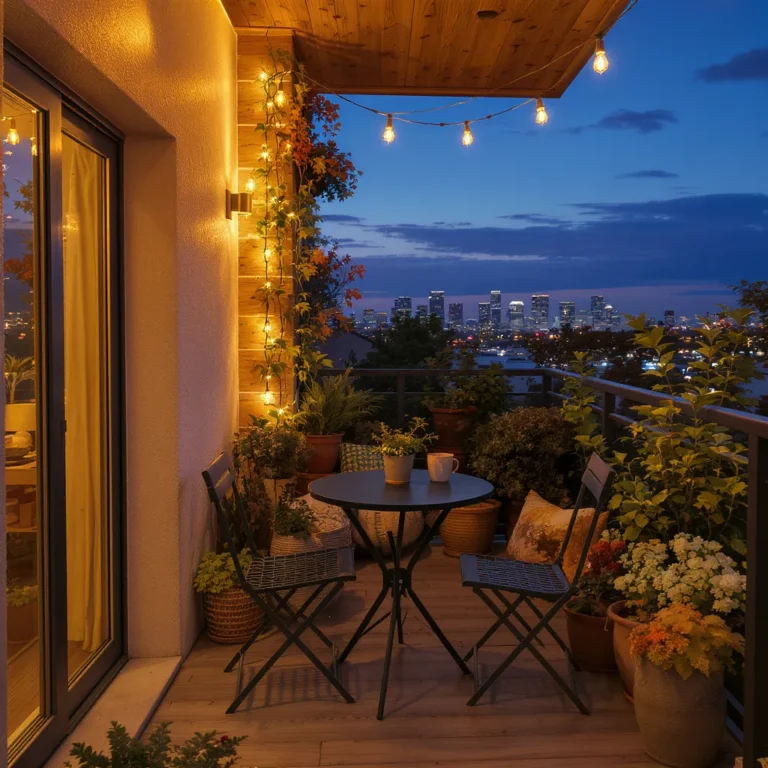
A small patio needs less furniture, not less comfort. For a narrow balcony, choose a table with a depth of 60 cm or less and pair it with two chairs that can be folded or tucked away. A slimline balcony table and chairs set, arranged to leave a clear passage, helps preserve useful floor space for relaxing and dining.
Compact furniture makes sense when every centimetre counts and the balcony also needs space for planters, an opening door and a clear route to walk through. Choose pieces that suit the available space and how you’ll use it, rather than simply opting for the smallest set.
This guide explains how to measure and plan a small patio layout, compare outdoor materials for British weather, and weigh up comfort, portability and assembly. You’ll find practical ways to make a compact setting feel considered and welcoming, with enough flexibility for everyday coffee breaks and relaxed meals outdoors.
Key Takeaways
- For a narrow balcony, consider a table with a depth of 60 cm or less, then choose seating that suits how you’ll use the space.
- Compare outdoor materials for their weather performance and care needs before deciding which finish is right for your patio.
- Plan the table and chairs around doors, planters and a clear route through the space to keep the layout comfortable.
- Folding or stackable chairs can make a compact setting easier to move and store when you need more room.
- Think about assembly and portability as part of your choice, especially if furniture needs to pass through a narrow entrance.
What furniture is good for small spaces?
For a small balcony, start with a two-seat dining or bistro set and compare its footprint with the usable floor area. Table shape, chair movement and a clear route matter as much as how compact the furniture looks.
There is no single weight limit for balconies in UK flats: load capacity depends on the building’s structure. Follow the building-specific guidance, and avoid adding heavy furniture or planters if you’re unsure what the balcony can support.
Compact Dining Sets for Balconies
A compact dining set gives two people a defined place to eat without taking over the whole balcony. Measure the available width and depth, then account for the space needed to pull out each chair. A square table measuring 60 × 60 cm, such as the table in the Tamarit set, offers a clear example of a compact footprint with seating for two.
Compare that with a 70 × 70 cm square table, as found in the Mizzi set. The larger surface may suit serving plates, but its extra depth can narrow the route past it. Before choosing, mark the table dimensions on the floor and test whether chairs can move without blocking the balcony door.
Compact Bistro Sets
A bistro set usually pairs a small outdoor table with two chairs for coffee, light meals or reading. Round tables can soften a tight layout, while square designs can sit neatly against a wall. Choose the shape that leaves the most usable space around the chairs.
Check whether the chairs fold or stack if you need to clear space between uses. For a particularly narrow balcony, the Delawer table measures 65 × 60 cm and is designed to hang and fold. That format can help when floor space is limited, although the hanging arrangement needs to suit the balcony itself.
Comfort matters, too. Slimline balcony table and chairs should let you sit naturally, reach the table and move your chair back. A narrow seat or table may look space-saving but feel awkward at mealtimes. Compare the chair proportions with the table, not just the tabletop measurements.
Finally, consider how the set will sit alongside other garden essentials. A single planter can provide greenery, but several bulky pots may crowd a small dining area. If you want extra seating instead of a full set, look at the available garden chairs and plan their position before committing to a layout.
Outdoor furniture materials and durability
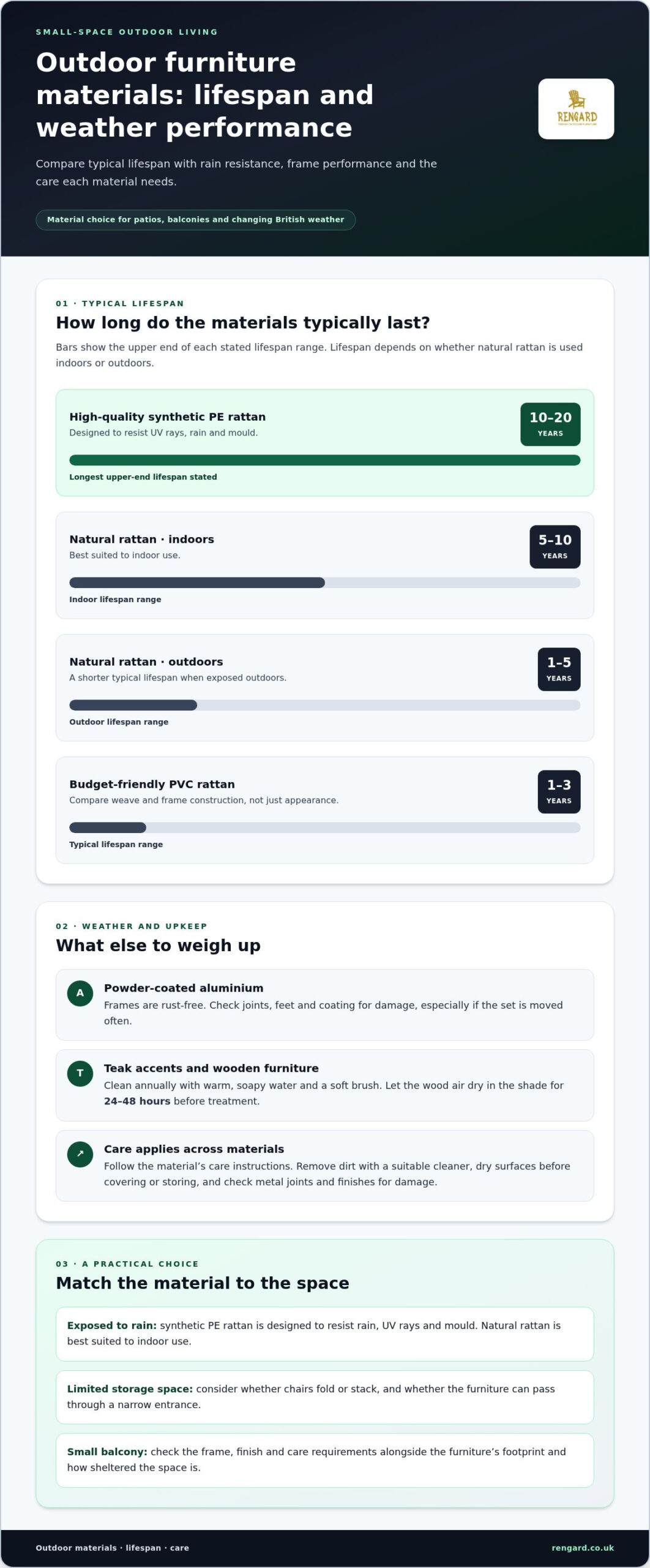
On an exposed balcony, choose materials with British rain in mind. Compare the frame, finish and care requirements to find furniture suited to your outdoor space. Even a compact set needs to stand up to regular outdoor use.
Measure the balcony’s usable width and depth, then note the door swing, railings and fixed planters. Compare these measurements with the table and chairs, allowing room to pull chairs out and keep a clear route.
Follow the care instructions for each material. Remove dirt with a suitable cleaner and dry surfaces before covering or storing furniture. Check metal joints and finishes for damage, since exposed areas can corrode.
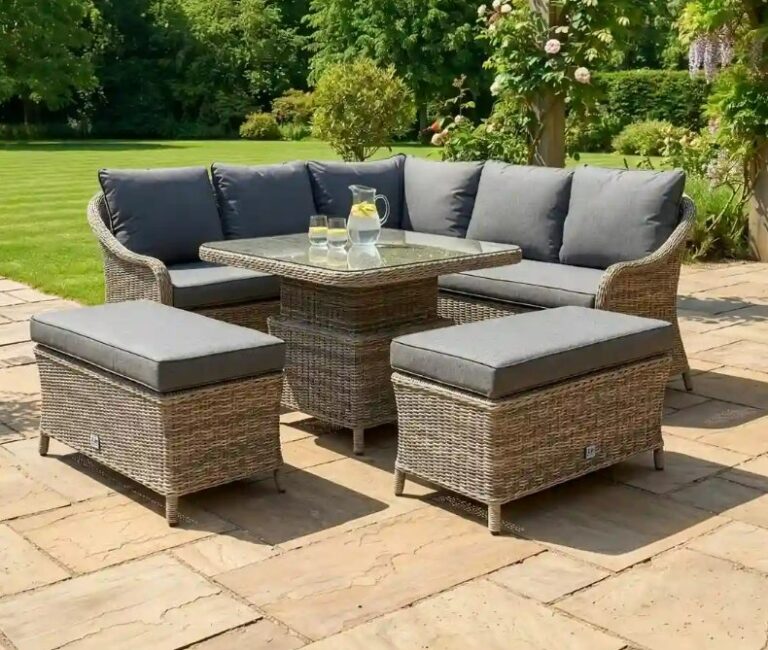
High-quality synthetic PE rattan is designed to resist UV rays, rain and mould; its typical lifespan is 10 to 20 years. That makes it a practical option for a balcony exposed to changing weather. Check the weave for even coverage, particularly around corners and chair arms, where wear can be more visible.
Natural rattan needs a different setting. It is best suited to indoor use, where it typically lasts 5 to 10 years; outdoors, its typical lifespan is 1 to 5 years. For a balcony exposed to rain, choose a material intended for outdoor conditions rather than relying on natural rattan’s indoor performance.
Budget-friendly PVC rattan typically lasts 1 to 3 years. Compare the weave and frame construction as well as the initial appearance, because a neat finish alone doesn’t indicate how well a set will handle exposure. Choose furniture according to how sheltered the balcony is and how much upkeep you’re prepared to do.
Powder-coated aluminium frames are rust-free. Check the joints, feet and coating for damage, especially if you move the set often. Consider whether chairs fold or stack for storage, and how their finish will look with the rest of your outdoor space.
For a coordinated look, match the frame finish to nearby railings or outdoor lighting. A dark aluminium frame can contrast with pale paving, while a woven finish adds texture beside timber decking. Keep the palette simple, and choose cushions that can be brought indoors in wet weather.
Teak accents bring natural warmth, but wood benefits from regular care. Clean wooden garden furniture annually with warm, soapy water and a soft brush. After cleaning, let it air dry in the shade for 24 to 48 hours before treatment. That sequence prepares the surface before applying a suitable finish.
Small patio layouts
Plan a small patio around its main use, leaving a clear, comfortable route. For dining, position the table so chairs can move without blocking the doorway. For reading, place a chair near a sheltered wall while keeping the route to the door open. This simple zoning makes the space easier to use.
Sketch the door, railings, fixed planters and drain covers. Mark the door’s opening arc: placing a table in its path can make entering and leaving awkward. Then draw the furniture footprint and chair positions. This reveals whether the layout works and helps identify tight spots beside walls or railings before moving furniture.
On a long, narrow balcony, align the table with the longer edge rather than across the route. Keep the chairs on the more open side so they can be pulled out without blocking access. If the door is at one end, position the dining area beyond its opening arc to keep a direct path to the far end.
On a square patio, try placing a small dining set in a corner, with the table aligned to the paving. This leaves the centre open for moving around or setting down shopping bags. Don’t push every piece against the boundary: chairs need room, and sitting in a tight corner can be uncomfortable. Test the layout with chairs pulled out.
Folding or stackable chairs make the layout more flexible. Keep them beside a wall when not in use, then bring them to the table for a meal. Folding or stacking them can also make winter storage easier. A suitable waterproof cover can help protect balcony furniture. Store chairs where they won’t block the door or get knocked regularly.
Planters and accessories should support, not crowd, the layout. Group pots along one edge rather than between the table and doorway. A narrow planter can define the dining area without blocking the route, while large containers can take up valuable space. Keep the main walking line clear, especially when carrying plates or drinks.
Before settling on the layout, walk through it carrying a tray, then sit down and move each chair as you normally would. Check the doorway, chair positions and route to the far end. If the layout works only when nobody is seated, adjust it. Turning the table or moving a planter can make compact dining sets more practical without adding furniture.
Assembly and portability
Assembly affects how easily you can use a compact set. Read the instructions first and check which tools and fixings are needed. Make sure you have enough room to handle the components. If the balcony is too small, assemble the furniture indoors and carry each finished piece outside.
Lay out the components and identify each part before assembly. Follow the instructions, as frames and supports may need aligning before securing the tabletop or seat. Tighten fixings as directed, without forcing a joint that doesn’t line up. A correctly assembled, stable table is easier to use and move.
Portability depends on an item’s weight, shape and grip points. A table with a broad top may be awkward to carry through a narrow hall, even if it takes up little floor space. Check whether the table separates from its base and whether chairs can be carried individually. These details matter when furniture must pass through several rooms.
Folding designs make it easier to change a balcony’s layout, but check the mechanism before choosing. It should open and close without catching nearby furniture or requiring an awkward reach. For stackable chairs, check how the frames nest and whether you can move the stack without tipping it. Choose a format that suits how often you rearrange the space.
Rattan furniture can feel more substantial than an open-frame design. Consider the chair shape and frame when working out how to carry it, especially around tight corners. Avoid dragging furniture across paving, which can mark the surface or strain the joints. Clear the route, then lift each piece by a secure part of its frame.
Use this practical sequence before assembling or moving a set:
- Read the instructions and identify the parts before fitting them together.
- Set up on a level surface where small components are easy to see.
- Align each joint before tightening its fixings as directed.
- After assembly, check that the table and chairs sit evenly and operate as intended.
If you’ll reposition a set often, prioritise pieces that can be moved separately and held securely. For a more permanent arrangement, consider access for assembly and the stability of each finished piece. Planning for everyday handling helps the furniture work well beyond its first set-up.
Compact balcony tables and chairs
A compact set should suit how you use the balcony, not just fit within its boundaries. Decide whether you’ll eat meals, enjoy a drink or use the surface for a book and laptop. Each activity needs a different amount of clear tabletop space. A slimline balcony table and chairs set works best when its proportions suit your routine.
Look beyond the table’s outer measurements. Its legs or pedestal affect seating positions and knee room. Compare the base with the chair frames, particularly if the seats have arms. A broad base can get in the way of your feet, even when the tabletop looks compact.
Table shape affects how the surface works. A round top has no corners to place plates against, while a square top has defined edges for organising cups and serving dishes. Think about what you usually bring outside. If you often share a meal, sketch how the dishes might fit before choosing a tabletop size.
Chair proportions matter just as much. Check the seat height against the table, and consider back support and how easily you can sit down. A delicate-looking chair may still have a wide frame or arms that take up space. Read the full dimensions rather than relying on labels such as “compact”.
Try a tabletop test before deciding. Cut paper or cardboard to match the table surface and place it where the set would stand. Arrange a couple of plates and cups to see whether there’s enough useful space. Add outlines of the chairs to judge the whole layout.
Check how the set fits around the balcony’s features. Railings, wall lights and outward-opening doors can limit table placement, while nearby glazing may affect chair positions. Assess the usable area from the doorway, not just the space beside the railing. This helps you avoid a design that fits on paper but feels awkward in daily use.
For a final comparison, weigh tabletop usefulness, chair comfort and the position of the table base together. A well-proportioned set should make it easy to reach shared items and sit naturally, without dominating the balcony. If you’d like help considering suitable furniture, get in touch about compact balcony furniture.
Rengard: Furniture Accessories
Rengard can help you continue from space planning to choosing furniture and finishing touches. If the table is your priority, explore its dining tables; furniture accessories can help complete a considered outdoor setting. Focus on the measurements and materials that suit your balcony, then select pieces around the way you plan to use the space.
Once you know the available space, preferred table shape and storage needs, you can compare options more easily. Keep those decisions in mind to balance everyday practicality with the look you want. Explore Rengard’s range to find furniture and accessories for your balcony.
Make your balcony your own
A small balcony can feel like an extension of your home when its furniture suits how you want to spend time there. Picture an ordinary moment: a quiet breakfast, a cup of tea after work or supper in the evening. Let that use guide your choices, from the table’s position to the colours and textures around it.
A well-chosen slimline balcony table and chairs set doesn’t need to dominate the space. Treat it as the anchor, then add only details that earn their place, such as a comfortable cushion or a compact planter. A purposeful layout helps the balcony feel personal and easy to use.
If you’re ready to shape your outdoor space around your needs, contact Rengard about balcony furniture. Your next step can be simple: turn your measurements and ideas into a setting you’ll enjoy using.
Frequently Asked Questions
How can I maximise space on a small patio?
Give the patio one main function, such as dining, and make every addition support it. A bistro set can be the focal point, with planters grouped along one edge rather than scattered across the floor. Choose accessories you can move easily, and avoid adding pieces that duplicate a function. This keeps the space practical for meals and comfortable to walk through.
What garden dining set should you choose?
Choose a garden dining set to suit the patio and how you’ll use it. For everyday meals for two, a compact table with chairs that tuck in can use the floor space more efficiently than a larger fixed arrangement. Think about the dishes and serving items you bring outdoors, then decide how much tabletop space you need. Choose materials suited to outdoor exposure and the UK climate.
What are the best slimline balcony table and chairs for small balconies?
The best set supports your usual activities without blocking access. For coffee or a light meal, a two-seat bistro set is a straightforward option; folding furniture suits balconies that need to change function. Compare the assembled footprint, including the chairs and their storage space. A set should feel comfortable to use, not merely look compact in a product photograph.
What dimensions should I look for in a narrow balcony table and chairs?
For a narrow balcony, consider a table depth of 60 cm or less, then measure the full set against the usable floor area. Include chair width and the space needed to sit down, not only the tabletop measurements. Check the assembled dimensions against the access route too. A table that fits its intended position may still be impractical if chairs block the doorway or make the balcony difficult to enter.
What materials are best for balcony tables and chairs in British weather?
Powder-coated aluminium frames are rust-free. High-quality rattan, rope weave, teak and composite surfaces each offer a distinct finish. Choose according to exposure and the care you’re prepared to provide. Composite surfaces need only a wipe, while natural teak may need teak oil or cleaner after its colour changes. Follow the care instructions when machine-washing removable cushion covers on a gentle, low-temperature cycle.
Are folding, bistro, or railing-mounted balcony tables best for saving space?
Folding tables help keep the floor clear between uses, while a bistro set provides a coordinated table-and-chair arrangement. A railing-mounted table can free floor space, but only use one if its fixings suit the railing and your property permits installation. Don’t assume every balcony rail can support a table. Match the setup and storage needs to how you use the space.
How much do slimline balcony table and chair sets cost in the UK?
Other listed sets are priced in euros.