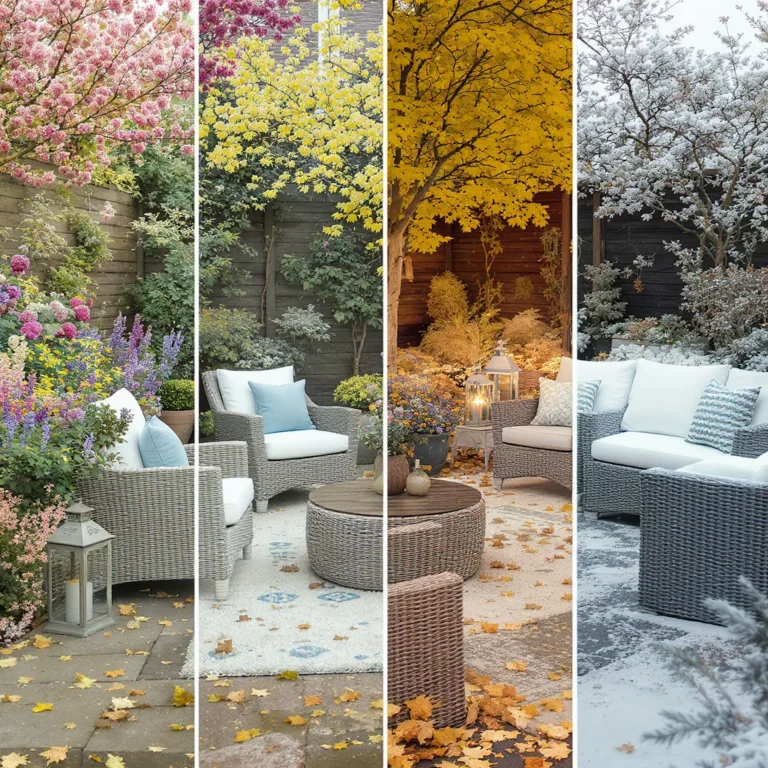
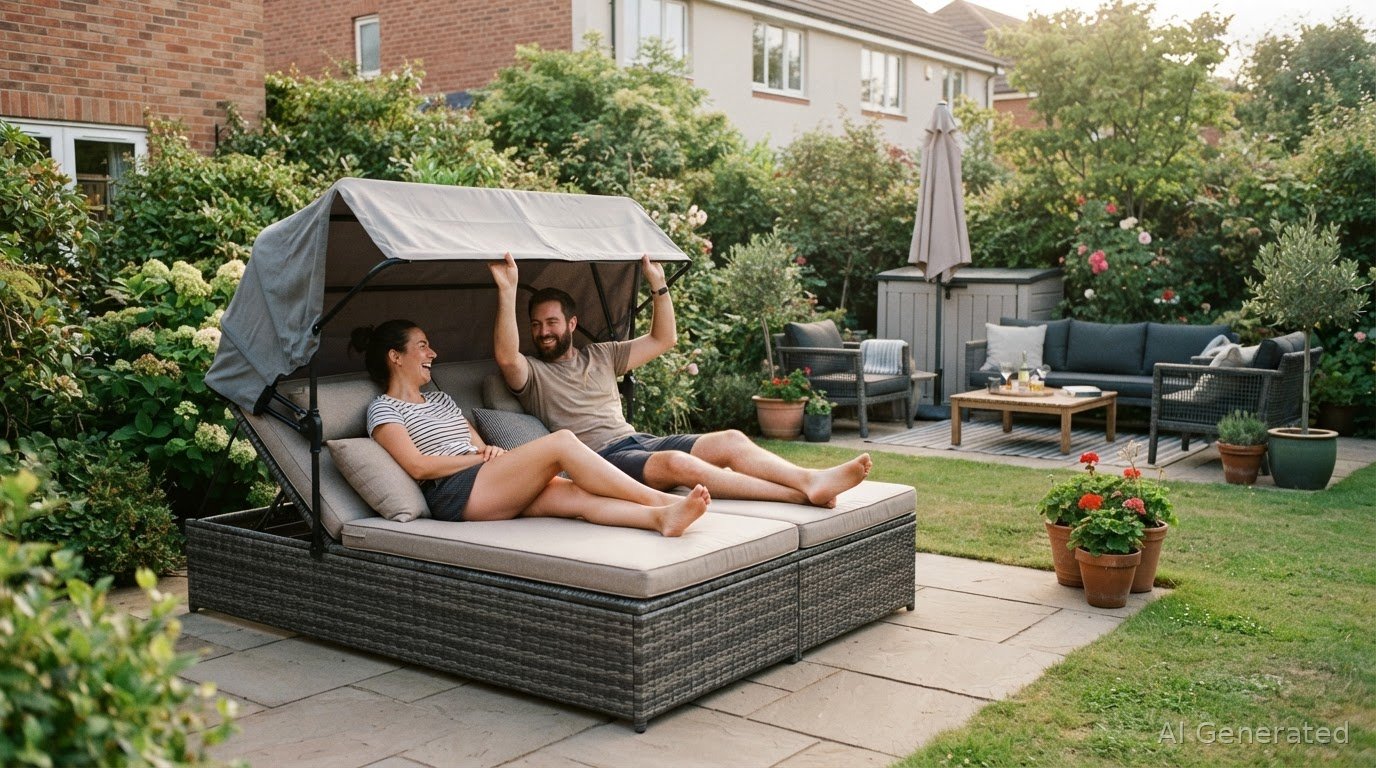
Luxury Garden Daybeds with Retractable Sunshades and Prices
What if the most useful seat in your garden were also its most adaptable? A luxury garden daybed with retractable sunshade offers room to stretch out, while an adjustable canopy lets you choose between sunshine and shade. Comfort matters as much as appearance: the right choice depends on how you’ll use it and how much space your patio or garden allows.
It’s easy to focus on the canopy and overlook practical details such as seating for two, reclining positions, dimensions and cushion care in the British climate. Compare the design, canopy and reclining features, comfort, assembly, price and size to assess each option clearly.
Choose a design that suits your outdoor space, from a compact terrace to a generous garden. Balance comfort, shade, materials and practicality before deciding which daybed belongs in your outdoor living space.
Key Takeaways
- Compare double daybeds by usable space, cushion comfort and how they’ll fit your garden or patio.
- Consider how a retractable canopy can offer flexibility between open sunshine and shade.
- Look at reclining positions and backrest adjustments to match lounging, reading and conversation.
- Use customer feedback on comfort and assembly to understand the practical experience beyond appearance.
- Compare dimensions and materials alongside price to find an option that suits your space and outdoor routine.
Customer feedback on comfort and assembly
Customer comments are most useful when they describe how a daybed feels in use, rather than simply calling it comfortable. Look for details about sitting upright, stretching out and sharing the cushions. A review that explains how the bed feels during reading or an afternoon rest gives clearer context than an overall rating alone. For a double design, comments from two people can show whether both places feel equally supportive.
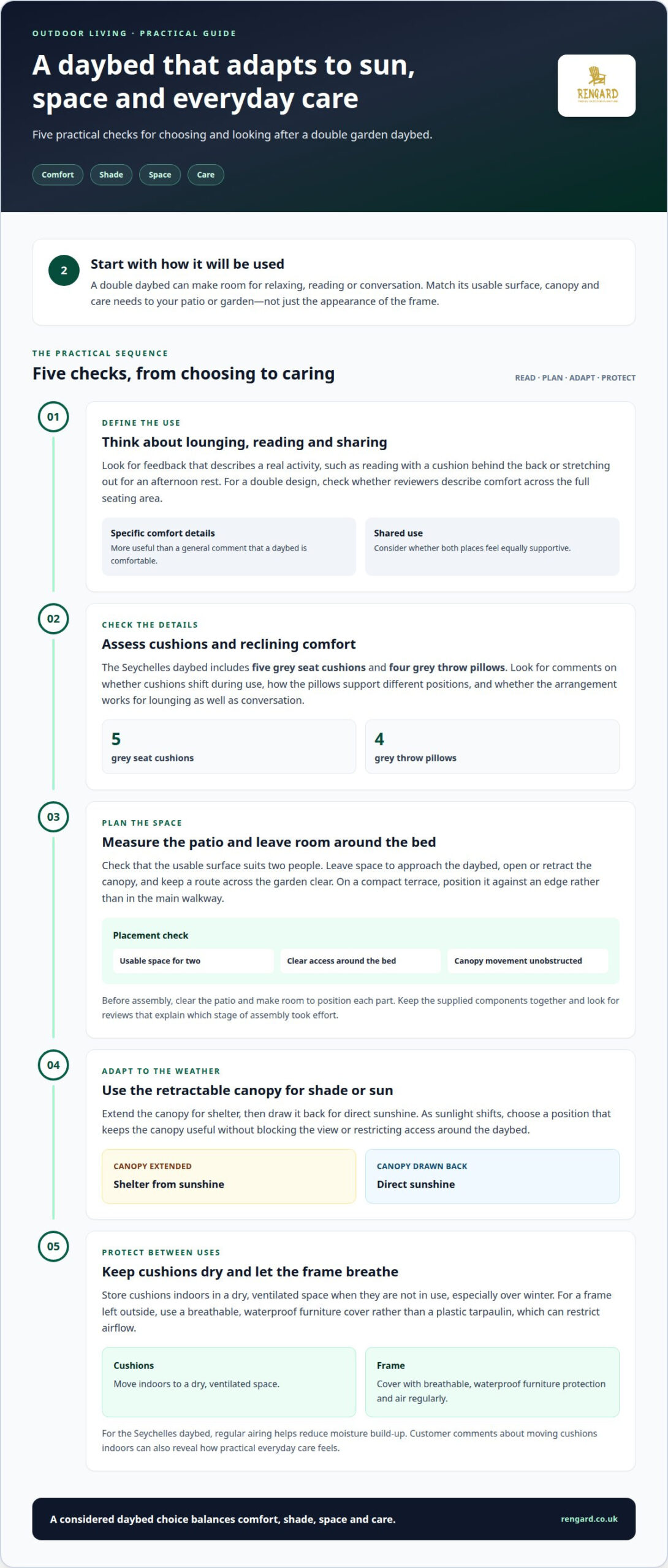
The Seychelles daybed offers a concrete example of what to assess: it includes five grey seat cushions and four grey throw pillows. Feedback can show whether this arrangement suits lounging, conversation or both. Notice whether reviewers say the cushions shift during use and whether the throw pillows support different positions. Comments about placement can also show how easily the seating area can be reset after use.
- Comfort: Look for comments that describe a specific activity, such as reading with a cushion behind the back.
- Shared use: For a double daybed, note whether reviewers discuss comfort across the full seating area.
- Assembly: Give more weight to reviews that explain which stage took effort, rather than saying only that assembly was easy or difficult.
- Everyday care: Look for practical experiences with moving cushions indoors after use.
Assembly feedback is clearest when it describes the process, not just the outcome. A useful review might explain unpacking, arranging components and fitting the frame together. Before setting up a daybed, clear the patio area and make room to position each part. Keep the supplied components together as you work, making it easier to follow the product instructions and identify what comes next.
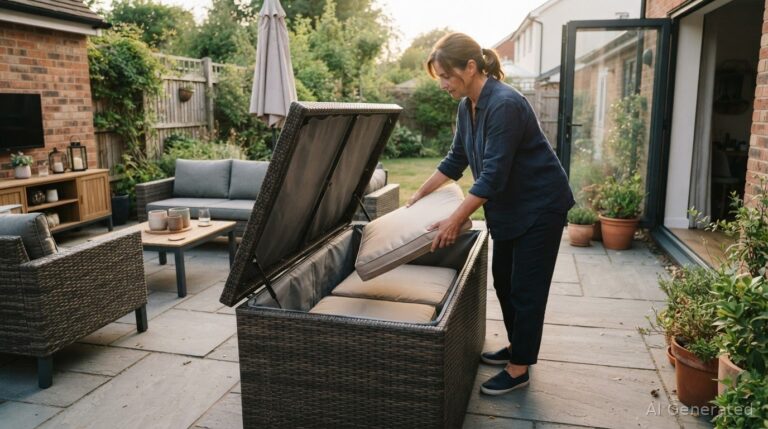
Comfort also depends on how you use and care for the daybed. Someone who reads outdoors may value supportive cushions, while people sharing the bed may prioritise room for two. After use, store cushions indoors in a dry, ventilated space, especially over winter. This helps protect the upholstery from prolonged damp.
For a frame left outside during winter, use a breathable, waterproof furniture cover. Avoid plastic tarpaulins, which can restrict airflow. Cover the Seychelles daybed when it’s not in use and air it regularly to reduce moisture build-up. These care details matter in the UK, where damp weather can affect outdoor furniture between uses. An old chaise longue can also be repurposed as a garden daybed when buying a new piece isn’t the right fit.
Double outdoor sun loungers and daybeds
Rattan, aluminium frames, teak and waterproof fabrics are practical material choices for British gardens. The Seychelles daybed includes five grey seat cushions and four grey throw pillows. Use a weatherproof cover when it’s not in use.
Double lounging space
A double daybed creates a shared place to recline, read or talk outdoors. Check that its usable surface suits two people instead of judging the frame by appearance alone. A rattan design with a keyhole opening at the back offers views in multiple directions. The opening also allows airflow, helping reduce heat build-up around the seating area.
Some modern daybeds include a central table, offering each person a convenient place for a drink or book. Consider whether this fixed feature suits your plans. A couple relaxing side by side may value the shared surface, while a social setting may call for clear access around the bed.
Measure the patio before deciding where a double design will sit. Leave room to approach the daybed and use its canopy without blocking a route across the garden. On a compact terrace, position the bed against an edge rather than in the main walkway. In a larger garden, place it where the opening and seating direction make the most of the view.
Weather-resistant daybed materials
Consider the frame, weave and upholstery separately. Rattan has a woven finish, while aluminium frames offer a clean-lined alternative. Teak adds a natural accent, and waterproof fabrics suit outdoor settings where showers are part of the routine. These materials feature in garden furniture designed for British weather, but construction details still shape the look and care needs.
Check how the materials work together. A rattan frame with grey cushions creates a different impression from aluminium paired with teak details. Choose a finish that complements nearby seating and outdoor tables, so the daybed feels integrated rather than isolated. Store cushions in a dry, ventilated indoor space when they’re not in use, especially over winter.
For a frame staying outdoors in winter, use a breathable, waterproof furniture cover rather than a plastic tarpaulin. The Seychelles daybed should also be aired regularly to reduce moisture build-up. These steps help manage damp exposure between uses. For advice on choosing a daybed arrangement around your outdoor space, get in touch for guidance.
Some outdoor daybeds add built-in speakers, video and LED lighting. Consider whether these features suit how you’ll use the seating area, alongside the canopy, materials and available space. A rattan daybed with a keyhole opening at the back can offer views in multiple directions and allow airflow to reduce heat build-up.
The search results include 737 products for “garden daybed with canopy”. Compare the shape and features you want, including whether integrated additions or a more straightforward double lounging surface better fits your garden.
Retractable canopy for shade or sunbathing
A retractable canopy lets you adapt a daybed as sunlight shifts. Extend it for shelter, then draw it back for direct sunshine. This flexibility suits British gardens, where clouds and sun can alternate within an afternoon. Choose a position that keeps the canopy useful without blocking the view or restricting access around the bed.
A garden daybed canopy can help shield you from sunshine. A leaf-shaped canopy gives the bed a distinctive silhouette while covering the lounging area. Consider how much of the bed it shades and whether its shape suits the sun’s position. For example, a canopy above a south-facing patio may provide useful shade on bright afternoons.
Changing weather and wind call for practical precautions. Retract the canopy in gusty conditions, and don’t assume its fabric is designed for heavy rain. Follow the maker’s instructions for opening, closing and care. If conditions become unsettled while you’re outside, close the canopy instead of leaving it extended unattended.
Consider how the canopy moves before placing the daybed. Leave clear space for it to open and retract without catching on furniture, branches or a wall. On a compact terrace, measure the intended position and check the canopy’s full movement. In a larger garden, orient the bed towards the view while keeping the canopy’s path clear.
Canopy fabric and colour also shape the overall look. One described replacement option is a 66-inch round outdoor daybed canopy in beige, with UV fade-resistant fabric. That example illustrates how colour can complement pale paving, timber decking or woven furniture. Check that any replacement canopy is designed for the specific daybed frame; dimensions alone don’t establish a fit.
For sunbathing, retract the canopy to expose the whole bed. For reading or conversation, extend it to create a more sheltered setting. This simple adjustment lets the same daybed suit different activities. Keep the bed’s orientation in mind: turning it may change which side is shaded and how easily people can get in and out.
Choose a design by balancing coverage, movement and placement. Check how the canopy operates, where it sits when open and whether it can be retracted as the weather changes. Good positioning makes adjustments straightforward, while a crowded layout can make the mechanism awkward to reach. Treat shade as flexible comfort, not a substitute for weather precautions.
Treat the leaf-shaped canopy as a way to shade the part of the daybed you intend to use. Consider the bed’s position and where you want shelter before arranging the surrounding space. A small change in orientation can alter how the canopy relates to the lounging area and the view, so check both before settling on the layout.
If several people use the daybed, consider whether the shaded area suits their preferred places to sit or recline. Keep cushions and nearby furniture clear of the canopy’s movement, and make sure its adjustment is easy to reach. Retract it when you want more direct sunshine, then reassess the arrangement as the light shifts.
Adjustable and reclining backrests
A reclining backrest makes a daybed more versatile for different moments outdoors. An upright position suits conversation or reading; a lower angle supports relaxed lounging. Some outdoor daybeds have tilt headrests, letting users choose how to sit and which way to face. These are distinct features: backrest adjustment changes posture, while orientation changes the view.
Before choosing a design, picture a typical afternoon. For reading, consider whether an adjustable headrest supports an upright posture. For sunbathing, a flatter position may feel more natural. If two people share the daybed, check whether each side adjusts independently or moves together. This affects whether one person can sit up while the other reclines.
Try each position in sequence when viewing a daybed: start upright, adjust the headrest, then settle into the most reclined setting. Notice whether the change is straightforward and whether cushions stay in place. A showroom visit can help you assess the movement directly. When viewing online, use product images and descriptions to understand the available positions rather than assuming every design reclines in the same way.
- Reading: Consider an upright setting and a headrest that supports a seated posture.
- Shared lounging: Look at how adjustment works for each person on a double daybed.
- Garden views: Consider whether the bed can face the view you prefer.
- Patio layout: Allow room to reach and adjust the backrest without moving nearby furniture.
Orientation matters beyond comfort. A daybed that lets users choose which way to face can suit a garden with views in different directions. For example, turn towards the lawn for conversation, then reposition towards a sheltered corner for quiet reading. Check the available space before placing the frame, so its direction doesn’t block a route across the patio.
Reclining furniture also changes the look of a seating area. A raised backrest creates a more defined silhouette, while a lower profile can make the daybed feel more relaxed. Consider nearby furniture, such as a side table, and leave enough room to reach a book or drink. A well-planned arrangement keeps everyday items close without crowding the reclining space.
Compare adjustments with your regular use, rather than focusing on the number of positions alone. An easy-to-use tilt headrest may matter more than multiple settings you rarely choose. For a shared daybed, prioritise flexibility for both users. For solo lounging, focus on the posture you prefer for reading, resting and enjoying the garden view.
Daybed product prices and sizes
Compare the advertised price with the complete product listing. A luxury garden daybed with retractable sunshade may be listed as one item, while accessories appear separately. Read the inclusions carefully before comparing prices. Note whether the displayed amount is a current price or a previous reference price. This helps you understand the listing without assuming two products include identical components.
For a useful price comparison, record each model’s listed amount and included items. Keep optional extras separate. This makes differences visible without assuming a cushion, cover or accessory is included in the daybed’s price. UK listings should show prices in pounds. Compare amounts as presented, and don’t judge value by the product photograph alone.
Read dimensions carefully. Product listings may give overall external measurements rather than the usable lounging surface. These figures answer different questions: external size describes the space occupied by the frame, while the usable area indicates room to recline. Compare a luxury garden daybed with retractable sunshade using both measurements, where provided.
Check the units and measurement order in each listing. Length, width and height describe different aspects, and product pages may present them in different sequences. Write down the labels beside each figure before comparing models. This prevents mistaking height for length, particularly when product details appear in compact tables.
Consider access as well as the final position. A daybed must fit along the route to its intended outdoor area. Check gates, steps, narrow passages and door openings. Assembled dimensions don’t necessarily describe delivery packaging, so treat these as separate measurements when both are provided. This is especially useful for gardens reached through the house.
Use the listing to identify what the price covers, then compare like with like. If two designs include different items, their headline prices don’t represent equivalent purchases. Record the complete product name alongside its price and dimensions. This keeps similar-looking daybeds distinct and makes your shortlist easier to assess.
Finally, match your shortlist to how you’ll use the space. A broad lounging surface may suit shared relaxation, while a more compact outline can leave room for other furniture. Compare dimensions with your preferred arrangement, then weigh the listed price against the features you value most. This gives you a clear basis for choosing beyond appearance alone.
If you’d like help discussing your garden furniture plans, contact the team for guidance.
Rengard
Rengard is a natural next step when you’re planning the wider layout around an outdoor lounging area. A daybed works best as part of a considered setting, with clear circulation and complementary furniture that suits your patio or garden. Rengard’s furniture range includes dining tables and furniture accessories, helping you coordinate practical details across your space. If you’re weighing up how surrounding pieces will work with your chosen layout, consider the materials, proportions and everyday use of each item together. This broader view can help the finished setting feel balanced, rather than crowded or disconnected. For a conversation about your furniture choices, contact Rengard.
Plan a garden setting that feels complete
Let the daybed shape how you use the garden, rather than treating it as a standalone purchase. Consider its relationship to the route from the house, the patio view and the garden furniture already in place. A luxury garden daybed with retractable sunshade can become a natural place to pause, read or spend time together when its position suits your daily routine.
Rengard offers garden furniture and accessories to support considered choices for outdoor living. Start with your outdoor layout and choose complementary pieces only when they make sense for your garden. A thoughtful arrangement should be practical as well as distinctive.
Bring your preferred style and intended layout into the next conversation. Contact Rengard about garden daybeds to discuss your plans. With a clear sense of how you want to use the space, you can move towards an outdoor setting that feels welcoming and truly your own.
Frequently Asked Questions
How much do luxury outdoor daybeds with retractable canopies cost in the UK?
There’s no single fixed UK price for a luxury outdoor daybed with a retractable canopy. Cost depends on the design, materials, size and what’s included, such as cushions or a canopy. Compare complete product specifications rather than headline prices alone. Consider how the frame and upholstery suit your outdoor space, as these choices affect the style and practical care involved.
How large are garden daybeds with retractable sunshades, and what space do they need?
Sizes vary by design, so use the product dimensions to plan the space rather than assuming all daybeds share a standard footprint. Allow room to approach the bed and for the canopy to open without catching walls, branches or nearby furniture. A 66-inch measurement refers to one described replacement canopy, not the size of the daybed itself. Marking the listed footprint on your patio can help test the layout.
Which daybeds have adjustable or fully retractable sunshades?
Look for product descriptions that specifically say the canopy retracts, then check whether it draws fully back or adjusts only for partial shade. These are different functions: a fully retracted canopy leaves the lounging area open, while a partly extended one still provides cover. A leaf-shaped canopy is another design option, but its shape alone doesn’t show whether it retracts. Check the stated mechanism before choosing.