Garden cushion storage boxes: sizes and prices
A cushion box keeps outdoor seating ready to use and helps a patio feel calm and uncluttered. An outdoor storage box for cushions shelters soft furnishings between uses, but the right size depends on how many cushions you need to store and how much space you have.
It’s sensible to consider more than capacity: British weather makes moisture protection important, and a box that suits your garden should also be easy to access and sit comfortably alongside your furniture. Across the UK market, cushion storage boxes typically cost between £699 and £1,200, with materials, dimensions and construction all affecting the price.
This guide explains what garden storage boxes are for, how to estimate the space your cushions need and what to consider when choosing weather-resistant storage. It also covers why prices differ, helping you weigh protection, size and design before choosing a solution for your garden, patio or terrace.
Key Takeaways
- Choose capacity by considering the number and shape of your cushions, then allow room to place them inside without forcing them in.
- Look for weather protection that suits your garden, and remember that a storage box and furniture covers protect different things.
- Compare the box’s external footprint with your available patio or garden space, as well as its usable internal dimensions.
- Weigh material, design and capacity when comparing prices; the cheapest option may not suit your storage needs or outdoor setting.
- Consider how plastic, recycled plastic and metal differ in appearance and practical upkeep before settling on a style.
What are garden storage boxes used for?
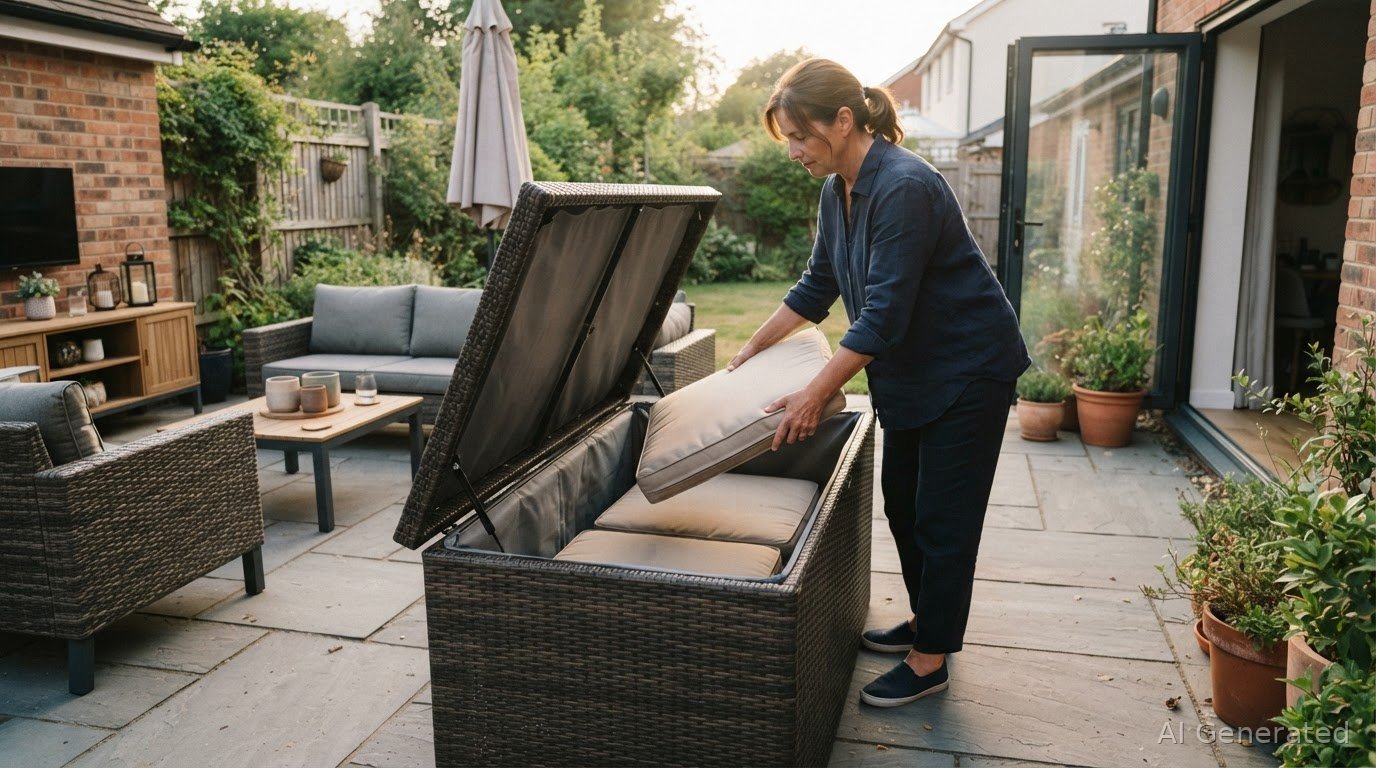
A garden storage box keeps outdoor cushions and smaller accessories together between uses. It can reduce clutter around a garden sofa, dining set or bistro table, while keeping soft furnishings close at hand. An outdoor storage box for cushions also gives cushions a dedicated place when the weather changes, instead of leaving them on seats.
Capacity matters most when storing cushions from larger furniture. A corner lounge may have separate seat and back cushions, while a dining set has several smaller pieces. A larger box can hold more, but its stated capacity alone won’t tell you whether your cushions will fit. Shape, thickness and whether the cushions can lie flat all affect usable space.
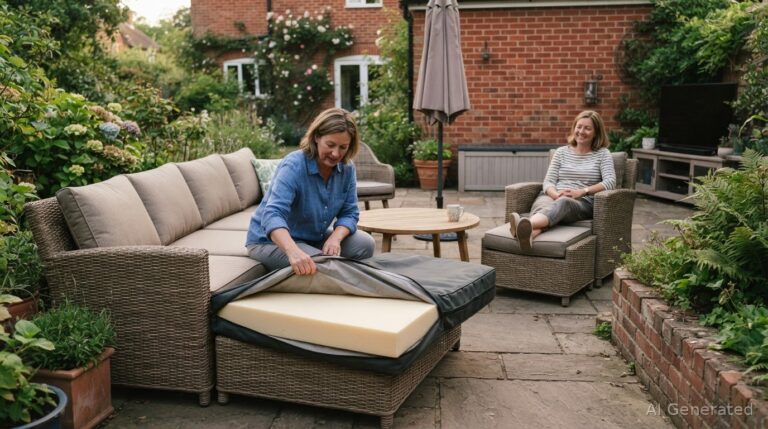
For a practical estimate, gather the cushions you plan to store and arrange them as you would inside the box. Measure their combined length, width and height, allowing for their natural fullness rather than compressing them. Compare these measurements with the box’s internal dimensions. Leave room to lift cushions out easily, since a tightly packed stack can make regular access awkward.
Published dimensions can help you judge the footprint before considering capacity. For example, a large horizontal storage unit measures 1.95 by 1.02 by 1.36 metres. Those measurements describe the unit, not the space available inside it, so check the usable interior dimensions when comparing boxes. Also consider its lid and opening direction, especially where a fence, wall or dining chair limits access.
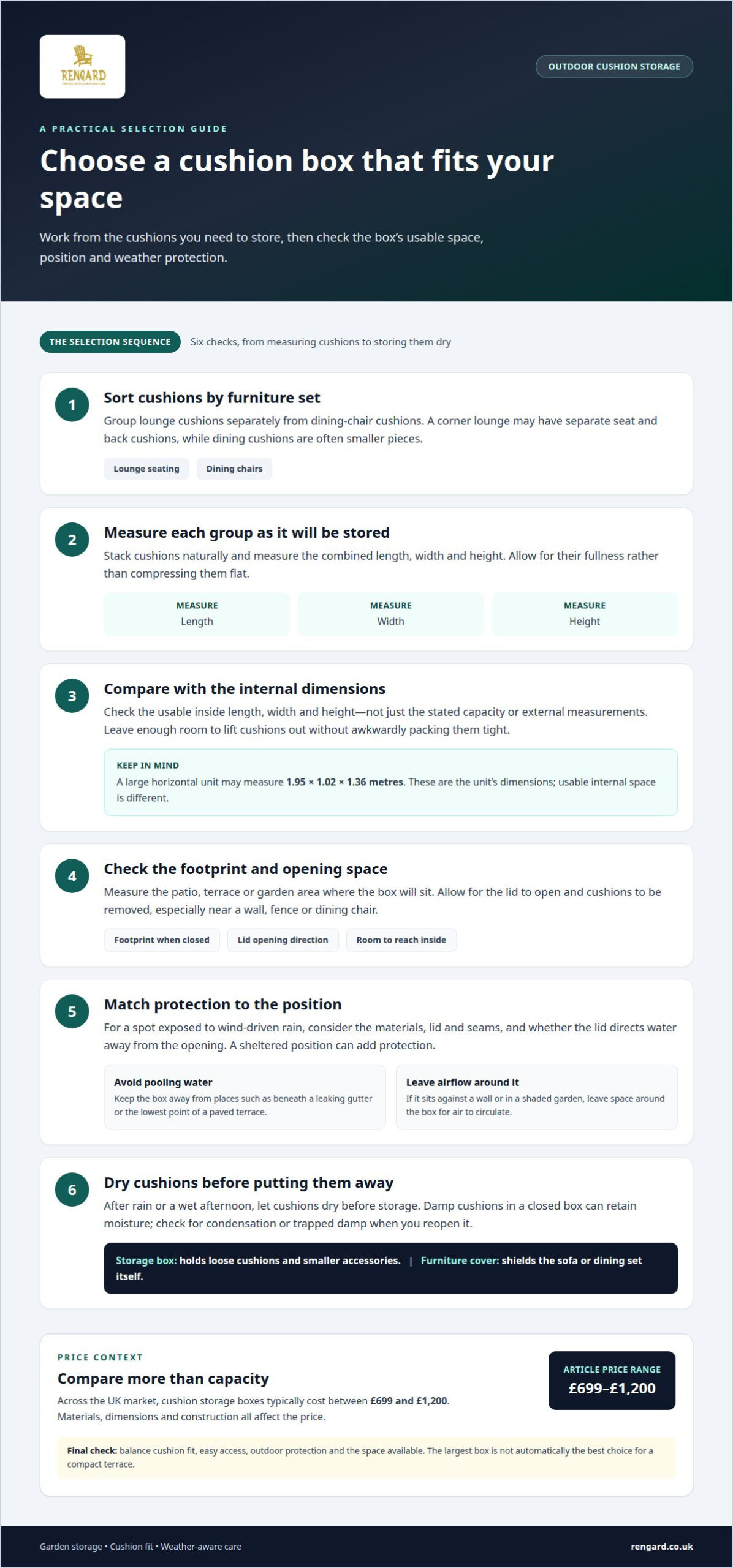
Use this simple sequence to assess storage capacity:
- Sort cushions by furniture set, such as lounge seating and dining chairs.
- Measure each group when stacked naturally, without forcing the fabric flat.
- Compare the stack with the box’s internal length, width and height.
- Check that the box fits the outdoor space and remains accessible when open.
A storage box can also hold smaller garden items, such as cushion covers, as long as they fit without crowding the cushions. Keep cushions grouped by furniture set so the right pieces are easy to find when you arrange the seating again. A box beside a patio lounge can make tidying straightforward, but a bulky unit in a narrow passage may obstruct movement.
Capacity is a balance between storage space and easy access. The largest box isn’t automatically best for a compact terrace, while a smaller one may leave cushions without protection. Match the dimensions to the cushions you’ll store and the layout of your outdoor space.
Weather-resistant and waterproof storage
In the UK, wind-driven rain, damp air and winter exposure all affect how you should store cushions. Look beyond a waterproof label: the box’s materials, lid design, placement and ventilation all matter when choosing storage for your garden.
Weather-resistant materials
Choose a box made from durable materials intended for outdoor use, then consider how its surfaces and joints handle rain. Plastic and metal options differ in finish and care, while construction details such as the lid and seams affect how water may enter. If your patio is exposed to driving rain, placing the box in a sheltered spot can provide additional protection.
Water-resistant and waterproof describe different levels of protection. A weather-resistant box may help keep rain off stored cushions, but that doesn’t mean every surface or joint is sealed against water. Look for a close-fitting lid and a design that directs water away from the opening. Avoid placing the box where water collects, such as beneath a leaking gutter or at the lowest point of a paved terrace.
Storage helps protect cushions from prolonged moisture, UV exposure and winter damp, which can affect their condition. Furniture covers can protect the sofa or dining set itself. Each has a different role: a box stores loose soft furnishings, while covers shield frames and tables from the elements.
Ventilation for stored cushions
Ventilation matters because cushions put away while damp can retain moisture inside a closed box. Airflow helps moisture escape, so consider whether the design allows ventilation without leaving the contents exposed to direct rain. Heavy-duty breathable fabric storage bags are intended to keep outdoor cushions dry and free from mould and mildew, but cushions should be dry before storage.
After a shower or wet afternoon, bring cushions under cover, let them dry, then store them. Check the box for condensation or trapped damp when you reopen it. If the garden is shaded or the box sits against a wall, leave space around it for airflow and avoid packing cushions tightly against the lid.
- Choose materials and construction suited to the box’s position.
- Keep the lid opening clear of walls, furniture and overhanging plants.
- Store cushions only after they have dried.
- Use a breathable bag when extra separation from the box interior helps.
For an exposed terrace, prioritise rain protection and a sheltered position; in a covered patio, airflow may deserve more attention. If you’re planning furniture around your outdoor space, discuss your garden layout before settling on a storage arrangement.
Choosing a storage box size
Start with the cushions you intend to store, rather than choosing a box by its exterior dimensions alone. Dining-set seat pads stack differently from the deep back cushions of a corner lounge. Measure each cushion’s length, width and thickness, then group them by furniture set. This gives you a practical packing plan before comparing boxes.
Next, measure the available space on your patio, terrace or in your garden. Include room to open the lid and remove cushions, not just the area beneath the box. A unit beside a wall may fit neatly when closed but become awkward if the lid lifts upwards. Mark out its footprint with tape to visualise the placement.
A useful comparison is the Bromley Horizontal Storage unit, measuring 1.95 by 1.02 by 1.36 metres. Treat those figures as the unit’s stated measurements, not as its usable interior capacity. Before deciding, compare the internal dimensions with your cushion stack and the external footprint with your chosen spot.
Use this measuring sequence to narrow down the right size:
- Measure cushions individually, including their fullest points.
- Arrange them as you would inside the box, with larger pieces at the base.
- Measure the resulting stack in three dimensions.
- Compare that stack with the box’s internal length, width and height.
- Check the lid’s opening space against nearby walls, chairs and tables.
Allow room for easy access instead of packing every cushion tightly. A stack that reaches the lid can make it difficult to close, especially if the fabric shifts. If cushions need folding, test the arrangement first; some shapes crease or become awkward when squeezed into a narrow space. Covers and other accessories also take up room, so include them only if they’ll share the box.
Capacity labels can help you shortlist boxes, but they don’t replace measurements. A stated volume may not account for bulky cushions or space lost around curved corners. For example, a long, shallow box may suit slim dining-seat pads, while a deeper design may better fit lounge cushions. Match the interior shape to the pieces you own.
Finally, balance your storage needs with the available outdoor space. A large box can keep cushions together but may dominate a compact balcony or block a narrow patio. On a larger terrace, a horizontal unit could sit along a boundary and keep the seating area clear. Choose a size that stores what you plan to put away and leaves the furniture layout comfortable.
Garden cushion box products and prices
Garden cushion boxes vary in size, materials and design, so compare like with like. On the UK market, outdoor cushion storage boxes typically cost between £699 and £1,200. That range is a market guide, not a price for every model. Capacity, construction and finish can all influence where a box sits within it.
Begin with what you need to store. A box for cushions from a corner lounge needs a different capacity from one for a few dining-seat pads. Compare the internal dimensions with your cushions, then decide whether it also needs to hold covers or small accessories. A larger box takes up more garden space, so weigh storage needs against the layout.
Material and construction help explain differences between products. A box designed for outdoor use should suit exposure to rain and changing weather, while its appearance should work alongside your furniture. Look closely at the lid, joints and finish, as well as how the box opens. These details affect access and how naturally it fits a patio or terrace.
Some storage boxes can help organise garden items alongside cushions. For example, a household with a dining set might keep its cushions together and store small covers separately. Only store garden tools in a suitable, separate compartment, since sharp or dirty equipment can damage fabric. Decide what the box needs to hold before comparing options.
Use these steps to compare options within the market range:
- Match internal capacity to the cushions you plan to store.
- Measure the footprint against the available outdoor space.
- Compare materials, finish, lid design and ease of access.
- Consider whether the box is intended for cushions alone or other items.
A higher price doesn’t automatically mean a box will suit your garden better. A broad, low box may work beside a patio dining area, while a bulky design can crowd a narrow terrace. Check the dimensions and construction against your priorities, then assess the price in context. Choose a box suited to its outdoor setting that keeps cushions organised without obstructing everyday movement.
Finally, distinguish usable capacity from headline volume. Internal measurements show whether your cushions will fit; external measurements show how much floor space the box occupies. A box that holds lounge cushions but blocks the route between a door and table may be impractical. Compare both measurements to find the right balance of storage, access and price.
Plastic, recycled plastic and metal options
Material affects a storage box’s appearance, care and suitability for your garden. Compare plastic, recycled plastic and metal by considering the patio’s exposure, the box’s finish and how its style works with nearby furniture. The material alone doesn’t determine how the box performs outdoors: the lid, joints and overall construction matter too.
Plastic boxes have a practical, straightforward look that can sit neatly beside a garden dining set or lounge. Their weight and surface finish vary, so consider how the box will be moved and cleaned. On a compact terrace, a smooth, simple shape may feel less visually dominant than a heavily textured one. Check that there’s room to open the lid comfortably.
Recycled plastic is another option to consider when comparing materials and finishes. The proportion and source of recycled material can vary, so the label alone doesn’t describe the box’s construction or performance. Consider the finish, structural design and intended outdoor use together. For example, a recycled-plastic box can complement contemporary furniture when its colour and proportions suit the setting.
Metal boxes can add a clean, architectural accent to a patio, particularly beside aluminium-framed garden furniture. Check the coating and edges, which affect the finish and everyday handling. A metal design may look crisp against timber decking, while a darker finish can sit quietly among plants. Place it where the lid can open without hitting a table or chair.
Use this comparison when narrowing down materials:
- Choose plastic for a simple, easy-to-coordinate appearance.
- Compare recycled-plastic content alongside build and finish.
- Consider metal where a sharper, structured look suits the furniture.
- Assess the box’s location, access and exposure before choosing.
On a sheltered balcony, appearance and footprint may matter as much as exposure to the weather. On an open terrace exposed to wind-driven rain, consider the lid design and placement alongside the material. In either setting, don’t assume that a material alone makes a box waterproof. Construction and positioning matter too.
Think about routine care, too. A box near a dining area may collect food crumbs or garden debris, while one beside planting can gather soil on its surface. Choose a finish that suits the way you use the space, then keep the lid and opening area clear. For help considering materials alongside your garden layout, discuss your outdoor furniture choices.
Rengard
Cushion storage is one practical consideration when updating a garden. A storage box can complement existing furniture and help keep the patio comfortable to use. Consider how it will sit alongside seating and dining furniture in your outdoor space.
When planning a broader update, check how garden furniture, dining tables and accessories will work with your existing layout and available space. This can help create a cohesive setting while keeping everyday use in mind.
For information about garden furniture plans, see Rengard’s contact page.
Make storage part of your garden plan
Think of cushion storage as part of how you use your garden, rather than as an isolated purchase. The box’s position can shape the flow between seating, dining and the route indoors. Keep the area around it easy to reach, and consider how opening it fits into your routine. A well-placed outdoor storage box for cushions can make moving between relaxed seating and a clear patio feel more natural.
Before settling on a layout, picture where the cushions will go after you finish using the furniture. This simple decision can help keep your outdoor space composed and ready for its next use, whether you’re hosting friends or enjoying a quiet afternoon.
If you’re planning a garden update and would like to discuss how furniture choices fit together, share your plans with Rengard. A considered arrangement can bring comfort and practicality into balance, creating a garden that feels welcoming every day.
Frequently Asked Questions
What size outdoor storage box do I need for garden cushions?
Choose a box that fits your cushions without compressing them or blocking the lid. For an outdoor storage box for cushions used with a corner lounge, measure both the seat and back cushions. If you’ll also store cushion covers, allow space for them separately. Check the box’s internal dimensions and the clearance needed to open it in your chosen spot.
Which materials are best for a weatherproof garden cushion storage box?
Plastic, recycled plastic and metal each offer a different finish for your outdoor setting. Compare how the lid closes, how the joints are constructed and whether the surface suits your garden’s exposure. Material alone doesn’t make a box waterproof. On a patio exposed to driving rain, positioning and construction matter as much as appearance.
What are the best outdoor storage boxes for cushions in the UK?
The best choice is one that fits your cushions, available space and preferred material. Compare usable internal dimensions instead of relying only on a capacity label, then consider ventilation and ease of opening. In a compact garden, a low-profile design may preserve circulation around furniture; a larger seating area may need more capacity.
How much do garden cushion storage boxes cost in the UK?
On the UK market, garden cushion storage boxes typically cost between £699 and £1,200. Compare products with similar dimensions and intended capacity, then weigh their construction, material and finish. A price comparison is more useful when both boxes suit the same setting and storage needs. Include the available patio space in your decision, since a larger design may not suit every layout.
Which garden storage boxes have ventilation to prevent mould?
Look for boxes with ventilation openings that let air circulate around stored cushions. The openings should support airflow without exposing the contents directly to rain. Check their position in relation to the lid and where you plan to place the box. If it sits tightly against a wall, airflow may be restricted, so leave space around the unit where your layout allows.
How do I measure cushions before buying a storage box?
Measure each cushion at its widest and thickest points, including piping or rounded edges. Group cushions by set, then arrange them as you plan to store them. Measure the resulting stack’s length, width and height, and compare these with the box’s internal dimensions. Allow room to remove cushions easily instead of choosing a fit that requires forcing them into place.
How should I protect cushions from damp and mould in a storage box?
Put cushions away only when they’re dry, and don’t store damp covers with them. Breathable fabric storage bags can help separate cushions from the box interior. After wet weather, open the box and inspect its contents and inside surfaces. If you find condensation, remove the cushions and let the box air before storing them again.