Is teak furniture hard to maintain? UK care guide 2026
If the teak on your garden table is turning silver-grey, it may be a sign of natural ageing rather than damage. If you’re asking, “is teak furniture hard to maintain?”, the short answer is that care is manageable for many people, but it depends on the finish you want and the manufacturer’s guidance. British rain and seasonal changes can make outdoor furniture feel like a commitment, and it isn’t always clear whether the wood needs treatment or simply a clean.
This guide explains what routine teak care involves, how to distinguish natural weathering from dirt or neglect, and what to consider when comparing teak with materials such as aluminium. You’ll also see why keeping teak golden usually takes more attention than letting it develop a silver-grey patina. With these differences in mind, you can decide whether teak suits your garden, patio or terrace, and the level of upkeep you’re comfortable with.
Key Takeaways
- Whether is teak furniture hard to maintain depends largely on the appearance you want and the care guidance for your particular furniture.
- Teak changes colour outdoors. Learn to distinguish natural weathering from dirt that may need cleaning.
- Compare teak with aluminium, rattan, rope weave and composite by checking the care guidance for each item and considering how you want your garden furniture to look.
- Build a straightforward care routine around the manufacturer’s instructions, from clearing debris to checking the finish.
- Consider your garden’s exposure and preferred level of upkeep when deciding whether teak suits your outdoor space.
Is teak furniture hard to maintain in a UK garden?
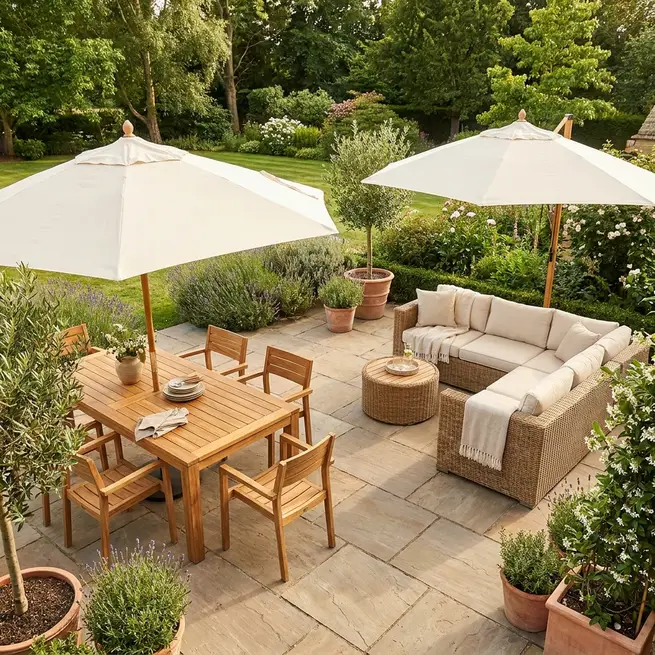
Not necessarily. Whether teak furniture is hard to maintain depends mainly on the appearance you want and the care recommended for its particular finish. Routine cleaning removes dirt; extra treatment is optional and is generally about influencing how the wood looks. Teak exposed to rain, sun and seasonal temperature changes may weather differently from furniture kept in a more sheltered spot, so don’t assume every piece needs the same routine.
Teak is valued for its natural durability and water resistance. The Teak (Tectona grandis) overview explains the tree’s properties and its use in furniture. These qualities don’t remove the need to follow care instructions: construction, finish and exposure still matter. For example, a table in an open part of the garden may collect more rain and debris than one beneath a covered terrace.
In practical terms, teak care usually means cleaning as directed and deciding whether to let the surface weather naturally or maintain a particular appearance.
What does routine teak furniture care involve?
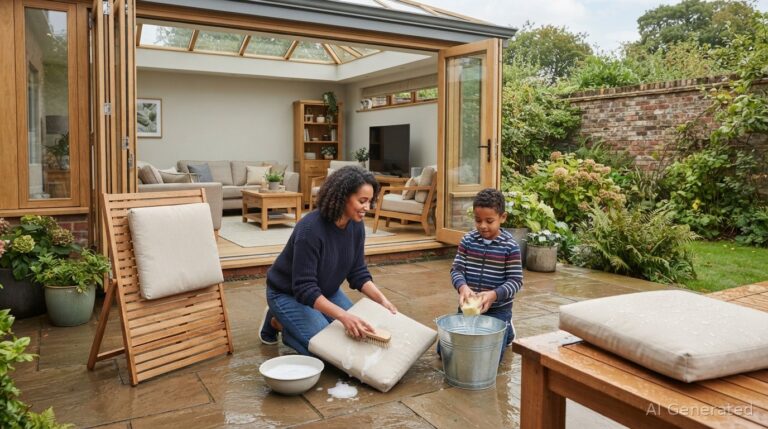
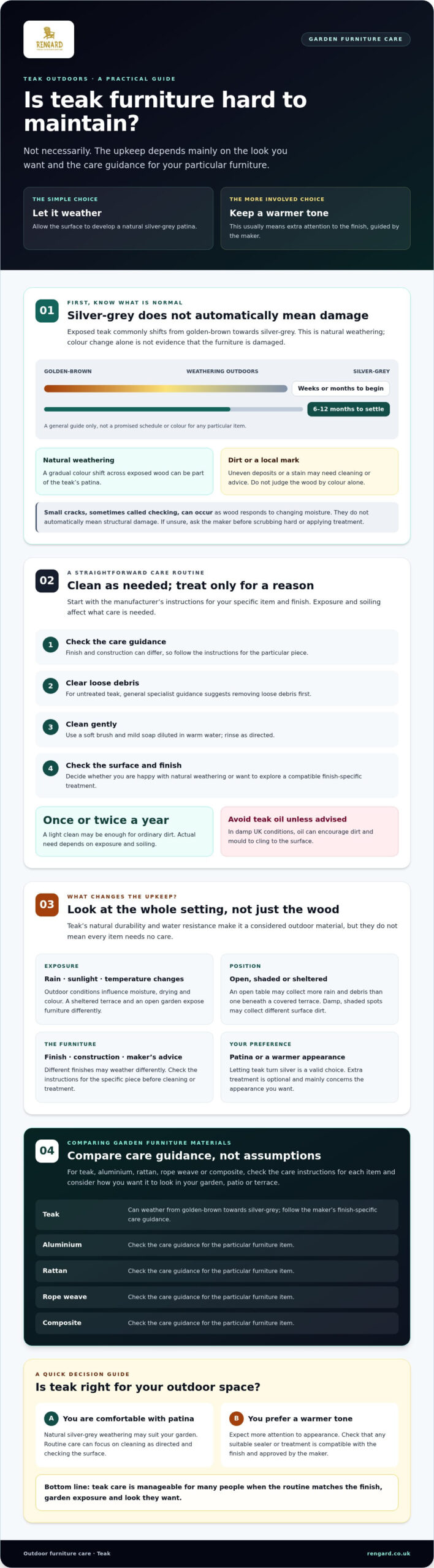
Start with the maker’s instructions for the specific item and finish. For untreated teak, general specialist guidance commonly suggests removing loose debris, then cleaning with a soft brush and mild soap diluted in warm water. Rinse as directed. A light clean once or twice a year may be enough for ordinary dirt, but the actual need depends on exposure and soiling. Don’t confuse surface treatment with routine cleaning: treatment is a separate choice about appearance. Avoid teak oil unless the care guidance specifically recommends it. In damp UK conditions, oil can encourage dirt and mould to cling to the surface.
Does teak change colour outdoors?
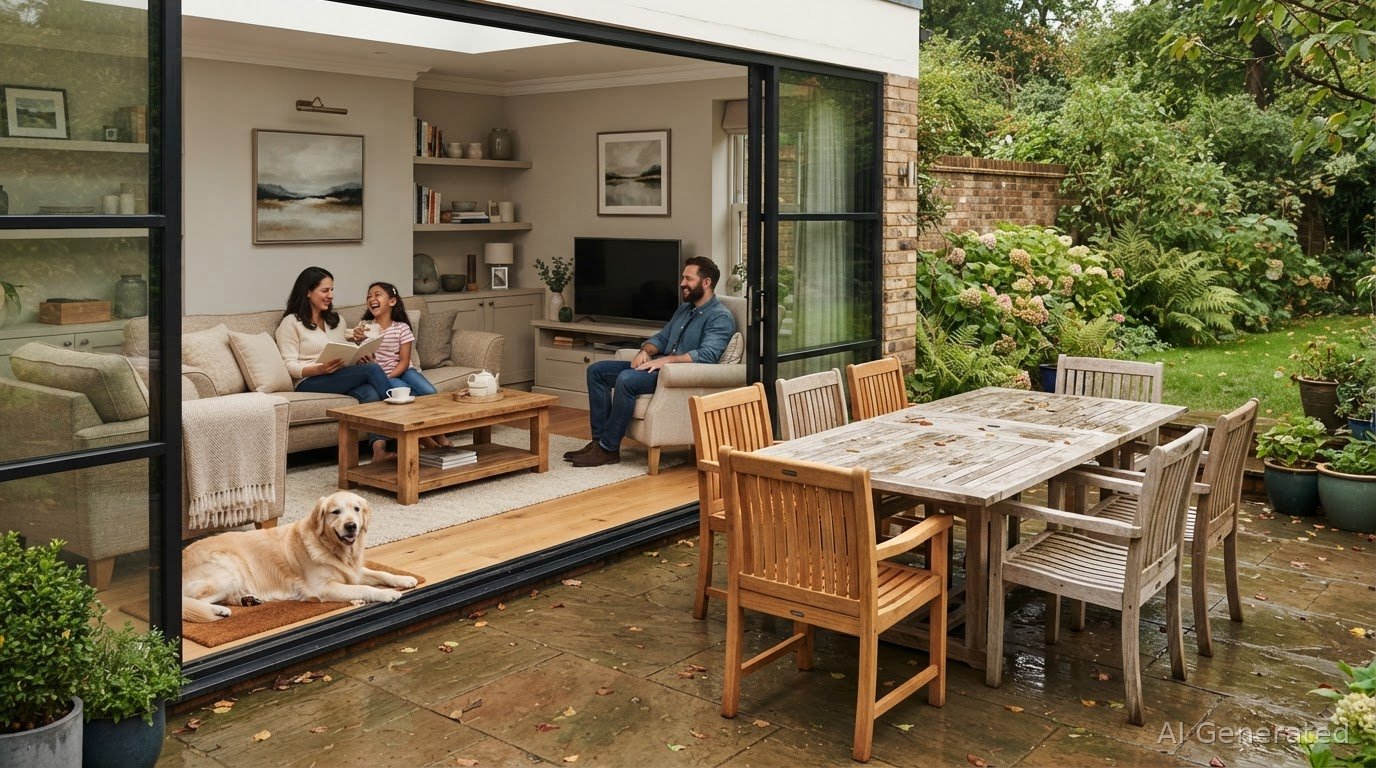
Yes. Exposed teak commonly changes from golden-brown towards silver-grey as it weathers. The research for this guide indicates that the change may begin within weeks or months and can take six to twelve months to settle. This is a general description, not a promised schedule or colour for any particular item. The grey patina is a natural surface change, not in itself evidence of damage.
Dirt or a local stain may look uneven or remain as a mark, rather than forming a gradual change across the exposed surface. Small cracks, sometimes called checking, can also occur as wood responds to changing moisture. This does not automatically mean the furniture is structurally damaged. If you’re unsure, ask the maker before scrubbing hard or applying treatment. If you prefer teak’s original warmer tone, you could consider a suitable sealer, but first check that it’s compatible with the finish. Letting the wood turn silver is also a valid choice that avoids extra treatment.
How teak weathers outdoors, and what affects the care it needs
Teak’s appearance and care needs depend on more than the wood itself. Sunlight can change its colour, while rain and temperature shifts affect its exposure to moisture and drying. The finish, construction and position in the garden matter too. A table in an open spot faces different conditions from one beneath a sheltered terrace.
The Wood Database describes teak as the gold standard for decay resistance. That helps explain its use in outdoor furniture, but resistance to decay doesn’t mean every teak item will look unchanged or need no care. A finish may affect how the surface weathers, so follow the maker’s guidance for the specific piece.
What happens when teak is left untreated outdoors?
Untreated teak commonly shifts from a warm brown tone towards a softer silver-grey as it weathers. This is a change in appearance, not automatically a sign of damage. Leaving the surface untreated can suit a garden where a naturally weathered look feels right. The choice is aesthetic: consider whether you prefer the patina or want to take additional care to retain a warmer colour.
A suitable treatment may help maintain or change the appearance, but it isn’t compulsory for every piece. Treatments can be finish-specific, so check the manufacturer’s instructions before using one. Don’t judge the wood by colour alone. Local marks or uneven deposits may call for cleaning or advice rather than a colour-restoring product.
Does the UK climate make teak harder to care for?
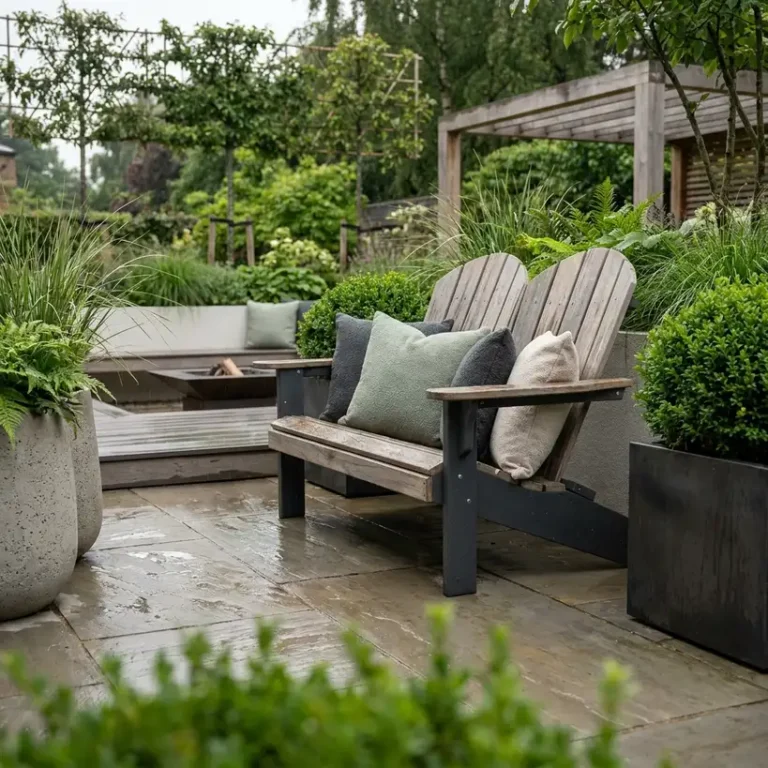
British gardens experience rain, brighter spells and seasonal temperature changes. Teak’s natural properties make it a considered option for outdoor use, but exposure still varies. Furniture in a consistently damp, shaded position may collect different surface dirt from a piece that receives more direct sun. Neither setting means damage is inevitable. Inspect the furniture and follow its care instructions.
Weather exposure can change teak’s appearance, but a colour shift alone isn’t proof of damage. Small checks in the wood can occur as it responds to changes in humidity, and are not necessarily structural flaws. If a crack concerns you, or a mark doesn’t lift with the cleaning method specified by the maker, seek advice before sanding or applying treatment.
So, is teak furniture hard to maintain? The answer depends partly on the finish and partly on your expectations. Allowing natural weathering avoids the extra work of trying to preserve a particular colour. Maintaining a more consistent golden tone calls for attention to suitable treatments. Either approach benefits from basic cleaning and a routine matched to the furniture’s instructions.
Teak versus other garden furniture materials: compare the upkeep
There isn’t one best material for every garden. Teak, aluminium, rattan, rope weave and composite have different finishes and appearances. Compare the care instructions for the actual item rather than relying on broad claims about a whole material category. Teak is valued for its natural character; ICRAF’s overview describes its superior physical and mechanical properties, but precise care still depends on the furniture’s finish and the maker’s advice.
Which care questions should you ask about each material?
Use these questions when comparing options. The table is a prompt for checking product-specific guidance, not a claim that every item made from a particular material needs identical care.
| Material | Care questions to ask | Appearance to consider |
|---|---|---|
| Teak | How should this finish be cleaned? Is any treatment recommended or optional? | Do you prefer its original tone or a naturally weathered look? |
| Aluminium | What cleaning method suits the frame, and how should its finish be cared for? | Does the frame finish work with the style of your outdoor setting? |
| Rattan | How should the particular weave be cleaned, and are there finish-specific instructions? | Consider the texture and how it sits alongside other garden materials. |
| Rope weave | What does the maker advise for cleaning the rope and the furniture frame? | Decide whether its woven detail suits your space. |
| Composite | Which cleaning products and methods are suitable for this surface? | Check whether its surface appearance complements your garden scheme. |
For example, aluminium care guidance may recommend wiping with soapy water and taking care not to deeply scratch a powder-coated finish. Don’t apply that advice to other materials. The manufacturer’s instructions take priority for every option. For a broader material-selection framework, consult Garden Furniture: The Ultimate UK Buyer’s Guide for 2026 if it’s available alongside this guide.
When might teak suit your outdoor space?
Teak may suit you if you value natural wood and are comfortable following the care guidance for its finish. Think about where the furniture will sit, how exposed it is to the elements and whether you’re happy for its appearance to change over time. If you’re considering a teak-finished outdoor table, explore outdoor tables and check the material and care details for each item. Balance the look you want with the upkeep you’re willing to do.
How to care for teak garden furniture: a practical routine
A simple routine starts with the furniture itself, not a one-size-fits-all cleaning recipe. Check the manufacturer’s care instructions first, as the finish can affect which products and methods are suitable. Then work through these steps:
- Check the guidance. Look for instructions specific to the item’s finish, including advice on cleaning, rinsing and storage.
- Clear loose debris. Gently remove leaves and other surface debris before cleaning, so you don’t rub grit across the wood.
- Clean as directed. For untreated teak, specialist guidance commonly recommends a soft brush and mild soap in warm water. Follow the maker’s directions for rinsing, and don’t use a pressure washer unless the instructions specifically allow it.
- Inspect the surface. Once clean, look for persistent stains, changes to the finish or damage that may need advice before you apply treatment.
For an exposed table, you might clear away debris after windy weather and clean when dirt has built up. A covered setting may need attention less often. Let the furniture’s condition and care instructions guide you rather than treating a fixed schedule as universal.
How should you clean teak furniture?
Use the recommended cleaning method for the specific item. Mild soapy water and a soft brush are general guidance for untreated teak, not a guarantee that the same approach suits every finish. Don’t use stronger cleaners or abrasive tools without the maker’s approval. Cleaning removes surface dirt; it won’t necessarily restore the original colour or stop natural weathering. If you want to change the appearance, check treatment guidance separately.
Should you oil or treat teak furniture?
Treatment is a choice, not an automatic part of cleaning. Teak oil is widely discouraged for outdoor furniture in damp UK conditions because it can attract dirt and encourage mould or mildew. If you want to retain a warmer tone, check whether a teak sealer is suitable for your item and follow the manufacturer’s instructions. Don’t assume treatment will deliver a particular colour or level of protection, or apply it at an interval that hasn’t been recommended for your furniture.
For covers or seasonal storage, follow the product instructions rather than assuming every teak item should be covered or stored in the same way. If you’re comparing teak with other options, ask Rengard about choosing garden furniture for your space and care preferences.
Is teak the right choice for your garden and maintenance preferences?
Teak may suit your outdoor space if you like its natural character and are happy to follow the care instructions for the specific finish. The decision isn’t simply about whether you’re willing to clean furniture. Consider whether you’re comfortable with the wood’s appearance changing outdoors or would prefer to take extra steps to influence how it looks.
What should you consider before choosing teak?
Before choosing, ask yourself:
- Which appearance do you prefer? Are you drawn to teak’s warmer tones, or would you welcome the softer look it can develop as it weathers?
- How much care feels reasonable? Basic cleaning and finish-specific instructions may be manageable, but preserving a particular appearance could involve additional care.
- Where will the furniture sit? Consider its exposure to rain, sunlight and seasonal changes, then check the maker’s guidance for that setting.
If you’re still weighing up materials, the Garden Furniture: The Ultimate UK Buyer’s Guide for 2026 offers a wider framework for comparing options for a British outdoor space. Ultimately, whether teak furniture is hard to maintain comes down to your expectations. It can be a considered choice if you’re comfortable with natural weathering and care directed by the manufacturer.
How can Rengard help you explore outdoor furniture?
Rengard specialises in premium garden furniture for modern British outdoor living. Its stated materials include teak, rust-free aluminium frames, high-quality rattan, rope weave and composite surfaces. Rengard describes its outdoor furniture as weather-proof and durable against rain, sun and seasonal temperature changes in the UK climate. Check the details for each item rather than assuming every material or finish has identical properties.
Whether you’re planning a garden dining area or furnishing a compact terrace, start with the look you want, the space available and the care you’re prepared to undertake. Contact Rengard about outdoor furniture to discuss your garden and the options that may suit it.
Choose the care approach that suits your garden
So, is teak furniture hard to maintain? Its upkeep depends on the finish and the look you want. Routine cleaning helps remove dirt, while extra treatment is an optional choice for those seeking to influence teak’s appearance. Natural silvering outdoors isn’t, by itself, a sign of damage.
Before choosing, check the care instructions for the specific piece and consider its exposure to rain and sun. Compare materials by their cleaning guidance and how their appearance fits your outdoor space, rather than assuming one option is best for every garden.
Rengard lists teak among its outdoor furniture finishes and describes its furniture as weather-proof and durable against UK seasonal conditions. Consider these points alongside the care guidance for any item you’re interested in.
Ready to explore materials and styles for your garden, patio or terrace? Contact Rengard to discuss your outdoor furniture needs.
Frequently Asked Questions
Is teak furniture hard to maintain?
The answer to “is teak furniture hard to maintain” depends on the appearance you want, the item’s finish and the maker’s care instructions. Ordinary cleaning removes dirt, while treatments are optional choices that may influence how the wood looks. Some teak can be left to weather naturally; other finishes may need different care. Check the specific product guidance rather than assuming every teak table or chair needs the same routine.
Does teak garden furniture need to be oiled?
No. Oiling shouldn’t be treated as a universal requirement for teak garden furniture. Specialist guidance commonly discourages teak oil outdoors in damp conditions, as it may attract dirt and encourage mould or mildew. Before choosing any treatment, check reliable teak-care advice and the instructions for your particular item. Your preferred appearance can help guide the decision, but don’t assume oil will preserve a specific colour or provide a guaranteed level of protection.
Will teak furniture turn grey outside?
Teak exposed outdoors commonly weathers from a warmer brown towards a silver-grey patina. This gradual colour change is generally an expected effect of exposure, not proof of damage. Dirt, stains or marks may look different and can require cleaning or further advice. There’s no fixed timeline that applies to every item, as exposure and finish vary. If you’re unsure what finish your furniture has, check its care guidance before trying to change its appearance.
Can teak furniture stay outside in British weather?
Some teak garden furniture is designed for outdoor use, but don’t assume every item can remain outside all year. British rain, sunshine and seasonal temperature changes affect furniture differently according to its construction, finish and exposure. Check the maker’s instructions for guidance on outdoor use, covers or storage. A sheltered patio and an exposed garden can present different conditions, so base your routine on the specific furniture rather than a blanket rule about teak.
How do you clean teak garden furniture?
Begin with the manufacturer’s instructions, as the correct method depends on the item and its finish. For untreated teak, specialist guidance commonly recommends clearing loose debris and cleaning with a soft brush and mild soap in warm water, then rinsing as directed. Cleaning removes surface dirt; it won’t necessarily restore the wood’s original tone. Avoid pressure washing, harsh products or abrasive tools unless the product guidance specifically confirms they’re suitable.
Is teak easier to maintain than aluminium or rattan garden furniture?
There isn’t a universal winner. The best fit depends on the furniture and the care you’re comfortable doing. Compare the maker’s cleaning instructions, finish-specific advice and any optional appearance treatments. Consider whether you’re happy for teak to weather naturally and how each material may look in your garden’s conditions. For aluminium or rattan, check the care guidance for the actual frame, surface or weave rather than relying on general assumptions.
What should I check before buying teak garden furniture?
Check the exact material and finish, then read the care instructions for that particular item. Consider where the furniture will sit and how it may be exposed to rain and sunlight. Decide whether you’re comfortable with teak’s natural weathering or would prefer to follow guidance for maintaining a different appearance. Don’t infer a product’s construction, availability, price, warranty or care schedule from general advice about teak.