
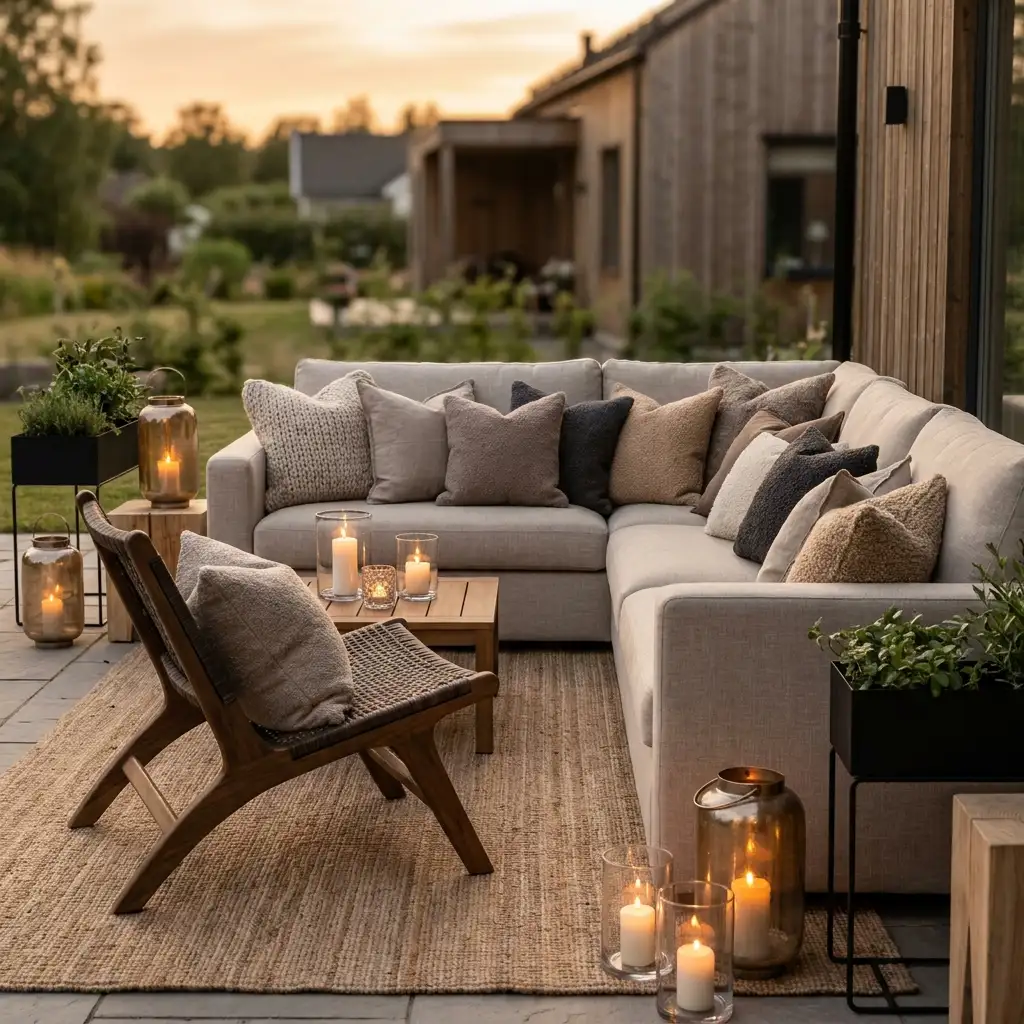
decorative cushions UK for Sofas and Chairs
Refreshing a living room does not always mean buying a new sofa. In many UK homes, cushions are often the quickest way to change the mood of a space. The right decorative cushions UK shoppers choose can help an older sofa feel more current, soften a sharp-looking armchair, and add warmth to a room that feels a little flat, which is often the real problem. It is a small change, but it usually matters more when homeowners want smart updates without the cost and disruption of a full redesign.
That interest is fairly easy to see in the wider market. UK furniture manufacturing sales reached £10.8 billion in 2024, while UK consumer spending on furnishings, household equipment and routine household maintenance totalled £76.1 billion in the same year (FIRA Statistics Digest). At the same time, upholstered wooden seating sales were £784 million, down 17% year on year. That is a noticeable decline, and not a surprising one. It often suggests people are being more careful with larger purchases, while smaller styling updates can feel like the more sensible choice instead (FIRA Statistics Digest).
This is where sofa cushions UK, armchair cushions UK, accent cushions UK, and other small finishing details come in. They make it easier to update shape, texture, and colour without much commitment. In this guide, you’ll learn how to choose cushion size, fabric, fill, palette, and layout. It will also cover 2026 home decor trends UK homeowners are already moving toward, including warm neutrals, tactile surfaces, and soft modern cushions that work in both compact flats and larger countryside homes, which gives a useful place to start. In my view, it is a practical place to begin.
Start With the Seat You Already Have for Decorative Cushions UK Styling
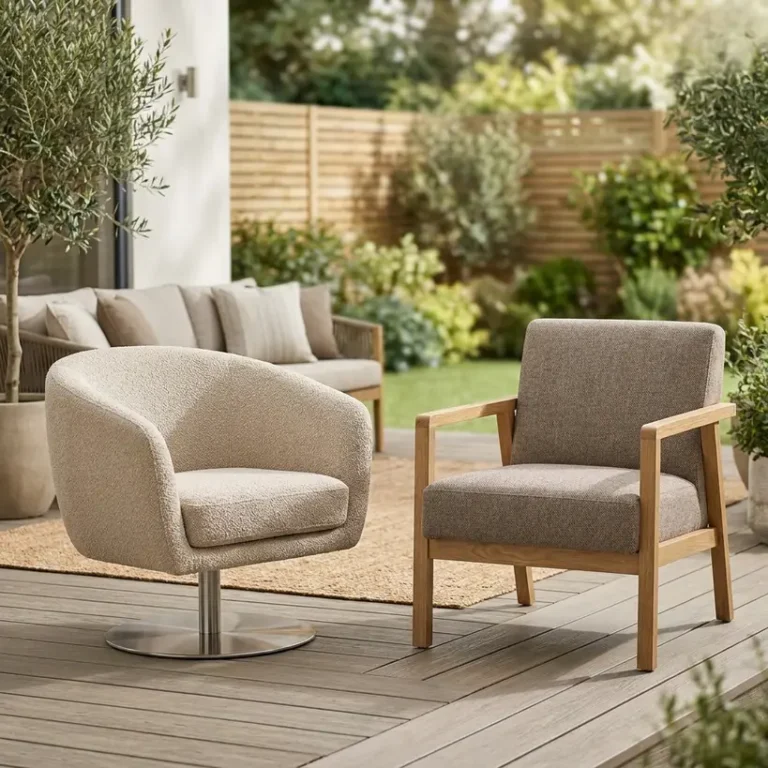
Before buying any modern cushions UK shoppers are seeing online, take a close look at the furniture already in the room. It is usually worth doing first. Cushions should work with the shape and feel of the sofa or chair, not fight against it. A low, boxy sofa often looks better with a cleaner cushion arrangement and probably fewer shapes overall. A rounded chair or a deep sofa can usually take more texture, along with a softer mix of shapes that feels more relaxed.
That change matters because living rooms are moving toward softer forms. As Simon Mayhew told House Beautiful UK:
Curved sofas, rounded chairs and organic silhouettes feel more human and emotionally comforting than sharp, rigid forms,
If the furniture already has that softer silhouette, cushion styling UK choices should generally go in the same direction. Rounded edges, relaxed fabrics, and tones that feel calm rather than harsh tend to sit better there. If the furniture is more structured, it often works better to add warmth through texture instead of changing the shape too much. That usually keeps the room feeling consistent and helps the sofa avoid looking out of place.
A quick room check is simple, but it helps before shopping.
- Check the scale: A large three-seater can usually take bigger square cushions, with a lumbar shape placed in front.
- Consider seat depth: Deep seats often need fuller, more supportive cushions.
- Look at arm style: Slim modern arms tend to suit tighter arrangements, while rolled arms can handle softer, fuller stacks.
- Think about use: Family sofas generally need durable fabrics and covers that are easy to care for.
More on matching cushions to chair style is covered here: modern armchairs and living room styling
You can also compare layouts in this guide to Sofas and Armchairs UK: How to Furnish Your Home with Style, especially when planning a full living room refresh.
Choose the Right Decorative Cushions UK Size and Shape
A common styling mistake is choosing cushions in just one size. When a sofa is filled with matching squares, it can look flat and a bit too store-bought, which is a common problem. Better decorative cushions UK arrangements usually mix different shapes and sizes, which gives the setup more depth.
For most living room cushions UK layouts, the largest cushion usually works best at the back. In front, add a slightly smaller square, or try a lumbar cushion instead, since that often works very well. This simple layering method suits modern interior UK spaces because it feels balanced and natural, without looking too formal.
Easy size guide for sofas with decorative cushions UK layouts
- Two-seater sofa: In most cases, 2 to 4 cushions usually work best.
- Three-seater sofa: Often, 4 to 6 cushions are enough and are usually plenty.
- Corner sofa: Group cushions into zones instead of spreading them evenly across the whole sofa, because that can make it look flatter.
- Compact flat sofa: Fewer, better cushions usually look more expensive than using too many.
Easy size guide for armchairs
- Standard armchair: 1 cushion is usually enough.
- Deep lounge chair: 1 larger cushion or 1 lumbar often works well.
- Accent chair: It’s a good place to try more texture or pattern.
- Smaller occasional chair: Keep the cushion light so the seat still feels open.
The simple rule here is that sofas usually need comfort and balance, while Armchair cushions UK options can be a bit more expressive, which is often where the fun comes in. Because they create a smaller visual focus, a chair can often take boucle cushions UK, woven patterns, or a richer accent colour without taking over the room.
In a smaller room, movement is worth keeping in mind. Oversized cushions can make a compact sofa look crowded, while smaller but fuller shapes often suit apartments and townhouses better. Scale still matters, though. If you’re styling around a compact sofa footprint, this article on 2 seater sofas for modern compact homes helps you judge scale more clearly.
Focus on Fabric First for Decorative Cushions UK Homes
Many buyers start with colour, but fabric usually matters more. Why? Texture often decides whether a cushion feels premium, cosy, formal, or casual before colour really has time to register, and that first impression is often stronger than people expect.
That helps explain why premium cushions UK collections often stand out more for material quality than for bold prints. In most cases, the weave, finish, or weight is what makes the difference. Andrew Cussins from Sofas & Stuff summed up that direction well when he said:
2025 is shaping up to be a year of bold, tactile interiors where layering patterns and textures take center stage,
That idea also connects directly with 2026 home decor trends UK homeowners are following. Textured cushions UK styles are still popular, and the best looks now often feel more layered and grounded, which tends to make rooms feel calmer. More settled.
What each fabric says in a room
- Boucle: Soft and cosy with a modern feel. In most spaces, it usually works best in moderation at the moment.
- Chenille: Plush and comfortable. It’s a good option for everyday family rooms, especially when the room gets a lot of use.
- Woven blends: They add depth and give a relaxed, premium look.
- Velvet: Rich and elegant. It works well when a neutral room needs some contrast.
- Linen-look fabrics: Light and casual, ideal for soft modern cushions.
- Wool-look or mohair-look textures: Warmer and often more current than bright white boucle in many rooms.
Before-and-after changes can feel quite dramatic. A grey sofa with plain, flat cushions may seem cold, but swapping in a woven oat cushion, a boucle lumbar in warm beige, and a charcoal textured cushion often makes that same sofa feel deeper and more inviting. In practice, the change can be surprisingly noticeable.
A leather armchair can soften nicely too with one tactile accent cushion instead of a shiny patterned one, which often works especially well. If the aim is a modern home decor UK look, one useful approach is to mix at least two textures, even when the whole scheme stays neutral. It’s simple and effective, and the room will likely feel more balanced.
Readers comparing broader room updates may also find Furniture Store UK: Best Modern Shops for 2026 useful when coordinating sofas, chairs, and textiles together.
Understand Why Warm Neutrals Work So Well in Decorative Cushions UK Schemes
The neutral cushions UK buyers choose most often do not look dull when they are layered properly. In many British homes, warm neutrals are now replacing colder minimalist palettes, and that change often works better for everyday living. These warmer shades usually hide daily wear more easily, tend to look better in natural light, and sit more naturally with wood, rattan, rope, and other tactile furniture materials, which fits lived-in spaces.
Jennifer Ebert of Homes & Gardens shared a very clear tip:
Instead of a stark white bouclé, consider a warmer neutral wool or woven fabric in almond or flax tones to add more depth to a space,
That advice fits what many homeowners are already seeing. House Beautiful UK points to earthy neutrals and softer colours in 2026 furniture trends. Homes & Gardens also says that flat black, white, and cooler grey schemes are being replaced by warmer, more layered palettes (House Beautiful UK, Homes & Gardens). It is a clear change.
| Market Indicator | Value | Year |
|---|---|---|
| UK furniture manufacturing sales | £10.8bn | 2024 |
| Upholstered wooden seating sales | £784m | 2024 |
| Change in upholstered wooden seating sales | -17% | vs 2023 |
| UK consumer furnishing-related expenditure | £76.1bn | 2024 |
Those figures help explain why smaller updates can have such an effect. As sales of larger upholstered seating begin to soften, households often become more selective about what they bring into their homes. In that context, decorative updates such as premium cushions UK options are usually a practical way to refresh a room without replacing the sofa. A small change, but an effective one.
A useful way to build the palette is with four neutral levels:
- Base neutral: oatmeal, stone, flax
- Middle neutral: soft beige, taupe, mushroom
- Depth neutral: warm grey, olive-khaki
- Anchor neutral: charcoal, chocolate, dark linen, muted black
This approach works especially well with natural wood tones and soft modern interiors, which is one of the easiest settings for creating a warmer look.
Mix Texture and Pattern Without Making the Room Busy
The goal isn’t to create visual noise. It’s to add depth, which is an important part of cushion styling in UK homes that look polished rather than overdone. In a minimalist or soft-modern room, too much pattern can start to feel messy very quickly, often sooner than expected. At the same time, a room with no variation at all can also look a little unfinished.
One simple formula is the two-solid, one-texture, one-subtle-pattern approach. On a three-seater sofa, for example, that might look like this:
- 2 solid warm beige cushions
- 1 woven charcoal cushion
- 1 fine stripe lumbar cushion
- or a small geometric lumbar cushion
This adds contrast without making the sofa feel loud. With armchair cushions UK styling, one standout fabric is often the better choice. A boucle cushion can work well. A heavily textured woven cushion can also do the job, especially in a smaller room where the accent needs to feel clear without becoming too much, which is often the better option.
Right now, industry best practice tends to let texture do most of the work. Recent interiors coverage shows that layered tactile materials such as velvet, linen, chenille, and woven finishes still shape current sofa styling (Homes & Gardens). That means strong prints are not essential if the goal is a sofa that feels considered and well styled.
Common mistakes to avoid:
- Using the same fabric on every cushion
- Pairing cool grey with warm beige and skipping a bridging tone
- Choosing overfilled cushions that look stiff
- Buying small cushions for a large sofa
- Putting bold pattern on both sofa and armchair in the same room
A better way to handle it is to repeat one element across the room. That might be a similar weave, the same warm neutral family, or one dark anchor colour. In most cases, this kind of repetition is what helps the room feel pulled together. If the floor layer is also being updated, modern rugs for home decor can help connect cushions and textiles so the room feels unified.
Pick the Right Fill for Comfort and Shape
A nice cover means little if the insert goes flat in the first week, and that often happens. Cushion fill affects how full and neat it looks, how comfortable it feels, and the upkeep it may need. A small detail, but often a big difference.
Common fill options
- Feather-filled: Soft, relaxed, and high-end in appearance. It usually needs more frequent plumping.
- Polyester-filled: Keeps its shape well and is often easier to care for.
- Feather blend: Offers a good mix of softness and support.
- Foam core blend: More structured and especially useful for lumbar cushions.
For soft modern cushions UK homes, a slightly relaxed finish usually looks best in most settings. The cushion should feel generous rather than stiff. It mostly comes down to personal preference. The classic ‘chop’ look is often a matter of taste, but even without it, a fuller insert helps the cover sit better and look neater.
A good rule is to choose an insert that is slightly larger than the cover. That usually creates a more premium look and helps avoid a flat finish. This can matter even more for sofa cushions UK arrangements, where the back row needs body and support across the sofa. On armchairs, a slim but supportive lumbar cushion can improve comfort while also improving the overall look.
If the home is shared with children or pets, practical covers with zips and removable inserts are worth considering. Premium does not have to mean delicate. Durable woven blends and good-quality chenille can offer both softness and resilience. Simple but effective, and often one of the easiest options to live with day to day.
Match Decorative Cushions UK Styles to Different UK Home Types
Not every living room needs the same cushion setup, which is usually obvious. A city apartment and a townhouse often use cushions differently, and a countryside home probably does too.
Apartments and compact homes
Use fewer cushions. Keep the colour story clear, as this often helps. Too many cushions can crowd the room. Soft beige, stone, and textured taupe can make a smaller space feel calm and open.
Family townhouses
Comfort meets durability. A larger sofa has layered square cushions and one lumbar pillow, which can help. Choose fabrics that hide marks and still feel refined. Smart, everyday style.
Countryside homes
In countryside homes, richer tactile layers are often where this look comes through most clearly. Wool-look weaves, deeper oat tones, muted olive, and chocolate accents feel natural and grounded, while also usually being quite easy to live with. Modern interior UK style often works best in rural spaces when sleek furniture is balanced with tactile textiles, so rooms do not end up feeling too sharp.
RENGARD also fits naturally into this setting. The wider brand style already leans toward Scandinavian simplicity, natural materials, and practical luxury, which in most cases means comfort that still feels considered. That makes Rengard cushions a sensible choice for homeowners who want warmth without clutter, especially alongside wood, rope, and other tactile finishes used throughout the home.
For readers planning a larger update, Home Furniture Online UK: Best Modern Stores for 2026 offers more ideas for combining furniture and accessories in a cohesive way.
Shop More Strategically in 2026
It helps to understand where the market may be going before you buy. Commercial estimates suggest the UK home decor market could grow from USD 24.59 billion in 2025 to USD 25.72 billion in 2026, while the UK home furniture market could rise from USD 14.73 billion to USD 15.17 billion over the same period (Mordor Intelligence, Mordor Intelligence). Another estimate puts the UK home furnishings market at £23.47 billion in 2025 and suggests more growth ahead (MarketReportAnalytics).
These are estimates rather than official public figures, but they still suggest steady interest in home styling. For shoppers, that usually means more choice, but also more noise at the same time, which can feel a little tiring. A simple buying checklist can help cut through that and make decisions easier.
- Request or check fabric composition
- Before deciding, look for close-up texture images
- Confirm cover size and insert size separately
- You will want to know whether covers are removable
- Consider your sofa colour in daylight instead of relying only on screen images
- Does the layout really need symmetry? Buy in pairs only if it does
If broader home styling options are part of the comparison, browsing a modern indoor furniture collection can make things clearer. It helps show how cushions work within a full room scheme instead of judging them on their own, which is often an easier way to assess them properly.
If choosing feels difficult, one practical place to start is to buy one anchor cushion first. It might be the most textured one, the darkest option, or simply the one that matches the sofa tone best. Then build the rest around it. In many cases, that makes the next choices feel easier to manage.
Frequently Asked Questions
How many decorative cushions should a sofa have?
Most sofas look best with 2 to 6 cushions, depending on size. A compact two-seater usually needs fewer, while a larger three-seater can handle a layered arrangement. The aim is balance, not maximum quantity.
What colours work best for neutral cushions UK homes?
Warm stone, oatmeal, flax, taupe, mushroom, and soft charcoal work very well in UK homes. These shades feel calmer and more current than colder flat greys. They also pair well with wood, black accents, and soft modern decor.
Are boucle cushions UK buyers choose still in style for 2026?
Yes, but with a more careful approach. Boucle still works, especially in warmer shades and mixed with other fabrics, but many designers now prefer richer woven, wool-like, or chenille textures over stark bright white boucle.
What is the best cushion arrangement for an armchair?
Usually one cushion is enough for an armchair. A square cushion adds softness, while a lumbar cushion can improve comfort and support. Because the chair acts as an accent, you can use a bolder texture here than on the main sofa.
Where can I find premium cushions UK homeowners can style with modern furniture?
Look for collections that focus on tactile fabrics, calm colours, and strong finishing details rather than loud trends. RENGARD is a useful example for shoppers who like Scandinavian and soft-modern styling, because its wider design direction supports natural textures and refined neutral living spaces. You can explore the brand at RENGARD.
How do I make my living room cushions UK scheme look more expensive?
Use a limited colour palette, mix at least two textures, and choose fuller inserts. A thoughtful combination of neutral tones, woven detail, and better fill often looks more premium than bright colours or busy prints. A good UK home and garden furniture specialist can also help you see how cushions fit into the bigger design picture.
The Best Way to Pull the Look Together With Decorative Cushions UK Ideas
Choosing decorative cushions for sofas and armchairs is really about understanding the room. A good place to start is with the shape of the furniture already in the space. From there, choose cushion sizes and shapes that truly suit it, because that detail often matters more than people expect. It also helps to think about fabric before colour, then build a palette around warm neutrals with one or two grounding tones such as brown, olive, or charcoal. Texture matters too, so consider boucle, woven blends, chenille, linen-look fabrics, or wool-like finishes. Pattern usually works best when kept subtle, unless the chair is meant to stand out as a real accent piece.
The strongest 2026 home decor trends UK homes are following are fairly easy to spot: softer silhouettes, warmer palettes, and more tactile materials. That shift means decorative cushions UK styling is now less about bold statements and more about adding quiet depth. For a room to feel modern, comfortable, and well put together, cushions are often one of the simplest ways to help move it that way. They are straightforward, effective, and usually less expensive than replacing furniture.
Keep these points in mind:
- Match cushions to the shape of the sofa or chair
- Layer different sizes instead of choosing everything in one size
- Let texture help guide the design
- Use warm neutrals so the scheme stays flexible
- Choose a quality fill if you want a better finish
- With armchairs, you can usually style a little more boldly than with sofas
- Buy for your actual home, not a showroom image
Done well, sofa cushions UK and armchair cushions UK choices can refresh a whole room without needing a full redesign. It is often best to start with one strong cushion, then build a small palette around it and let texture do the rest, because you do not need many for the look to come together.
2 Comments