High Back Armchairs UK vs Low Profile Designs
Choosing between a high-back chair and a lower, leaner design sounds simple, until it has to work in a real room. Then the decision affects more than expected. It shapes comfort, posture, sightlines, layout, and even how spacious a living room feels from one day to the next. For UK homeowners furnishing lounges, reading corners, garden rooms, and open-plan spaces, the difference between high back armchairs UK buyers love and low profile armchairs UK designs regularly sets the tone of a home.
That matters even more in places like Shropshire, Staffordshire, Cheshire, Manchester, North Wales, and Birmingham, where homes can vary sharply in age, scale, and layout. A Victorian terrace snug needs one thing. A new-build open-plan living area needs something else entirely. Some buyers want supportive armchairs UK households can settle into for an evening with a book. Others want minimalist armchairs UK interiors can accommodate without adding too much visual weight.
Here, the focus is the high back chair vs low profile chair decision from a practical, design-led perspective. It covers comfort, ergonomics, room proportions, modern armchair styles UK homeowners actually live with, and the way contemporary seating UK trends split between cocooning comfort and clean-lined minimalism. It also shows where each style works best, what buyers should check before purchasing, and how to choose modern living room seating UK homes can enjoy for years rather than just a season.
Why Buyers Compare These Armchair Styles
The choice isn’t happening in a quiet market. In 2025, UK households spent £20.15 billion on furniture and furnishings, a 3.2% rise year on year, according to FIRA’s industry digest (FIRA). The wider sector is substantial too, with UK consumer expenditure on furniture and furnishings reaching £22.722 billion in 2024 (Office for National Statistics).
Moreover, buyers now compare comfort and appearance far more closely before purchasing. For example, many homeowners researching High Back Chairs: A Guide to Comfort and Style also look at lower-profile seating for open-plan layouts.
What Defines High Back Armchairs UK and Low-Profile Designs?
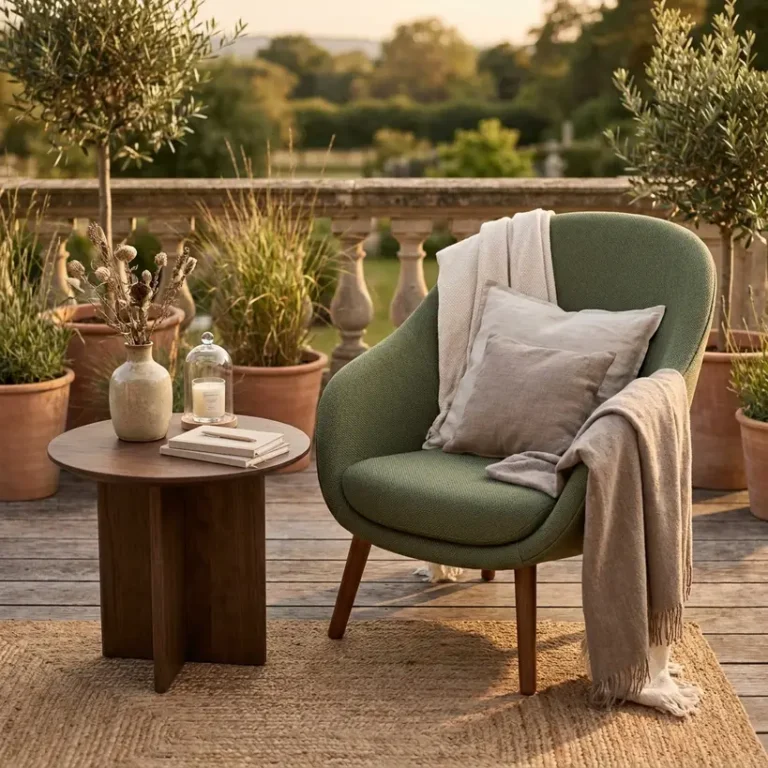
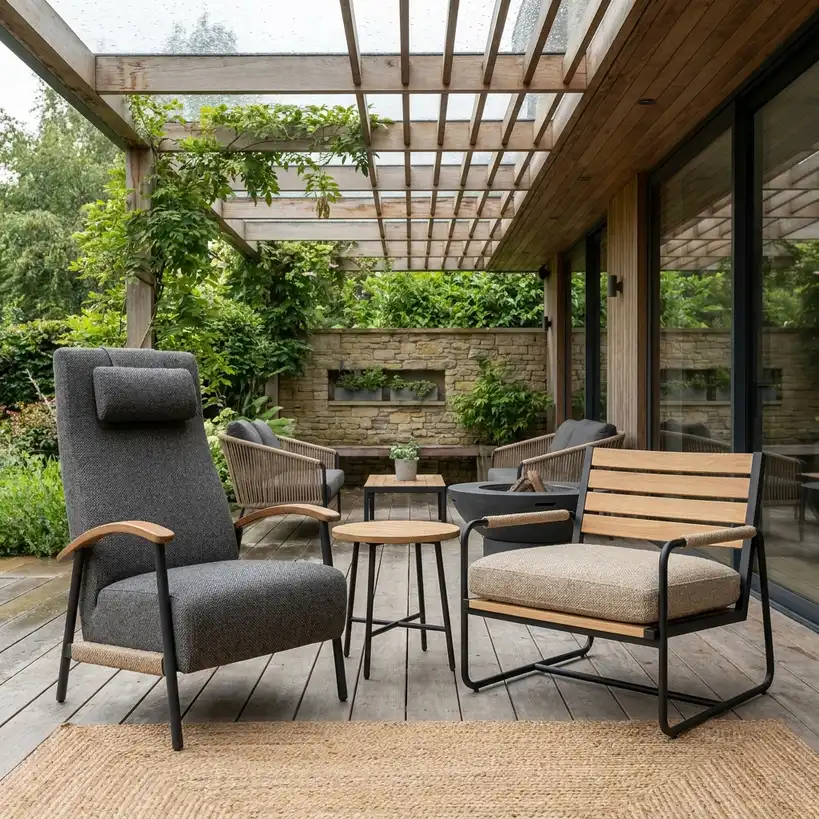
Among modern armchair styles UK retailers carry, a high back usually means the chair rises far enough to support most or all of the upper back, and in many cases the shoulders as well.
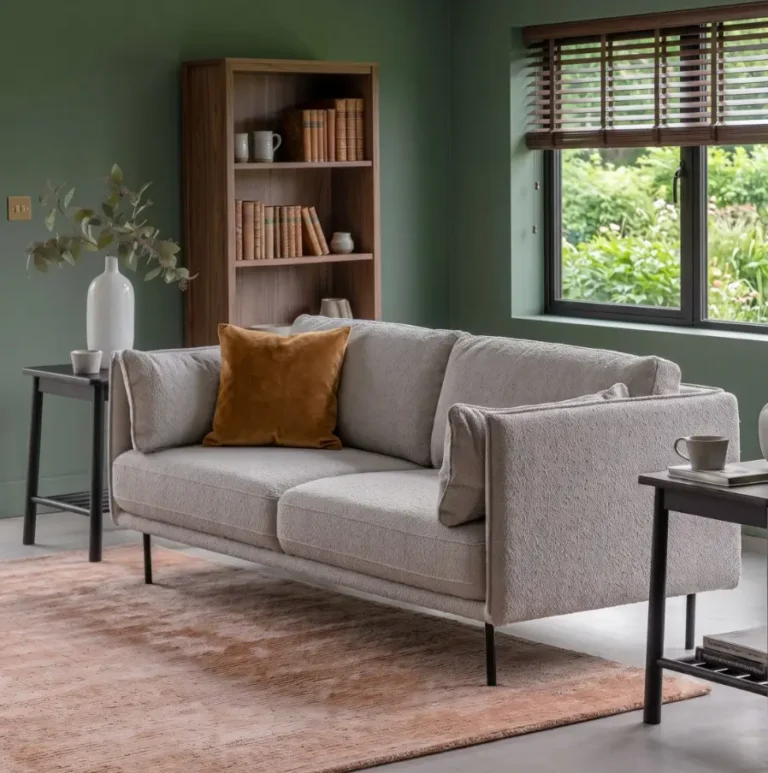
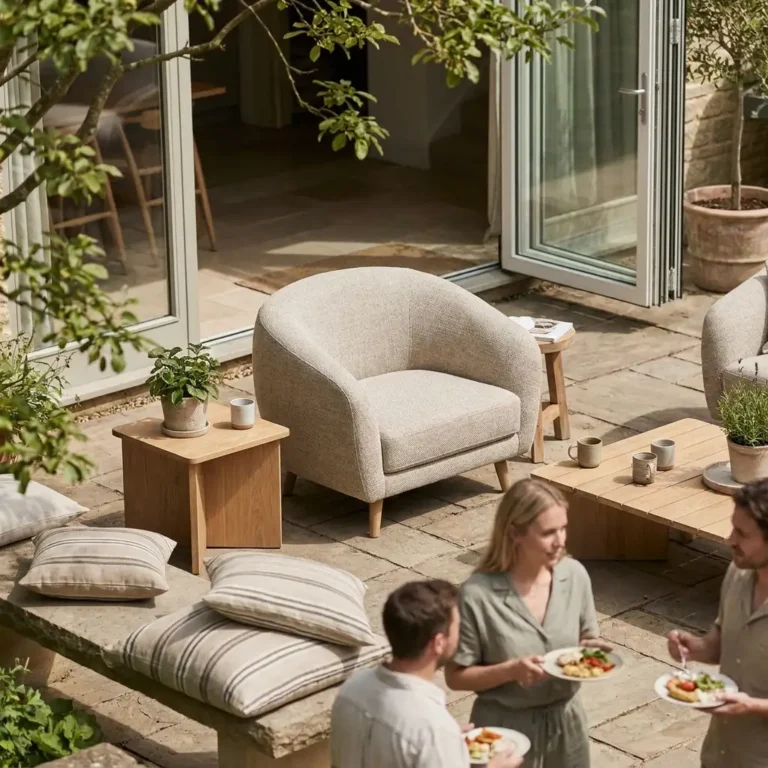
In contrast, low-profile designs sit closer to shoulder height or below. Consequently, they often create a lighter visual footprint in smaller or more open rooms.
Comfort and Support: Why high back armchairs UK Buyers Prefer Them
When people search for ergonomic armchairs UK buyers can genuinely relax in, back height is often the first thing they notice.
With more people placing greater focus on comfort, curved, highback armchairs will be in demand for the cocoon-like embrace they offer.
Furthermore, high-back chairs often support the neck and shoulders more effectively during long sitting sessions. As a result, they suit reading corners, evening television viewing, and quieter spaces designed for relaxation.
Buyers comparing upholstery choices may also benefit from this Armchair Fabric Guide UK: Bouclé, Linen or Velvet? when balancing comfort with maintenance.
Why Low-Profile Armchairs Work So Well in Modern Interiors
Low profile armchairs UK buyers often choose do more than save space.
Additionally, lower silhouettes help natural light move through a room more freely. Therefore, they often work especially well in apartments, extensions, and kitchen-living spaces.
The Room-First Test for Supportive Armchair Styles
High Back Armchairs UK in Period Homes and Cosy Rooms
High-back armchairs tend to feel more natural in:
- fireplace seating areas
- reading corners with floor lamps
- snugs and separate lounges
- rooms with traditional proportions or lower-level visual clutter such as books, side tables and textiles
In newer builds and open-plan spaces
Low-profile armchairs tend to work better in:
- kitchen-living-dining spaces
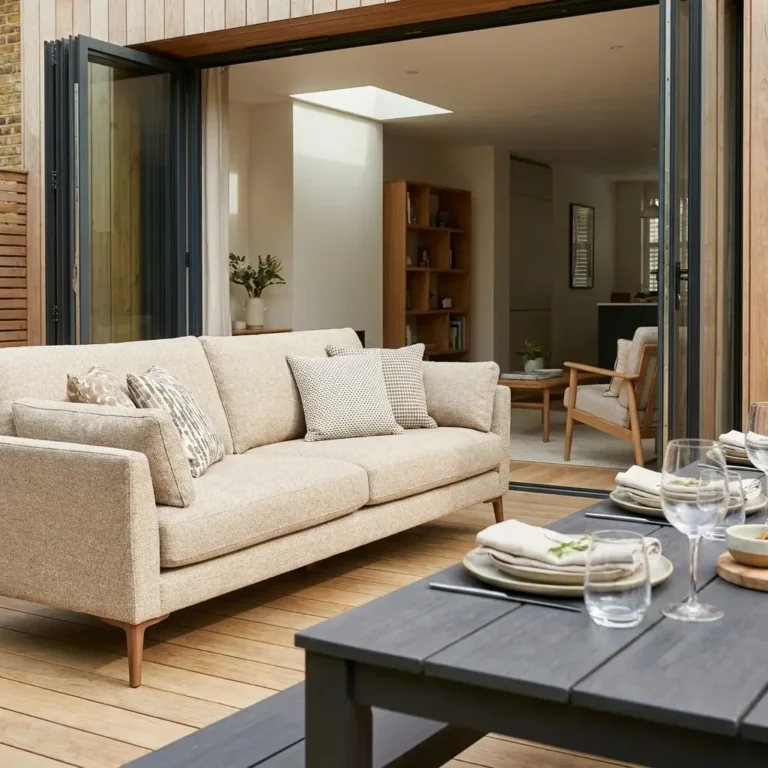
- rooms with large glazing or bifold doors
- minimalist schemes with long horizontal lines
- compact lounges where every sightline counts
A simple decision framework for supportive armchairs UK
Use these questions in order:
- How long will someone sit in it? Longer sessions can suit more supportive forms.
- Will the chair face a view, a television or another seating group? Lower silhouettes can work more easily in social layouts.
- Should the chair stand out or blend in? Statement armchairs UK buyers choose can have more height, curvature or sculptural presence.
- Is visual lightness important? If yes, a low profile often works best.
- Does anyone in the household need easier shoulder, neck or upper-back support? That can point the choice back to a high back.
Meanwhile, buyers furnishing tighter layouts may also find useful ideas in Small & Narrow Living Room Layout Ideas for British Homes.
High Back Armchairs UK vs Low Profile Chairs in Real-Life Buying Scenarios
Scenario one: the reading chair
A couple in Shropshire want a single armchair for a bedroom corner and evening reading.
Scenario two: the open-plan family lounge
A household in Birmingham needs two extra seats opposite a sofa in a kitchen-living space.
Scenario three: the style-led apartment
In Manchester city living, floor area may be limited, but ceiling height and windows can be excellent.
Scenario four: posture-conscious comfort
For buyers searching ergonomic armchairs UK options, a high-back design may deserve a first look.
Additionally, shoppers comparing dimensions should review Armchair Size Guide UK: Choose the Right Fit before ordering.
Style Direction: Statement Seating or Quiet Minimalism?
Aesthetic choice matters because armchairs rarely fade into the background.
However, bold statement chairs do not always need oversized proportions. Similarly, a minimalist chair can still feel inviting when the seat depth and cushioning work well together.
Materials, Maintenance, and Everyday Practicality
Silhouette affects upkeep more than many people expect.
For example, taller upholstered backs collect more visible wear around head height. In contrast, lower-profile designs can show fewer marks in daily family use.
Budget Value: Where to Spend More and Where to Stay Simple
In the UK, sales of upholstered seats with wooden frames reached £784 million in 2024, down 17% from 2023, according to the FIRA Statistics Digest using ONS Prodcom data (FIRA Statistics Digest).
Nevertheless, value depends less on trends and more on long-term comfort, fabric durability, and frame quality.
Common Buying Mistakes to Avoid
Most disappointment starts with a poor match.
Specifically, buyers often underestimate scale. Consequently, a chair that looks balanced online may overpower a compact British lounge.
Frequently Asked Questions
Are high back armchairs UK buyers choose better for posture?
Sometimes, but not automatically.
Do low profile armchairs make a room look bigger?
Yes, they often do.
Which style is better for a reading corner?
In many cases, a high-back chair is better for reading.
Can a minimalist armchair still be comfortable?
Absolutely.
How do I choose between style and support when shopping online?
Start by ranking your priorities in order.
Where can I find armchair inspiration that suits modern UK homes?
Look for retailers and editorial guides that show chairs in realistic room settings.
Making the Right Choice: high back armchairs UK or Low-Profile Styles?
Drop the trend language and the decision gets clearer. Choose a high-back armchair when the priority is a cocooning, comfort-first seat with stronger visual presence. Prefer something lighter? A low-profile armchair suits a more minimalist shape and helps the room feel open, current and modern.
Furthermore, homeowners exploring broader seating trends can compare styles in Swivel vs Fixed Armchairs UK: The Complete Buyer’s Guide.