
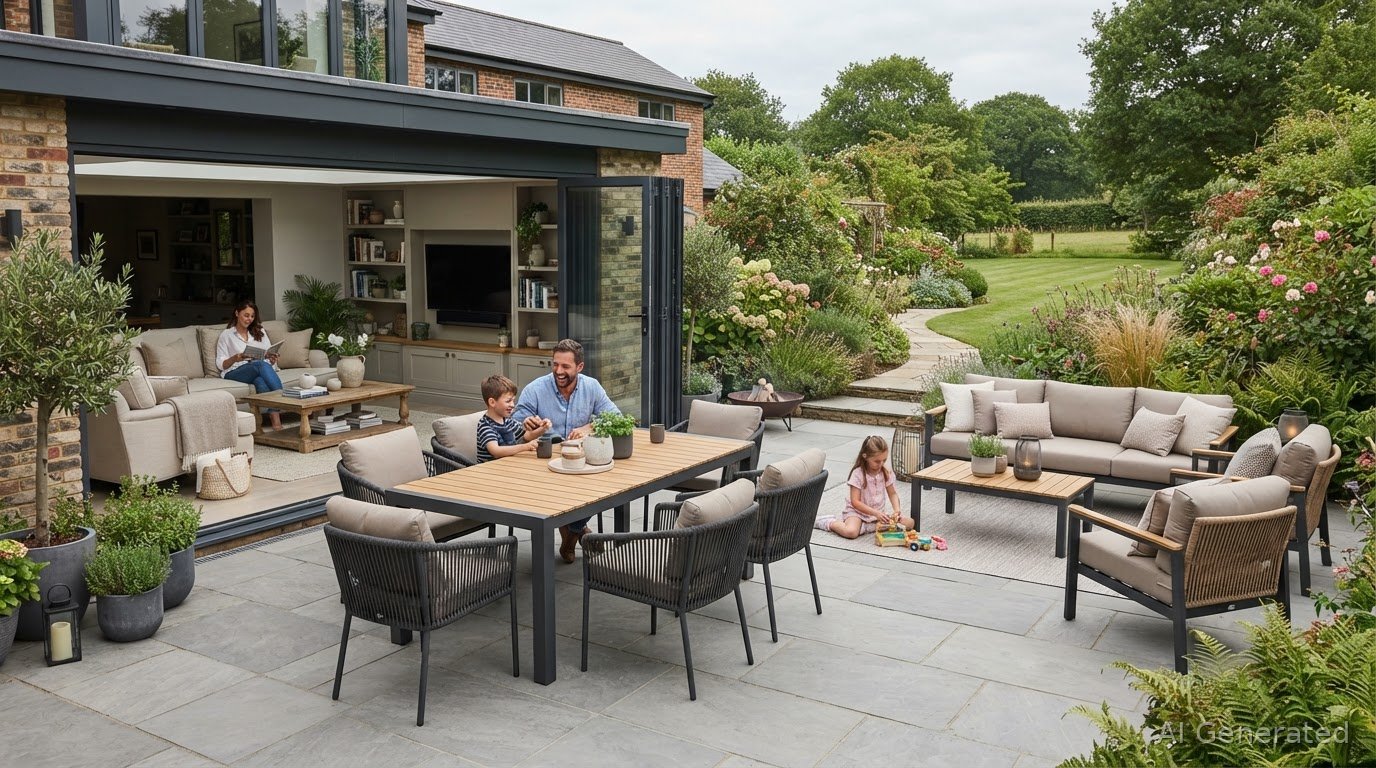
Aluminium Garden Furniture: The Ultimate UK Buying Guide
Aluminium Garden Furniture can bring a clean, contemporary look to a British garden, but the frame is only one part of the decision. Consider the finish, seating comfort and how the furniture will work in your space through changing weather. The best fit is the one that suits both your outdoor setting and the way you plan to use it.
A rust-free aluminium frame provides the structure, while finishes such as rattan, rope weave, teak or composite surfaces create different textures and styles. Quick-dry, UV-resistant cushion fabrics add comfort to outdoor seating. Comparing these components separately makes it easier to choose a design that feels right for your garden, patio or terrace.
This guide explains what to look for in the frame, finish and cushions, and how to plan seating and dining around your available space. Whether you are furnishing a compact patio or a larger garden, a few practical checks can help you balance everyday use, comfort and weather performance.
Key Takeaways
- Aluminium Garden Furniture combines a frame material with a separate choice of finish, so assess both when comparing designs.
- Compare rattan, rope weave, teak and composite surfaces by the look and feel you want for your outdoor space.
- Choose a dining, lounge or bistro layout around your planned activities, usable floor area and clear routes through the space.
- Consider comfort, cushion fabrics and how much rain and sun your furniture will face.
- Rengard’s rust-free aluminium frames, selected finishes and quick-dry, UV-resistant cushion fabrics bring contemporary style and practical outdoor use together.
What makes aluminium garden furniture worth considering for UK outdoor living?
Aluminium garden furniture has an aluminium frame, while its finish and cushions are separate materials that shape its appearance and comfort. This distinction helps when comparing designs. The frame is the underlying structure, the surface finish adds texture and character, and cushions provide a separate layer of comfort.
For British gardens, patios and terraces, consider how the furniture will face rain, sunshine and seasonal temperature changes. Rengard’s frames are rust-free, and its furniture is designed for UK weather conditions. The frame, finish and cushion fabric are distinct components, so consider their qualities separately when deciding what suits your space.
What does a rust-free aluminium frame mean?
Rengard’s rust-free description applies to the aluminium frame. Aluminium’s resistance to corrosion is a property of the metal, as outlined in Aluminium properties. This distinguishes aluminium from materials that develop iron rust. The frame is still one part of the furniture, so consider the finish and cushions on their own terms too.
A finish such as rattan, rope weave, teak or a composite surface has a different role from the frame, while cushion fabric contributes to seating comfort. Check the material details for each component rather than assuming that a description of the frame applies to the whole piece.
How does aluminium furniture fit modern British outdoor living?
Aluminium frames suit a considered, contemporary look, with clean lines that work across gardens, patios and terraces. The finish influences the overall impression, from woven or tactile to natural or streamlined. Compare designs with their setting in mind: a dining area has a different purpose from a relaxed seating space, and the furniture should feel at home in its surroundings.
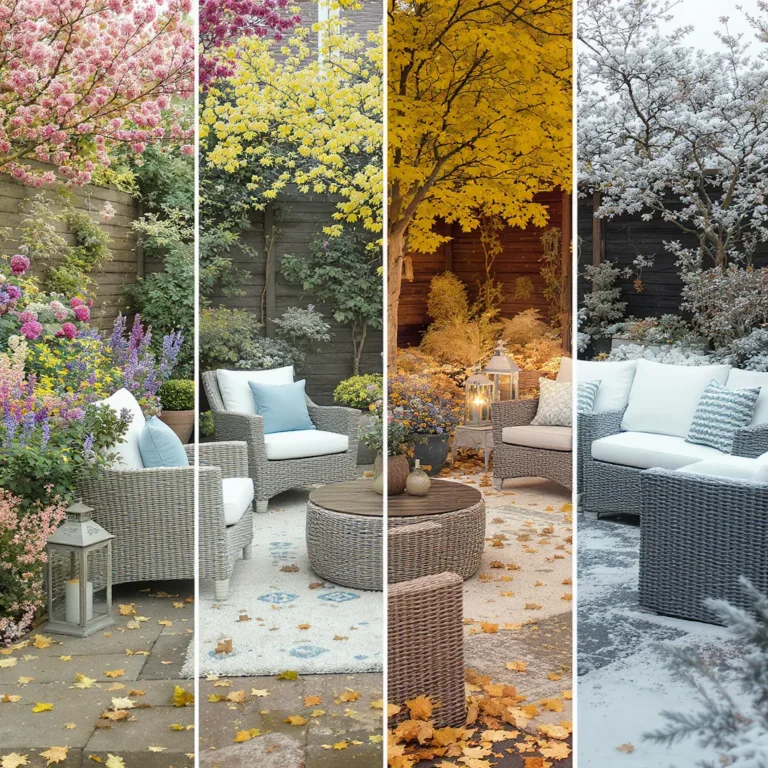
In the UK, weather is part of the design decision. Consider how exposed the furniture will be to rain and sun, and how you use the space as temperatures change through the seasons. Rengard’s furniture is described as weather-proof and durable against rain, sun and seasonal temperature changes. The frame, finish and cushion fabric remain different components, so assess each one separately.
A useful first check is to separate three decisions:
- Frame: identify whether aluminium is the structural material.
- Finish: consider its look and texture independently of the frame.
- Cushions: assess their fabric and comfort as distinct from the furniture structure.
This framework makes product descriptions easier to compare. It also helps you focus on the qualities that matter in your outdoor space, without treating “aluminium” as a complete description of the design or every material used.
Aluminium frames, furniture finishes and cushions: understand the construction
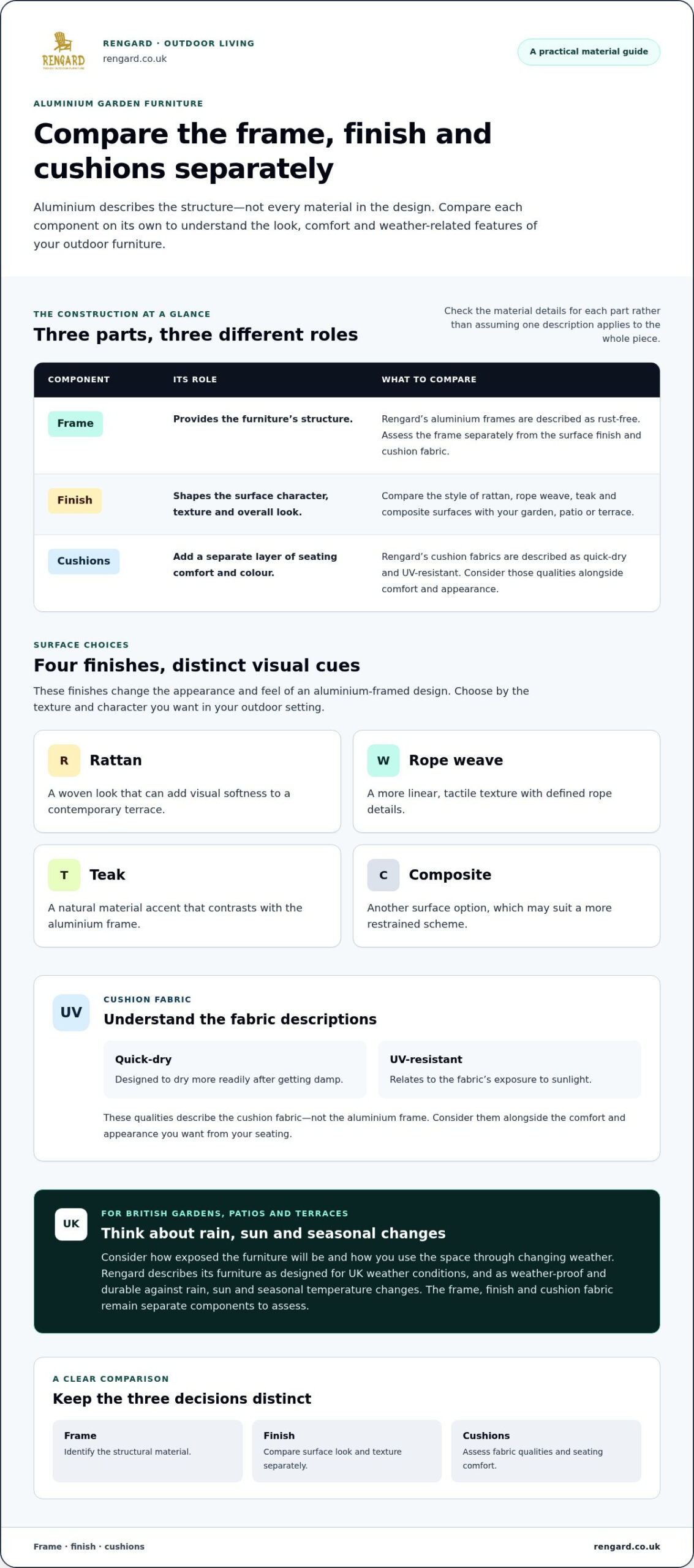
To compare Aluminium Garden Furniture clearly, look beyond the material name and consider how its parts work together. The frame provides the structure, the finish gives the piece its surface character, and cushions add comfort. Rengard’s furniture combines rust-free aluminium frames with high-quality rattan, rope weave, teak or composite finishes, and quick-dry, UV-resistant cushion fabrics. Each has a different role, so do not assume one attribute applies to every component.
In brief: Rengard pairs aluminium frames with selected rattan, rope-weave, teak or composite finishes, and quick-dry, UV-resistant cushion fabrics.
- Frame: the aluminium structure of the furniture.
- Finish: the rattan, rope weave, teak or composite surface that shapes its appearance.
- Cushions: separate fabric elements with quick-dry and UV-resistant qualities.
Which finishes can complement an aluminium frame?
Each finish creates a distinct visual effect. Rattan brings a woven look, while rope weave introduces a more linear, tactile texture. Teak adds a natural material accent, and composite surfaces offer another design direction. These are broad visual cues rather than technical specifications. For general outdoor furniture sector information, the Leisure & Outdoor Furniture Association (LOFA) is a useful reference.
Consider the wider setting when comparing finishes. A woven surface can add visual softness to a contemporary terrace, while rope details bring a more defined texture. Teak can introduce a natural contrast beside aluminium, and a composite surface may suit a restrained scheme. Look at nearby materials and planting as well as the furniture’s intended use to decide which finish feels cohesive.
What do quick-dry, UV-resistant cushions offer?
Quick-dry and UV-resistant describe Rengard’s cushion fabrics, not the aluminium frame. Quick-dry fabric is designed to dry more readily after getting damp, while UV resistance relates to exposure to sunlight. These terms describe specific fabric attributes, so consider them alongside the comfort and appearance you want from your seating.
Cushions contribute to the comfort and colour of a seating arrangement, while the frame and finish establish its structure and style. Keeping those functions separate makes comparisons more precise, particularly in a garden exposed to both sun and rain.
Rengard’s furniture is designed for UK weather conditions, with performance fabrics forming part of the material combination. The Rengard contact page is a place to discuss how materials might suit your outdoor setting and plans.
How to compare aluminium garden furniture formats for your space
Start with how you want to use your outdoor space, not with a material label. Aluminium Garden Furniture can suit a contemporary setting, and the right format depends on your activities and available floor area. Decide whether you need a place to dine, lounge or sit in a compact space, then compare the layouts that support that use.
Measure the part of the patio or garden you can actually furnish, allowing for doors, planting, steps and other features. Plan circulation too: people should be able to reach seats and move around the furniture comfortably. For dining, account for the space needed to pull chairs out. For a lounge arrangement, consider how people will sit down and move between seats.
| Format | Typical use | Space-planning consideration |
|---|---|---|
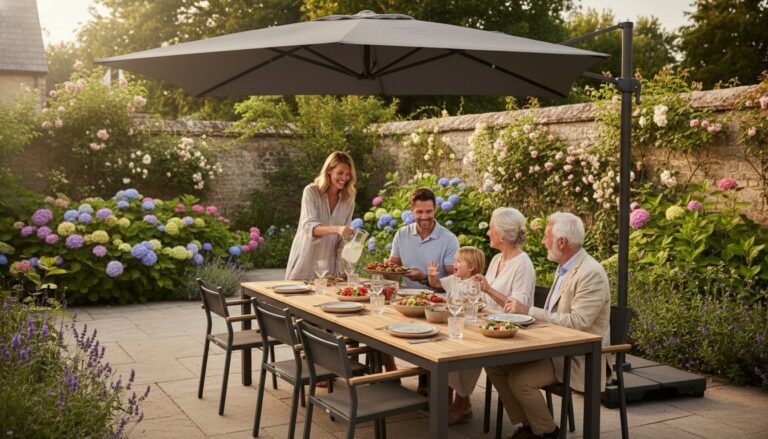
| Dining set | Outdoor meals and entertaining | Allow for chairs to be drawn out and for a clear route around the table. |
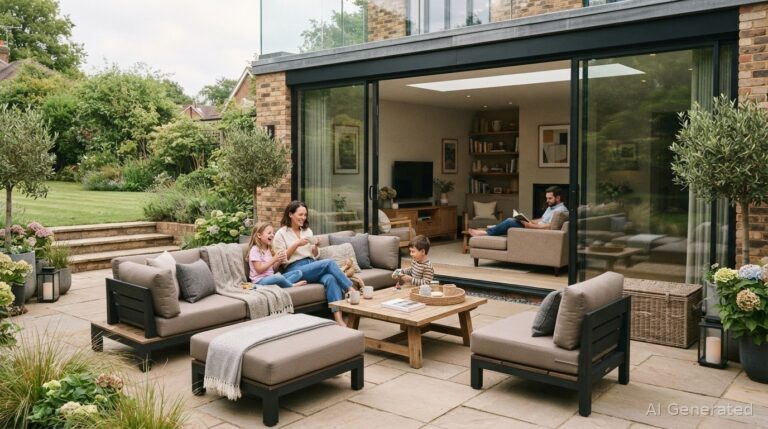
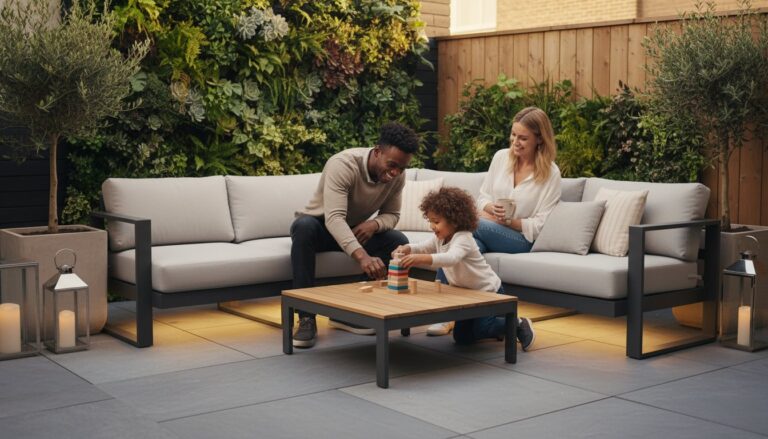
| Garden sofa set or corner lounge | Relaxed seating and conversation | Plan the footprint and access to each seat, while keeping pathways open. |
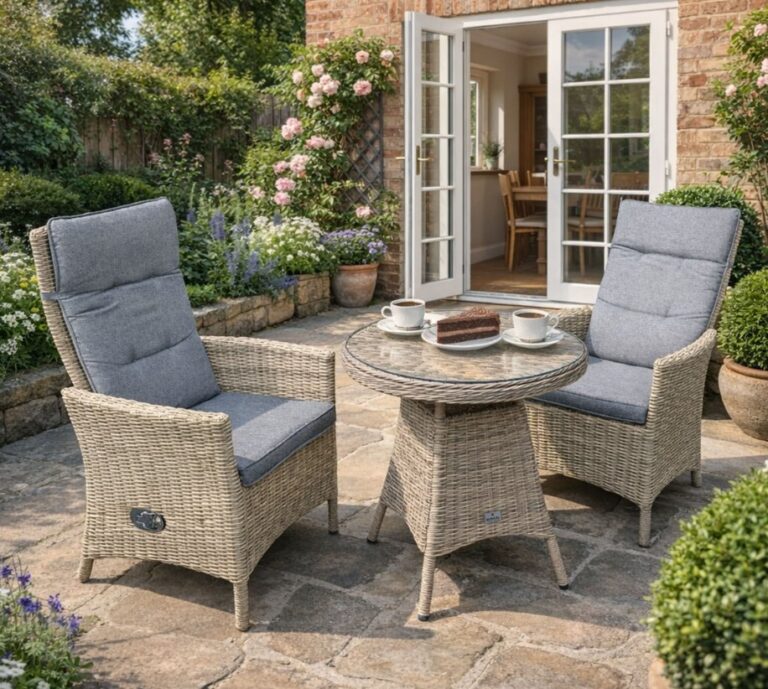
| Bistro set | Compact seating for a small patio or balcony | Choose a position that leaves the rest of the space practical to use. |
When does an outdoor dining format make sense?
A dining layout makes sense if you expect to eat outdoors regularly or want a defined place to gather. Begin by choosing where the table can sit, then account for chairs in use, access to the house and the route around the setting. Compare outdoor dining sets as a furniture category, and assess each design on its own material details.
How can lounge and bistro formats suit different spaces?
Garden sofa sets and corner lounges create a relaxed seating zone for conversation or quiet time outdoors. They suit spaces with enough usable floor area for the furniture without blocking movement. Bistro sets provide a compact seating solution for smaller patios or balconies. For either format, sketching the furniture’s position before choosing helps show whether the layout will feel open and usable.
For a practical layout check, mark the proposed footprint on the ground with removable markers or a simple outline, then walk the routes you will use. Imagine carrying food to a dining table, passing through a doorway or taking a seat without shifting other furniture. This reveals the difference between the area you can measure and the area you can comfortably use.
A practical checklist for choosing aluminium garden furniture
A considered choice balances how you want to use the space with its layout, materials and exposure to the elements. Work through these steps to narrow down the format and separate material attributes from personal preferences.
What should you assess before choosing a format?
Begin with the main activity, then plan around the space you can use comfortably. A dining arrangement, relaxed seating area and compact spot for two call for different layouts. Measure the usable outdoor area, noting doors, steps, planting and existing features. Leave room to move between the furniture and the house, and consider how people will approach and use each seat.
- Define how you’ll use the space. Decide whether outdoor meals, lounging or compact seating is the priority. If the area needs to serve more than one purpose, rank the activities and consider how one layout could accommodate them.
- Assess and measure the usable area. Measure the footprint available for furniture, not just the full patio or garden. Mark out a possible arrangement on the ground, then check that routes past doors and between seats remain practical.
- Compare finishes by appearance. Rattan, rope weave, teak and composite surfaces offer different visual qualities. Choose the texture and character you want, rather than assuming one finish suits every setting or use.
- Consider cushions separately. Quick-dry, UV-resistant fabrics are the stated cushion attributes. Think about the comfort and look you want, and consider how the furniture will be used in your space.
- Review the weather the furniture will face. Consider exposure to rain and sun, as well as seasonal temperature changes. Rengard’s furniture is designed for UK weather conditions. Assess the frame, finish and cushion fabric as distinct components.
How should you weigh finish, fabric and UK weather?
Keep material attributes distinct from decisions based on taste and routine. Rengard describes its aluminium frames as rust-free, while quick-dry and UV-resistant refer to the cushion fabrics. The choice between a woven look, rope texture, teak accent or composite surface is primarily a style decision. Your preferred seating comfort and the way you use the space are personal considerations.
Quick checklist: Define the main activity; measure usable space; allow for access and movement; choose a finish for its appearance; consider cushion comfort and fabric attributes; review exposure to rain, sun and seasonal temperatures.
Use the checklist to compare options against your own garden or terrace, rather than choosing by appearance alone. The Rengard contact page is available for discussing your outdoor furniture requirements.
Explore Rengard aluminium garden furniture for a considered outdoor space
A well-planned outdoor setting brings together appearance, comfort and the way you want to use the space. Rengard specialises in premium garden furniture for modern British outdoor living, pairing rust-free aluminium frames with selected finishes and performance cushion fabrics. The frame, surface and fabric each contribute something different to the finished design.
What makes Rengard’s material combination distinctive?
Rengard’s aluminium frames are rust-free. Furniture finishes include high-quality rattan, rope weave, teak or composite surfaces, while cushion fabrics are quick-dry and UV-resistant. These qualities relate to particular components, so consider the details of each design rather than assuming every part has the same performance.
This gives you a practical way to assess the range. Think of the frame as the structural foundation, the finish as a defining visual element and the cushions as a separate part of seating comfort. The finish options offer different textures and character, so consider how one might complement your garden or terrace.
Rengard’s furniture is weather-proof and durable against rain, sun and seasonal temperature changes in the UK climate. Factor these qualities into your choice alongside the layout and the materials in your preferred design. A refined contemporary look and practical weather performance can be considered together.
What is a useful next step when planning your outdoor space?
Before choosing, bring three details into focus: the usable area, the activity you want to prioritise and the finish that suits the setting. Decide whether the space is primarily for outdoor meals or relaxed seating, note the routes people need to move through, and consider whether a woven, rope-textured, teak or composite appearance feels right. These preferences create a clear starting point for planning furniture for your garden, patio or terrace.
A simple plan or measurements of the area can help. Include fixed features and access points, then consider how you expect to use the space through changing weather. This makes it easier to think through layout, finish and comfort together.
For more on planning, Rengard’s garden furniture planning contact provides a way to discuss your ideas. Share what matters in your outdoor space and consider how its layout, materials and seating can work together. Contact Rengard about your outdoor space.
Shape an outdoor space you’ll enjoy using
Let the final choice reflect more than the dimensions of your patio or garden. Consider the view from indoors, the atmosphere you want to create and how the furniture will sit alongside existing planting and surfaces. A coherent outdoor setting feels connected to the home while having its own purpose, whether that is a place to share a meal or pause for a quiet moment outside.
Use your priorities to guide the details. Decide what matters most in the overall design, then bring that direction into your choice of Aluminium Garden Furniture. A clear sense of use and style makes it easier to create a setting that feels personal and thoughtfully arranged.
To turn your ideas into a considered plan, talk to Rengard about your garden furniture plans. Shape an outdoor space around the way you want to live.
Frequently Asked Questions
Does aluminium garden furniture rust?
Rengard describes its aluminium frames as rust-free. If you notice a mark, first identify whether it is on the frame or another part of the furniture, as different materials may need different care. Follow the care guidance for the component in question rather than treating the whole piece as one material.
Are cushions on aluminium garden furniture waterproof?
Rengard describes its cushion fabrics as quick-dry and UV-resistant. If rain is likely, consider where you can store or shelter the cushions between uses, and how that fits your routine. The frame and cushions are separate components, so a description of one does not establish how the other responds to wet conditions.
Can an aluminium frame have rattan or rope-weave finishes?
Yes. Rattan and rope weave are among Rengard’s furniture finishes, while aluminium is the frame material. When planning a coordinated outdoor setting, consider how the chosen texture will relate to nearby furniture and the character of the space. Check the details of the design to see which finish it uses.
Can aluminium garden furniture stay outside in changing UK weather?
Rengard’s furniture is designed for UK weather and is described as weather-proof and durable against rain, sun and seasonal temperature changes. The frame, finish and cushions are distinct components, so consider how exposed the furniture will be and how you will care for each part. Follow the care instructions supplied for the specific furniture, finish and fabric.
Is aluminium garden furniture suitable for a compact patio?
It can be, if the format fits the space you can actually use. A bistro set may suit a compact patio better than a larger dining or lounge layout. Before choosing, mark out the intended footprint and check that doors remain accessible and the patio still works for everyday movement. The aim is a useful seating spot without making the area difficult to navigate.
How should I clean aluminium garden furniture?
Use the care guidance for the particular piece, since the frame, surface finish and cushions may need different treatment. For a light clean, remove loose dirt gently and use a soft cloth with water, then let the area dry. Avoid abrasive tools or unapproved cleaning products that could affect a surface. Deal with spills promptly and follow any fabric-specific instructions for cushions.

One Comment