Are Furniture Covers Worth It? A Guide for UK Gardens
Weather-resistant furniture can still benefit from a cover, but not every garden set needs one. So, are furniture covers worth it? In a British garden, the answer depends on how exposed the furniture is, how often you use it and how much upkeep you want to take on.
Rain, fallen leaves, pollen and bird droppings can leave outdoor furniture needing a clean just when you would rather sit down. A cover can help keep cushions and surfaces tidier between uses, particularly during wet or unsettled spells. But if it is awkward to fit, poorly ventilated or put over damp furniture, it can add another task to your care routine.
This guide will help you decide when a cover adds practical value and when weather-resistant construction may be enough. We look at exposure, materials and cushions, then set out a straightforward routine for garden sofas, dining sets and compact patio furniture. From rust-free, powder-coated aluminium to rattan, rope weave and weather-resistant fabrics, start with what your furniture is made for and how you use your outdoor space.
Key Takeaways
- Are furniture covers worth it? They are most useful when furniture is exposed or you want to reduce cleaning between uses.
- Compare covering furniture, relying on weather-resistant construction and choosing a sheltered position to find a routine that suits your garden.
- Consider the frames, finishes and cushion fabrics, as each affects the care your outdoor furniture may need.
- Assess exposure, how often you use the furniture and whether you will realistically cover it after each use.
- Choose garden furniture for comfort and weather-resistant design, then tailor its care to the materials and setting.
Are furniture covers worth it for a UK garden?
Furniture covers can be useful, but their value depends on exposure, materials and the routine you can maintain. A cover is most worthwhile when furniture is open to rain and falling debris, or when you want cushions and surfaces to be ready to use. A set beneath a substantial shelter and used often may need less additional protection than a lounge left exposed between occasional visits.
For a visual overview of outdoor cover options, watch this video:
What problems can an outdoor furniture cover help with?
A cover creates a barrier between furniture and some of the everyday mess that settles outdoors. It can reduce direct exposure to rain, leaves, pollen and bird droppings, helping a dining table, garden chairs or sofa stay tidier between uses. This is particularly convenient after unsettled weather, when you would rather sit down than clear debris from the cushions first.
Think of this as a cleanliness benefit, not a promise that furniture will avoid all weather-related wear. A cover does not make a set impervious to the elements, and the protection it provides depends on its fit, condition and use. Outdoor furniture also varies in material and care needs. This overview of types of garden furniture offers general context for why a care routine should suit the pieces you own.
The practical test is simple: does a cover reduce a recurring annoyance? If rain leaves cushions damp to the touch, or debris regularly gathers on a table, covering the set between uses may make the space easier to enjoy. If cleaning is already quick and occasional, the benefit may feel modest.
When might a cover feel less essential?
Furniture in a sheltered spot, such as a covered terrace, may receive less direct rain and falling debris than a set standing in the open. If you use it frequently, putting a cover on and taking it off can also feel like an unnecessary step. In that setting, your habits matter as much as the position: a cover is useful only if its protection is worth the effort.
Construction is part of the decision, too. Rust-free, powder-coated aluminium frames, rattan, rope weave and weather-resistant cushion fabrics are examples of materials and features designed for outdoor furniture. They do not make every component equally unaffected by exposure, but they can influence how much extra protection seems useful. Consider the whole set, including cushions and finishes, rather than judging it by the frame alone.
So, are furniture covers worth it? They are a practical choice for exposed furniture, troublesome dirt or a preference for a tidier set between uses. For sheltered, frequently used furniture with weather-resistant construction, they may be less essential. Neither approach is compulsory. Choose the level of care that suits your outdoor space and how you use it.
How covers and weather-resistant furniture protect an outdoor space
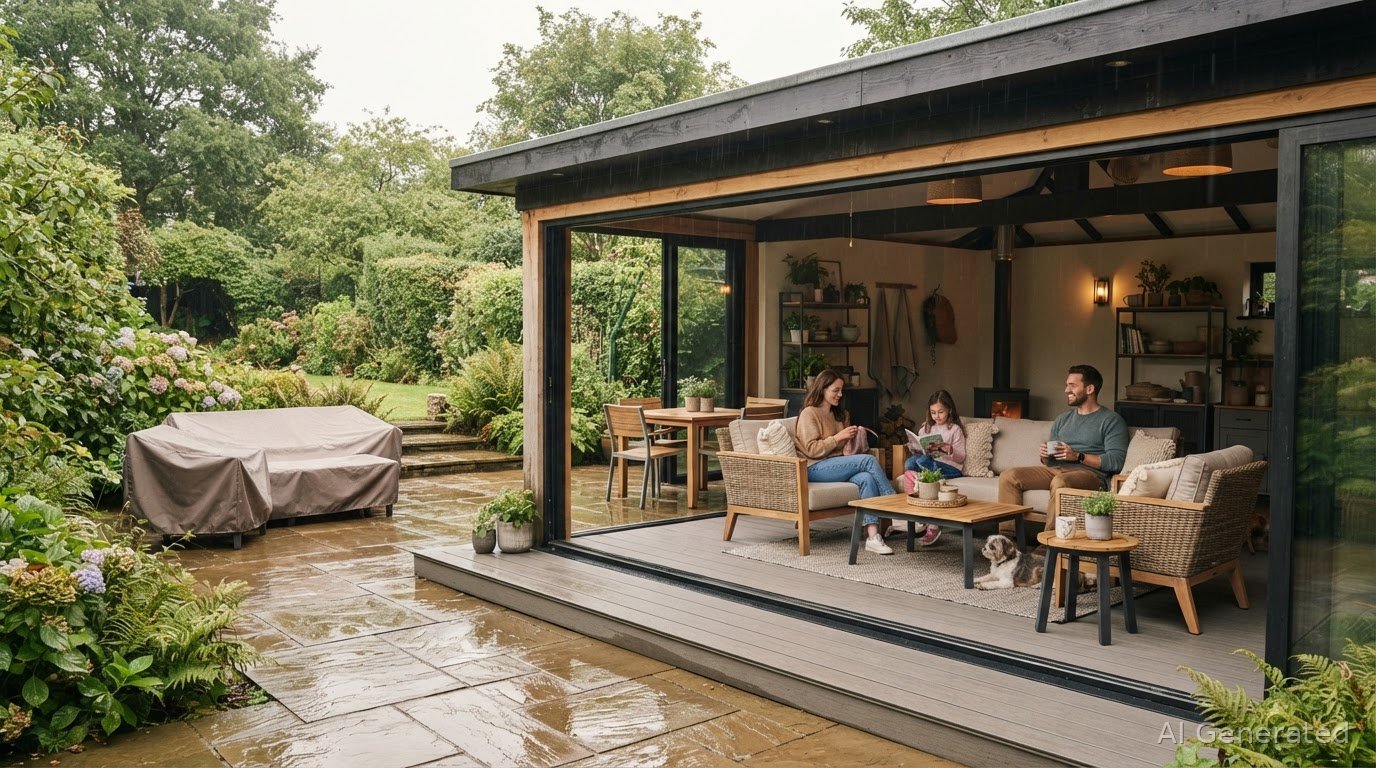
Furniture construction and a cover address different parts of outdoor care. Materials and finishes influence how a piece performs outside; a cover adds a removable barrier against some direct exposure and surface dirt. Neither guarantees that furniture will remain unaffected by every condition. In the UK, rain, wind-blown debris and damp spells can shape how exposed a set feels, while a sheltered position may reduce its contact with the elements.
Weather-resistant furniture is designed for outdoor use, not for maintenance-free ownership. Its construction can make a cover less necessary for some parts of a set, but cushions, surfaces and the space around the furniture still deserve consideration. The most useful routine depends on the materials, exposure and how you use the garden.
What weather-resistant materials can and cannot tell you
Rengard’s outdoor furniture includes rust-free, powder-coated aluminium frames, alongside high-quality rattan, rope weave, teak and composite finishes. Cushion fabrics include quick-dry, UV-resistant options. These features describe the materials and their intended outdoor performance. They are not a promise that every component is immune to all weather, dirt or wear, or that no care is needed.
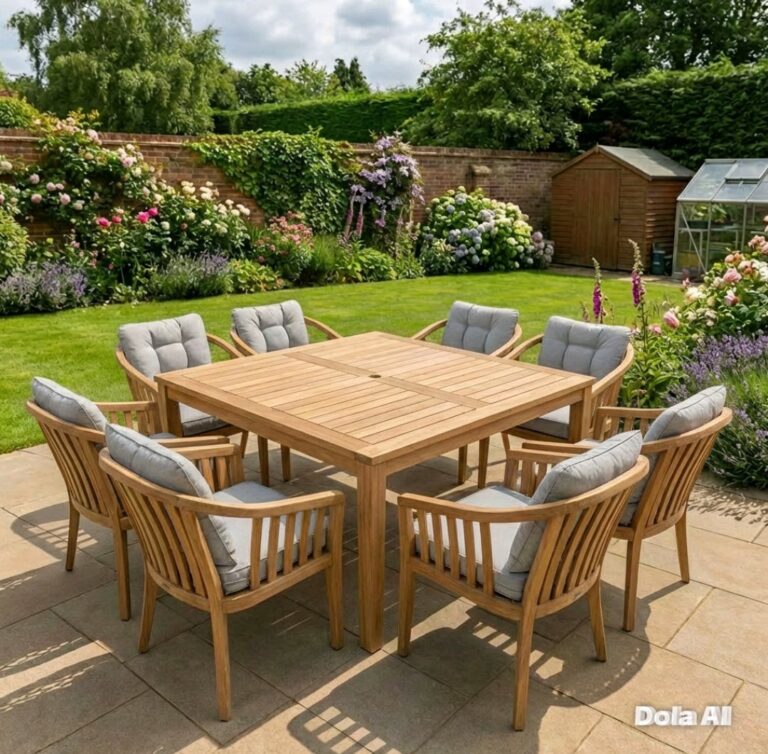
Think about the whole piece, not only its frame. In a garden dining set, the tabletop and chairs may have different finishes; on a sofa, cushions may need more attention than the supporting structure. A cover can add a layer of protection, but it does not replace sensible care for each material.
Why moisture, dirt and drying need separate consideration
A cover may help keep leaves, pollen and other surface debris off furniture between uses. That can mean less tidying before you sit down. Moisture is a separate matter: a cover should not be treated as a way to dry damp cushions or surfaces. If furniture is wet, give it the opportunity to dry before covering it rather than trapping dampness beneath a layer.
That is a practical precaution, not a claim that covers always cause mould or reliably prevent it. The outcome depends on the furniture, the conditions and how the cover is used. Keep the distinction clear: a cover can limit some direct exposure and dirt, while drying and routine care remain part of looking after outdoor furniture.
A simple material-and-exposure check can help you shape a routine:
- Open position, cushions exposed: consider covering between uses, particularly if you want to reduce the debris and moisture they meet.
- Sheltered patio, weather-resistant construction: you may prefer to cover only during longer periods without use, or when conditions make it useful.
- Mixed materials across one set: base your care on the component needing the most attention, rather than assuming every surface has identical needs.
For an outdoor setting that brings furniture, materials and layout together, you can discuss your garden furniture plans with Rengard.
Furniture covers versus other protection: which approach suits your setup?
A cover, weather-resistant construction and a sheltered position each help in different ways. You do not have to choose just one: a garden dining set might sit beneath a canopy and still be covered during a spell when it will not be used. Compare how exposed the furniture is, which parts need the most attention and how convenient each option feels in your routine.
| Approach | Exposure and appearance | Effort and likely cleaning |
|---|---|---|
| Cover between uses | Useful for furniture left open to rain and wind-blown debris; helps keep surfaces looking tidier. | Needs fitting and removing. May reduce the need to clear dirt before use. |
| Rely on weather-resistant construction | Suited to furniture designed for outdoor use, though individual components still experience the conditions around them. | No cover to handle; routine cleaning and care remain part of ownership. |
| Prioritise a sheltered position | Can reduce direct exposure on a covered patio or terrace, while leaving furniture accessible. | Little extra daily effort; debris and dirt can still collect, depending on the setting. |
Decision rule: the more exposed the furniture and the more care-sensitive its materials, the more useful a cover may be, provided it is convenient to use. A sheltered position or weather-resistant construction can reduce the need for frequent covering, but does not rule it out.
When does covering furniture offer the clearest practical benefit?
Covering has a clear everyday purpose when a set stands in the open between uses and its seats or tabletop regularly collect leaves, pollen or other debris. It can also suit furniture that sees less use during quieter periods, helping keep it tidier until you are ready to enjoy the garden again. The benefit depends on practicality: if a cover is awkward to fit around a large corner lounge or cumbersome to remove from a dining set, you may be less inclined to use it consistently. Convenience matters.
Consider how the routine fits the layout. If access to the furniture is clear and covering it takes little effort, putting a cover on after use may feel straightforward. If it means shifting chairs or moving a table each time, covering only when the set will be unused for a while may be more realistic.
When can material choice or a sheltered position matter more?
Weather-resistant construction can make relying on the furniture itself a sensible part of the plan, especially when a terrace or patio already offers shelter from direct exposure. It does not remove every care need, but it may mean that covering after every use adds less value. A combination can work well: choose a sheltered position, then cover furniture when it will be left unused or when extra surface protection would help.
So, are furniture covers worth it for your setup? Match your approach to the real conditions around the set, rather than treating a cover as compulsory or weather-resistant materials as a substitute for all care. Choose a routine that protects the parts you care about and is simple enough to maintain.
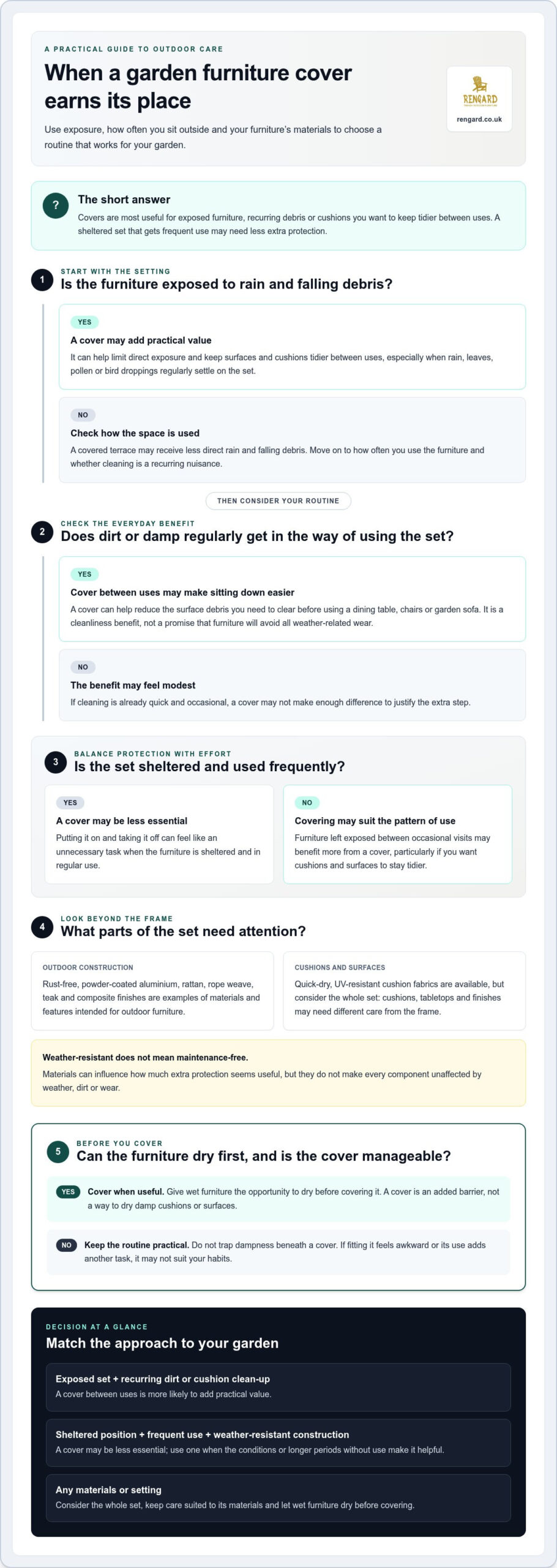
How to decide whether a furniture cover is right for your garden
A useful decision starts with the furniture and its setting, not with the assumption that every outdoor piece needs covering. Look at what the set is made from, how exposed it is and how often you use it. Then ask whether fitting a cover would make everyday care easier or become another task you are unlikely to keep up with.
Assess the furniture, location and frequency of use
Work through these checks in order. Together, they will help you decide whether a cover would solve a real problem in your garden.
- Identify the materials. Note the frame, finishes and cushions, along with any stated weather-resistant features. A set with quick-dry, UV-resistant cushion fabrics may call for a different routine from one whose cushions you prefer to protect whenever they are not in use.
- Assess its position. Is the furniture open to rain and wind-blown debris, or does a patio roof or other shelter reduce direct exposure? Consider the whole set, since cushions or a tabletop may be more exposed than the frame.
- Think about how often you use it. Furniture used regularly needs to stay easy to access. A cover may be more practical for a set that sits unused for longer stretches than for chairs you move in and out of use throughout the day.
- Set your cleaning priority. If wiping away dirt or clearing leaves before sitting down is a regular irritation, covering may help. If the furniture stays presentable with occasional care, you may not need to cover it routinely.
Be realistic about the household routine. A cover that is quick to put on and remove is easier to use consistently than one that involves rearranging chairs or moving a table. For larger sets, consider whether you can access all sides and position the cover as intended. A suitable fit and secure positioning matter in everyday use; follow the cover’s care instructions rather than improvising fixings.
Use and care for a cover without adding avoidable hassle
Keep the routine simple. If furniture or cushions are damp, allow them to dry appropriately before covering them. A cover is there to limit some exposure and surface dirt, not to dry furniture or replace its care. Follow the cover’s instructions for fitting, securing and cleaning, as care guidance can vary by product.
Try the routine during a typical week. If you naturally cover the set after use, it may be a useful part of caring for your outdoor space. If you repeatedly leave the cover off because it is inconvenient, adjust the plan: cover only when the furniture will be unused for a while, or rely more on its materials and position.
Quick checklist: cover furniture if its exposure, materials and cleaning needs make the added step worthwhile, and the routine is convenient enough to maintain. If you are planning an outdoor setting and would like to explore furniture options suited to your space, talk through your garden furniture plans with Rengard.
Choosing outdoor furniture with cover use in mind
A protection routine starts before the first cover goes on. Choose garden furniture for the way you want to use the space, then consider how its materials, comfort and position will fit your care habits. Covers can complement weather-resistant design, but should not be the only factor in deciding whether a set suits your garden.
What to look for in weather-ready outdoor furniture
Start with the construction and the parts you will use most. Rengard’s outdoor furniture includes rust-free, powder-coated aluminium frames, as well as high-quality rattan, rope weave, teak and composite finishes. Cushion fabrics include quick-dry, UV-resistant options. These features support practical outdoor use while helping you decide which parts of a set you might prefer to cover between uses.
Comfort matters just as much as material. A garden sofa should invite you to settle in; dining chairs should suit relaxed meals and everyday use. Consider how cushions are used and stored, how often you will sit outside, and whether you want a simple routine after each gathering. A cover may help keep a set tidier, but it will not make ownership maintenance-free or remove the need to let damp furniture dry appropriately.
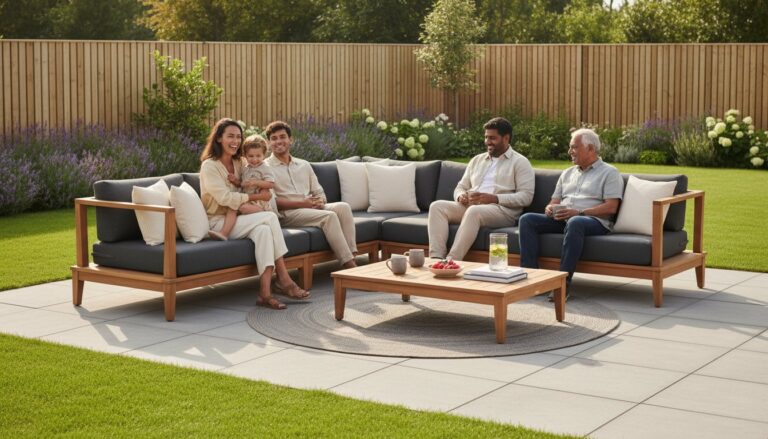
Think about the layout, too. A compact patio may call for furniture that is easy to move or access, while a larger seating arrangement may need a more considered approach to covering separate pieces. For a lounge area, browsing outdoor sofa sets can help you picture how seating, cushions and available space work together before settling on a care routine.
Make a considered next step for your outdoor space
Compare the materials, intended use and care needs of the furniture as a whole, rather than judging a set by one feature alone. Ask yourself whether the position is exposed, which pieces are used most and whether covering them will feel straightforward. If a cover is part of your plan, consider how it will fit over the furniture and where you will keep it when it is not in use.
These details turn the question “are furniture covers worth it?” into a more useful decision: which furniture suits your space, and what level of care will you realistically maintain? Weather-resistant construction, considered comfort and a practical routine can work together to create an outdoor setting that feels inviting and manageable.
If you are planning a garden, patio or terrace and would like to explore furniture options for the space, talk to Rengard about your outdoor furniture plans.
Plan an outdoor space that works for you
The best garden furniture routine is one that fits naturally around how you spend time outside. Picture an ordinary day in your garden: where you will sit, how you will use the space and what you would like to keep ready for a quiet moment or an impromptu meal. That practical picture can guide your furniture choices and help you decide whether adding a cover feels worthwhile.
There is no need to make protection an all-or-nothing decision. Let the layout, your preferred style and the level of care you are comfortable with shape a plan that feels considered rather than demanding. With suitable pieces in the right setting, your patio or garden can feel welcoming and easy to enjoy through changing conditions. For those extending their entertaining space indoors or into an enclosed garden leisure room, guides from The Family Game Room offer practical advice on choosing quality recreational furniture.
Planning a new outdoor setting? Talk to Rengard about your outdoor furniture plans and take the next step towards a space that feels comfortable, practical and distinctly yours.
Frequently Asked Questions
Are furniture covers worth it for weather-resistant garden furniture?
They can be, particularly if you want less dirt settling on a garden dining table or chair seats between uses. Weather-resistant construction can affect how much extra protection you prefer, but it does not mean the furniture needs no care. Decide what you want a cover to do: keep surfaces tidier, reduce direct exposure or make the set ready to use with less preparation. That practical benefit is a better guide than a universal yes or no.
Can garden furniture covers cause damp or mould?
They do not inevitably cause or prevent damp or mould. The result depends on conditions and how the cover is used, so do not treat it as a guarantee against moisture. If cushions or furniture are wet, allow them to dry appropriately before covering them. Follow the cover’s fitting and care instructions, and consider whether the furniture is dry before putting the cover away or replacing it after use.
How do I know whether my garden furniture needs a cover?
Look at the furniture’s position, materials and your usual routine. For example, if a garden sofa sits beneath an open pergola and leaves often collect on its seats, a cover may make it easier to use without first clearing debris. If the set is sheltered and you use it regularly, covering may feel less useful. Consider how much cleaning bothers you, then decide whether the cover’s convenience outweighs the extra step.
What happens if I leave garden furniture uncovered?
Uncovered furniture remains exposed to its surroundings, so a table or chair may need cleaning more often, depending on its materials and position. That does not mean it will inevitably be damaged. A sheltered terrace can reduce direct exposure, while weather-resistant design can inform your care routine. For instance, you might leave a dining set uncovered during frequent use but clean the table before hosting if dust or fallen debris has gathered.
Should I cover garden furniture every night?
No single nightly routine suits every garden or material. Consider whether the furniture is exposed, what conditions are expected and how easily you can put the cover on and take it off. Its stated properties matter, too: weather-resistant furniture may not need the same routine as a set whose seats you prefer to keep covered. Choose a pattern that fits your use, rather than covering automatically regardless of the circumstances.
Are furniture covers necessary for rattan garden furniture?
Not necessarily. The decision depends on the specific furniture, how exposed it is and whether you want to keep the weave free from surface dirt between uses. Rattan weave is one material used in Rengard outdoor furniture. For routine care, rinse the weave with a garden hose. A cover can be an additional way to keep a set tidier, rather than a requirement for every rattan setting.
Can I leave outdoor cushions under a furniture cover?
Follow the care instructions for both the furniture and the cover, and consider whether the cushions are dry before covering them. Rengard uses quick-dry, UV-resistant cushion fabrics, but those properties are not a guarantee that cushions can be left under a cover in every condition. If cushions have become wet, give them the opportunity to dry appropriately. Your routine can also reflect how often you use the seating and how convenient it is to bring cushions out.