Sustainable Outdoor Furniture Guide: Ethical Sourcing & Materials
Choosing outdoor furniture used to be mostly about looks and price. These days, it’s also about values (and, honestly, a bit of peace of mind). More UK homeowners are choosing sustainable outdoor furniture that lasts longer, still looks good, and creates less impact on the planet over time. This change feels bigger than a passing trend. It shows a wider shift in how people think about outdoor living and the choices they make for their homes. For many, it’s a real rethink rather than a quick style swap, and it keeps growing as people pay closer attention to what they buy and why (which feels pretty sensible).
Whether it’s a garden, a small balcony, or a patio, furniture choices often matter more than people expect. Materials, where they come from, and how well everything is made all affect how long pieces last and what they mean for the environment. Cheap sets can look like a bargain at first (most people have been tempted), but many end up in landfill after only a few seasons. Eco friendly garden furniture usually goes a different way. The focus is on long-term durability, responsible sourcing, and designs that handle the British climate, including heavy rain, gusty wind, and changing seasons. Over time, this often leads to fewer replacements and less waste.
This guide keeps things simple (no lectures, promise). It explains what ethical sourcing outdoor furniture means in everyday terms and looks at FSC teak UK, recycled aluminium furniture, HDPE recycled plastic furniture, reclaimed wood outdoor options, and bamboo outdoor furniture UK buyers often ask about. There’s no jargon, just practical ideas you can actually use. It also shows how sustainable materials garden furniture fits into modern British patios, from compact city balconies to larger rural garden spaces, each with their own quirks.
Why Sustainable Outdoor Furniture Matters in the UK
Sustainability is no longer a side issue, especially for outdoor living. The UK outdoor furniture market reached about USD 6.08 billion in 2024 and is still growing, while eco‑friendly options are growing even faster (TechSci Research). This change mostly comes from people paying closer attention to where materials come from and how products are made and finished. Details that used to be ignored now get noticed, and they often influence buying choices more than people expect.
Sustainability has become a key consideration for UK consumers, leading to a surge in demand for eco-friendly outdoor furniture.
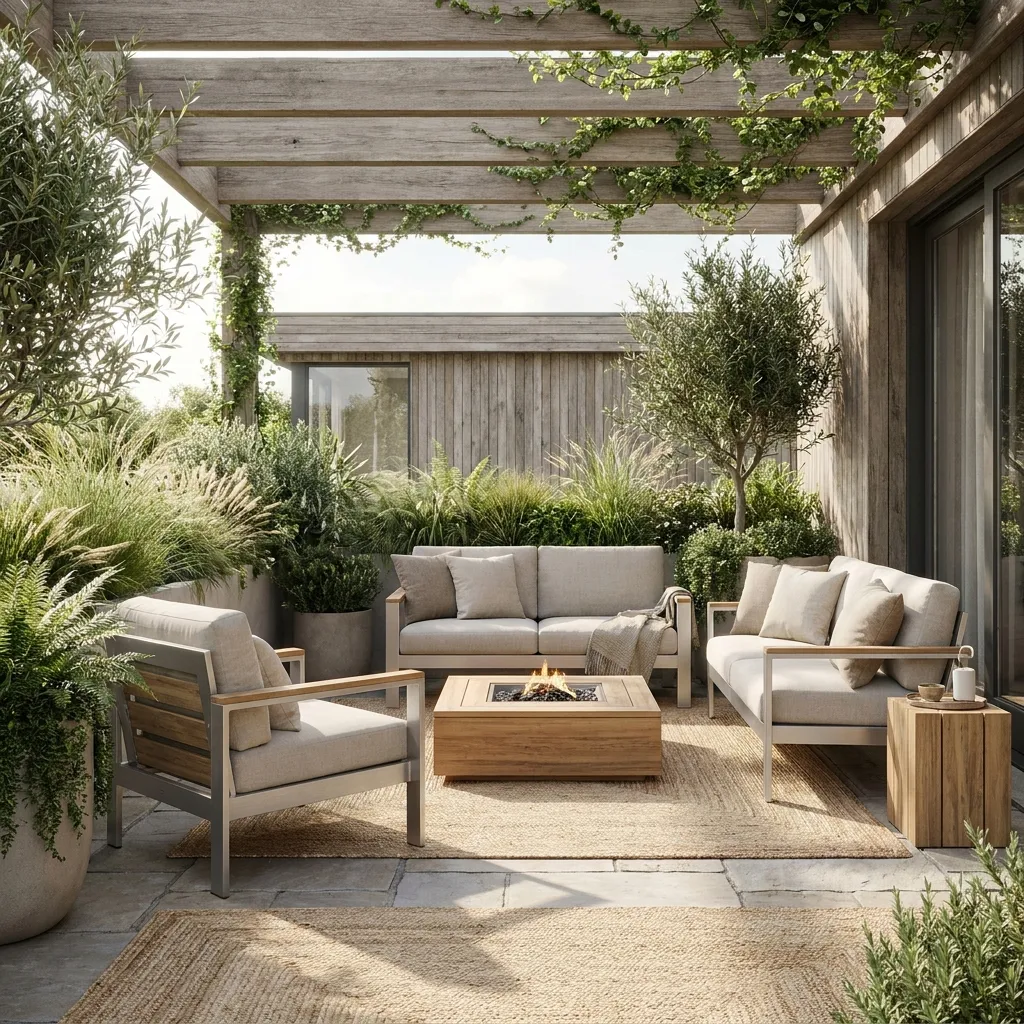
Outdoor furniture deals with more wear than most home items. Rain, frost, UV rays, and sudden temperature shifts can damage low‑quality sets much faster than expected, which many gardens already show. Low impact outdoor furniture is made to handle these conditions, leading to fewer replacements and less waste over time. In places like Shropshire and Cheshire, buyers often choose sturdy pieces with natural‑looking finishes. Around Manchester and Birmingham, lightweight recycled materials usually work better for balconies and small patios. Sustainable patio design UK trends mix ethics and style, using clean lines, natural textures, and neutral colours that look good and feel easy to live with.
Ethical Material Sourcing for Sustainable Outdoor Furniture
Ethical material sourcing can sound complicated, but it’s usually a lot simpler than people think. It just means materials are sourced in ways that respect forests, local communities, and workers, nothing fancy. For outdoor furniture, this often means certified wood, recycled metals, and supply chains that are clear about where materials come from. That’s really it. It’s not confusing, and you don’t need a sustainability background to get the idea.
One part that stands out is carbon impact. Research shows the biggest share of furniture emissions often comes from wood sourcing and wood-based production (PlanBe Eco). That’s why certifications and recycled materials matter more than many people expect, they’re practical tools, not marketing talk.
The largest share of emissions in the furniture industry comes from wood sourcing and the production of wood-based boards.
Ethical garden furniture brands are also getting clearer about their process. Many now track materials from source to showroom, helping buyers make better choices, like knowing exactly where the wood came from. Simple, useful, and more honest, in my view.
FSC Teak and Other Natural Options for Sustainable Outdoor Furniture
Wood is still a favourite for sustainable outdoor furniture UK buyers trust, often because it feels solid and familiar. That weight and texture usually suggest it will last, which matters outdoors. FSC teak UK options often get attention, and for good reason. Teak’s natural oils help it handle moisture and slow down rot over time, which really helps in open gardens during long, wet winters. That built‑in protection matters. FSC certification also gives peace of mind by confirming responsible forestry and fair labour practices, so buyers usually know where the timber comes from. It offers steady reassurance rather than a bold claim.
Using FSC-certified teak and recycled ocean plastics can cut a product’s carbon footprint by up to 40%.
Reclaimed wood outdoor furniture has its own appeal. It uses timber that already exists, which lowers the need for new logging. The grain, marks, and colour changes vary, so every piece looks a bit different. That lived‑in style often works well in traditional or rural gardens. Still, reclaimed wood needs the right treatment, or outdoor weather will wear it down.
Bamboo outdoor furniture UK buyers often see as a greener choice. It grows fast and forms strong fibres, but it tends to last longer in covered areas. Constant rain can shorten its lifespan, though with proper treatment and the right materials, it can still be a sensible option.
We covered teak performance over time here: teak garden furniture durability and care. You can also explore comparisons like Teak vs Rattan vs Aluminium Garden Furniture UK Durability, which offers detailed insights into longevity and maintenance.
Recycled Aluminium and HDPE: Modern Sustainable Materials
Not every sustainable material comes straight from nature, and that’s worth saying upfront. Recycled aluminium furniture is often one of the more practical eco-friendly options available today. Aluminium can be recycled again and again without losing strength, which matters in everyday use. It’s also lightweight and resists rust, so it fits well with clean, modern styles, especially for people who don’t want heavy furniture crowding their space. In general, it’s simple and easy to live with.
That simplicity is especially useful in urban areas. Balcony owners in cities like Manchester and Birmingham often need furniture that’s easy to move, quick to rearrange, and simple to store when space feels tight, which is common. Aluminium frames usually pair well with rope or teak details, along with composite outdoor tabletops. Practical, without extra hassle.
HDPE recycled plastic furniture is another option worth looking at. Made from post-consumer waste like milk bottles, it’s strong, UV-stable, and won’t splinter. It also holds its colour well and needs very little upkeep. For busy homes or rental properties, that usually means fewer long-term worries, which can be a relief.
If you want to compare aluminium frames with other materials, this guide goes into more detail: teak vs rattan vs aluminium garden furniture durability. You might also enjoy reading How to choose the right aluminium frame garden furniture in the UK for additional insight.
Designing an Eco Conscious Patio That Lasts
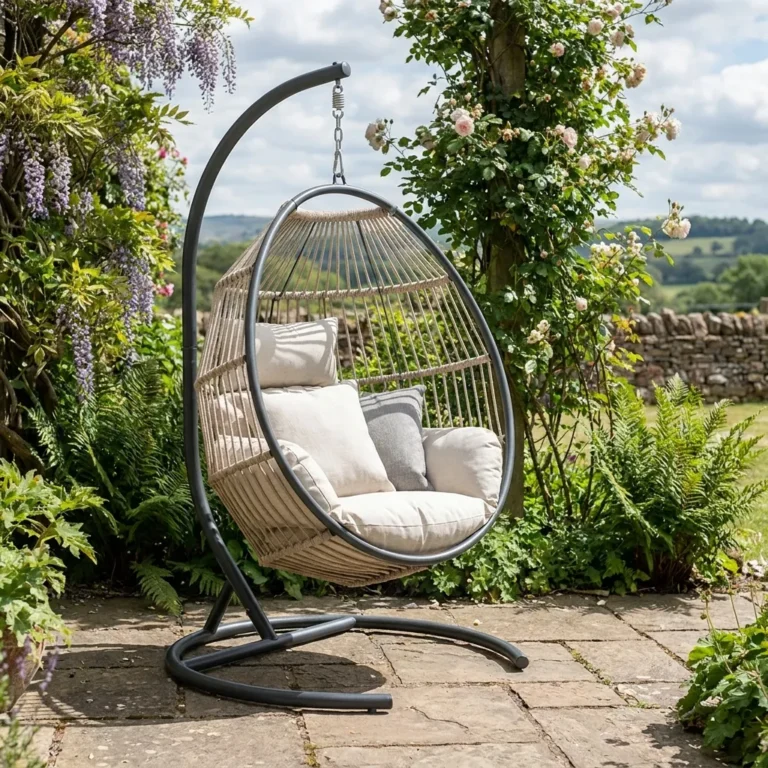
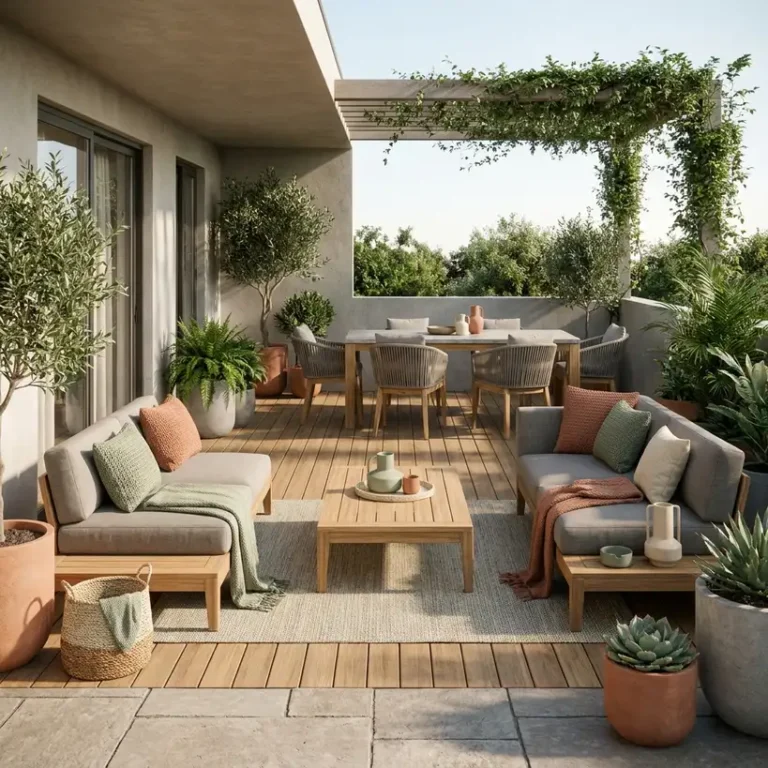
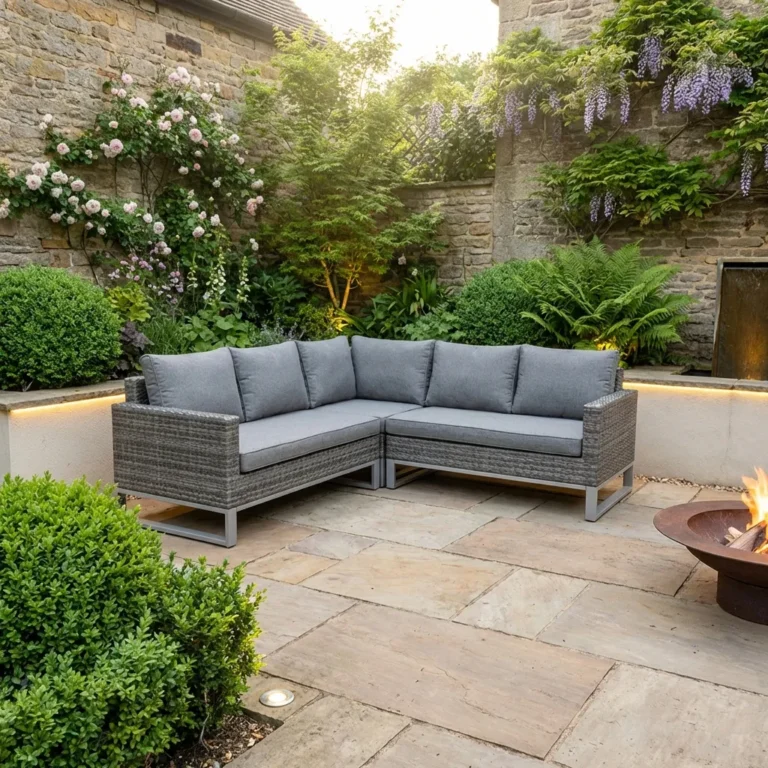
Sustainable patio design UK homeowners love usually comes down to balance, in my view, especially when space and budgets are real limits. Choosing fewer, better pieces often makes the biggest difference, even if it’s not always easy. Modular seating suits small patios and balconies, and it can change as needs shift, which often helps cut down how often furniture gets replaced.
Neutral tones and classic shapes tend to work well over time. They usually age better than bold trends and feel easier to live with long term, with much less second‑guessing. One practical option is picking low‑VOC finishes and water‑based sealants. These reduce chemical emissions and often feel safer for families and pets. Less worry usually means more day‑to‑day comfort.
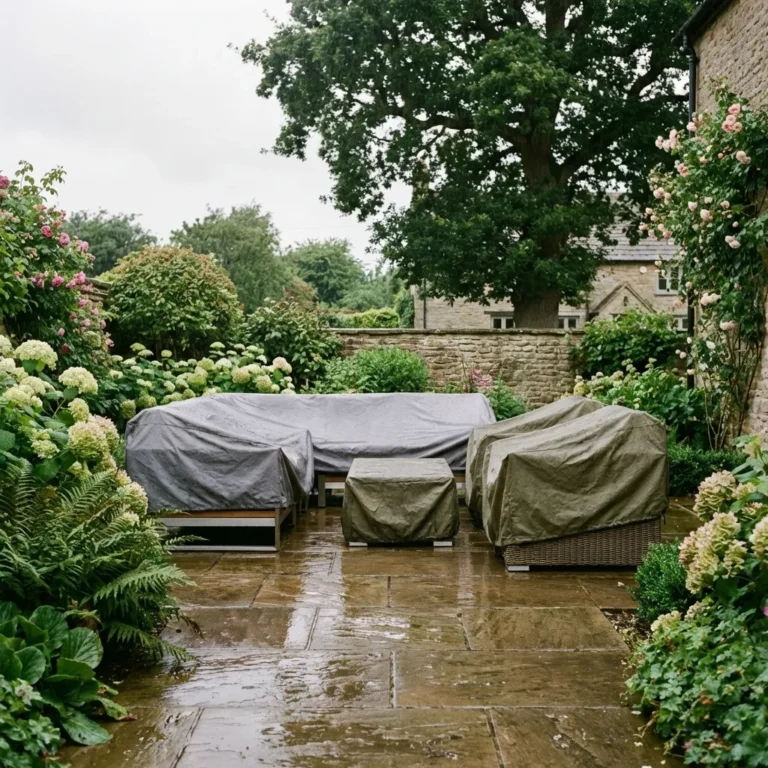
What about maintenance? It matters more than many people expect, especially across several seasons. Simple habits can extend lifespan without much effort. Cleaning frames, storing cushions in winter, and covering furniture during heavy rain all help. Aluminium is especially easy to manage, which you’ll probably appreciate. Regular care really helps, and it’s explained clearly here: keeping aluminium garden furniture looking new.
Choosing Ethical Garden Furniture Brands in the UK
Luxury doesn’t have to be wasteful, and these days it often isn’t. That idea appears a lot, as many premium ranges now mix recycled aluminium frames with responsibly sourced teak and tough outdoor fabrics made for year‑round use. This works because good craftsmanship and ethics often meet in small, practical details that actually matter outside.
When shopping, it helps to look past quick claims. You’ll often find the real story in where materials come from and how they’re treated. A useful approach is checking for FSC certification, recycled content, and clear care guidance that explains upkeep over time. Brands that focus on quality often support this with warranties and ongoing help, which says a lot.
Platforms like Rengard trendy outdoor furniture reflect this shift. They’re a solid place to see how weather‑resistant materials and thoughtful design come together, especially for British gardens that see regular use (rain included).
Frequently Asked Questions
What makes outdoor furniture sustainable?
Sustainable outdoor furniture uses materials that are responsibly sourced, recycled, or renewable. It is designed to last longer, reducing waste and replacement cycles. Ethical production and low-impact finishes also play a role.
Is FSC teak suitable for the British climate?
Yes. FSC teak UK furniture performs very well in wet and cool conditions. Its natural oils protect against moisture and rot, making it ideal for year-round outdoor use with basic care.
How durable is recycled aluminium furniture?
Recycled aluminium furniture is highly durable. It resists rust, handles temperature changes well, and remains strong for many years. It is also lightweight and easy to maintain.
Is HDPE recycled plastic furniture really eco-friendly?
HDPE furniture reuses post-consumer plastic waste and lasts a long time. Its durability and recyclability reduce overall environmental impact compared to short-lived plastic products.
Can sustainable furniture still look luxurious?
Absolutely. Many eco conscious patio furniture designs focus on clean lines, premium finishes, and comfort. Sustainable materials often enhance the look and feel of outdoor spaces rather than limit them.
Creating Outdoor Spaces You Can Feel Good About
The appeal of sustainable outdoor furniture often shows up after a long day, when a balcony or patio really feels like a place to relax. It isn’t only about the materials, at least to me. Choosing ethically sourced pieces that are made to last (not flimsy, one-season stuff) often means putting money into spaces you’ll actually use. These pieces also tend to age better over time, likely because more care went into how they were made.
Eco-friendly outdoor living options are available for most situations, whether that’s a small city balcony or a big countryside garden, and in many cases they fit a reasonable budget. Quality and clear honesty about how products are made usually matter here, since this approach cuts waste and supports long-term use.
If it feels like a lot to think about, starting small usually helps. Swap items out over time, ask questions as you go, and let one well-made chair set the tone.
3 Comments