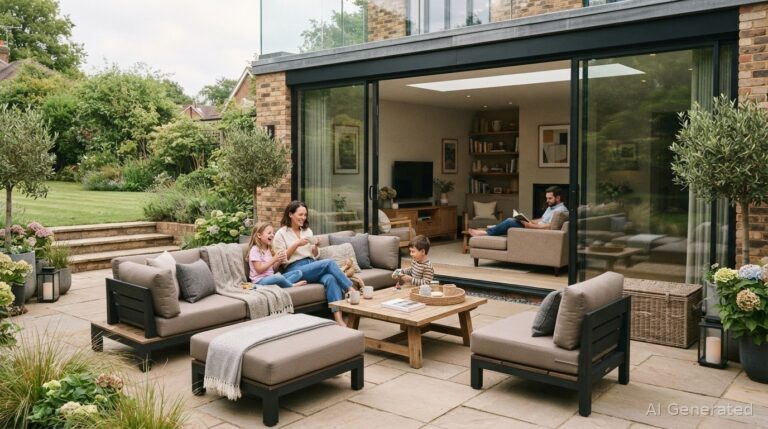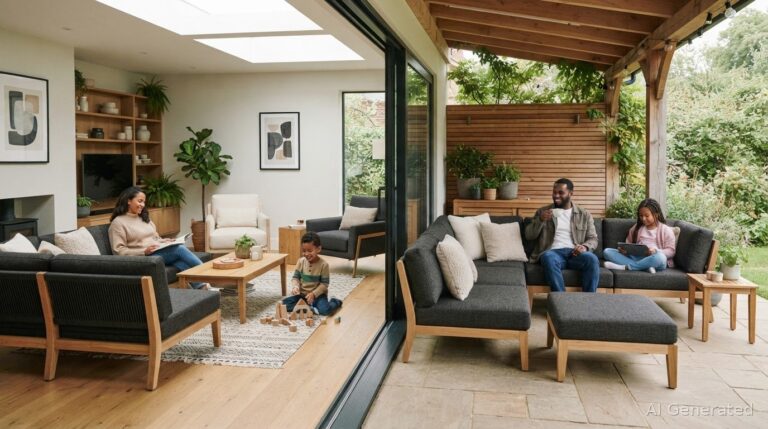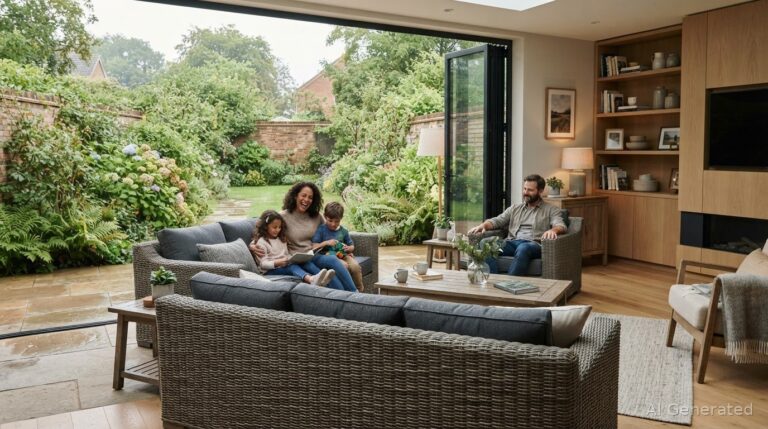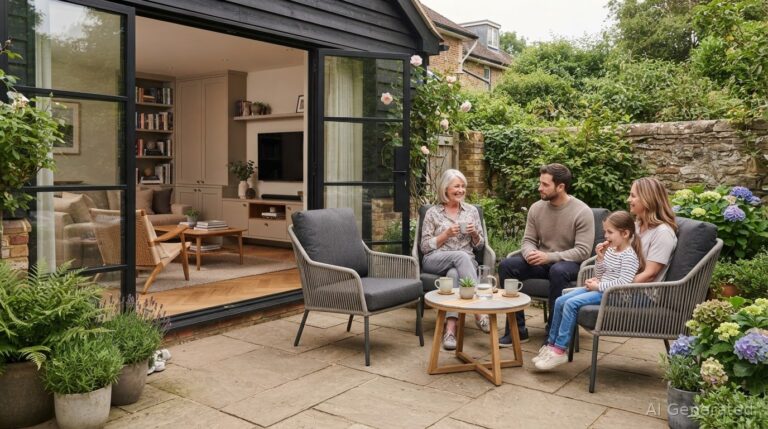
Guide to Stylish and Durable Outdoor Rope Furniture
What if the best-looking garden furniture isn’t the best fit for your outdoor space? Outdoor Rope Furniture adds texture and a contemporary feel to a garden, patio or terrace, but the weave is only one part of a considered choice.
It’s easy to focus on the finish. Yet comfort, frame material, cushions and the British weather all shape how furniture works day to day. Rope weave brings a tactile, patterned detail; its effect depends on how it sits with the frame and the rest of the setting.
This guide explains how to assess the weave, frame and cushions, and how to compare rope designs with rattan and teak finishes. You’ll also find practical points to consider for rain, sun and seasonal temperature changes. Rengard’s rope-weave designs combine rust-free aluminium frames with quick-dry, UV-resistant cushion fabrics. Use these details to choose a look and layout that suit your space, not just one that appeals at first glance.
Key Takeaways
- Outdoor Rope Furniture brings a distinctive woven finish to garden seating and dining, with the effect shaped by the weave and its placement.
- Consider the rope, frame and cushions as separate design choices that work together to shape comfort and overall style.
- Compare rope with rattan and teak by appearance and feel, then decide which finish best suits your outdoor setting.
- Measure the usable area and plan circulation before choosing furniture, so movement and access remain comfortable.
- Rengard pairs rope weave with rust-free aluminium frames and quick-dry, UV-resistant cushion fabrics for outdoor living.
Outdoor Rope Furniture: What Makes the Look Distinctive?
Outdoor Rope Furniture describes garden seating or dining furniture with rope woven across part of the piece as a visible finish. The weave brings a crafted surface to the design, adding detail that can feel more relaxed than a plain, uninterrupted frame. Its appearance and feel depend on the construction, so don’t assume every rope design will look or feel the same.
The rope is the woven surface you see and touch; the frame beneath it supports the furniture, while cushions are a separate component. This distinction makes comparisons clearer. A chair’s appearance may be led by its weave, but its overall character also depends on the frame shape, the proportions of the seat and back, and whether cushions form part of the design.
Look at the whole piece rather than judging a close-up of the rope. Notice how much of the frame remains visible, how the woven area relates to the seat and back, and whether the cushion shape complements those lines. These details help you decide whether the furniture will feel visually open or more substantial in your setting. For a broader introduction to outdoor furniture, see this Outdoor furniture overview on Wikipedia.
How rope weave shapes the look of garden furniture
The woven surface acts as a design feature in its own right. Its crossings and gaps create texture, while open lines can make a chair or sofa appear lighter than a more solid-looking form. The result depends on the scale and placement of the weave, so assess the specific piece rather than relying on the material name alone.
View the furniture from a distance as well as close up. From across a patio, the weave contributes to the overall outline; when seated, its texture becomes part of the experience. Consider how it will sit alongside paving, planting and other furniture instead of treating rope as a style choice in isolation.
Where rope furniture can work outdoors
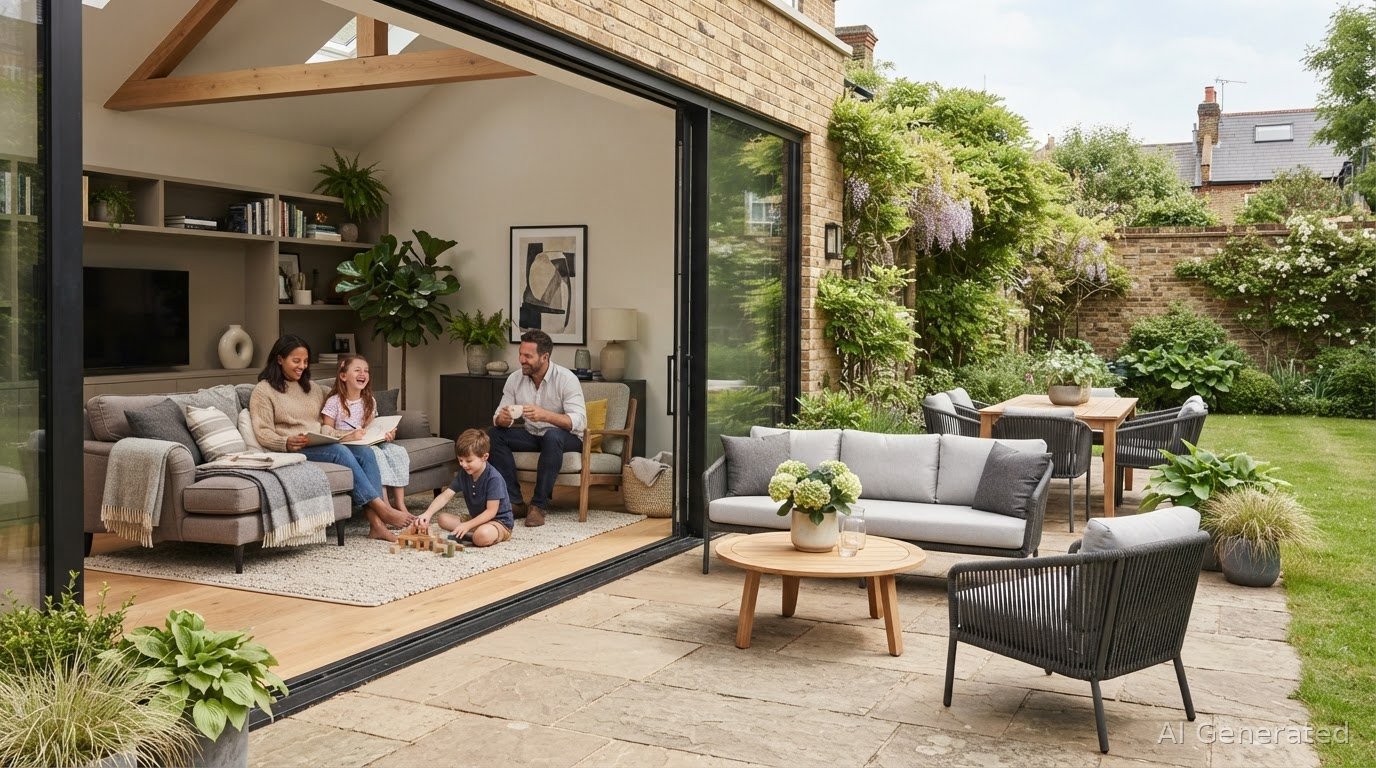
Gardens, patios and terraces can all accommodate rope-finish furniture when the form suits the way you use the space. Garden sofa sets or corner lounges can create a place to unwind, while a dining set supports outdoor meals. On a smaller patio or balcony, a bistro set can provide seating and dining without taking up as much room as a larger arrangement.
Start with the activity you want to make comfortable, then consider how the furniture will sit within its surroundings. A terrace may call for a clearly defined dining or seating area; in a garden, a group of chairs can form a quieter spot apart from the main table. In every setting, assess the complete design and how it supports everyday use, not just the appeal of the woven finish.
How Rope, Aluminium Frames and Cushions Work Together
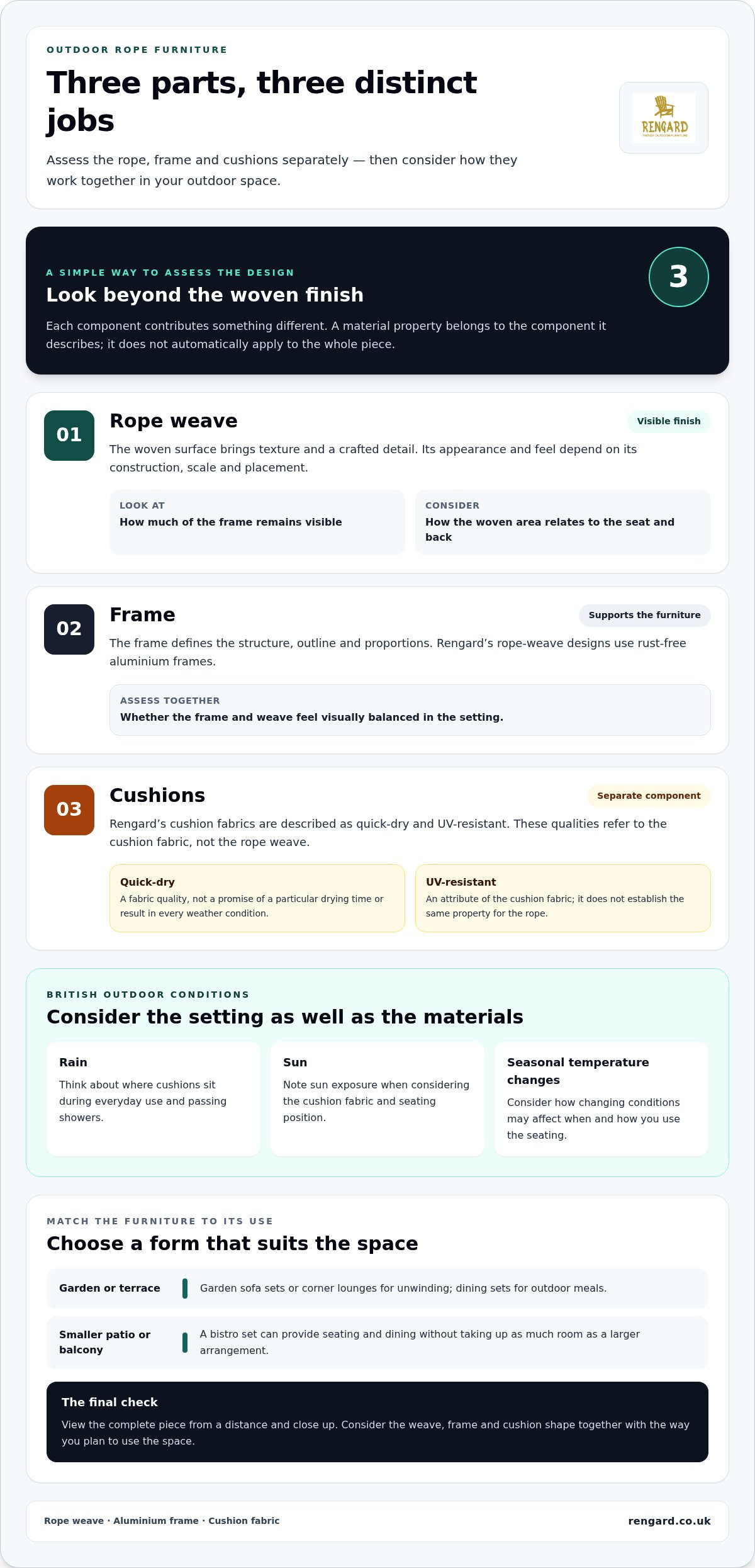
A garden chair or sofa brings together distinct elements, each with a different role. Rope provides the woven finish, the frame supports the furniture, and cushions contribute to the seating surface. Assess these elements together to consider appearance alongside practical use, rather than assuming that a feature of one component describes the whole piece.
Assess rope, frame and cushions together: the weave shapes the visible character, the frame supports the furniture, and the cushion fabric has its own weather-related qualities. That distinction matters in the British climate, where rain, sun and seasonal temperature changes are part of outdoor life. A material property applies to the component it describes, not automatically to every part of the furniture.
What the frame contributes to the design
The frame is the structure beneath the woven detail and cushions. Its form helps define the furniture’s outline, proportions and stance, so look at how it relates to the rope rather than treating it as an invisible extra. Rengard’s rope-weave designs use rust-free aluminium frames. This describes the frame material, not the rope itself. For a closer look at frame choices, see this Aluminium Garden Furniture buying guide.
Consider the frame in relation to the setting and the way you’ll use the furniture. A dining chair should look coherent around an outdoor table, while lounge seating may be viewed as part of a broader arrangement. In either case, consider whether the frame and weave feel visually balanced. For wider context on outdoor furnishings and design considerations, see insights from the International Casual Furnishings Association.
How to assess cushions for outdoor use
Rengard’s cushion fabrics are quick-dry and UV-resistant. Quick-dry describes the fabric’s drying quality; it isn’t a promise that cushions will dry within a particular time or in every weather condition. UV resistance is an attribute of the cushion fabric, not proof that the rope weave has the same property.
Consider where cushions will sit during everyday use and how you’ll manage them through changing conditions. Sun exposure, passing showers and cooler periods may affect how often you use the seating and how you care for its separate components. Check that the cushion shape and coverage suit the furniture, and consider whether the arrangement will be comfortable for dining, conversation or a longer, relaxed sit.
Weigh these details against your intended use and outdoor setting. Rengard’s garden furniture guidance can help you explore how rope weave, frame and cushion choices come together for your space.
Rope vs Rattan and Teak: Compare the Design, Not Just the Material
Rope, rattan and teak create distinct visual impressions, but a material name alone can’t tell you whether a particular piece suits your garden. Compare the finish, the shape of the furniture and the way you plan to use it. A dining chair and a lounge seat may use different finishes yet create very different effects in the same setting.
| Finish | Appearance and feel | Design context to consider |
|---|---|---|
| Rope weave | Woven lines create a textured, contemporary surface. The impression varies with the weave and how it is used on the furniture. | Consider it where woven detail can complement modern seating or dining furniture. |
| Rattan | A recognisable woven look gives the piece a more traditional or relaxed character, depending on its form and surrounding details. | Think about how the overall weave and silhouette sit with planting, paving and other furniture. |
| Teak | A natural material with a distinct, solid visual presence compared with a woven finish. | Consider its visual weight alongside the scale of the furniture and the wider outdoor setting. |
This is a design comparison, not a ranking of durability. Performance depends on the construction and materials used throughout the piece, not simply whether its visible finish is rope, rattan or teak. Frame material and cushion details matter too, particularly for furniture used outdoors through changing British weather.
Rope weave and rattan: two different visual directions
Both finishes bring woven detail, but they don’t create identical effects. Rope’s lines can read as a crisp, contemporary surface, while rattan has a familiar woven character that may feel more relaxed or classic. Look at the scale of the weave, the furniture’s outline and how much of the frame is visible. These elements help distinguish the overall style more reliably than the material label alone.
If you’re comparing these two woven looks, consider how the furniture will relate to the rest of your scheme. The outdoor sofa sets offer a reference for comparing seating form and visual presence, while Rengard’s rattan garden furniture provides another woven direction to explore.
Rope weave and teak: combining distinct finishes
Teak and rope bring different kinds of detail: one is a natural material, the other a woven finish. Rather than assume they belong together in a particular product, consider how their textures and visual weight might balance across the setting. You could use the contrast as a styling idea, or keep the surrounding furniture simpler so the chosen finish has room to stand out.
Choose by the complete design and intended setting, not by the material name alone. Compare the furniture’s construction, cushions, proportions and role in your garden or patio before settling on a finish.
Choose Outdoor Rope Furniture for Your Garden, Patio or Terrace
A well-planned layout makes a garden or patio easier to use and helps furniture feel at home in its surroundings. Before choosing a rope finish or a particular furniture shape, work through three practical decisions: how much space is usable, what you want to do there, and which form best supports that activity.
- Measure the usable area. Include the space needed to reach doors, move around furniture and access other parts of the garden. A layout that fits on paper may feel cramped if chairs block a route or a table interrupts the way through.
- Choose the main activity. Decide whether the area is primarily for conversation, outdoor meals or a quieter place to sit. This sets priorities before appearance takes over.
- Select a suitable furniture form. Compare sofa seating, dining furniture and individual chairs against the space and intended use. Keep the layout workable as well as attractive.
Walk through the planned arrangement in your mind, from the house to the garden and between the furniture pieces. Leave clear routes where people naturally pass, and consider whether dining chairs can be pulled out without obstructing access. These checks are useful on a compact patio, where a simple arrangement often feels more comfortable than filling every available corner.
Plan the layout around the way you use the space
For relaxed seating, arrange a sofa or chairs so people can face one another and converse without making the area difficult to move through. If outdoor meals are the priority, position the table and seating together with room to move around them. On a smaller terrace, a bistro set or a few individual chairs may preserve more open floor space than a larger arrangement.
Rengard’s outdoor dining sets can help you consider how a coordinated table-and-chair arrangement might suit your plans. Compare the overall footprint with your measurements, then think about daily routines: where food will be carried, how people will take their seats and whether the route back indoors stays clear.
Balance rope furniture with the wider garden scheme
Once the layout works, consider how the woven surface will relate to its surroundings. Look at existing furniture, paving, planting and nearby textures. Rope detail can become a considered accent among simpler forms, or sit comfortably alongside other textures when the rest of the scheme feels balanced.
Keep the overall palette and silhouettes cohesive without trying to match every item exactly. For instance, repeat a similar sense of visual lightness in nearby furniture, or let the rope weave provide the main detail against a quieter backdrop. Consider the view from indoors as well as the experience of sitting outside; the arrangement should feel connected to the house and garden.
As you plan, consider how seating, dining and surrounding details will work together. A considered setting begins with practical movement, then builds a consistent look around the way you use the space. For help discussing a layout for your garden, patio or terrace, talk with Rengard about your outdoor furniture plans.
Make a Confident Choice with Rengard Outdoor Rope Furniture
A considered choice brings together the setting, the way you plan to use it and the details of the furniture itself. Rope weave can give an outdoor arrangement a tactile, contemporary finish, but it’s only one part of the decision. Think about the frame, cushion fabrics and proportions too, then consider how each element will work in your garden, patio or terrace.
Rengard’s rope-weave designs pair the finish with rust-free aluminium frames and quick-dry, UV-resistant cushion fabrics. These are distinct material attributes, not a claim that every component behaves identically in every condition. Keeping that difference clear helps you compare furniture with confidence and focus on the qualities that matter for your plans.
A considered choice for modern British outdoor living
Outdoor furniture in the UK needs to be considered in the context of rain, sun and seasonal temperature changes. Rengard specialises in garden furniture designed for modern British outdoor living, bringing together contemporary design and weather-proof performance. The stated properties of the frame and cushion fabrics can inform your decision, while the rope weave contributes its own visual and tactile character.
Before choosing, picture the furniture in use as well as at rest. A dining arrangement should suit the way you eat outdoors; lounge seating should feel appropriate for conversation and unwinding. Consider how the weave, frame and cushions look together, and whether their overall form complements the architecture, planting and surfaces around them. These checks help you select for everyday use as well as appearance.
No material choice removes the need to think about care. Outdoor conditions vary, and how furniture is used and looked after forms part of making a suitable selection. Assess each stated property for the component it describes rather than assuming one finish guarantees a particular outcome for the whole piece.
Take the next step with a clear design brief
A few notes can help clarify what you need before choosing. Consider:
- Your setting: note whether the furniture is for a garden, patio or terrace, and how much usable room you have.
- Your main activity: decide whether you’re planning for relaxed seating, outdoor dining or a combination of uses.
- Your preferred arrangement: identify whether sofa seating, dining furniture or separate chairs best suit the space.
- Your design priorities: consider the rope finish alongside frame material, cushion properties and the style of the wider setting.
With these priorities in view, you can focus on the details that will shape a comfortable, cohesive outdoor space. Whether you’re refreshing a patio or planning a new garden arrangement, Rengard can help you explore furniture choices for your project. Discuss your outdoor furniture plans.
Shape an Outdoor Space You’ll Enjoy Using
Start by picturing how you want to spend time outside on an ordinary day. Perhaps it’s a quiet coffee, an unhurried meal or a place to gather with family. That image can help turn the broad idea of Outdoor Rope Furniture into a clear plan for your own garden, patio or terrace.
Before deciding, note what the space needs to accommodate and which details matter most to you. A considered brief gives shape to the conversation, from the intended use to the feel you want the finished setting to have. It also keeps the focus on choosing furniture that belongs in your outdoor routine, not simply a look that appeals at first glance.
Rengard can help you explore the possibilities for your space and plans. Share your garden furniture plans and take the next step towards an outdoor setting that feels distinctly yours.
Frequently Asked Questions
Is outdoor rope furniture suitable for the British climate?
Rengard’s garden furniture is designed for British outdoor conditions, including rain, sun and seasonal temperature changes. When assessing a particular piece, consider where it will sit and how much direct sun or rain it will receive. The frame, weave and cushion fabric are separate components, so look at the stated properties of each rather than assuming one material describes the whole piece.
Can rope garden furniture stay outside during winter?
Whether a particular piece can remain outside depends on its construction, care guidance and exposure, so don’t judge by the rope finish alone. If winter storage is limited, follow the care instructions for suitable protection and avoid trapping damp beneath a cover. Remove cushions and store them somewhere dry, then inspect the furniture after severe weather for debris or pooled water.
How do you clean outdoor rope furniture?
Begin with the furniture’s care guidance, as methods can vary between finishes. For light dirt, remove loose debris with a soft brush, then use a damp cloth if the instructions allow it. Test any cleaning solution on a discreet area first. Avoid abrasive brushes, strong chemicals or pressure washing unless the care instructions specifically permit them, and let cleaned surfaces dry before using the seating again.
Does rope garden furniture need cushions?
No, cushions are a matter of preference rather than a requirement. Consider how the seat feels during the activity you have in mind, whether that’s a short meal or a longer conversation. If you add cushions, check that they sit securely and don’t make the seat feel too high at a dining table. Choose a shape that fits the seat neatly.
Can rope garden chairs be mixed with rattan furniture?
Yes. To make the combination feel deliberate, choose one piece as the main visual feature and let the other play a supporting role. For example, use rope chairs around a table in a setting where rattan seating is already prominent, or reverse the balance. Keep the arrangement unified through similar furniture proportions or a shared purpose, such as creating one coordinated place to dine.
Is rope furniture suitable for a small patio?
It can work well if the furniture’s scale suits the patio. Before choosing, mark out the chair or sofa footprint on the ground with removable tape or paper, then check how the shape affects the view and access to doors. A chair with a defined, compact outline may feel less imposing than a larger seating arrangement. Keep the layout focused so the space remains easy to use.
What should I look for in rope garden furniture cushions?
Look for cushions that fit the seat and back without bunching or slipping, and consider whether their shape supports the way you prefer to sit. For dining chairs, check how the added depth affects your position at the table. Review the care guidance and consider how easily you can remove or handle the cushions for cleaning and storage. Comfort is personal, so assess the feel as well as the appearance.