Compact 2 Seater Sofas for UK Homes
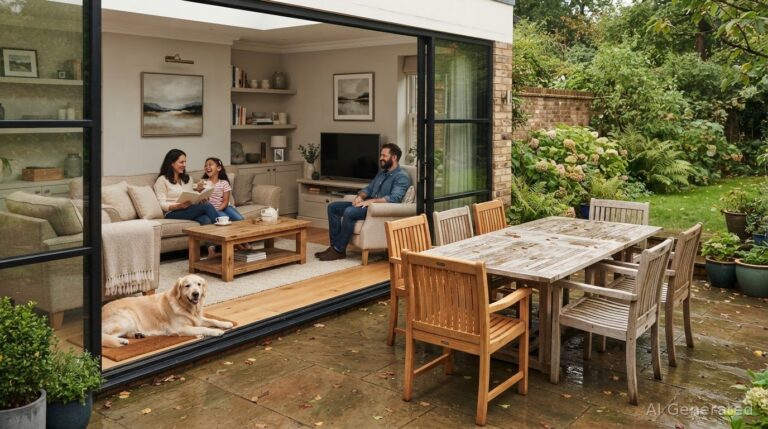
A compact 2-seater sofa can make a small UK patio or garden corner feel inviting without taking over the space. It provides seating for two adults, making it a practical choice when you want a comfortable place to relax while keeping room to move around it.
Choosing a smaller sofa is only part of the decision. Its shape, materials and colour all affect how it sits within your outdoor space, while the overall dimensions and access route determine whether it will fit comfortably.
This guide explains when a two-seater suits your home, how to match its style to your garden or patio, and what to measure before choosing. Check the available floor space and consider materials suited to changeable British weather. A few practical checks can help you create an outdoor setting that feels balanced, comfortable and easy to use.
Key Takeaways
- A two-seater can provide seating for two adults while leaving more room for movement than a larger sofa.
- Compare fabric and leather for the look and upkeep you prefer, and consider how reclining or sofa-bed designs affect everyday use.
- In a smaller room, slimmer arms and raised legs can help the space feel more open.
- Measure the sofa’s full dimensions and leave clearance for movement, reclining mechanisms and nearby furniture.
- Check doorways, hallways and staircases as well as the room itself to plan a practical route into your home.
Why Choose a 2 Seater Sofa?
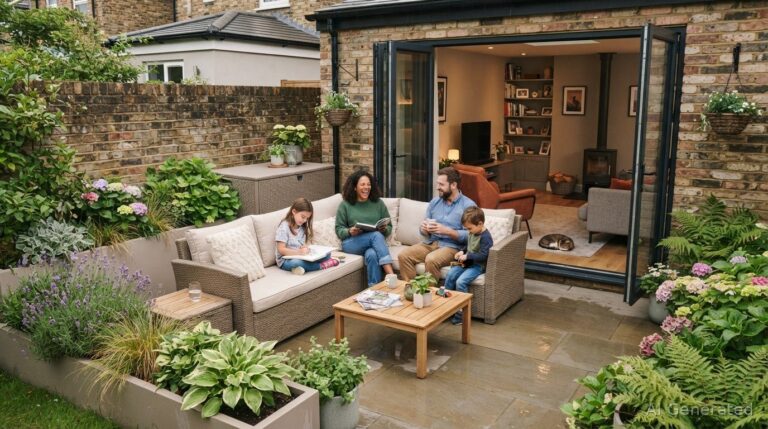
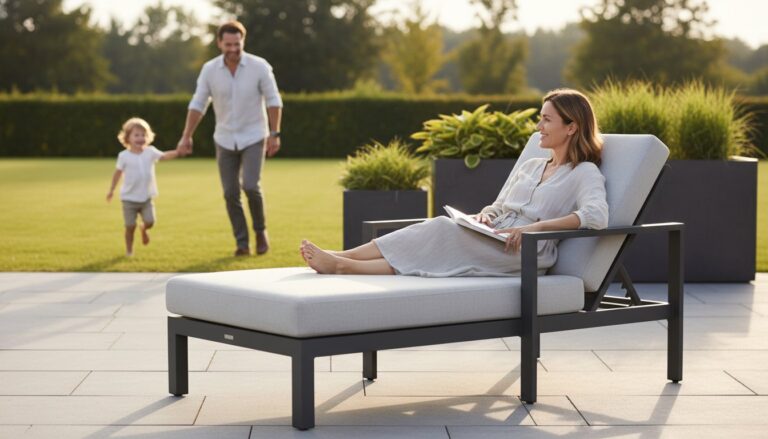
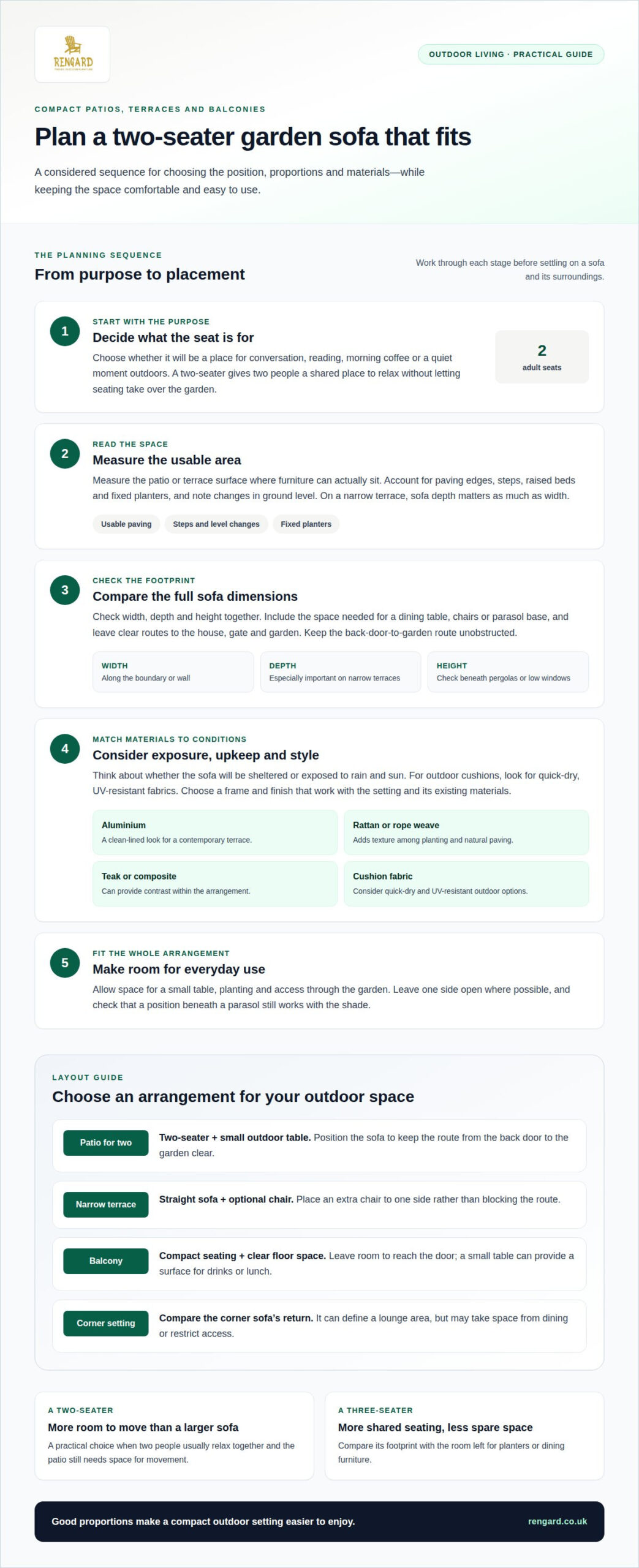
A two-seater garden sofa creates a shared place to relax outdoors without letting seating take over the garden. It offers space for two people, making it a natural fit for a patio corner, terrace or spot beside a garden view. Unlike separate chairs, a sofa gives the area a clear focal point and brings people together for conversation.
Start with how you want to use the space. You might want somewhere to enjoy morning coffee, read in the afternoon or sit together after dinner. On a compact patio, place the sofa where it won’t obstruct the route between the house and garden. On a larger terrace, use it to define a lounge area separate from the dining space.
Outdoor cushions need to suit their setting. For a position exposed to British weather, look for outdoor fabrics that are quick-dry and UV-resistant. Consider whether the sofa will be sheltered or exposed to rain and sun, and how you plan to care for it. The right choice depends on the conditions and the maintenance routine that works for you.
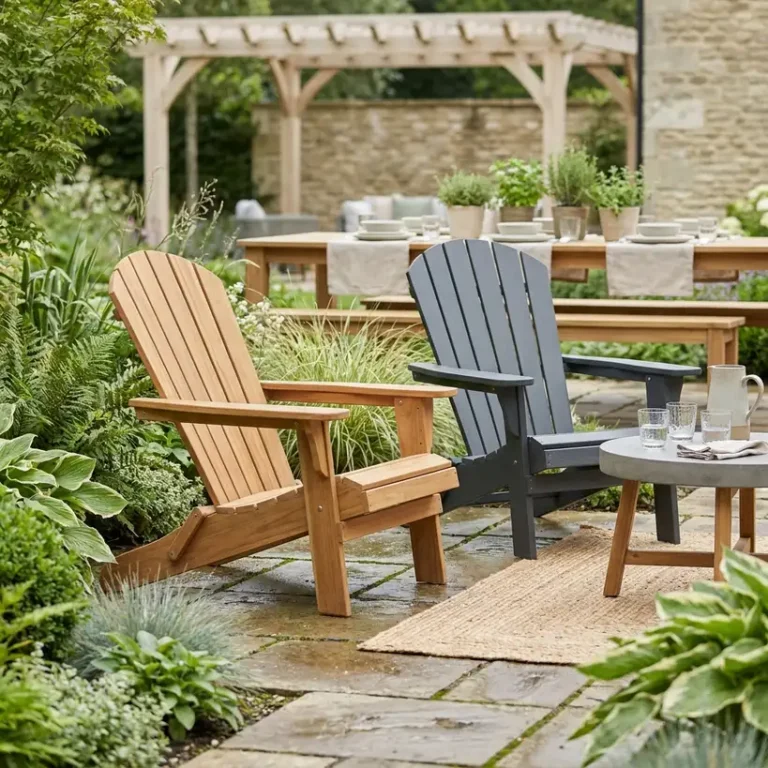
The frame and finish affect both the look and practical use of the sofa. A contemporary aluminium frame suits a clean-lined terrace, while rattan or rope weave adds texture among plants and natural paving. Teak or composite surfaces can provide contrast. Choose a finish that complements existing features, such as timber fencing, stone paving or dark metal railings.
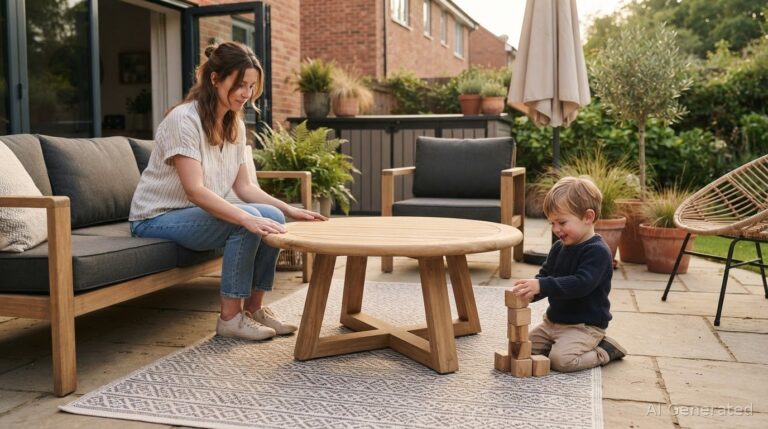
Plan the sofa as part of the whole outdoor arrangement. A nearby table gives you a place to set down drinks, while leaving one side open can preserve access to a planter or garden path. If the sofa will sit beneath a parasol, check that the position works with the shade. These details help the seating feel integrated, not squeezed into leftover space.
Use this shortlist to decide whether a two-seater suits your outdoor plans:
- Define its role: decide whether it’s for conversation, reading or a quiet seating spot.
- Match exposure: consider shelter, sun and rain when choosing outdoor cushions and finishes.
- Plan its surroundings: allow room for a table, planting and access through the garden.
- Coordinate materials: relate the frame and weave to paving, fencing or existing outdoor furniture.
A two-seater is most useful when it meets a clear need in the garden. Choose its position and finish together to create a comfortable, considered place to enjoy the outdoors without dictating the rest of the layout.
Compact two-seater sofas for small spaces
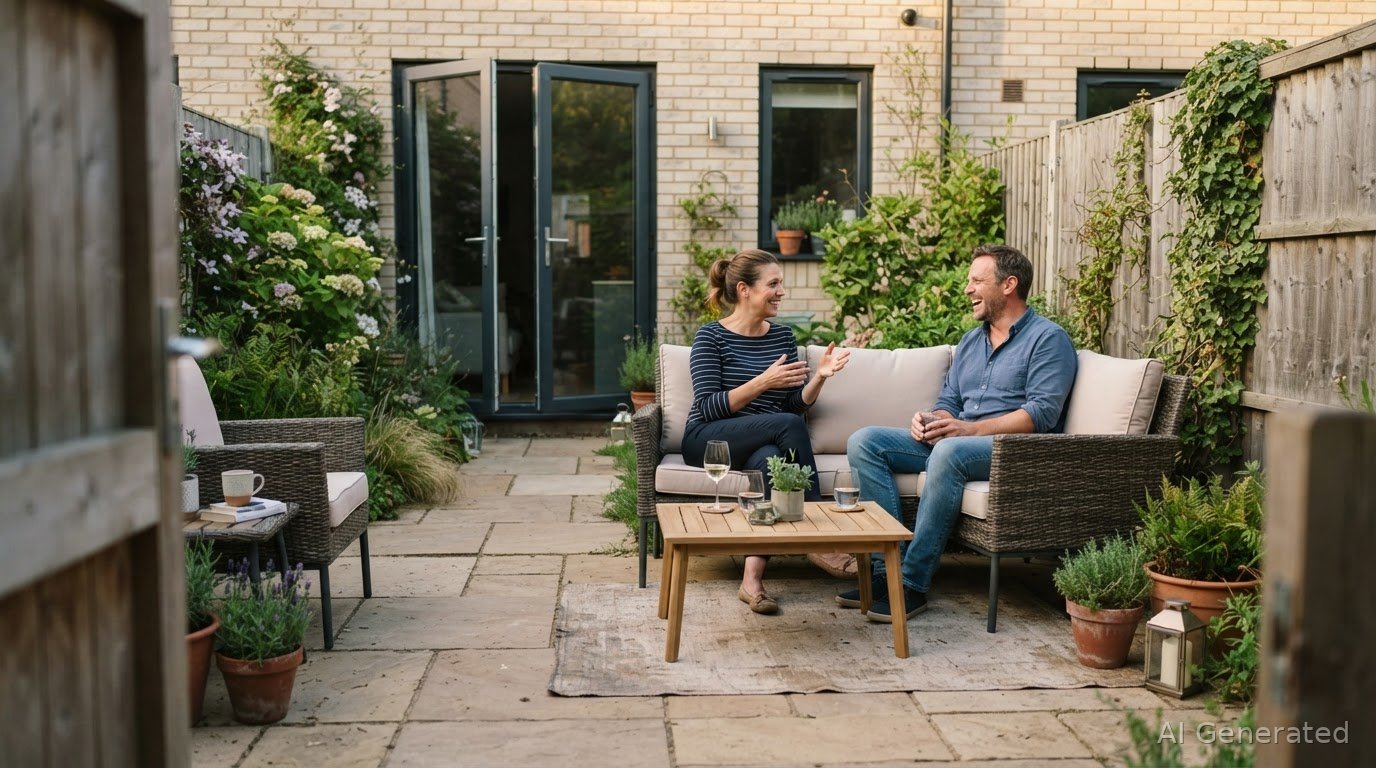
On a compact patio, good seating leaves room to relax and move around. A two-seater can create a main lounge spot without filling the paved area. For example, place it against a boundary wall and keep the route from the back door to the garden clear. On a balcony, a streamlined frame and small outdoor table can make a useful spot for morning coffee.
A three-seater offers more shared seating but may leave less room for planters or dining furniture. Compare it with a two-seater based on how you use the space. If two people usually relax together, a sofa may be more practical than several separate chairs. If guests often gather outdoors, add movable garden chairs that you can bring over when needed.
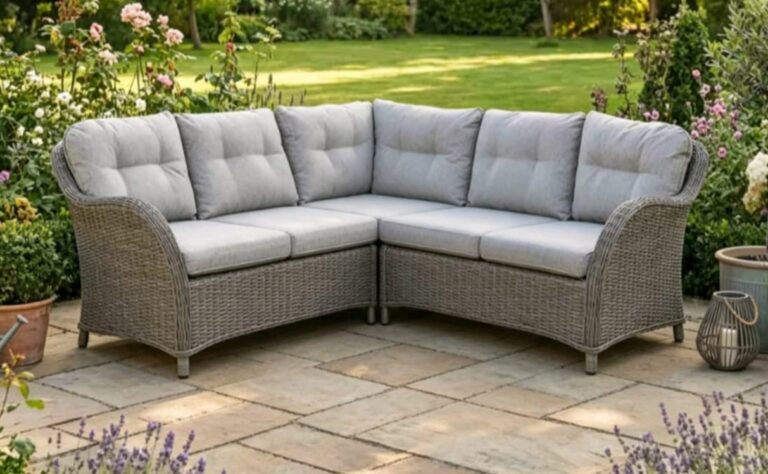
A corner sofa can define a patio corner as a lounge, particularly where two boundaries meet. Its longer return may, however, take space from the dining area or restrict access to the garden. A separate two-seater and armchair are easier to arrange around existing features. On a narrow terrace, angle the chair towards the sofa to create a conversation area without blocking the route.
For a balcony or very small terrace, consider how each piece contributes beyond its seating. A compact bistro table gives you a surface for drinks or lunch, while clear floor space helps the setting feel open. Choose materials to suit the conditions: rattan adds woven texture, while aluminium has a crisp, contemporary look. Quick-dry, UV-resistant cushion fabrics are designed for outdoor comfort.
A careful comparison of materials and everyday use matters even when you’re watching your budget. A simple two-seater may suit a sheltered patio, while a larger corner arrangement could be unnecessary if the space is mainly for two. Consider the full setting, including the table and any extra chairs. A few well-chosen pieces can make a compact outdoor area more useful than furniture that rarely gets used.
Use this shortlist to compare layouts:
- Patio for two: pair a two-seater with a small outdoor table and keep the doorway clear.
- Narrow terrace: use a straight sofa and place any extra chair to one side.
- Balcony: prioritise a compact seating arrangement with room to reach the door.
- Corner setting: compare a corner sofa’s return with the space needed for dining or planting.
For a small outdoor space, choose an arrangement that suits its main purpose. Keep the seating in proportion to the patio or balcony, and select materials and cushions suited to where the furniture will sit.
Measuring room space and sofa dimensions
On a patio or terrace, measure the usable surface rather than the full area shown on a plan. Mark paving edges, steps, raised beds and fixed planters that limit where furniture can go. Note any changes in ground level, too. These features affect how a sofa sits and whether the arrangement feels balanced.
Compare the sofa’s full width and depth with the space available. Note its height too if it will sit beneath a pergola, balcony edge or low window. A deep sofa can take up much of a narrow terrace, even if its width fits along the boundary. Consider all the product dimensions together, rather than checking them in isolation.
Map out how you’ll use the space around the sofa. Mark the footprint of a dining table, garden chairs and parasol base so the lounge area doesn’t obstruct meals or shade. Keep the routes to gates, steps and the house clear. A simple sketch can help you decide whether the sofa should face a wall or turn towards the garden.
Consider the shape of the space as well as its measurements. On a long terrace, a two-seater across one end can define a lounge area. On a square patio, placing the sofa along one side may leave the centre free for a table. If the edge is irregular, use the straightest boundary for the main seating and leave narrower sections for pots.
Compare the sofa with any companion chairs before settling on a layout. Angle a chair towards the sofa to create a welcoming conversation area, or place the pieces parallel in a narrow paved space. Leave room to pull out dining chairs and access cushions or storage. This helps the arrangement work in everyday use, not just when everything is neatly in place.
- Record usable space: include fixed features, level changes and the edges of the paved area.
- Compare full dimensions: check sofa width, depth and height against its intended position.
- Plan the whole setting: add dining furniture, chairs, parasol bases and planting to your sketch.
- Test the arrangement: mark furniture footprints and check routes between the house, garden and seating.
Consider the ground beneath the furniture, too. A stable, even surface helps the sofa sit neatly, while a sloping or uneven area can make the layout awkward. Check how the position relates to paving joints and drainage channels. These details help you choose dimensions that suit the patio rather than simply its widest point.
Compact sofa suitability and room sizing
A compact sofa can suit a living room where seating matters but every part of the floor has a purpose. In a narrow lounge, for example, a two-seater provides a shared place to sit without taking up the whole wall. It works best when its footprint leaves room for the main route through the room, a table or another useful feature.
Start by identifying how you use the room. If two people mainly sit to read or talk, a straightforward two-seater may be enough. If the living room doubles as a guest space, a sofa-bed may suit occasional overnight stays, but you’ll need room for it to open. For relaxing after work, consider whether deeper seats or a recliner suit your routine, and account for the additional floor space.
Width alone doesn’t determine suitability. The market’s 150 to 200 cm sofa-width range includes 89 results, offering a useful comparison point. Check each design’s depth and height as well. A broad, deep leather sofa can feel substantial in a small room, while a narrower frame with slimmer arms may leave more usable floor around it.
Room shape matters, too. In a square living room, place a two-seater against one wall and keep the centre open. In a long, narrow room, position it so it doesn’t obstruct the route between the entrance and window. A corner design can make use of an awkward corner, but its return may restrict access to a cupboard or radiator.
Test the layout with masking tape before choosing a style. Mark the sofa’s full width and depth, then use paper outlines for a coffee table and armchair. Walk through the remaining space and open nearby doors. This reveals whether the arrangement supports everyday movement, rather than merely fitting on a plan.
Colour and visual weight also affect how a compact sofa feels in a room. Neutral upholstery can blend with existing walls and furniture, while a darker sofa may make a stronger statement. Raised legs expose more floor beneath the frame, helping a small room feel visually lighter. Choose a style that works with nearby pieces instead of treating the sofa as a separate decision.
- Choose by routine: match the design to reading, conversation, lounging or occasional guest use.
- Assess the whole footprint: compare width, depth, arm shape and any reclining or opening movement.
- Preserve circulation: leave the route between doors and key furniture unobstructed.
- Test the arrangement: mark the sofa and companion pieces on the floor before deciding.
The clearest test is whether the sofa provides comfortable seating while the rest of the living room remains usable. A well-sized design should suit the room’s shape, existing furniture and everyday routes through the space.
How can I check whether a compact sofa will fit through UK doorways and staircases?
A sofa that fits the living room may still be difficult to get inside. Measure the whole route from the entrance to its intended position, including the front door, internal doors, hallways, stairs, landings and tight turns. The narrowest point or sharpest corner may determine whether the sofa can pass.
Start with each doorway. Measure the clear opening with the door open, rather than measuring the frame from edge to edge. Check the available height, especially below a low lintel. Note handles, radiators, dado rails and other projections that reduce clearance. Even a clear entrance can lead to a narrow hallway where a radiator or cupboard restricts the route.
Next, map the staircase and landing. Measure the stair width between the walls or bannister, and note the ceiling height above the steps. At a turn, check the landing’s width and depth, as well as the space available to pivot the sofa. A narrow landing with a low ceiling can make turning more difficult than carrying the sofa straight up the stairs.
Compare these measurements with the sofa’s full transport dimensions. Product details may list the assembled width, depth and height; check whether these change if the legs or another component can be removed. Don’t assume the sofa separates into smaller pieces. If a part is designed to be removed, include the smaller dimensions in your route plan.
If the route includes a tight turn, consider how the sofa can be angled. Its width alone won’t tell you whether it can rotate through a doorway or around a bannister. Use its full height and depth to assess the space needed to tilt it, paying particular attention to the doorframe, ceiling and landing. For a sofa-bed or recliner, assess its delivery dimensions separately from its opened position.
Use this checklist in order:
- Measure the route: record clear width and height at every doorway and hallway pinch point.
- Check stairs and turns: note bannisters, ceiling slopes, landing space and obstacles.
- Compare dimensions: use the sofa’s full delivery measurements, not only its seat width.
- Review the plan: identify any turn where the sofa must tilt or rotate.
Keep the route measurements beside the sofa specifications and compare them point by point. A clear plan helps you distinguish between a sofa that fits the room and one that can reach it. If the route has an awkward turn, prioritise the sofa’s delivery dimensions and component design before making your choice.
Rengard
Rengard helps you plan a considered home setting around how you use each room. Once you’ve settled on a compact sofa’s dimensions and position, consider how other furniture can support the layout. A slim console table can make use of a narrow wall, while a side table keeps everyday essentials close without requiring a larger coffee table. Furniture accessories can add practical finishing touches.
For adjoining spaces, dining tables and bedside tables can help create a consistent look throughout your home. Choose pieces that suit each room’s scale and leave clear routes between furniture. This is a useful next step when planning a compact living room as part of a wider refresh.
Contact Rengard to discuss your home furnishing plans.
Make your next choice with confidence
Think of the sofa as the starting point for a living room that can evolve with you. For a compact 2 seater sofa in the UK, choose a finish that leaves room to introduce personal details over time, rather than planning every corner at once. A considered palette can help future additions feel connected, whether you later add a console table, bedside table or furniture accessories from Rengard.
Before deciding, note the style and practical details that matter most in your home. A clear brief makes it easier to focus on a sofa that supports your routine and suits your space. If you’re ready to explore your options, contact Rengard about compact sofas.
A thoughtful choice can bring comfort and character to your living room for years to come.
Frequently Asked Questions
How does a 2 seat sofa enhance your living area?
A two-seater gives the living room a defined place to sit without making every other piece revolve around a large suite. In a combined lounge and dining room, it can create a relaxation zone while leaving the table accessible. Pair it with a floor lamp or small side table to make the seating feel purposeful, rather than like spare furniture pushed against a wall.
What should you consider when selecting your sofa?
Choose a sofa to suit how you use the room, then compare upholstery, shape and care requirements. If you eat on the sofa, you may prefer a surface that’s straightforward to clean; if you read there, supportive arms and a comfortable back may matter more. Check the seat depth against your height and preferred posture. Consider whether the colour works with your curtains, flooring and lighting.
What’s the difference between a compact and small sofa?
“Compact” usually describes a sofa designed to use space efficiently, while “small” is a broader description of its size. A compact design may have narrower arms or a streamlined frame and still offer two seats. Compare the full external dimensions and usable seat space instead of relying on either label. Two sofas of similar width can feel quite different if one has deeper seats or bulkier arms.
What are the dimensions of compact two-seater sofas sold in the UK?
There isn’t one standard size for every UK two-seater. As an example, the Oxford 2 Seater Jumbo Cord is listed at 150 cm wide and 80 cm high. Depth can vary between designs, so compare each model’s full specifications rather than treating that example as a template. For a useful comparison, note width, depth and height together, including the space taken by arms and feet.
How much does a compact 2 seater sofa cost in the UK?
A sofa’s cost depends on its upholstery, construction, design and features. Compare similar models rather than choosing by price alone: a fixed fabric design and a reclining model serve different needs and may have different specifications. Check what the listed price includes, along with the care instructions and dimensions. Set your budget before browsing, then weigh the value against how often you’ll use the sofa.
What is the smallest two-seater sofa available in the UK?
There’s no single smallest model that applies across every retailer and collection. A UK sofa-width filter includes a 100 to 150 cm range with three results, which provides a useful place to begin comparing narrower options. Check each sofa’s depth and seat width as well: a narrow outer frame can leave less usable seating if its arms take up more room. The smallest practical choice depends on your space and comfort needs.
Which compact two-seater sofas are best for small flats or narrow rooms?
The best fit leaves a usable route through the room and supports your everyday routine. In a narrow home, a straight-backed sofa with slim arms may be easier to position than a deep, bulky design. If you need flexible seating, compare a two-seater with a separate chair rather than assuming a corner sofa saves space. Check that the sofa won’t block storage, radiators or access to adjoining rooms.
Are compact two-seater sofas available with removable covers or sofa-bed options?
These features depend on the individual design. If you want removable covers, check the care instructions to see whether they’re made for machine washing or spot cleaning. For a sofa-bed, consider the space it needs when open, where you’ll store bedding and whether the room remains comfortable to use. Treat these as separate requirements when comparing designs, since a compact sofa may prioritise seating over additional functions.