Cosy Two-Seater Garden Sofas for Outdoor Seating
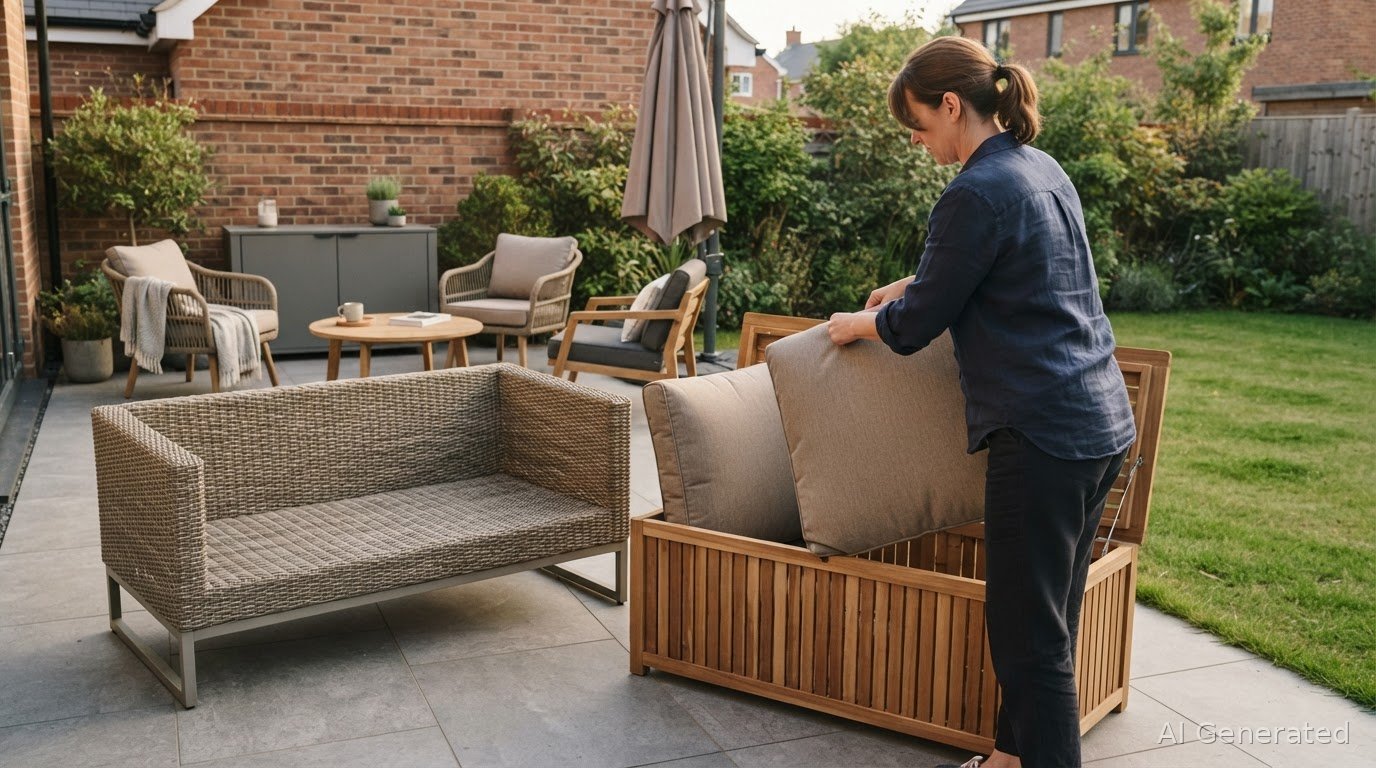
A garden sofa’s cushions need as much care as its frame. For a cosy two-seater garden sofa, remove the cushions after use, let them dry thoroughly and store them somewhere dry and ventilated, such as a suitable cushion box or shed. This helps keep them fresh between spells of outdoor lounging.
It’s easy to focus on a sofa’s appearance, but comfort, materials and everyday practicality matter just as much in a British garden. A compact two-seater can create a welcoming spot on a patio or terrace, provided its proportions and finish suit the space and the weather.
This guide explains how to care for and store cushions, then compares two-seater styles, frame materials, craftsmanship, colours and the factors that shape price. You’ll find practical points to consider before choosing a design, from woven rattan to wood and contemporary metal frames, so you can create an inviting outdoor seating area that feels considered and comfortable.
Key Takeaways
- Let cushions dry fully before storing them in a dry, ventilated space to help keep them fresh between uses.
- Compare woven, wooden and metal-frame designs by the look, upkeep and weather exposure that suit your outdoor space.
- Choose a two-seater’s shape and proportions to fit your patio or terrace while leaving room to move around it.
- Use cushion and frame colours to complement your garden materials and create a balanced outdoor setting.
- Consider how craftsmanship, materials and intended use affect the style and value of a sofa before deciding.
Two-seat outdoor sofa styles and prices
A two-seat outdoor sofa suits a compact patio, balcony or quiet corner of a larger garden. The main styles include woven rattan loveseats, timber benches with cushions and upholstered designs with a more contemporary profile. Each creates a different mood: rattan brings texture, wood adds natural warmth, and clean-lined frames feel more minimal. Browse outdoor sofa sets to compare the overall look and configuration.
Shape affects how a sofa works in your space. A high-back loveseat gives the seating a defined outline, while a lower profile can keep a small terrace feeling open. Curved arms soften a formal layout; squared arms create a neater edge beside an outdoor table. Measure the sofa’s footprint and leave room to walk past. On a narrow patio, positioning it against a wall or boundary can help keep the route clear.
There’s no single price that applies to every two-seater: materials, finish, cushions and the pieces included all affect the cost. A standalone sofa differs from a set with coordinating furniture. Compare the details in each product description, including the frame, cushions, finish and any additional pieces. This makes it easier to judge what you’re getting than comparing sofa shapes alone.
Product availability can vary by style, finish and configuration. A listing may describe a standalone sofa, a sofa with cushions, or a set with additional furniture. Read the product details closely before deciding, especially if you’re matching a particular colour or want a complete seating arrangement. If a preferred finish isn’t available, compare other colours in the same style before changing the size or layout.
Delivery and assembly arrangements vary by product. Check the stated delivery information for the exact sofa, and consider whether you want the furniture assembled. If you’re comparing warranty terms, read what each one covers and which parts or issues are included.
- Check the configuration: distinguish a sofa-only listing from one that includes cushions or additional pieces.
- Compare construction: consider frame material, finish and visible detailing alongside the asking price.
- Plan the footprint: allow space for the sofa and a clear route around it.
When choosing a cosy two-seater garden sofa, balance appearance with the practical details that shape everyday use. A well-proportioned design, suitable materials and clear product information make it easier to compare styles and find seating that fits your outdoor space.
Furniture materials and craftsmanship
Frame material shapes the sofa’s weight, appearance and care needs. Aluminium creates a clean-lined look and is relatively easy to move around a patio. Timber brings visible grain and a softer, natural character. Before choosing, consider where the sofa will sit: an exposed terrace, a sheltered courtyard or a covered seating area. Each setting affects how much attention the frame may need.
Rattan creates a textured, woven finish that suits relaxed outdoor spaces. Look for even weaving across the arms and back, with neat edges where the weave ends. These details help you assess the finish. A woven design can also add visual depth beside smooth paving, rendered walls or a simply styled outdoor table.
Timber sofas bring warmth through their grain and joinery. Teak accents can add a refined natural detail, whilst acacia creates a distinct wood finish. Look closely at joints, arm connections and the underside of the seat. Consistent alignment and carefully finished edges suggest considered construction. For a traditional garden, wood can sit comfortably beside planting, stone paths and mature borders.
Aluminium frames pair well with rope weave for a lighter, contemporary look. The contrast between a slim frame and tactile rope adds interest without ornate shapes. Look closely where the rope meets the frame, particularly around the arms and back. Even, tidy weaving gives the design a composed appearance from every angle.
Cushion fabric matters as much as the frame in the British climate. Weather-resistant fabrics are designed for outdoor use, but cushions still benefit from care between spells of rain. Check the fabric’s texture, colour and finish against the setting. For example, a muted neutral can soften dark paving, whilst a deeper tone can anchor pale decking and green planting.
Size is about more than the sofa’s width. Measure the available floor area, then account for the arms, back and space needed to approach the seat. On a compact patio, compare a straight-backed design with a deeper, rounded profile. Also consider how the seat height works with an existing outdoor table. A proportionate sofa should leave clear movement around nearby doors and paths.
- Inspect the frame: look for aligned joints and a consistent finish on aluminium or timber.
- Examine the weave: check rattan and rope details for even spacing and tidy edges.
- Assess the fit: measure the full footprint and consider access around the sofa.
If you’re choosing between frame and fabric finishes, talk through your material options in relation to your outdoor space.
How do I store the cushions for the garden sofa?
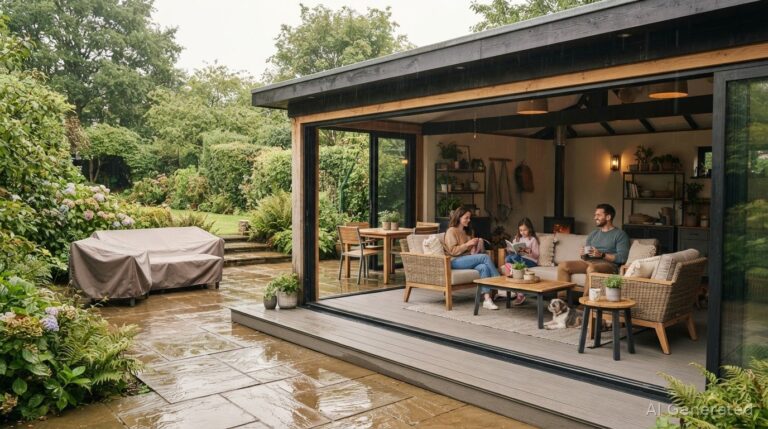
Store garden sofa cushions clean, completely dry and protected from damp. After rain, bring them under cover rather than leaving them on the seat. If the fabric feels cool or damp, let it air before packing. Putting wet cushions straight into a storage box can trap moisture and leave them musty when you next want to use the sofa.
Start with the care label. It gives the fabric-specific cleaning instructions, so follow those before using detergent or a stain remover. Brush away loose soil and leaves, then spot-clean marks using the recommended method. For example, pollen on a pale cushion may need gentle attention; rubbing it firmly can work the mark further into the fabric. Let each cushion dry fully on all sides.
Choose a dry, ventilated storage place, such as a shed or a suitable outdoor cushion box. A box keeps cushions together and out of sight, whilst a shed can offer sheltered storage for a complete two-seater set. Keep cushions off a damp floor and away from garden tools, plant pots and anything that could snag the covers. Leave enough room for air to circulate.
Use a breathable cushion bag if it suits the fabric and storage space. Don’t seal cushions away until they’re thoroughly dry. In a storage box, avoid packing them tightly against the lid or walls; allow air to move around them. If the sofa has separate seat and back cushions, store them in manageable groups so each piece is easy to find.
- After use: remove cushions from the sofa if rain is forecast or the seating area is exposed.
- Before storage: clean according to the care label, then dry every surface.
- For longer periods: place cushions in a dry, ventilated space away from dirt and sharp objects.
These steps apply to a two-seater as well as larger garden sofa sets, which may include extra cushions. Store loose accessories with the matching sofa rather than leaving them on the frame. Keeping everything together makes it simpler to prepare the seating again when dry weather returns.
Check stored cushions before putting them back outside. If they feel damp, air them first; if dust has settled, follow the care-label cleaning guidance. Regular attention after wet weather helps keep the covers presentable and the seating ready for another afternoon outdoors.
The Garden Sofa Sets & Outdoor Dining Sets category lists 42 items; its product-type filter lists 11 dining sets, 7 patio sets and 17 sofa sets, which may help narrow the options.

Garden sofa colours
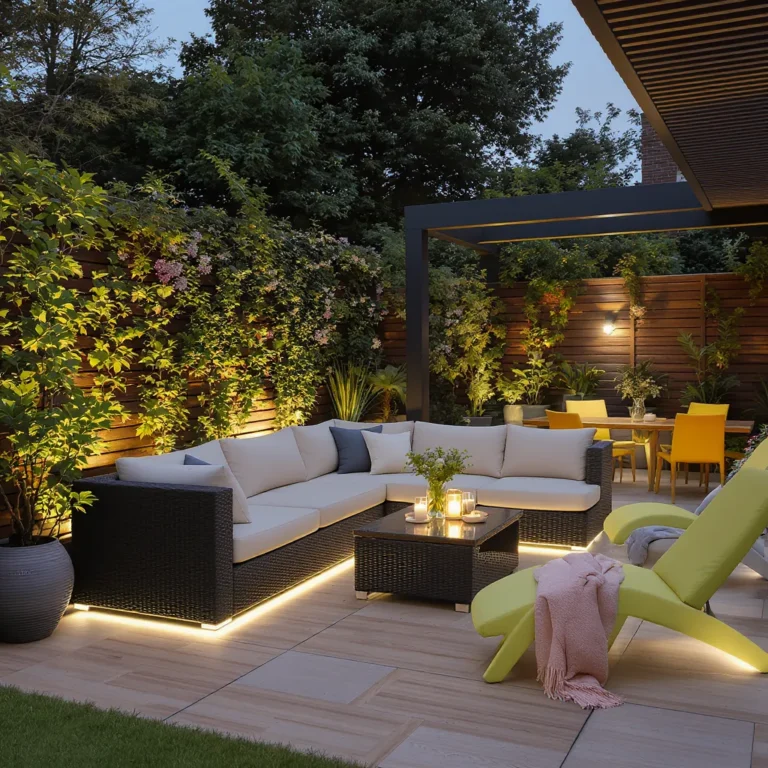
Colour changes how a two-seater sits within a garden, even when its shape stays the same. Start with the surroundings: pale stone, red brick, grey paving and timber decking each create a different backdrop. Charcoal cushions contrast with pale stone, while muted green or warm beige can sit more softly beside red brick. Consider the frame and cushions together, rather than choosing their colours separately.
Neutrals such as beige, stone and grey work with varied planting and paving. Stone-coloured cushions can echo a light patio, while charcoal can complement dark metalwork or slate. Neutral colours also make it easier to change smaller details seasonally. For example, add ochre or rust-coloured accessories in autumn, then introduce cooler greens in spring without changing the sofa.
Green cushions relate naturally to lawns, hedges and potted herbs. Deep green makes a stronger accent against pale decking, while soft sage can sit quietly beside silver foliage. Blue brings a cooler note to a sunny terrace, particularly alongside grey stone or white-rendered walls. Choose one main cushion colour, then add a smaller accent through a throw or nearby planter.
Pattern needs room to breathe. Stripes can add movement to a plain frame, while a subtle woven texture brings interest without introducing another strong colour. If the sofa has a prominent rattan weave, plain cushions can keep the look composed. With a simple aluminium frame, a small-scale pattern can create a warmer, more layered finish.
The setting matters, too. A sofa beside a dark fence may stand out more with lighter cushions, while pale upholstery can feel exposed against a bright wall. Outdoor fabrics encounter garden dust, fallen leaves and occasional marks. A mid-tone such as olive or taupe can help disguise everyday traces better than a very pale shade, though you should still follow the care instructions.
Before choosing, compare the colour in daylight with the materials around the seating area. Fabric can look different beside timber than it does against paving. Use these steps to refine the palette:
- Identify the backdrop: note the paving, wall and fence colours beside the sofa.
- Choose a base: select a neutral or nature-inspired cushion shade that works with those surfaces.
- Add one accent: introduce a contrasting colour through a planter, throw or outdoor accessory.
- Review the balance: check that frame, cushions and surrounding finishes feel connected.
A considered palette helps a two-seater feel integrated rather than placed at random. Repeat one colour in a nearby planter or outdoor table detail, and let the sofa’s frame provide a complementary finish. This creates a cohesive seating corner without making every surface match.
Two-seater garden sofas
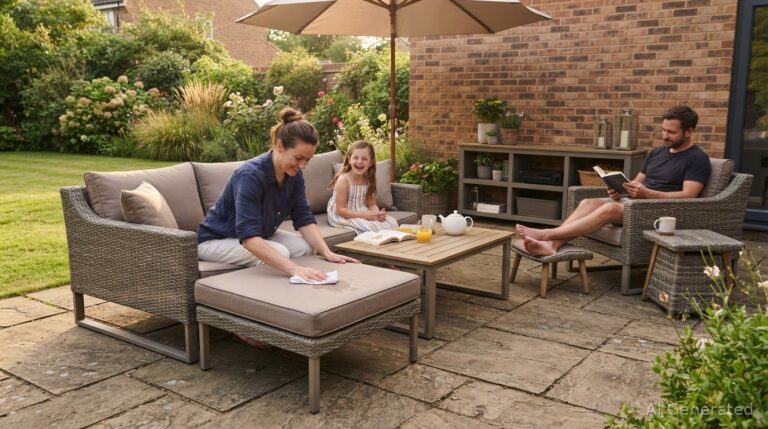
A two-seater gives a garden a defined place to pause without filling the space like a larger lounge arrangement. On a compact terrace, a straight sofa can sit against a wall, leaving the centre clear for movement. In a wider garden, it can define a quiet seating area beside a planted border. Choose a layout that works with access, surrounding furniture and how you use the space.
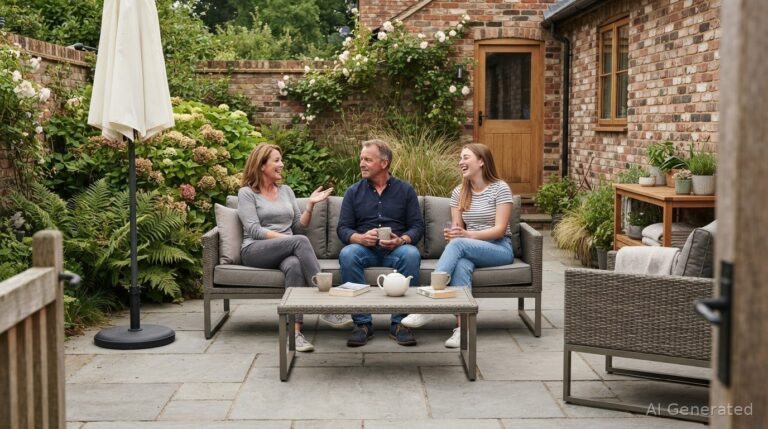
Think about how you’ll use the seats. A sofa facing a garden view suits relaxed conversation, while one beside an outdoor dining area can provide extra seating between meals. Consider whether both people can sit comfortably and settle in easily. Broad arms can hold a book or cup, but take up more space than narrow arms.
Before choosing, map out where the sofa will go. Measure the available floor area and leave room to approach the seat. Check gates, doorways and narrow paths, too. A sofa might fit its final position but be difficult to carry through a side entrance. On a balcony or small patio, a compact profile helps preserve usable floor space. In a larger garden, a two-seater can complement separate chairs without crowding the arrangement.
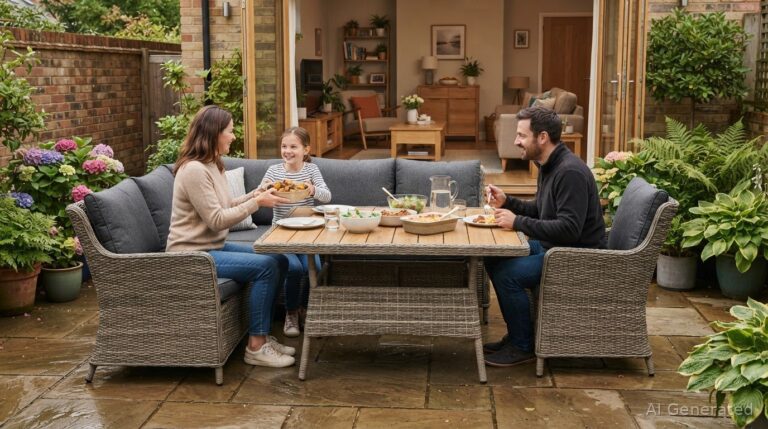
Consider how the sofa relates to other pieces. Pairing it with a low table creates a practical place for drinks, while placing it near a garden dining set can connect lounging and mealtimes. Avoid crowding the seating with accessories. Leave a clear route between the sofa, doors and other furniture, especially where people carry food or drinks outside.
Comfort depends on proportions as well as cushions. Seat depth affects whether the posture feels upright or relaxed, while back height influences support and visual scale. A high-back style can feel more enclosed in an open garden; a lower back keeps sightlines open across a small patio. Consider the arm shape and position of the back cushions alongside the seat.
A cosy two-seater garden sofa can be the main seat in a small outdoor setting or an extra place to sit in a larger one. Choose its location first, then assess the frame, fabric and colour against the setting. This helps prevent a design from obstructing a path or overwhelming the patio.
- For a compact patio: prioritise a neat footprint and clear access.
- For a garden corner: use the sofa to define a quiet, separate seating zone.
- For entertaining: position it near, but not in the way of, dining furniture.
For help deciding which arrangement suits your outdoor space, discuss your garden sofa options.
Coordinating outdoor furniture
When bringing a garden seating area together, consider how nearby pieces support the layout. Once you’ve settled on your sofa’s material, colour and position, outdoor furniture accessories can add useful finishing touches, while a dining table can create a practical link between lounging and eating outdoors.
For a compact patio, prioritise pieces that leave clear routes between the seating and the house. In a larger garden, coordinating finishes across dining and lounging areas can create a more cohesive feel. Choose complementary pieces to suit the space and work alongside your sofa.
For practical details about planning an outdoor space, see Rengard’s contact information.
Make your outdoor space your own
Choose garden seating to suit how you use the space. A two-seater garden sofa can fit a compact patio or create a quiet seating area in a larger garden. Leave enough room to move around it, and position it where you can enjoy shelter from the wind or catch the sun.
Plan the layout around practical needs. Keep the route between seating and the house clear, or place a small outdoor table nearby for drinks. If you also have a dining set, allow enough space for chairs to move freely without crowding the lounge area.
For help choosing garden furniture, get in touch with Rengard. Consider the available space, seating capacity and materials before making your choice.
Frequently Asked Questions
What are the best two-seater garden sofas available in the UK?
Choose a sofa that suits your garden’s exposure, available space and preferred style. For a contemporary look, consider a powder-coated aluminium frame; rattan or rope weave adds texture, while teak brings a natural finish. Check the specifications for details of the frame materials and cushion fabrics, including their weather resistance and drying properties. Compare the seating profile and finish with the surfaces already in your garden.
How much does a two-seater garden sofa cost in the UK?
Prices vary according to a sofa’s materials, finish and configuration, so there isn’t one figure that applies to every two-seater. A standalone sofa and a coordinated set are different purchases. For a useful comparison, check the exact model and what its listed configuration includes. Refer to the current price for that specific option rather than treating another style or set as equivalent.
What are the dimensions of a typical two-seater garden sofa?
There’s no single dimension for every two-seater; width, depth and back height vary by design. Check the measurements for the exact sofa, including its arms and back, then compare them with the available space. Consider access through gates and doorways, too. Marking the sofa’s footprint on the patio can help you picture its scale before arranging delivery.
Which garden sofas are best for small patios and balconies?
A compact, straight-profile two-seater is often a practical choice for a small patio or balcony. Narrow arms and a simple outline can preserve more usable floor area than a bulky shape. Mark out the sofa’s footprint and check that doors still open and routes remain clear. A small bistro table can provide a useful surface without dominating the seating area.