Rattan vs Aluminium vs Teak: Best Outdoor Furniture for Gardens
Across the UK, more homeowners are buying outdoor furniture that combines style with durability. They want pieces able to handle the country’s famously unpredictable weather, where a sunny afternoon can quickly turn grey. Therefore, with gardens increasingly seen as real extensions of the home, picking the right material becomes vital. Choosing between rattan vs aluminium vs teak can shape both comfort and visual appeal. Rattan works well in sheltered, cosy spots, adding a relaxed feel. Aluminium offers a sleek, sturdy look, perfect for modern layouts. Teak, known for its long life and rich colour, often becomes the focal point in spaces aiming for warmth and a classic touch. Each material has its own advantages in different settings.
This guide explores where each choice works best, weighs practical pros and cons, and considers upkeep, sustainability, and current UK style trends. Consequently, the goal is to match your lifestyle and design goals to an option that feels right today and still makes sense years from now, whether that’s a shaded corner with rattan or a striking terrace framed with aluminium.
Understanding Rattan vs Aluminium vs Teak: Style and Versatility
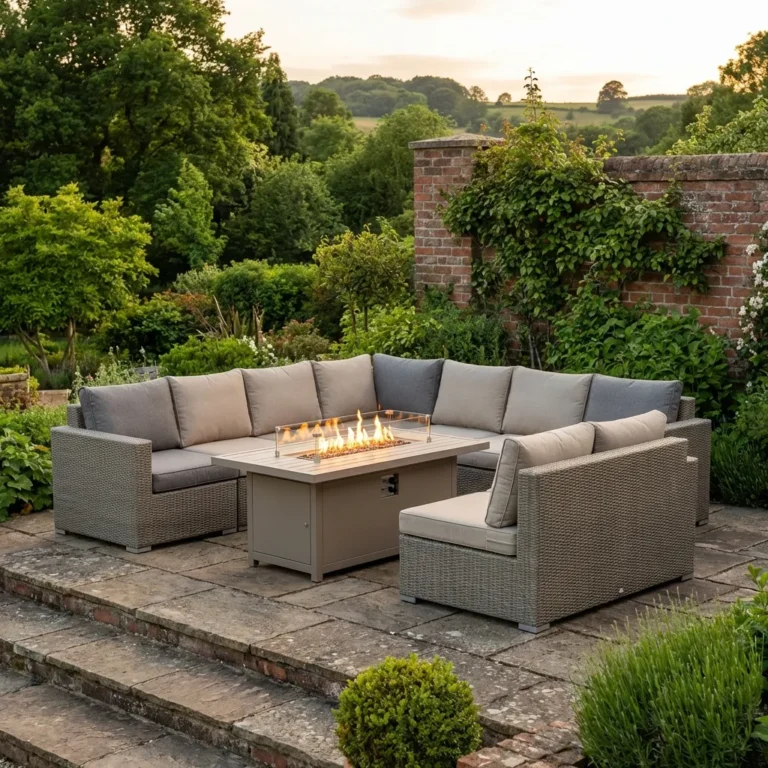
Synthetic rattan, often called PE rattan, has become popular in UK gardens because it blends the warm, natural look of traditional fibres with the weather resistance needed for the country’s mix of rain, wind, and occasional heat. It keeps the charm of classic wicker while being more practical and easy to care for. Designs range from detailed, hand-like weaves to smooth, flat panels. As a result, it suits a rustic patio or a sleek city balcony equally well. For example, picture a cosy cottage corner with two armchairs, or a clean outdoor lounge set by sliding doors. It adapts well, letting you set the mood you want with minimal effort.
Synthetic rattan offers the visual warmth of natural fibres but with far greater weather resistance, especially when woven over aluminium frames.
Durability depends on both the weave quality and the frame build. UV-resistant options with solid workmanship can look good for 10 to 15 years. However, cheaper versions may fade or crack after only a few seasons. Aluminium frames add strength and handle daily use better. In coastal areas, their resistance to corrosion compared to natural fibres is a clear benefit. Comfort matters too. Consequently, the woven surface has a slight flexibility, so even without thick cushions it gives a pleasant seating feel, often softer than bare metal.
| Feature | Synthetic Rattan |
|---|---|
| Cost | Mid-low |
For more ideas, see how rattan works with different garden styles here: Garden tables and rattan furniture in Cheshire and Rattan garden furniture: stylish durable patio sets. Additionally, explore RHS Garden Design Advice for inspiration from experts.
Aluminium in Rattan vs Aluminium vs Teak: Modern Minimalism Meets Low Maintenance
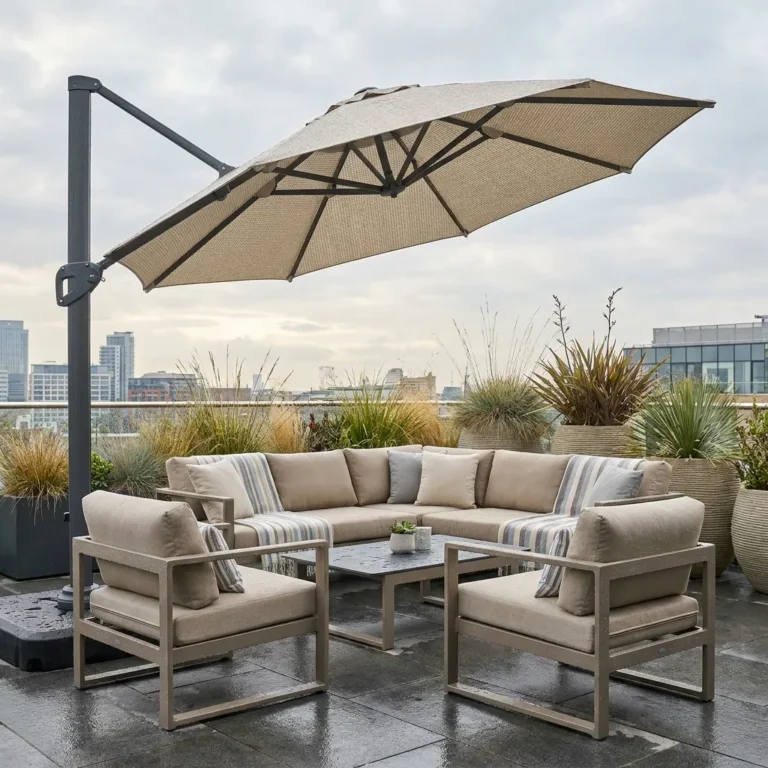
If you like clean, modern design but don’t want the hassle of constant upkeep, aluminium outdoor furniture offers a solid balance. Thanks to its powder-coated finish, it resists rust and corrosion. Consequently, it handles the UK’s mix of rain, strong winds, and occasional sunshine with ease. Colours hold their depth, frames stay true to shape, and aluminium fits well on open patios or exposed rooftop terraces where weather is hard to avoid.
For those who want sleek lines and rust-proof performance, aluminum furniture is a clear winner.
Powder-coated tones such as matte black, anthracite grey, olive green, and soft taupe are set to lead outdoor style in 2025. Therefore, they give gardens and balconies a sleek, coordinated feel. Aluminium’s light weight makes moving even larger items easy for cleaning or rearranging. Well-designed pieces counter that lightness with reinforced joints and strong frames, so they remain reliable. Furthermore, the smooth, non-porous surface is simple to clean. Most marks wipe away quickly, avoiding swelling or bending that can happen with wood. In busy homes or holiday lets, that ease can save time over the year.
| Feature | Aluminium |
|---|---|
| Cost | Mid-high |
For guidance on preserving aluminium furniture’s finish, see: How to Clean and Maintain Aluminium Garden Furniture for Long-Lasting Beauty. Moreover, check BBC Weather to plan when to maintain or cover furniture.
Teak in Rattan vs Aluminium vs Teak: Timeless Elegance and Longevity
For decades, teak has been the standard for outdoor furniture, and the reasons are clear. Its warm honey-brown colour, smooth grain, and solid weight give it a presence that’s easy to recognise. Pick up a teak chair and you’ll feel the heaviness that signals strength. The wood’s natural oils act as built-in protection. Therefore, it resists moisture, deters insects, and slows decay. In most climates, it can stay outside through heavy summer rain or even light winter frost without damage. This toughness explains why it’s used for boat decks and seaside structures.
Teak’s high oil content makes it naturally resistant to water and pests, meaning it can remain outdoors all year without treatment.
High-quality teak can last anywhere from 20 to 50 years, making it a long-term purchase. Moreover, over time it naturally turns a soft silver-grey, which many find appealing. However, keeping its golden tone is easy with occasional oiling. While it costs more upfront, it often outperforms cheaper woods that can crack or warp after only a few seasons.
| Feature | Teak |
|---|---|
| Cost | High |
Comparing Outdoor Furniture Materials Side by Side
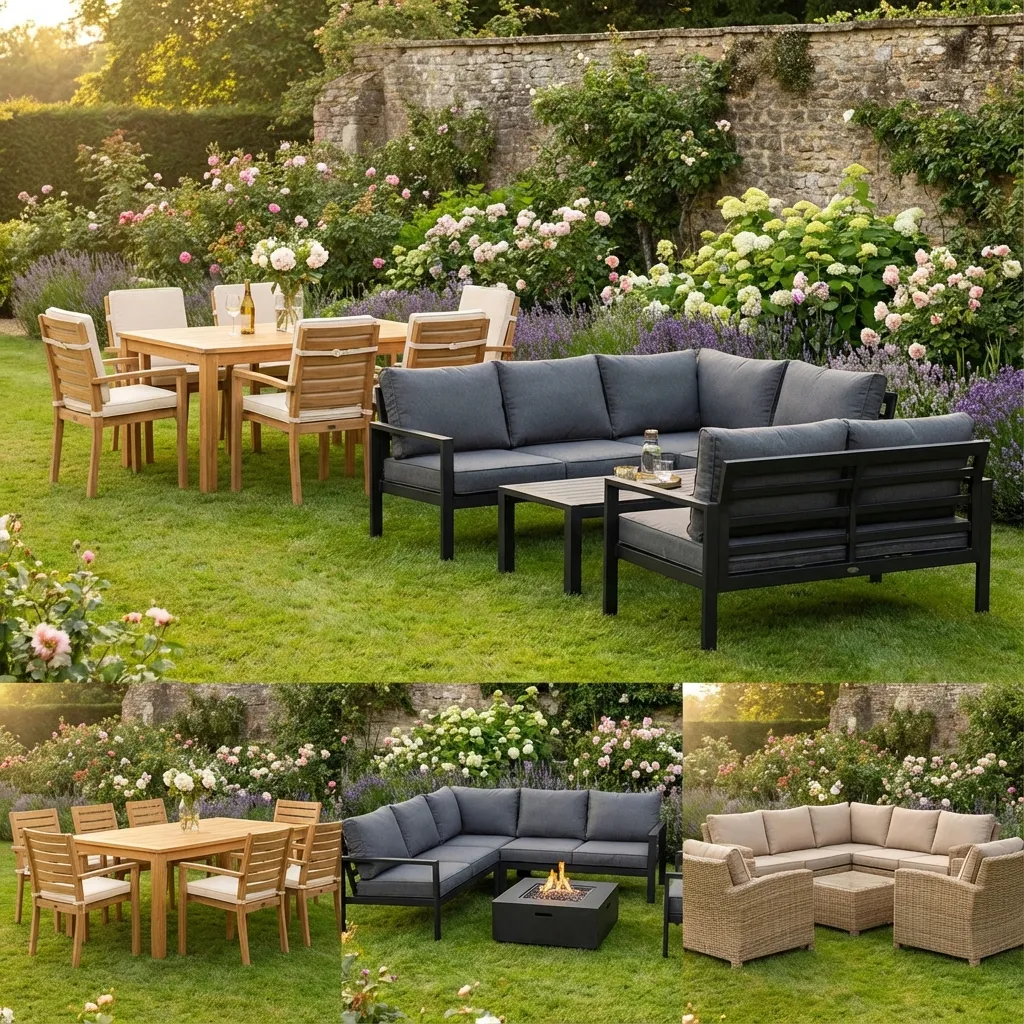
When choosing between rattan vs aluminium vs teak and composite furniture, the decision often comes down to priorities: longevity, style, upkeep, and budget. For smaller city balconies, aluminium’s light frame makes moving it around easy. In contrast, putting it away for winter is straightforward. In large rural gardens, teak is often chosen for its warm, natural look and the way it develops a deep patina over time. Synthetic rattan is a good pick if you want comfort with a stylish design at a mid-range price. Composite blends can be seen as the “low-effort modern” choice.
| Feature | Teak | Aluminium | Synthetic Rattan |
|---|---|---|---|
| Durability | 20, 50 years | 15, 25 years | 5, 15 years |
| Weather Resistance | Excellent | Excellent | Good |
| Maintenance | Low | Very low | Moderate |
| Aesthetic Appeal | Classic, warm | Sleek, modern | Traditional, versatile |
| Sustainability | FSC-certified available | 100% recyclable | Recycled plastic options |
| Cost | High | Mid-high | Mid-low |
The Mintel UK Outdoor Living Report (2025) says aluminium and teak together make up 58% of the premium market. Moreover, synthetic rattan continues to sell well in the mid-tier range. Consequently, more buyers want outdoor furniture that lasts and looks good.
Sustainability in Outdoor Furniture Choices
Environmental concerns are influencing how UK homeowners select their furniture. FSC-certified teak allows people to enjoy timber without harming ecosystems. Aluminium is endlessly recyclable without losing strength. Furthermore, synthetic rattan made from recycled plastics is popular, turning landfill waste into durable furniture.
Hybrid designs are moving the industry forward. For example, aluminium frames paired with teak armrests or woven rattan panels combine strength, style, and eco-consciousness. Manufacturers are testing powder coatings that cut harmful chemicals. Some are trialling biodegradable synthetic fibres, which could influence rattan production soon.
Trends in Rattan vs Aluminium vs Teak for UK Gardens in 2025
UK outdoor living trends in 2025 affect material choices and how homeowners use their garden areas.
- Year-round use: Teak and aluminium remain popular because they cope well with Britain’s unpredictable weather while needing little maintenance.
- Colour palettes: Modern aluminium finishes come in matte black or anthracite grey. Meanwhile, deeper earthy shades grow in popularity.
- Multi-functional spaces: Modular rattan seating adjusts to guest numbers, extendable teak tables suit gatherings, and fold-away benches free up space.
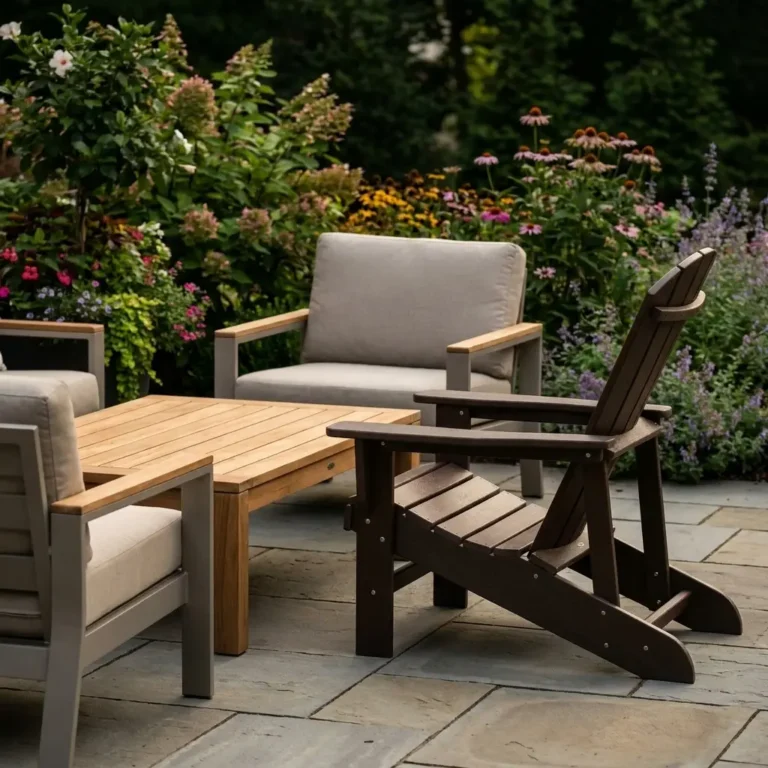
Furniture now integrates subtle technology, such as concealed lighting or USB ports in teak tables. Mixing materials is growing too, with aluminium combined with woven rattan for warmth.
Making Outdoor Furniture Work for You
Choosing the “right” garden furniture depends on what matters most to you and how you use your outdoor space.
- Teak is solid if you want pieces that last decades, keep their warm colour, and handle rain well.
- Aluminium suits those who prefer clean, modern designs, low maintenance, and rust-free performance.
- Synthetic rattan is smart when cost matters but you like the woven look.
- Steel works for strong, heavy pieces with industrial flair, though it needs a tough coating.
Ultimately, understanding these trade-offs makes it easier to create an outdoor space that looks good and stands up to UK weather. For example, large summer barbecues benefit from sturdy tables and wipe-clean surfaces. Meanwhile, quiet mornings feel more comfortable with the softer feel of rattan. In addition, mixing materials, such as aluminium chairs with a teak table, can add character. Moreover, storage, covers, and seasonal cleaning often keep your furniture in top shape.
For more design inspiration, visit Outdoor furniture garden sofa set trends buying guide for 2025 and Luxury garden furniture UK pergolas glass rooms trends. Additionally, browse House Beautiful UK Garden Ideas for further style tips.
3 Comments