Top 5 Sustainable Materials for Outdoor Furniture in 2026
For many UK homeowners, the garden or patio has shifted from being just a summer spot to feeling like an extra room. Consequently, some even bundle up in blankets and switch on a heater to enjoy it in the middle of winter. Increasingly, sustainability is shaping what people choose for these areas. Sustainable outdoor furniture materials allow them to show personal style while cutting waste or at least reducing it. By 2026, new developments in material science are changing the options available. Moreover, these innovations offer pieces that are durable, appealing to the eye, and have a much smaller environmental impact.
This guide covers the four most sustainable outdoor furniture materials for 2026, outlining their strengths, expected lifespan, and the styles they suit best. In addition, whether you’re improving a terrace or replacing worn garden furniture, these tips can help you choose items that look good, last well, and respect the planet’s resources.
Reclaimed Teak: Timeless Beauty with a Sustainable Outdoor Furniture Edge
For centuries, teak has been valued for its natural oils and its rare ability to withstand tough climates. By 2026, reclaimed teak is expected to shift from a niche choice to a common option. Specifically, it is sourced from dismantled buildings, retired ships, and other long-used structures. This method reduces the need for cutting new trees while keeping the wood’s well-known strength and distinctive appearance. The aged patina gives reclaimed pieces their unique charm.
Furniture made from reclaimed teak often shows rich colour and irregular markings that fresh timber rarely provides. Furthermore, it brings warmth and character to dining tables, benches, lounge chairs, and even small indoor pieces. The process of making it is careful and precise. Planks are removed one at a time, cleaned, and refinished to protect the wood while revealing signs of its past. For example, some boards may have come from colonial-era warehouses. Others could have spent decades at sea on fishing boats. That history, visible in the grain, becomes part of the design’s story.
| Property | Benefit | Sustainability Impact |
|---|---|---|
| Natural Oils | Weather resistance without chemicals | Reduced chemical treatments |
| Durability | 20+ year lifespan | Minimises replacement frequency |
| Reclaimed Source | Prevents deforestation | Repurposes existing materials |
In the UK, demand is expected to grow by 18% by 2026 as more homeowners choose materials proven to last for decades. Moreover, matching circular design principles, reclaimed teak gives old timber new use. It stands up to years of British rain and wind through skilled joinery, keeping garden or patio pieces practical and full of character.
Reclaimed teak is the gold standard for combining heritage aesthetics with modern eco-conscious living.
Recycled Aluminium: Lightweight Strength for Sustainable Outdoor Furniture
Aluminium has long been valued for being light yet resistant to corrosion. Additionally, recycled aluminium is now becoming a preferred material, especially among those focused on sustainability. Industry forecasts suggest it will be a leading choice by 2026. The Aluminium Association notes that producing recycled aluminium uses up to 95% less energy than making it from raw ore. Consequently, this often means much lower costs and a smaller environmental footprint.
It’s appearing in many types of outdoor furniture, from sleek modern dining sets to large modular sofas designed for comfort. In the UK’s changeable weather, where a sunny afternoon can quickly turn rainy, this material proves adaptable. Recycling involves collecting scrap from items like old window frames, bicycles, and drink cans, then melting and reshaping it into new products with minimal waste. Moreover, its natural resistance to rust also makes it a good choice for coastal areas.
Alongside environmental benefits, recycled aluminium is practical for everyday use. Its light weight makes moving patio furniture easy. In addition, powder coating can be added in many colours, improving durability and giving a customised look. This mix of strength, portability, and design options makes it a smart choice for outdoor spaces that need both style and weather resistance.
For more design inspiration, explore Mixed Materials Outdoor Furniture: Stylish UK Designs 2026.
HDPE (High-Density Polyethylene) from Post-Consumer Waste for Sustainable Outdoor Furniture
HDPE is a tough plastic you often see washed up on beaches or used in everyday packaging. When sourced from post-consumer items like milk jugs and detergent bottles, it offers a practical and eco-friendly option for outdoor furniture. Using it keeps plastic out of landfill while creating items that resist moisture damage for many years. Therefore, it’s a material made to endure.
By 2026, HDPE is expected to see notable design improvements. For example, new textured finishes can convincingly mimic materials such as wood grain or stone. This makes it easier to match garden furniture with rustic patios or modern decks without losing durability. Being non-toxic and treated with UV stabilisers, it keeps its colour for longer.
| Feature | Advantage | Eco Benefit |
|---|---|---|
| UV Resistance | Colour stays vibrant | Reduces repainting |
| Waterproof | No swelling or rotting | Extends lifespan |
| Recycled Source | Diverts plastic from landfill | Supports circular economy |
For those wanting furniture that doesn’t need constant upkeep, HDPE works well in the UK’s unpredictable weather. Furthermore, it has been tested to handle temperatures from -30°C to +50°C without warping. And when it does need replacing, it can be recycled again.
Natural Rattan and Synthetic Recycled Rattan Options
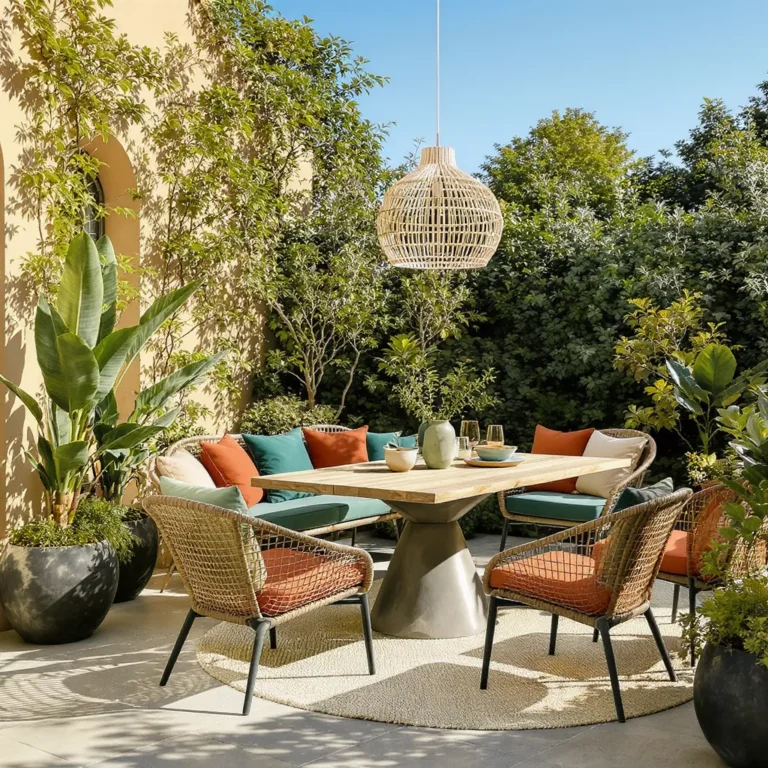
Rattan has been a fixture in garden design for generations. In 2026 it’s still valued, whether used in its natural state or as recycled synthetic. Responsibly sourced natural rattan offers a biodegradable option with a hand-made look that’s hard to mimic. Taken from fast-growing palms, it can be a renewable resource if harvesting is done with care. Moreover, its appeal often lies in the weaving, each piece has its own variations.
Recycled synthetic rattan, made from reused plastics, brings a different set of benefits. Additionally, it’s designed to handle tough weather and carries an eco-friendly story. The fibres resist fading, cracking, and mildew. Some makers even use reclaimed ocean plastics.
For those who like the woven look but want low upkeep, recycled synthetic rattan can be the practical choice. In contrast, it handles rain, frost, and long hours of sun without warping. Ultimately, whether you’re drawn to the warm, textured feel of natural rattan or the durability of recycled synthetics, the decision comes down to lifestyle and design tastes.
More comparisons are in Rattan vs Aluminium vs Teak: Best Outdoor Furniture for Gardens. You can also explore Choosing the Best Outdoor Furniture Materials for UK Gardens for more insights.
For further reading on sustainable design trends, see The Aluminium Association and Forest Stewardship Council.
FSC-Certified Acacia Wood for Sustainable Outdoor Furniture
Acacia is a fast-growing hardwood recognised for its unique grain and reasonable cost. By 2026, demand is shifting toward FSC-certified acacia, sourced from forests managed with a long-term approach. Consequently, the FSC label shows harvesting methods that protect biodiversity while delivering measurable benefits to local communities.
Thanks to its strength, acacia works well for everyday furniture like dining sets, coffee tables, and accent pieces. Moreover, it resists decay and has rich grain patterns. Maintenance is simple, occasional oiling is usually enough. For those looking for a more affordable alternative to teak, FSC-certified acacia offers similar quality.
Because it supports reforestation and helps maintain healthy ecosystems, FSC-certified acacia is a strong option for sustainable hardwood. Furthermore, its relatively short growth cycle allows harvested areas to recover faster than many other species.
Making Eco-Friendly Outdoor Furniture Choices Work for You
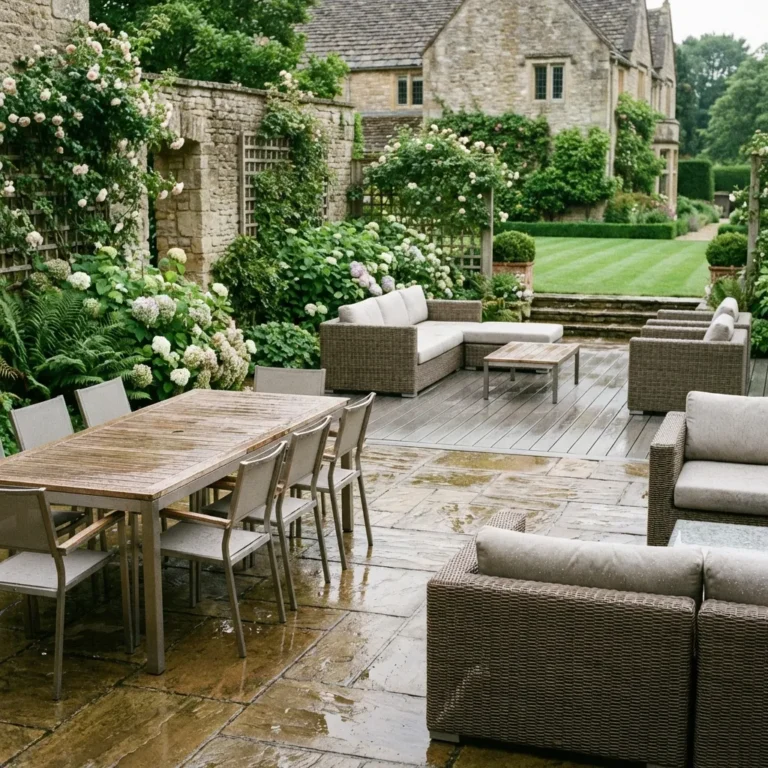
Choosing sustainable outdoor furniture often starts with the material. However, it works best when that choice matches your lifestyle and the realities of the UK’s unpredictable weather. Think about where each piece will stay once winter sets in, how much upkeep fits into your routine, and whether the style suits your garden’s look. Porous woods may need protective covers or a seasonal move indoors. In contrast, sturdy materials like HDPE or aluminium can stay outside all year with little wear.
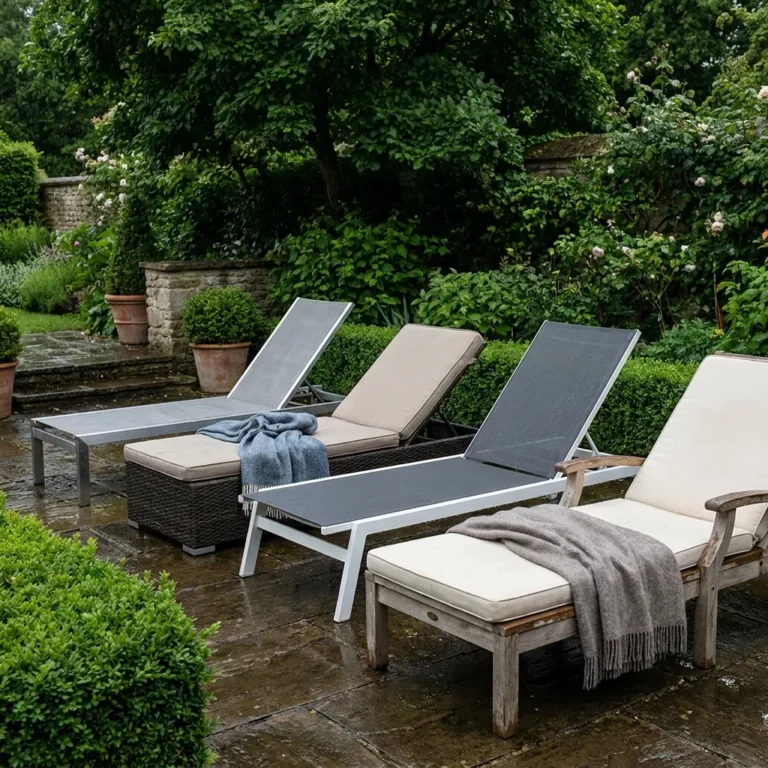
A practical option is pairing reclaimed teak tables with recycled aluminium chairs. This mixes natural warmth with clean lines. In addition, if low maintenance is your goal, HDPE loungers with synthetic rattan side tables offer long-lasting use with minimal effort. Combining materials can save money while keeping sustainability in mind.
Remember, materials age at different rates. Consequently, this affects cleaning routines, protective treatments, and future recycling or repurposing. Modular designs help here, letting you swap or upgrade parts without replacing the whole set.
Your Path Forward in Garden Furniture Sustainability
As you plan your outdoor space for 2026, think about how each furniture choice works with the environment. Using reclaimed wood, recycled metals, or timber from certified sustainable sources isn’t just about style. Moreover, it’s a direct way to cut waste and keep materials in use. The best picks are those that last, gain character over time, and stay comfortable.
Across the UK, more people recognise that sustainable materials offer environmental benefits along with long-term value. In many cases, buying durable, eco-friendly sustainable outdoor furniture means your garden stays practical and attractive through all seasons. This change fits the broader trend toward thoughtful purchasing.
You’ll find suppliers ready to share details about where their materials come from. Furthermore, compare options for strength and upkeep. Select pieces that suit your taste while showing a commitment to responsible living, keeping your garden appealing and helping protect the planet well into the future.
For a comprehensive overview of styles and durability, see Outdoor Furniture Materials: UK Buyer’s Guide 2025.