Backyard Design Tips for Stylish Outdoor Spaces
A great outdoor space doesn’t need to be huge or hard to care for. The best backyard design usually feels simple, calm, and easy to enjoy every day (which is really the whole point). It can work in a big garden, on a narrow patio, or even on a city balcony. What often matters most is how it feels when someone steps outside and settles in.
Today, more homeowners want outdoor areas that feel like real rooms. They want a place to lounge, eat, read, or just relax (and actually use often). A space for everyday life. They also want materials that last, furniture that keeps looking good over time, and layouts that don’t create extra work. That’s where smart garden living often starts: with choices that are easy to live with and simple to maintain.
This guide explains how to design a stylish outdoor space with clear zones, durable materials, and low-maintenance choices. It also includes ideas for small patios and eco-friendly upgrades, along with ways to create a luxury look without clutter (which usually matters even more in smaller spaces). Simple, but truly useful. If a polished and practical space is the goal, these backyard design tips can help.
Start With Zones, Not Just Furniture
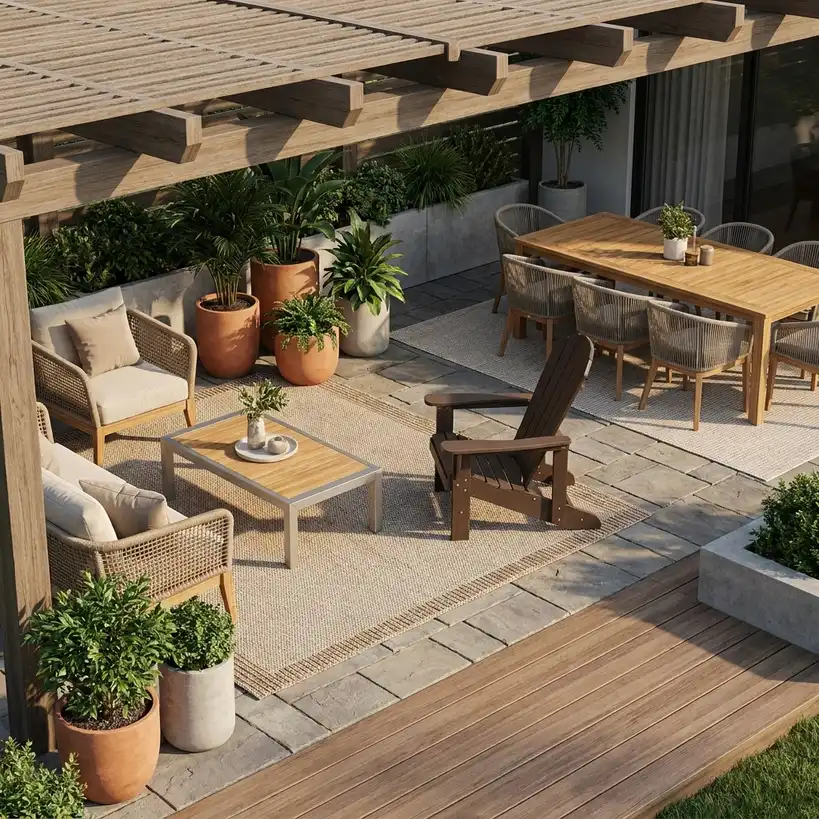
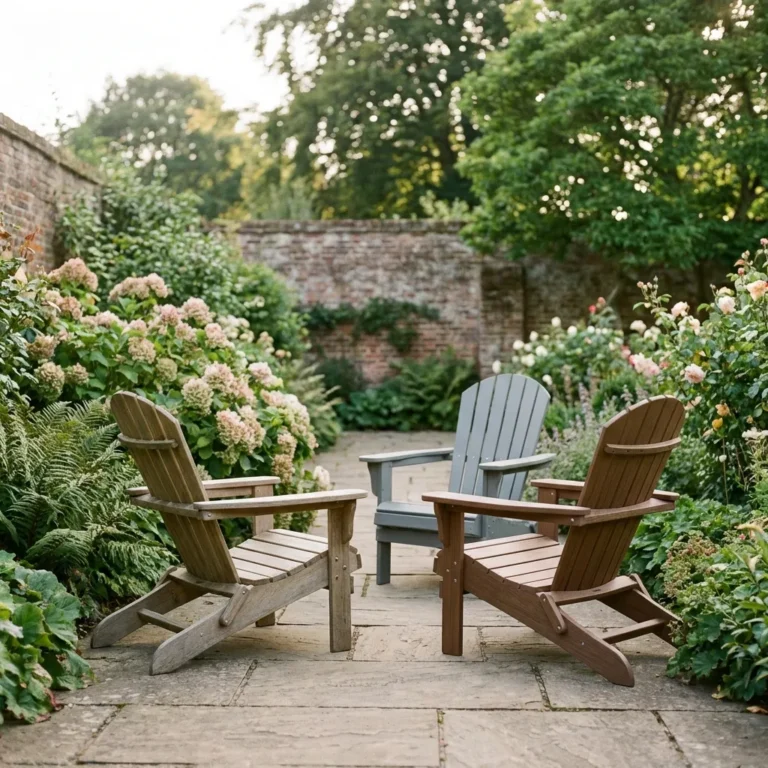
One of the biggest shifts in backyard design is moving away from one big open setup and toward a few practical zones. Instead of spreading chairs and pots around the garden, it often makes more sense to begin with how the space will really be used. Maybe that means a lounge area for slow mornings, a dining spot for weekend meals, or a quiet corner where someone can sit and read for a bit.
Current trend data helps explain why this matters. Houzz found that 83% of outdoor projects include lounge or seating areas, 55% include dining areas, and 53% include quiet retreats or reading areas.
| Outdoor feature | Share of projects | Why it matters |
|---|---|---|
| Lounge or seating area | 83% | Creates a daily-use relaxation zone |
| Dining area | 55% | Supports outdoor meals and hosting |
| Quiet retreat or reading area | 53% | Adds comfort and wellness value |
| Outdoor cooking zone | 48% | Expands function beyond seating |
That points to people planning around real daily use, not just looks. A good layout can also make a smaller space feel larger, because each area has a clear purpose. In many cases, even a balcony can work well with two zones. For example, a small bistro set for coffee can sit near the door, while a slim bench with cushions along one side makes a simple reading spot. It feels easy to use and practical at the same time.
Instead of overcrowding a yard with excessive features or plant varieties, the emphasis is on clean designs, intentional layouts, and functional pieces.
That same idea can work well in outdoor spaces of almost any size, which is probably one reason it keeps appearing. One helpful approach is to choose fewer pieces and make sure each one really earns its place. If a lounge zone is the goal, deep seating with weather-ready cushions may often be more useful than adding several small chairs. For more current layout ideas, this article covers them here: Transform Your Outdoor Space: Design Tips and Ideas.
Choose Materials That Look Good and Last
Luxury garden living is partly about looks, but it also depends on how well the furniture holds up over time. Outdoor pieces usually need to handle sun, rain, and regular use without turning into a constant maintenance job, which most people would rather avoid.
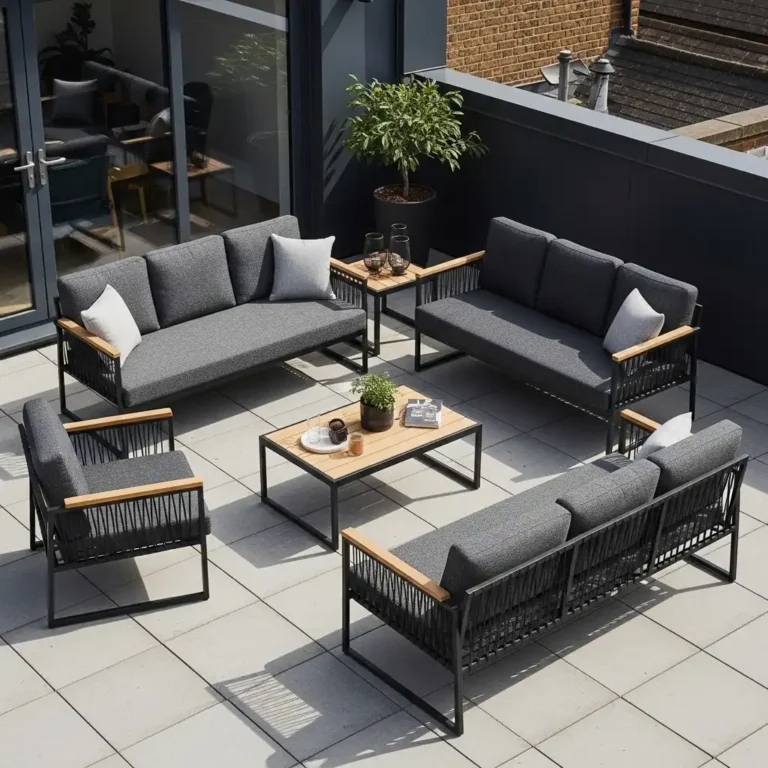
That is why the material matters so much. Powder-coated aluminium frames are a popular choice because they resist rust, stay fairly light to move, and are easy to clean. Teak is liked for its natural beauty and for lasting a long time, so it often feels like a solid option. Synthetic rattan gives that woven look while usually needing less upkeep than natural fibres. Composite tops and tempered glass surfaces can also make an outdoor dining table easier to wipe down after meals, especially for households that eat outside often.
Brands that focus on long-term outdoor use often combine these materials, so the same piece gives you both style and durability. Many premium dining and lounge collections, for example, pair aluminium frames with rattan or rope details, then add thick cushions made for outdoor conditions like sun and rain. That often gives homeowners a more polished look without as much worry about quick wear after regular use.
The aim is to create a seamless transition between indoor and outdoor spaces, ensuring the same level of comfort and thoughtfulness you would apply to any interior room.
So that indoor-outdoor link should help guide the final choice. Before buying anything, ask a couple of questions:
1. Will it suit my climate?
Choose frames and fabrics that handle your weather, it’s pretty simple, and usually important.
2. Can I maintain it easily?
Easy-care surfaces usually save time, which is always nice. They can also help protect your investment.
3. Does it fit my style long term?
Classic shapes and good-quality finishes usually last better than trend-led pieces, especially if the space needs to work well for more than one season.
If you’re comparing woven styles with more comfort-led seating, that’s covered here: Garden Sofa Set Trends & Buying Guide for Stylish Outdoor Living.
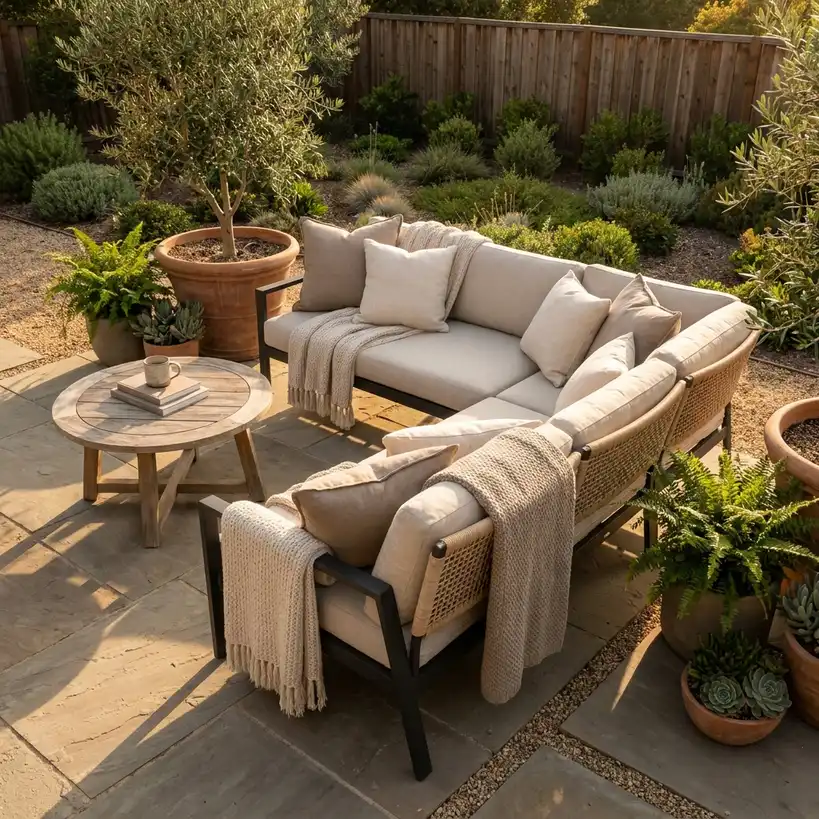
A simple setup can still feel inviting. Even a two-seat sofa with a coffee table often feels more comfortable than trying to fill a whole patio, balcony, or bistro corner with extra furniture. Weather-resistant scatter cushions can also add softness and colour, which helps a lot, especially in smaller bistro spaces and on balconies where every detail tends to stand out.
Design for Comfort, Shade, and Daily Use
Even the prettiest patio probably won’t get used much if it feels too hot, too open, or just not comfortable enough for long stretches of sitting. That’s why the best backyard design plans usually begin with comfort, which honestly makes a lot of sense. It tends to be the part that makes everything else actually useful.
One clear sign of this shift is the growing use of shade features. Houzz reports that 35% of outdoor projects now include shade structures, up 15 percentage points from 2024. At the same time, many homeowners are choosing upgrades that make outdoor spaces easier to enjoy every day instead of focusing only on resale, and that says a lot about how these spaces are being used now.
While worn or damaged outdoor elements are still the primary reason for renovations (41%), homeowners are increasingly driven to enhance their spaces for comfort (25%, up three percentage points from 2024).
That shift is easy to see. People want outdoor spaces that fit daily life. A pergola, parasol, covered patio, or even a well-placed screen near a seating area or dining spot can turn a garden from something that just looks nice into a place that gets used every week. It’s more practical and, in most cases, a lot more enjoyable too.
Common mistakes are easy to spot:
Too little shade
A sunny patio looks great at noon, and that’s nice. But on warm days, it gets uncomfortable fast, so you likely won’t use it much.
Furniture that’s too small
Tiny seats can make a big room feel less nice, which usually isn’t great. They can leave you uncomfortable too. Not ideal.
No side tables
People usually want a spot for drinks and books, I think. Snacks often end up there too.
Poor flow
Leave enough space to move around dining chairs, loungers, and planters, because it really does make a difference to how the area feels and works.
For dining and entertaining, it often helps to begin with how the space will actually be used. In smaller areas, a round table often works well because it softens the layout and makes it easier to walk between the table and nearby walls or borders. In larger gardens, a dining area near a lounge space can feel more natural, letting guests move from meals to more relaxed seating with little effort. Many premium outdoor dining sets now combine rust-free frames with teak, rope, rattan, glass, or composite tops, so they fit both modern homes and more traditional settings.
If woven finishes appeal, we covered that here: The Latest Rattan Garden Furniture Designs 2026 in the UK.
Make Sustainability Part of the Design
Sustainability is no longer just a side note in garden living, which is probably a good thing. In a well-designed outdoor space, more people now expect it to be part of the plan. Research shows that 51% of homeowners are prioritising sustainable landscaping practices in 2025. At the same time, 49% are interested in drought-resistant plants. That’s a pretty encouraging sign. More than half also want pollinator-friendly planting, so bees and butterflies can benefit too.
That still doesn’t mean a garden has to look wild or untidy. Sustainable spaces can still feel polished and carefully planned while staying neat. Here are a few ideas:
Reduce high-maintenance lawn areas
Hardscaping, gravel, or planted beds can lower water use and often help cut mowing, so yard work usually shrinks.
Use durable materials
Furniture that lasts is usually more sustainable. And I think it’s better than replacing cheap sets every few seasons.
Choose native or climate-friendly plants
These often need less water, which really helps. They also usually need less care.
Add layered planting
Trees, shrubs, and pots can soften furniture zones while adding a bit more privacy, which is always nice to have. Houzz found that 74% of homeowners want plants, shrubs, or trees in their outdoor areas, and that makes sense here. Greenery often helps even a luxury patio feel more welcoming and settled. A teak bench next to grasses, or a rattan bistro set framed by tall planters around the seating area, gives the space a calm, planned look and often helps it feel more relaxed.
A well-made outdoor collection from Rengard trendy outdoor furniture works with this approach, since long-lasting quality, weather-ready materials, thoughtful design, and a better ownership experience over time can help reduce waste for you.
Use Smart Ideas for Small Patios and Balconies
A good backyard design doesn’t need a big lawn. Even small outdoor spaces can look stylish and expensive when each piece has a clear purpose. In spaces like these, it usually comes down to good scale, smart storage, and a calm look that doesn’t feel packed.
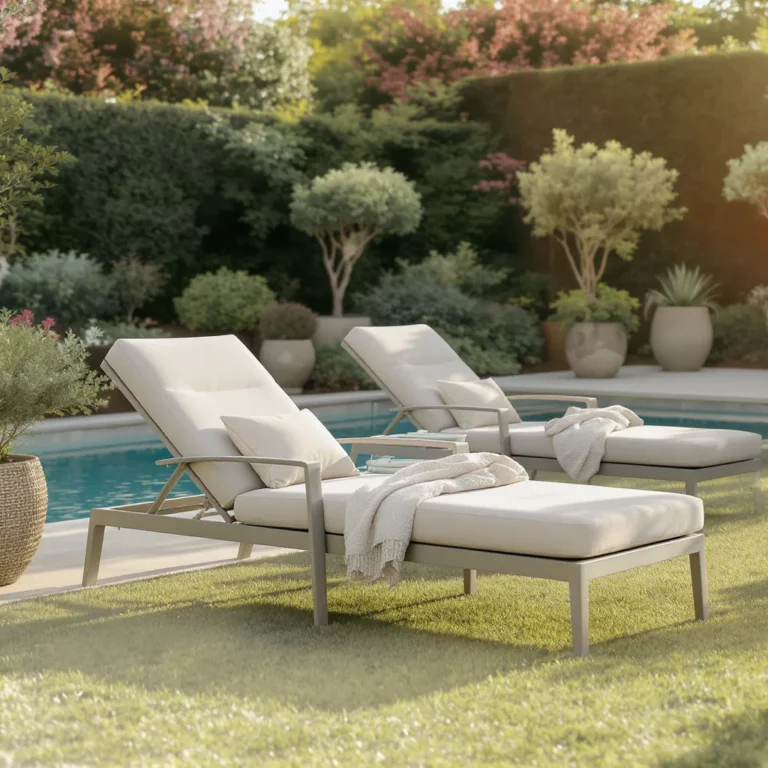
Furniture that really fits the space usually works best. A compact bistro set, slim lounge chairs, or a small coffee table often makes more sense than oversized pieces that block movement and make the area less comfortable. In many balcony layouts, a round table with two cushioned chairs is enough for coffee and evening drinks. It’s simple, useful, and often all the space needs. A compact footstool can also work as an extra seat.
Vertical design helps too. Wall planters, climbing greenery, and tall pots bring in nature without using much floor space. Soft outdoor cushions can make a small setup feel more finished, while removable covers make them easier to care for. That way, the space stays practical too, which people often like.
Try this small-space formula:
One main use
Dining, lounging, reading, or just relaxing, really.
One flexible item
A footstool, folding table, or maybe even a chair you can stack.
One soft layer
Cushions or maybe a throw. It’s for outdoors.
One green layer
Tall planters or a vertical garden.
The goal isn’t to squeeze everything in, which usually isn’t possible anyway. It’s to make the space feel useful and calm. Simple, but still important.
Bring It All Together With a Simple Plan
The best garden living spaces usually do not feel crowded. Instead, they feel open, comfortable, and built around how people really spend time outside, which is often the whole goal. A good place to start is by splitting the area into clear zones. Then pick materials that can handle rain, sun, and everyday wear while still looking polished. It also helps to think about shade early, because that often changes how much the space actually gets used, especially on hot afternoons. Planting and hardscaping can also support sustainability, for example by improving drainage or reducing extra watering. If the patio is small, keep scale in mind and choose flexible pieces that can do more than one job.
Here’s one more expert insight on this trend.
Homeowners expect their outdoor spaces to be fully furnished, multi-functional outdoor rooms.
That is the standard now. People want outdoor spaces that feel just as comfortable and well planned as their interiors, and that honestly makes sense. The good news is that everything does not need to happen at once. Start with the main goal. It might be a deep seating sofa for relaxing in the evening, an outdoor dining table for family meals, a balcony furniture set that makes a small city space feel more welcoming, or something else that fits the way people live.
When the design has a clear purpose and includes durable pieces, the backyard becomes more than something nice to look at. It becomes part of the home, somewhere that will likely get used more often and enjoyed in a real, everyday way.

One Comment