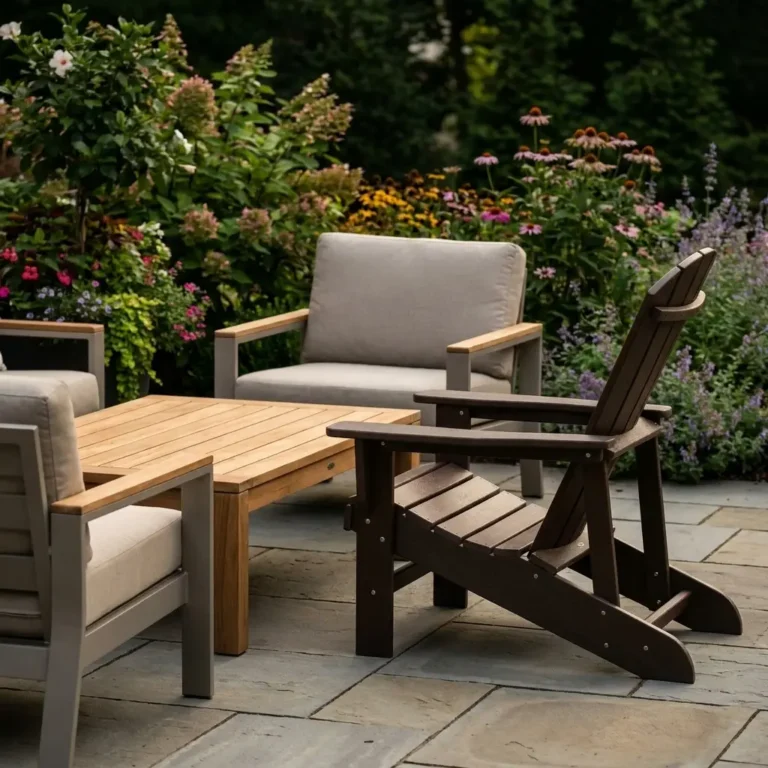
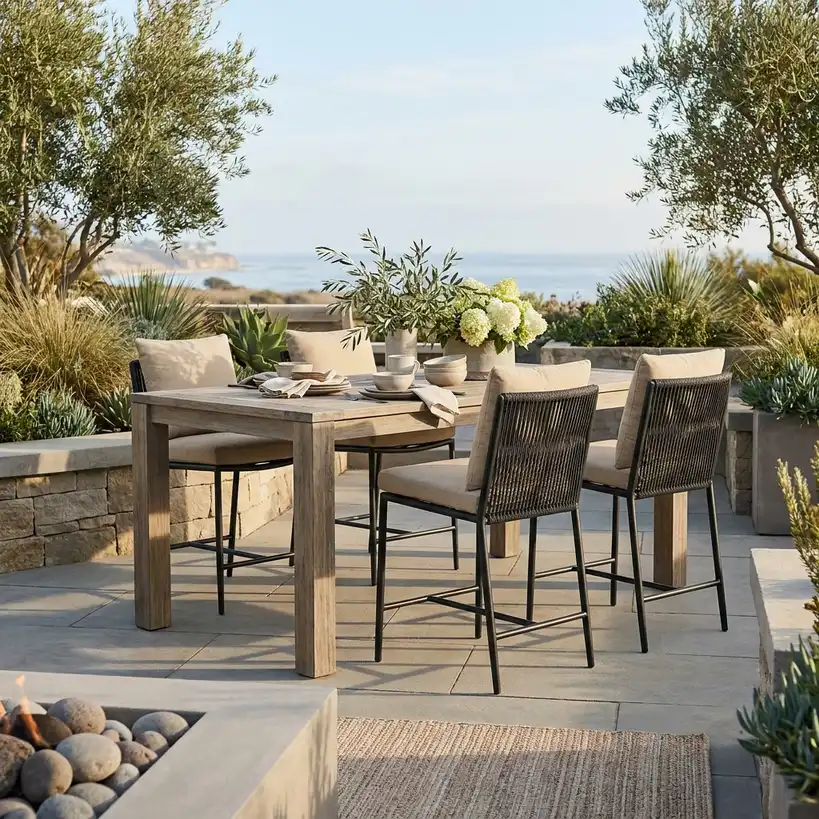
High Back Chairs: A Guide to Comfort and Style
Choosing seating seems simple until you end up with the wrong high back chairs to live with. A design can look great in a showroom or on a website, yet after a long meal, a quiet evening on the patio, or a few months of British weather, the problems usually show up fast. The backrest feels too low. The frame starts to show wear. Cushions begin to lose colour. What first seemed like a smart buy becomes something that is not very enjoyable to use, and that is frustrating.
That is where high back chairs come in. They offer more support than many low-profile options, and they can bring a refined, premium furniture feel to both indoor and outdoor spaces. They often sit in a practical middle ground. For homeowners and people who enjoy outdoor living, they can feel luxurious without always being too expensive. They also work with different styles, from Scandinavian calm to industrial edge, and they often suit warm, natural garden design too, which helps when personal style changes over time.
This guide explains how to choose high back chairs with confidence. It covers comfort, sizing, materials, weather resistance, style, maintenance, seasonal use, and the buying mistakes worth avoiding. It also examines how high back chairs fit into modern home styling and patio styling, where buyers now use outdoor spaces more like living rooms, with proper dining areas, lounge corners, and softer furnishings. For anyone comparing dining sets, lounge seating, accent chairs, or similar options, this article helps narrow down choices that combine durability, good looks, and long-term value.
Why High Back Chairs Are in Demand
High back chairs are in greater demand because people expect more from furniture now. They are not looking for pieces that only fill a space. They want seating that supports the body, looks polished, and holds up to everyday use. That matters indoors, and it often matters even more outdoors, where furniture has to handle rain, sun, dirt, and changing temperatures.
That broader shift is visible in the market. Mordor Intelligence estimates the global outdoor furniture market will reach $20.5 billion in 2026 and grow to $24.98 billion by 2031 at a 4.04% CAGR (Mordor Intelligence). The luxury furniture segment is also growing, which points to stronger demand for better materials, longer-lasting products, and more refined design (GII Research). In my view, that suggests buyers are paying closer attention than before.
These figures matter because they show a clear buying pattern: people are choosing more carefully and usually want premium furniture with practical value at the same time. High back chairs fit that balance well. They offer better upper-back support, often feel more substantial, and can help a dining area, conservatory, patio, or garden room feel more complete and visually grounded, especially around a table or seating set.
Many homeowners also value the visual structure these chairs add. A taller silhouette can frame a table at the head or along the sides, define a lounge zone, and make a mixed-material setting feel more thoughtful and intentionally designed. I think that is a main reason demand often continues to grow.
What Makes a High Back Chair Comfortable?
Comfort is often the first thing people notice in a high back chair. A taller back supports the upper spine and shoulders, and sometimes the head too, which often helps more than people expect. That can make a real difference during long meals, reading, or relaxed evening seating at the dining table or in a living room corner.
But comfort is not just about height. A good chair usually combines several details, including back support, seat shape, and padding. In most cases, that mix makes the difference.
Back angle and posture support
A slightly reclined back can feel more relaxed, which is nice. For dining, though, a more upright angle usually works better, especially at the table. If it is too upright, the chair can feel stiff. With too much lean, eating often feels awkward.
Seat depth and seat height
A deep seat feels more like a lounge seat, which can be nice in a living room. Shorter users may notice quite quickly that it does not suit them as well. A shallow seat often feels neater and more formal, but usually less relaxing, especially in a dining area.
Cushion quality
Outdoor cushions should keep their shape, drain well, and dry fast, especially after rain. Indoor chairs can use softer fills, and that’s often fine, but they still need support. Poor cushions flatten fast and can make even a sturdy frame feel cheap.
Arm support and edge softness
Rounded arms, woven rope details, or padded armrests can make a sofa more comfortable than many buyers expect. It’s a small detail, but it often makes a noticeable difference in everyday use.
Performance fabrics are the closest thing to ‘magic’ that you’re going to find in the design industry. These fabrics are stain-resistant, odor-resistant, fade-resistant and environmentally friendly.
That is especially useful in family homes, entertaining spaces, and gardens where food, drinks, and changing weather are part of real life.
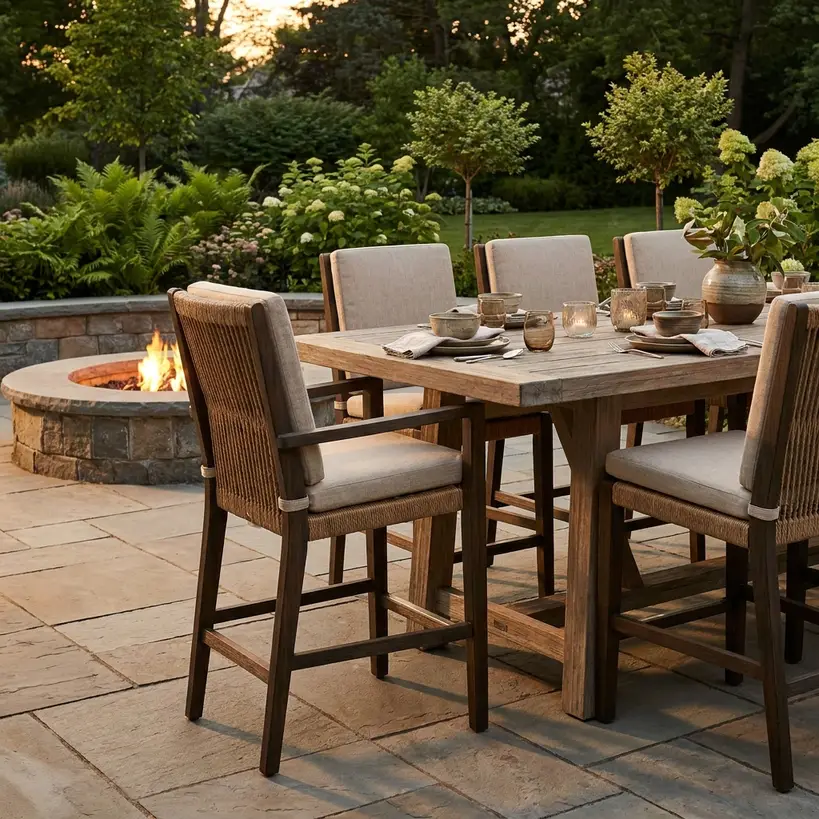
Best Materials for High Back Chairs Indoors and Outdoors
The material you choose often decides whether a chair feels like smart, premium furniture or more like a short-term compromise. It affects comfort, maintenance, appearance, and how well the chair is likely to last over time.
For outdoor settings, powder-coated aluminum, teak, all-weather wicker, rope, and HDPE are some of the strongest options. Indoors, solid wood, metal, upholstered fabrics, and mixed-material frames can also work very well, especially when the build quality is high and the overall construction is strong.
A recent expert comment in Frederic Magazine helps explain why aluminum appears so often in modern outdoor seating. Dail from McKinnon and Harris said, “High-performance materials, aluminum is the strongest, yet it’s lighter weight than other metals like wrought iron.” (Frederic Magazine) That mix makes it practical as well as attractive. It is easy to move and, when properly finished, usually resists rust very well.
Teak is another strong choice. It offers a premium look, natural oils, and strong durability outdoors. Left untreated, it weathers into a silvery tone that many homeowners prefer. Rope and woven rattan-style finishes also add softness and texture, especially in Scandinavian spaces and more relaxed luxury settings, which is likely part of their appeal.
When comparing materials, a few points are useful to keep in mind:
- Aluminum: light, rust-resistant, and clean-looking with a modern feel
- Teak: warm, durable, and long-lasting in many outdoor spaces
- All-weather wicker: textured and inviting, especially for lounge-style seating
- Rope: stylish with a softer visual effect; usually best with strong frame support
- HDPE: easy to maintain and highly weather resistant
- Upholstered fabric: generally best indoors unless made with performance fabric and outdoor filling
For a broader look at outdoor durability, we covered this here: outdoor furniture materials in the UK. You can also compare broader buying advice in this guide to Benefits of Choosing Durable Outdoor Furniture for 2025.
How to Match High Back Chairs to Your Space
A chair can be comfortable and well made, yet still feel wrong if it does not suit the room or garden, and that happens more often than you might think. That is why proportion and visual balance matter here. It sounds simple, but it matters.
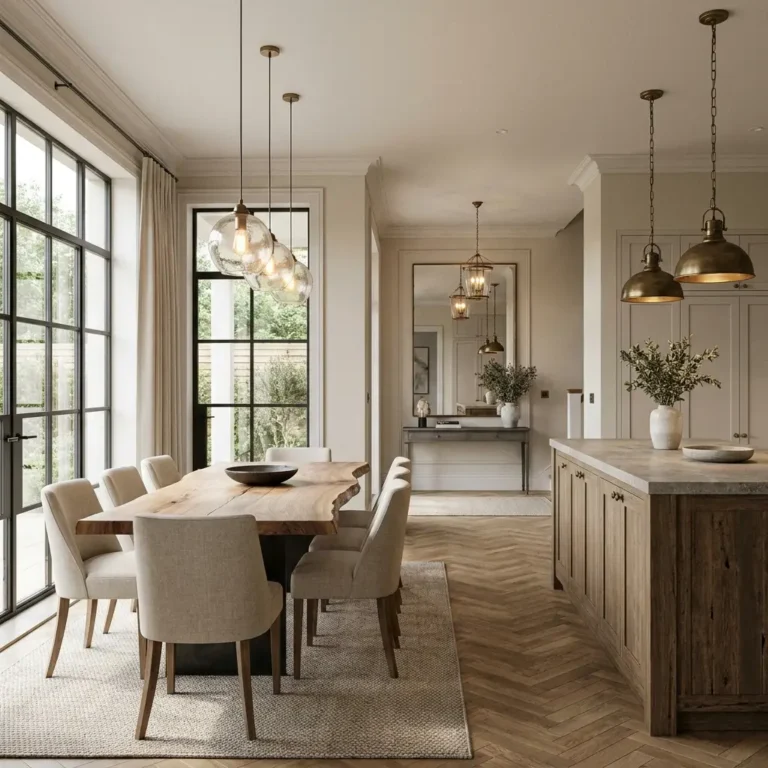
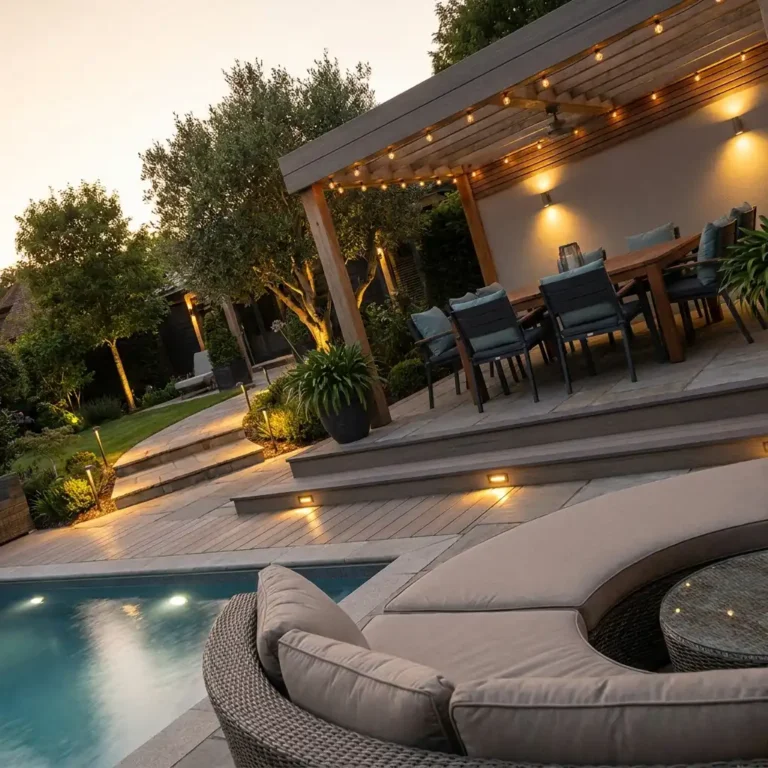
In dining spaces, high back chairs usually create a more formal, structured look around the table. They can also help a simple table feel more complete in a practical way. In lounges, they add height, which often keeps a low seating arrangement from feeling too flat. In a garden room or patio, they help define zones, especially with planters, lighting, a rug, or similar details nearby. They often work well as a visual anchor.
A good place to begin is with how the space is used.
For dining areas
Choose upright chairs with supportive backs and a seat height that fits your table well. A full set of matching high-back chairs will usually make the space feel more orderly and a bit calmer. Mixed end chairs can also add personality if that’s the look you want.
For lounge zones
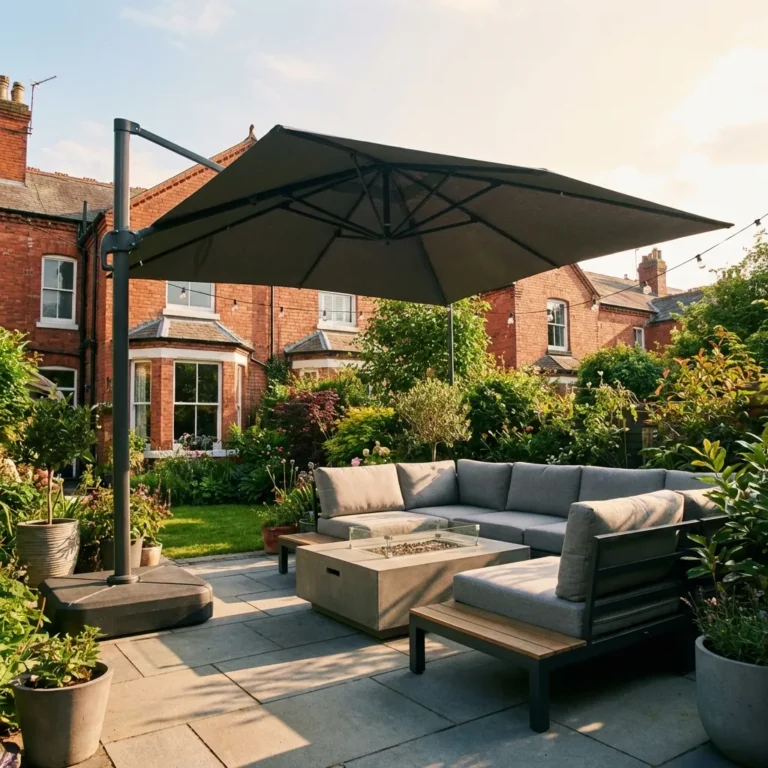
Choose deeper seats, softer cushions, and wider arms. They fit well in corners, near fire pits, and next to outdoor coffee tables (I think that helps). Usually, they feel very comfortable.
For compact patios or balconies
On a small patio or narrow balcony, the main challenge is usually keeping the space comfortable without making it feel cramped. Slim-profile high back chairs can work well for that. They still offer support, and open-frame designs often help even more because they look lighter and do not visually block the edges of the space. It is a small detail, but in tighter outdoor areas it is often quite noticeable.
Outdoor layouts are also shifting away from everything matching too closely. Architectural Digest points to layered, mixed seating as a strong design direction, and designer Tiffany Brooks says, “We like to combine different types of seating, such as reclining lounges and upright chairs.” (Architectural Digest) In that kind of setup, high back chairs are especially useful. They can anchor the arrangement, while lower pieces around them usually create a softer, less stiff look.
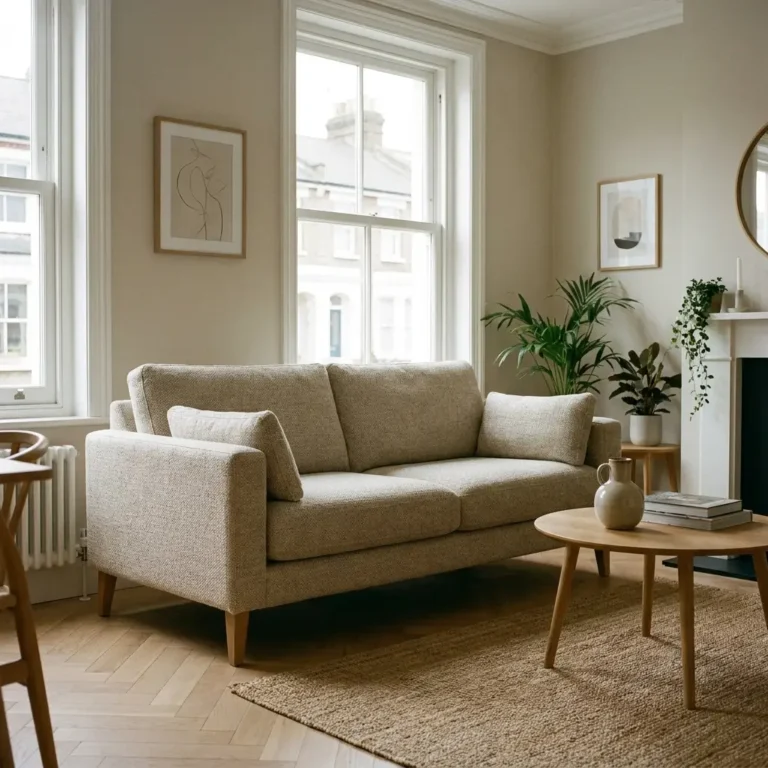
If the whole home is being styled, it can also help to see how statement seating works with other pieces, including sofas or accent furniture. That is covered here in this article on sofas and armchairs for UK homes, especially if styles are being compared. There is also useful inspiration in Creating Cozy Living Rooms with Stylish Furniture for balancing taller seating with softer interior details.
Choosing Premium Furniture Without Overspending
Many buyers hear the term premium furniture and assume it just means a higher price. But in practice, premium should mean better long-term value: stronger materials, smarter construction, better comfort, and a design that still looks current years later, not just for one season. That is a more practical way to judge it.
A cheap chair that needs replacing after two seasons is rarely much of a bargain. Paying a bit more upfront can often be the better option when the chair keeps its shape, colour, and comfort over time. This matters even more with outdoor seating on patios, decks, and in gardens, where furniture deals with UV light, moisture, and regular cleaning.
Forbes Vetted pointed to a patio furniture example made from resin wicker and powder-coated aluminum that could handle temperatures from -94°F to 176°F (Forbes Vetted). That is not a standard every chair meets, but it shows how premium outdoor products are often judged today. Appearance matters, and performance usually matters just as much.
When comparing options, focus on these value markers:
Frame quality
Check welded joints, sturdy legs, and even finishes. Usually, wobbling is a clear warning sign.
Cushion construction
You’ll want to check if the covers come off, if the fabric resists fading, and if the fill works for outdoor use. Pretty basic, really.
Material honesty
A chair that looks premium usually shouldn’t rely on weak hidden parts. Check descriptions closely so those details don’t get missed.
Warranty and service
Reliable aftercare usually shows real confidence in a product, at least in this case.
That is one reason brands like RENGARD may appeal to buyers looking for Scandinavian and industrial style, along with durable materials such as rattan, rope, and natural teak wood, which often matter in everyday use. It is a practical point. The main thing, though, is not to buy for status, but to choose the chair that works well in the living room, patio, or garden. Buyers comparing dining setups may also find this guide to High Gloss Dining Tables: Modern Elegance useful when matching seating with table finishes.
Weather Resistance and Long-Term Durability
Outdoor high back chairs need to handle more than bright, dry weather. In the UK, that usually means damp mornings, changing seasons, and plenty of time in storage or under covers, which is common. Because of that, durability is not just about the frame, even though that is often where it begins.
Powder-coated aluminium is a popular choice because it needs little upkeep and usually resists corrosion well. Teak also works well in wet climates and often gains more character with age. HDPE can last well too, and quality all-weather wicker can, in many cases, hold up well when it is made to a high standard. The frame is often not the first part to fail. More often, the finish, fittings, or cushions show wear sooner, and that is worth remembering.
So if you want to improve lifespan, pay attention to these details:
UV resistance
Sun can fade fabric over time, and it can also weaken some synthetic materials.
Water management
Quick-dry foam, mesh support layers, and breathable cushion covers help stop moisture lingering, which usually helps.
Rust protection
Even metal chairs usually need the proper coating, I think. Good hardware helps too.
Seasonal storage
Covered storage or breathable furniture covers can help almost any chair last longer.
Many homeowners only think about protecting furniture too late, which happens quite often. It usually makes more sense to treat it as part of the buying decision. A chair that is easy to clean and easy to cover is more likely to keep looking good over time. It may seem like a small detail, but it often makes a real difference. If a patio should keep looking effortless year after year with less upkeep, this matters just as much as colour, shape, and everyday practicality.
Care and Maintenance for Different Chair Materials
A useful buying guide should not stop at the purchase. One of the biggest gaps in furniture advice is often basic care tips, since regular maintenance can help protect both comfort and appearance over time, which is usually what people want.
Here is a simple care plan for common high back chair materials, covering the basics.
Teak
Clean teak with mild soap and water, then let it dry fully. If you prefer the silvered look, which is quite common, simple cleaning is usually enough. To keep the warmer tone instead, teak care products usually help most when used carefully and sparingly.
Aluminum
Wipe it with a soft cloth and mild cleaner, which is usually enough. Avoid harsh abrasives, though, because they can damage the powder-coated finish, which scratches fairly easily.
Rope and wicker
A soft brush, or a vacuum with a brush attachment, usually works well to remove dirt from woven areas. If needed, rinse it lightly, then let it dry fully so moisture doesn’t get trapped.
Outdoor cushions
Brush off loose dirt first. It often helps to clean stains early and, if possible, store cushions during long wet periods.
Indoor upholstery
Vacuum regularly, and it’s usually worth checking the fabric care label before cleaning. If one chair gets more use than the others, rotating seats helps stop wear from building up in that one spot.
These simple habits can add years to a chair’s life. It may seem like a small thing, but it helps support affordable luxury and more sustainable choices at home. Keeping well-made furniture in use longer is often better than replacing lower-quality furniture again and again.
Indoor and Outdoor Styling Ideas That Work
High back chairs are versatile, and their feel can change from formal to relaxed depending on the setting. The same shape may look elegant in a dining room, especially around a wood table, while in a conservatory it often feels cosier with softer textures nearby. On a patio, it can feel calm and airy, particularly when there is plenty of open space around it.
For Scandinavian styling, pale teak, soft grey cushions, and sand tones usually work well. It also helps to leave space around the chair so the area does not feel crowded. Indoors, a wool throw can soften the look, while outside, a textured outdoor rug often adds the right amount of warmth. For an industrial scheme, black metal frames pair well with natural wood or charcoal fabric. If the goal is a softer garden look, woven rope, natural timber, muted greens, and cushions with a simpler finish usually help the space feel calmer.
Colour can also change how premium furniture feels in a space. Neutrals usually age best in this case. Soft taupe, warm grey, stone, black, and natural wood tones are easy to layer with other decor. If trend-led looks appeal more, it is often better to bring them in through cushions, lanterns, planters, or table styling rather than the chair frame, since those details are easier to update later.
If you are interested in how neutral tones shape a whole room or patio, we covered this here: grey furniture trends. Outdoor entertaining layouts can also be explored further in Outdoor Furniture with Fire Pit: Stylish Garden Ideas.
Common Buying Mistakes to Avoid
Most regrets with chairs come down to a few common mistakes. The good news is that they’re usually easy to avoid once you know what to watch for.
A common problem is buying based on looks alone. A chair may look beautiful at first, but a poor back angle or shallow support usually won’t feel better over time. Looks can lose their appeal quickly if the chair is uncomfortable to use. Scale gets overlooked too. In a small room, a high-back chair can easily take over, especially when the frame feels bulky and adds too much visual weight. It also helps not to assume all weather-resistant furniture performs the same. Material quality can vary a lot, and that often becomes clear sooner than expected.
Another mistake is rushing into a full matching set. Mixed seating often feels more personal and can be more practical in everyday life, especially in busy homes. One chair may work better at the dining table, while another feels more natural for lounging. That flexibility has become a normal part of modern home styling and outdoor living, probably because the same spaces are often used in different ways.
It’s also worth considering who will actually use the chair. Older family members may want firmer support and a seat height that makes sitting down and standing up easier. Practical needs usually matter here. Children or guests, on the other hand, may benefit more from stain resistance than extra-soft fabric. In exposed gardens, durability often matters more than trend-based details, since weather can wear surfaces down faster.
When unsure, compare a chair on four points: support, frame, material, and maintenance. It’s a simple way to check. If any of those areas feels unclear in the product details, ask a few more questions before buying.
Frequently Asked Questions
Are high back chairs better for posture?
They can be. High back chairs support more of the upper body than lower-back designs, which may help many people sit more comfortably for longer periods. Good posture still depends on the seat height, back angle, and overall chair design.
What is the best material for outdoor high back chairs?
There is no single best choice for every home, but powder-coated aluminum, teak, HDPE, and all-weather wicker are among the strongest options. The right pick depends on your climate, maintenance habits, and style goals.
Are high back chairs good for small patios?
Yes, if you choose a slimmer design. Open frames, lighter colours, and narrow arms help a high back chair feel less heavy in a compact space. Measure carefully so the chair does not block movement around the patio.
How do I make premium furniture last longer outdoors?
Focus on furniture protection from day one. Clean surfaces regularly, store or cover cushions in wet weather, and use breathable covers during harsh seasons. RENGARD collections often use durable materials like teak, rope, and rattan-style finishes, which suit buyers looking for style with practical weather resistance.
Can high back chairs work indoors and outdoors in the same home style?
Absolutely. Many homeowners use similar colours, textures, and materials across indoor and outdoor areas to create a connected look. RENGARD is a useful example of this approach because its Scandinavian and industrial style pieces can support a consistent visual flow between home and garden spaces.
Do expensive chairs always mean better quality?
No. Price alone does not guarantee better comfort or durability. The better test is to look at materials, construction, cushion quality, finish, and how easy the chair is to maintain over time.
Smart Ways to Choose the Right Chair for Years Ahead
The best high back chairs need to do more than one thing well. They should support the body, fit the room or outdoor area, and stay in good shape over time. That mix is what makes a chair feel like premium furniture in a practical way, not just something with a higher price tag. That is usually what people want: a chair that looks good, feels comfortable, and keeps working well year after year.
As you compare different options, these points from the guide are useful to keep in mind:
- comfort depends on more than chair height alone
- material quality affects durability and ongoing maintenance
- outdoor spaces deserve the same styling attention as indoor rooms
- premium value comes from lifespan, not only first impressions
- weather resistance matters most in the conditions you actually have, like rain, strong sun, or damp air
- mixed seating layouts can often feel more natural than rigid sets
The market for outdoor and luxury furniture is growing because buyers want pieces that feel more carefully chosen. High back chairs fit that shift well. They add support, structure, and style to dining areas, patios, conservatories, and lounge spaces, which is often why they stand out so clearly. A good place to start is with the basics: measure the space carefully, match the material to the setting, and choose a design that will likely still feel right in a few years.
At that point, high back chairs stop feeling like just another kind of furniture. They become a thoughtful upgrade in comfort and style for the home. Simple, long-lasting, and usually worth the care that goes into choosing them.