
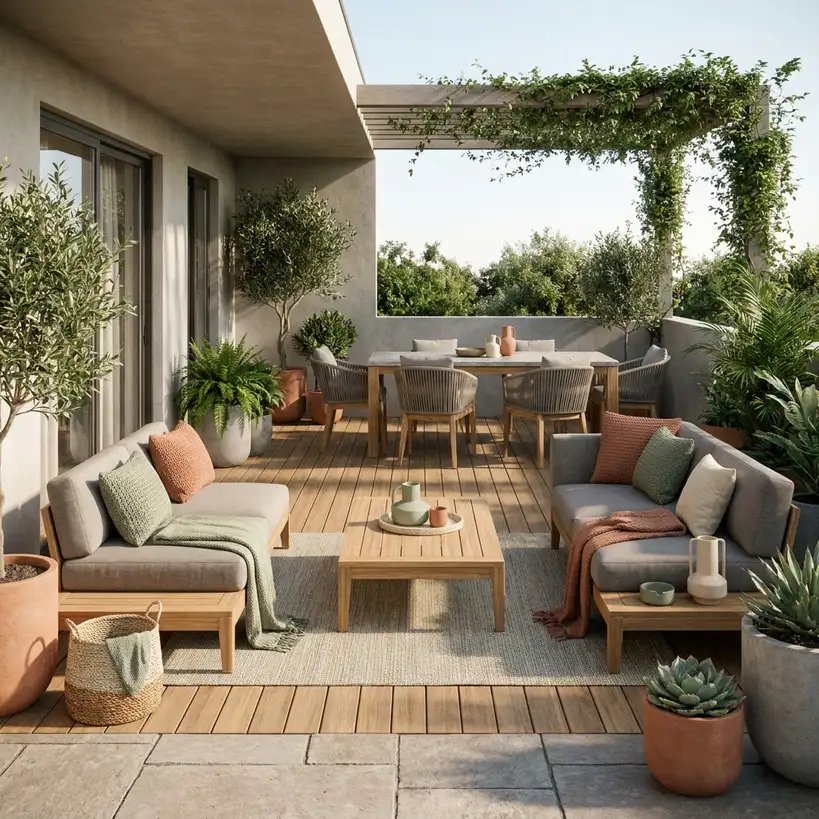
Exploring Grey Furniture Trends for 2026
Grey furniture is changing in 2026, but it is not disappearing. That is the main thing homeowners need to know. For years, grey was the safe choice for indoor and outdoor spaces because it felt modern, easy to pair with other colours, and simple to live with. That long-term appeal usually comes from how flexible it is. But design trends do not stay the same, and the shift now is quite clear: very cool, icy grey is starting to lose appeal, while warmer grey furniture is still staying in place.
That matters when styling a patio, garden, balcony, or trying to link indoor and outdoor rooms with one consistent look. Grey furniture still works well because it is practical, versatile, and often appears durable. In many cases, it is still a smart choice. The best results now usually come from pairing grey with wood, stone, woven finishes, and earthy colours, which makes the overall look feel softer. So instead of taking over the space, grey often works better as a base for those textures and tones.
For homeowners, that is good news. Having a strong neutral base makes it easier to update cushions, rugs, planters, lamps, and other accessories over time. It also helps larger pieces such as sofa sets, dining tables, coffee tables, side tables, and lounge chairs stay relevant for longer, often longer than more trend-driven colours. In this guide, readers will learn which grey tones are fading, which ones are becoming more popular, how to style grey furniture outdoors, what materials work best, and how to keep a space current without following every short-term trend.
Why Grey Furniture Still Matters in 2026
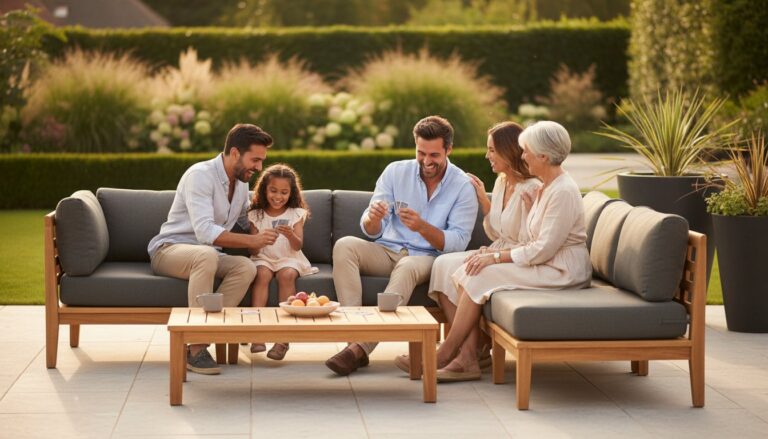
Grey furniture still matters in 2026 because it solves a few common design problems at the same time. It creates a calm base, hides everyday dust more easily than pure white, and works with many different styles. It is practical too, and that often matters more than people admit. That is even more true now that outdoor spaces are used more like indoor rooms. Patios are no longer just places for a plastic table and a couple of folding chairs. They are now used for dining, relaxing, reading, hosting, and everyday living.
The broader market reflects that demand as well. The global furniture market reached US$759.08 billion in 2025. Outdoor furniture is also expected to grow from $52.96 billion in 2025 to $55.34 billion in 2026. In most cases, that suggests buyers are still spending on better furniture choices, usually with comfort and durability in mind, (VividWorks, The Business Research Company).
At the same time, trend coverage suggests buyers want more comfort, stronger styling, and looks that last longer. Grey fits that need when used well. The reason is fairly simple. It can ground a modern sofa set, pair well with a stone-top dining table, and help bolder accents stand out, such as moss green cushions or terracotta planters, which usually appear more clearly against grey.
I’m seeing a strong shift toward materials like stone, wood, and woven fibers in earthy tones that blend seamlessly into the surrounding landscape, rather than contrasting with it.
So that helps explain why grey furniture still works. In 2026, it tends to work best when it feels connected to nature rather than separate from it.
The Grey Shades That Are In and Out
Not every grey is working the same way right now. The biggest shift for 2026 is that cool grey is starting to fall out of favour. Those blue-based shades that once felt sleek and modern can now make a space feel flat or cold, especially outdoors. In garden spaces, where people usually want something softer and more welcoming, that change feels even more obvious.
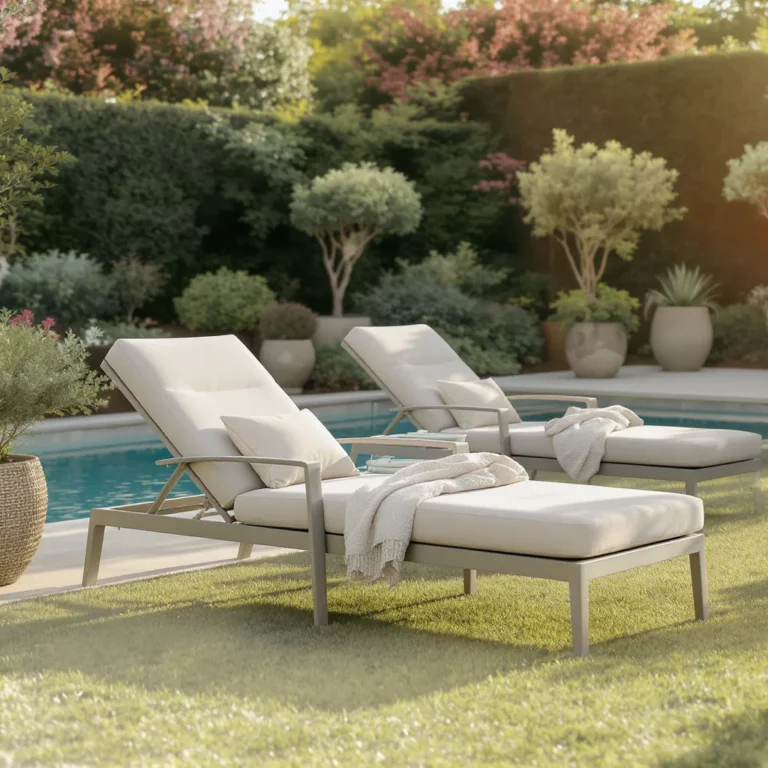
Warm grey furniture is proving to be a better fit. Think greige, stone grey, mushroom grey, weathered charcoal, and taupe-grey mixes. Grey still has the flexibility it has always been known for, but these versions often feel richer and much easier to style. They also tend to sit more naturally with materials and textures like teak, woven rope, rattan-style frames, brushed metal, and ceramic planters, which helps the overall look feel more settled.
A simple way to spot the shift is by comparing older grey palettes with newer ones. Older schemes often used silver-grey frames, light grey cushions, and black accents. Newer schemes usually pair charcoal or stone grey with beige, clay, sage, olive, oak, and sandy tones instead. It is a clear change, and that is often why a space starts to feel warmer almost straight away.
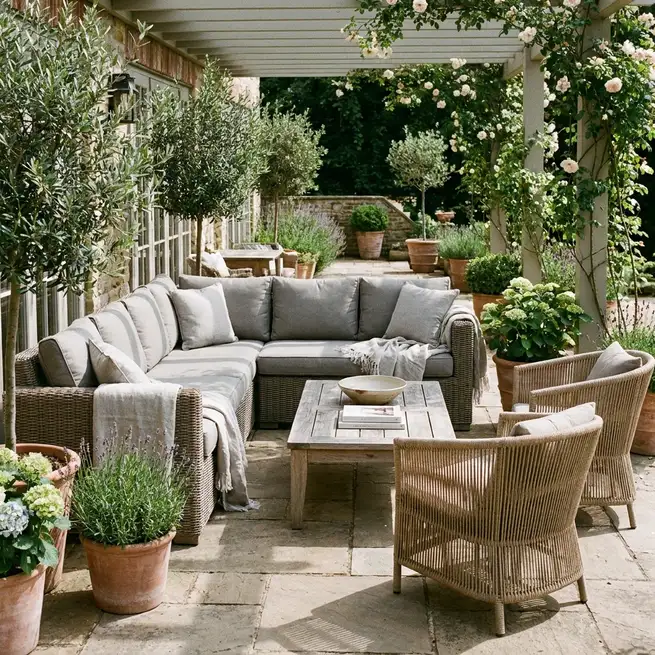
If you’re updating an existing space, replacing everything may not be necessary. Sometimes it is enough to switch the soft furnishings. Warmer cushions, a textured outdoor rug, and planters in earthy colours can make a noticeable difference. And if new furniture is on the list, grey pieces with a more natural finish usually work better than anything shiny or icy.
For a wider look at outdoor materials, this was covered here: Best Outdoor Furniture Materials UK: 2026 Expert Review. It connects colour choices with durability, so it is easier to see how appearance and material often go hand in hand.
Grey Furniture Works Best as a Base, Not the Whole Story
One of the smartest ways to use grey furniture in 2026 is to stop expecting it to do all the work in a space by itself. Grey usually works best as a base layer. It is more of a starting point. It gives a space structure, and then colour and texture can be added around it, which is often what makes everything feel finished.
That applies just as much on a small balcony as it does in a large garden. When everything around a grey corner sofa is also grey, the result can feel a little flat. Put that same sofa next to a teak coffee table, striped cushions, a woven throw, leafy planting, and other warmer details, and it usually feels much more current and well styled. In most cases, that is where grey works best. The same idea also suits dining sets, console tables in covered outdoor spaces, and indoor pieces like sideboards or TV units near garden doors, which people often forget about.
According to Homes & Gardens, outdoor spaces are increasingly being styled like indoor rooms, with more focus on comfort, personality, and layered design (Homes & Gardens). That helps explain why grey furniture still works so well. It is easy to style around, and warmer materials can be mixed in without much effort.
A simple styling formula is this:
- Start with grey furniture in a warm or mid-tone shade
- Add a natural material such as teak, oak-look wood, stone, or woven rope
- Bring in a plant-based colour like sage, moss, or olive, then soften the look
- Finish with an earthy accent like terracotta, rust, sand, or clay
This approach works across many product types. Grey sofa sets usually look better with timber tables. Grey dining chairs can feel softer beside a stone or wood dining table. Grey beds or wardrobes indoors also pair well with warm lighting, mirrors, rugs, and soft textiles. If you want ideas for connecting indoor comfort with furniture styling, we covered this here: Creating Cozy Living Rooms with Stylish Furniture.
The Best Materials to Pair with Grey Furniture
In 2026, material choice matters just as much as colour. Grey on its own can start to feel flat over time, and in some spaces that can happen fairly fast. Texture usually helps bring it back to life. It’s a small change, but it creates a visible difference, which is why so many current outdoor trends use mixed materials.
Wood still has a strong place in the market. One report puts the wood segment at 44% of the outdoor furniture market in 2025, while another says wood could reach 53.28% market share in 2026, depending on which segment is being measured (MarketResearchFuture, Fortune Business Insights). That matters here because grey and wood are, in this view, one of the best combinations available.
Grey frames with teak arms tend to feel warmer. Grey dining chairs placed around a solid wood dining table feel more grounded and balanced. A grey sofa beside a slatted timber coffee table feels relaxed rather than overly formal, which is often the aim in outdoor spaces. The overall effect feels natural and easy. Stone is another good match, so grey works well with travertine-look tops, concrete-style finishes, natural stone planters, and similar surfaces that add weight and texture.
Woven rope, wicker-look materials, and recycled composites can soften grey furniture too. They add shadow, pattern, and depth. This often works especially well on balconies and smaller patios, where stronger texture can make a compact area feel more thought through without adding clutter.
If the goal is long-term use, it helps to think in layers: frame material, fabric, tabletop finish, and accent texture. Good design now depends on more than choosing the right grey. The wider mix of surfaces around it matters too, often more than people expect.
How to Style Grey Furniture on Patios, Balconies, and Gardens
Grey furniture can work in almost any outdoor space, but how you arrange and style it should fit the setting. A large garden usually needs something quite different from a city balcony, and that is often the main difference. The good thing is that grey tends to adapt easily, so it does not need much effort to look right.
On patios, grey furniture often works best when it helps create separate zones. A grey sofa set can mark out the lounging area, while a separate dining table in wood or stone tones gives meals their own place. That usually makes the space feel more like an outdoor room, with one clear area for sitting and another for eating. On balconies, smaller pieces tend to work better, such as a compact bistro set, slim armchairs, a loveseat in stone grey, or even one simple bench. Planters and textiles can then soften the look, and that often makes a real difference. In gardens, charcoal or deeper greys tend to work well in open light. They also stand out against grass, trees, and flowering borders, which helps the furniture feel more settled in the space.
One of the strongest colour pairings for grey furniture in 2026 is green because it feels simple and natural. Chloe Barrow told Livingetc that green helps garden furniture feel more connected to the landscape, rather than looking as if it has been placed on top of it.
Botanical greens such as sage and moss are incredibly popular because they act as a visual bridge between your garden furniture and your garden foliage, allowing the garden to feel cohesive and at one with nature.
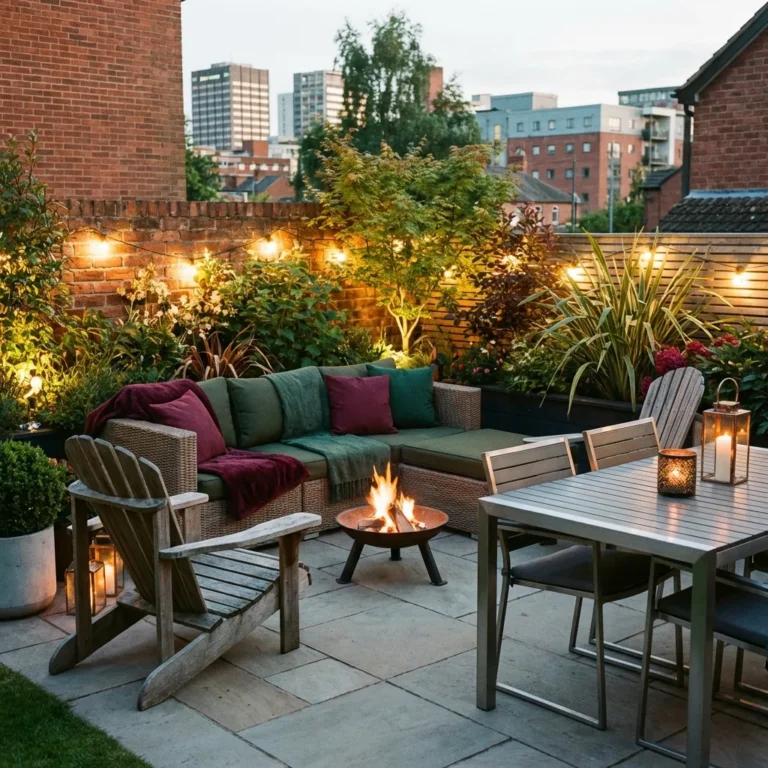
That is easy to try. Pair grey seating with sage cushions, moss throws, olive planters, or a few similar accents. Timber details and layered textiles add warmth. For a stronger evening look, use black lanterns sparingly instead of choosing all-black furniture, as this usually creates a softer contrast. We shared more ideas on warming up social spaces here: Outdoor Furniture with Fire Pit: Stylish Garden Ideas.
Grey Furniture Beyond the Patio: Indoor Trends That Connect in 2026
Grey furniture is moving indoors too, and that matters because many homeowners want one connected look from the living room right out to the garden. It is especially noticeable in homes with bi-fold or sliding doors, where the change between spaces is easy to see. If indoor furniture feels soft and warm while patio furniture looks cool and hard, the transition can feel a little off. Even broken.
In 2026, connected design is a big opportunity. A living room with a warm grey sofa, oak side tables, a textured rug, and a soft lamp can flow naturally into an outdoor area with a stone grey lounge set, a teak coffee table, and woven accessories. This kind of connection usually works best across those door openings, rather than only as a general idea. The same approach can also shape dining spaces, hallway furniture, and home office corners that look onto the garden.
This wider trend also opens up room for product categories that are often missed in outdoor-focused content. Console tables, sideboards, mirrors, lamps, wall art, cushions, throws, and rugs can all support a grey furniture scheme. Trends are not just about the main furniture pieces now. More often, the overall look comes together through texture, tone, and smaller accessories. Bit by bit.
Platforms like RENGARD fit naturally into this conversation because shoppers often need indoor and outdoor options that feel visually connected. That does not mean every piece has to match exactly. It means the tones, materials, and overall mood should work well together, and that is often enough. That balance can make a space feel more natural and easier to live with.
If you want the space to feel current, think less about buying a full grey set. Focus instead on building the room around a few strong grey anchors, then let the rest support that look in a natural way. You will probably get a better result, so the space feels connected rather than forced.
Common Grey Furniture Mistakes to Avoid
Grey furniture is easy to buy, but it is just as easy to style in a way that starts to look dated. One common mistake is choosing a cool grey with a strong blue undertone. In outdoor spaces, that can make everything feel harsh, especially in the softer light that is common in the UK, which really does affect how colour appears. Warm greys are usually the safer option because they tend to work better across different settings.
Using too much grey at once is another issue. Grey furniture with grey paving, grey fencing, grey cushions, and grey planters can make the whole area feel flat and all the same. In most cases, it is simply too much of one tone. It often helps to break that up with natural wood, greenery, cream shades, or textured fabrics. Even one or two of those changes can make the space feel more balanced.
Comfort is also easy to miss. Trend reports show a clear move toward outdoor spaces that feel more like proper living rooms than display areas. Seating depth usually makes a noticeable difference, and supportive cushions do too, along with practical tables that get used every day. Future Market Insights also notes that outdoor seating furniture holds a 32.4% share in 2026. That suggests seating remains a high priority for buyers (Future Market Insights).
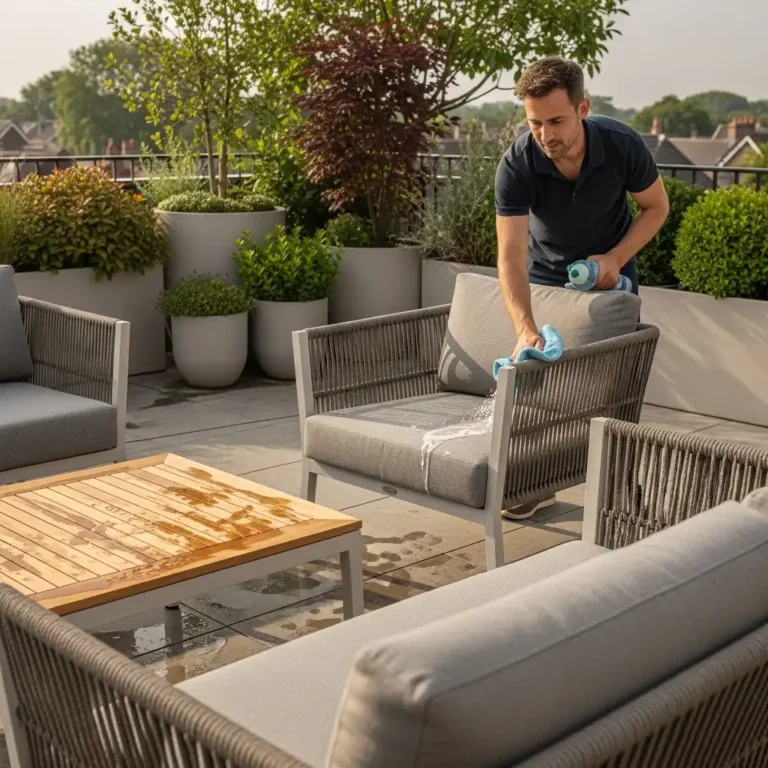
Maintenance is another area people often forget. Some grey fabrics fade faster in direct sun than many expect, and some low-cost finishes start to look chalky over time. Before buying, it is worth checking fabric performance, frame coating, and weather resistance. Grey may look durable, but it often only stays that way when the construction behind the colour is solid.
What Grey Furniture Trends Mean for Buying in 2026
If you’re shopping this year, it usually makes sense to pick grey furniture that can adjust as trends change. That often means avoiding very cold shades and looking instead for pieces with more texture, softer lines, and natural combinations. Grey usually feels more current when it includes curved shapes, woven details, or mixed materials, rather than looking flat or too sharp. I think those choices are often a better match.
Scale also matters here. Many trend reports say that outdoor spaces are becoming more intentional and more like real rooms, so buyers are choosing larger seating, clearer layouts, and zones with stronger definition (Today’s Patio). Because of that, a well-made grey sofa set with a proper coffee table may last better over time than filling a space with several small, mismatched pieces, especially in most cases.
For value, focus on pieces that can work across seasons and even between rooms. A grey side table may move indoors in winter, then back outside in summer. A dining chair with a timeless frame may still be useful later, even if the table changes. In my view, grey furniture works best when it gives you that kind of flexibility. Simple and useful.
Frequently Asked Questions
Is grey furniture still in style for 2026?
Yes, but the style has shifted. Cool, icy grey is losing popularity, while warmer grey furniture remains relevant. Stone grey, greige, and charcoal paired with natural textures feel much more current.
What colours go best with grey outdoor furniture?
The best partners are sage, moss, olive, sand, clay, terracotta, beige, and warm wood tones. These colours soften grey and help it feel more natural outdoors. Black can still work, but it is best used in small accents rather than as the main supporting colour.
Is grey furniture a good choice for a small balcony?
Yes. Grey furniture can make a balcony feel neat and calm, especially if you choose compact pieces with slim frames. To stop the area feeling dull, add plants, textured cushions, and one warmer material like wood or woven rope.
How can I make existing grey furniture look more modern?
Start by changing the accessories. Swap cool-toned cushions for warmer ones, add earthy planters, and bring in wood or stone accents. Even simple updates like a textured outdoor rug or sage green throws can make older grey furniture feel newer.
Where can I find grey furniture that works for both indoor and outdoor styling ideas?
A good place to start is a retailer that offers both furniture categories so you can build a connected look across the home. RENGARD is relevant here because its wider range makes it easier to compare styles across living, dining, bedroom, and outdoor spaces without forcing an exact match.
Should I choose grey furniture if I want a long-lasting look?
In many cases, yes. Grey furniture is still one of the most flexible options for long-term use, especially when the tone is warm and the materials are strong. If you want durability without chasing bright trend colours, grey remains a smart base choice, and retailers such as RENGARD can be useful for comparing timeless styles rather than only seasonal looks.
The Bottom Line on Grey Furniture for 2026
Grey furniture is not going away in 2026. It is simply changing in style. The earlier version of this trend focused on cool, flat tones and a sharp modern look. The newer direction feels softer, warmer, and more layered, which makes it easier to live with in everyday spaces. That is one reason grey still works well for patios, gardens, balconies, and indoor-outdoor areas.
The main takeaways are simple:
- Choose warm grey instead of icy grey
- Mix grey with wood, stone, rope, and woven textures
- Use grey furniture as a base rather than the whole palette
- Add botanical greens, earthy accents, and natural materials for balance
For anyone planning a full refresh, it usually helps to start with the largest anchor pieces. Sofas, dining tables, lounge chairs, or beds often set the direction for everything else. From there, the surrounding pieces can be added more naturally. If grey furniture is already in place, though, smaller updates can still make a noticeable difference. New cushions, rugs, lighting, mirrors, or planters may be enough to shift the overall look, and in many cases that is all the space really needs.
The best grey furniture trends for 2026 help a home feel calm, practical, and personal. A space that follows trends does not need to feel complicated. Often, the right tone, good texture, and some warmth are what make grey feel current without looking cold.
2 Comments