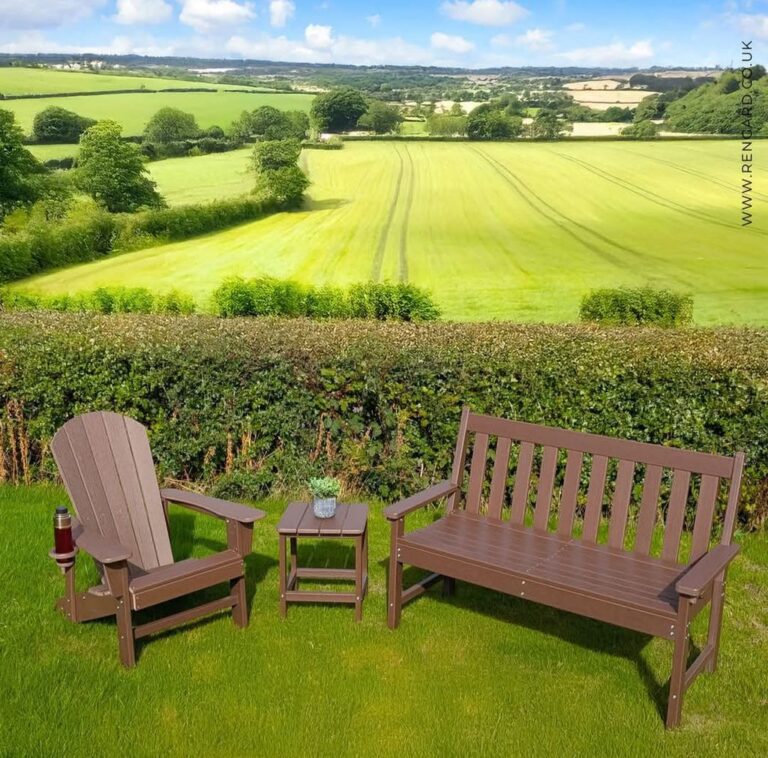
Choosing the Perfect Lounge Chairs for Your Garden
If you want lounge chairs that look good, feel comfortable, and hold up in real British weather, this guide walks you through the process step by step. It’s for homeowners, patio upgraders, outdoor living fans, and anyone looking for stylish outdoor furniture without making an expensive mistake, which happens more often than many people think.
A good garden chair should do more than fill space. It needs to suit your layout, support how you actually relax, and handle rain, sun, damp air, and regular use. That matters even more as demand for outdoor furniture keeps growing. Recent market research shows regular growth across the category, although overall market estimates vary depending on how the data is measured. One useful figure is that chairs account for 39.70% of the outdoor furniture market. That gives a clear sense of how much seating matters in outdoor design (Mordor Intelligence).
This tutorial covers how to measure your space, choose the right type of lounge chair, compare materials, check comfort features, match the style to your garden, set a realistic budget, and avoid common buying mistakes. You’ll also learn how to tell whether a chair is really made for outdoor use rather than just looking good in a product photo, which is often where the difference becomes clear. For ideas on Scandinavian simplicity, weather resistance, and affordable luxury, browsing collections from RENGARD may help as you compare finishes, materials, and layout options.
Before you start
Before you choose your lounge chairs, it helps to have a few basics ready:
- A tape measure
- The dimensions of your garden, patio, balcony, or deck
- Photos of your outdoor space in daylight
- A rough budget range
- Notes on who will use the chairs most
- Details about your local weather conditions, including rain, wind, and coastal exposure
- Optional: cushion storage space or a plan for furniture covers
Tip: Start with the measurements. Many lounge chairs look compact online, but once you add side tables, footstools, and enough space to move around easily, they often take up more room than expected. That is easy to miss while scrolling through photos, and it can quickly affect the whole layout.
Step 1: Measure your garden and decide where the chairs will go
Start with placement. Don’t choose lounge chairs until you know exactly where they will sit. Measure the full area first, then the usable space once planters, paths, doors, and swings are taken into account. It is worth doing this properly.
As a practical starting point, allow around 80 to 100 cm in width and 90 to 110 cm in depth for one lounge chair. If you are planning for two chairs, leave at least 40 to 60 cm between them for a small table or easier movement. A clear walkway of about 75 cm also makes a real difference.
The surface needs attention too. Wide chairs with narrow legs can sink into grass or gravel, which is easy to miss. On paving or decking, most frames will sit well. Softer ground usually works better with chairs that have wider feet, or with seating placed on a solid patio area.
It also helps to decide how the space will really be used. Will it be a reading corner, a spot for sunbathing, a place to sit near a fire pit, or somewhere for coffee and conversation? That choice shapes both the size and the chair style. Deep lounge chairs suit longer periods of sitting, while adjustable loungers are better for a full recline. Upright low-slung chairs tend to work better for shorter sitting periods.
A common mistake is measuring only the chair footprint. You also need space for reclining, getting up comfortably, and pulling on a cover. That becomes obvious very quickly once the chairs are in place. In a compact garden, slimmer frames and smaller arms usually make better use of the space.
We covered related layout ideas here: Premium Furniture for Outdoor Living That Lasts. You can also explore Top Outdoor Decor Ideas for Small Spaces if your garden layout is more compact.
Step 2: Choose the right type of lounge chair for how you really relax
Next, match the chair type to your lifestyle. It sounds obvious, but many buyers still get this wrong: they choose based on looks first and only later think about how they’ll really use the chair.
Before you buy, these are the main types to compare:
Adjustable sun loungers
Best for lying back fully, reading in the sun, or resting by the pool while keeping things simple. If the chair is heavy, look for wheels and a backrest with 4 to 5 locking positions, you’ll feel the difference.
Deep lounge armchairs
They suit patios, decks, and garden seating areas when you want more of a living-room feel, which is a nice touch. Layered cushions make them very good for long chats and evening drinks.
Chaise lounges
Their stretched-out shape gives them a more sculptural look, which fits well in modern gardens. They’re also a good choice when someone wants to relax alone.
Hanging or egg-style lounge chairs
They stand out, no question. But they need more space around them, and for older adults, getting in and out is not always easy, that’s the trade-off.
Stackable or folding loungers
For smaller gardens or homes with limited winter storage, stackable or folding loungers are a practical choice, especially if space is tight.
Current buying trends show that people want outdoor furniture to feel more like indoor seating, with curved lines, softer shapes, and plush comfort (Nordic Nest). They are no longer seen as only practical sunbeds. A lounge chair can become the visual focus of the whole garden, so its shape makes a real difference.
Tip: If more than one person will use the chairs, think about body height and mobility. Low, deep seats can look stylish, but they can also be harder to get out of.
Step 3: Pick a material that matches your climate, not just your taste
Durability starts with the material. A practical way to choose is to match the frame and finish to your local weather first, then narrow it down by the style you prefer.
For a wet, windy, or exposed garden, powder-coated aluminium is one of the strongest low-maintenance options. Francesca Hadland, a Bridgman expert, says the following in Ideal Home:
A powder-coated aluminium or powder-coated steel frame will give you absolute rust resistance and year-round protection.
Teak is another strong choice. It has a premium look, ages well, and, if it’s well made, can last 20+ years in rainy conditions, according to material guidance collected by Marvin Bucknell. Aluminium is listed at 10 to 15 years, and stainless steel at 15+ years. Resin wicker usually lasts 5 to 10 years, while plastic tends to last 3 to 8 years, depending on build quality and how exposed it is, so construction details can make a real difference (Marvin Bucknell). Forbes Vetted also points to teak, aluminium, and HDPE as reliable weather-resistant choices for outdoor use (Forbes Vetted). For a broader comparison, Best Outdoor Furniture Materials UK: 2026 Expert Review offers additional guidance on long-term durability.
Here’s a simple comparison to help with your shortlist.
- Teak: premium, warm, durable, and lower maintenance than many woods, but more expensive
- Powder-coated aluminium: lightweight, rust-resistant, modern, and easy to move
- Resin wicker on metal frame: gives a softer look, works well in classic gardens, and quality varies a lot
- HDPE or recycled poly lumber: practical, durable, well suited to wet climates, and heavier than it looks
- Stainless steel: strong and sleek; marine-grade versions suit coastal areas especially well
One mistake comes up often: choosing natural rattan for full outdoor exposure. Natural rattan is much better for indoor use or covered spaces. In open gardens, resin wicker is usually the better choice and tends to cause fewer problems later.
Step 4: Check comfort features before you fall for the design
A lounge chair can look perfect and still feel wrong after ten minutes. Small details change the feel more than most people expect, so it helps to check comfort in a simple order and not rely on looks alone.
Start with seat depth. Around 50 to 60 cm usually feels comfortable for relaxed seating. If the seat is much deeper, shorter users may need extra cushions to sit well. Then check the back angle. A gentle recline works well for upright lounging, while a chair meant mainly for sunbathing is better with multi-position adjustment.
Arm height is worth checking too. Low arms do not offer much support, and very wide arms can make a chair feel bulky in a smaller garden while also taking up more visual space. Cushion fill also plays a big role. Quick-dry foam and solution-dyed acrylic fabrics are good options for chairs that stay outside often. Recent trend reports also say that more buyers want plush, indoor-style comfort combined with weather-resistant textiles and fade resistance (Covers & All).
Before buying, use this comfort checklist:
- Sit height that lets you stand up easily
- Back support that fits your main use
- Cushion covers that unzip for cleaning
- Quick-dry foam if cushions will be outside a lot
- UV-resistant fabric to help reduce fading
- Breathable fabric for hot spots
- A headrest or footrest if you want longer reclining sessions
Can’t test the exact model in person? Read the dimensions closely and compare them with a chair indoors that already feels good to sit in. That extra minute is practical and can help you avoid a bad choice.
A common mistake is choosing lounge chairs with thick cushions but weak support underneath. Look for slatted, webbed, or another supportive seat construction so the comfort still holds up after the first season.
Step 5: Match the chair style to your garden and existing outdoor furniture
Once the practical basics are sorted, style is the next thing to consider. The chair should fit naturally into the garden rather than feel like a random extra piece, because that usually stands out right away.
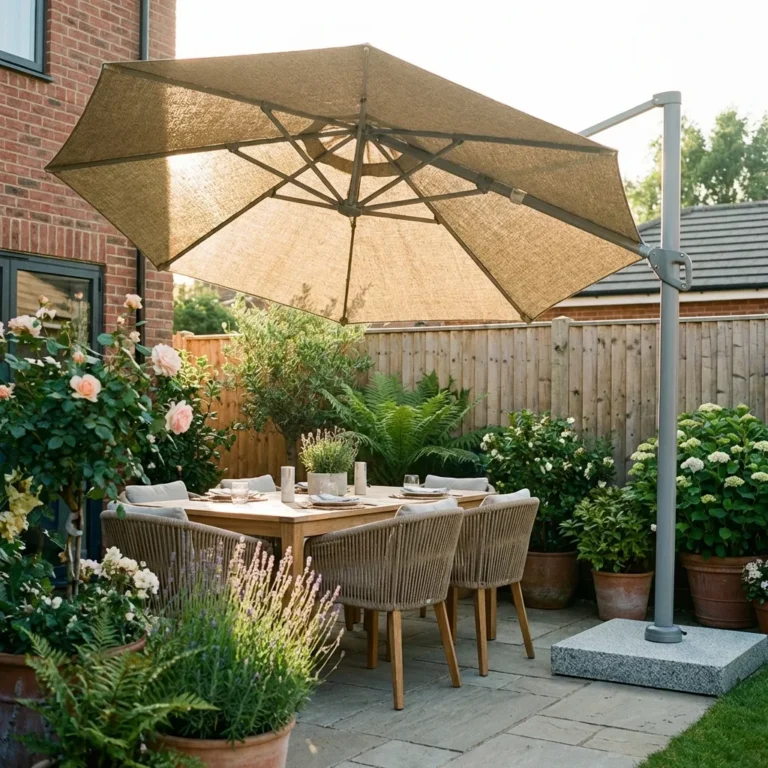
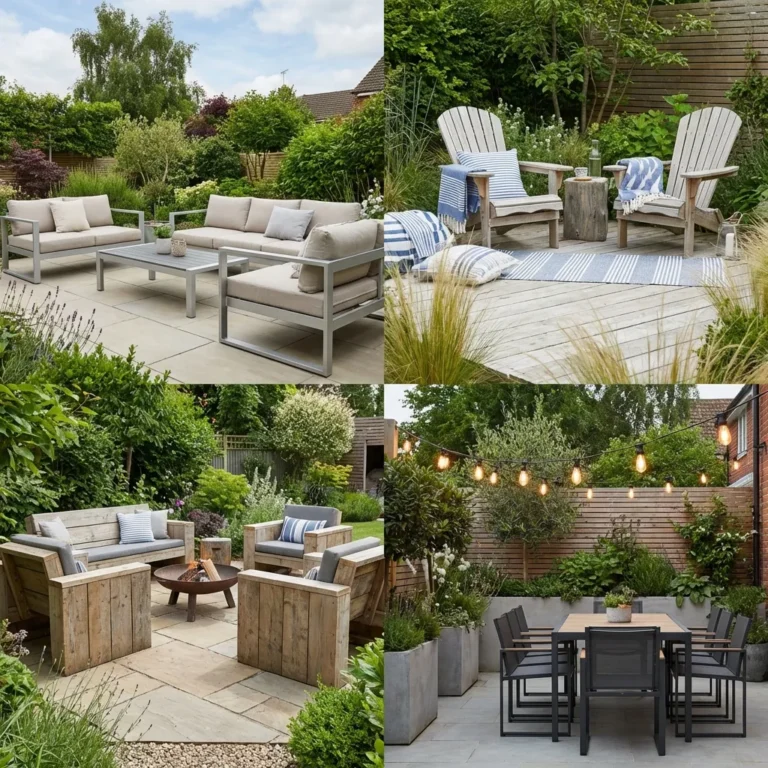
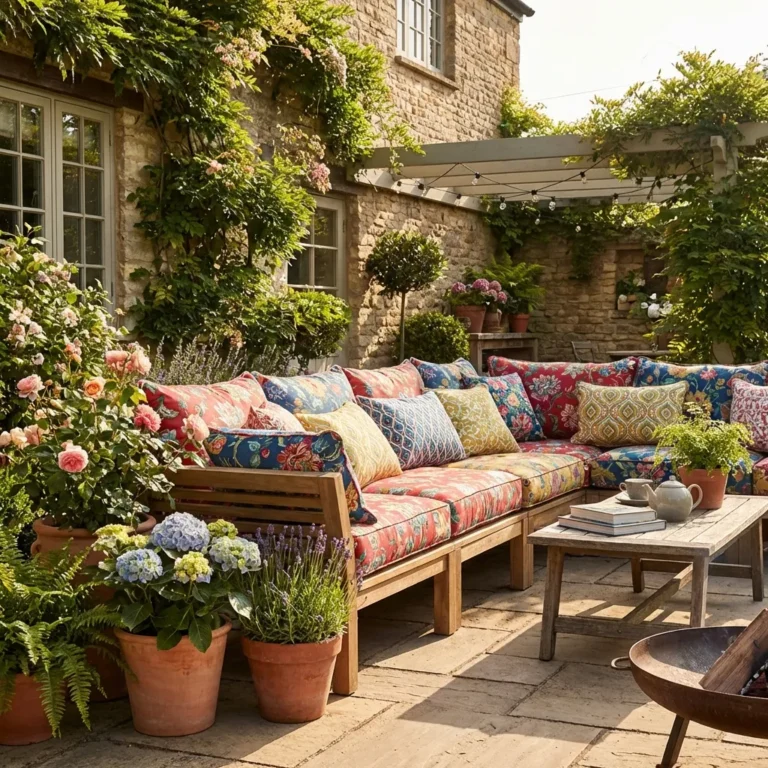
Start with the area around it. On a clean-lined patio, aluminium, rope, or teak-and-metal combinations usually work well. In a cottage garden, woven textures, softer curves, and warmer wood tones tend to suit the space better. A minimalist urban terrace can also take sculptural shapes and darker finishes without feeling out of place.
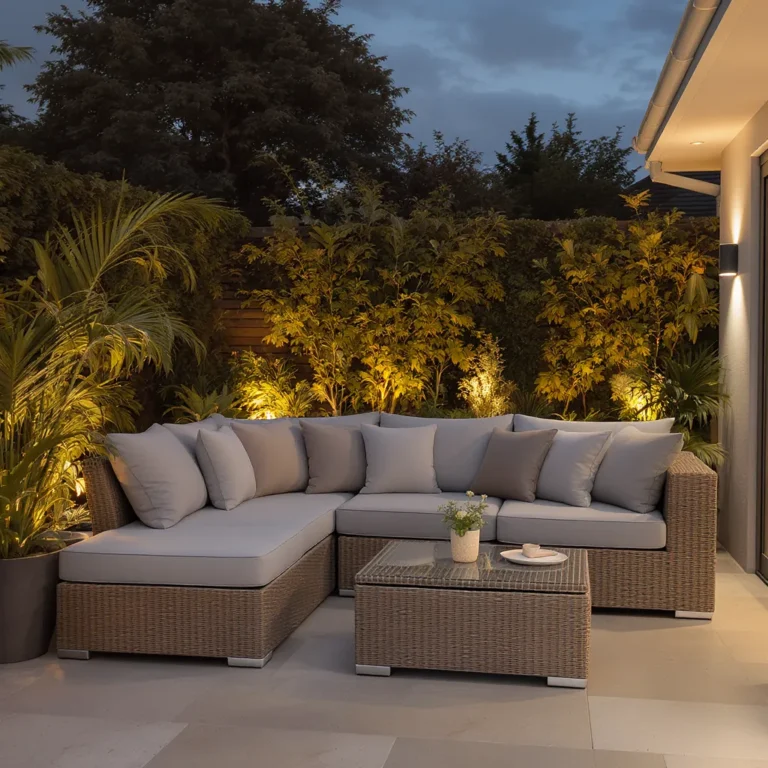
Mixed materials are especially popular right now. Teak with rope, resin weave with aluminium, and fabric on slim metal frames can all create the affordable luxury look many homeowners want. Trend coverage also shows growing interest in curved shapes and styling that blurs the line between indoors and outdoors. In these kinds of setups, outdoor furniture can start to look more like a living room arrangement than a basic patio set (Nordic Nest). The overall look feels softer and less rigid. Related ideas can also be found in Outdoor Furniture: Garden Sofa Set Trends & Buying Guide for 2025.
If there is already a dining set or sofa set in place, it usually works better to repeat one or two details instead of matching every piece exactly. That keeps the space coordinated without making it feel too planned. For example:
- Repeat the same wood tone
- Stay within the same frame colour family
- Echo cushion colours in a simpler way
- Pair bold chairs with a plain side table
The difference often becomes clearer when you look at the full setup. A single lounger on a patio can feel unfinished on its own. Add two lounge chairs, a small side table, an outdoor rug, and a lantern, and the same area starts to feel like a proper relaxation zone that is also easier to use.
If the plan involves fitting garden seating into a wider design scheme, Indoor Outdoor Living UK: How to Style Your Home with Furniture offers ideas for making outdoor furniture feel more connected to the rest of the home.
Step 6: Set a budget by lifespan, not just ticket price
Smart buying pays off over time, not just at checkout. Rather than asking only, “What can I spend today?”, it helps to ask, “What will this cost over five to ten years?”
A cheaper plastic lounger can seem like good value at first. But if it fades, warps, or cracks after a few seasons, it may cost more over time than a better-made aluminium or teak option. That pattern matters as more homeowners put money into residential outdoor living for the longer term. Mordor Intelligence reports that the residential segment is projected to grow at 5.19% through 2031. Loungers and daybeds are projected to grow at 5.68%. Buyers are spending more on comfort-focused seating that lasts, rather than choosing only the lowest price (Mordor Intelligence).
Think in budget bands:
- Entry level: plastic or basic steel; suited to occasional use and shorter-term spaces
- Mid-range: powder-coated aluminium, quality resin wicker, and better cushions
- Premium: teak or marine-grade metal, designer frames, and higher-performance fabrics
It usually makes more sense to spend more on the frame than on trend-led accessories. Cushions, throws, and side tables are easier to swap out later, so there is less reason to push the budget there first.
Tip: Leave room in the budget for covers, storage boxes, protective treatments, or similar care items. Those costs are easy to miss, but they still count. Good protection helps extend the life of each piece and keeps outdoor furniture looking its best.
Step 7: Review maintenance needs before you buy
This step is easy to miss, even though it can have a big effect on long-term satisfaction. Outdoor lounge chairs always need some care, so the practical question is how much maintenance you are honestly willing to deal with.
Teak lasts well, but if you leave it untreated, it fades to a silver-grey tone. Some people like that weathered finish. Others prefer to keep the warmer golden colour, which usually means regular cleaning and using oil or sealers recommended by the manufacturer. Aluminium is easier to manage day to day. In most cases, mild soap, water, and a soft cloth are enough. Resin wicker is also fairly easy to manage, though it does need occasional cleaning between the weave. Cushions need care too, especially before storage, since they should be fully dry to avoid mildew.
If a low-maintenance setup is the priority, focus on:
- Powder-coated aluminium frames
- HDPE or recycled poly materials
- Removable, washable cushion covers
- Quick-dry foam inserts
- Stackable shapes or designs that are easy to cover
There is also a common storage mistake to avoid: putting damp cushions into a sealed box. That can lead to odour and mould surprisingly quickly, and it is the kind of problem that becomes frustrating later.
For a broader view of how materials perform and how long they last, Benefits of Choosing Durable Outdoor Furniture for 2025 is worth reading alongside this guide. You may also find useful insights in Sustainable Outdoor Furniture Trends Shaping 2025, especially if longevity and recycled materials matter to your buying decision.
If you are comparing brands, RENGARD offers a useful example of how materials such as rattan, rope, and natural teak are described in terms of durability and design. It may suit homeowners looking for a luxury look without taking on too much maintenance.
Step 8: Check the details that signal real quality
Take a closer look at build quality. Product photos can hide quite a lot, so the details in the listing or showroom need real attention.
Rust-resistant hardware, smooth welds on metal frames, even weave tension on resin wicker, and dense, well-finished teak with clean joins usually tell you more than the main photo can. Cushion covers should sit neatly rather than sag. Reclining mechanisms should lock firmly and stay stable, instead of starting to wobble after a few uses.
The smaller points are worth checking too:
- Are replacement cushions available?
- Are the feet adjustable on uneven paving?
- Is the chair easy for you to move around?
- Does the warranty cover outdoor use?
- Are fabrics rated for UV resistance or all-weather use?
Sustainability should be part of this review as well. Timeless pieces made from durable, long-lasting materials are generally a better buy than trend-driven options that get replaced quickly. It is the more practical choice, and it also reflects broader outdoor design trends that lean toward recycled materials, longer use cycles, and more sustainable home decisions that can reduce waste.
Before checkout, check these points. That helps lower the risk of disappointment and gives your lounge chairs a better chance of still looking good in three to five years.
Frequently Asked Questions
What is the best material for garden lounge chairs in the UK?
For many UK gardens, powder-coated aluminium and teak are two of the safest choices. Aluminium is easy to maintain and handles damp weather well, while teak offers a warmer, more premium look with strong durability.
Are cushioned lounge chairs a bad idea in rainy weather?
Not if you choose the right cushions. Look for quick-dry foam and solution-dyed outdoor fabric, and make sure the covers can dry fully. If rain is frequent, a storage box or cover plan will make a big difference.
How many lounge chairs should I put in a small garden?
In a compact garden, two chairs and one small side table usually work better than trying to fit a full lounge set. Measure first and keep enough walking room so the space still feels calm and open.
How do I know if outdoor furniture is truly weather-resistant?
Check the frame material, fabric type, hardware, and care notes. Weather-resistant outdoor furniture usually uses powder-coated metal, teak, HDPE, or resin wicker on a rust-resistant frame. Retailers such as RENGARD also make it easier to compare these materials across coordinated garden collections.
Should lounge chairs match the rest of my garden furniture exactly?
No. It is better to coordinate than to match everything perfectly. Repeat a material, colour, or shape so the space feels connected, but let the lounge chairs add a little contrast and character.
Where can I find stylish lounge chairs that balance luxury looks with durability?
Start by narrowing down the material and style you want, then compare dimensions, cushion specs, and maintenance needs. If you like Scandinavian and industrial-inspired outdoor furniture, a specialist store such as a UK home and garden furniture retailer can be a practical place to compare teak, rope, and rattan-led options without losing sight of durability.
How to verify you chose the right lounge chairs
Before you place the order, give everything one last check. The lounge chairs should fit the space you measured, suit how they will really be used, handle your climate, and stay within a budget that still feels reasonable over time. The material needs to match how much upkeep you’re willing to take on, and the cushions should be made for outdoor use instead of just feeling soft in an indoor-style way.
A practical way to test your choice is to picture a normal week in the garden. Is there enough room to move around the chairs easily? Will they stay comfortable for as long as people usually sit outside? And in bad weather, can they be covered or stored without becoming extra work? If the answer is yes, you’re probably on the right track.
Lounge chairs may look great in photos, but they should also make the garden easier to enjoy day to day. Start with the measurements, then check that the type fits the space and how it will be used. After that, look closely at the material, how it holds up in your weather, and whether the comfort and build quality last beyond first impressions.
The next step is to shortlist a few options and compare the frame materials and cushion specifications side by side. Then choose the one that gives the right balance of comfort, durability, and style for the garden. A good choice can turn an unused corner into the place people come back to for reading, relaxing, or sitting outside for an hour after work.