
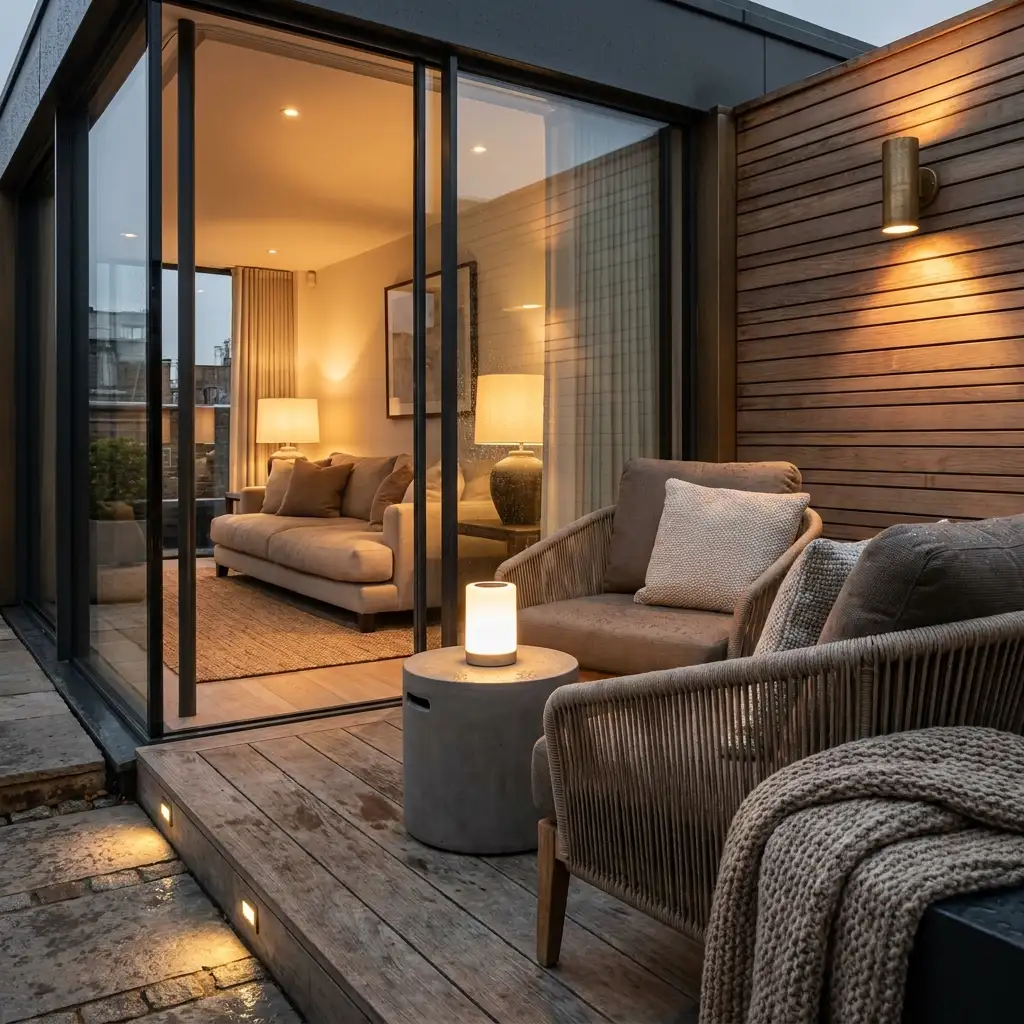
Lighting Trends for Modern Homes
Good lighting can change how a home feels within minutes. It can help a small room feel calmer, make a patio feel more like a private retreat, and give a dining area a more welcoming mood, which is probably why people notice it so quickly. It is no longer seen as a minor detail. Homeowners now usually treat lighting as part of planning comfort, function, style, and the overall feel right from the start.
In modern homes, the biggest change is fairly simple. People want lighting that looks good, works well, saves energy, and feels warm instead of harsh. They also want indoor and outdoor areas to connect naturally. If a kitchen opens onto a garden dining space, or a lounge leads out to a deck, the lighting should help those spaces feel linked from kitchen to garden or lounge to deck without looking forced, even though that is often harder to do than it first seems.
This matters even more to homeowners interested in affordable luxury. A refined look does not always need a huge budget. In many cases, careful placement, layered lighting, warm colour temperatures, and durable outdoor fixtures are enough to give a home a polished finish. The same thinking used for weather-resistant furniture, natural teak accents, or Scandinavian styling can also lead to better lighting choices. That is often where good results begin: not by spending more, but by choosing more carefully.
In this guide, we will cover the biggest lighting trends for modern homes and how to use them indoors and outdoors. It will also look at smart controls, ways to create a luxury feel without overspending, maintenance, seasonal updates, common mistakes, and practical buying tips. The goal is to help lighting choices stay useful and attractive over time, and support decisions that usually work well in daily life.
Why LED and layered lighting now lead the way
The biggest modern lighting trend is not really about picking one fixture style anymore. It is more about how the whole home is lit, and that is probably the bigger change. LED lighting has become the clear standard, and that gives homeowners more room to think about design, mood, and efficiency at the same time. According to U.S. Energy Information Administration data reported by Cleantechnica, 90% of U.S. households used LED bulbs for indoor lighting in 2024. The same report says 37% used LED bulbs for all indoor lighting, and newer homes were even more likely to use LED.
That change matters because it shows LED is no longer seen as a special upgrade. It is now the usual starting point for a modern lighting plan. Homeowners can move past asking whether they should switch and focus on more practical design questions instead. Does this fixture dim well? Will it give a soft glow in the living room or bedroom? Can it handle everyday family life and still feel right when guests are over in the evening?
Modern homes also depend more on layered lighting. Instead of expecting one ceiling light to do everything, designers combine ambient, task, accent, and decorative lighting, and each one has a different job. This usually adds more depth to a room. It can also make a home feel more personal and, often, a little more polished.
| Lighting Layer | Main Purpose | Example |
|---|---|---|
| Ambient | Overall brightness | Ceiling light or recessed lighting |
| Task | Focused work light | Kitchen pendants or reading lamp |
| Accent | Highlight features | Wall washer or shelf lighting |
| Decorative | Add personality | Statement pendant or sculptural lamp |
As this layered approach appears more often, lighting takes on a bigger place in daily life. A kitchen can use clear task light over counters, while the sofa area feels calmer with softer accent light, and the room can shift to a warmer scene when friends stop by at night. In that sense, the flexibility is a big reason lighting now sits at the center of home styling.
The best way to update a space is to light it.
Warm tones are replacing harsh brightness
One of the clearest lighting trends in modern homes is the move away from cold, flat light. People still want brightness when a space needs it, but they usually do not want a room to feel clinical. Warmer lighting adds comfort and helps soften harder finishes like metal, concrete, and glass. It also tends to work very well with natural materials such as wood, rope, rattan, and linen.
In many living rooms, bedrooms, and dining areas, 2700K has become a common target for a warm, welcoming feel. In busier outdoor spaces like paths, outdoor kitchens, and other circulation zones, 3000K often makes more sense because it still feels warm while making those walkways and work areas easier to see. The short version: research summarised by The Architect’s Newspaper also points to growing interest in very warm lighting around 1800K for decorative details and more of a hospitality-style mood, like restaurants or lounges.
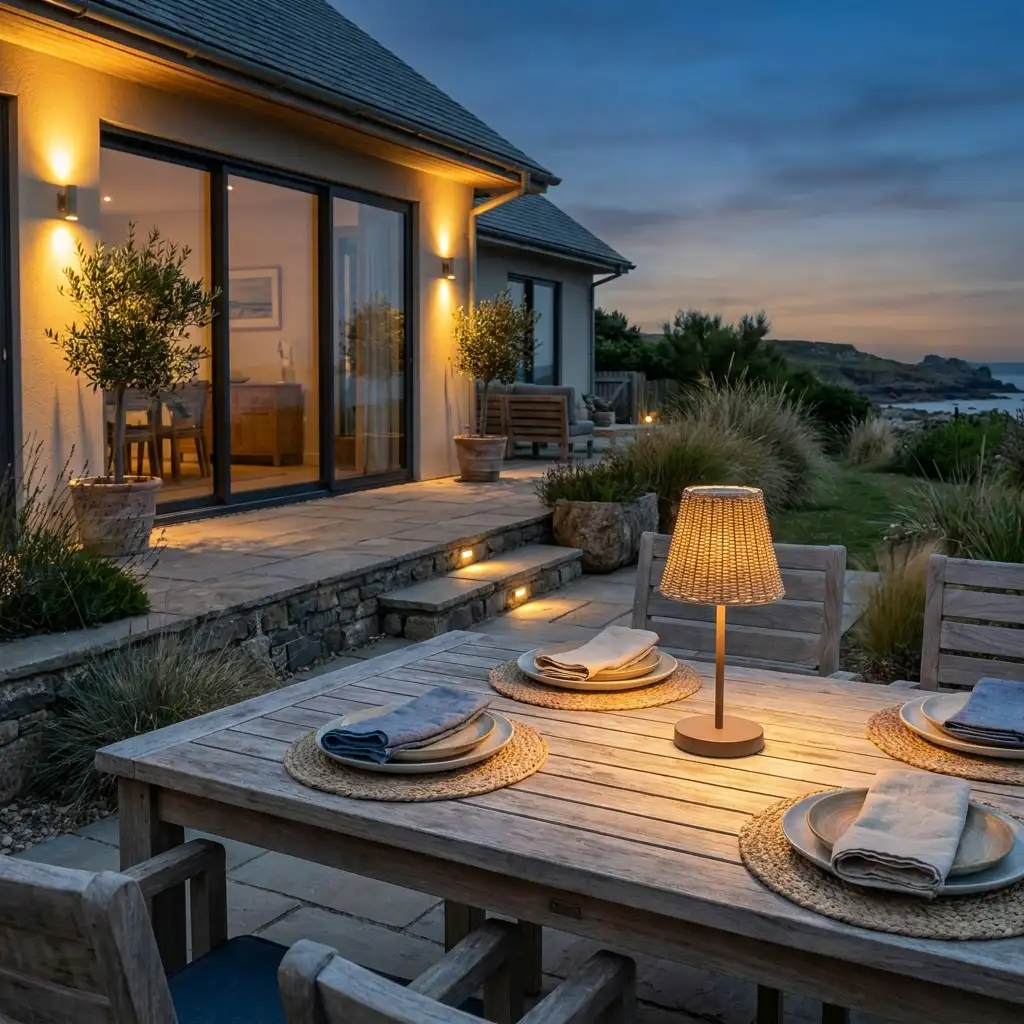
The change is easy to picture. A patio lit with cool white floodlights can feel harsh and overdone, while that same patio often feels calmer and more polished with low-glare wall lights, warm step lights, and a soft cordless table lamp. That difference is noticeable. It shows the space between basic lighting and lighting that has been chosen with more care.
If you are planning room by room, start with function and then adjust the tone:
Best colour temperature ideas for modern homes
- 2700K works well in lounges, bedrooms, dining rooms, and cosy garden seating areas, especially later in the evening
- 3000K suits kitchens, bathrooms, hallways, as well as paths and outdoor cooking zones where a bit more clarity helps
- 1800K to 2200K is ideal for decorative shelves, alcoves, or creating a more intimate mood in the evening
This is also where indoor-outdoor design starts to matter. When indoor lighting feels warm but garden lighting looks stark white, the contrast can feel awkward and slightly off. Keeping the overall warmth consistent usually makes the transition feel smoother and more natural. That can make moving between the two spaces feel easier. We covered more on this in indoor outdoor living UK.
Statement fixtures are now part of home styling
Modern lighting is no longer just about brightness. It also adds personality to a space. In many homes, a well-chosen pendant, wall light, or even a floor lamp can shape a room almost as much as a new table or rug, though people often miss that. That helps explain why lighting is now more often seen as part of the decor, not just as something practical.
According to Elle Decor, designers say clients increasingly see fixtures as sculptural pieces rather than basic utilities. That often becomes even more noticeable in modern homes, where furniture palettes tend to be calm and minimal. A bold fixture can add shape and visual interest above a dining table, beside a sofa, or in an entryway, without making the room feel crowded.
Our clients are thinking about lighting less as a utility and more as a sculptural statement.
A simple before-and-after example shows the difference clearly. Picture a dining room with a basic flush ceiling light. It works, but the room feels quite ordinary. Replace it with a soft industrial pendant in black metal, smoked glass, textured linen, or a similar finish, and the space suddenly has a focal point that catches your eye straight away. Add dimming, and that same dining room can shift easily from weekday meals to dinner with guests or slower evenings at home.
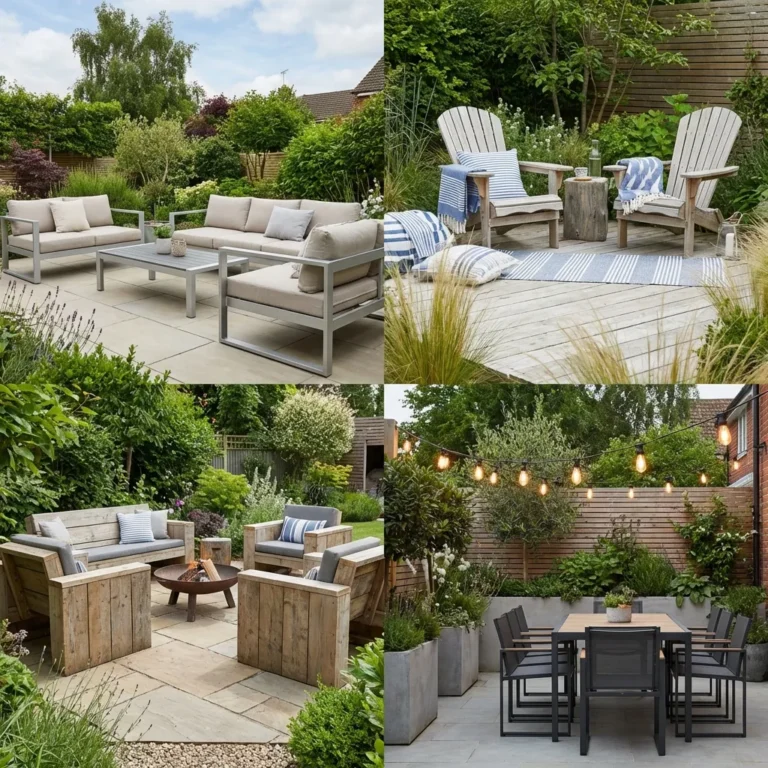
The same idea can work outdoors. Slim wall lights, lantern-style portable lamps, hidden strip lighting under benches, and lights built into planters can make a patio feel designed rather than just lit. The best modern lighting choices usually reflect the wider style of the home. Scandinavian homes often suit clean lines, pale finishes, and soft light, while industrial spaces generally work better with darker metals. Exposed bulbs need to be used carefully, and stronger shapes often suit that look well, though not in every case.
Planning a dining area? A room-by-room pendant guide can help with scale and placement. We covered that here in this article on pendant lights for dining rooms, kitchens and hallways.
Smart lighting makes modern homes easier to live in
Smart lighting once felt like a luxury extra. Now it seems practical. It saves time, adds comfort, and gives homeowners more control over a space during the day and at night. The same energy data reported by Cleantechnica found that 47 million households had at least one smart speaker, and nearly 14 million households used smart speakers to control lighting.
That change says a lot. Smart lighting is not really niche anymore. It is becoming a normal part of home life. The best systems are usually not the flashy ones. They work quietly in the background and fit daily routines, which is often why people keep using them.
Here are some of the most useful features:
Smart lighting features worth considering
- Voice control for hands-free use
- App-based scenes for dining, reading, relaxing, entertaining, or quiet evenings
- Timers for morning wake-up and evening security
- Motion sensors in halls, utility rooms, side paths, and garden entrances
- Tunable white settings that shift from practical daytime light to a warmer feel at night
This is especially useful in homes where indoor and outdoor areas connect closely. One scene button can dim the living room lights, switch on patio wall lights, and add a warm glow to the outdoor dining area, which is genuinely useful in daily life. It’s a simple setup, but it often makes the whole space feel more finished and connected without much effort.
Many homeowners assume smart systems will be too complicated, but that usually isn’t the case when starting small. A practical way to try it is with smart bulbs in one room, a plug-in smart lamp on a covered terrace, or motion lights near a garden entrance. That is often enough to see what feels useful before adding anything else. The goal is convenience rather than extra hassle, and in most cases it becomes clear quite quickly which features actually help.
Research from Lutron also found that 94% of designers and architects said clients see lighting as highly important. That likely helps explain why smart controls keep growing, as people increasingly want better day-to-day control over how their lighting works.
Outdoor lighting is becoming softer, safer, and more design-led
Outdoor lighting has changed a lot. Years ago, many homes used a strong porch light at the front door and maybe a bright floodlight in the garden, which was fairly common. That met a basic need, but it did not add much atmosphere. Today, the move is toward a more layered style with a hospitality feel, and that change is easy to see.
Design sources like Architectural Digest point to a better approach: softly lighting pathways, defining seating or dining zones, reducing glare, and carefully showing materials and planting so the space is easier to use. The result is usually a garden or patio that feels calm and practical, rather than washed out.
For homeowners, a good outdoor lighting plan usually comes from several small changes instead of one bright fix, and in most cases that is what works best:
A practical outdoor lighting framework
- Start with safety: light steps, level changes, doors, and main paths so people can move around easily, especially near entrances and edges.
- Add function: stronger but still warm lighting works well near outdoor kitchens, dining tables, and side access routes, where better visibility is usually needed.
- Create mood: low wall lights, concealed strip lights, or rechargeable table lamps are often enough by themselves.
- Highlight textures: teak, stone, brick, and planting often look richer in warm, angled light.
- Choose durable materials: outdoor fittings need to handle weather, moisture, and seasonal changes, since they stay outside all year.
This is where quality often matters most. Homeowners who invest in durable furniture usually want the same long-term value from their lighting, and that choice often pays off. Weather-resistant finishes, sealed fittings, and timeless shapes generally age better than trend-led pieces that suit only one season and can look dated sooner.
When styling a full outdoor setting, the lighting should support the furniture rather than compete with it. A teak dining set, rope lounge chairs, or a clean-lined bistro set usually looks best with warm lighting that adds depth and avoids glare. The aim is simple: make the table easy to see, soften the materials, and keep the space comfortable after dark. For more inspiration, the guide on Staffordshire home furniture explores modern British styles that pair well with layered indoor and outdoor lighting. On the brand side, RENGARD reflects this broader modern approach through Scandinavian and industrial design influences, along with durable home and garden living.
Portable and rechargeable lighting adds flexibility
Portable and rechargeable lamps are one of the most useful lighting trends for modern homes, and they are also one of the easiest to bring in. They work well indoors and outdoors, which is a clear advantage. Because they are easy to move and simple to put away, they suit homeowners who like to update a space without dealing with rewiring.
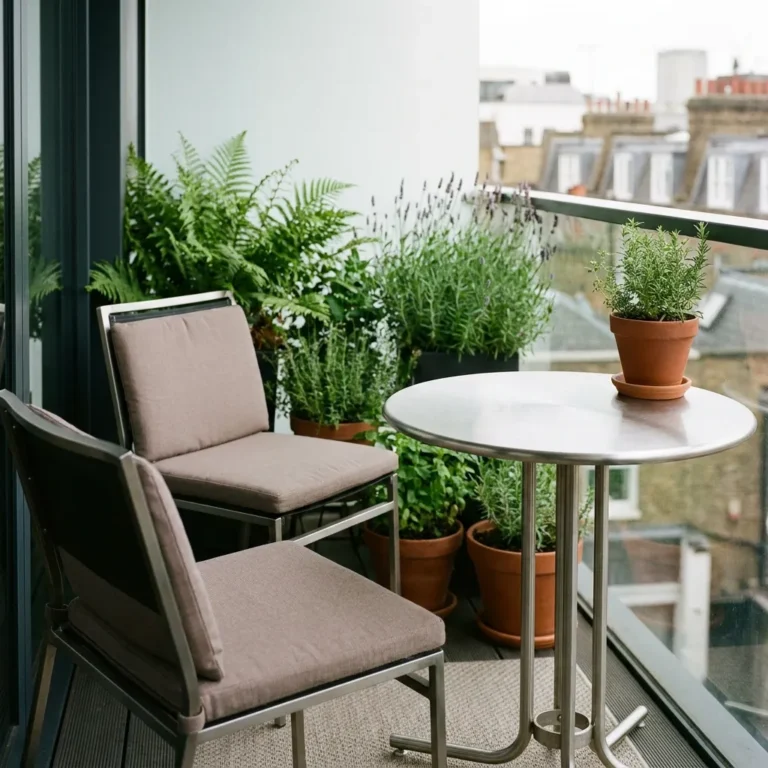
This type of lighting is especially popular on patios, balconies, and in garden dining areas. A cordless lamp might sit on a coffee table for afternoon reading, move to an outdoor dining table later in the day, and then come back inside afterwards. That kind of flexibility is especially useful for seasonal living, particularly when different parts of the home are used at different times of year.
It also makes affordable luxury feel easier to achieve. A few well-chosen rechargeable lamps can make a space feel styled and thoughtful. They can define a dining table, soften a dark corner, or add light beside seating areas where hard wiring would be awkward or would simply cost too much.
When shopping, a few details will usually help avoid problems later:
- Battery life, and how long the lamp takes to recharge
- Whether it is rated for indoor use, outdoor use, or both
- Stability in wind, especially if it will be used outside
- A warm colour temperature rather than a cold white light
- A finish or texture that works with your furniture and decor
Portable lighting is also a smart choice for renters and for homeowners who are not ready for major work. It adds mood and function without much fuss, which is often why people choose it. In smaller gardens, on terraces, and in hosting spaces that need to stay flexible, it is one of the most useful lighting updates available right now.
How to match lighting with furniture, materials, and home style
The best lighting choices need to work with the rest of the home. They should not feel separate or out of place. That matters even more in modern design, where furniture, materials, and finishes are often chosen very carefully and usually for a clear reason. Lighting should support those choices rather than compete with them.
If a home leans Scandinavian, simple shapes, matte finishes, pale tones, and warm light usually fit best. The overall effect usually feels clean and calm. In an industrial-style space, dark metal, smoked glass, and stronger geometric fittings will probably suit the room better. Natural teak often works well with warm lighting, as it brings out the grain and gives the surface more depth. Rope and rattan textures also usually look better in softer light, rather than under harsh overhead brightness, which can flatten the texture a little.
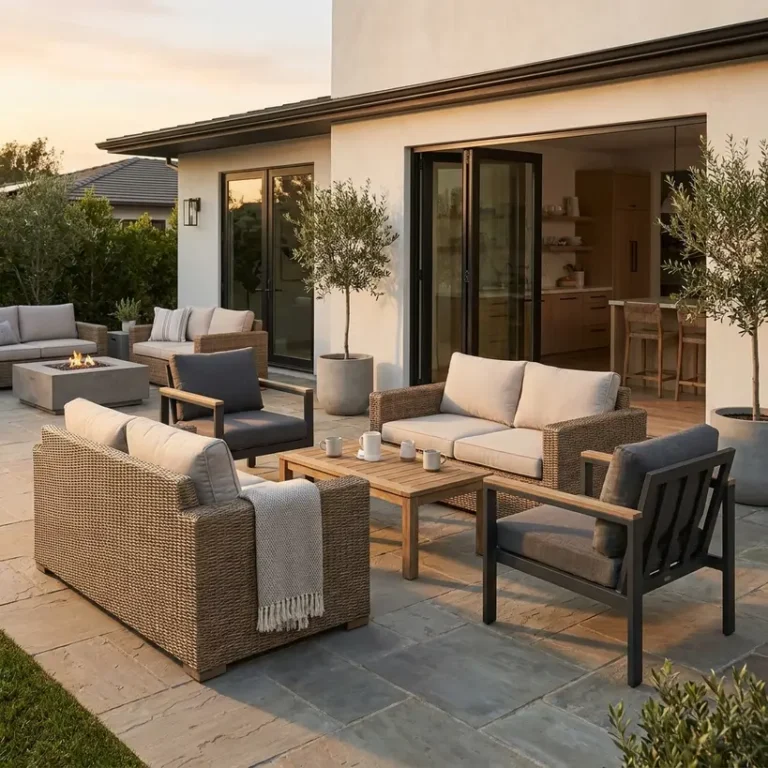
The same idea works outdoors as well as indoors. In a modern garden room, for example, a black wall light can echo a dark dining frame or black window trim. Warm lamp light can soften the setting so the space still feels relaxed and practical in the evening. In a kitchen, metal pendants may visually connect with bar stools, cabinet handles, or even tap finishes. Those smaller links often help a room feel more put together.
When updating several spaces at once, it often helps to think in families rather than exact matches. A finish, shared shape language, or even the warmth of the light can be repeated from room to room. That usually gives the house a more consistent feel without making it look too staged. A wider decor update can also affect lighting choices, especially in kitchens and bathrooms. We covered some related styling context here: Bathroom Remodel UK: How to Update Your Kitchen and Modern Decor. Homeowners looking for broader interior inspiration can also explore this stylish home furniture showroom in Shropshire for ideas that complement modern lighting schemes.
Common lighting mistakes and how to avoid them
Even stylish homes can still get lighting wrong. Surprisingly, the issue often is not the fixture itself. It usually comes from the way the overall plan works together. The same problems also show up again and again, whether the space is a living room or a garden path.
One common mistake is relying on a single overhead light. That can make a room feel flat and leave corners in shadow. Bulbs that are too cool are another issue, especially in living areas or outdoor seating zones, where the effect can feel harsh at night. Garden lighting is often overdone as well, with glare-heavy fittings that reduce depth and make planting beds or paths harder to see.
Maintenance is easy to miss too. In my view, outdoor lighting should be cleaned and checked with the same care as furniture. Dirt on lenses lowers output, which may seem minor but often is not. Moisture can shorten lifespan. Leaves and growth around path lights can block light and usually lead to uneven coverage.
So a simple checklist helps:
Quick troubleshooting guide
- If the room feels cold, switch to warmer bulbs, usually around 2700K, and it often improves quickly
- When the dining table looks dull, lowering the pendant can help. Adding a second layer of light, such as wall or side lighting, often makes the effect better
- If the patio feels too bright, replace one strong source with several smaller warm lights
- When the path is still dark, add low step or bollard lighting where the level changes
- If the smart system feels annoying, simplify scenes and remove settings that never get used
- Outdoor fixtures can age badly, so choose weather-resistant materials and clean them each season
It often helps to think about lighting the same way people think about protecting furniture. A little care usually helps good products look better for longer. This matters even more in gardens, where weather, debris, and moisture all affect them. Outdoor pieces can wear down quickly if they are ignored, and that happens fairly often. With the right materials and regular cleaning, they usually stay in better shape and keep working properly over time.
Frequently Asked Questions
What is the biggest lighting trend in modern homes right now?
The biggest trend is layered lighting. Homeowners are combining ambient, task, accent, and decorative lighting to create more comfort, flexibility, and style. Warm LEDs and better dimming are also a major part of this shift.
What colour temperature is best for home lighting?
For most living spaces, 2700K gives a warm and inviting look. Kitchens, bathrooms, and outdoor work zones often suit 3000K because it is a little clearer while still feeling comfortable. Very warm decorative lighting can go even lower for mood.
How can I make outdoor lighting look more luxurious?
Use several soft light sources instead of one bright fitting. Focus on paths, steps, dining areas, and architectural details, then add portable lamps for atmosphere. Durable furniture and warm lighting together often create the strongest affordable luxury effect, which is why curated outdoor ranges from RENGARD can work well with this style approach.
Is smart lighting worth it for an average home?
Yes, if you keep it simple. Smart bulbs, dimmers, timers, and motion sensors can make daily life easier without turning your home into a complex tech project. Start with one room or one outdoor zone and expand only if it feels useful.
How do I choose lighting that matches my furniture style?
Look at materials, finish, and shape. Warm lighting suits wood, rope, and rattan especially well, while metal finishes can help tie lighting into industrial or modern furniture. If you want a consistent indoor-outdoor look, RENGARD is a helpful example of how Scandinavian and industrial furniture styles can guide lighting choices too.
Are portable rechargeable lamps good for outdoor living?
Yes, they are one of the most practical options for flexible outdoor use. They add mood without hard wiring, move easily between spaces, and work well for patios, balconies, and garden dining. Just make sure the lamp is rated for the setting you plan to use it in.
The bottom line for modern home lighting
The best lighting for modern homes needs to do a few things at once. It should make everyday routines easier, support the overall style of the space, and help create a warm, personal atmosphere. Right now, the main lighting trends are fairly easy to spot: LED-first design, layered planning, warmer colour temperatures, sculptural fixtures, smart controls, and softer outdoor schemes.
A simple way to begin is with one room and one outdoor area, since that is often the easiest place to start. Swapping cool bulbs for warmer ones is a small change, but it can make a room feel much more comfortable. When a space feels flat or lacks depth, adding a second layer of light usually helps, especially near seating, beside the bed, or above a work surface. In places where the eye naturally goes, such as over a dining table or in the centre of the living room, a statement fixture can do a lot visually. The same idea can then move outdoors with low-glare, weather-ready lighting that fits your furniture, planting, and the way the space is actually used, not just how it looked in the plan.
Keep these key takeaways in mind:
- Use layered lighting instead of relying on a single source
- Choose warm light for comfort and a better atmosphere
- Treat lighting as part of your decor, not only as function
- Use smart controls when they solve a real problem
- Make outdoor lighting softer and safer, with a more intentional feel
- Protect and maintain fixtures so they last through the seasons
Good lighting does not need to be complicated. With thoughtful choices, it can make a home feel calmer, more stylish, and more connected from indoors to outside. That is likely why it tends to be such a practical upgrade. For homeowners looking for durability, design, and comfort in the same space, modern lighting is arguably one of the smartest updates available. More home and garden inspiration was covered through a UK furniture and decor specialist while shaping a cohesive living space.

2 Comments