Rattan vs Wicker: What is the Difference for UK Gardens in 2026?
If you are searching for the perfect wicker sofa to elevate your patio, you might actually be looking for something else entirely. Many homeowners use these terms interchangeably, but understanding the nuance is the secret to a garden that remains beautiful through every British season. It’s frustrating to invest in a stylish set only to find it hasn’t been built for our specific climate. When exploring rattan vs wicker what’s the difference UK shoppers often find themselves caught between confusing terminology and the fear of furniture degrading in the rain.
At Rengard, we understand that you want a seamless blend of high-end design and everyday practicality for your home. This guide promises to clear the confusion, helping you distinguish between traditional materials and the premium synthetic weaves that define modern luxury. You’ll discover how to identify weather-resistant craftsmanship and select a garden set that offers both sophisticated style and lasting durability. From the technical differences in materials to styling tips for your terrace, we’ll ensure your outdoor space becomes a true extension of your home’s elegance.
Key Takeaways
- Understand the fundamental distinction between rattan as a material and wicker as a weaving technique to ensure you invest in the right furniture for your garden.
- Discover why the debate of rattan vs wicker what’s the difference UK gardeners face is solved by choosing high-quality synthetic PE rattan over natural fibres.
- Learn why rust-free aluminium frames are non-negotiable for furniture longevity in the damp British climate, outperforming cheaper steel alternatives.
- Identify the hallmarks of premium craftsmanship, from weave tension to UV-resistant fabrics, to distinguish high-end sets from low-quality plastic imitations.
- Gain the confidence to select a stylish, weather-proof garden set that serves as a durable and elegant extension of your home.
Rattan vs Wicker: Clearing Up the Common Confusion
Browsing for garden furniture in Cheshire or Shropshire often leads to a linguistic maze. You see “wicker” on one tag and “rattan” on another, yet the items look almost identical. Understanding rattan vs wicker what’s the difference UK homeowners need to know is about more than just semantics; it’s about protecting your hard-earned money. If you mistake a style for a material, you might find your new purchase deteriorating before the summer is even over.
To put it simply, rattan is a material, whilst wicker is a specific wicker weaving technique that dates back centuries. In the UK market, “wicker” has become a catch-all term for anything with a woven texture. This lack of precision often leads to buyers in Birmingham or Manchester purchasing natural materials that simply cannot survive a damp week in the Midlands.
To better understand this concept, watch this helpful video:
This distinction is the foundation of a well-planned garden. When you shop with clarity, you’re not just buying a look; you’re buying longevity. Whether you are furnishing a compact balcony in Birmingham or a sprawling lawn in Herefordshire, the material choice determines how many seasons of enjoyment you’ll actually get.
The Problem with Interchangeable Terms
Retailers frequently blur these lines to create a certain aesthetic appeal or “nostalgic” vibe. However, this creates a significant risk for the consumer. If you buy a “wicker” set without scrutinising the material specifications, you might inadvertently choose natural rattan or willow. These organic fibres are beautiful but highly absorbent. They swell, warp, and eventually rot when exposed to the persistent British rain. By knowing the difference, you avoid the costly mistake of placing furniture intended for a conservatory onto an exposed patio in Derby or Stafford.
The Evolution of Garden Weave
Woven furniture has evolved significantly from the traditional baskets and fragile conservatory chairs of the past. Modern manufacturing has transformed the industry, moving towards high-performance synthetic fibres that define the “affordable luxury” category. Today, premium outdoor sofa sets use advanced polymers designed to mimic the intricate look of natural vine whilst providing complete weather resistance. This shift allows residents in cities like Liverpool and Leeds to enjoy sophisticated, textured designs that stay outside all year round. It’s a blend of ancient craftsmanship and 21st-century durability that suits the modern British garden perfectly.
Defining the Difference: Material vs Construction Technique
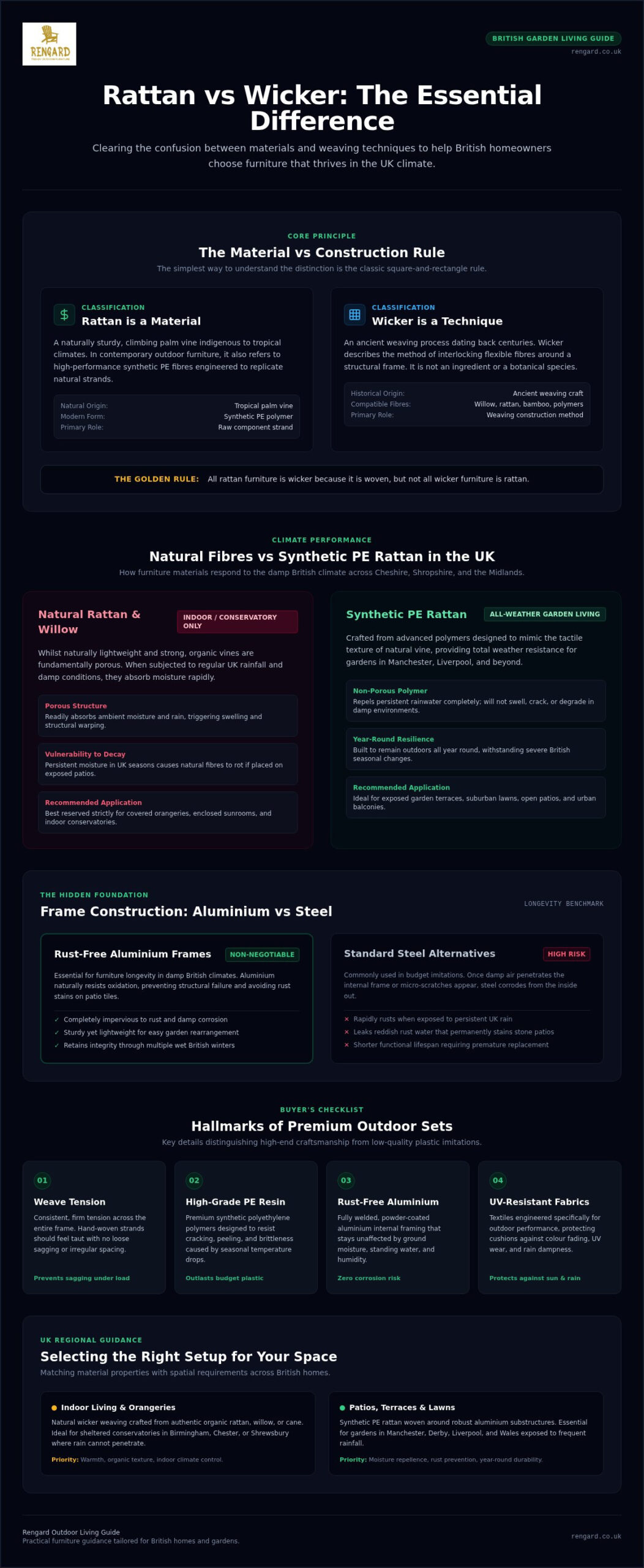
To master the aesthetics of your outdoor space, you must first understand a fundamental rule of design. Rattan is a material, whilst wicker is the method used to create the furniture. If you are asking rattan vs wicker what’s the difference UK gardens require for longevity, think of the “square and rectangle” analogy. All rattan furniture is wicker because it is woven, but not all wicker furniture is rattan, as it could be crafted from willow, bamboo, or modern polymers.
This distinction is vital for homeowners in regions like Worcestershire or Warwickshire. Choosing the wrong material for the right technique can lead to a beautiful set that simply won’t last. For a deeper look into the history, you can explore the definition and materials of wickerwork to see how these traditions have shaped modern craftsmanship.
What is Rattan Exactly?
Natural rattan is a remarkably sturdy, climbing palm native to tropical regions. It’s prized for being lightweight, flexible, and exceptionally strong. These qualities make it a dream for artisans. However, natural rattan is porous. In the humid or rainy conditions of Chester or Derby, it absorbs moisture quickly. This is why natural fibres are perfect for an elegant orangery or a sun-drenched conservatory, but they aren’t the best choice for an exposed patio.
Modern garden design has solved this by creating synthetic rattan. These high-quality polymers offer the same visual warmth but with the resilience needed for the British climate. They don’t splinter, fade, or rot, making them the gold standard for luxury outdoor living.
The Art of Wicker Weaving
Wicker is an ancient craft that provides incredible structural integrity through tension and pattern. By interlacing flexible fibres over a solid frame, makers create pieces that are both comfortable and durable. In the UK, you’ll typically encounter three main weave styles:
- Flat Weave: Sleek and modern, often found in contemporary dining sets.
- Half-Round Weave: Offers a more traditional, textured appearance with extra weight.
- Full-Round Weave: The most premium option, providing a heavy, high-end feel that mimics natural thick-core rattan.
The texture of a well-executed weave adds a layer of sophistication to any garden in Staffordshire or Shropshire. If you are unsure which weave style best suits your terrace or balcony, you can always speak with our design experts for personalised advice on your outdoor layout.
Natural vs Synthetic Rattan: Which Suits the UK Climate?
The British climate is the ultimate test for any outdoor investment. When considering rattan vs wicker what’s the difference UK residents must weigh the aesthetic of natural fibres against the brutal reality of a damp winter in Shropshire or Staffordshire. Whilst the wickerwork weaving technique can be applied to both organic and man-made materials, the choice of the fibre itself dictates whether your furniture lasts two years or twenty. For most homeowners in the Midlands and the North, synthetic options provide the reassurance needed for year-round peace of mind.
Why Natural Rattan Fails Outdoors
Natural rattan is essentially a dried plant stem. It’s porous, organic, and highly sensitive to environmental changes. In the high humidity of the UK, it acts like a sponge. Rainwater seeps into the core, leading to mould, rot, and structural failure that can’t be reversed. Frost is equally damaging; trapped moisture expands when it freezes, causing the delicate fibres to crack and splinter. It’s beautiful for a conservatory in Chester or a sunroom in Wrexham, but leaving it on an exposed patio in Birmingham is a recipe for disappointment. It’s strictly a “fair weather” material that demands constant attention and indoor storage throughout the autumn and winter months.
The Benefits of PE Synthetic Rattan
High-quality Polyethylene (PE) rattan has emerged as the all-weather hero for modern British gardens. Unlike cheaper PVC alternatives that become brittle and fade under the sun, PE rattan is UV-resistant and entirely waterproof. It’s engineered to withstand temperature fluctuations without warping or losing its sophisticated finish. This material allows you to create a permanent outdoor lounge in Manchester or Liverpool that feels as luxurious as your interior living room. It’s the perfect solution for those who want the look of traditional wicker without the logistical headache of moving furniture every time the clouds turn grey.
For the ultimate in longevity, premium sets pair this resilient weave with rust-free aluminium frames. This combination creates furniture that can remain outdoors year-round with minimal maintenance. Whilst natural rattan requires regular oiling and specialist cleaning, synthetic sets only need a quick wipe down with soapy water. This blend of durability and low maintenance makes PE rattan the gold standard for those seeking a stylish, modern garden set that survives the unpredictable British weather without the stress of constant upkeep.
Selecting Durable Furniture for British Gardens and Patios
Investing in your outdoor space is an exercise in both style and strategy. Whilst the aesthetic appeal of a woven set is undeniable, the true value lies in the details you cannot see. When navigating the choice of rattan vs wicker what’s the difference UK gardens demand, you must look beyond the surface texture. High-quality craftsmanship is revealed through the tension and consistency of the weave. A premium set will feel firm to the touch, with no loose ends or uneven gaps, ensuring the structure remains taut even after years of use in a busy family garden in Cheshire or Worcestershire.
The frame material is perhaps the most critical factor for longevity. Many entry-level sets use steel frames, which inevitably succumb to rust when exposed to the damp British air. For a truly durable solution, rust-free aluminium is the only viable choice. It is lightweight, inherently resistant to corrosion, and provides a stable foundation for the intricate weaving process. This material transition is what separates temporary garden furniture from a lasting lifestyle investment that can withstand the elements in Derbyshire or Staffordshire without structural degradation.
Weather Performance Across the UK
The British climate is famously varied, requiring furniture that can adapt to regional shifts. In the West, particularly across Wales and Shropshire, managing high rainfall is the primary concern. Here, pairing synthetic rattan with quick-dry fabrics is essential to ensure your seating area is ready to use shortly after a downpour. Conversely, gardens in Warwickshire and Herefordshire often enjoy more intense summer sun, making UV stability a non-negotiable requirement. High-grade polyethylene fibres are designed to resist fading and becoming brittle, maintaining their rich colour and supple texture despite prolonged exposure to sunlight. Weather-proof performance isn’t a luxury; it’s a necessity for the realities of British outdoor living.
Design Silhouettes for Modern Spaces
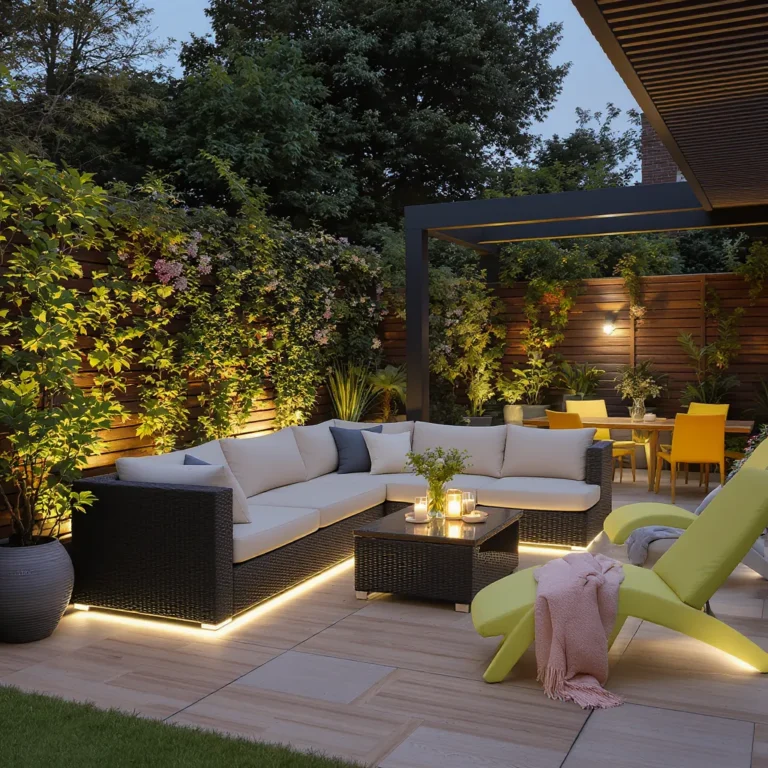
Your choice of silhouette should reflect both your personal style and the logistical realities of your home. For those with spacious lawns in rural Herefordshire, a contemporary corner lounge creates a sophisticated focal point for hosting. However, urban dwellers in cities like Manchester, Birmingham, or Liverpool often require more creative solutions. Compact bistro and balcony sets offer a touch of elegance for smaller terraces, proving that limited space doesn’t mean compromising on design. Whilst traditional rattan remains a favourite for its classic charm, modern rope-weave designs are gaining popularity in Derby and Telford for their airy, architectural feel. If you need assistance choosing the perfect configuration for your specific layout, you can get in touch with our team for expert guidance.
The Rengard Standard: Premium Rattan for Modern Living
At Rengard, we believe that your garden should be a seamless extension of your home’s interior elegance. By harmonising high-end design with the practical demands of the British climate, we’ve established a new benchmark for outdoor living. When navigating the complexities of rattan vs wicker what’s the difference UK gardens require, Rengard provides the definitive answer through material excellence. Our collections are built on a foundation of rust-free aluminium frames, ensuring that the structural integrity of your investment remains uncompromised by the damp weather common in regions like Staffordshire or Warwickshire.
We pair this robust engineering with high-quality synthetic fibres and quick-dry, UV-resistant fabrics. This commitment to “affordable luxury” means you don’t have to choose between a sophisticated aesthetic and long-term durability. Whether you are furnishing a sun-drenched terrace in Herefordshire or a modern patio in Chester, our furniture is designed to stay outside year-round. It’s a proactive approach to garden design that values the beauty of a finished space as much as the ease of the process required to achieve it. We act as your partner in creating a home that feels both inspired and attainable.
Craftsmanship and Materials
The distinction of a Rengard piece lies in the meticulous attention to detail. Our high-quality synthetic rattan and contemporary rope-weave finishes are chosen for their tactile appeal and resilience. These materials don’t just mimic the warmth of natural vines; they surpass them in performance. Our contemporary silhouettes are specifically curated to stand out in trendy UK gardens, from the urban rooftops of Manchester and Birmingham to the expansive family lawns of Shropshire. These designs are as functional as they are beautiful, providing a stylish backdrop for everything from morning coffees to late-evening gatherings. They are perfectly suited for terraces, patios, and busy family outdoor living areas alike.
Creating Your Ideal Outdoor Retreat
Transforming your garden into a sanctuary involves selecting pieces that align with your lifestyle. You might opt for an expansive corner lounge for social Sundays, a sophisticated dining set for alfresco evenings, or perhaps a pair of elegant sun loungers for quiet afternoons in the sun. The benefit of the Rengard standard is the total peace of mind that comes with low-maintenance, weather-proof performance. You can spend less time worrying about furniture covers and more time enjoying the harmony of your outdoor environment. If you’re ready to transform your space but need guidance on the best configuration for your garden, contact our team for expert advice to help you make the perfect choice for your home.
Transform Your Garden into a Year-Round Retreat
Choosing the right garden furniture is about more than just aesthetics; it’s about making an informed investment for your home in Manchester or the rolling hills of Herefordshire. We have explored the fundamental question of rattan vs wicker what’s the difference UK homeowners face, revealing that whilst wicker defines the intricate weave, the material choice is what ensures longevity. For our specific climate, the transition from natural fibres to premium synthetic rattan is essential for a terrace that remains vibrant and structurally sound throughout the seasons.
By selecting pieces with rust-free aluminium frames and UV-resistant fabrics, you are choosing a lifestyle of effortless elegance and minimal maintenance. These weather-proof materials are designed specifically to withstand the unpredictable British weather without sacrificing style or comfort. If you are ready to create a sophisticated outdoor sanctuary that mirrors the beauty of your interior spaces, our team is here to help. Discuss your garden furniture needs with our specialists today to find the perfect set for your patio. Your dream garden is just a conversation away.
Frequently Asked Questions
Is rattan and wicker the same thing?
No, they are distinct concepts; rattan is a material whilst wicker is a specific technique. When exploring rattan vs wicker what’s the difference UK shoppers should know that wicker refers to the style of weaving pliable fibres. Rattan is a specific plant-based material often used in that process. For modern gardens across the country, we use synthetic rattan fibres woven into wicker styles to ensure the furniture survives the unpredictable British weather.
Can rattan garden furniture stay outside in winter UK?
High-quality synthetic rattan can remain outside throughout a British winter without sustaining damage. It’s designed to be completely waterproof and frost-resistant. However, the frames must be made from rust-free aluminium to prevent internal corrosion. Whilst the furniture is weather-proof, we recommend storing cushions indoors or in a dry box during the colder months to keep them in pristine condition. This ensures your set is ready for use as soon as spring arrives.
Which is better: natural rattan or synthetic rattan?
For outdoor use within the UK, synthetic PE rattan is significantly better than its natural counterpart. When considering rattan vs wicker what’s the difference UK homeowners learn that natural fibres are organic and highly susceptible to mould when exposed to persistent moisture. Synthetic rattan is engineered from durable polymers that mimic the look of natural vine whilst providing total resistance to rain and frost. It offers a low-maintenance, high-performance solution for any terrace.
Does rattan furniture fade in the sun?
Natural rattan will certainly fade and become brittle when exposed to direct sunlight over time. In contrast, premium synthetic rattan is UV-stabilised during the manufacturing process. This protection ensures the material maintains its original colour and structural integrity even during the peak of summer. Using UV-resistant fabrics for cushions also prevents the sun from bleaching your furniture’s vibrant tones, keeping your outdoor set looking sophisticated and new for many years to come.
What is the most durable material for garden furniture in the UK?
The most durable combination for national outdoor living is high-quality synthetic rattan or rope weave paired with rust-free aluminium frames. Aluminium is inherently resistant to corrosion, unlike steel which eventually rusts from the inside out. When you combine this foundation with weather-proof weaves and UV-stabilised fabrics, you create a set that can withstand heavy rain, frost, and intense sun. This material choice is the secret to finding a stylish garden set that lasts.
How do I clean my rattan garden furniture?
Cleaning your woven furniture is a straightforward process that requires minimal effort. Simply use a soft-bristled brush to remove any loose debris or dust from between the weaves. For a deeper clean, wash the surfaces with a mixture of mild soapy water and a soft cloth. Rinse the furniture with a garden hose on a low-pressure setting. Avoid using a pressure washer, as the high force can damage the intricate weaving patterns and tension over time.
Is wicker furniture uncomfortable without cushions?
Wicker furniture is surprisingly supportive because the weaving process creates a natural tension with a slight, comfortable give. However, for the ultimate “affordable luxury” experience, cushions are essential. They provide the deep comfort needed for long afternoons of alfresco dining or lounging. Most premium sets come with thick, high-density foam cushions wrapped in weather-resistant fabrics, ensuring your garden furniture feels just as inviting and comfortable as your favourite indoor sofa.
Do I need a cover for my rattan furniture if it is weatherproof?
You don’t strictly need a cover if your furniture is crafted from weather-proof synthetic rattan and aluminium. These materials are designed to stay outdoors nationwide year-round without degrading. However, using a high-quality cover is a practical step to keep your set clean. It protects the weave from falling leaves, bird droppings, and general garden grime. This means your furniture is ready to use immediately whenever the sun decides to make a welcome appearance.