
Modern Living Room Furniture UK: Complete Buying Guide
Choosing modern living room furniture UK homeowners genuinely enjoy living with is about more than following trends. A room can look beautiful, but it still needs to work on a wet Tuesday evening, during family visits, or on slow Sunday mornings when all anyone really wants is a comfortable sofa and a calm setting. That is often the real test. It also helps explain why so many buyers now prefer softer, warmer contemporary interiors over sharp, colder minimalism. The look feels more welcoming. They still want clean lines, but they also want comfort, texture, and furniture that feels right at home in a real British interior.
That applies whether the property is a townhouse in Manchester, a period home in Cheshire, a family house in Staffordshire, a renovated cottage in Shropshire, or a coastal home in North Wales. The contemporary living room furniture UK buyers usually choose tends to balance modern style with practical details, such as durable upholstery, flexible layouts, and finishes that age well over time. In most homes, it is furniture made for everyday life, not just for photographs, and in this kind of space that usually makes a real difference.
In this living room furniture buying guide UK readers can use, we’ll look at what shapes modern British interiors and how to choose a layout that suits the room. It will also cover which materials feel premium, how to compare modern sofas UK shoppers see online and in showrooms, and the common buying mistakes worth avoiding. Storage, coffee tables, accent pieces, and the key questions to ask before committing are included too. If you want modern furniture for living room UK spaces that feels calm, useful, and built to last, I think this guide will help you buy with more confidence.
What Modern Living Room Furniture UK Homes Prefer Now
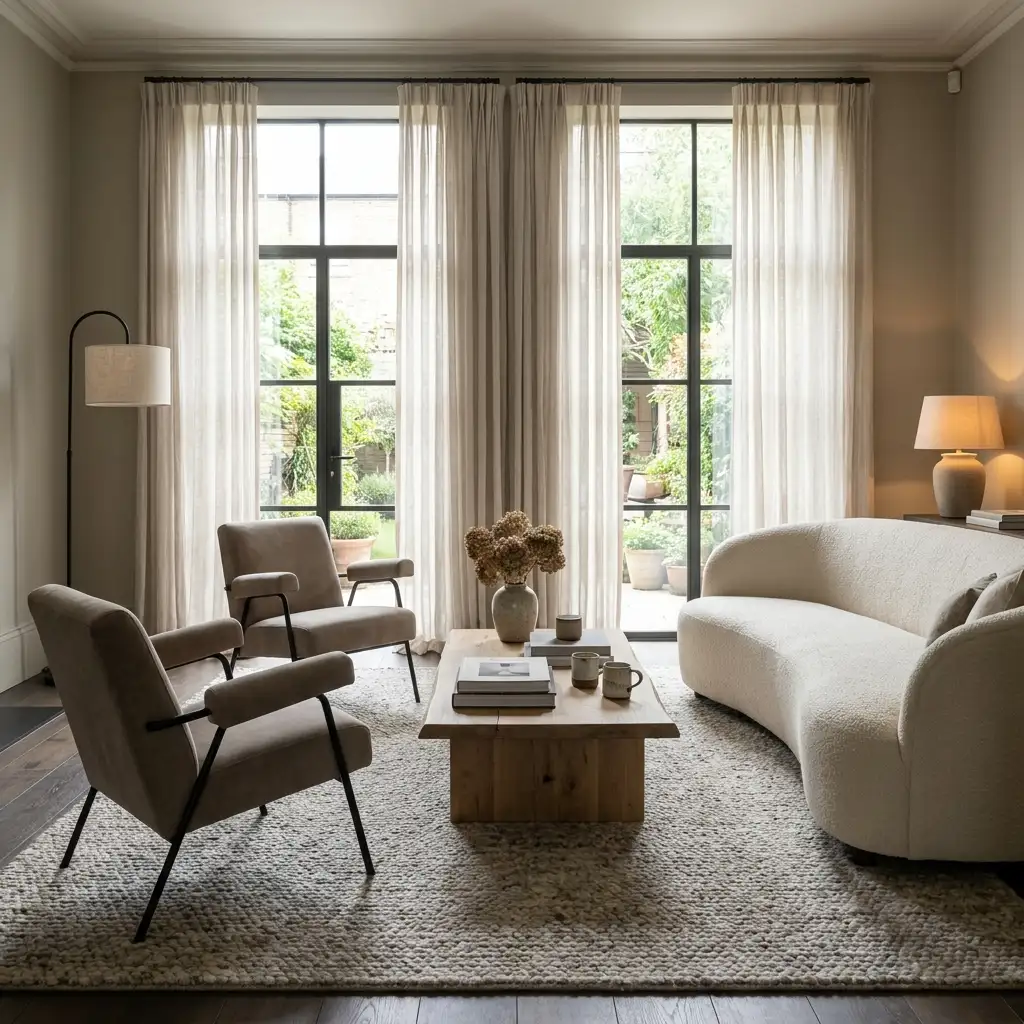
Modern does not have to mean stark. In many homes, the strongest look now feels softer and more welcoming, which is probably why it tends to last. Instead of ultra-gloss surfaces, sharp corners, and cool grey rooms, soft modern furniture brings in rounded shapes, warm neutrals, layered texture, and simple forms that still feel relaxed. It is often easier to live with, and that helps explain why modern British interiors feel more comfortable now.
According to FIRA, UK furniture and furnishings expenditure reached £20.15 billion in 2026, up 3.2% year on year (FIRA). That suggests steady demand, though buyers are also becoming more careful about where their money goes, which is not especially surprising.
At the same time, one useful sofa-market sign suggests some caution around bigger purchases. FIRA’s Statistics Digest reports that UK upholstered wooden seating sales were £784 million in 2024, down 17% from the previous year (FIRA Statistics Digest). People are still buying, but they are often taking longer before picking larger-ticket pieces. You can usually see that in how carefully bigger living room purchases are considered.
That is why premium living room furniture UK shoppers often come back to a few key things. The basics, really.
- shapes that soften the room
- materials that feel good and also wear well
- timeless design
- a look that will not date too quickly
For a useful starting point on the wider look and feel of the collection style, Introducing RENGARD Home: Modern Indoor Furniture for Contemporary British Living gives a clear overview of how contemporary furniture can feel warm rather than severe, which is likely what many people want now.
Start With Function Before Style in Modern Living Room Furniture UK Spaces
Before picking colours or finishes, work out what the living room actually needs to do. That step can save money, which is usually a good thing, and it often stops a space from looking polished but feeling awkward in daily life.
A few simple questions make this much easier to figure out:
- Is the room mainly for relaxing, entertaining, watching TV, reading, or a mix of all four?
- How many people use it every day?
- Is hidden storage needed, open display space, or both?
- Is the room open-plan or separate?
- Should the furniture fade into the background or stand out as a clear focal point?
The answer will be different from one home to another. A couple in Birmingham may want a refined room centred around a low, sculptural sofa, with a statement coffee table next to it. A family in Shropshire may need deeper seating, fabric that deals well with stains, and maybe a media unit that keeps clutter tucked away behind closed doors. A homeowner in Cheshire may be looking for luxury living room furniture UK style that still sits comfortably beside original beams or other period details, and that can be a hard balance to get right.
One useful way to plan the room is to think in layers:
- Anchor piece: usually the sofa
- Support pieces: armchairs, coffee table, side table, storage
- Softening layers: rug, lighting, cushions, textiles
- Circulation space: clear walking routes between the sofa, tables, and storage
It can also help to picture the room as a few zones. One may be for seating. Another could be a reading spot, and there might also be an area for storage or display. This often works well in larger homes across Staffordshire and North Wales, where open-plan layouts can start to feel too spread out and a little disconnected.
Planning Around Awkward Room Shapes
What if the room is narrow or the proportions feel awkward? In that case, keeping layout research separate from buying decisions is often the sensible choice. The point is not just to squeeze furniture into the space. It is about choosing the right kind of modern home furniture UK buyers can live with comfortably every day. For more compact-room planning ideas, Small & Narrow Living Room Layout Ideas for British Homes is useful for understanding scale and circulation.
How to Choose the Right Sofa Shape for Modern Living Room Furniture UK Layouts
Most people start with size. That matters, of course, but in many rooms shape matters almost as much. With soft modern furniture, the shape changes how the space feels, and that can be easy to miss at first.
Curved and rounded seating is a big direction in contemporary interiors. Ideal Home says that UK living-room trends often lean toward curved seating, tactile upholstery, warmer tones, and softer forms (Ideal Home). That likely helps explain why so many modern sofas UK shoppers choose with gently rounded arms, low profiles, and cocooning silhouettes. It creates a softer look and usually feels easier to live with every day.
Curved furniture, particularly in sofas and armchairs, will continue to dominate, adding softness and a sense of comfort to living spaces.
One practical way to compare sofa shapes is this:
Straight sofas for modern living room furniture UK homes
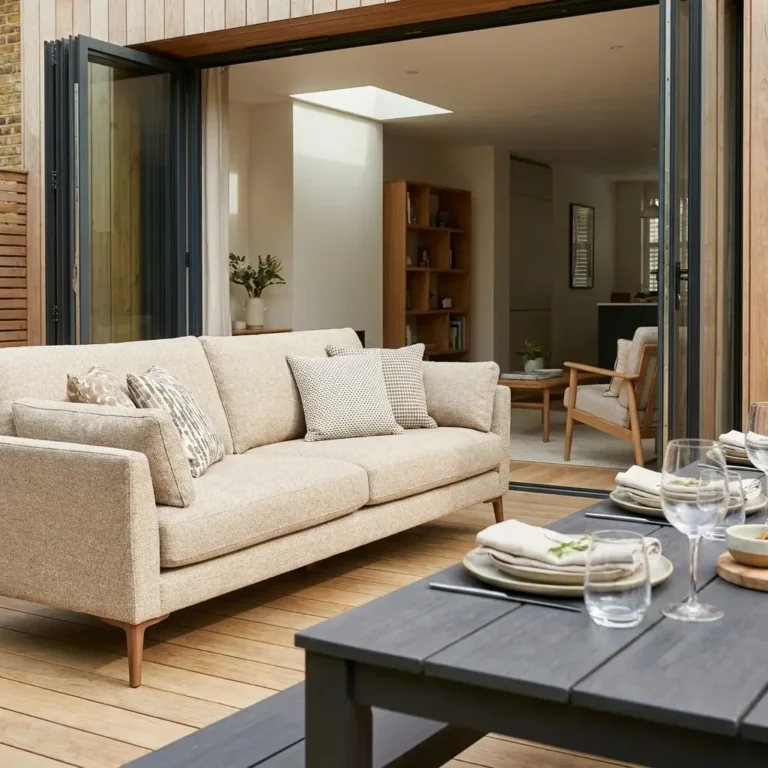
Great for neat layouts, along walls, or a more formal look, I think. They often suit townhouses and narrower rooms well.
Curved sofas
Great for soft, modern rooms with a more conversational layout, which can help. They can also make a room feel less boxy. Just plan for a bit more space around them.
Corner sofas
They’re really good for family life and open-plan spaces. You get loads of seating for everyone, but in smaller rooms they can take over fast.
Modular sofas in modern living room furniture UK interiors
Best for flexibility. They’re a good fit for people who move often or like changing the room layout over time, which a lot of people do.
A handy before-and-after example is a square Staffordshire living room: with a boxy three-seater, a heavy dark table, and an oversized recliner, it can feel crowded pretty fast. Switch to a softer-profile sofa, a rounded chair, and a lighter coffee table, and the room often feels bigger, even though no extra floor space has been added, which is pretty surprising.
For a more detailed sofa-first approach, Choosing the Right Sofa for Modern UK Homes covers the comfort and sizing side in one focused guide. Buyers comparing local options may also find Modern Sofa Staffordshire: Premium Picks for 2026 helpful when narrowing down styles and proportions.
Materials That Make Modern Living Room Furniture UK Pieces Feel Premium
When people search for premium living room furniture UK options, they usually mean more than just a higher price tag. They’re looking for pieces that feel solid, look refined, and keep that quality over time. In most cases, the real difference comes down to the materials used. It really is that simple, honestly.
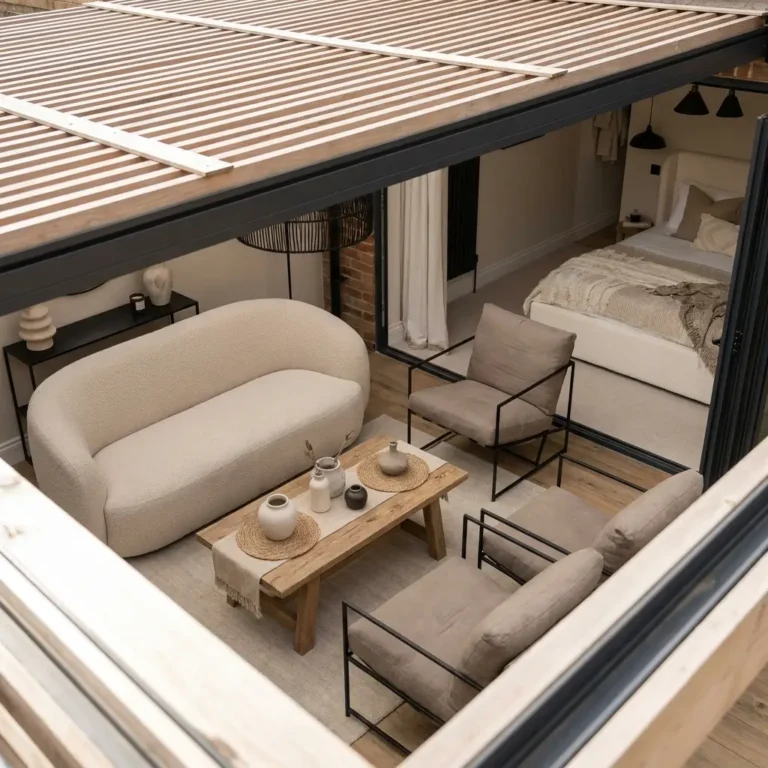
In a modern living room, that premium feel often comes from contrast. Soft upholstery next to warm wood, matte finishes with a subtle grain, or stone-look surfaces paired with black metal details all help. Layering materials this way adds depth without making the room feel too busy, and it often makes the space feel thoughtful rather than cluttered. That balance likely matters more than many people expect.
Upholstery choices
- Bouclé: soft and textured, which is probably why so many people like it. It works especially well on accent chairs in a bedroom corner or a quieter sitting room, though it helps to be realistic about how it usually holds up in busy family spaces.
- Chenille: soft, practical, and easy to live with in many homes, which is likely why it so often stays popular.
- Velvet: rich and elegant, especially in deeper tones, although it can show marks a little more easily.
- Tight woven fabrics: often the safest all-round choice for everyday use.
- Performance fabrics: a good fit for families, pets, and seats that get used a lot.
Wood and hard finishes
- Oak: light to mid-tone, and easy to use in soft-modern rooms.
- Walnut: richer, a bit more dramatic, and a good choice if the aim is a more luxurious feel.
- Teak-inspired tones: warm and grounded in a calm way, and often work especially well in neutral rooms.
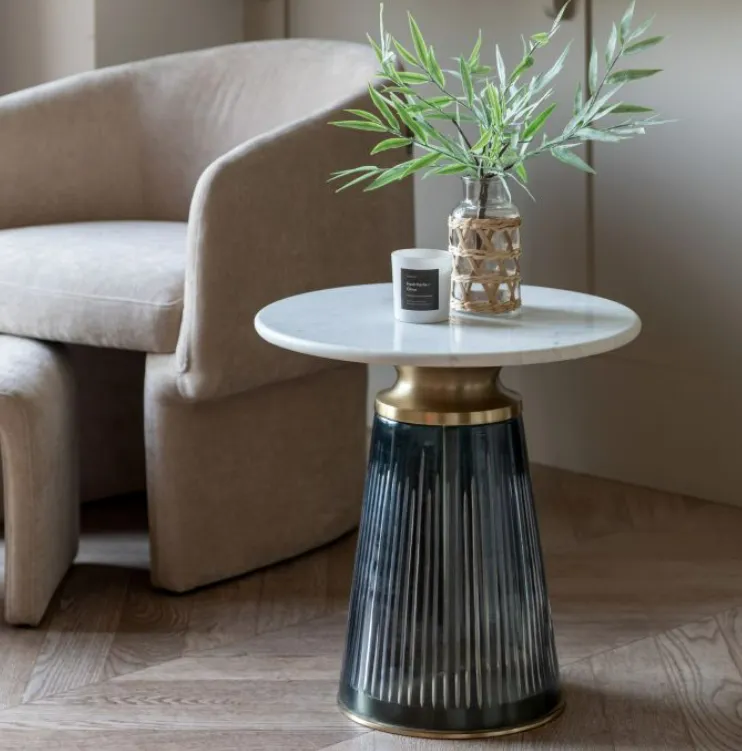
- Stone or marble-look tops: practical on coffee tables and consoles when more visual weight is needed, especially in the centre of a living room or along a hallway wall.
- Smoked glass: modern and elegant, although it usually looks best when paired with softer textures around it, as that contrast often helps.
Good quality also tends to show up in details that are easy to miss at first:
- strong internal frame construction
- even stitching and upholstery lines that look tailored
- a consistent finish colour across surfaces
- drawers and doors that open smoothly
- stable table bases with no wobble
When comparing British-made and imported pieces, the bigger picture helps. FIRA’s trade figures show UK seating imports reached £3.24 billion in 2024, while exports were £1.25 billion (FIRA Statistics Digest). That does not automatically mean imported furniture is poor quality. It usually just means the better approach is to ask more specific questions about construction, sourcing, consistency, and aftercare, instead of judging quality by origin alone.
Building a Balanced Modern Living Room Furniture UK Scheme, Piece by Piece
A good room usually doesn’t come from buying a matching suite, at least not here. It often comes together when the pieces sit well side by side without feeling copied and pasted. That’s often where contemporary living room furniture UK buyers tend to get the best results.
The seating group is a good place to begin. Once the sofa is in place, one or two extra pieces can change the rhythm of the room just enough to make it feel more balanced. It’s a small change, but it often helps. That might be a curved armchair next to a straighter sofa. Or maybe a textured coffee table in front of the sofa to break up too much fabric.
Coffee table
Choose it based on proportion and how you’ll use it. A very large table can block movement in the room, while a very small one can feel lost in the space. Rounded corners work well in family homes and often soften rooms with lots of straight lines.
Side tables
These help the room feel complete and make everyday use easier, which is always nice. A drink, book, lamp, candle, or something like that usually needs a place to go, you know.
Storage furniture
Modern storage should cut visual clutter. Sideboards, media units, and shelving usually work best when they hold what you need for daily use, not extra things. Otherwise, they can easily become overloaded displays.
Lighting
Living-room furniture rarely looks its best under one harsh ceiling light. Floor lamps and table lamps help create a nicer mood, and they also usually make premium finishes look better, which you’ll probably notice right away. It can make a real difference.
In real homes across Manchester or Birmingham, this more layered approach often works better than trying to buy everything at once. One couple may start with a sofa and coffee table, then add an armchair and a storage piece a few months later after living in the room and seeing what is missing. It is slower, but usually a smarter way to do it.
Creating Better Flow in Larger Rooms
That method often leads to better scale and helps people avoid expensive mistakes. For a closer look at seating choices, Premium Craftsmanship Armchairs UK for Shropshire Living Rooms is useful for understanding how accent seating can support a modern room without overwhelming it, especially in smaller layouts.
Common Buying Mistakes With Modern Living Room Furniture UK Choices
Even expensive furniture can still feel wrong when a few basics get missed, and that honestly happens a lot. The mistake that comes up most often is picking looks first, then only later thinking about how the room will actually work every day.
These are the mistakes that keep coming up, and you’ll probably recognize a few.
Buying furniture that is too deep
Deep seats can look luxurious online, and they often do. But they are not a good fit for everyone. If your feet can’t rest comfortably on the floor, the sofa is probably a bad choice for everyday use.
Ignoring delivery access
Before buying, check front doors, hallways, stair turns, and lift access. Most of the time, the problem starts before the furniture even reaches your room, which is really annoying. Small detail, usually. Big hassle.
Choosing finishes in isolation
A walnut table can look beautiful on its own. But if a room already has cool oak flooring and lighting with a lot of black in it, which is often the case, it usually helps to see how those tones look together.
Overfilling the room
Premium rooms often feel calmer because they use fewer, better pieces, and that likely helps. Empty space often matters a lot too, especially in the design.
Forgetting maintenance
Some fabrics and finishes need a bit more care than others, and that is not always a bad thing; it often just comes with the material. Still, it should fit your lifestyle, because most people do not want something that feels hard work every single day.
A sensible quality checklist includes:
- if possible, sit on the sofa for at least ten minutes
- ask about the seat cushion filling and back support
- request swatches to view in your room’s daylight and evening light
- confirm lead times and delivery terms
- ask how the finish might vary between the sample and the final piece
This is also where retailers with a clear style point of view can be really helpful. Small detail, bigger difference, and it often saves hassle later. RENGARD is one example of a UK brand working across modern, Scandinavian, and industrial-inspired furniture, with a focus on materials, comfort, and practical design language for soft-modern interiors.
Regional Buying Tips for Modern Living Room Furniture UK Homes
A modern living room in the UK is rarely just a plain white box. In many homes across Shropshire, Cheshire, Staffordshire, and North Wales, character features shape how contemporary furniture is chosen, and that is usually a good thing.
Mixing Contemporary Furniture With Character Features
In period homes, the best modern furniture for living room UK spaces often works through contrast, not imitation. Clean-lined pieces can sit very well beside ceiling beams, bay windows, original fireplaces, and older brickwork. The key is often a calm palette, so the older details and newer furniture feel connected rather than competing. When it is kept simple and balanced, the room usually comes together more naturally.
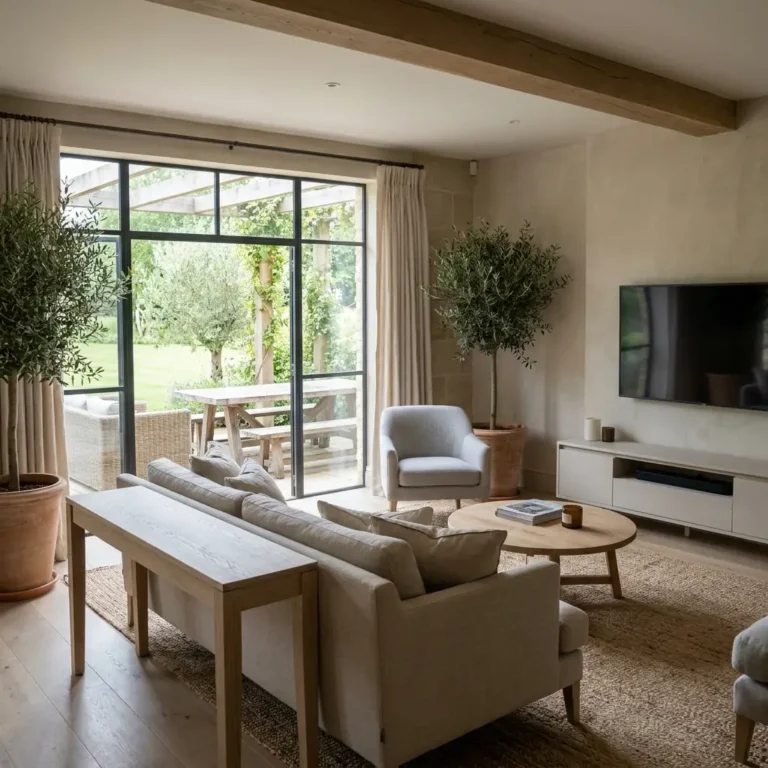
In newer open-plan homes, zoning often matters more. Rugs, lighting, and low storage can help define the living area around the sofa and coffee table without blocking sightlines across the room, which people tend to notice quickly. That change can affect how the whole space feels.
Choosing Furniture for City and Family Homes
Around Manchester and Birmingham, city homes often have one main challenge: scale. You will usually find it helps to choose:
- lighter visual weight
- a few pieces with raised legs
- rounded forms that help the room flow
- compact armchairs instead of bulky extras
- storage for cables and everyday clutter
A soft-modern room does not need everything to be beige, and that can sometimes make things feel a little flat. What usually works better is balance. Warm stone, taupe, olive, rust, charcoal, and muted wood tones can all sit comfortably in modern British interiors, helping the space feel relaxed, current, and easy to live in.
Readers looking for more regional inspiration can also explore Staffordshire Home Furniture: Modern, Stylish, British for ideas that suit contemporary UK homes with character.
Online vs Showroom: How to Buy Modern Living Room Furniture UK Buyers Trust
A lot of buyers now start online, then cut down the shortlist before ordering or visiting a showroom. Commercial market estimates from Mordor Intelligence suggest that nearly 40% of UK furniture transactions happen online, and that living-room and dining-room furniture makes up a large share of the market (Mordor Intelligence). These are market estimates rather than official statistics, but they still fit a buying pattern many people will probably already recognise.
Comparing Online Research With In-Person Visits
Online shopping works especially well for comparing dimensions, finishes, style direction, and the overall look, which is often the simple part. Bigger purchases, though, usually need a bit more certainty before anyone commits. That is where swatches, close-up material images, clear delivery guidance, and dimensions that feel easy to follow and honest, rather than vague or over-polished, become much more useful.
One simple process often helps:
- shortlist a few options rather than ten
- compare dimensions with your room plan
- order material samples where possible
- check seat height and total width
- think about seat depth as well
- review delivery details before payment
Want to test comfort in person? A curated home furniture showroom can make ideas feel more real and, in most cases, easier to decide on. RENGARD also gives buyers a useful reference point for modern home furniture UK style with a premium feel, practical materials, and a softer look that avoids very sharp-edged minimalism. Buyers comparing online research with in-person visits may also find A Complete Guide to Visiting a Modern Furniture Showroom in the UK helpful before making a final decision.
Frequently Asked Questions
What defines modern living room furniture in the UK?
Modern living room furniture UK buyers usually choose has clean lines, balanced proportions, and a simple overall look. Right now, many homes lean toward soft modern furniture, which adds warmer colours, rounded edges, and more texture so the room feels calm rather than cold.
How do I choose between contemporary and soft-modern furniture?
Contemporary living room furniture UK styles can include sharper shapes and stronger contrast, while soft modern furniture feels gentler and more relaxed. If you want a room that still feels timeless and easy to live in, soft modern is often the safer choice for family homes and mixed-use spaces.
Which sofa fabric is best for a busy living room?
A tight woven fabric or performance fabric is often the best all-round option. These materials tend to handle daily use better than delicate textures, while still looking refined enough for premium living room furniture UK schemes.
How much space should I leave around a coffee table?
As a general guide, leave enough room to walk comfortably and sit down without squeezing through. In most rooms, a clear gap of around 40 to 45 cm between the sofa and coffee table works well, though the exact amount depends on your layout and the depth of your seating.
Where can I find modern sofas and matching living room pieces in one style direction?
If you want a coordinated look without buying a full matching suite, it helps to shop from a collection with a clear design language. A retailer such as a UK home and garden furniture specialist can be useful for comparing modern sofas UK buyers like alongside coffee tables, accent pieces, lighting, and decor in related finishes.
Is it worth visiting a showroom before buying premium furniture?
Yes, especially for sofas, armchairs, and larger storage pieces. You can test comfort, check fabric texture, and judge colour properly in person. If you are unsure where to start, A Complete Guide to Visiting a Modern Furniture Showroom in the UK on the same site is a helpful next read.
Final Checks Before You Buy
When comparing luxury living room furniture UK options, it helps to slow down and look at the whole room. The best spaces usually are not the ones filled with the most furniture. More often, they are the rooms where each piece clearly earns its place and adds something useful to the overall feel.
Before placing an order, it is worth checking these final questions carefully:
- Does the sofa shape suit the room, not just the wall it sits against?
- Do the materials fit the way people actually live, day to day?
- Is there enough open space for the room to feel balanced and easy to move through?
- Have access, lead times, and finish details been checked properly?
- Will the design still feel right in a few years, not only this year?
The best modern living room furniture UK choices bring together comfort, durability, and a calm look. They do not chase every trend. Instead, they rely on thoughtful shapes, quality materials, and a layout that often makes everyday life easier. That usually matters most when the room is being used every day.
Create a Living Room You Will Still Love Later
A good buying decision is not just about what looks great on the day it arrives. It is more about how the room works over time. The best contemporary living room furniture UK schemes usually follow a simple pattern: a comfortable sofa in the right shape, a balanced mix of materials, enough storage to keep clutter off shelves, tables, and the floor, and a layout that suits real life, which is often what matters most here. Simple, really.
If a few points from this guide are worth remembering, these are probably the most useful:
- choose function first, then refine the style
- judge sofa shape just as carefully as sofa size
- use texture and warm finishes for a more premium feel
- buy fewer, better pieces instead of filling every gap
- always check comfort, access, and materials before ordering
Whether furnishing a renovated cottage in Shropshire, a modern house in Staffordshire, a city home in Manchester, or a family room in Birmingham, the best modern furniture for living room UK spaces should feel practical and personal, with a calm atmosphere that is easy to live with. I think that is what most people want, really.
Take your time and compare things carefully before deciding. One useful approach is to build the room in layers. Done that way, modern home furniture UK style often feels less like a passing trend and much more like home, and in my view that is really the point.
3 Comments