
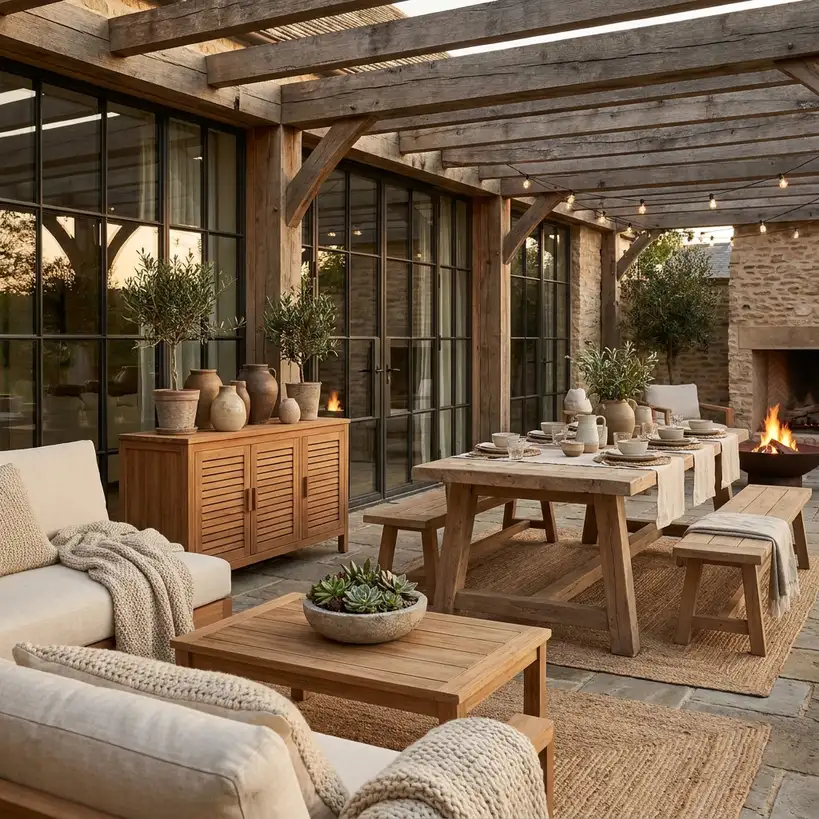
Teak Wood Furniture for Timeless UK Interiors
Teak wood furniture changes how a room feels before most people can explain it. A space that felt flat or a little too polished starts to feel calmer, warmer and more grounded when timber enters the picture. That’s why natural wood furniture UK homeowners keep coming back to never falls out of style. It suits period homes, new-builds, converted barns, city flats and soft-modern family spaces. Wood adds depth, grain, age and character that paint, metal and upholstery simply can’t imitate.
For British buyers, that carries even more weight. Many modern homes lean cool, with grey flooring, white walls, black-framed glazing and sleek kitchens setting the tone across the space. Natural materials interior UK schemes offset that crispness. Teak wood furniture can anchor a dining room. Oak furniture styling UK ideas can soften a lounge. Warm wood tones UK interiors hold their appeal through every season. The effect is not rustic. The aim is a home that feels lived-in, layered and timeless.
This guide explains how to incorporate wood with intention. It covers choosing the right species and tone, using wood texture home UK schemes well, shaping soft modern wood interiors UK buyers genuinely want to live with and handling mixing wood furniture UK households regularly find tricky. It also looks at sustainability, room-by-room use and practical buying decisions, so the result feels cohesive now and still makes sense years from now.
Why natural wood still matters in modern UK interiors
Natural wood remains a significant part of the British home market. UK furniture and furnishings expenditure reached £20.15 billion in 2025, up 3.2% year on year, according to FIRA citing ONS data (FIRA). UK furniture manufacturing sales also reached £10.8 billion in 2024 (FIRA Statistics Digest). People are still investing in furniture with longevity and real presence.
That demand reflects clear practical value. Forest Research reported apparent UK wood consumption at 48.5 million cubic metres in 2024, a 14% increase from 2023 (Forest Research). It also supports what many homeowners already recognise through daily use. Few materials combine style and substance so well. Wood can soften a modern interior without making it feel traditional or heavy.
Integrating natural materials like wood, brass, or terracotta into your modern design can inject a sense of warmth and grounding feeling.
That sits at the centre of good wood interior styling UK homes need now. A table or sideboard does more than fill space. It becomes a visual anchor. Grain helps break up hard surfaces. Warm wood tones UK palettes use can take the edge off all-white or grey schemes. Timeless wood furniture UK buyers choose with care can move from one room to another, from one home to the next and across different stages of life.
Choosing the right wood: oak, teak, ash and walnut in real homes
Not all wood creates the same atmosphere. Species, stain, finish and grain pattern all shape how a room feels. For a light, adaptable, recognisably British look, oak is often the easiest place to start. It feels warm without turning orange, and familiar without seeming dated, especially in matte or lightly oiled finishes. Oak furniture styling UK interiors usually works best with that balance.
Ash is slightly paler and cleaner in appearance, so it suits Scandinavian-inspired spaces or homes that need more visual lightness. Walnut is deeper and richer. It brings contrast and sophistication to rooms with cream upholstery, plaster walls or brushed metal accents. Teak wood furniture stands apart for its density, golden-brown depth and natural resilience. Many people know teak from outdoor collections, yet it can look just as striking indoors, particularly in dining areas, hallways and open-plan homes where a stronger grain gives the room more definition.
Current trend coverage supports the move toward warmth and visible character. Livingetc points to a shift away from cooler, washed-out finishes and toward honey oak, natural mid-tones and grain-led surfaces (Livingetc).
I’m seeing a clear shift towards natural mid-tone woods with visible grain and character, like soft white oaks and lightly warm-toned natural finishes. They bring richness without going dark and pair beautifully with layered textiles, stone, and color.
Before choosing wood, ask a few direct questions:
- How much natural light does the room get? Darker woods can look luxurious in bright rooms, yet feel heavy in shaded corners.
- What is the dominant undertone already present? Flooring, worktops and wall colour should guide the choice.
- Do you want the wood to blend or lead? Oak often blends. Walnut and teak tend to lead.
Modern wood furniture UK schemes feel intentional rather than accidental when the wood responds to the room instead of competing with it. For more inspiration, What Styles of Home Furniture Does RENGARD Offer in the UK? explores a range of modern indoor looks.
Building a soft-modern look with wood, not around it
Soft-modern interiors are one of the most useful style lenses for British homes because they balance clean lines with comfort. In practice, that means modern silhouettes, restrained palettes, uncluttered layouts and enough warmth to stop the space feeling like a showroom. Natural materials interior UK styling matters here. Wood does most of the heavy lifting.
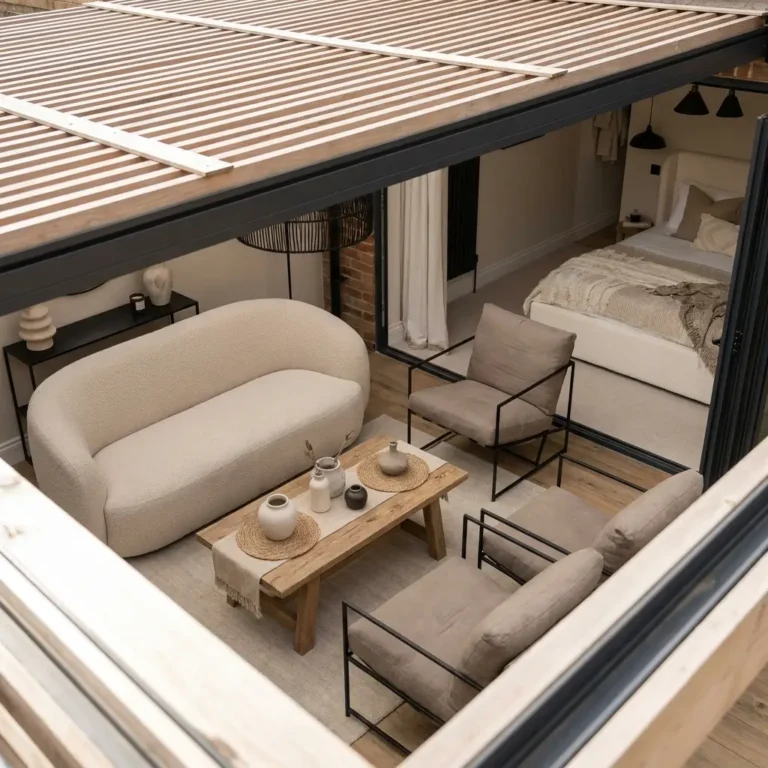
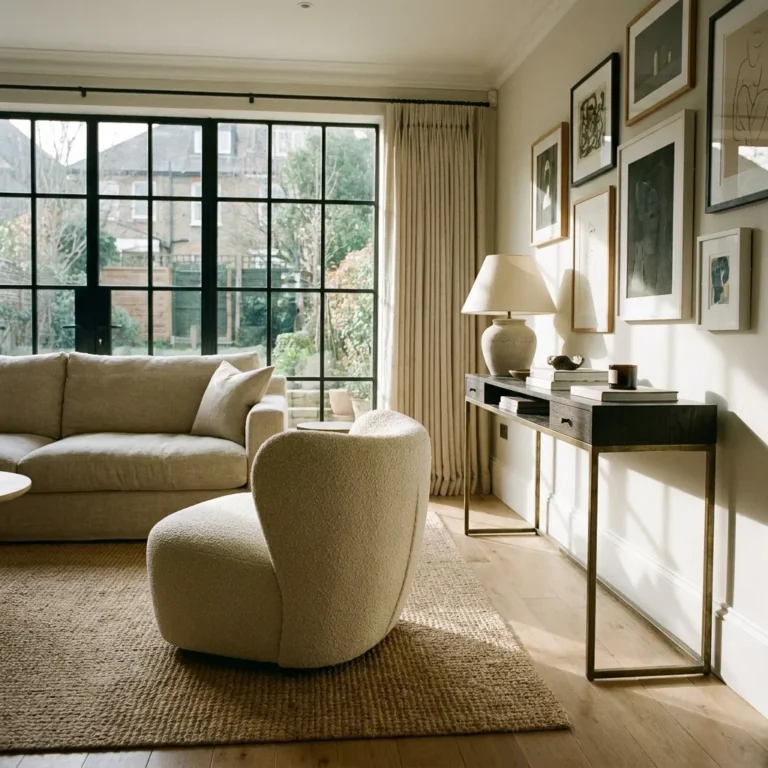
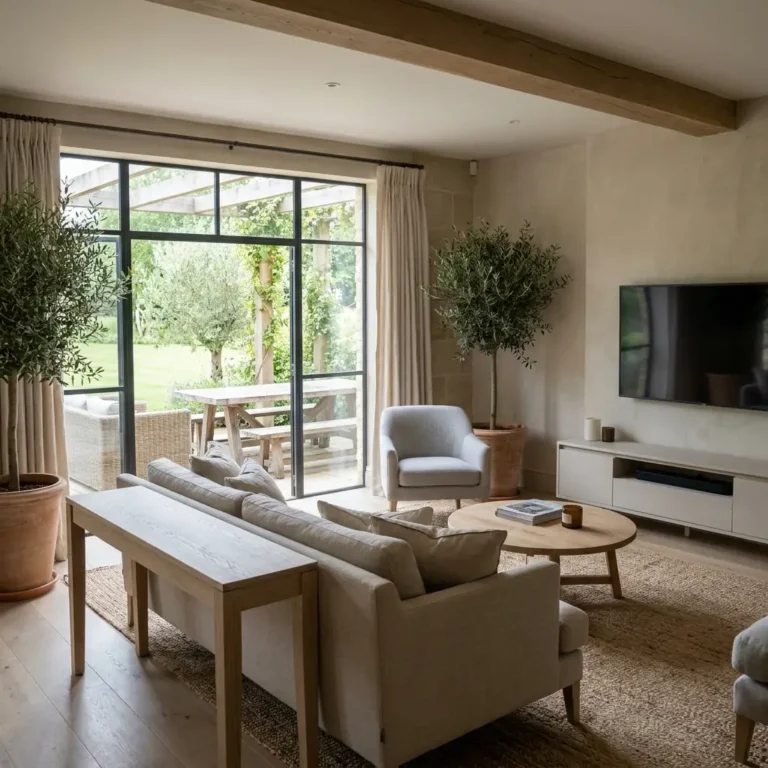
Begin with one substantial wooden piece that carries real visual weight: a dining table, media unit, sideboard or coffee table. Let that set the room’s natural tone. Around it, add softer supporting elements such as boucle or linen upholstery, wool rugs, ceramic lamps, stone accessories and brushed metal details. The contrast adds layers without tipping the room into visual noise.
A typical new-build lounge shows the effect clearly. Before wood enters the picture, the scheme can lean on painted walls, a fabric sofa, laminate flooring and black accents. Smart, yes, but also slightly cold. Add a low oak console, a teak coffee table or a walnut sideboard, and the room gains texture as well as a stronger sense of permanence. That shift is often what wood texture home UK buyers are missing when a space looks finished but still does not feel inviting.
If you want inspiration for how current retail collections interpret this aesthetic, Modern Showroom Trends UK Shaping Interiors offers a useful look at how contemporary British spaces are being styled.
Restraint matters most. Soft modern wood interiors UK homeowners get right follow a simple pattern:
- one main wood tone
- one supporting natural texture
- one darker contrast
- empty space around hero pieces
That gives the timber room to breathe, and it keeps the result current instead of feeling overly themed.
How to mix wood furniture without making the room feel mismatched
One of the biggest anxieties around mixing wood furniture in UK homes is the idea that everything has to match exactly. It doesn’t. When furniture is too closely matched, a room can feel flat, as if it was bought as a set and dropped into place without much thought. Not ideal. A better approach is to coordinate through tone, scale and finish.
Start with a lead wood, then add a supporting wood. If your dining table is warm oak, pair it with walnut-framed lighting, a teak sideboard or black-stained occasional furniture. That combination works. The room still feels coherent because the undertones sit well together, and the shapes relate to each other instead of fighting for attention.
A simple way to approach it:
Match undertones first
Warm woods pair best with warm woods. Cool, pale woods pair best with neutral finishes in the same range. Species matters less. Undertone is what counts.
Vary scale, not just colour
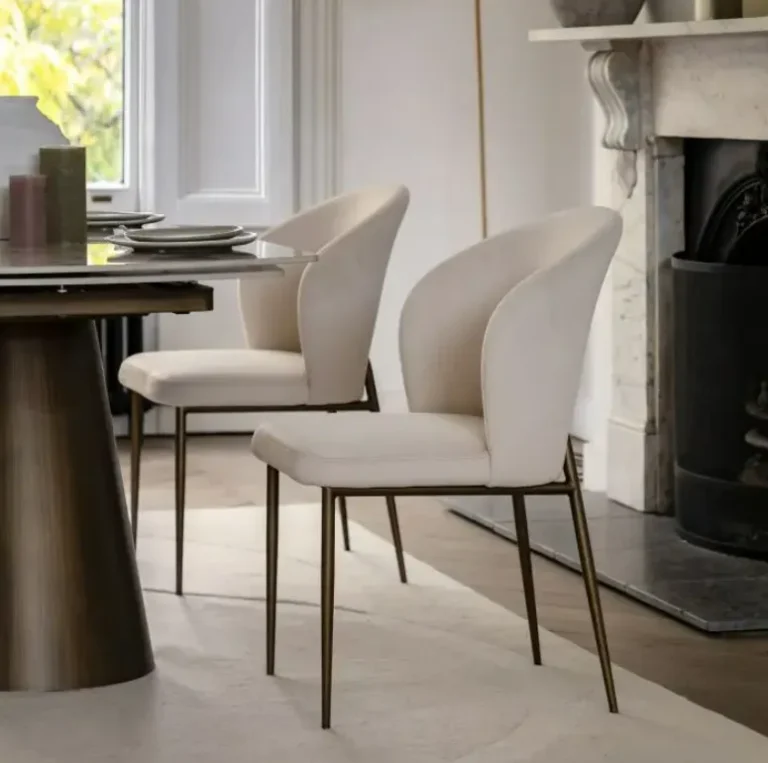
When every wooden piece has the same height, depth and finish, the room starts to feel repetitive, too even. Mix a chunky dining table with finer dining chairs, then pair it with a simple sideboard.
Repeat wood at least twice
One wooden piece can feel isolated. Repeat that tone in a lamp base, frame, stool, or shelf so the choice feels intentional.
Break it up with other materials
Stone, upholstery, rope, rattan, linen and metal keep a room from feeling too timber-heavy. That matters for brands and collections working across indoor and outdoor living, including RENGARD.
In Shropshire, Cheshire, Staffordshire, Manchester, North Wales and Birmingham, homeowners can miss that balance when aiming for warm, timeless interiors. Everything doesn’t need to match. Just enough balance.
Room-by-room ideas for making wood feel natural and elevated
The best wood interior styling UK homes use does not come from forcing the same formula into every room. Each space needs something different from wood, and the result depends on what that room already lacks or what it needs more of.
In the living room, timber works best when it anchors softer pieces. A wooden coffee table, sideboard or open shelving unit can stop upholstery-heavy layouts from feeling too padded or overdone. Simple and effective. In rooms with televisions and dark screens, warm oak or teak helps stop the wall from feeling too stark.
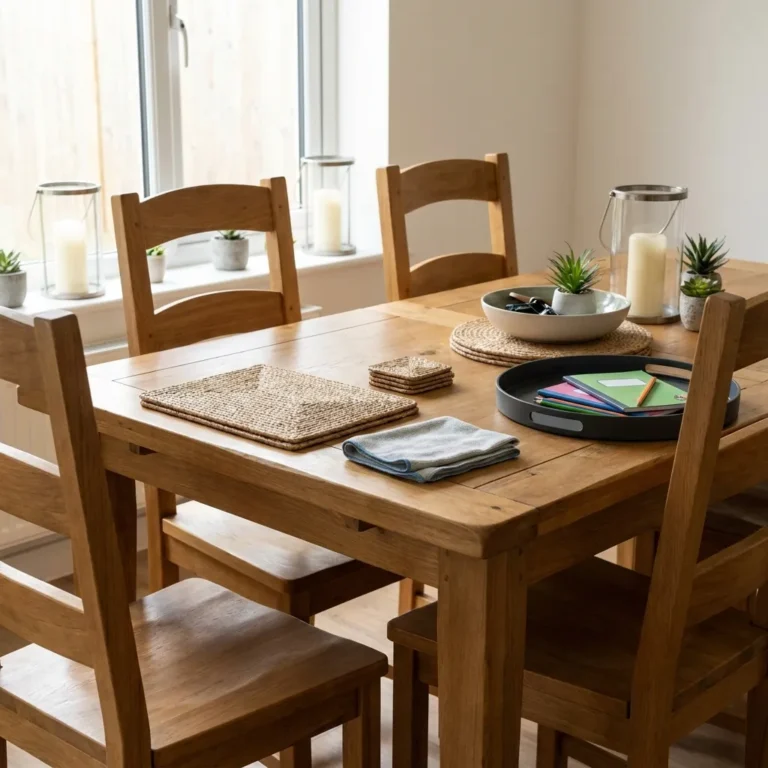
Within the dining area, wood can become the focal point. Teak wood furniture works especially well here because a dining table needs visual weight as well as tactile character for everyday use. If a sideboard is part of the scheme, Modern Sideboards UK for Contemporary Interiors is relevant reading.
For the bedroom, wood should feel quieter. Bedside tables, benches or a chest with visible grain generally work better than adding too many statement pieces. Soft modern wood interiors UK bedrooms can pair pale timber with textured bedding and low-contrast wall colours. Calm matters here.
In the hallway, wood improves first impressions almost immediately. A slim console, bench or mirror frame brings warmth before the rest of the home comes into view. A small change, but a noticeable one.
Inside the kitchen or open-plan family room, wood can bridge fitted and freestanding elements. UK wooden kitchen furniture manufacturing sales reached £2.28 billion in 2024 (FIRA Statistics Digest). Wood still holds a strong place in everyday domestic design, not just in styled spaces.
Use wood where the room needs grounding, rather than spreading it everywhere by default. Buyers researching Home Furniture Online UK: Best Modern Stores for 2026 often notice how different wood finishes change the mood of a room.
Sustainability and longevity: what informed buyers now look for
Natural wood has emotional appeal, but it also raises practical questions about sourcing, longevity and environmental responsibility. That matters because sustainability now shapes mainstream buying decisions, not just niche ones. A Savanta survey of 1,000 UK adults found 55% said sustainably made furniture is important in 2024, reported by FSC UK (FSC UK).
Buyers now look beyond surface appearance. They want to know if a piece is likely to last, whether the timber comes from responsible sources and whether the design will still make sense in the home years from now, rather than needing replacement after a short spell. Looks alone are not enough.
For timeless wood furniture UK shoppers, good questions include:
- Is the piece solid wood, veneered, or a mix of both?
- Does the finish let the grain show, or is it heavily coated?
- Can the item work in another room if you move house?
- Will scratches and wear add character, or spoil the look?
Trend-led alternatives often struggle here, while wood can hold its ground. It can develop a patina rather than simply wearing down, which shapes how age is seen over time. When the design is strong and the finish stands up to everyday life, a modern oak table can look better after several years of use. The same often applies to teak wood furniture that develops more character through regular use. If practical maintenance guidance is useful after purchase, Wood Furniture Care Tips for Everyday Family Homes covers the basics without repeating them here.
The smartest purchases are stylish, adaptable, repair-friendly and built to age well through real family life. Readers also looking at sustainability priorities may find Sustainable Furniture Choices for the Modern Home useful alongside this guide.
Pairing wood with other natural materials for a layered British look
Wood rarely carries a room well by itself. The most inviting natural materials interior UK schemes pair timber with a tight mix of tactile surfaces, adding depth and helping a space feel richer. Stone, linen, wool, rattan, rope, clay and brushed metal all sit well with wood. Same honesty. Same texture.
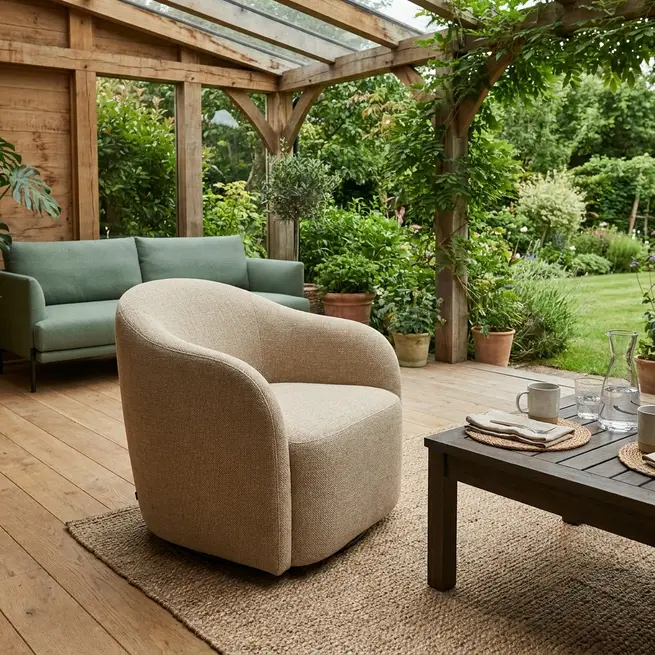
This matters even more in British homes, where the light can shift sharply through the year and alter how every surface looks from one season to the next. In winter, those combinations make rooms feel cocooning. In summer, they can still feel airy if the palette stays restrained. A warm oak dining table with woven dining chairs, linen curtains and a ceramic pendant feels relaxed yet polished. Teak wood furniture with off-white upholstery and textured rugs can read as quietly luxurious. Never formal.
According to Livingetc, designers are pushing back against darker, moodier schemes and favouring finishes that feel more natural and inviting. Amanda Smith Corston points to a move toward light, airy wood tones in current flooring trends (Livingetc).
The practical rule is simple. Combine:
- one dominant wood tone
- one woven or soft textile texture
- one hard natural accent such as stone or ceramic
That balance works across modern wood furniture UK schemes because it stops the timber from feeling isolated in the room, even when the look is pared back. It also links to the broader soft-modern style many buyers now want: tactile, timeless and pared back rather than stark.
Common mistakes that make wood interiors feel heavy or dated
Wood is versatile, but it is not foolproof. One of the most common mistakes is using too much of the same finish and stacking it all at eye level, which can leave a room feeling boxed in, especially in smaller UK homes. The effect builds fast. Another problem is pairing orange-toned timber with cool grey flooring and blue-greys on the wall. The clash is subtle, but it is tiring.
Natural does not automatically mean rustic. If the aim is modern wood furniture UK style, farmhouse detailing, distressed finishes and oversized country proportions can push the look in the wrong direction. The mood shifts. Clean lines, visible grain and simple forms tend to work better.
Scale gets ignored too. A beautiful teak table can still feel wrong if it dominates a modest room or blocks circulation, and a tiny side table in a generous open-plan space can end up looking completely out of place. Proportion matters. Timeless wood furniture UK choices get scale right before style does its part.
Then there is contrast. Do not fear it. Wood can look better beside plaster, painted walls, metal or stone than beside more wood in a tone that is nearly but not quite the same. That near-match rarely works. Contrast makes the grain stand out.
Frequently Asked Questions
What is the best wood for a modern UK home?
There is no single best option, but oak is often the easiest fit because it suits both traditional and contemporary spaces. If you want deeper colour and stronger grain, teak wood furniture or walnut can create more contrast and visual richness.
Can I mix oak and teak furniture in the same room?
Yes, as long as the undertones feel compatible and one wood leads while the other supports. The easiest way to make mixing wood furniture UK schemes work is to repeat each tone at least twice and break them up with textiles, stone or metal.
How do I stop natural wood furniture from making a room feel dark?
Use wood strategically rather than everywhere. Mid-tone oak, ash and lighter finishes keep rooms open, while darker pieces should be balanced with pale rugs, soft upholstery, light walls and good spacing around each item.
Is teak wood furniture only for outdoor spaces?
Not at all. Teak is well known outdoors because of its durability, but it can look exceptional indoors too, especially in dining rooms, hallways and open-plan spaces where a stronger grain adds depth. RENGARD is one example of a UK retailer whose material-led collections make that indoor-outdoor design language feel coherent rather than disconnected.
How can I create a soft-modern look with wood furniture?
Choose simple silhouettes, keep the palette calm, and let the grain provide the character. Pair wood with linen, wool, ceramics and muted paint colours so the room feels warm and tactile rather than busy or theme-led.
Where can I look for natural wood furniture ideas in a UK context?
A good starting point is to study curated collections that combine natural wood with rope, rattan, Scandinavian and industrial influences. The indoor and outdoor ranges at a UK home and garden furniture specialist can help you see how wood sits alongside other natural materials without overwhelming a modern British home.
Making natural wood work for the long term
Wood’s appeal isn’t that it’s fashionable again. It never really goes away. Trends shift from pale minimalism to richer, moodier interiors, yet natural wood furniture UK buyers choose carefully still feels relevant because it offers something more basic: warmth, texture and permanence.
If only a few points stick, make them these:
- choose wood by undertone and light, not by trend label alone
- use one main timber tone and support it with texture
- let grain and finish create interest instead of adding too much decoration
- mix woods with intention rather than exact matching
- prioritise pieces that can move with you and age well
- balance timber with linen, wool, ceramic, rope, rattan or stone
Warm wood tones UK homes use well become part of a wider design language, not a one-off purchase that feels separate from everything else. Whether someone is furnishing a compact Manchester flat, a family home in Staffordshire, a barn conversion in North Wales or a new-build in Birmingham, wood helps a space feel more settled, more human.
The best interiors rarely feel overdesigned. They feel considered. Few materials do that better than oak, teak, ash or walnut used with restraint and a clear eye, because their presence brings enough character without calling for extra decoration. When people use wood texture home UK schemes well, rooms do more than look timeless. Daily life feels better.
One Comment