
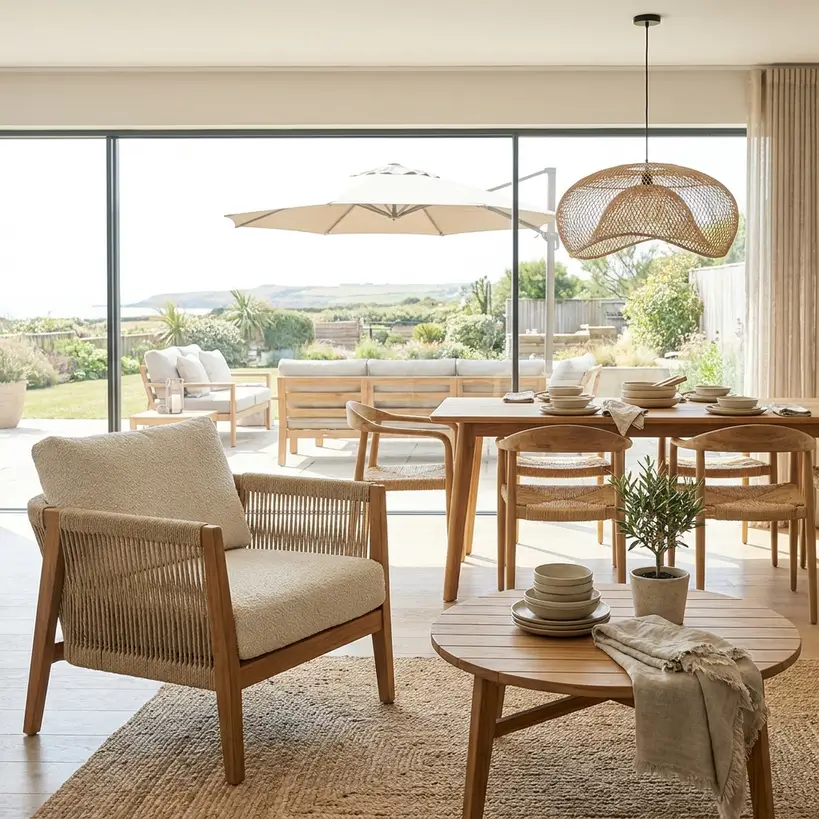
Modern Showroom Trends UK Shaping Interiors
For many homeowners, modern showroom trends UK spaces showcase don’t really click until they see them in person. A colour on a screen can feel cold, a sofa silhouette can look better in a photo than it does in real life, and a material name like rope, boucle or natural teak may not mean much until someone is actually standing beside it. That’s why modern showrooms matter. They connect inspiration with decision-making, helping people understand how a trend looks, feels and works in a real room.
Across Shropshire, Cheshire, Staffordshire, Manchester, North Wales and Birmingham, the British interior trends showroom experience has become more influential than many buyers probably realise. These spaces do more than display products. They shape taste, guide combinations and show scale, lighting, texture and flow in ways online mood boards simply can’t. In real terms, showrooms influence UK interiors because they make fresh ideas feel achievable, especially for couples and homeowners who want a soft-modern home instead of something stark or overdone.
That matters even more now because so many people are actively improving their homes. According to the 2025 Houzz UK Homeowners Report, 60% of UK homeowners planned to decorate in 2025 and 49% planned to renovate (Houzz). Modern showroom trends UK buyers see are reaching a market that’s ready to act.
Showrooms shape modern British home trends through roomsets, materials, lighting, lifestyle styling, regional relevance and buying confidence. The most persuasive showroom design trends UK homeowners respond to tend to feel liveable, warm and realistic rather than perfect. Not polished to death. More like real homes people can actually picture themselves living in.
How modern showroom trends UK spaces turn abstract trends into real rooms
Showrooms matter for a simple reason: they turn vague inspiration into something people can actually imagine in their own homes. A homeowner might know they want a calmer living room, a more contemporary dining area, or a bedroom that feels lighter and less cluttered. But until those ideas come together in a full setting, the trend remains abstract.
Modern showroom styling gives UK spaces a real edge. You can see how low-profile seating works next to rounded coffee tables, how textured dining chairs soften black frames, and how neutral palettes stay interesting when timber, woven finishes, and lighting are layered together. In ten minutes, a showroom can tell someone more than an entire afternoon of scrolling.
That shift from concept to clarity feels especially important in the current market. UK furniture and furnishings expenditure reached £20.15 billion in 2025, up 3.2% year on year (Furniture Makers’ Company / FIRA). Spending at that level suggests homeowners are doing more than browsing trends. They’re following through on them.
| UK interior market indicator | Value | Year |
|---|---|---|
| Homeowners planning to decorate | 60% | 2025 |
| Homeowners planning to renovate | 49% | 2025 |
| Furniture and furnishings expenditure | £20.15bn | 2025 |
| Year-on-year expenditure growth | 3.2% | 2025 |
Taken together, these numbers show why showroom-led interior trends in the UK matter. Showrooms guide decisions for homeowners already getting ready to spend, renovate, and refresh their spaces. And for anyone looking for a practical place to start, to properly read a room before buying, this guide to visiting a modern furniture showroom in the UK is a helpful companion. Homeowners comparing layouts and displays may also find inspiration in this Stylish Home Furniture Showroom in Shropshire guide.
Why soft-modern showroom trends are winning in UK spaces
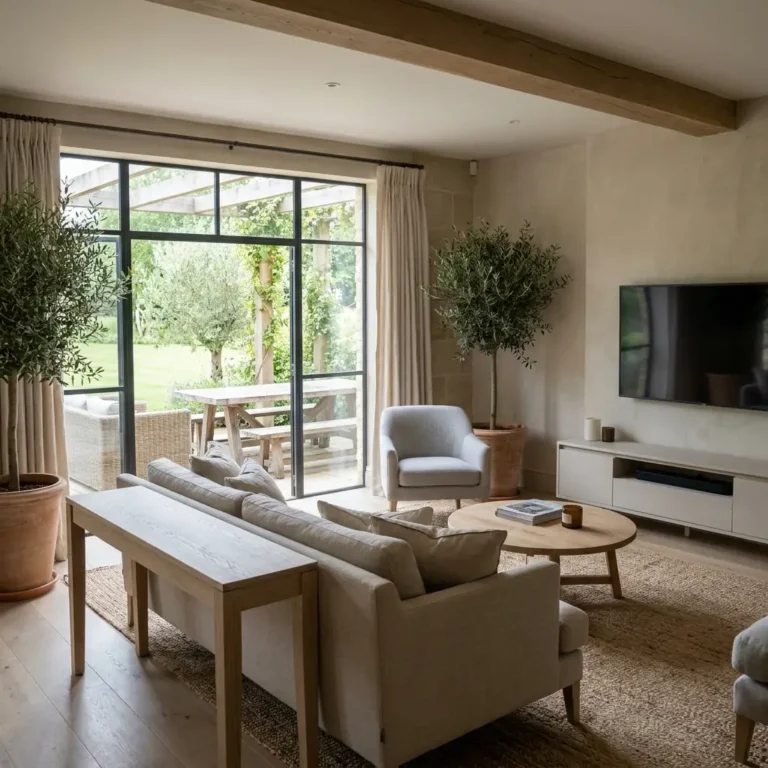
UK showroom spaces are driving a big shift in interior trends, away from hard-edged minimalism. British homeowners still love clean lines. They just don’t want rooms that feel severe, glossy or impersonal now. Instead, more people are choosing soft-modern interiors, with rounded shapes, tactile fabrics, warm woods, layered neutrals and spaces that feel refined but still comfortable.
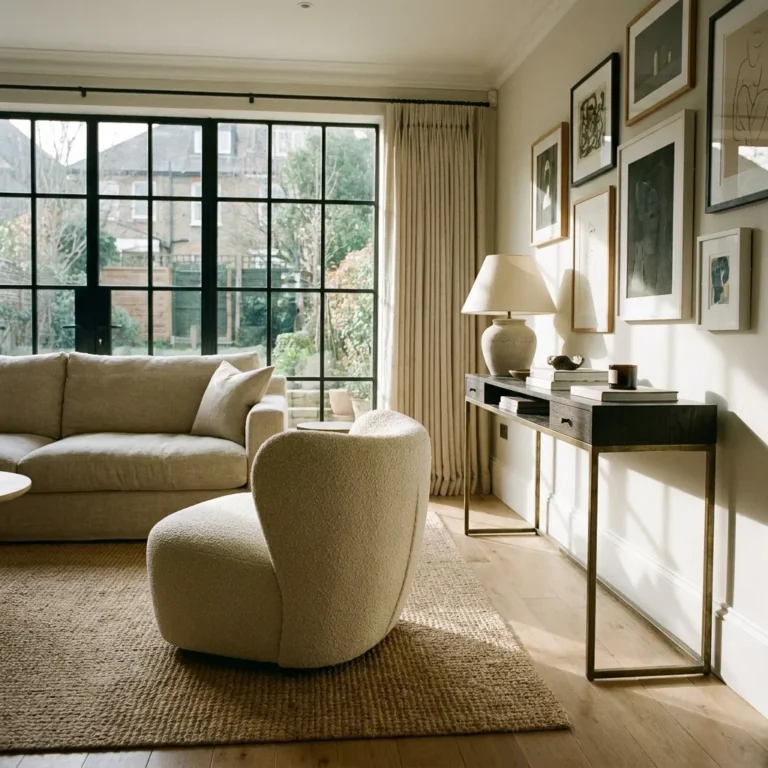
Showrooms make that look easier to grasp because they show how the balance works in real life. A strong display might pair a slim black dining table base with a softer oak top. Or place a modern sofa beside a textured rug and understated ceramic lighting. Buyers can quickly see that contemporary design doesn’t have to feel cold.
That visual lesson matters because online trends can get flattened. In a photo, a neutral room can look lifeless when the texture doesn’t come through. A sculptural chair might seem exciting without showing whether it will actually feel practical at home. In person, shoppers judge proportion, comfort and mood all at once. That’s why British interior trends showroom environments often shape the final version of a trend, not just the first spark of an idea.
Lighting shows this particularly well. A trend headline feels more believable when shoppers see it over a dining table, in a hallway or beside a sofa. As Sam Sutherland, Interior Stylist at Flitch, puts it:
Statement lighting will take centre stage in 2025, with sculptural chandeliers and bold pendants becoming focal points.
That line sums up showroom influence clearly. A pendant displayed on its own is simply a product. Hang that same pendant above a softly styled dining setting and it becomes a design choice. Homeowners drawn to Scandinavian and industrial crossover looks may find that brands such as RENGARD fit naturally into this softer contemporary direction through materials like natural teak, rope and warm-toned textures. Readers interested in statement lighting ideas can also explore Lighting Trends for Modern Homes.
The material story behind modern showroom trends UK buyers follow
Many of today’s most influential showroom design trends UK buyers respond to are, in practice, material trends. Texture does a lot of the work in modern interiors. It softens clean-lined rooms, adds depth to neutral palettes, and helps contemporary homes feel settled rather than sterile.
That comes through especially clearly in showrooms because materials are sensory. Up close, a woven rope dining chair, a brushed oak sideboard, a matte ceramic lamp base, or a natural teak table can feel very different. People pick up on that. Tactile contact gives homeowners much more confidence when they decide to bring a look into their own space.
Right now, that matters because people are moving toward layered, livable spaces. Trend coverage from Houzz, Ideal Home and Homes & Gardens points to warm woods, statement lighting, more personal styling, and rooms with visible texture instead of perfectly flat minimalism (Houzz, Ideal Home, Homes & Gardens).
One useful way to say it is this:
What a showroom helps you decode
- Scale: whether a chunky weave looks elegant or bulky in your room type
- Finish: whether timber reads warm honey, pale Scandi or deeper smoked brown
- Contrast: whether black metal accents sharpen a room or overwhelm it
- Maintenance reality: whether a material suits family life, indoor-outdoor use or everyday wear
Maintenance reality can get missed. People ask what looks good, then what will actually last, and that second question matters just as much once furniture has to handle busy homes, changing weather or everyday use.
Seeing it in person makes a difference. Durable materials like teak, rope and weather-aware finishes feel much more convincing when they’re shown well, with enough context to reveal how they hold up without losing their appeal.
In a curated setting, those materials bring together style and practicality. That balance carries real weight for buyers drawn to modern UK furniture trends showroom displays. Homeowners exploring sustainable finishes may also appreciate Sustainable Furniture Choices for the Modern Home.
Spa-style luxury and modern showroom trend roomsets
Bathrooms are one of the clearest examples of showroom-led interior trends that UK homeowners are really responding to. Search behaviour shows how quickly aspirational features can move from niche ideas into the mainstream. According to the 2025 UK Houzz Emerging Trends Report, UK searches for ‘Onyx tile’ rose 1,069%, ‘Double vanity’ rose 746% and ‘Double shower’ rose 172% year over year (Houzz).
| Emerging UK bathroom search trend | Growth | Comparison period |
|---|---|---|
| Onyx tile | 1,069% | Jan-Mar 2024 vs Jan-Mar 2025 |
| Double vanity | 746% | Jan-Mar 2024 vs Jan-Mar 2025 |
| Double shower | 172% | Jan-Mar 2024 vs Jan-Mar 2025 |
Those numbers are striking on their own, but the showroom setting makes them even more telling. Most people don’t connect with ‘double vanity’ as an abstract phrase. They respond when they see it staged well: soft stone-effect surfaces, warm metal hardware, layered lighting, timber tones and that calm, luxurious feel that brings the whole space together. Modern showrooms are especially good at creating that kind of reaction.
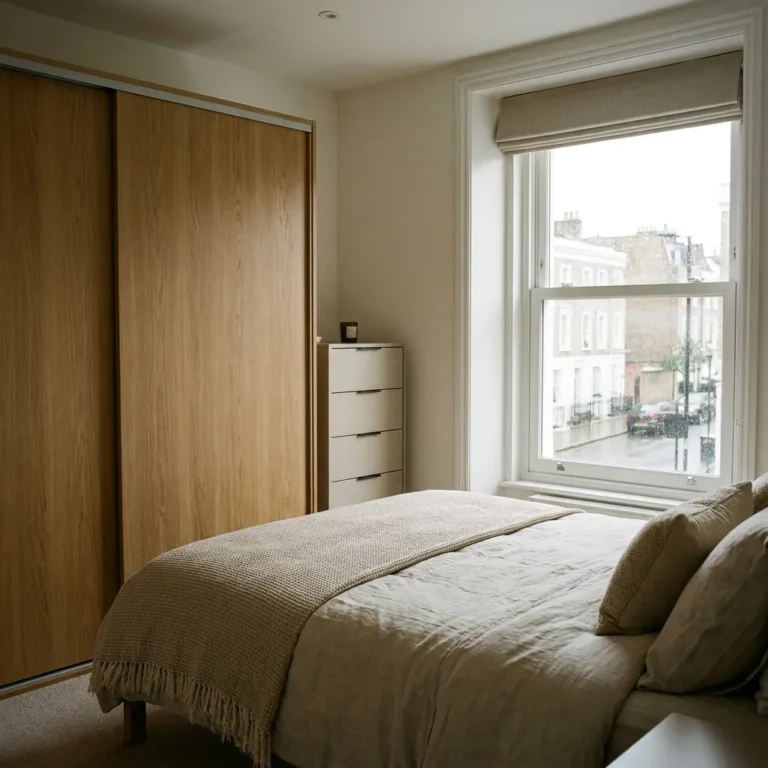
A similar pattern appears throughout the rest of the home. Dining spaces now borrow cues from boutique hospitality. Living rooms are styled to feel cocooning rather than sparse. Bedrooms mix hotel-like calm with tactile warmth. The showroom influence UK interiors story is clear: people adopt a trend not when they first read about it, but when they see a finished room that makes the lifestyle behind it feel believable.
For regional homeowners, that matters even more. A couple in Cheshire or Shropshire may enjoy London trend coverage and still want something that suits a detached family home, a barn conversion or a newer suburban build. Showroom roomsets make that jump easier. They turn broad trends into something more local, practical and easier to picture in real life.
How modern showroom trends UK displays connect with real British homes
Modern showroom trends UK discussions can feel more useful than generic trend roundups for a pretty simple reason: local showrooms understand regional housing stock. What works in a Manchester apartment may need adapting in a Staffordshire semi. The proportions are different.
A dining set that feels just right in a Birmingham open-plan extension might look oversized in a North Wales cottage kitchen, and the better showrooms make national trends feel grounded in real homes, not just styled spaces.
Good showrooms present trends in ways that feel regionally realistic. They also help homeowners think through practical questions such as:
How this trend works in different homes
In period homes, a soft-modern roomset uses warmer woods and gentler curves, while in newer builds it fits cleaner lines and more restrained palettes. A simple switch.
Will the scale feel right?
Seeing furniture set out with room to walk around it tells you far more than reading dimensions online. It clicks. The showroom feels like a planning tool, not just another display.
The trend fits everyday life more than it once did
Better showrooms now style spaces to feel lived-in rather than untouchable, so the answer is more and more no. Trend commentary has also moved away from overly perfect, staged interiors toward rooms that feel more tactile, curated, and personal (Land of Rugs).
That matters because buyers want inspiration without feeling pushed to copy a magazine set exactly. And for anyone looking at how regional style meets broader British tastes, Staffordshire home furniture trends are a clear example of local buying habits matching national design direction.
How showroom trends build confidence, not just desire
Showrooms do create aspiration. But their real value is the confidence they give people. Homeowners are far more likely to commit to a new direction when they can test comfort, compare finishes, and see how pieces work together.
That confidence matters even more in a market where professionals are still investing in growth. Houzz reports that 40% of UK home professionals expected 2025 to be a good or very good year, 57% expected revenue growth and 25% planned to expand their teams (Houzz). The same report says that 53% expected costs to rise. No surprise there. Buyers are understandably more careful with every decision.
That mix of optimism and cost pressure makes the showroom even more relevant. People want reassurance before they spend. They want to know whether a dining chair is actually comfortable, whether a warm neutral feels elegant rather than beige, and whether a lounge set feels refined instead of flimsy.
A well-curated showroom answers those questions quietly through presentation. At times, that alone is enough. It can also guide buyers toward combinations they might not have chosen on their own, whether that means pairing industrial lines with natural timber or mixing Scandinavian simplicity with more layered accessories. For people looking at indoor collections with that soft-contemporary feel, modern indoor furniture for contemporary British living shows how the look is changing.
The indoor-outdoor crossover shaping modern British homes
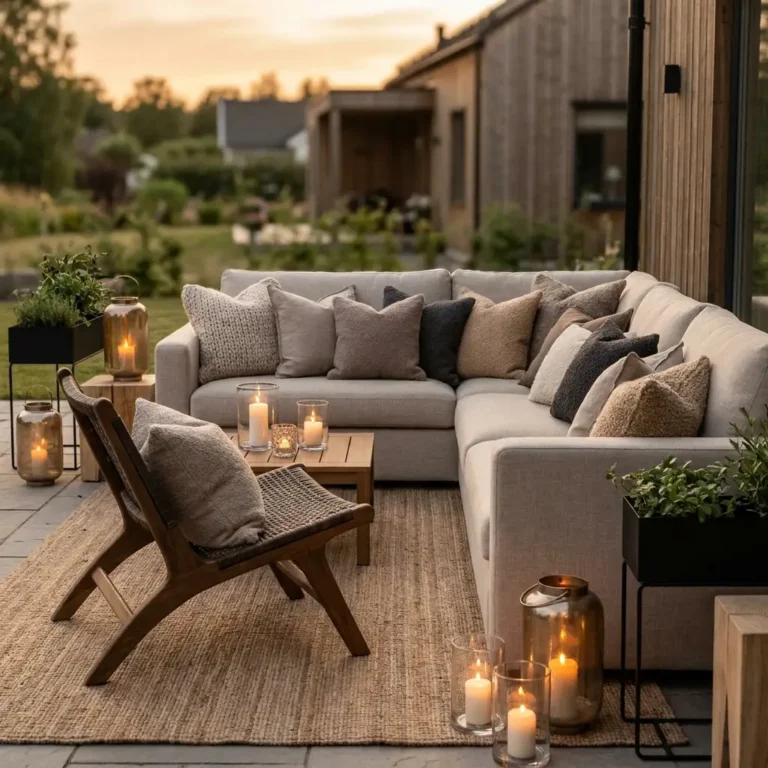
A subtle but important trend in modern British home showroom displays is how indoor and outdoor ideas now blur together. Homeowners want continuity: dining chairs with a calm, tactile feel, natural woods that add visual warmth, lighting that softens entertaining spaces and quiet corners, and materials that feel durable without giving up style.
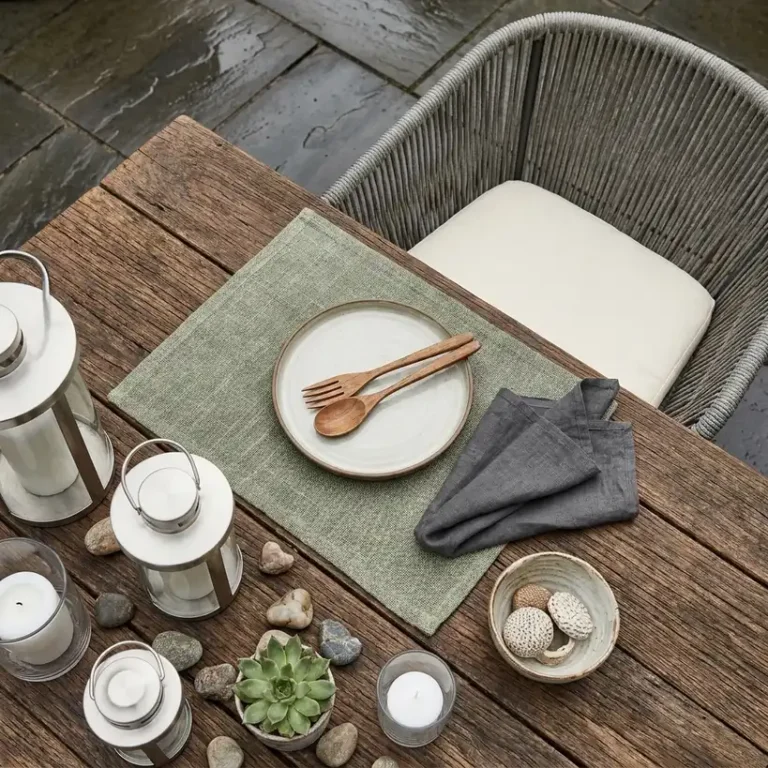
For many British buyers, the garden, conservatory or covered patio is no longer an afterthought. They want alfresco dining areas and transition spaces to feel designed, not improvised. That’s why showroom displays built around rope, rattan, teak and layered lighting also shape indoor choices. Once people respond to those textures outside, they start looking for that same softness indoors as well.
RENGARD fits naturally into that wider conversation. The brand focuses on durable materials, Scandinavian and industrial styling, and furniture that balances luxurious looks with practical use. It’s a clear blend, and it reflects the kind of lifestyle-led curation homeowners are responding to. The showroom lesson is simple: indoor and outdoor rooms don’t need to match perfectly. They just need to feel connected through tone, honest materials and comfort. Anyone exploring that balance further can browse Indoor Outdoor Living UK: How to Style Your Home with Furniture.
What homeowners should look for in showroom trend inspiration
Not every attractive display needs to be copied exactly. The best way to use UK interior trend inspiration showroom spaces is to see them as a filter, keeping what works at home and leaving the rest behind.
One simple idea helps:
Notice the structure before the accessories
Start with shape, size, and finish. If the main furniture doesn’t fit your room, the styling details won’t fix it.
Pay attention to repetition
If a showroom repeats warm timber, soft black accents, and textured upholstery across several roomsets, that can point to a broader trend direction, not just a one-off display choice.
Look at transitions between rooms
The best showrooms don’t treat spaces like separate boxes. They show a dining area flowing into a living space, while hallway pieces echo the feel of the rooms beyond.
Think about what actually feels relaxing
British homeowners increasingly want spaces that feel calm and useful, not just impressive. If a roomset looks beautiful but seems too formal for everyday life, take the idea and adapt it instead of copying it.
That matters even more in soft-modern homes. The best modern showroom styling UK ideas mix clean lines with warmth, texture and comfort, so the space feels inviting as well as polished.
Frequently Asked Questions
How do modern showroom trends UK spaces influence British interior trends?
They influence trends by presenting complete room ideas rather than isolated products. That makes it easier for homeowners to understand scale, materials, colour balance and how a new look would actually feel in daily life.
Why are showrooms still important when so much inspiration is online?
Online inspiration is brilliant for discovery, but it cannot fully show texture, comfort, proportion or finish quality. Showrooms reduce uncertainty because you can experience those things in person before making a decision.
What interior styles are UK showrooms pushing most strongly right now?
Soft-modern and contemporary styles are particularly strong, especially those using warm woods, tactile fabrics, sculptural lighting and layered neutrals. The look is more relaxed and personal than the ultra-minimal interiors that dominated a few years ago.
Are showroom trends relevant for homes in Shropshire, Cheshire or Staffordshire?
Yes, because regional showrooms often adapt national trends to the kinds of homes people actually live in locally. That makes British interior trends showroom displays more practical for buyers who want fresh ideas without losing sight of real room sizes and everyday use.
Can brands like RENGARD help homeowners follow showroom-led trends without going too stark?
Yes, especially if you prefer a softer version of contemporary style. RENGARD’s mix of natural teak, rope, rattan and Scandinavian-industrial detailing fits well with the warmer, more tactile direction many showrooms are promoting.
What should I focus on first when using showroom inspiration at home?
Begin with the bigger visual anchors: furniture shape, material tone, lighting and room layout. Once those are right, smaller details like cushions, decor and accessories are much easier to layer in successfully.
Bringing modern showroom trends UK ideas into your own home
The strongest modern showroom trends UK homeowners respond to aren’t really about copying a display from one corner to the next. They come from understanding why a room works, and that means noticing a few ideas that keep showing up: softer silhouettes, balanced proportions, tactile materials, statement lighting, and styling that feels curated rather than fussy.
Showroom influence shapes UK interiors so strongly because it helps homeowners sort through scattered inspiration and find a clearer visual direction. There’s less guesswork. It also makes modern British home trends in showroom displays feel less daunting, which matters because contemporary design can still feel warm, practical, and deeply livable.
If you take one idea away, let it be this: the best showroom-led interior trends UK buyers adopt are the ones that support real life. Across Birmingham, North Wales, Manchester, Cheshire, Shropshire, and Staffordshire, homeowners can look for what keeps feeling calm, comfortable, and well resolved, then bring those lessons home in a way that suits their space, their routines, and their taste.
That’s how trends last. They stick because they make sense when people see them, feel them, and imagine living with them every day. That’s what gives showroom ideas staying power once they leave the display floor and start working in real homes.
3 Comments