Conservatory Furniture Ideas for a Seamless Garden-Living Look
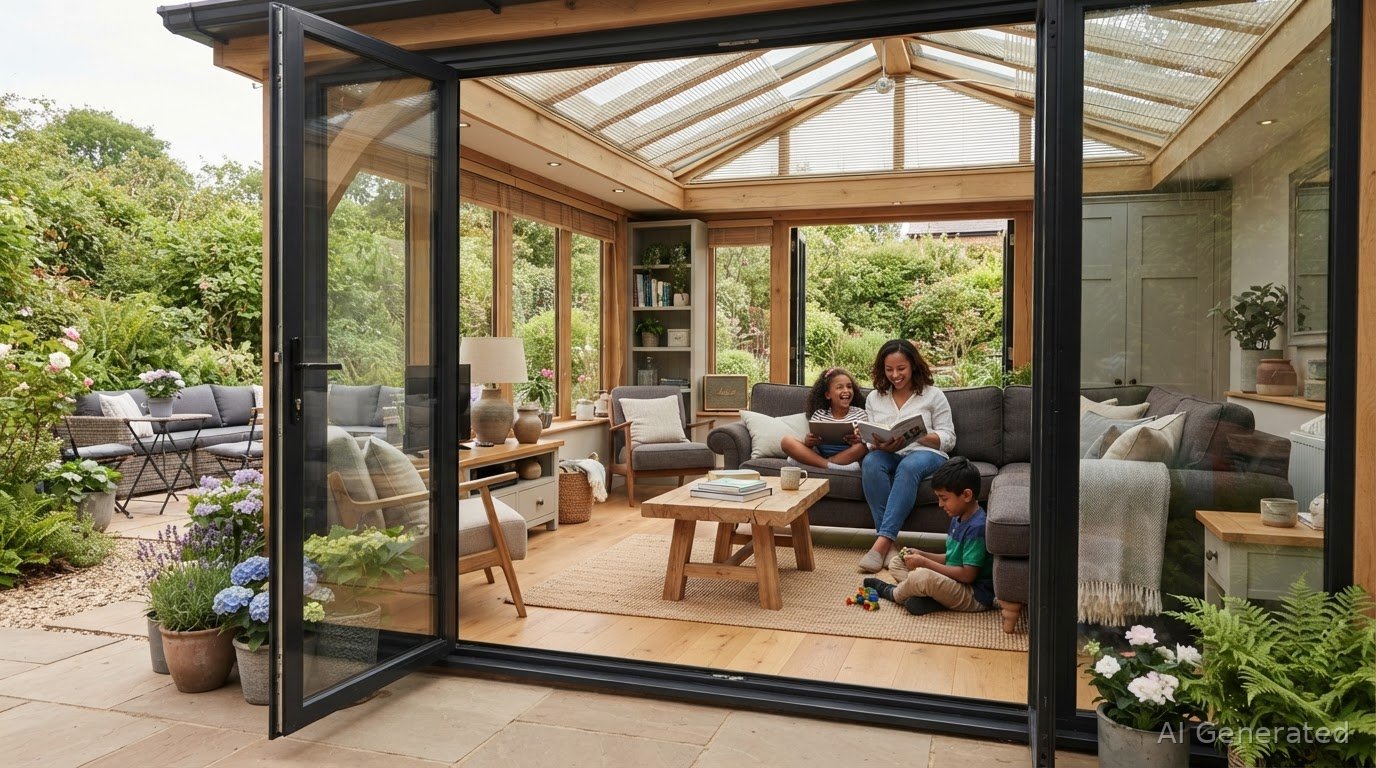
A seamless conservatory-to-garden look comes from repeating a few considered details, not making both spaces identical. The best conservatory furniture ideas balance comfort and character with clear routes through the room, so the transition feels inviting rather than crowded.
Garden sofa sets, corner lounges and compact bistro sets can define outdoor zones and extend the conservatory’s visual rhythm. Natural textures such as rattan, rope weave and teak can help link the spaces, while rust-free aluminium frames and quick-dry, UV-resistant cushion fabrics are designed for outdoor use in the changeable British climate. The result is a considered transition from indoor living to time spent outside.
Key Takeaways
- Start with the activities you want each space to support, then plan clear routes before choosing furniture.
- Use the conservatory threshold to position nearby garden seating or dining, creating a natural visual transition.
- Explore conservatory furniture ideas through complementary textures and materials, while giving each space its own purpose.
- Choose outdoor furniture with the British weather in mind, including rust-free aluminium frames and quick-dry, UV-resistant cushion fabrics.
- Match the garden arrangement to how you’ll use it, from a sofa set for relaxing to a bistro set for a compact space.
Conservatory Furniture Ideas Start with a Garden-Living Vision
A bright conservatory brings the garden into view, but the outdoor area beyond it can still feel separate. The aim isn’t to make the two settings identical. Instead, repeat a few colours, shapes or finishes to create a visual connection, while choosing garden furniture for outdoor use and the way you want to spend time outside. Start by considering the relationship between the conservatory, the garden and the route that links them.
The view through the doors or windows is a useful starting point. Notice the garden’s existing colours, paving and planting, then consider how outdoor seating and tables might complement them. For background on the conservatory as a structure, see this overview of what is a conservatory. Here, the focus is on garden furniture and outdoor living.
What makes a conservatory feel connected to the garden?
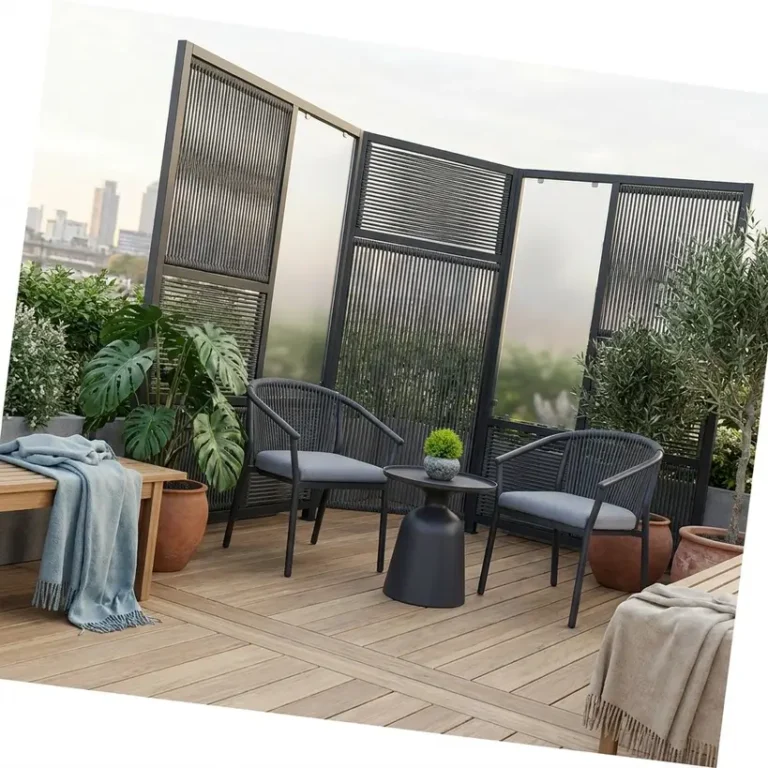
Look for visual details you can repeat outside without copying the conservatory’s entire style. A shared colour in cushions and garden details, or a related shape in seating and tables, can help the spaces feel connected. Rattan, rope weave, teak and aluminium each bring a distinct character to an outdoor scheme. Choose finishes that sit comfortably with the view, then keep the route from the conservatory into the garden clear and easy to use.
Choose the feeling before choosing outdoor furniture
Decide what you want the adjoining garden to offer. A relaxed lounge area might call for a garden sofa set or corner lounge; a dining-led scheme may suit a dining set. For a compact patio, a bistro set creates a dedicated place to sit without overwhelming the space. Let the intended activity guide your furniture choice, then weigh comfort and practical use alongside appearance.
These decisions create a useful foundation for the layout and material choices that follow. A considered outdoor scheme can feel like a natural extension of the conservatory while remaining suited to garden life.
Plan Conservatory-to-Garden Furniture Zones That Feel Spacious
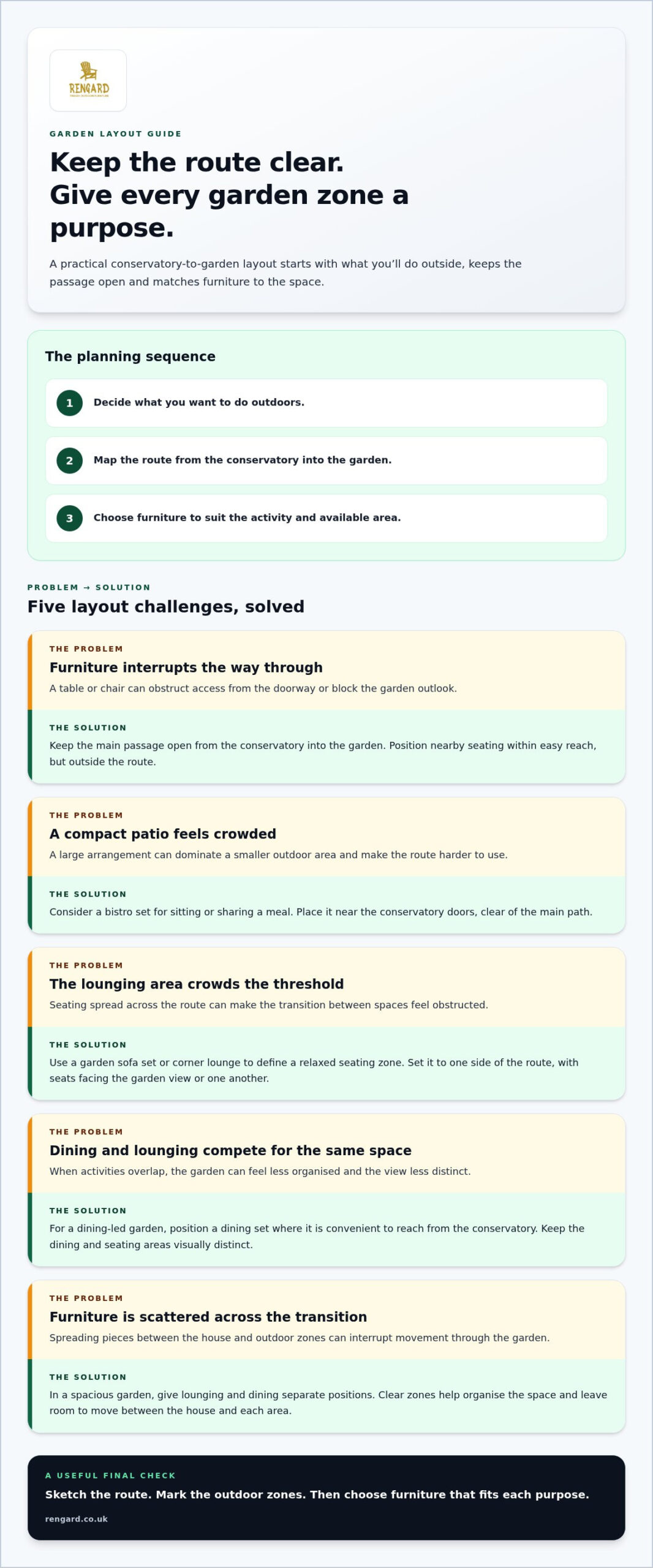
A well-planned outdoor area should feel like a natural continuation of the conservatory, not an obstacle course beyond its doors. Use a simple sequence: decide what you’ll do outside, map the route between the spaces, then choose furniture that fits the activity and available area. This makes conservatory furniture ideas practical from the outset, especially on a compact patio or terrace.
Begin by noticing how you move through the conservatory and out into the garden. Consider the door opening, the most direct path and the view you want to preserve. Avoid placing a table or chair where it interrupts access or blocks the outlook. Arrange seats to encourage conversation and make the most of the setting, whether that means facing the garden view or one another. For broader inspiration on arranging the garden, explore the RHS advice on garden planning.
How should you plan the route from conservatory to garden?
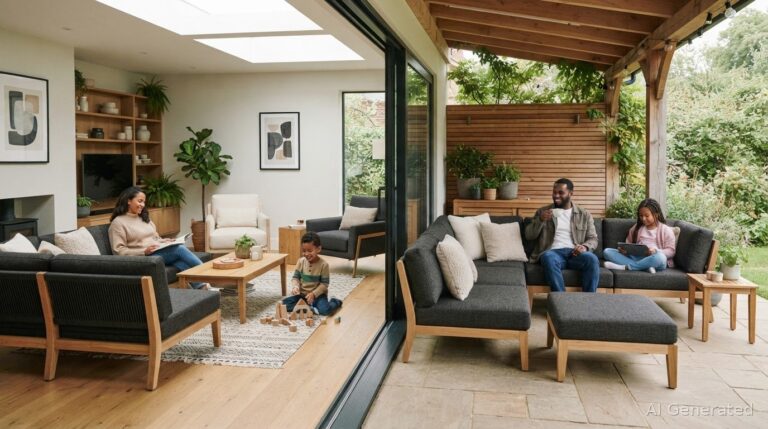
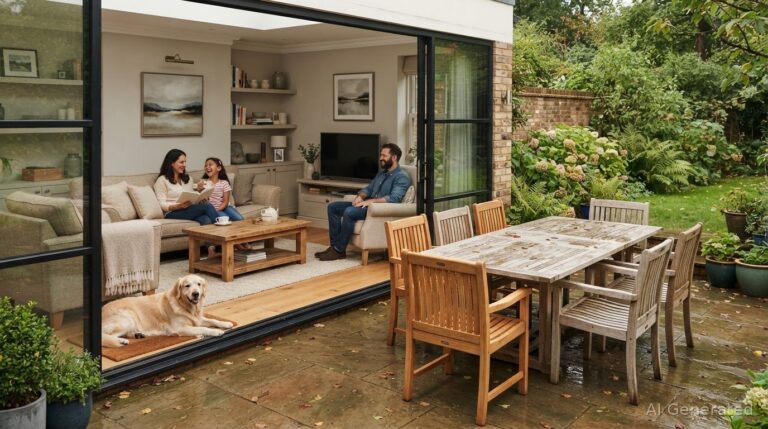
Let the threshold guide the layout. Position nearby seating so it feels easy to reach from the conservatory, but leave a clear passage from the doorway into the garden. If the route crosses a patio, keep the main line of movement open instead of making people weave between furniture. Arrange seats to suit the way you’ll use them, whether that means facing the garden view or turning towards one another for conversation.
Which garden furniture ideas work for different outdoor spaces?
Choose furniture according to how you’ll use the space, then scale the arrangement to its footprint:
- For a compact patio: prioritise a clear route and consider a bistro set for sitting or sharing a meal without dominating the area. Position it near the conservatory doors, but outside the main path.
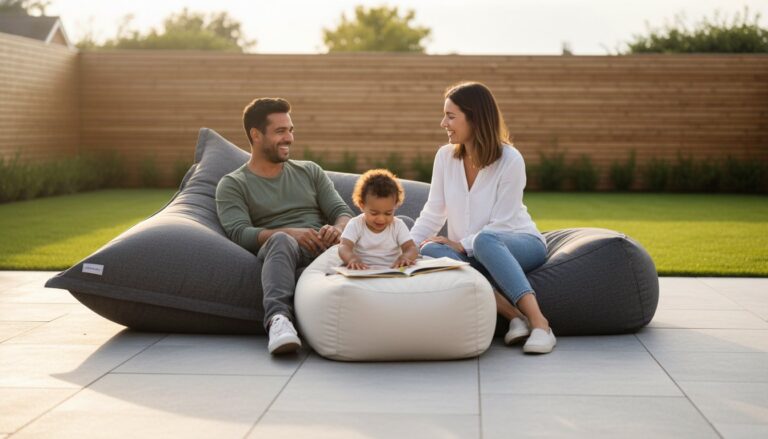
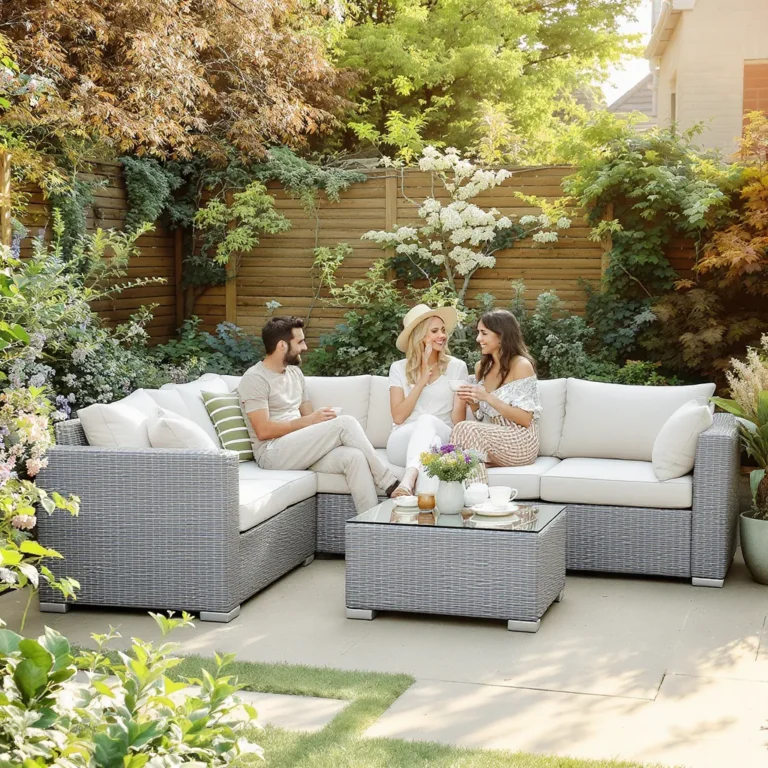
- For outdoor lounging: a garden sofa set or corner lounge can define a relaxed seating zone. Set it to one side of the route so it feels inviting without crowding the threshold.
- For dining-led gardens: place a dining set where it’s convenient to reach from the conservatory, while keeping the seating area and garden view distinct.
In a spacious garden, give lounging and dining separate positions rather than spreading furniture across the transition between them. Clear zones help the garden feel organised and leave room to move between the house and each outdoor area. For a compact arrangement, browse bistro and balcony sets as one option for a smaller patio.
Before settling on a layout, sketch the route and mark the intended zones. If you’d like to explore options for your outdoor area, get in touch with Rengard.
Coordinate Conservatory Style with Outdoor Furniture Materials
Once the layout is settled, material choices can carry a visual connection from the conservatory into the garden. Aim for a considered mix rather than a perfect match: repeat a tone, texture or shape in the outdoor furniture, and choose materials suited to their setting. The view from the conservatory is a useful guide. Notice the colours and finishes already present in the planting, on the patio and across the terrace before choosing a frame or surface.
Material choices affect both the look and feel of an outdoor scheme. A woven texture can soften a contemporary setting, while a clearly defined frame may complement a clean-lined design. Consider how each option relates to the garden rather than assuming one finish suits every space.
How do rattan, rope weave, teak and composite finishes shape a scheme?
Each material brings a different visual note. Rattan has a woven look that gives garden seating a relaxed character. Rope weave adds another kind of texture, with a visible pattern across a chair or sofa. Teak introduces a natural wood accent, while composite surfaces offer a distinct option for outdoor tables. Consider how each finish sits alongside the garden’s paving, planting and boundaries, as well as how it looks through the conservatory windows.
For a cohesive view, repeat one or two cues rather than using every material at once. A rattan garden sofa set could sit alongside an outdoor table with a complementary finish, or you might look to bespoke creators such as The Table Guy for distinctive hardwood tables that bridge conservatory dining with outdoor entertaining. Alternatively, rope-weave garden chairs can add texture to a more streamlined arrangement. Choose materials that work together across the scheme.
What should you consider about outdoor cushions and frames?
Frame and fabric details have a practical role in the design. Rust-free aluminium frames suit contemporary outdoor furniture silhouettes and can contribute to a clean-lined patio or terrace. Their defined shape can also keep the overall scheme feeling visually light.
Cushions add colour and comfort, so choose tones that relate to the view from the conservatory without expecting them to match it exactly. Quick-dry, UV-resistant cushion fabrics are designed for outdoor comfort. These features are relevant in a British garden, where furniture may encounter sunshine and changeable conditions. They don’t mean cushions should be left exposed in every season or that any fabric has a particular lifespan.
Look at the materials together from both the conservatory and the garden. A consistent palette and a thoughtful balance of texture can connect the spaces while leaving each its own character. Selecting distinctive furnishings from Benjamin & Maxwell inside the conservatory can provide a sophisticated anchor that complements the relaxed textures chosen for the patio beyond.
Make Conservatory and Garden Furniture Ideas Work in British Weather
A conservatory and its adjoining garden may share a colour palette, but they don’t face the same conditions. Style the view from the conservatory as part of the overall scheme, then select garden furniture for its outdoor setting, exposure and intended use. Rain, direct sun and seasonal temperature changes are all part of outdoor life in the UK.
Rengard outdoor furniture is designed for the UK climate, including exposure to rain, sun and seasonal temperature changes. Consider where each piece will sit and how you’ll use it, then choose a material and arrangement suited to that spot. Weather-conscious design still calls for sensible care and storage decisions.
What does weather-proof performance mean for garden furniture?
Practical weather performance starts with choosing furniture designed for outdoor use, rather than assuming indoor furnishings will suit a patio. Rust-free aluminium frames are one option for garden seating and tables. Rattan, rope weave, teak and composite surfaces provide further material choices. Consider whether furniture will sit in an exposed part of the garden or in a more sheltered position, and choose with its everyday use in mind.
Sun exposure matters too. Rengard outdoor cushions use UV-resistant, quick-dry fabrics, features to consider when choosing garden seating in changeable conditions. They don’t mean cushions should remain outside in every season or that furniture needs no care. Take the setting into account and follow the relevant care guidance.
How can you keep the outdoor scheme comfortable and cohesive?
Start with the activity. A garden sofa set or corner lounge supports relaxed outdoor seating, while a dining set suits meals outside and a bistro set can make a compact terrace feel purposeful. Choose pieces that fit the area and the way you plan to use it, leaving the route between the conservatory and garden comfortable to navigate.
For a joined-up view, carry one material or colour direction through the outdoor arrangement. Repeat a finish across seating and an outdoor table, or choose cushion colours that relate to the garden’s existing palette. The conservatory and garden needn’t match exactly; a few considered connections can make the transition feel natural.
With the setting, intended use and visual direction in mind, you can choose outdoor furniture with greater confidence. Discuss your garden furniture ideas with Rengard.
Bring Conservatory Furniture Ideas Together with a Considered Garden Scheme
A cohesive conservatory-to-garden scheme comes together through practical decisions: define the activities, assess the available space, settle on a material direction, then select furniture to suit. The aim isn’t to fill every corner. It’s to create an outdoor setting that feels purposeful from the conservatory and works comfortably once you step outside.
Which outdoor furniture category suits your garden plan?
Let the main activity guide your choice. For a dedicated place to relax, consider a garden sofa set or corner lounge. If meals outside are central to your plans, a dining set can establish a clear dining area. For a compact patio or balcony, a bistro set offers a more contained arrangement. Individual garden chairs can provide flexible seating or complement an existing layout.
Keep proportions and routes in mind as you choose. A spacious garden may accommodate distinct lounge and dining zones, while a smaller terrace often benefits from one well-positioned arrangement and an uninterrupted path from the conservatory. Furniture should support how you use the space, rather than obscure the garden view or crowd the threshold.
How can you turn a design idea into a cohesive outdoor space?
Bring function and appearance together before settling on the arrangement. Consider which activities matter most, how much room the furniture will occupy and which materials suit the outdoor setting. Rattan, rope weave, teak and composite surfaces each create a different visual effect; rust-free aluminium frames add a contemporary outline. Choose a material direction that relates to the garden’s existing surfaces without forcing every piece to match.
Then check the scheme from the conservatory. Do the furniture colours sit comfortably with the view? Is the route outside clear? Does each seating or dining area have a defined purpose? These checks help turn conservatory furniture ideas into an outdoor plan that feels connected, comfortable and practical for everyday use.
For outdoor furniture designed for the UK climate, consider the setting and intended use alongside details such as rust-free aluminium frames and quick-dry, UV-resistant cushion fabrics. Talk through your outdoor furniture plans with Rengard.
Create a Garden Scheme That Feels Naturally Connected
The strongest conservatory furniture ideas begin with how you want to use the adjoining garden. Define the activities, keep routes clear and choose garden sofa sets, dining furniture or a compact bistro arrangement to suit the space. A shared colour or material can create continuity without making the conservatory and garden feel identical.
Outdoor choices should also suit their setting and the British climate. Consider rust-free aluminium frames and quick-dry, UV-resistant cushion fabrics as part of a comfortable, practical scheme. Rengard’s outdoor furniture is designed for the British climate, combining contemporary design with considered material choices.
With the layout and material direction in mind, you can shape an outdoor area that feels welcoming from the conservatory and works for everyday use. Discuss your garden furniture ideas with Rengard and plan a scheme that feels like your own.
Frequently Asked Questions
What furniture works best in a conservatory?
The best choice depends on how the space connects with your garden and how you want to use it. For a garden-facing scheme, choose outdoor furniture that complements the view and leaves a clear route towards the patio or terrace. A garden sofa set can create a relaxed seating area outside, while a dining set may suit a garden used for meals. Consider the conservatory’s purpose and the furniture’s intended setting when planning the arrangement.
How can I make my conservatory feel bigger with furniture?
Keep the view and routes through the space as open as possible. Avoid crowding the area near the garden doors, and choose outdoor furniture in proportion to the patio or terrace beyond them. A compact bistro set can provide a useful outdoor seating spot without dominating a smaller area. In a larger garden, position lounge or dining furniture to define a zone without blocking the route between the conservatory and garden.
Can garden furniture be used in a conservatory?
Garden furniture can help create a visual link between a conservatory and its adjoining outdoor space. For example, repeat a material, finish or colour in the garden-facing view. Furniture designed for outdoor conditions is intended for gardens, patios and terraces, so consider the conservatory’s purpose, the furniture’s intended setting and any relevant care guidance when planning the arrangement.
Which materials suit garden furniture in the British climate?
Rengard’s outdoor furniture uses rust-free aluminium frames and finishes including rattan, rope weave, teak and composite surfaces. These materials offer different visual directions, so consider how each relates to your garden’s paving, planting and other finishes. The furniture is designed for outdoor use in the British climate, including rain, sun and seasonal temperature changes. Choose according to the setting and intended use rather than assuming all materials look or perform alike.
How do I connect my conservatory and garden visually?
Use a few repeated cues rather than making both spaces identical. Take colour inspiration from the garden view, then carry a compatible tone, shape or material into the outdoor furniture. For instance, a consistent finish across garden seating and a table can make the arrangement feel considered. Keep the route from the conservatory clear, too. A pleasing view works best when furniture placement supports movement into the garden instead of interrupting it.
What garden furniture suits a small patio beside a conservatory?
A bistro set is a practical option for a compact patio, offering a defined place to sit without making the layout feel crowded. Position it away from the main route through the conservatory doors, and consider how it looks from inside. If you need more flexible seating, individual garden chairs may suit the space. Choose furniture according to the patio’s available area and intended use, keeping access and the garden view in mind.
Are quick-dry, UV-resistant cushions useful for outdoor furniture?
Quick-dry, UV-resistant cushion fabrics are useful features for outdoor comfort, particularly in a British garden where sunshine and rain can both shape how you use the space. These features can inform your choice of garden seating, but they don’t mean cushions should be left exposed in every condition or that they need no care. Consider the furniture’s setting and follow its care guidance to keep the scheme practical as well as comfortable.