Outdoor bistro furniture for UK garden dining
Bad weather doesn’t have to rule out outdoor dining. An outdoor bistro set in the UK can suit year-round gardens when it’s made from materials designed for outdoor use and cared for during prolonged wet or frosty spells. A suitable cover can help protect the table and chairs from rain, dirt and sunlight.
Look beyond appearance: British gardens and patios need furniture that balances weather performance, comfort and style. Your choice also depends on the available space and whether you want a coordinated set or prefer to choose the table and chairs separately.
This guide explains how to compare rattan, aluminium, teak and woven designs, and what to consider when choosing a finish for outdoor use. You’ll also find practical ways to measure a compact patio or balcony, plan a comfortable layout and decide whether separate pieces offer more flexibility. Thoughtful choices can make outdoor dining feel comfortable and well suited to your space, from a small courtyard to a spacious terrace.
Key Takeaways
- Compare materials for durability and upkeep, and consider how a protective cover can help through wet or frosty weather.
- Measure your patio, terrace or balcony before choosing a set, leaving room to move around the table and chairs.
- Choose a shape and seating arrangement that suits how you dine, from intimate meals to entertaining family and friends.
- Look at folding or stackable designs when flexibility and easy storage matter in a compact outdoor space.
- Consider selecting a table and chairs separately if you want more control over the layout and overall look.
Bistro set materials, styles and brands
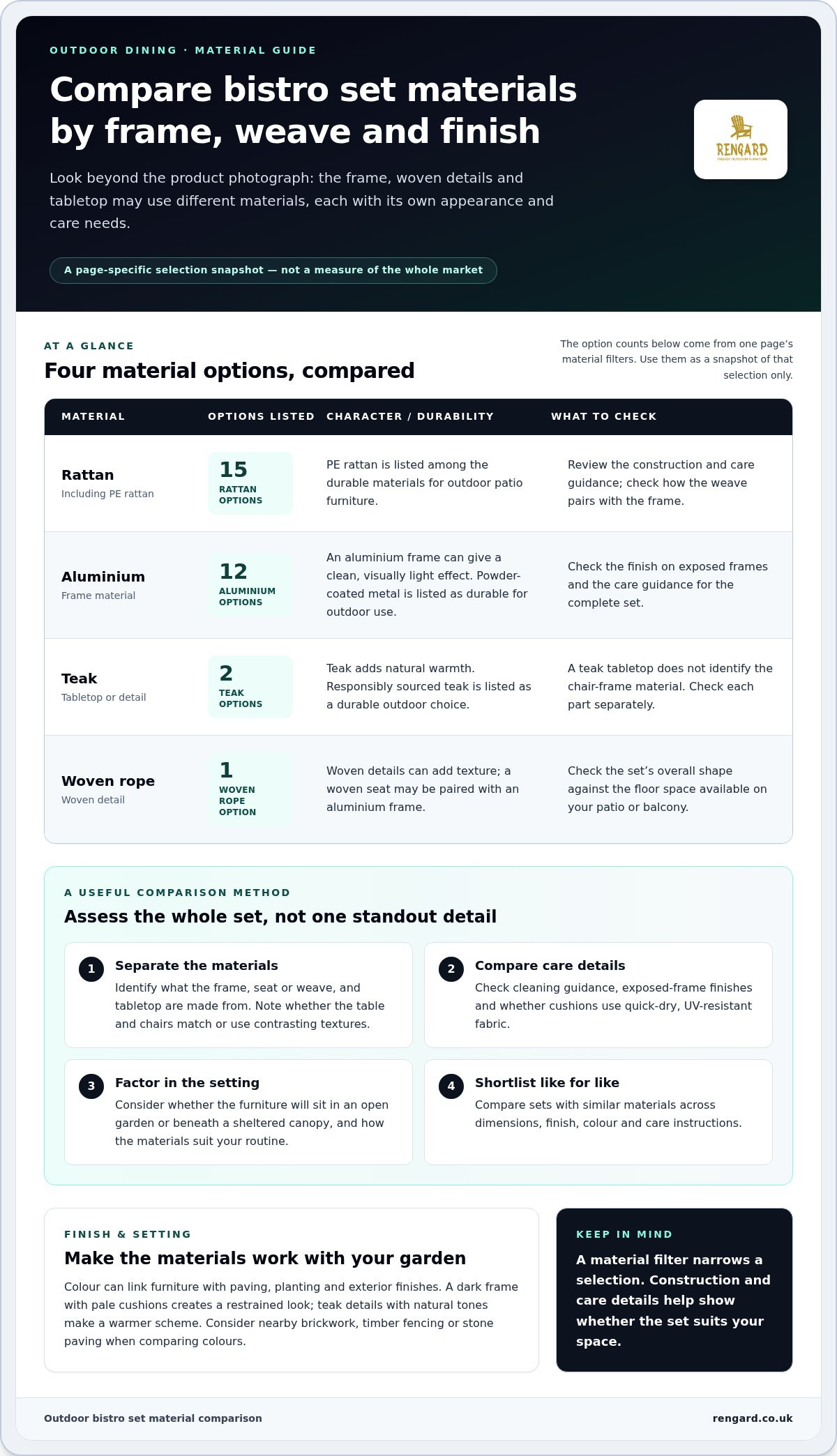
For a garden bistro, compare the frame, woven details and tabletop before choosing a colour or shape. Material filters can narrow your options, but the best fit depends on your space, preferred upkeep and garden style. Check how the set is constructed, not just how it looks in a product photograph.
Outdoor furniture materials
Identify the main material used in each part of the furniture. A set might pair an aluminium frame with a woven seat, or combine a table with teak details. These choices affect both appearance and feel, so assess the frame and finish separately. Check whether the tabletop and chairs match or use contrasting textures.
Material filters offer a snapshot of the choices in one range: one page lists 15 rattan options, 12 aluminium options, two teak options and one woven rope option. Treat these figures as a guide to that page’s selection, not a measure of the whole market. Use the filters to shortlist a material, then review construction and care requirements.
Colour can link furniture with paving, planting and exterior finishes. For a restrained look, pair a dark frame with pale cushions; for a warmer scheme, combine teak details with natural tones. Before choosing, consider how the colours will look beside existing features such as brickwork, timber fencing or stone paving.
Durable outdoor choices
Powder-coated metal, PE rattan and responsibly sourced teak are listed as durable materials for outdoor patio furniture. Compare these options across the whole set, rather than relying on one prominent detail. A teak tabletop, for instance, doesn’t tell you what the chair frames are made from.
Consider what each material means for everyday care. Check the cleaning guidance, the finish on exposed frames and whether the cushions use quick-dry, UV-resistant fabric. Furniture in an open garden may face different conditions from pieces beneath a sheltered canopy, so assess the setting as well as the appearance.
Brands and collections are best compared through clear product details, not a name alone. Look for consistent descriptions of frame, weave, finish and care across the table and chairs. A grant of nearly £7,000 funded outdoor tables and benches for staff at three hospitals, according to the NHS. It illustrates how outdoor furniture can serve practical shared spaces, as well as private gardens.
To make a considered choice, shortlist two or three sets with comparable materials. Then compare dimensions, finish, colour and care instructions side by side. This helps reveal whether a decorative weave, clean metal frame or teak detailing best suits your garden and routine.
What size patio furniture works best for a small garden or balcony?
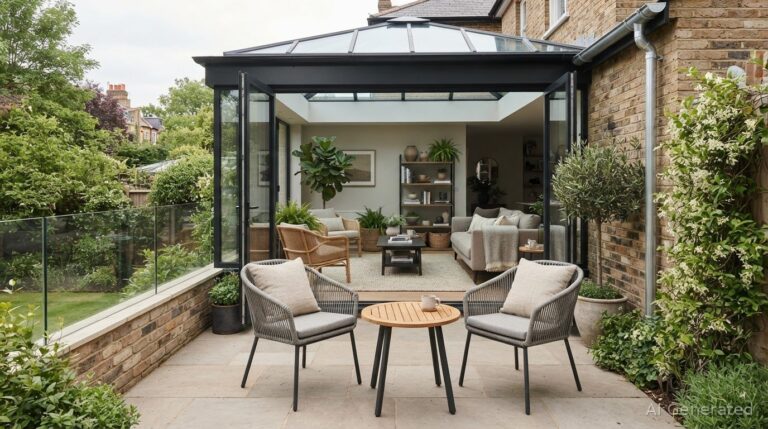
A two-chair bistro set is a practical starting point for a compact balcony, courtyard or patio. Before choosing, measure the usable area, including the space needed to move around the table and pull out each chair. A set that fits on paper can still feel cramped if it blocks a doorway or the route across the patio.
Use masking tape or a simple floor plan to map the table and chair footprint. Include the chairs pulled back, not just tucked beneath the table. Check that doors can open fully and that you can walk past the set comfortably. On a narrow terrace, placing the table along a wall may keep the main route clear.
Shape affects how the layout feels. A round table can soften the arrangement and make it easier to move around, especially where a square table would create tight corners. On a long balcony, position a compact table near the end rather than across the main walking line. Keep the most accessible area clear for carrying food and drinks.
Metal and wood create different looks in a small garden. An aluminium frame can give a clean, visually light effect, while teak adds natural warmth beside planting or timber decking. Compare the finish, construction and care guidance, then consider how the material works with existing paving, railings and garden furniture. Woven details add texture, but check that the overall shape suits the available floor space.
Folding furniture can help when an area serves more than one purpose. A folding table or chairs can be put away after dining, freeing space for plants or everyday movement. Before choosing folding pieces, consider where you’ll store them and whether they’ll fit through the balcony door. A fixed bistro set may work better if the dining area stays in use.
Care affects how well a set fits into your routine. Store cushions indoors or in a weather-resistant storage box when they’re not in use. Clean the furniture regularly with mild soapy water and a soft brush to help maintain its finish and prevent build-up. Make sure the cleaning approach suits the materials, especially if a set combines metal, wood and woven details.
For a final layout test, mark the table and chair positions, then walk the route between them. This simple step helps show whether your balcony, terrace or patio can accommodate comfortable dining without sacrificing access or usable space.
Outdoor dining and entertaining
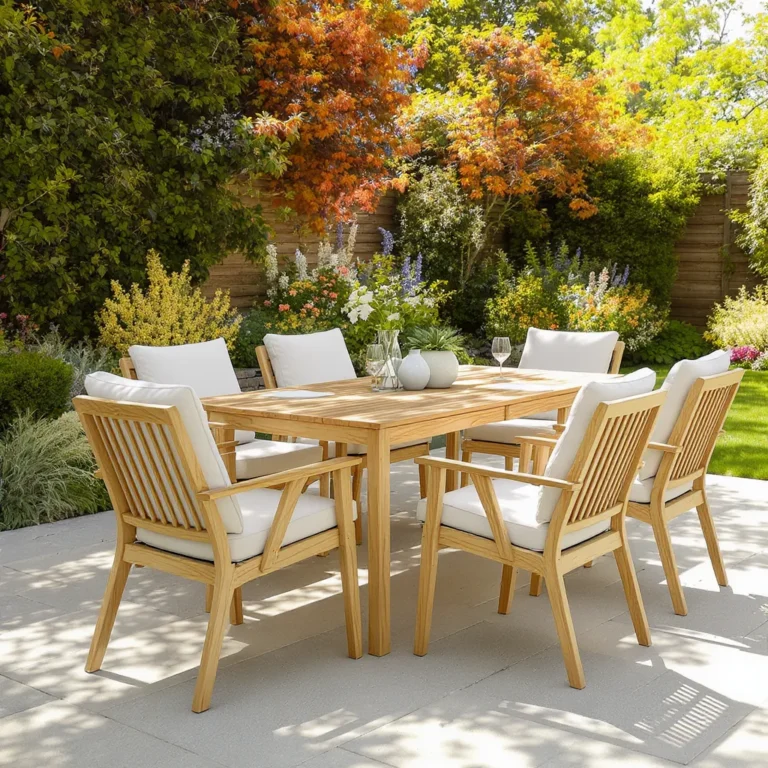
A garden bistro set creates an intimate setting for morning coffee, lunch or an evening meal. For entertaining, think beyond the table: guests need comfortable seating, space to serve food and a clear route between the house and dining area. A six-chair patio furniture set may suit larger outdoor spaces used to entertain family and friends in the UK.
For everyday outdoor dining, place the table where it’s convenient to carry plates and drinks. A patio beside the kitchen door can make serving easier, while a table near planting can create a more secluded setting. Keep the route between them clear. In a larger garden, position the dining area so it feels distinct from a lounge or play space.
Dining chairs shape the experience as much as the table. Consider seat height, back support and the room each chair needs when someone sits down or stands up. If guests are likely to linger over a meal, prioritise supportive backs and comfortable proportions. Coordinated finishes create a classic look, while contrasting natural materials can add warmth.
Cushions can soften firm seating and add colour. Choose tones that work with the table, paving and nearby planting, such as muted green beside leafy borders or warm neutrals against stone. Keep the arrangement practical: cushions should be easy to place and remove without obstructing chair movement or taking up serving space.
Before hosting, set the table as you would for a typical meal. Place serving dishes within reach, then check that the chairs still slide out comfortably. On a compact patio, serving food in courses can reduce crowding. In a larger entertaining area, a nearby side table can hold drinks or extra plates without filling the dining table.
Match the seating plan to the occasion. Two chairs suit a quiet meal or coffee for two, while a six-chair arrangement gives a larger garden more capacity for shared dining. Avoid filling every available corner with furniture; open space around the table helps guests move naturally. If the garden is long and narrow, align the table with its shape to preserve a clear passage.
Finally, consider how the set will look when it’s not in use. A classic metal design can complement crisp paving and contemporary planting, while woven details add texture to a natural garden scheme. Repeating a colour in cushions and nearby pots can bring the dining area together without adding extra furniture.
Bistro set styles
Style works best when a bistro set connects with the garden’s existing finishes. Before browsing, note the colours of nearby paving, fencing, pots and exterior walls. A dark frame can echo railings, while pale natural tones can sit comfortably beside timber decking. These simple links help a small outdoor space feel considered.
For a contemporary look, choose clean lines and a restrained palette. An aluminium frame with simple shapes can complement modern paving and uncluttered planting. Keep accessories selective: a large planter or a pair of coordinating pots can frame the dining area without crowding a compact patio.
For a softer, more layered look, consider rattan or rope-weave details. Their texture can add warmth to a terrace with stone or concrete underfoot. Balance it with plain cushions or simple table accessories rather than several competing patterns. This keeps the furniture stylish while leaving plants and flowers part of the overall look.
A classic garden scheme can draw on curved lines, decorative metalwork or teak accents. Repeat a detail elsewhere, such as a curved motif in a nearby planter or a timber tone in another piece of furniture. Repetition creates continuity across the outdoor space, even when each piece has a different function.
Colour can change the character of a set without changing its footprint. Deep green can connect furniture with leafy borders, while warm neutrals can soften brick or stone. If the set includes cushions, use them to introduce an accent shade that appears again in a pot or outdoor textile. A versatile frame colour can work well if you expect the planting scheme to change.
A coordinated collection can help create a cohesive look, but every surface needn’t match. Combine a woven chair with a plain table, for example, then link the pieces through a shared colour or finish. View the table and chairs together before choosing. Check that their proportions and visual weight feel balanced beside the door, railing or border.
To compare styles, shortlist a contemporary, classic and textured option, then picture each in its intended spot. A quick sketch or photograph of the patio can help you judge colour and shape in context. Browse with a scheme in mind, but prioritise comfort and practical use. The best result is furniture that suits its setting and supports everyday dining.
Folding and stackable space-saving designs
Folding details, stackable seating and slim frames can make a compact outdoor space more flexible. They’re useful when a balcony is both a dining spot and a route between rooms. Choose a design that’s easy to move and store without compromising table stability or chair comfort.
Start by measuring the set in both its open and stored positions. A folding table may take up less floor space when closed, but it still needs room to open safely. Mark its positions on the patio with removable tape, then check that chairs can be unfolded without touching railings, doors or plant pots.
For folding chairs, look at the hinge and how each piece moves. The action should feel straightforward, and the chair should sit securely when open. Consider where your hands need to go while folding, especially if you’ll move the furniture often. A slim profile can help save space, but comfort still depends on the seat and back supporting your preferred dining posture.
Stackable chairs suit a different routine: they stay ready to use, then form a compact group when you need more floor space. Check how the chairs align when stacked and whether the stack is stable. On a narrow terrace, placing it beside a wall can preserve the central route. Avoid blocking access to a door or storage area.
Think about storage before choosing either style. Measure the intended spot, such as a shed, utility area or sheltered corner, and compare it with the folded or stacked furniture. If the set will stay outdoors, a suitable cover can help protect it during prolonged wet or frosty weather. Choose a practical storage spot so putting pieces away doesn’t become a chore.
Material and finish affect how the design works visually. A slim aluminium frame can keep the arrangement feeling light, while woven details may look more substantial when grouped together. Compare the table with the stored chairs as well as when everything is open. This helps avoid a bulky-looking stack beside a delicate balcony table.
Choose the mechanism to suit your habits. Folding works well for furniture that needs to clear the floor regularly; stackable chairs suit households that want seating close at hand. If you entertain occasionally, consider whether extra chairs can be stored separately from the everyday pair. This keeps a small patio uncluttered between meals while leaving room for guests.
Rengard: Furniture Accessories
Rengard’s garden furniture and dining sets can help bring an outdoor dining area together. Consider how the pieces will suit your patio or garden, the space available and the way you plan to use it.
Once you’ve settled on a layout, explore Rengard’s garden furniture to complete your outdoor dining space.
Make your outdoor dining space your own
Choose an outdoor bistro set in the UK with the purpose of the space in mind. A balcony for quiet breakfasts may call for a different arrangement from a patio where meals stretch into the evening. Think about the atmosphere you want, then coordinate the furniture, planting and finishing details to make the setting feel personal.
Rengard’s garden furniture can help you shape an outdoor dining area around your home and routine. Consider how the pieces will fit into your garden, then choose details that make the space inviting and easy to use.
Contact Rengard about outdoor bistro sets and take the next step towards a garden dining space that feels distinctly yours.
Frequently Asked Questions
Can bistro sets handle bad weather?
Yes. Outdoor bistro sets are designed for garden use, but their weather performance depends on materials and construction. Powder-coated aluminium frames are rust-free, while rattan and rope-weave finishes are suited to outdoor furniture. Quick-dry, UV-resistant cushion fabrics are designed for changing conditions. During prolonged wet or frosty spells, keeping cushions dry and protecting the set can help maintain its condition.
How can I protect outdoor patio furniture throughout the seasons?
Use a suitable cover during extended periods of rain or frost, and store cushions indoors or in a weather-resistant box when they’re not in use. Let damp surfaces dry before covering furniture to limit trapped moisture. In sunnier weather, a sheltered position can reduce direct exposure. Clear fallen leaves and debris, particularly around joints and woven surfaces.
How do I care for my outdoor bistro set?
Match care to the materials rather than using the same method for every surface. Rinse rattan weave with a garden hose, wipe composite finishes clean, and use teak oil or cleaner if natural teak changes colour. Follow the care instructions for cushion covers to help keep them in good condition. Powder-coated aluminium frames have a protective finish, so avoid abrasive cleaning tools.
How do I choose the right patio set for outdoor dining?
Start with how you’ll use the set: a daily breakfast spot has different seating needs from a space for occasional evening meals. Check that chairs fit comfortably beneath the table and that serving dishes won’t crowd the surface. Standalone chairs can add flexibility if you host guests. Also consider how easily the furniture can be carried through your home to its outdoor position.
What materials make patio furniture most durable for outdoor use year-round?
Powder-coated aluminium, PE rattan and responsibly sourced teak are durable options for outdoor patio furniture. Rope weave and composite surfaces also offer distinct finishes for garden settings. Compare the construction of the complete set, including its frame, tabletop and seating, rather than judging one material alone. Cushion fabric matters too: quick-dry, UV-resistant options are designed for outdoor use.
What should I consider when shopping for patio furniture?
Look beyond appearance and check the set’s dimensions, materials, care needs and comfort. Consider the route from your home to the patio, including doorways and steps, before choosing larger pieces. For a balcony, note how chairs move when pulled out. Also decide whether coordinated pieces suit your needs or separate furniture gives you more freedom to adapt the layout later.
What styles of bistro sets are available?
Common styles include clean-lined aluminium, textured rattan, rope-weave details and teak accents. Round tables can create a softer look, while square designs suit a more structured arrangement. Colour changes the effect too: muted tones blend with planting, while darker finishes can echo railings or paving. Choose a style that complements existing garden features without overwhelming the space.
What is the average price of a garden bistro set in the UK?
There’s no single useful average price for every garden bistro set, as cost depends on materials, construction, finish and whether the table and chairs are sold together. A simple metal design and a set with detailed woven finishes are different purchases. When comparing an outdoor bistro set in the UK, check like-for-like specifications and included pieces rather than relying on one headline figure.