Choosing the Perfect 6 Seater Dining Table
A 6 seater dining table hits a sweet spot for a dining area that needs to work for everyday life and still feel a little special when guests come by. It gives families enough room for regular meals, weekend dinners and outdoor hosting without taking over the whole room or patio. Practical, but still welcoming. This guide is for homeowners and outdoor living enthusiasts looking for stylish, durable furniture that feels premium while still fitting real life and real budgets.
It explains how to choose the right size, shape, material and style for a home or garden. It also covers common buying mistakes, especially when shopping for weather-resistant outdoor furniture. A table might look perfect in a photo. In a real space, though, it can still fall short if it’s too wide, too heavy or made from the wrong material.
Buyers expect more from dining furniture now. They want indoor comfort, outdoor durability and a look that works with modern design trends. The wider market helps explain why that has changed. Fortune Business Insights reports that the global outdoor furniture market will reach USD 56.00 billion in 2025 and USD 92.08 billion by 2034 (Fortune Business Insights). There are more options than before. That is helpful, but it also makes the choice more difficult.
Use the steps below from start to finish to find a 6 seater dining table that fits the space, suits the style and lasts over time.
Before you start
Before you compare tables, gather a few basics.
- A tape measure
- A notepad or phone for recording measurements
- The exact size of your room, patio, deck, or dining area
- A rough budget range
- A clear idea of whether the table will be used indoors, outdoors, or both in a covered space
- Basic style notes, such as Scandinavian, industrial, modern rustic, or classic
- An idea of how frequently you host groups larger than 6
Tip: Measure your space twice. Many people measure only the tabletop area, then miss the extra room chairs need when they are pulled out.
Step 1: Measure your space before you look at any 6 seater dining table
This step matters most. If you skip it, you could end up with beautiful furniture that simply doesn’t fit your home.
When choosing a 6 seater dining table, measure the full footprint of the table and the space people need around it. Houzz recommends leaving 3 feet of space on all sides so chairs can pull out easily and people can move around without feeling cramped (Houzz).
For the patio, and for all outdoor furniture, leave an extra 3 feet of space on all sides.
Say your table is 72 inches long and 36 inches wide. Add 36 inches of clearance on each side and you’ll need a practical area of about 12 feet by 9 feet for comfortable use. Outdoors, Houzz says a rectangular dining setup for 6 works well in about 10 ft x 12.5 ft. A round setup needs at least 10.5 ft x 10.5 ft. Extra space helps. Around 12 ft x 12 ft or more feels even more comfortable (Houzz).
A lot of people measure wall to wall and stop there. That’s where mistakes happen. Doors, planters, radiators, kitchen islands and railings all take up real space and affect how the area works. Use masking tape to mark the table size on the floor. Then walk around it. See how it feels in real life.
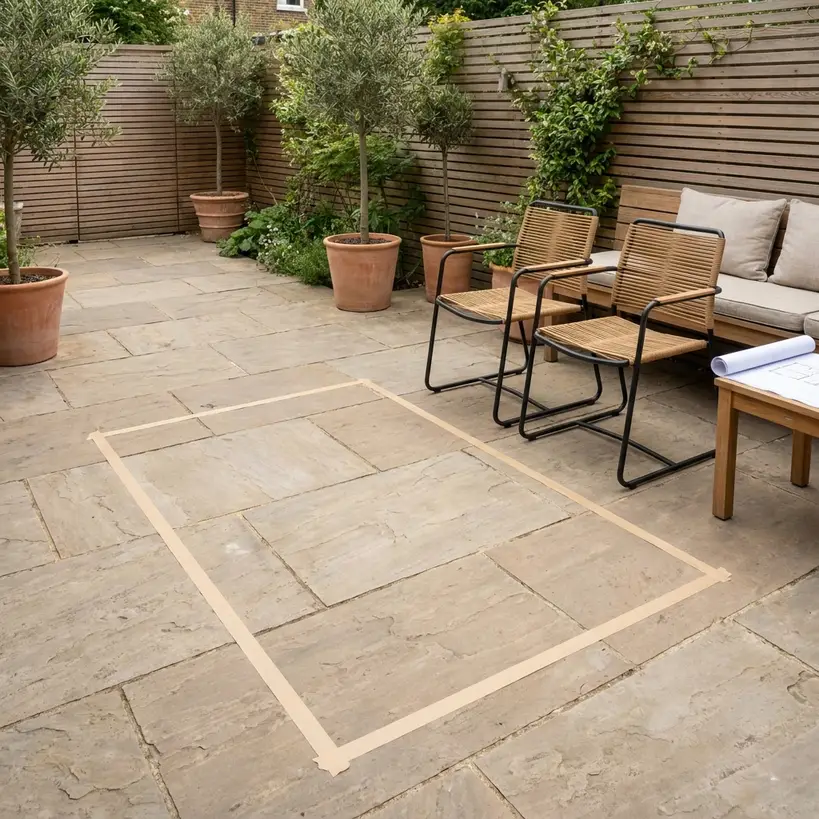
If you’re still comparing layouts, this guide on Modern Dining Table Sets: What to Look For can help you think beyond the table and plan the whole dining area. You can also compare larger outdoor layouts in Outdoor Dining in Shropshire Garden Furniture Stores.
Step 2: Choose the right table shape for how you live
Once you know your space, choose the table shape. It matters more than many people think. Shape affects comfort, movement through the area, and even how social the table feels when everyone sits down.
For most homes, the choice comes down to rectangular or round. A rectangular 6 seater dining table is the practical option for narrow patios, decks, and dining rooms because it sits neatly along walls, works well with benches, and fits long outdoor areas without wasting space. Live Outer recommends 72 to 84 inches long and 36 to 40 inches wide for a rectangular 6-person outdoor dining table (Live Outer).
Round tables work better in square spaces and make the setting feel more relaxed. They also make conversation easier. The same source recommends 54 to 60 inches in diameter for 6 people, which gives each person enough room without making the table feel cramped.
Here’s a simple way to choose:
- Pick rectangular for a long, narrow space.
- Pick round for a square space or better conversation flow.
- Pick oval for softer edges with the efficiency of a longer table.
- Pick expandable if you host extra guests a few times a year.
Before you decide, visualise the shape with real chair positions. Mark out six seat spots around the table, then check whether any chair blocks a doorway or cuts into a walkway. It’s a small detail, but it makes a big difference.
Common mistake: Some people choose a round table because it looks softer, then realise it takes up too much floor area. Round tables can need more circulation room than expected.
Step 3: Match the table dimensions to real seating comfort
Be specific. A table can technically seat 6 and still feel cramped. Each person needs enough elbow room and leg room, with easy access to the table.
As a general rule, allow about 24 inches of width per person. A 72-inch rectangular table works well for three people along each long side, while a 54 to 60-inch round table gives everyone a more balanced amount of space.
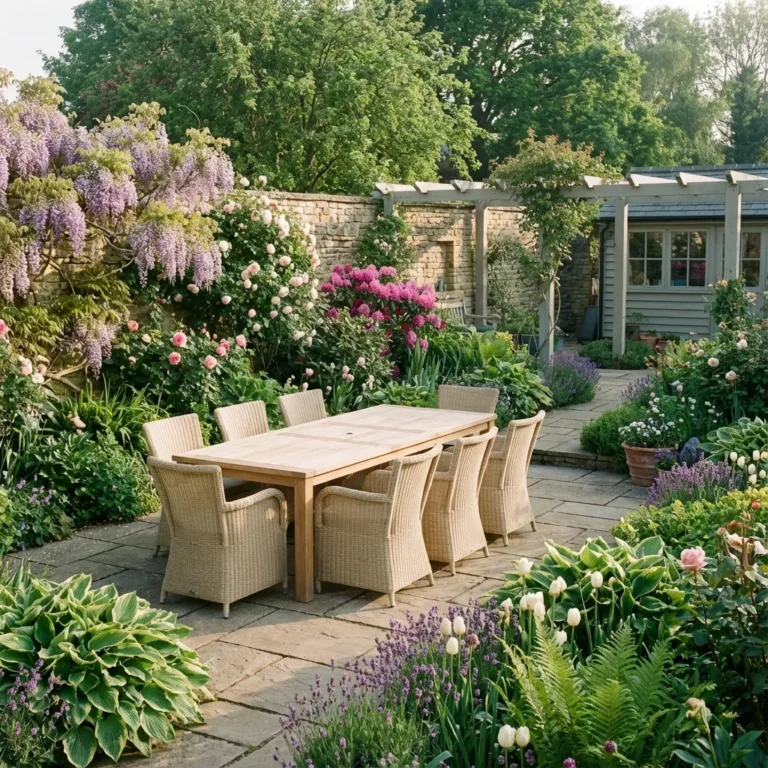
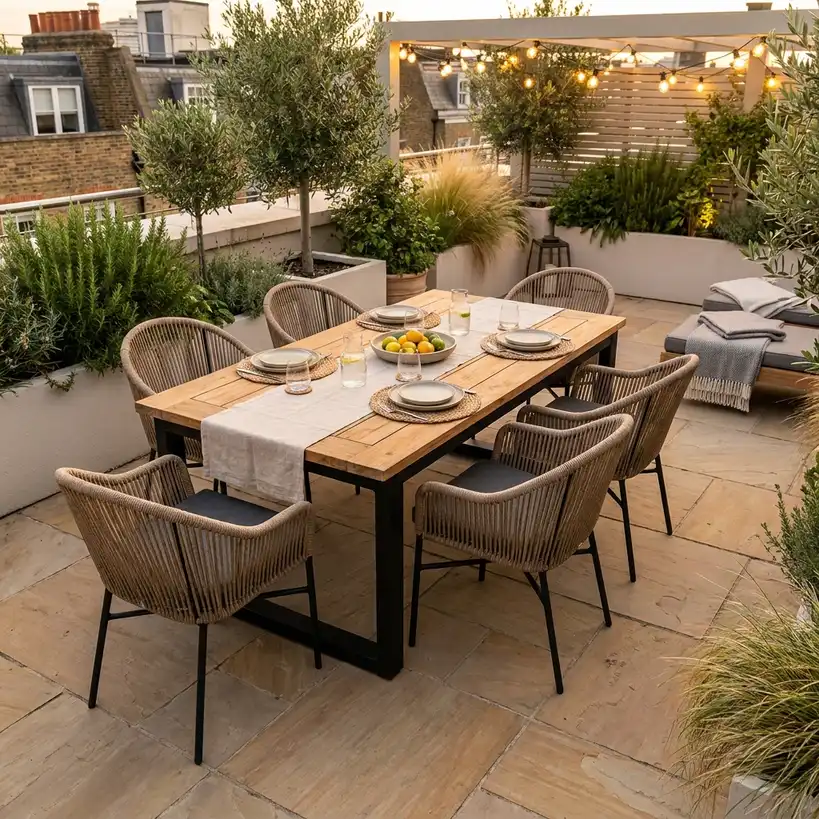
Chair style matters too. Slim dining chairs with open arms take up less visual and physical space. Deep armchairs feel luxurious, but they also need extra room around the table. For outdoor furniture, rope or rattan-style chairs can look light while still giving support. Teak frames also work well, whether the garden style feels modern or more natural.
According to Persistence Market Research, dining tables account for 61% of the outdoor tables market, showing how central dining furniture has become in outdoor design (Persistence Market Research). Buyers are no longer adding a table just for function. They’re creating an outdoor room around it.
The dimensions should match how the space is really used. If shared dishes, platters or centrepieces are part of the setup, choose the wider end of the range. In a compact area, a slimmer rectangular table with low-profile chairs may fit better and feel easier to use.
Tip: If the width is tight, avoid bulky pedestal bases and oversized chairs. If the length is tight, avoid thick table ends that reduce knee space.
For more layout ideas that suit UK homes, Best Dining Table Sets for Modern UK Homes is a useful next read. You can also compare seating options in Best Dining Chairs for Modern Homes.
Step 4: Pick a material that suits your weather, maintenance level, and budget
Style matters here, but long-term value matters just as much. The right material for your 6 seater dining table depends on where it will go and how much upkeep the buyer is really willing to take on.
For outdoor furniture, Forbes points to teak, aluminum, and HDPE as some of the most weather-resistant options (Forbes). Each gives a different look and calls for a different level of maintenance.
Teak is premium, warm and durable. It naturally resists the weather and, if left untreated, fades into a silver-grey patina over time. It suits buyers who want a luxury look with real durability. The upfront cost is higher, but teak can age beautifully.
Aluminum is lightweight, rust-resistant and modern. It works especially well in industrial or minimalist spaces, and powder-coated aluminum handles wet UK weather better than many lower-cost metals. That makes it a practical choice for outdoor use.
HDPE or poly lumber is practical and low-maintenance. It handles rain, sun and temperature changes well. For buyers who want reliable outdoor furniture without regular oiling or sealing, it’s a smart choice.
Stone or concrete tops feel solid and look high-end. They work well on larger patios where an anchored, architectural look makes sense, but their weight can be a drawback. They’re harder to move and also need a strong surface underneath.
Indoor buyers can also consider solid wood, oak, veneer, glass or sintered stone. For a closer wood comparison, see Oak Dining Tables vs Veneer: What to Buy. Buyers interested in long-term material choices may also find Sustainable Outdoor Furniture Trends Shaping 2025 helpful.
Common mistake: buying based on looks alone. A pale wood finish may look beautiful at first, but it can disappoint fast if it is not suited to outdoor exposure.
Step 5: Choose a style that connects with the rest of your home or garden
Your table should feel like part of the space, not a random object placed there. It needs to work with your flooring, chairs, lighting, and the overall mood of the area.
Current design trends lean toward warmer tones, more tactile finishes, and furniture that makes outdoor spaces feel more like an extension of the home. Trend coverage from Today’s Patio and Woodchucks Fine Furniture & Decor points to warmer frame colours, larger statement pieces, and more design-led outdoor dining settings with an indoor-inspired feel (Today’s Patio, Woodchucks Fine Furniture & Decor).
This works well for anyone drawn to Scandinavian simplicity, industrial lines, or the natural texture of teak. A clean-lined teak table adds warmth to a modern patio. Want something more defined? A black aluminum frame with a stone-effect top gives a garden dining area a more architectural look. Rope dining chairs soften harder surfaces. They can also help a larger set feel more welcoming.
Think in layers:
- Table shape and finish
- Chair material and comfort
- Floor surface such as decking, stone, or tile
- Lighting for evening use
- Soft furnishings such as cushions and throws
When choosing an outdoor table, repeat colours from inside your home where possible. It’s a small detail, but it can make a big difference. Carrying those tones through helps the indoor and outdoor areas feel more connected.
Tip: For affordable luxury, choose one premium element, such as teak, a stone-look top, or beautifully made chairs. The whole space doesn’t need to be expensive to look polished.
Step 6: Decide whether you need fixed or expandable furniture
The main question is simple: do you normally seat 6, or do you regularly need room for 8 or more?
A fixed 6 seater dining table can look stronger and is easier to style. It can look cleaner too. Without extension seams, it may feel more solid and give the whole setup a neater appearance. If your household is usually four to six people and bigger gatherings happen only once or twice a year, a fixed table may be enough.
An expandable table makes more sense when one table needs to handle different situations. On normal days, it gives you comfort without making you keep oversized furniture in place all year. That matches a broader consumer shift toward flexible furniture with premium styling. Future Market Insights says the global outdoor dining table market will grow from USD 20,764 million in 2025 to USD 34,516 million by 2035, with a 5.2% CAGR (Future Market Insights). Growth at that level can suggest stronger demand for versatile options.
If you choose expandable, test these points:
- Is the extension mechanism simple?
- Can one person open it?
- Does the extended size still fit your room or patio with 3 feet of clearance?
- Do you need extra chairs stored nearby?
Common mistake: People buy an extendable table after measuring only the closed size. Then they forget to check how it fits when fully extended.
If you want to browse a UK-focused range of indoor and outdoor dining styles, RENGARD is one example of a brand centred on durable materials and modern design-led furniture.
Step 7: Check build quality, comfort, and maintenance before you buy
The shortlist is set. Small details matter.
Check the frame and joints first. For wood tables, look for solid construction and a stable base that doesn’t wobble. Metal tables should have an even finish rated for outdoor use if needed. With stone or concrete designs, confirm the weight and make sure the patio or decking can carry it safely.
Then review the chair setup. Seating matters just as much as the table, so check that chair heights fit the tabletop properly and that armrests slide underneath when space is tight. If cushions are included, check the covers too. They should be removable and weather-resistant.
Maintenance needs should suit your lifestyle. Teak may need occasional care if you want to keep its golden colour, while aluminum wipes clean more easily and HDPE needs the least effort in most cases. Anyone who doesn’t enjoy upkeep should choose materials that hold up well with little attention.
According to Sharon Sherman’s planning advice on Houzz, layout comfort depends on movement as much as size. Furniture should feel easy to use when people sit down, stand up, and move around the table.
Quick checks before purchase:
- Confirm exact dimensions in centimetres and inches
- Check seat count based on chair width instead of marketing claims
- Read the care instructions
- Ask whether assembly is required
- Verify whether the table can stay outdoors year-round
A helpful specialist in this area may combine durable materials like rattan, rope, and teak with practical service and modern styling. In the wider furniture market, that’s where RENGARD fits naturally.
Step 8: Plan the final setup so the table looks finished, not empty
After choosing the right 6 seater dining table, plan the full setup around it so the furniture feels considered, not just dropped into place.
Start with placement. Centre the table in the usable area instead of putting it in the middle of the patio or room, where it can feel disconnected from the rest of the space. Then add lighting, seat cushions and a simple centrepiece that will not block conversation. Keep it practical. In outdoor spaces, include shade in the plan too. A parasol, pergola or even a nearby tree can completely change how much people use the table.
If the space is part of a larger garden design, keep nearby furniture in scale with it. A small bistro set next to a large 6-seat dining table can make the whole area feel uneven. That is easy to miss. Use matching materials, or ones that work well together, so the setup feels connected rather than put together from separate pieces.
For more inspiration on linking the table to a complete garden setup, this article on Garden Furniture Showroom Ideas for Outdoor Dining Spaces can help.
Final reminder: the best table is the one that fits your measurements, your weather and your everyday habits, not the one with the boldest photo.
Frequently Asked Questions
What is the best size for a 6 seater dining table?
For most homes, a rectangular 6 seater dining table works well at 72 to 84 inches long and 36 to 40 inches wide. A round option is usually best at 54 to 60 inches in diameter. Always add about 3 feet of space around the table for comfort.
Is a round or rectangular 6 seater dining table better?
It depends on your space. A round table is better for conversation and square layouts, while a rectangular table suits narrow rooms, decks, and patios. If your layout is tight, a rectangular shape is usually easier to place.
What is the most durable material for outdoor dining furniture?
Teak, aluminum, and HDPE are among the best outdoor choices because they handle weather well and offer good long-term value. Teak gives you a premium natural look, aluminum feels modern and low-fuss, and HDPE is excellent for buyers who want minimal maintenance.
How much space do I need around a 6 seater dining table?
You should leave at least 3 feet on all sides of the table. This gives enough space to pull out chairs and walk around comfortably. If the area is very busy or connects to doors, a bit more space is even better.
Can I use indoor-style dining furniture outside under cover?
Only if the materials are truly suitable for moisture, temperature swings, and outdoor air. A covered area helps, but many indoor woods, veneers, and metal finishes can still wear badly outside. If you want the indoor-outdoor look, RENGARD is a useful example of a brand focused on materials and styles that are better suited to garden living.
Where can I find a stylish 6 seater dining table for a modern UK home or garden?
Start by looking for brands that combine weather-resistant materials with simple, design-led styling. If you like Scandinavian or industrial looks, durable teak, rope, and rattan details are worth considering. A curated outdoor and home furniture retailer like modern home and garden furniture retailer can give you a clearer idea of what finishes and layouts work well in UK spaces.
Now put your shortlist to the test
Choosing the right 6 seater dining table is easier when you follow a clear order. Start by measuring the full space and making sure there’s enough clearance on all sides. Then choose the right shape based on how people really use the area. Keep it practical. Match the dimensions to real seating comfort, pick a material that suits the setting, and choose a style that fits with the rest of the home. After that, decide whether fixed or expandable furniture makes more sense, check the build quality closely, and plan the final layout so the table feels complete in the room or out on the patio.
If a quick checklist helps, keep these points in mind:
- Measure the room or patio first
- Leave 3 feet around the table
- Use 72 to 84 inches for most rectangular 6-seat tables
- Use 54 to 60 inches for most round 6-seat tables
- Pick teak, aluminum, or HDPE for stronger outdoor durability
- Match the style to the rest of your furniture
- Think about maintenance before you buy
A good dining table should support everyday life, not just look good in a product photo. When size, weather, comfort, and design are considered from the start, the furniture is more likely to work hard and last longer. Making a smart choice early can also help the finished space feel more useful, more comfortable, and more settled.