
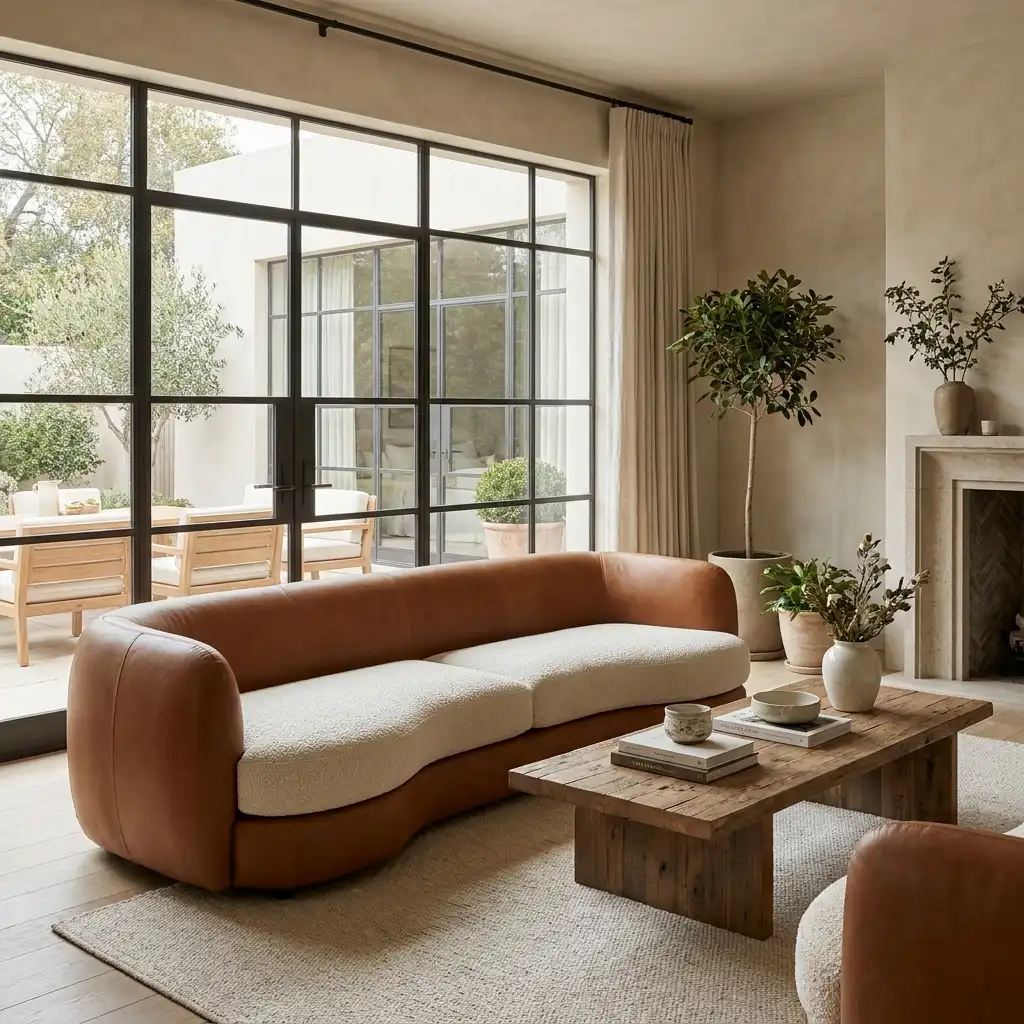
Exploring the Benefits of Sofa Furniture for Your Home
Choosing the right sofa is one of the most important decisions in any home. A good sofa does more than fill empty space. It shapes how people relax, host guests, spend time with family, and even how the whole room feels from one day to the next. For many homeowners, the sofa sits at the real center of the home. Movie nights happen there. Children read there. Friends gather there, and quiet evenings begin and end in that same spot.
That role matters even more now. Homes do more than they once did. Living rooms can serve as social spaces, work zones, reading corners, and open-plan links to patios, balconies, and gardens. For outdoor decor enthusiasts, indoor seating choices can also affect the look of nearby outdoor areas. A sleek sofa inside can carry through to a more coordinated lounge look outside. That connection is easy to see.
The numbers make that clear. Sofas and sectionals made up 40% of first-half furniture sales in 2025, while outdoor furniture also accounted for 40% of second-half sales, showing that buyers are spending on comfort across both indoor and outdoor living (Cylindo). The market points to a clear shift in how people live at home and what they expect from the spaces they use each day.
This guide covers the key benefits of sofas, what helps the best leather sofas stand out, how to match a sofa to a layout and lifestyle, and which details matter most before buying.
Why Sofa Furniture Remains the Heart of the Home
Sofa furniture stays popular for a simple reason. It meets both a practical need and an emotional one. People have a comfortable place to sit, and a home feels more settled, warm, and complete because of it. In most homes, no other piece of furniture is used this much each day.
The wider market supports that. The global furniture market is expected to reach USD 597.71 billion in 2025 and grow to USD 996.38 billion by 2034, pointing to strong long-term demand for furniture that supports daily life and comfort (Fortune Business Insights). Residential furniture also holds 61.3% of revenue share in 2025. That shows how much people continue investing in their homes (Grand View Research).
A sofa supports many roles at the same time:
Comfort for everyday living
After long hours at work or busy weekends, a good sofa supports the body and gives it a real place to slow down and rest. A quiet pause.
Style that defines the room
The sofa often sets the tone for the whole space, shaping how everything feels and defining the room. Clean and modern, a low-profile leather sofa creates that look, while a deep fabric sectional feels relaxed and suits family living.
Flexible use
One sofa can handle reading, entertaining, napping, gaming and casual dining. That flexibility is a big reason buyers keep choosing this category first.
When readers compare options, it helps to see how budget-friendly choices work in real homes. The guide to cheap sofas for budget-friendly homes shares ideas for balancing price and function without giving up style.
The Real Benefits of a Well-Chosen Sofa
Not every sofa gives you the same result. The real benefits come from choosing one that suits your room, your needs and your habits, so it works with the way you live instead of just taking up space. When the fit is right, daily life feels easier.
Better comfort and support
A well-made sofa supports your back, neck and legs more evenly. Seat depth, cushion density and arm height shape comfort, and they can change how relaxed or supported a sofa feels over time. For long evenings of lounging, deeper seats may suit some people better. Others sit upright and may do better with a firmer, more tailored shape.
Better use of space
The right sofa can make a room feel bigger. In a compact living room, a slim-frame 2 seater leaves more space. In an open-plan layout, a modular sofa helps define zones, while a corner sofa can turn an awkward area into the most inviting seat in the house.
Better visual flow
Good sofa furniture should work well with nearby pieces like coffee tables, side tables, rugs, lighting and media units. This matters most in homes that mix indoor and outdoor style. If a patio features warm wood, stone or black metal, a sofa in similar tones helps the transition feel natural. Simple. 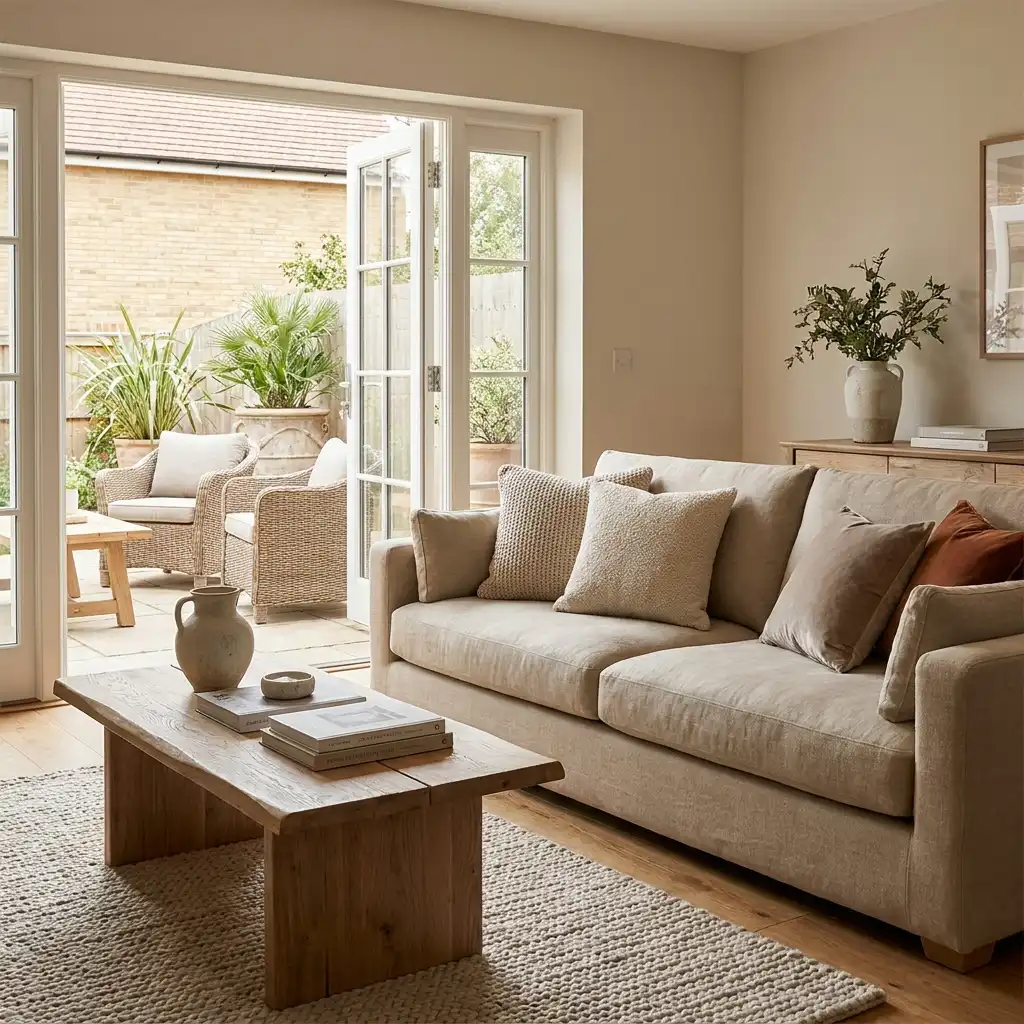
Better long-term value
A sofa is a major purchase, but quality pays off over time, especially if the alternative is replacing a cheaper one much sooner than expected. In short, it lasts longer. Research suggests budget sofas last 5 to 7 years, mid-range sofas 7 to 10 years and high-end sofas 12 to 15 years or more (Lusso Modern Home). Choose well, and the cost over time can be lower.
Why the Best Leather Sofas Stand Out
People looking for the best leather sofas want three things: durability, easy care and timeless style. Fair enough. Leather remains a strong choice because it wears well over time and can look even better as the years pass.
Many of the strongest durability claims in this category come back to leather. High-quality leather sofas can last 20+ years (Coleman Furniture). Under the right conditions, Architectural Digest also says leather sofas may last 4x longer than fabric sofas (Architectural Digest). That kind of lifespan can change the value equation.
Full-grain leather is the highest quality available, retaining the natural grain of the hide for unmatched texture and resilience. It develops a rich patina over time, adding character to your furniture, and is ideal for those seeking timeless elegance.
Leather also brings practical day-to-day benefits in busy homes:
Easier cleaning
Spills can stay on the surface longer than on absorbent fabric, so cleaning is easier. Leather is a practical choice for households with children, pets or frequent guests.
Classic look
Leather sofas suit modern, industrial, rustic, and transitional interiors. They pair just as well with wood, metal, stone, and woven outdoor materials.
Lower allergen buildup
Leather traps less dust and pet dander than many fabric surfaces. That can help some homeowners keep their homes cleaner.
For homeowners furnishing a full room, Sofas and Armchairs UK: How to Furnish Your Home with Style helps them plan beyond the sofa itself and create a more complete seating plan.
How to Match Your Sofa to Modern Home Layouts
A sofa needs to do more than look good in a showroom. It needs to work in real life. That means understanding your room shape, how people move through it, and how the space is used every day.
A simple way to choose is to break it into four steps.
Step 1: Measure the room and pathways
Check the wall length, doorway width, and walking space around the sofa. Leave enough space for people to move easily around coffee tables and side seating.
Step 2: Define the main use
The sofa may be used mainly for entertaining, family TV time, reading or occasional guests. In a formal room, a tailored shape may work best. In a family room, deeper seats and stain-resistant fabric are more practical.
Step 3: Match the scale to the room
In open plans, large sectionals can feel luxurious, but in smaller rooms, heavy arms and deep backs can quickly take over. It’s better to keep things lighter. Low-profile sofas help keep sightlines open.
Step 4: Think about nearby spaces
If your living room opens onto a garden or balcony, choose colours and materials that link the two areas. Warm neutrals, earthy greens, black frames and textured cushions work well both indoors and out.
That also helps explain the rise of modular seating. In multifunctional furniture, the sofa segment reached USD 4.9 billion in 2024, with more growth projected ahead (Global Market Insights). People want flexible layouts because they fit a real need.
Design Trends Shaping Sofa Furniture Right Now
A sofa should feel current, but it also needs to last longer than a short trend cycle. The smart move is to watch where design is heading, then choose a version that will still suit your home years from now.
One of the clearest shifts right now is modular seating.
The biggest shift I have seen in 2025 and continuing in 2026 is the demand for modular sofas,
It suits modern homes well. Modular sofas adapt to changing layouts, growing families and rooms that need to serve more than one purpose. As needs change, homeowners can rearrange the pieces.
Another strong direction is cleaner shaping. According to Vicente Wolf, designers are seeing a move toward:
more low profile, smartly tailored sofas,
This look works especially well in homes that aim for a calm, uncluttered feel. Lower backs and slimmer arms can make a room feel more open. Less crowded, as well.
Wolf also points to softer forms that still feel refined:
comfort blending of curves sofas mixed with other pieces that have straight lines, but primarily, sleeker sofas that don’t sacrifice style,
These trends appeal to homeowners who want indoor furniture to connect more naturally with outdoor lounge design. Curves, natural textures and simpler silhouettes now show up in both spaces. Warm finishes matter. Substantial materials do too, and they are shaping outdoor living areas as well. More and more, patios are treated as real extensions of the home (Today’s Patio).
What Construction Details Matter Most Before You Buy
A sofa may look beautiful on the outside, but its structure is what really decides how long it lasts. Many buyers miss that. Colour comes first for many people, and construction comes second. For better long-term value, that order should be reversed.
Start with the frame. Kiln-dried hardwood is widely seen as a stronger option because it can help reduce warping over the years. Then check the support system. Better webbing or premium hand-tied foundations can last 20 years or more in high-quality pieces (Coleman Furniture).
Cushions matter too. Foam density affects how a sofa feels at first, and it also shapes how well the cushions hold their form with regular use. Lower-density foam can flatten much faster, especially in homes where the sofa gets heavy daily use. Research from What A Room suggests 1.8 density foam may last 3 to 5 years, 2.0 density foam 4 to 6 years and 2.5 density foam 10 to 15 years (What A Room).
Fabric durability also deserves a closer look. According to Medley Home, commercial-grade fabric starts around 30,000 double rubs, while a stronger residential benchmark can reach 50,000 to 75,000 double rubs in homes with heavier wear (Medley Home).
In simple terms, check these four things:
Frame
Choose hardwood or other durable, stable materials.
Cushion density
Choose foam that holds its shape over time and does not flatten too fast.
Upholstery performance
Check stain resistance, washability, and rub count.
Seat support
Ask what supports the cushions underneath.
That shows the difference between a sofa that looks good at first and one that stays comfortable over the years.
Indoor Style and Outdoor Living Can Work Together
For homeowners who care about patios, balconies, and gardens, indoor sofa furniture does not sit on its own. The most welcoming homes carry a shared mood from inside to outside. Not a perfect match, just spaces that feel connected.
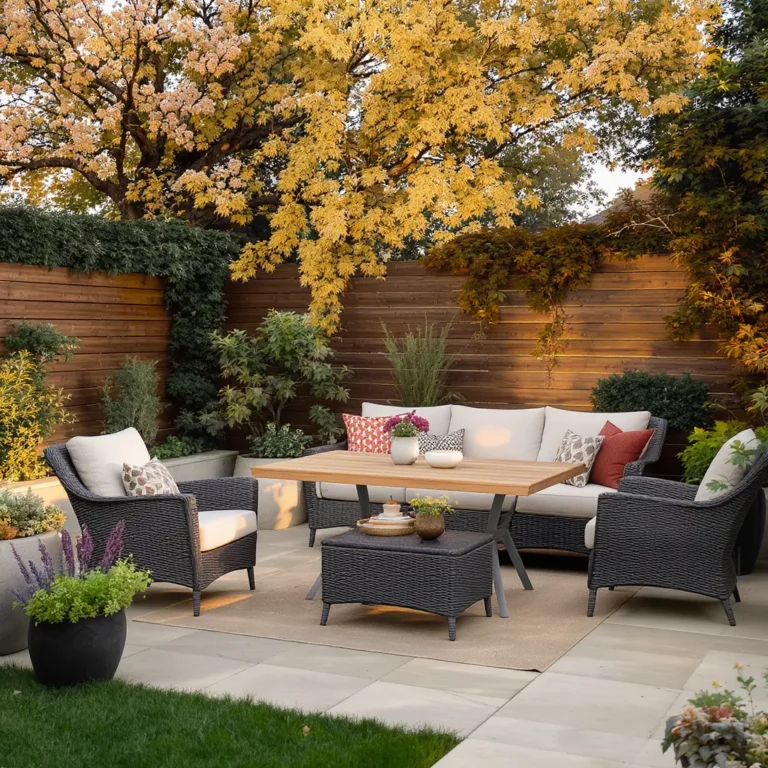
Start with colour. If the outdoor area includes sandy tones, olive greens, charcoal frames or stone tables, an indoor sofa can echo those ideas through upholstery, throws or nearby accent chairs. Texture matters too. Leather, boucle, linen-look fabric, wood, metal and stone help create a layered feel without making the spaces seem separate.
Outdoor living has become much more refined, so thinking across both areas matters more. Larger-scale furnishings, layered comfort and stronger lounge styling are shaping patio design in a way that feels much closer to indoor decorating than it did before. Rugs, ottomans, cushions and coffee tables now play a bigger role (PatioHQ). For more on the outdoor side, the guide to best outdoor furniture materials in the UK offers useful context on durable finishes that work well beside indoor furniture choices.
Placed near garden doors or a balcony, a sofa can link the two areas. It helps the inside feel calmer. Just as important, it gives the outdoor space a clearer sense of purpose.
Common Buying Mistakes and How to Avoid Them
Many sofa regrets begin with small mistakes early on, and once you know what to check, they’re easy to avoid. Minor details.
Choosing style over comfort
A sofa can look perfect online, yet still feel wrong in daily use. Think about how people actually sit, not just how the sofa looks.
Ignoring scale
A sofa that’s too large crowds the room. Too small and it gets lost. Measure with care. If needed, mark out the size on the floor first.
Forgetting maintenance needs
Some homes need wipe-clean leather, while others do better with removable, washable covers that make daily messes easier to manage. Real life matters.
Underestimating quality differences
Two sofas can look very similar, yet wear very differently over time, even if the differences are not obvious at first glance. Frame material, cushion density and upholstery quality all matter.
Not planning the whole room
A sofa works best with the right coffee table, rug, side table and lighting. In open-plan spaces especially, furniture helps guide movement and clearly define different zones.
When reviewing options, compare prices, colours, lifespan, maintenance and layout flexibility. Looking at everything together can lead to a better choice.
Frequently Asked Questions
What is the main benefit of sofa furniture in a home?
The main benefit is that it combines comfort, style, and function in one piece. A sofa helps define the room, supports daily living, and creates a central place for relaxing or spending time with others.
Are leather sofas better than fabric sofas?
It depends on your needs, but the best leather sofas are often a strong choice for durability, easy cleaning, and timeless style. Fabric sofas can feel softer or offer more colour variety, while leather often lasts longer and is easier to wipe clean.
How long should a good sofa last?
A good sofa can last many years if it is well made. Budget models may last around 5 to 7 years, mid-range sofas around 7 to 10 years, and high-end sofas 12 to 15 years or more. Quality leather sofas can last 20 years or longer with proper care.
What should I check before buying a sofa online?
Look at dimensions, seat depth, frame material, cushion density, upholstery type, and care instructions. It also helps to buy from a retailer with a broad furniture range, like RENGARD, so you can coordinate your sofa with coffee tables, dining pieces, and home accessories more easily.
Can sofa furniture help connect indoor and outdoor design?
Yes. A sofa can set the style for nearby spaces by repeating colours, textures, and shapes used on a patio or balcony. Retailers such as RENGARD are relevant here because they offer both indoor and outdoor furniture, which can make it easier to build a more connected look across the home.
What size sofa is best for a small living room?
Smaller rooms often work best with a 2 seater, a slim-arm 3 seater, or a modular design with a lighter profile. The best choice depends on how much walking space you need and whether the room is used mostly for hosting, lounging, or both.
The Bottom Line for Choosing a Sofa That Lasts
A sofa is more than just another item on a shopping list. It’s one of the most important investments in a home’s comfort, function and style. When it’s chosen well, it supports daily life, helps a room work better and brings people together. It can also help link indoor design with patios, balconies and garden areas, which matters as homes become more connected and shaped around how people really live.
The main lessons are simple. Start with how the sofa will actually be used. Then check what’s behind the design. Look closely at frame quality, cushion density, upholstery performance and long-term maintenance. For lasting value, the best leather sofas remain a strong option because they offer durability, easier care and classic appeal. For more flexibility, modular designs are also taking on a bigger role in modern living.
Before buying, keep these takeaways in mind:
- choose comfort based on real daily use
- measure carefully for size and flow
- compare materials for maintenance and lifespan
- look beyond colour and focus on construction
- coordinate the sofa with the rest of the room and nearby outdoor spaces
A great sofa does more than improve one corner of the house. It shapes how the whole home feels. Over time, a smart choice makes sofa furniture part of better living.





2 Comments