Rugs: The Finishing Touch for Every Room
A well-chosen rug can change a room faster than almost any other decor piece. It adds warmth, colour, texture and shape. In a large space, a rug can make things feel cosy, while in a smaller room it can help everything feel more finished. For many homeowners, rugs do more than soften the floor. They help bring a design together.
That matters even more now because homes need to do more than one job. A dining area might also double as a workspace. Sometimes a conservatory opens straight onto a patio, and a living room has to feel stylish, practical and ready for family life all at once. In spaces like these, rugs help create visual order. They define zones, soften hard materials and add comfort to daily living.
For readers who care about affordable luxury, durable design and easy styling, rugs are a smart place to start. They suit modern homes, classic homes, Scandinavian rooms and industrial spaces. Rugs can also connect indoor and outdoor living, which is especially helpful in homes shaped around garden rooms, patios and relaxed alfresco areas.
This guide explains how to choose the right rugs for each room and how size and material affect the final result. It also covers ways to use rugs in outdoor living areas, plus how to care for them so they last well over time. Readers will also find common mistakes to avoid, along with practical answers to the questions people ask most. Clear, useful advice.
Why rugs matter more than many people think
Many people leave rugs until the end when buying for a room. In reality, they can shape the whole space by setting the colour palette, linking different furniture pieces, and softening the cold feel of wood, tile, or stone flooring. They’re more than decoration. A rug also adds comfort and helps control sound, especially in open-plan homes.
Rugs can also improve how a space works. In busy households, soft surfaces help reduce noise, and a rug with the right underlay adds grip while making the floor more comfortable underfoot. Get it wrong, though, and the effect can reverse, leaving the room feeling unsettled.
Rugs also support the growing shift toward layered home styling. Interior spaces feel richer when they mix materials like teak, rope, rattan, linen, wool, and woven floor coverings, which is one reason rugs work so well with the calm, textured furniture styles seen at RENGARD.
For homeowners who want a polished result, rugs should be seen as practical tools as well as design anchors. When the rug is right, the whole room is too.
How to choose the right rug size for each space
Size is the mistake people make most. When a rug is too small, the room can feel disconnected, and furniture can seem to float instead of sitting in one clear, grounded layout. If it is too big, the opposite happens. The rug can take over the floor and reduce contrast.
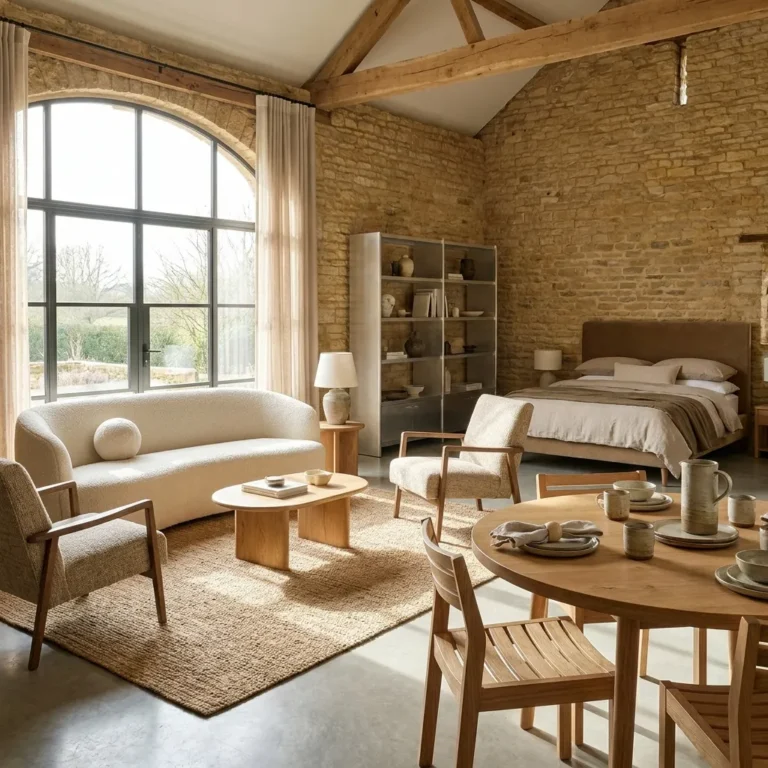
A practical way to choose the right rug is to start with how the room is used, then look at where the furniture sits, and only then check the walking space. In living rooms, the front legs of sofas and chairs should sit on the rug in most cases. Sometimes the whole arrangement fits. In larger rooms, all the main furniture can sit fully on the rug. In dining rooms, the rug should extend well past the table edges so chairs stay on it when they are pulled out. In bedrooms, rugs should give a soft landing on both sides of the bed. It is simple, but important.
Here’s a quick guide many people find helpful:
- Living room: choose a rug large enough to connect the main seating area
- Dining room: allow extra room around the table so chairs stay on the rug
- Bedroom: place rugs under the lower part of the bed or use runners at the sides
- Hallway: leave a border of visible floor around the edges
- Outdoor seating area: match the rug to the furniture footprint instead of the floor area alone
If you want a more detailed look at styling ideas, this guide to modern rugs for home decor is a useful next step.
Another useful visual test is to mark the rug size on the floor with masking tape before buying. It only takes ten minutes. That can save a lot of money and effort.
Best rug materials for comfort, durability, and easy care
Material affects how a rug feels underfoot, how well it holds up, how easy it is to clean, and where it makes the most sense. In busy homes, that can matter just as much as style.
Wool rugs stay popular for good reason. They feel soft, wear well over time, and naturally spring back after use, which makes them a strong choice for living rooms and bedrooms where comfort matters most. Cotton rugs are lighter and easier to move, so they can suit more casual spaces. Jute and sisal add rich texture, though they can feel rough underfoot and may not be the best fit in damp areas.
For high-traffic spaces, synthetic fibres like polypropylene are a practical choice. They’re easier to clean and can handle moisture better than many natural fibres. That makes them a good match for kitchens, entryways and outdoor spaces.
If a conservatory, garden room or covered patio works like an extra living area, weather-resistant rugs become especially useful. They bring some of the softness of indoor decor while offering better resistance to moisture and wear.
When a home includes wood furniture, woven seating or natural teak details, the right rug material can soften and balance those harder surfaces. Soft pile adds comfort. Flatweave adds structure. Meanwhile, a textured weave can reflect the natural feel of outdoor-inspired design.
Matching rugs to each room in the home
Different rooms need different things from rugs. A bedroom rug should feel warm and calm, while a dining room rug needs to be sturdy, easy to care for, and able to handle how the space is used. Hallways are different again. A rug there should cope with wear and stay firmly in place.
In living rooms, rugs tend to work best when they define the conversation area instead of floating in the space, so it helps to treat the room as one complete zone. The rug should sit under the coffee table and connect clearly with the seating around it. In bedrooms, soft neutral rugs create a restful feel, while patterned rugs can add more character when the furniture itself is simple.
Dining areas suit low-pile or flatweave rugs because chairs move across them more easily and crumbs are simpler to clear away after meals. In kitchens, many people now choose washable runner rugs to soften the floor in front of sinks or islands, especially in spots where people stand a lot. Hallways benefit as well. A runner guides the eye and helps narrow areas feel more welcoming.
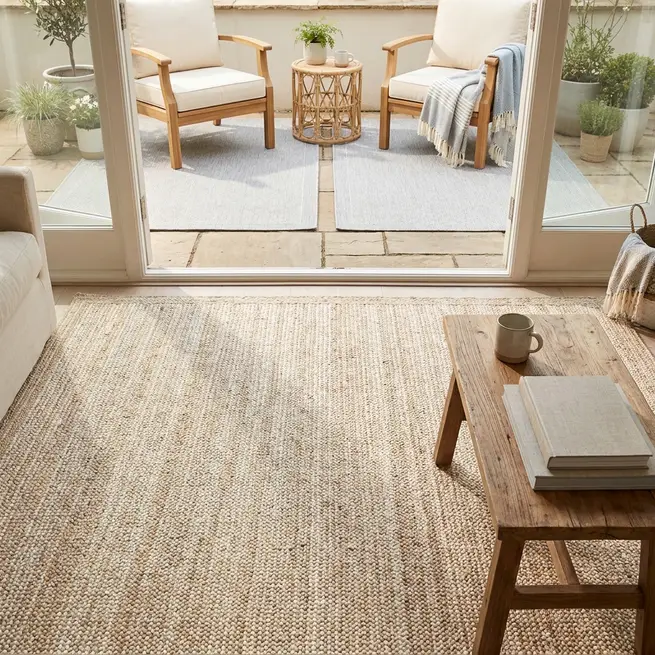
Choosing rugs room by room works especially well in homes that blend interior and exterior living, where each area may need to balance comfort with practicality. A conservatory, orangery or garden room can benefit from rugs that feel both refined and useful. For many homeowners, this is the same balance they want in furniture: durable enough for daily life and stylish enough to feel luxurious.
Match the rug to the room’s look and to how people actually use the space every day.
Using rugs to connect indoor and outdoor living
A useful rug trend is the rise of indoor-outdoor designs. These rugs work well on patios, covered terraces, balconies and in summer houses. They’re just as useful indoors too, especially in kitchens, boot rooms and conservatories, where traffic, moisture and everyday mess are part of the space.
Outdoor rugs are made from materials that handle damp conditions and regular use better than delicate indoor fibres, so they’re a practical choice in harder-working areas of the home. Many also use flatwoven constructions, which makes them easier to sweep, shake out or hose down when needed. That suits homes where people eat outside regularly and spend a lot of time entertaining in the garden.
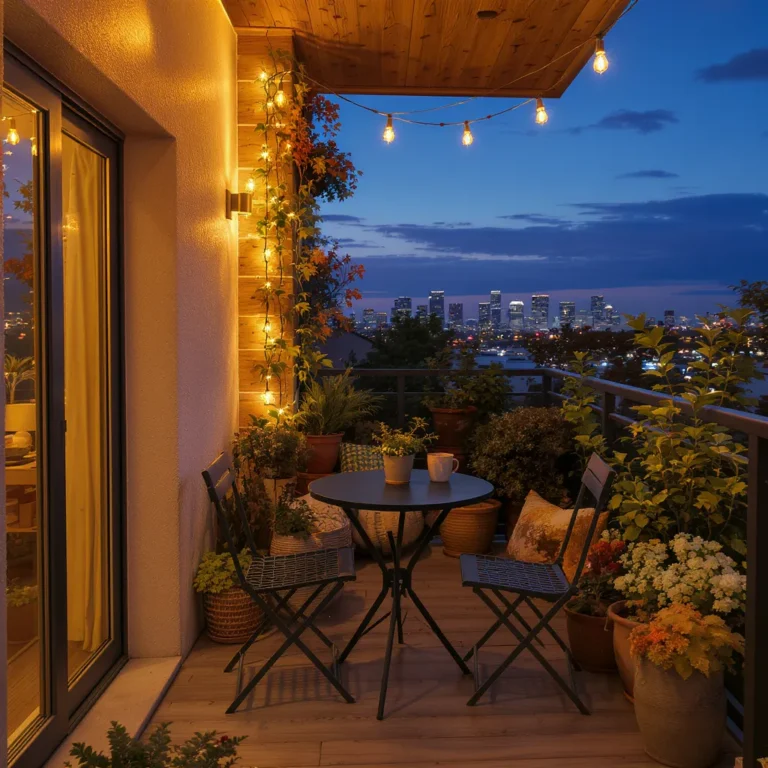
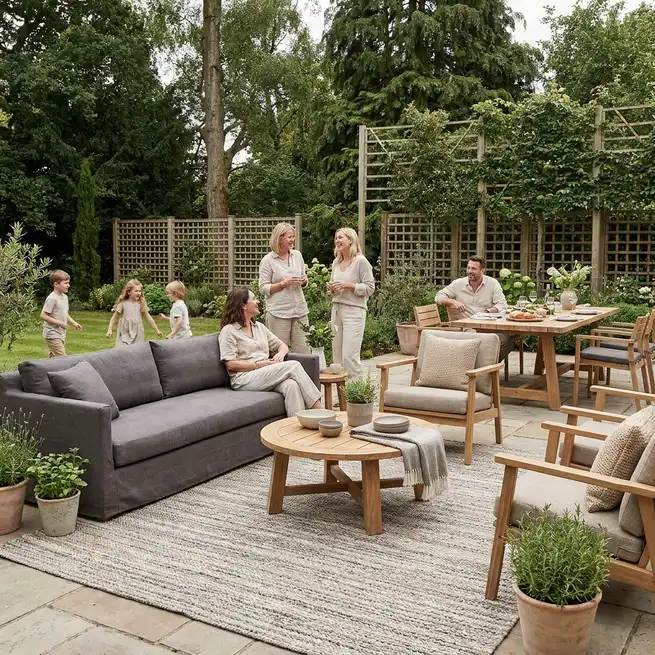
Rugs can define a lounge area under a pergola, make a dining space feel finished and add softness to stone or decking. Even a small change can have a big effect.
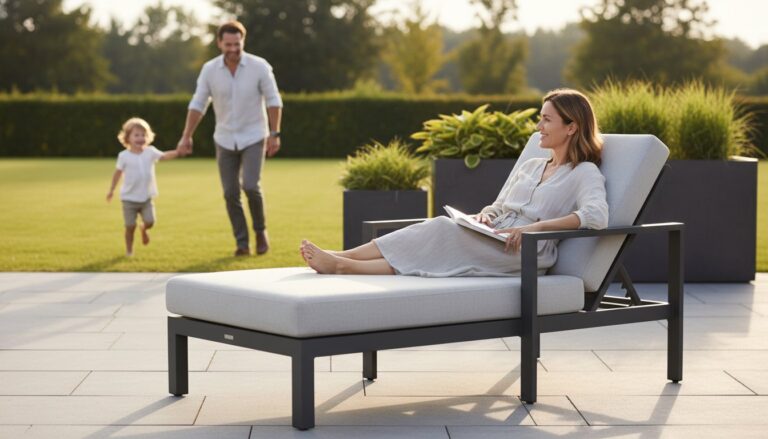
Used well, outdoor rugs create a clear before-and-after result. A plain patio can feel hard and empty, but once seating, lighting, planters and a rug are added, the whole area feels more like a room without walls. That works especially well with Scandinavian and industrial furniture, where clean lines benefit from added texture underfoot.
For a more pulled-together look, start by matching the rug to the furniture footprint. Then repeat one or two colours from cushions, throws or planters. The space feels intentional, not over-styled.
Colour, pattern, and texture: how to get the balance right
The best rugs do not always need to stand out. Some quietly anchor a room. Others add the contrast a space has been lacking. It depends on what is already there.
If furniture has a strong shape or clear texture, like rope dining chairs, teak tables or rattan lounge seating, a simpler rug usually works better. It lets those pieces stand out without making the room feel crowded. If the furniture is plain, there is more space for a patterned rug to take the lead and become the feature. In minimalist spaces, texture can have more impact than bold colour. A ribbed weave, loop pile or subtle stripe can add depth without making the room feel busy.
Neutral rugs stay popular for a reason. They are flexible. Beige, sand, grey, ivory, charcoal and soft earth tones sit comfortably with wood, black metal and natural woven finishes, which makes them easy to use across different styles and materials. Colour still matters, though. Deep blue, muted green, rust and terracotta bring warmth and personality.
Before shopping, decide what the rug needs to do:
- Blend in and soften the room
- Add pattern to a simple scheme
- Tie several colours together
- Define one zone in an open-plan space
- Add warmth to cool materials like tile or concrete
For homeowners who like modern layered interiors, it can help to compare rug ideas with broader modern rugs for home decor inspiration before making a choice. Seeing styled spaces often makes colour and pattern decisions easier.
Rug care and maintenance that helps rugs last longer
A beautiful rug keeps its look with proper care. The good news is that basic maintenance does most of the work. Regular vacuuming, quick action on spills, and turning the rug every few months can make a real difference in how it wears over time.
Care depends on the material. Wool responds best to gentle, steady attention, while flatweave and synthetic rugs can handle routine cleaning with less fuss. Natural plant fibres need extra care around moisture. Too much water can lead to damage, warping, or stains.
For most homes, a simple care plan works well:
- Vacuum high-traffic rugs once or twice a week
- Blot spills straight away instead of rubbing them
- Rotate rugs to spread wear more evenly
- Use a rug pad to reduce movement and friction
- Let outdoor rugs dry fully after heavy rain or washing
This matters most in busy family homes, homes with pets, and homes that open straight onto gardens. Dirt, grit, and moisture slowly wear down fibres over time. Good care also helps protect the flooring underneath.
Rugs in entryways, patios, and garden rooms need careful cleaning and full drying.
When rugs are part of an affordable luxury look, maintenance is not a minor extra. Proper care shapes how the whole space feels.
Common rug mistakes and how to avoid them
Even expensive rugs can look wrong when they’re used badly. One of the most common mistakes is choosing pattern first and size second. It’s an easy error to make. People also forget underlay, and when a rug slips, bunches up or curls at the corners, the whole room can end up looking unfinished.
Another issue is picking a rug that’s too delicate for the space. A plush, light-coloured rug may look lovely in a formal room, but it may not work well in a kitchen diner, by a patio door entrance or in a family lounge that’s used every day. In those areas, durability should come first. The rug needs to stand up to regular use.
Proportion gets overlooked as well. In a room with heavy furniture and dark finishes, a small rug can look lost, while in a light, airy room, a rug that’s too dark may seem too heavy. Outside, the same thing can happen. A rug placed under a dining set should fit the layout, not seem squeezed under the table like an afterthought.
Season matters too. In summer, lighter textures and materials that are easier to clean can make more sense, especially in rooms that open onto the garden. In winter, deeper texture and warmer tones can feel better. Rotating rugs by season isn’t necessary. But for flexible homes, it can be a smart styling move.
Frequently Asked Questions
What size rug should go under a sofa?
In most living rooms, the rug should be large enough for at least the front legs of the sofa and chairs to sit on it. This helps create one clear seating zone. If the rug is too small, the room can feel broken up.
Are outdoor rugs really worth buying?
Yes, especially if you use your patio, balcony, conservatory, or garden room often. Outdoor rugs make hard surfaces feel warmer and more finished, and many are made to handle moisture and dirt better than indoor rugs.
What rug material is best for busy family homes?
For high-traffic areas, synthetic materials such as polypropylene are often a practical option because they are durable and easier to clean. Wool is also durable, but it may need more thoughtful care depending on the room and level of use.
How do I stop rugs from slipping?
Use a good-quality rug pad or underlay made for your floor type. This adds grip, helps the rug wear more evenly, and can improve comfort underfoot. It is especially important in hallways, dining rooms, and homes with children or older adults.
Can rugs work with modern garden furniture and natural materials?
Yes. Rugs pair very well with teak, rattan, rope, and metal furniture because they soften the look and add texture. Brands such as RENGARD often show how natural materials and clean-lined furniture can be balanced with layered decor for a more complete indoor-outdoor style.
Where can I find rugs that suit Scandinavian or industrial spaces?
Look for simple patterns, muted colours, and tactile weaves that support the room rather than overpower it. If your home includes modern lounge or dining furniture, RENGARD is a useful example of the kind of wider design direction many homeowners use when choosing rugs to match Scandinavian and industrial aesthetics.
Final styling notes that make rugs feel intentional
Rugs do more than cover floor space. They guide the eye through a room, add comfort underfoot, and help the space function the way it needs to. A rug can make a lounge feel grounded, a bedroom feel softer, or an outdoor seating area feel like a real extension of the home.
Most good choices come back to a few simple points. Start with size. Then choose a material that suits how the room is actually used, not just how it looks. Give texture the same attention as colour. Add underlay where it helps. And if the room opens to the garden, ask whether an indoor-outdoor rug is the better option.
For homeowners who want a polished look but still need everyday practicality, rugs are one of the easiest updates to make. They can bring style, comfort, and function at the same time.
If you’re reviewing your spaces, go one room at a time. Look at the layout, notice the traffic, consider the materials already in place, and think about the mood you want to create before choosing. Then pick rugs that support the full picture. Done well, a rug is the piece that makes the room feel right.
Make every room feel complete
Rugs combine beauty and function in a practical way in home styling. They soften hard floors, reduce noise, define zones and help furniture layouts feel more settled. Even a small change can make a clear difference. They also support the wider design goals many homeowners care about now: comfort, durability, affordable luxury and a stronger link between indoor and outdoor living.
If only a few points from this guide stay with you, keep these in mind:
- Choose rug size before pattern
- Match the material to everyday use, not just appearance
- Use rugs to define seating, dining and transition zones
- Pick practical options for family spaces and rooms connected to the garden
- Maintain rugs regularly so they keep their shape and finish
The right rug can change the result, whether someone is styling a living room, updating a bedroom, refreshing a dining area or making a patio feel more inviting. In many cases, the effect is greater than expected. Rugs are flexible, useful and surprisingly effective in shaping how a space feels.
Look around the home and notice where the floor feels empty, cold or disconnected. That is usually where a rug helps most. Start with one room. Choose carefully, then build outward. The right choice can pull the whole space together, so it feels simple, natural and built to last.