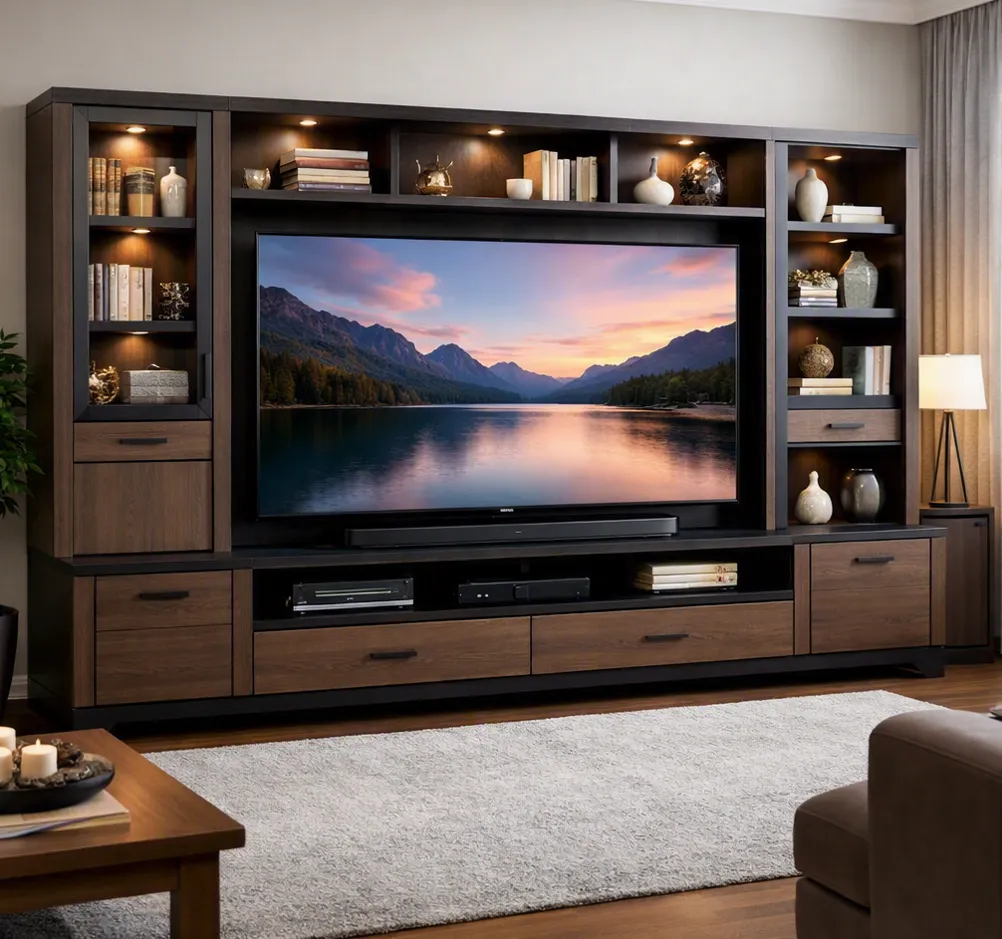
Choosing the Perfect Large TV Units for Your Home
A large TV can make a room feel more inviting, but it can also become a design problem when the stand underneath feels too small, too weak, or simply out of place. That’s why choosing the right large tv units matters more than many homeowners expect. The unit does more than hold a screen. It shapes the room’s overall look, affects storage, keeps cables under control, and helps the home feel calm instead of cluttered, which often makes a clear difference.
For many people, the real challenge is finding the right balance. You want something stylish, but it still needs to be practical. That sounds simple enough. There should be enough storage without making the room feel heavy or crowded. Many homeowners also want a premium look without paying luxury showroom prices. This often matters even more for those who care about indoor comfort and want the styling to feel consistent from the living room into nearby spaces, since that is often where mismatched furniture is easiest to notice.
Choosing the right large tv units gets much easier when the decision is split into a few clear steps. In this guide, readers will learn how to match unit size to screen size, choose suitable materials, plan storage, work with different room styles, and think about durability for busy family life. That is especially useful for anyone trying to avoid expensive mistakes. The guide also covers helpful buying tips, maintenance advice, and common mistakes to watch for. In the end, it helps create a living room that looks polished, manages storage and cable control well, and stays useful for years.
Start With Size, Scale, and Safe Proportions for Large TV Units
The first step in choosing large tv units is simple: get the size right. If a unit is too narrow, a big screen can look unsupported and a bit awkward. If it is too deep, it can take up useful walking space. Good proportion usually helps the room feel more settled, and it makes the whole setup sit more naturally in the space.
As a general rule, the TV unit should be wider than the screen. Many designers suggest leaving some extra width at the sides so the arrangement feels balanced. The exact amount depends on the room, but in most cases a wider base tends to look better. It also gives you more surface space for lamps, decor, speakers, or everyday items, which often turn out to be more useful than expected. Safety matters here too, since large TVs are heavy and a stable base can help lower the risk of tipping.
Current screen size trends make this even more relevant. As screens get bigger, they change the scale of the room around them. That means the size of the furniture matters even more, especially for anyone trying to stop the TV from dominating everything else nearby.
When measuring, focus on these four points:
- TV width, not just the screen diagonal
- Unit width and depth, plus how it fits the room
- Viewing height from your seating position
- Walking clearance around the room
A good setup will often place the centre of the screen at a comfortable eye level when seated. That is one of the easiest ways to make the room feel more comfortable for everyday use.
If the room also needs workspace or extra storage, it helps to think about the furniture as a group. For example, ideas from Office Storage Units for Stylish Home Offices may also work well in a lounge that doubles as a home office zone.
Choose a Material That Looks Good and Lasts
Once the size is sorted, the next step is choosing the material. That choice affects the look, strength, upkeep, and long-term value of the unit. The best large TV units usually balance visual warmth with the durability daily life needs, which honestly matters more often than people think.
Solid wood and wood veneers stay popular for good reason, since they add depth and character. Oak, walnut, and teak-inspired finishes suit homes that want a warm, relaxed, premium feel. They also work well in Scandinavian interiors and modern rustic spaces, helping soften the hard lines of a large black screen, which can otherwise feel a bit harsh.
Metal-framed units are another good option. They suit industrial interiors and often look lighter or more open, especially when paired with wood shelving or a few glass details. Powder-coated metal is usually a better choice than thin painted frames too, because it tends to handle wear better over time.
Engineered wood can be a smart, budget-friendly option when the build quality is good. It often gives the look of more expensive furniture at a lower price. One useful way to judge it is to check the edge finish, back panel strength, shelf support, and weight capacity before buying.
The showroom look is only part of the picture, so it helps to think about daily life as well. In homes with children, pets, or regular guests, scratch resistance often becomes more important. Wipe-clean surfaces usually matter too, probably more than expected.
Here is a simple way to compare common choices.
- Solid or natural-look wood: warm, timeless, sturdy, and often more expensive
- Engineered wood: affordable, flexible, and a good fit for many styles
- Metal and wood mix: strong, modern, with an industrial feel
- Glass-heavy designs: they look light, but dust and fingerprints usually show faster
If the home has layered texture, the TV unit should work with flooring, rugs, and upholstery rather than compete with them. In that sense, material choice really does matter a lot.
Pick the Right Storage Style for Large TV Units
Beautiful large tv units do more than hold a screen. They also help keep everyday mess under control, and that often matters more than people think. Small details matter too. This might mean hiding cables behind the unit, keeping remotes in drawers, placing consoles on shelves, displaying books, storing family items out of sight, or simply making daily clutter easier to manage, which can build up quickly.
Before buying, make a quick list of everything the unit needs to hold. Many people focus only on the TV at first, then later realise they also need space for a soundbar, router, game console, streaming box, charging cables, and spare batteries. In family homes, there may also be toys, magazines, board games, or other items that usually collect over time.
The best storage style depends on what you want to display and what you would rather keep hidden.
Open shelving
Open shelves often work well for media devices because remotes can reach them easily, which is useful. They can also make a unit feel lighter. One drawback, though, is visible clutter. In most cases, they collect more dust as well.
Closed cupboards
Cupboards usually give a cleaner look (which, I think, matters). They’re good for hiding everyday mess, like cables or remotes. If you want a calm, hotel-like lounge, they’re often the better choice (for a tidier feel).
Mixed storage for large tv units
Many homeowners find that mixed storage usually works best. Open shelves can hold devices, while drawers or doors keep everything else out of sight, which is often what makes the setup work. It offers a practical balance and adds useful function without losing a tidy finish.
Cable management often needs more attention. A well-designed unit with rear cable holes or hidden channels can make the room look much neater, mainly because wires are not left trailing behind the TV stand or across the floor. It is a small detail, but you do notice the difference. Consumer advice from Which?
For a more finished room, storage should also fit visually with nearby furniture. If the whole lounge is being updated, Modern Rugs to Elevate Your Home Decor can help tie floor texture to furniture tone, so the space often feels more pulled together.
Match the Unit to Your Interior Style Without Overcomplicating It
A common mistake is choosing a TV unit as if it were a separate piece. Large tv units usually work best when they support the overall style of the room, not just the TV wall. The goal is not perfect matching. It is simply to create a space that feels visually balanced, usually across the sofa area, storage, and the main sightlines.
In Scandinavian-style homes, clean lines, light or medium wood tones, and simple handles or push-close doors usually work well. These units often feel calm and bright. They also suit neutral walls, soft fabrics, and styling that stays fairly uncluttered, which is often part of the appeal.
In industrial interiors, black metal frames, darker woods, and more structured shapes often feel like a natural match. These units usually look bold without feeling flashy. They also work well with concrete tones, leather, and matte finishes. Strong, simple forms that are easy to live with.
For a softer modern home, curved edges, fluted details, and muted wood finishes can help the room feel more relaxed. This can make a large piece seem less blocky, which often helps more than expected.
Think about what happens before and after the room update.
Before
The TV sits on a small stand. The wires underneath are visible, which you’ll probably notice. The screen fills the wall, so the room feels unfinished.
After
A wider unit helps ground the screen. Decor sits on both sides, which usually makes the setup feel more balanced. Baskets or cupboards keep clutter out of sight, so everyday bits stay neatly tucked away. The room feels more thought through and, overall, a little more settled.
The change affects more than appearance. It also shapes how the room works day to day, and interiors often feel simple because the planning behind them was smart. That is usually what you notice first, even when the difference is subtle. It feels thoughtful without trying too hard.
When styling, try not to overcrowd the top surface. A lamp, a stack of books, a tray, or perhaps a plant is often enough. Leave some breathing room. The screen is already a large dark visual block, so the furniture around it should create balance rather than add more visual weight.
If the seating area is being refreshed as well, Sofas and Armchairs UK: How to Furnish Your Home with Style has useful ideas for keeping the room consistent.
Think About Durability, Care, and Everyday Maintenance
A TV unit often stays in the same place for years, so it is easy to ignore care when picking one. But if you want it to still look good after two years, not only in the first few weeks, maintenance usually needs more attention. That matters even more in homes aiming for affordable luxury. The unit should feel refined without looking too delicate, and it still has to cope well with daily use.
Surface care is a good place to begin. Wood and wood-look finishes usually work best with a soft cloth, and spills should be dried quickly. Gloss finishes can look sleek and polished, but they often show dust, fingerprints, and light scratches more easily. Matte finishes are often easier to live with every day, which is likely one reason so many people choose them.
The hardware details also affect how well a unit lasts. Hinges, drawer runners, and handles all matter over time. A cabinet door may look great at first, but once it starts sticking after six months, it becomes frustrating very quickly. If possible, choose soft-close fittings or sturdy runners made for regular use. These details often matter more than people expect.
Placement also affects durability. A unit should not sit directly against damp walls. Electronics need enough airflow so heat does not build up inside cupboards. In rooms with strong sunlight, it is worth keeping in mind that some finishes can fade over time. That is something people often miss, especially at the start.
For homes with more of a natural materials look, a brand such as RENGARD can be a helpful reference when thinking about how texture, durability, and design fit together across the home. A TV unit should look good on its own, but it should also support the wider furniture style of the house in a way that feels consistent.
A simple care routine helps:
- Dust weekly with a soft cloth
- Wipe up spills quickly
- Check cable holes and rear panels now and then for dust build-up
- Avoid dragging heavy items across the surface
- Tighten loose handles or fittings when needed
Plan for Layout Challenges in Small or Awkward Rooms
Not every homeowner has a big, open lounge to work with. Some rooms are long and narrow, some have alcoves, and others need to serve more than one purpose at the same time. Even so, the right large tv units can still work well in these spaces when the layout is planned carefully, and that is often what makes the real difference.
In smaller rooms, units with clear horizontal lines and a lighter look often work best. Raised legs can help too, because they leave more floor visible and usually make the space feel more open and less closed in. Designs that sit neatly against the wall and offer useful storage, such as shelves or cupboards, can also reduce the need for extra furniture in the room, and that often helps more than people expect.
Awkward layouts need careful measuring before anything is bought. Doors, radiators, and sockets should all be checked first, because it is very easy to pick a unit online and only later realise it blocks an entrance, covers heat, or leaves no space for plugs. That is a common problem. Where there is an alcove, a lower unit will often fit the space better than a tall statement piece.
Corner placement usually needs a slightly different plan. A wide standard unit is not always the best answer. In some rooms, a straight unit on the main wall works better, with seating arranged around it. In others, proportions that suit the room often matter more than simply choosing the widest option.
Looking ahead, homes will likely keep moving toward more flexible living. Rooms now often need to support work and family use together, so furniture with storage and a clean look will probably stay popular, especially in shared spaces that need to stay practical and easier to keep tidy.
Additionally, outdoor spaces are increasingly being styled with the same design attention as living rooms. Guides such as Garden Parasols UK: Patio Shade Guide for 2026 show how coordinated furniture choices can help create a more connected home aesthetic.
Set a Realistic Budget Without Losing the Look You Want
Price matters, but in most cases value matters more. Some buyers go for the cheapest option, then end up replacing it much sooner than they expected. Others spend too much just for appearance without checking how well the piece will hold up. There’s a better middle ground. Decide where quality is most likely to make a real difference, because that usually becomes clear over time.
With large tv units, the main value points are build quality, finish quality, storage design, and how well the style holds up over the years. A unit that still suits the room after a few updates is often a better investment than a trend-focused piece that feels dated too fast. In most cases, it makes more sense to choose something that fits the room for the long term, not just something that looks good right now.
A simple budget framework helps:
- Entry level: basic storage and simple finishes, often better for temporary setups
- Mid-range: better materials, stronger hardware, and more design detail
- Premium: higher craftsmanship, richer finishes, and better long-term appeal
For an affordable luxury feel, mid-range is often the best balance. Think about timeless finishes, durable construction, and practical storage instead of flashy extras. What about dimensions? Check them carefully. Compare the internal storage, not just the outer size. Two units can look almost identical online but function very differently in real homes, which can become frustrating very quickly.
Delivery and assembly also affect value. Flat-pack options can lower the price, but poor assembly may weaken the final result. When comparing options, include setup effort, returns policy, and aftercare support in the decision, for example when a lower-priced unit takes much more work to assemble properly.
Common Mistakes to Avoid When Buying Large TV Units
Many poor furniture choices happen when people buy too fast (more often than you might think). Small decisions can turn what seems like a good buy into something annoying to live with every day.
One common mistake is choosing a unit based only on screen size. It also helps to measure the wall width, think about how people walk between the sofa and doorway, and consider the size of nearby furniture. Storage often gets overlooked too, and that usually becomes clear later. If cables, devices, and everyday clutter have nowhere to go, the room can end up feeling unfinished.
Style often gets too much attention while practicality gets pushed aside. Open shelves can look light and neat online, but closed storage usually works better for anyone who does not want mess on show. That is easy to overlook. Some people also forget to check weight limits, which can lead to problems. A large TV and sound system may be more than a weaker unit can safely hold.
Poor finish matching is another issue. Warm oak tones can clash with cool grey flooring, and black metal next to glossy white cabinets can feel disconnected if the mix has not been properly planned. In most rooms, it helps to repeat colours and materials so the TV area feels more pulled together.
Maintenance should not be ignored either. A unit that shows every fingerprint or collects visible dust quickly may not suit a busy family home, especially with kids. It may seem minor, but a more practical finish can often save time and stress.
Frequently Asked Questions
How wide should a TV unit be for a large TV?
A good rule is to choose a unit that is wider than the TV itself. Extra width on both sides creates a more balanced look and usually gives you space for decor, speakers, or storage. It also helps the setup feel safer and more stable.
Are wall-mounted TVs better with large tv units?
They can work very well together. A wall-mounted screen frees up the top surface and creates a clean look, while the unit below still provides storage and visual balance. This is often a smart choice if you want a modern setup with less visual bulk.
What material is best for a TV unit in a busy family home?
Wood, wood-look finishes, and sturdy metal-framed designs are often the most practical choices. They usually handle daily wear better than fragile or high-gloss materials. Matte finishes also tend to hide fingerprints and dust more easily.
How do I style a large TV unit without making it look cluttered?
Keep decor simple and balanced. A plant, a lamp, a stack of books, or a ceramic object is often enough. If you want a more refined look, studying the wider furniture and decor approach used by brands like RENGARD can help you see how natural textures and restrained styling create a calm finish.
Is it worth paying more for better-quality large tv units?
In many cases, yes. Better-quality units often have stronger hardware, more durable surfaces, and longer-lasting style. That can make them better value over time, especially if you want furniture that stays useful through future room updates.
Where can I find design ideas that help a TV unit fit the rest of my home?
Start by looking at the room as a whole rather than the TV area alone. Consider your rugs, seating, storage, and lighting together. If you like modern, practical furniture with a warm, design-led feel, RENGARD is one example of a brand direction that can help you think more broadly about coordinated home styling.
Final Tips for a Living Room That Feels Finished
The best large tv units don’t need to demand attention. They support the room, handle everyday needs, and help the space feel complete, which is usually the goal. That’s why the smartest choice is rarely about one feature alone. More often, it comes from size, storage, material, style, and long-term use all working well together.
Research from major consumer and electronics sources shows that larger screens are now standard in modern homes, so furniture often needs to do more than it used to. A well-chosen unit helps manage that shift with less clutter and better visual balance. In that setting, a TV setup usually works best when it feels planned rather than thrown together at the last minute.
As the options narrow, a few simple guidelines help. Start by measuring carefully. A unit should be wider than the TV, extending clearly past the screen on both sides. It also helps to think honestly about what needs to be stored. Consider a finish that suits daily life, especially in a room that gets heavy use. And the piece should connect with the rest of the room instead of feeling separate.
With a clear plan, the room can feel stylish, calm, and easy to live in.
The Bottom Line
Choosing the right large tv units for your home usually comes down to a few practical choices, made in a sensible order. Measurements should come first. The unit needs to be wide enough, deep enough, and strong enough for both your screen and the space around it. It may not be the most exciting part of the process, but it often helps you avoid problems later. Then look at materials. The finish affects the overall style and also changes how well the piece handles daily use over time. Storage comes next. In many homes, a tidier living room starts with furniture that keeps cables, remotes, and everyday clutter out of sight.
It also helps to keep your design goals in mind from the start. If your home leans Scandinavian, industrial, or modern natural, the TV unit should support that look without feeling too planned. A well-chosen piece can help a large screen sit more naturally in the room instead of taking over. If affordable luxury matters to you, value usually means more than just paying less. Here, it often means choosing something that works well, lasts, and still looks good after a few years, which is probably the goal.
Key takeaways:
- Choose large tv units that are wider than the TV
- Match the storage style to how you actually live day to day
- Pick durable, easy-care materials that will hold up well
- Keep the styling simple
- Avoid rushed buying decisions based only on appearance
Before buying, take one more set of room measurements, review the kind of storage you really need, and compare the options carefully. It is a small step, but it often helps. The right large tv units can make the entertainment area feel polished, practical, and easier to live with every day.