Hammock Ideas for Your Outdoor Oasis
A hammock can really change how an outdoor space feels. It brings comfort, calm, and a touch of luxury without making a garden or patio feel crowded, which is always a plus. For many homeowners, it’s more than just somewhere to sit. It’s a simple way to slow down a bit. You might read, nap, enjoy some fresh air, or just take a quiet break when that feels right.

That feels especially relevant now, as more people want their outdoor areas to do more. Even in a city, a balcony can feel like a retreat. A patio can work as an extra room for reading or relaxing. And a garden usually feels better when it’s easy to enjoy instead of hard to maintain. A well-chosen hammock fits that kind of space really well. It can soften a modern layout, make a small balcony or terrace feel more special, and add a relaxed look that still feels refined.
Choosing the best hammock isn’t just about colour or shape. Strong materials matter, and weather resistance often matters just as much, along with easy care and comfort that lasts over time. It also helps to choose something that fits your lifestyle, whether that means a large lawn, a compact terrace, or a city balcony. In this guide, you’ll find out how to choose the right hammock, which materials are likely to give the best long-term value, how to style it so it feels natural, and how to keep it looking good for years.
Why a Hammock Works So Well in Modern Outdoor Living
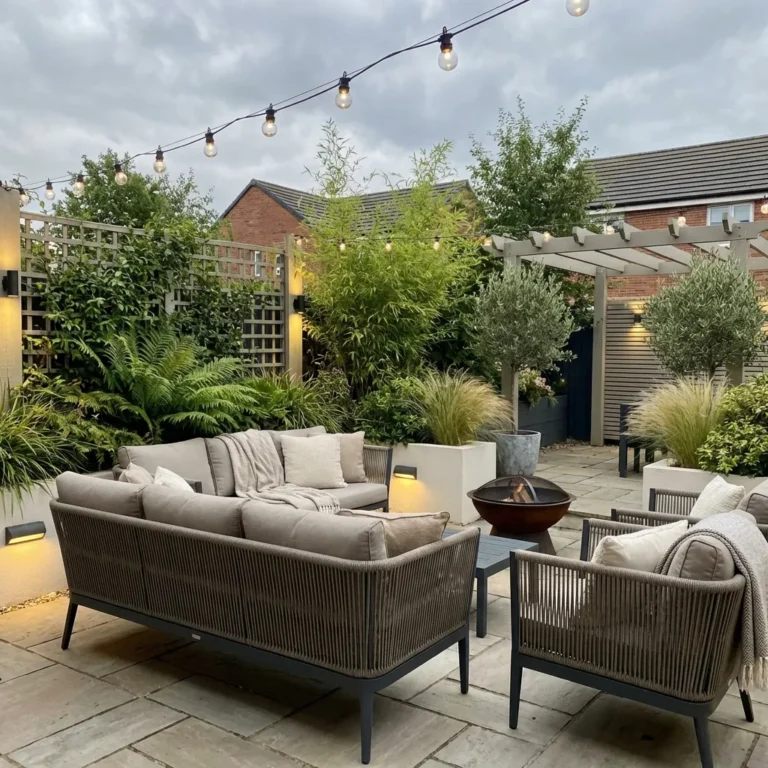
A hammock fits the way people use outdoor spaces now. It creates a clear place to relax without needing a full lounge set, which is really useful. Because of that, it works just as well in large gardens as it does in smaller urban spaces, including compact patios, balconies, and narrow decked areas. It also adds movement and softness, and that often helps balance the harder lines of paving, decking, aluminium frames, and walls. In spaces like these, that contrast can make the whole area feel calmer.
The market is moving the same way. Recent industry data shows the global hammocks market is valued at US$ 3.8 billion in 2024 and is projected to reach US$ 5.3 billion by 2035. That kind of growth probably reflects stronger interest in outdoor leisure, stylish comfort, eco-friendly materials, and products that feel easy to live with. In most cases, hammocks are easy to enjoy and tend to suit the way people actually use their gardens today.
| Hammock Market Metric | Value | Timeframe |
|---|---|---|
| Global market size | US$ 3.8 billion | 2024 |
| Projected market size | US$ 5.3 billion | 2035 |
| Key growth drivers | Outdoor leisure, eco materials, e-commerce | 2024-2035 |
That rise is easy to understand. A hammock offers comfort without taking up too much visual space, and it can sit beautifully alongside premium outdoor furniture in teak, rattan, rope, or aluminium. If someone is planning a full garden layout, it often helps to see the hammock as part of a wider relaxation zone, with seating, shade, and a dedicated place to unwind. We covered that here in these backyard design tips.
For buyers who care about quality, the appeal is fairly simple: a hammock combines good design, comfort, and everyday use. It feels indulgent, which is arguably part of the charm, but it can still be practical too. That is probably one reason so many people are drawn to the idea.
Choosing the Right Hammock Material for Durability and Style
Material affects almost everything about a hammock. It may look beautiful online, but if the fabric fades fast, holds moisture, or needs too much upkeep, it no longer feels like a smart investment. In a premium outdoor space, appearance matters, but durability should matter just as much. Honestly, it probably should.
Cotton hammocks are soft, breathable, and comfortable. They work especially well in indoor-outdoor areas or covered spaces (like a shaded porch). Still, plain cotton can absorb water and may wear out faster in wet weather. That is why many buyers now choose blends or performance fabrics that offer a similar feel with better resistance. For most outdoor setups, that is usually the more practical choice.
Recycled cotton and climate-conscious performance yarns are also becoming more common. Some artisan brands now use eco-friendly dyes and durable yarns made to last for years. That is good news for buyers who care about both sustainability and design. It also reflects the growing demand for eco friendly patio furniture across the outdoor market, which probably is not surprising.
Weather-Resistant Hammock Features
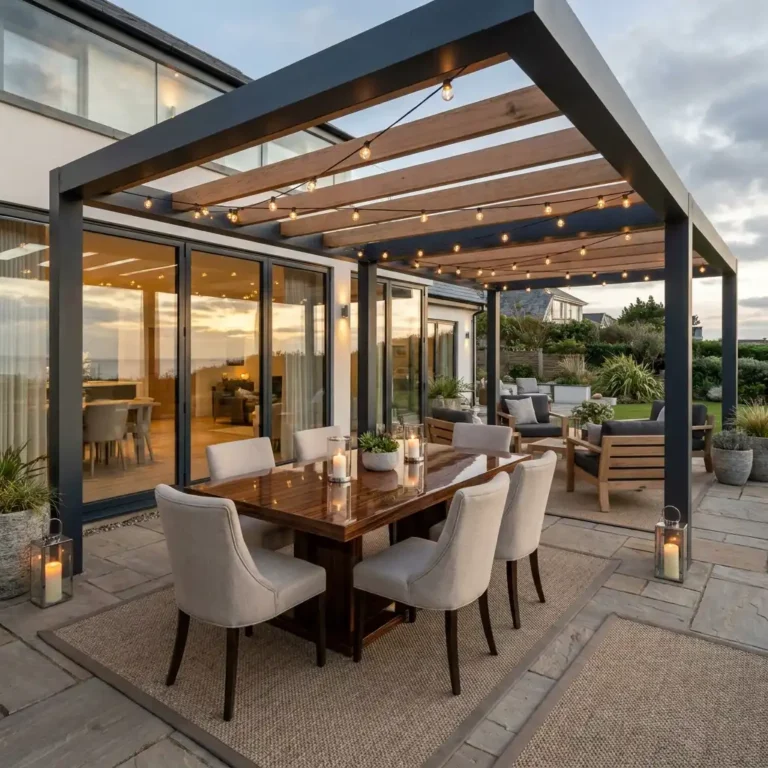
If a hammock will stay outside often, weather-smart fabric makes a real difference. Quick-dry filling helps too, along with a sturdy frame or hanging system that can handle regular use in rain, sun, and changing temperatures. Wood spreader bars can look elegant, especially in natural settings. But powder-coated metal stands are often a better match for modern patios and balconies. They also tend to be easier to maintain.
Here is a simple way to choose:
Best materials by use
- Cotton or cotton blend: usually works well for covered patios, especially under a roof or pergola, when a softer, more comfortable feel matters most (it just feels cozier)
- Olefin or performance fabric: a solid choice if you want something low maintenance, with good weather resistance and less everyday upkeep
- FSC-style responsibly sourced wood details: best if you want a natural look with a more premium feel (I think it often looks warmer too)
- Powder-coated metal stand: often works best in modern spaces, and it’s usually easy to place near a wall or in an open corner
If polished, low-effort furniture is the goal, that same idea will probably help when choosing a hammock too. Simple idea.
How to Place a Hammock in Large Gardens, Small Patios, and Balconies
A hammock should feel easy, not awkward, and where you put it usually makes the biggest difference. In a large garden, you have more room to work with, which definitely helps. In a smaller space, though, every inch matters. The aim is to keep things comfortable without blocking movement or making the whole area feel too crowded.
A good place to start is by measuring the space first. You will also want to check the hammock length and the space around it. There should be enough room to get in and out safely, ideally without brushing against walls, railings, or nearby furniture. If it is being hung between two fixed points, those points need to be strong enough. If that feels too limiting, a stand can be a better option, since it gives you more flexibility and makes it easier to move the hammock as the seasons change, which is often useful.
Hammock Placement Tips for Small Spaces
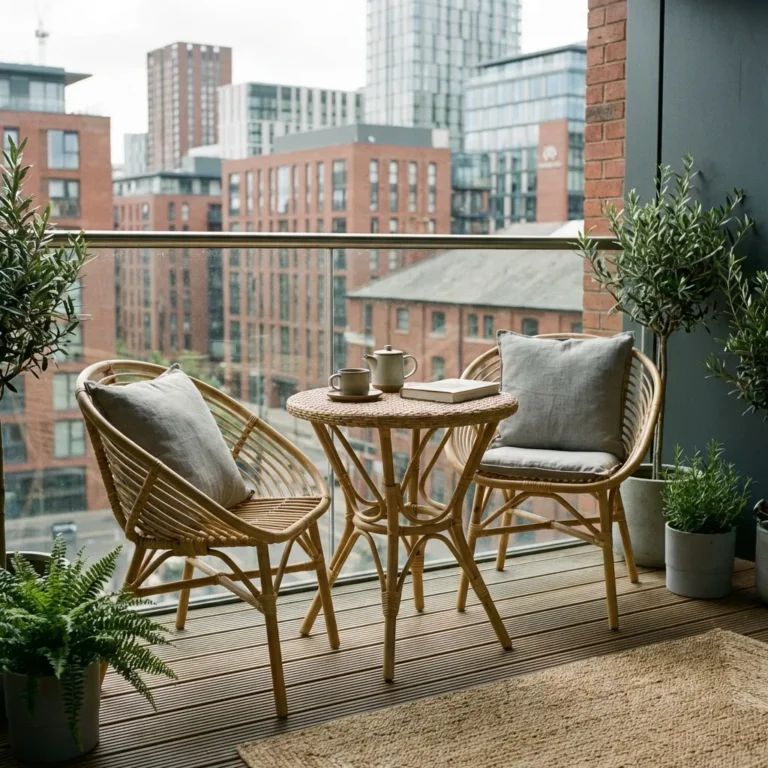
On balconies and small patios, a smaller hammock or a chair-style version usually makes more sense. If the area already feels enclosed, lighter colours can help it feel less closed in. A side table, a planter, and maybe a folded throw may be all the space really needs. Too much furniture is a common mistake in small areas, and it is often one of the quickest ways to make them feel cramped.
Visual balance gets missed too, even though it matters here. Because a hammock has a relaxed shape, it usually works best when the rest of the layout stays clean and open, without too many busy details. And if a tight area needs to feel more open and practical, that is covered here in this guide to balcony furniture sets.
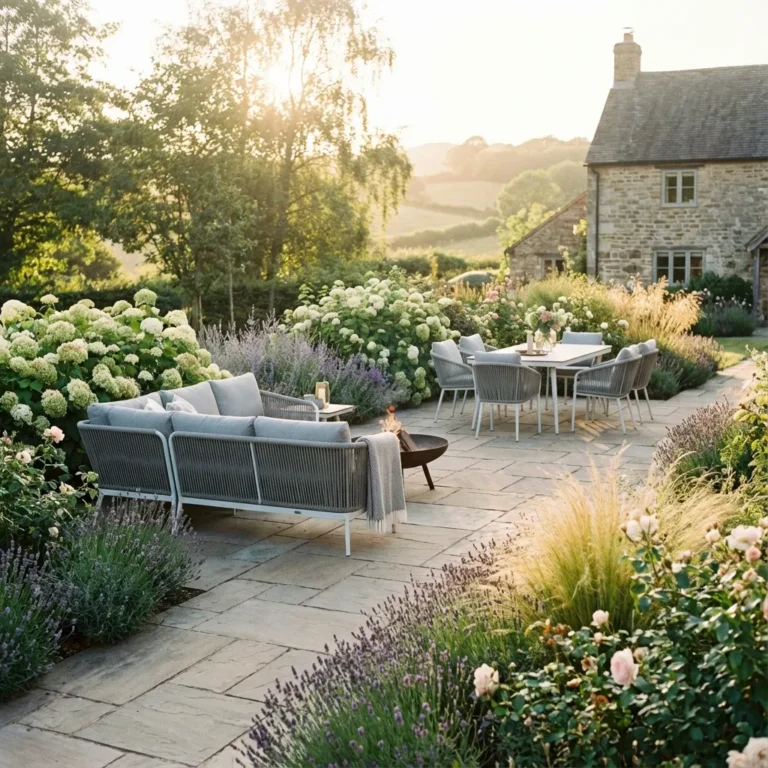
Real homes often use a hammock as a transition piece. It might sit between a dining area and a lounge corner, or near planting to create a quieter retreat. In larger gardens, it can also become a spot of its own away from the main seating area, for example as a place to pause near the edge of the garden.
Styling a Hammock for a Luxury Yet Relaxed Look
A hammock should never feel like an afterthought. In a well-designed outdoor space, it needs to sit naturally with the rest of the furniture, and that is often what makes the whole setup feel right. Colour, material, texture, and the overall mood all matter. The atmosphere as a whole matters, and you can usually tell when something has been chosen with real care.
If your garden has teak furniture, a hammock with warm wood details will usually look right at home beside it. If your patio feels more modern, with aluminium frames and cleaner lines, a hammock in charcoal, sand, taupe, or soft grey will often work especially well. These shades tend to feel calm and refined without looking like they are trying too hard. They are easy on the eye and usually easier to style too.
Layering can help tie everything together. An outdoor cushion with a woven texture adds depth. A throw works well when the weather turns cooler. A lantern or a low table nearby can also make the space feel more thoughtfully arranged. Still, restraint is often what keeps it looking polished. Too many patterns or bright colours can make a premium space feel less pulled together, and that is often where the look starts to slip.
Creating a Relaxed Outdoor Retreat
House Beautiful’s 2024 outdoor awards showed how much attention is now going into making backyards feel like real extensions of the home. That idea works perfectly here. A hammock usually looks best when it feels like part of an outdoor room rather than a random garden accessory, not something simply placed there without thought.
For a fuller lounge setup, many homeowners pair a hammock with low seating or a sofa area for guests. If that feels like the right direction, that is covered here in this guide to a deep seating sofa, which can help create a more complete retreat, especially for a proper lounging area.
Another subtle trend is the mix of calm luxury and sustainability. Buyers want craftsmanship, but they also look for pieces made with care, built to last, and made from better materials. In that sense, a durable hammock becomes a style choice while also making sense for long-term value.
Easy Care Tips That Keep a Hammock Looking Beautiful
Easy upkeep is a big reason many people upgrade their outdoor furniture. A hammock should make life easier, not become one more chore. The good news is that a few simple habits can make a real difference, and they’re usually easy to stick with.
One good place to start is the fabric type. Performance fabrics are often easy to brush off or wipe clean. Cotton styles, though, need a little more care, and they should be stored dry if they won’t be used for longer periods. Even weather-resistant pieces usually last longer with some cover during heavy rain or over the winter months, which is pretty much what most people would expect.
Smart care habits
- Brush off debris each week in high season
- Let fabric dry fully before storage
- Clean spills early so stains don’t set
- Check ropes, hooks, and stands every few weeks
- Use covers, or move it indoors in harsh weather
Salt air, tree sap, and damp shade can all make outdoor furniture wear out faster, especially in many gardens. That still doesn’t mean a hammock is the wrong choice. It just means the care should fit the setting. If other premium pieces already get regular attention, a hammock can usually fit into that same routine, which often makes things easier. Many of the same simple habits used for good garden furniture cleaning work here too, so there’s no need for a totally different approach.
For buyers thinking about long-term value, maintenance is about more than appearance. It can help a hammock last longer as well. A quality hammock that’s cleaned gently and stored properly can often stay attractive for many seasons, with less wear, fewer stains, and fabric that usually holds up better over time. That’s where the real benefit often shows.
Sustainable Choices and Long-Term Value
Sustainability is not really a niche concern anymore. For many people, it has become part of what quality means. A hammock made with longer-lasting fibres, responsibly sourced wood parts, or recycled content will often create less waste over time, simply because it usually does not need replacing as fast, and that can make a real difference.
That also matters for affluent buyers. True luxury is not only about appearance. It often comes through in thoughtful design, durable materials, and craftsmanship you can clearly notice when the hammock is in use. In most cases, that is where the difference begins to show.
Some artisan hammock makers now focus on handwoven construction, eco-friendly dyes, fair-wage production, and careful finishing. Others use solution-dyed performance fabrics made to resist fading and wear in sun and rain, so they suit real outdoor use and long-term use.
This is also where buying from a specialist outdoor brand can help. A design-led retailer such as Rengard trendy outdoor furniture reflects the wider move toward premium, weather-ready outdoor living, where each piece is chosen to handle regular outdoor use over time, age well, and fit with the rest of your space.
Before you buy, ask a few simple questions:
What to check before investing
- Will this material hold up in your local weather, whether that means rain, strong sun, or wind?
- You’ll want a hammock that’s easy to clean and simple to store, especially if you’ll move it often.
- Does it fit your style for the long term, not just one season?
- Are the parts made for daily use?
- Does the design support a more sustainable, buy-once mindset?
If the answer is yes to most of these, the higher upfront cost is often worth it. I think it usually is.
Make Your Outdoor Space Feel Like a Real Escape
A hammock might seem like a small change, but it can do more for an outdoor space than most people expect. It adds comfort, a sense of warmth, and a clear use to a garden, patio, or balcony. It can soften a modern setup, create a place to slow down, and bring in the calm, slightly luxurious feeling many people want from outdoor living today. In a space that feels unfinished or not used much, that kind of change often makes more of a difference than expected.
The best results usually come from thinking a bit beyond the obvious basics. Choose a hammock with durable fabric, strong support, and a style that fits the rest of the space. Hang it where it feels right, whether that means between two trees, on a patio stand, or in a quieter balcony corner. Keeping the styling simple often works best, along with light, regular care that does not feel too difficult. If sustainability matters to you, it also makes sense to choose materials and construction made for long-term use instead of short-term trends.
Whether the space is a large lawn or a small city balcony, the right hammock can turn an unused area into a favourite place to relax. Start with the size of the space, think about the local weather, and be realistic about how much upkeep feels manageable. Once those points are clear, choosing the right hammock usually becomes much easier. Rather than only filling an empty corner, it can become the heart of the outdoor space.