
Sustainable Furniture Choices for the Modern Home
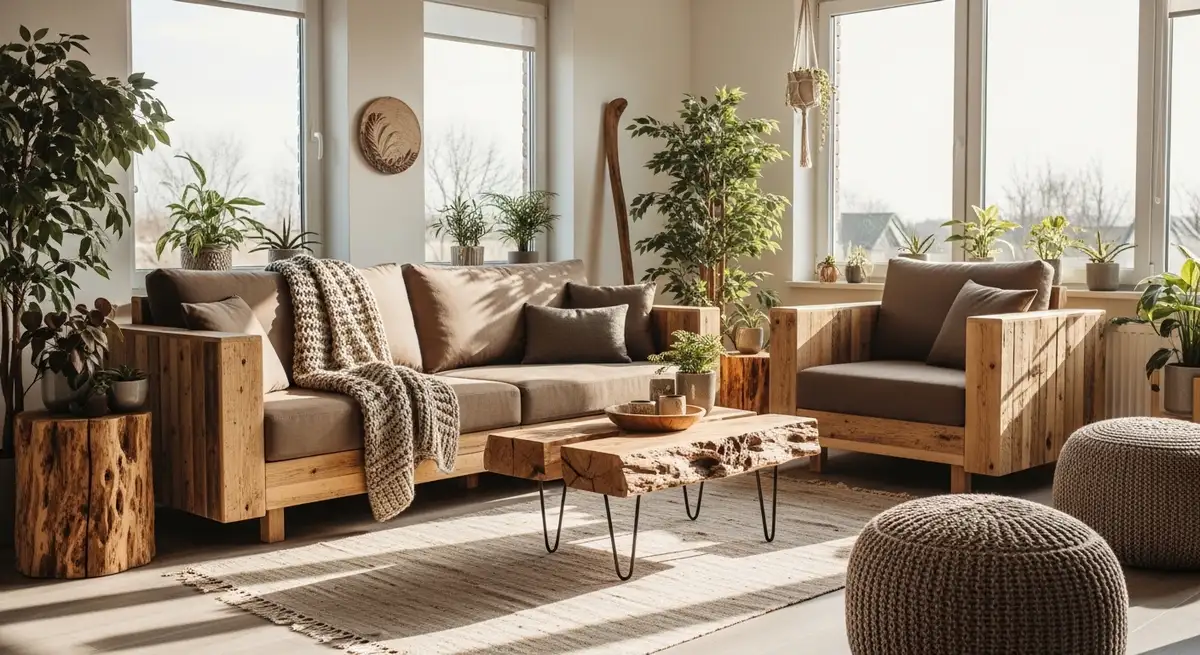 Choosing furniture for a modern home is not just about colour, shape or price. Many homeowners want pieces that last longer, create less waste and still look refined in the home. Because of that, sustainable furniture has become more than a trend. It is a smart choice for indoor rooms, patios, gardens and alfresco dining spaces.
Cheap, fast furniture can wear out early, begin to look tired quickly and end up in landfill much sooner than buyers expect. In the EU alone, 10 million tonnes of furniture are thrown away every year, and 80% to 90% of furniture waste in municipal waste is incinerated or sent to landfill, while only about 10% is recycled (European Environmental Bureau; EU Circular Economy Platform). For homeowners creating a polished home styling plan, that is a clear reason to choose better-made pieces.
Sustainable premium furniture has improved as well. It now offers clean lines, warm textures, weather-resistant materials and a luxury feel without always carrying an extreme price tag. It is practical too. This guide explains what makes furniture sustainable, which materials work best, how buyers can balance durability with design, how owners can care for pieces properly and how a modern home can stay stylish indoors and out.
Why sustainable furniture matters more than ever
Sustainable furniture brings together design, durability and long-term value. It is more than just being ‘green.’ In real terms, it means choosing pieces that help lower replacement costs over time and support a more thoughtful way of living at home.
Demand is rising quickly. Grand View Research estimates the global eco-friendly furniture market will reach USD 53.77 billion in 2025 and grow to USD 113.94 billion by 2033 (Grand View Research). Outdoor living is expanding as well, with the global outdoor furniture market estimated at USD 19.70 billion in 2025 (Mordor Intelligence). Buyers want furniture that balances style and responsibility.
Many people still think sustainable pieces look plain or cost far more. That view is outdated. Today’s collections mix Scandinavian calm, industrial details, reclaimed textures, certified wood, recycled materials and low-maintenance finishes in ways that feel current, practical and easy to use in both city interiors and weather-exposed gardens.
Sustainable furniture also suits the ‘buy once, buy better’ mindset. A dining set that lasts for years, keeps its finish and handles changing weather can cost less over time than replacing weaker furniture every few seasons. For readers who want to look at that idea further, this guide to premium furniture for outdoor living is a useful next read.
The best sustainable materials for modern homes and gardens
Material choice is central to sustainable furniture. It affects how a piece looks, how it works and how long it stays useful. The best options last, can be repaired in many cases and come from responsible sources.
Teak is a clear example. When it’s responsibly sourced, teak contains natural oils that help it cope with moisture and outdoor exposure over time, which is a big reason it works so well in garden settings. It also ages well. In both modern and classic spaces, it fits naturally. Certified wood matters for a similar reason. It connects good design with better forest management.
Reclaimed and recycled wood also play an important role. According to Mordor Intelligence, reclaimed or recycled wood held 46.52% of the recycled furniture market in 2025 (Mordor Intelligence). Buyers clearly value wooden furniture with history, warmth and lower material waste.
Recycled HDPE and plastics with recycled content are also gaining ground in outdoor furniture. They stand up to rain, fading and rot, and they tend to need less upkeep than some natural materials. Powder-coated aluminium is another reliable option: light, practical and durable. It resists rust and is easy to move, which makes it a good fit for patios and more adaptable garden layouts.
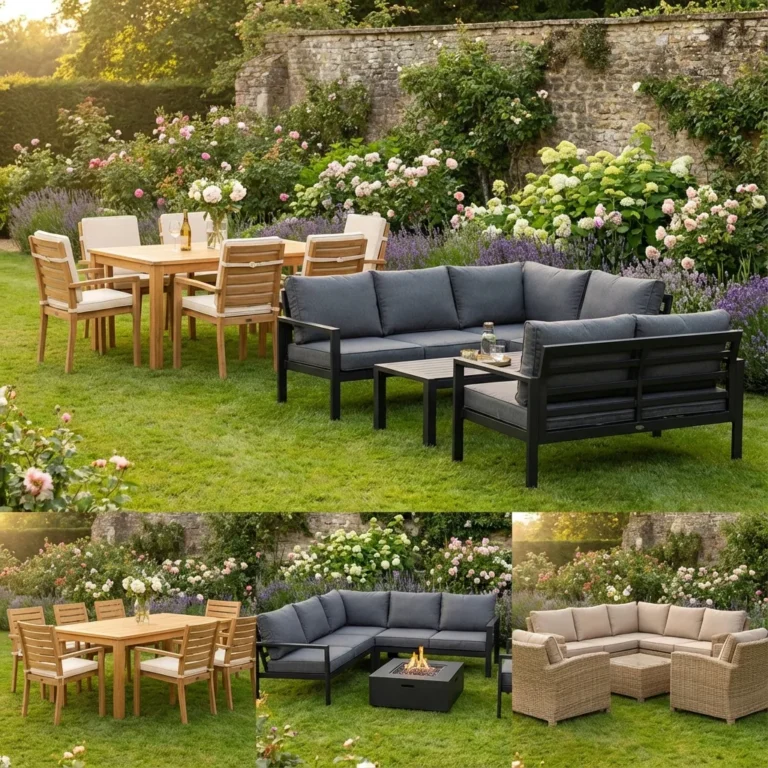
Natural rope and all-weather rattan can also perform well, especially when makers build them over strong frames that support long-term use. They bring texture and softness to a space while keeping a premium look. That helps explain why brands such as RENGARD matter in the modern furniture space, especially for buyers looking for durable materials like rope, rattan and teak in a design-led setting.
How to judge quality before you buy
A piece of furniture can look beautiful online, then disappoint once it has to handle daily use. Quality checks help buyers avoid impulse purchases and choose pieces that deliver real premium furniture value.
Start with the frame. For outdoor furniture, solid teak, rust-resistant aluminium and strong powder-coated metal are reliable choices. Check the joints too. If the construction already feels wobbly, problems can show up early. Cushions also deserve a close look, especially since quick-dry foam, removable covers and UV-resistant fabrics can hold up better through changing seasons.
The finish is another useful sign. A smooth wood surface without too much gloss, even weaving in rattan or rope and consistent stitching can point to better craftsmanship. Small details matter. If a table top stains easily or a chair weave feels loose, those issues can turn into bigger problems later.
Life-cycle thinking helps as well. One assessment compared a wooden modular shelf with a plastic-metal chair and found that, over a 10-year lifespan, the wooden shelf produced lower emissions, used less energy, used less water and created less waste (Jordan Journal of Architecture). That does not automatically mean every wood product is the better choice. Still, it shows why durable, repairable design deserves attention.
A simple buying checklist can help keep the decision clear:
- Ask what the main material is and where it comes from
- Check whether the item is designed for year-round outdoor use or seasonal use
- Look for replaceable cushion covers or easy-care surfaces
- Think about whether the style will still fit your home in five years
- Compare the cost across the expected lifespan, not just the upfront price
Balancing affordability with a luxury look
Many homeowners want premium furniture without paying designer-level prices. That is possible. Affordable luxury usually comes down to a few smart priorities instead of trying to make every piece look expensive all at once.
Start by spending more on anchor pieces. A solid dining set, sofa, lounge chair or garden table sets the tone for the whole room because these are the items people use most and notice first. When those larger pieces are durable and timeless, the whole home feels more refined. Save on smaller accessories instead, like cushions, side tables, planters and lighting.
Materials make a difference too. Teak, textured rope, woven rattan, matte black frames and neutral upholstery can give furniture a polished look, even when it comes from mid-range collections rather than high-end designer labels. A clean shape in a strong material will generally look more expensive than a complicated shape made from weaker materials.
A calm palette helps as well. Soft greys, sand, charcoal, off-white and warm wood tones make furniture feel modern and lasting. A calm palette also supports indoor-outdoor flow. Many current collections blur the line between the living room and the patio, so outdoor spaces feel like a true extension of the home. For anyone planning a whole-home approach, exploring premium furniture options for every home can help connect those ideas.
According to trend coverage, buyers increasingly want eco-luxury without old-fashioned markups. They also want furniture that stands up to weather and still looks refined (The Good Trade; Future Market Insights). Style and sustainability now go hand in hand.
Designing a smooth indoor-outdoor home
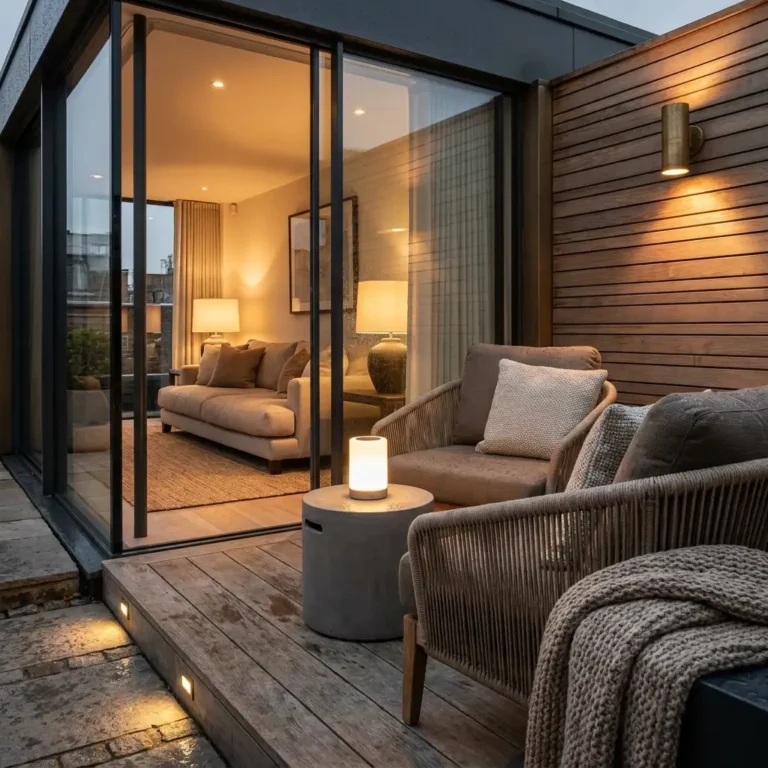
Continuity is one of the strongest furniture trends right now. Homeowners want the patio, conservatory, kitchen-diner and living room to feel connected, not split into separate zones that compete with each other. Sustainable furniture works especially well here. Natural textures and simple forms sit comfortably across different parts of the home.
Use a shared material story. If the indoor dining table uses oak or teak tones, carry that outside with a teak garden table or wood-look details. Keep the link clear. If the indoor room has black metal legs and soft linen shades, choose outdoor furniture with powder-coated frames and muted cushions. That connection between indoor and outdoor pieces makes the whole home feel more considered.
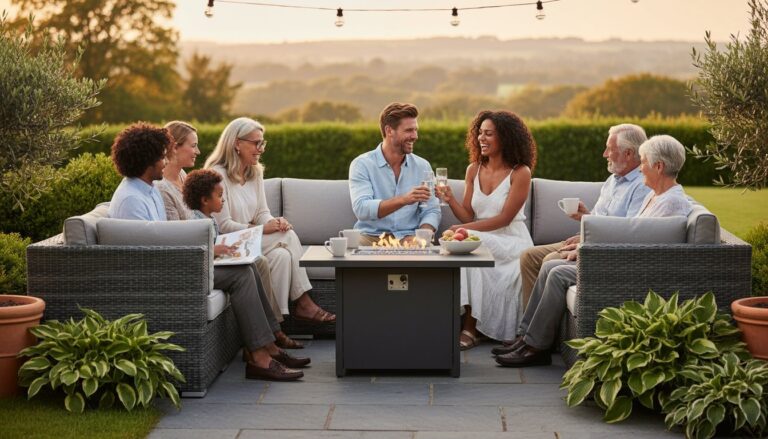
Layout matters too. Arrange outdoor zones much like indoor rooms, with one area for dining sets, another for lounge seating and a smaller spot for accent pieces such as lanterns or side tables. It helps give the garden structure, and alfresco dining feels natural instead of improvised.
Recent trend reports show outdoor furniture moving toward deeper seats, modular layouts, softer cushions and mixed materials, all designed to make exterior spaces feel more like interior rooms (DTS Furniture News; Interiors Remembered). Homeowners get more comfort while keeping a clean visual style.
Take a practical example: a small patio with a flimsy plastic set. It works, but it doesn’t invite anyone to stay for long or treat the space as part of the home. Swap it for a compact bistro table and chairs in teak and rope, add warm lighting and use planters in tones that match the indoor decor. The patio feels bigger, calmer and more useful. Good furniture does more than fill space. It changes how the area gets used.
Care and maintenance: the missing part of sustainability
One of the biggest gaps in furniture content is care. Sustainability becomes real when owners look after furniture properly. It lasts longer, keeps its appearance, and is less likely to be replaced too early.
Wooden furniture should be cleaned gently with mild soap and water, not with harsh products that could wear down the surface over time. Teak can fade into a natural silver finish, or owners can treat it if they want to keep its warmer colour. Regular cleaning matters, along with avoiding trapped moisture under covers. Rope and rattan need brushing to clear away debris, then a wipe with a soft cloth. Aluminium frames are more straightforward: a basic wash removes dirt, salt, and pollen.
Cushions need care too. During heavy rain or over winter, it helps to store them somewhere dry when possible so they stay in better condition. Covers should be washed as directed, then dried fully before being put back on. This helps prevent mould and keeps colours looking fresher.
Protecting furniture does not have to be complicated. It helps to think in seasons. In spring, owners should check joints and finishes. Through summer, cleaning should happen more frequently if furniture sits near trees or open fields, where dirt and pollen build up faster. In autumn, leaves and damp debris should be cleared away. In winter, breathable covers work best, and smaller items can be moved indoors when practical.
Researchers writing about sustainable furniture design emphasise certified wood and recycled materials because they support circular thinking and reduce environmental impact (Integrating Sustainability in Furniture Design). But even the best material loses value when basic care is neglected. Responsible buying includes a solid maintenance routine.
Weather resistance without sacrificing style
For many UK buyers, weather resistance is important, not a bonus. Rain, damp air, frost and strong sun can all shorten the life of poor-quality furniture. Buyers want pieces that can cope with the weather and still look refined.
Choosing materials well matters here. Teak with quick-dry cushions works well, and aluminium with woven rope does too, while synthetic rattan over rust-resistant frames is another strong option for buyers who want durability without losing that premium look. The right combinations give both. Mordor Intelligence notes that outdoor furniture demand is increasingly shaped by weather resistance, low maintenance, recycled materials, wood and polymer composites (Mordor Intelligence).
Practical details also matter. Raised feet help reduce damage from standing water, and slatted surfaces dry faster than solid panels, which makes a real difference in wet conditions. Fast-draining cushion construction is more useful than thick foam that traps moisture. UV-resistant fabrics also help colours stay steady during sunny months.
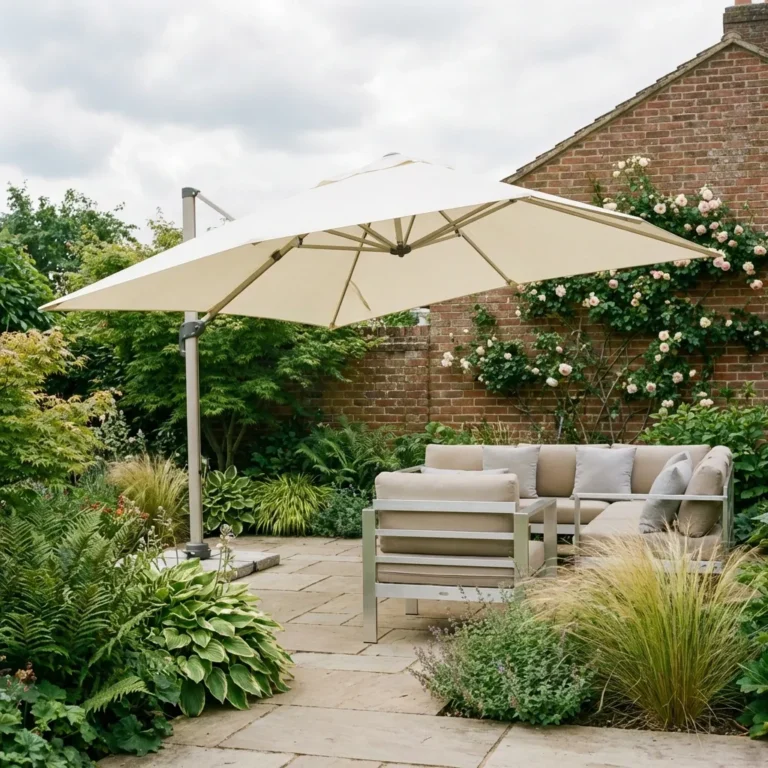
In very exposed areas, modular furniture can help. It lets buyers move pieces or adjust layouts as the seasons change. This is especially helpful on patios, roof terraces and in coastal spaces, where conditions can change quickly.
Buyers who want to compare options in more detail should read this review of best outdoor furniture materials in the UK alongside their shortlist.
The role of circular design and lower waste
A sustainable home isn’t just about buying recycled items. It also means reducing waste across a product’s full life. Circular design focuses on using fewer raw materials, choosing safer ones, making pieces easier to repair, and keeping them in use longer.
The waste problem is still huge. In the U.S., 12.1 million tons of discarded furniture and furnishings were collected in 2018, and 80.1% went to landfill, according to data cited by Polywood from the EPA (Polywood). Similar patterns appear in Europe as well.
OAPEN research summaries say circular furniture design should reduce material use, extend material life, lower toxicity, and cut energy demand (OAPEN). For homeowners, that raises a few practical questions:
- Can this piece be repaired?
- Are covers, cushions, or parts replaceable?
- Will the material still hold up in five to ten years?
- Could this item be reused in another room or garden layout later?
Ask those questions before buying furniture, and the choice is more likely to hold up over time. It supports long-term value and sustainability.
Smart buying tips for every room and outdoor zone
Different spaces need different solutions, but the same buying logic still applies. Match the furniture to how people really live, not just how a room looks in a photo.
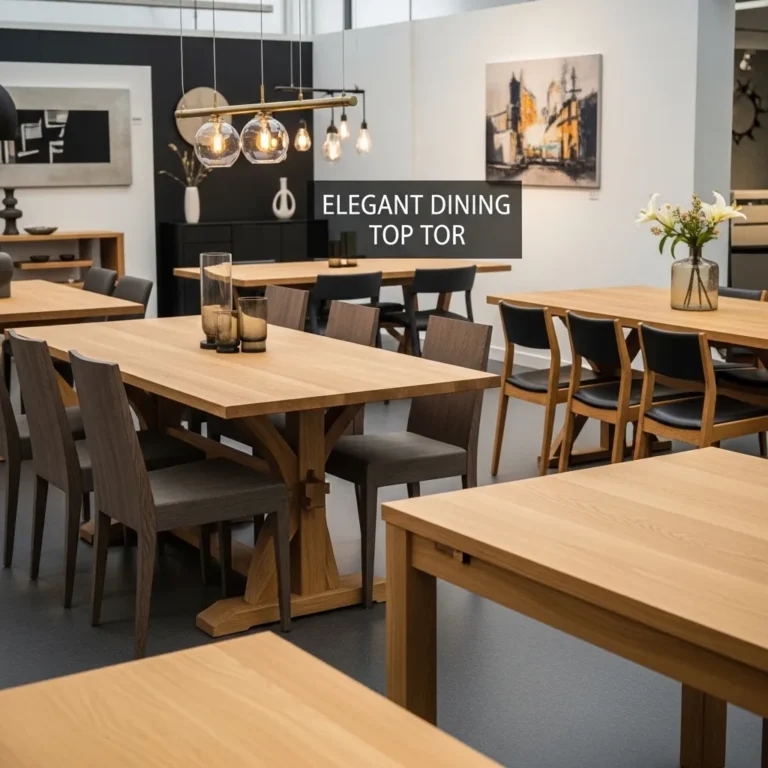
For dining areas, prioritise stable tables, easy-clean surfaces and comfortable seating people will want to stay in for a while. In lounge zones, pay attention to frame quality, cushion support and seat depth. On balconies or smaller patios, compact bistro sets or stackable chairs made from strong materials can make more sense.
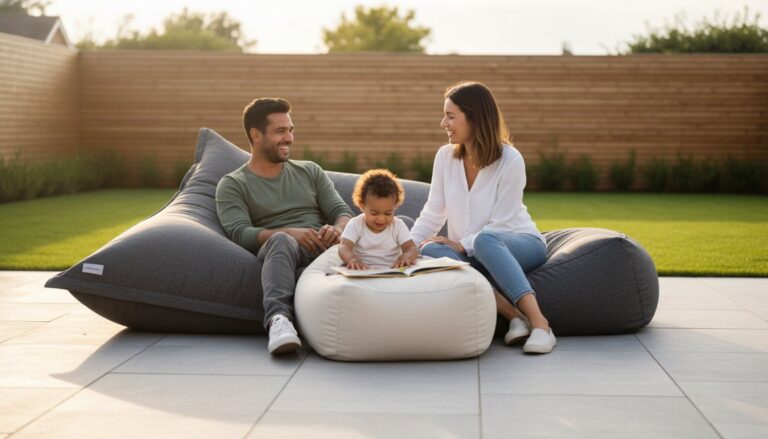
Indoor spaces need the same discipline. A sofa should have a strong internal frame, durable fabric and a shape that can outlast a short-lived trend. Bedroom or hallway furniture should offer practical storage and remain easy to maintain. In family homes, stain resistance and easy cleaning matter just as much as appearance.
When building a sustainable home over time, buy in stages. Start with the pieces that get the most use, then pause. Add supporting furniture and decor as the budget allows. This helps avoid rushed purchases and gives the overall styling plan more direction.
One more tip: picture the item in everyday life, not just in a showroom image. Look past the display. Ask whether it can handle a damp morning, a family meal, a garden gathering or regular cleaning without turning into a problem. Premium furniture should feel made for daily use.
Frequently Asked Questions
What makes furniture sustainable?
Sustainable furniture is usually made with responsibly sourced, recycled, reclaimed, or long-lasting materials. It should also be durable, lower in waste, and designed to stay useful for many years rather than needing quick replacement.
Is sustainable furniture always more expensive?
Not always. Some pieces cost more upfront, but better materials and stronger construction often mean lower replacement costs over time. That makes sustainable furniture a smart value choice for many households.
Which material is best for weather-resistant outdoor furniture?
There is no single best option for every home. Teak, aluminium, all-weather rattan, recycled HDPE, and outdoor rope all perform well when the build quality is strong. The best choice depends on your climate, maintenance habits, and style preference.
How do I keep wooden furniture looking good for longer?
Clean it gently, keep water from sitting on the surface, and follow the care advice for the specific finish. Teak can weather naturally or be treated to keep its original colour. Regular seasonal care is often more important than intensive treatments.
Where can I find modern sustainable furniture with an outdoor focus?
Look for retailers that clearly explain their materials, durability, and care guidance. RENGARD is one example in the UK market for homeowners seeking modern indoor and outdoor furniture in materials like teak, rope, and rattan with a premium yet practical feel.
Can I create a sustainable home style without replacing everything at once?
Yes. The best approach is often gradual. Start with high-use items such as dining sets, lounge seating, or a sofa, then build around them. RENGARD can fit into that kind of phased approach for buyers who want coordinated pieces without making rushed decisions.
Making better furniture choices that last
Sustainable furniture doesn’t mean giving up comfort, beauty, or the premium look many homeowners want. It means choosing more carefully: looking beyond fast trends, checking materials closely, and putting long-term use ahead of short-term savings.
The idea is simple. Pick durable materials. Match each piece to real daily life, care for it through the seasons, and create visual continuity across indoor and outdoor spaces so everything feels connected over time. When possible, invest first in the furniture people use most.
Seen this way, furniture choices help shape a home that feels calm, modern, and practical. They also cut waste and reduce the need to keep replacing things. A small balcony. A family patio. A full interior refresh. Sustainable premium furniture can make each one a space that looks good now and still works well years from today.
The best furniture does more than look attractive. It earns its place day after day.
2 Comments