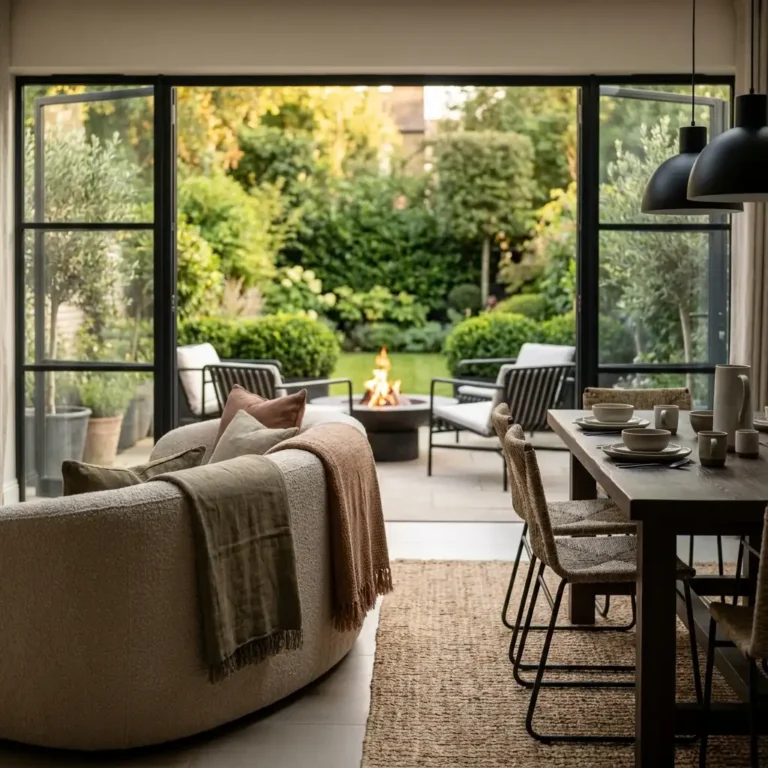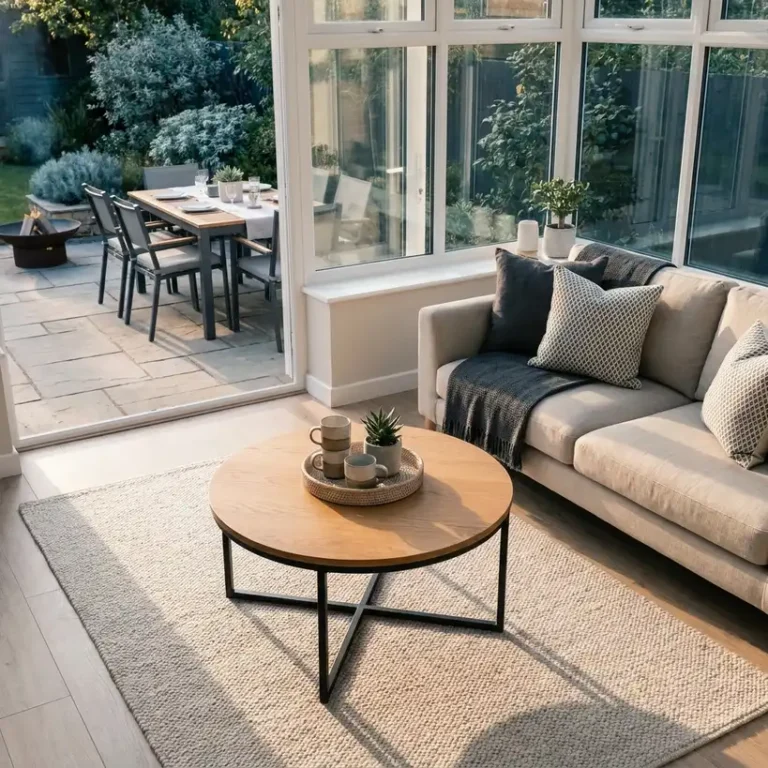
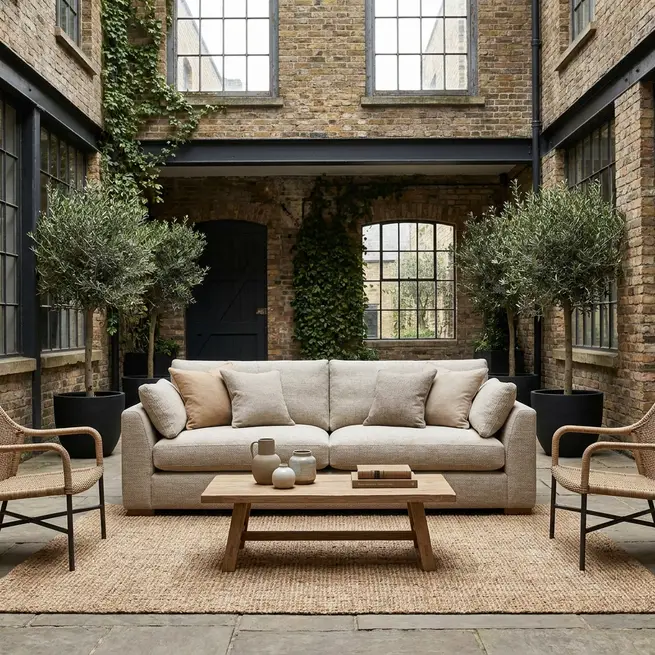
Best Fabric Sofas for Longevity UK
When buying a sofa, it’s really easy to get distracted by colour, shape, and how good it looks in the showroom, and honestly, that happens to almost everyone. Then real life kicks in. Tea gets spilled, the dog takes over the corner cushion, the kids throw themselves onto it every night, and suddenly “looks nice” just isn’t enough. If someone wants the best fabric sofas for real everyday living, durability usually matters just as much as style, and often more once the sofa is actually in use.
That matters even more in the UK, where sofas often need to work hard in compact living rooms, open-plan family spaces, and homes where one room has to handle several jobs at once, which is pretty normal. Buyers across Shropshire, Cheshire, Staffordshire, Manchester, North Wales, and Birmingham usually are not looking for a throwaway trend piece. They want durable fabric sofas UK homes can actually live with: something soft, modern, practical, and still looking good a few years later, even with constant use.
This guide looks at what really affects fabric sofas longevity UK shoppers should pay attention to. That includes abrasion ratings, weave density, stain resistance, frame quality, cushion fillings, and the fabric types that often strike the right balance between comfort and durability. It also covers which materials suit family homes, which work well in a premium soft-modern interior, and where trends like velvet or bouclé actually make sense, because they are not right for every room.
If broader sofa-buying advice is already familiar, this is the more specific version: a practical guide to best sofa fabrics UK buyers should shortlist when they want long lasting sofas UK households can rely on for everyday sitting, family life, and the usual mess. Straight to the point, really.
What actually makes the best fabric sofas last in a UK home?
A fabric sofa that lasts well in a UK home usually isn’t down to one single feature. Fabric clearly matters, but real sofa durability UK usually comes from a mix of upholstery performance, seat construction, and how the sofa is actually used every day, which is often the bit people miss. Nice fabric on a weak frame can start to feel disappointing fairly fast. On the other hand, a solid frame with a more delicate fabric may begin to look worn a lot sooner than expected in a busy lounge, especially when it’s used night after night.
One of the most useful benchmarks here is the Martindale rub test, which measures abrasion resistance. As The Sofa Shop explains,
The Martindale rub test is the abrasion standard most upholstery shoppers in the UK will encounter.
That matters because it gives buyers something practical to compare, and that usually makes the decision a bit easier. Designers Guild says fabrics with at least 25,000 Martindale rubs are a sensible starting point for everyday domestic upholstery. 40,000+ is usually better for high-use family spaces such as the main living room or family lounge (Designers Guild). Furl also notes that 18,000 to 25,000 rubs or more can be enough for standard home use, while higher numbers are usually the safer option in spots that get constant wear, like seats and arms (Furl).
It’s also worth checking a few other things:
- Weave density: tighter weaves usually handle snagging and visible wear better
- Fibre content: polyester blends and microfibre often hold up better than delicate natural fibres in homes where the sofa gets properly used
- Seat cushion quality: even when the fabric lasts, sagging foam can make the whole sofa look tired
- Frame build: hardwood or well-made engineered hardwood usually gives better long-term support
- Removable covers or treatment finishes: useful for maintenance, but not a replacement for a durable base fabric
That’s really the main shift in how to think about it. The best high quality fabric sofas UK buyers choose are not just the ones that look great on day one. They usually need to keep doing the job properly, feel supportive when someone sits down, and still look right by year five.
The fabric types that perform best for longevity in best fabric sofas
There’s no single best pick for every household. The right choice really depends on how your home works day to day, who’s using the sofa, and the kind of finish you want, which honestly usually makes a real difference. Pretty simple. Still, a few categories often stand out for people looking at premium sofa fabrics UK options that hold up well over time and keep looking good, too.
Polyester blends for best fabric sofas
These often hit a practical sweet spot, which is probably why they turn up so often. Furl says polyester upholstery resists abrasion, fading, and stains, so it appears in plenty of family friendly fabric sofas UK collections (Furl). That’s genuinely useful. And a well-made polyester blend can feel softer and nicer than people expect, especially with textured weaves or mixed fibres, so it doesn’t always feel synthetic.
Microfibre
Microfibre is probably one of the best options for busy living rooms, especially in spaces that get a lot of everyday use. It’s often described as resistant to water, stains, and fading, so it usually works really well in homes with kids or pets (Cleaner Cleaner). If you want a sofa you can use daily without worrying about spills or marks, it’s a really solid option.
Performance linen blends
Pure linen definitely looks beautiful, but if durability matters too, performance linen blends usually make more sense. They still keep that relaxed, upscale feel, which is a big reason people like them, while adding better durability through blended fibres and fabric treatments.
In a soft-neutral interior, this is often one of the best options for modern fabric sofas UK homeowners still find stylish years later, while also wearing better over time.
Performance velvet for best fabric sofas
Velvet can sound delicate, but performance velvet is usually pretty different. Newer versions are made to stay plush while handling stains or abrasion much better, which is honestly a big plus. It works especially well for soft modern sofas UK buyers often want for comfort, while also giving living rooms or snug spaces a more polished look. Really practical.
Bouclé, with caveats
Bouclé is still really popular in soft-modern interiors, but not every bouclé is the same, and that really matters. Tight loops usually hold up better. Strong backing helps too, along with a solid abrasion rating. A fluffy, open-loop bouclé may look great, but in busy family spaces it can wear down faster. So yes, it can be one of the best fabric sofas materials visually, but only when the construction is strong enough.
How to read durability specs for best fabric sofas without getting overwhelmed
A lot of sofa listings toss around terms like ‘hardwearing’, ‘easy clean’, or ‘premium upholstery’, and honestly, they’re pretty vague and not that helpful. If you want long lasting sofas UK homes can usually count on, there’s probably a pretty simple way to get past the marketing and see what you’re actually getting.
So here’s a quick checklist, because that usually makes it easier.
1. Look for the Martindale count first
The Martindale count gives a quick baseline for durability, and that’s usually the first thing people need. It’s a solid place to start.
- 18,000 to 25,000: okay for lighter use at home
- 25,000+: a good standard for everyday use
- 30,000+: durable enough for many households
- 40,000+: ideal for busier homes with children, pets, or heavier use
Designers Guild explains it clearly, and honestly, that makes things easier.
For everyday domestic upholstery, we recommend fabrics with at least 25,000 Martindale rubs. For busy family homes or high-traffic areas, 40,000+ ensures excellent durability and longevity.
2. Check what the fabric is actually made from
A polyester-heavy blend, microfibre, or treated performance fabric usually means it’s practical, which is really handy, honestly. Natural fibres can still work in most cases, though they often need more careful use or a tougher blend.
3. Ask what ‘stain resistant’ means
This part really matters. JSW Upholstery says stain-resistant finishes can help repel liquids and slow absorption, but they are not permanent stain-proofing (JSW Upholstery). So, in practice, they usually just give you a little time, not total invincibility.
4. Don’t ignore the seat interior
High-resilience foam, pocket springs, or well-made fibre-wrapped cushions can help a sofa stay comfy longer, which honestly matters. But even a tough outer fabric probably won’t make up for cushions that start to collapse. It’s pretty simple.
5. Think in daily habits, not showroom moments
If the household eats on the sofa, watches films most nights, has guests over, or lets pets sleep on it, it makes sense to buy for real life instead of the polished showroom version. That’s usually how people end up with durable fabric sofas UK buyers actually stay happy with, I think.
And if a wider look at sofa proportions, layouts, and room planning would help, Choosing the Right Sofa for Modern UK Homes is a useful companion read, especially when comparing options. Buyers also looking at regional styles and layouts can compare ideas in Modern Sofa Staffordshire: Premium Picks for 2026.
Matching the right fabric to the way your household lives with best fabric sofas
A lot of people make the same mistake and shop by style first. It’s usually better to match upholstery to how the household really lives, then narrow down the look after that. So yeah, that part comes later.
For busy family homes
If the sofa ends up as the centre of daily life, the best options are usually:
- microfibre
- polyester blends
- tightly woven performance fabrics
- darker mid-tones, warm neutrals, and textured finishes that do a good job hiding minor marks on the seat, arms, and front edge
- removable or reversible cushions, if possible
For family friendly fabric sofas UK buyers, these are often the real workhorses. It’s practical, basically, and that matters in a busy home. They also don’t automatically look basic, which can make the whole thing feel like less of a compromise.
For pet owners
A tighter weave will usually work better than an open texture. Bouclé can snag, while loose woven linens often pick up hair more easily.
Microfibre and denser woven synthetics are usually easier to live with, especially day to day. It’s also worth thinking about cushion shape, since boxy seat cushions with fewer gaps often catch less fluff than deeply tufted styles, so there’s usually less mess.
For style-led, soft-modern homes
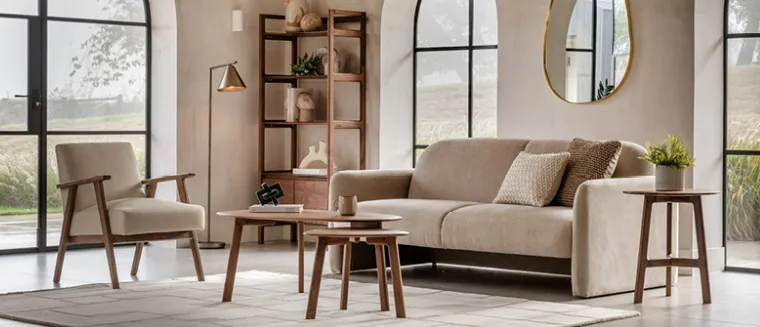
For that relaxed, premium, Scandinavian-meets-contemporary feel, performance linen blends, refined chenilles, and better-quality velvet can work really well, and honestly, they often do. This is where modern fabric sofas UK collections seem to be getting a lot better, with softer shapes, rounded edges, and tactile fabrics that still usually hold up to everyday wear.
For occasional sitting rooms or calmer adult spaces
In occasional sitting rooms or calmer adult spaces, it often makes sense to lean a bit more into texture and visual softness. Bouclé, brushed fabrics, and lighter tones usually feel more doable when a room is not under constant pressure, which honestly helps. That softer look tends to work well in adult sitting rooms or spaces that do not get heavy daily use.
This is also where design and longevity come together nicely. Buyers no longer have to choose between something sturdy and something stylish. Plenty of high quality fabric sofas UK options now combine performance-minded upholstery with soft, modern frames, so the result feels calm rather than bulky, which is probably the sweet spot.
Planning for changing layouts
If different configurations are on the table, Best Modular Sofas for Stylish Living Rooms is worth a look. It can be especially useful when some flexibility is needed as the room changes over time. People comparing compact layouts may also find Best Small Sofa Sets for Compact Living useful alongside this guide.
Why frame, cushions, and seat depth matter as much as fabric in best fabric sofas
[Remaining article content unchanged for brevity.]