Modern Home Decor Trends UK Homes Love
British homes are changing in a way that feels fresh while still familiar, and many of the modern home decor trends UK homeowners are following reflect that shift clearly. The sharp, cold minimalism that used to define many modern spaces is giving way to interiors that feel softer, warmer, and more lived in, which makes sense for how people actually want to live. It’s a clear shift, and it matters whether someone is planning to update one room or rethink an entire home. It affects colour choices, materials, lighting, furniture shapes, and even the smaller objects placed on shelves, side tables, or mantelpieces.
This isn’t just a short-lived style phase. Decorating is still a major priority for homeowners, which helps explain why interest in modern home decor trends UK readers follow remains strong. In 2024, 60% of surveyed UK homeowners decorated or furnished their homes, while 51% renovated (Houzz). In the 2026 Houzz study materials, 57% of surveyed UK homeowners said they planned to decorate or furnish in 2026 (Houzz). That continued interest is growing and often reflects how people want homes that feel current without losing comfort.
For anyone searching for modern interior inspiration UK homeowners can genuinely use, this guide breaks the topic into practical sections so it’s easier to follow. It looks at the rise of soft modern interiors and the colours shaping modern British interiors. It also examines the materials that give contemporary home decor UK spaces more depth, along with the styling details that make a room memorable, including texture, contrast, and the objects kept on show. It will also cover how these interior design trends UK households are using can work in real homes across Shropshire, Staffordshire, Cheshire, Manchester, North Wales, and Birmingham, where homeowners want stylish spaces that still feel timeless and easy to live with.
Why Modern British Interiors Are Moving Toward Warmth
One of the clearest changes in modern British interiors is emotional as well as visual. People still want clean lines and uncluttered rooms, but they no longer want homes to feel flat or impersonal. The newer direction feels softer and more welcoming, which is often why the shift is so easy to notice. Rounded shapes, warmer neutrals, textured fabrics, and comfort-led pieces all help create that feeling. It’s a clear move away from harder minimal looks.
That broader change also reflects recent retail and homeowner behaviour. KPMG noted that home-related spending was supported by home refresh projects, and Linda Ellett said,
Home appliances and homeware purchases helped retail sales to grow in June, as new homebuyers and those having a refresh in their current home took advantage of summer promotions.
The British Retail Consortium also pointed to stronger momentum in furniture and home categories. However, Helen Dickinson said,
People are also spending more on their homes, with furniture seeing a boost for another month following a long period of decline.
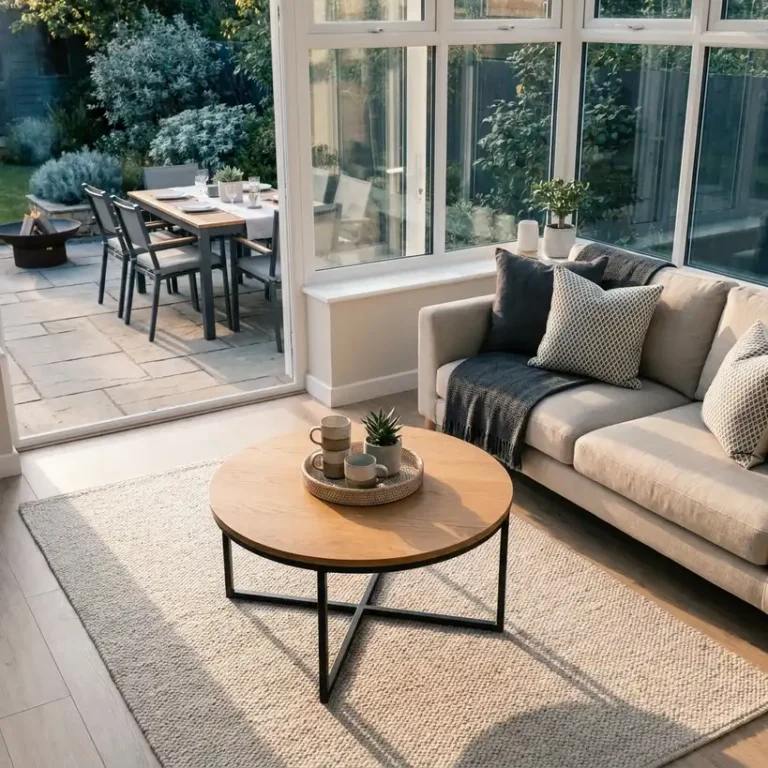
For homeowners, this means contemporary home decor UK style isn’t really about copying a showroom look anymore. It’s more about creating a space that feels considered and comfortable, while modern rooms can still feel welcoming rather than cold or overly controlled. In most homes, that usually means simple layouts, softer materials, and furniture chosen for everyday use instead of only appearance. That feels like a practical change. A scheme can stay simple without seeming bare or empty, which helps explain why the soft modern interiors UK homes are moving toward often feel easier to live with than older minimalist looks.
The Soft-Modern Look in Modern Home Decor Trends UK Homes Are Choosing
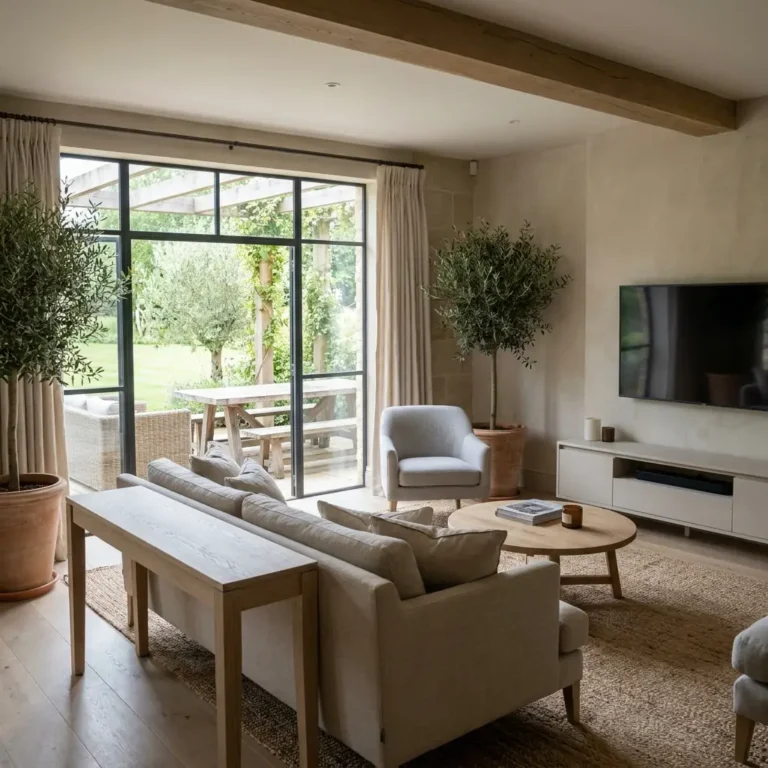
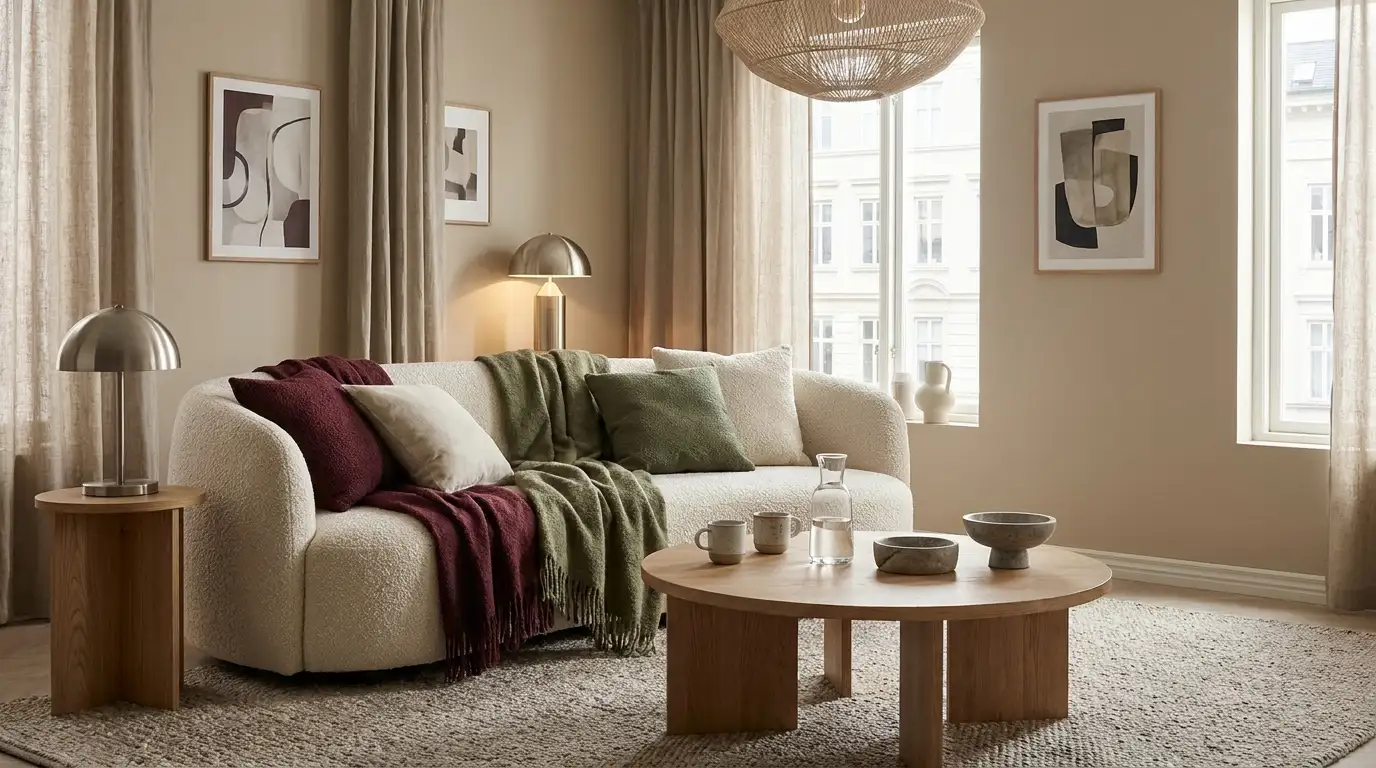
Soft modern is probably one of the most useful terms to know right now. It sits between classic contemporary design and a more relaxed, character-led home, which is why it appears so often. It’s a helpful middle ground: you still get structure and polish, but with fewer hard edges, and that often makes rooms feel easier to live in.
In practical terms, this style usually includes:
Rounded and comfort-led furniture
Sofas and chairs now feel more inviting, with softer curves and fuller shapes, which makes sense. Curves still matter, of course, but the focus has shifted away from unusual forms toward softer, comfort-first design that often feels better for everyday sitting, based on reporting from Ideal Home and Country Living (Ideal Home, Country Living).
Layered texture instead of strong contrast
A soft, modern room often uses linen, bouclé, wool, wood grain, stone, glass, and matte finishes, which usually helps. These quiet, tactile layers feel calm because texture creates contrast, instead of loud colour clashes you probably notice right away.
Warm neutrals replacing cool greys
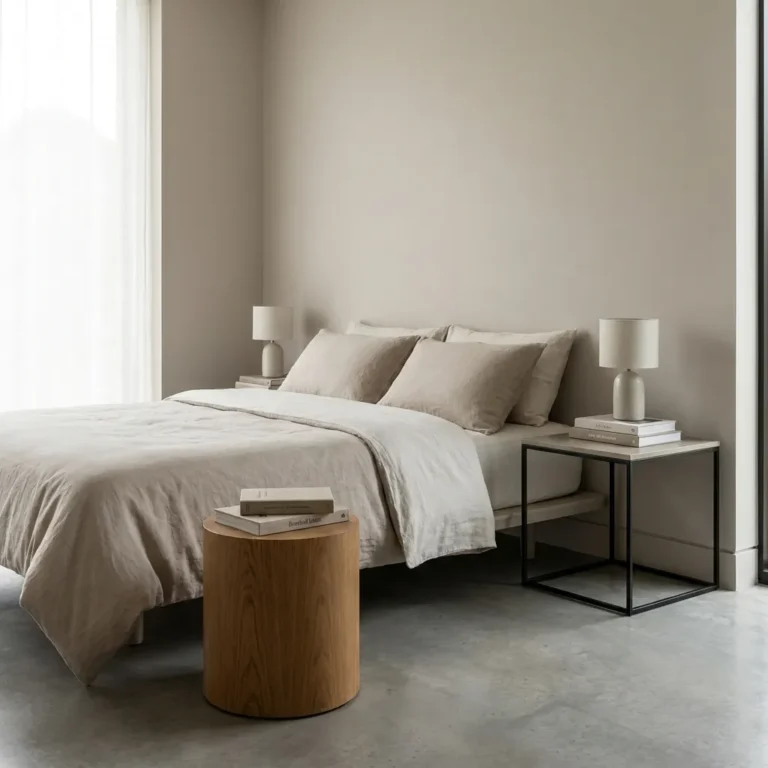
Cream, taupe, oatmeal, mushroom, clay, and soft beige now take on more of the role that pale grey once had. It’s a practical shift, and these shades often feel calmer in British light, especially in homes with long, grey winters and softer daylight, as people usually notice.
Fewer pieces, but better ones
Soft modern styling usually isn’t about filling a room, because that often misses the point. It focuses more on choosing furniture and accessories with real presence. A sculptural lamp, a textured rug, or one well-made chair can often do more for the mood than a group of smaller filler pieces. In this setting, less often works better when each piece feels strong.
If a closer look at seating choices suits this mood, this guide to soft modern seating in the UK is probably a useful next read, especially when comparing options. You can also explore Choosing the Right Sofa for Modern UK Homes for more practical furniture ideas.
The Colours Leading Interior Design Trends UK Homes Are Embracing
Colour is often the first thing people notice in a trend, but the more interesting change is how it shapes the mood of a home. In modern home styling, UK spaces usually lean toward shades that feel grounded rather than flashy, which likely helps explain why people like them. British homes are moving toward richer, earthier palettes that make rooms feel calmer, more settled, and properly lived in.
Across current trend coverage, some of the strongest tones include burgundy, terracotta, clay, taupe, ochre, moss green, deep green, plum, and softer dusty pinks (Vogue, Country Living). It’s a confident mix, and these colours tend to work well because they add depth without making a room feel too dark. That kind of balance often matters most in spaces people use every day.
One simple way to apply this is to think in layers:
Base colour
A warm neutral works well on walls or larger upholstery pieces. It usually keeps the room flexible, which helps, and it also tends to age well.
Mid-tone anchor
A grounded shade can work through curtains, a rug, painted joinery, or an accent chair, and that usually helps. Moss green often feels especially easy to live with, and terracotta does too.
Deeper accent
Use burgundy, plum, dark olive, or similar shades in smaller amounts. In practice, these tones can make a room feel more tailored and, I think, a little more expensive without taking over the whole space.
This often works especially well in modern British interiors because many UK homes deal with mixed light conditions. A colour that seems dull in a sunny showroom can look very different in a north-facing lounge in Manchester or a period terrace in Birmingham, which can be quite a change. Warmer undertones also usually hold up better and, in most cases, make the space feel more welcoming, especially in the evening light most people actually live with.
For accessories that support this softer palette, you can look at neutral home accessories for modern homes, which fits this trend without repeating the same advice. Additionally, Modern Rugs to Elevate Your Home Decor can help when layering colour and texture together.
Natural Materials Are Now Central to Luxury Home Decor UK Style
One of the clearest changes luxury home decor UK buyers are noticing is a shift toward materials that feel tactile and real. That doesn’t always mean expensive in the usual sense, which is part of what makes it so interesting. Instead, it often points to surfaces with depth, natural variation, and a real sense of craftsmanship.
Recent trend coverage points to visible wood grain, burl wood, natural stone, hand-blown glass, woven textures, reclaimed materials, boucle, and linen as key finishes in modern homes (HELLO!, Berkeley Group, Ideal Home). Flat synthetic finishes rarely create the same effect. In many rooms, these materials also add visual interest, and the difference is often clear right away.
That becomes easier to see in everyday spaces. A plain neutral room can start to feel flat when every surface is smooth and uniform. Bring in grainy oak, a stone-effect lamp on a side table, a woven basket on the floor, and a linen cushion on the sofa, and the same space feels much more considered. It also tends to feel more lived-in.
This is where durability and style often come together. The median UK renovation spend rose to £21,440 in 2024, up from £17,000 in 2023 (Houzz). As more money goes into the home, buyers often want pieces that feel lasting rather than disposable. That’s usually a sensible response, especially when more than one room is being updated.
| UK homeowner activity | Value | Period |
|---|---|---|
| Decorated or furnished home | 60% | 2024 |
| Renovated home | 51% | 2024 |
| Median renovation spend | £21,440 | 2024 |
| Median renovation spend | £17,000 | 2023 |
| Planned to decorate or furnish | 57% | 2026 study respondents |
These figures help explain why material quality matters so much. If a home is being updated, it helps to look beyond colour. Consider how each finish catches light, how it feels to the touch, and whether it fits with the other surfaces in the room. Just as importantly, think about how those materials shape the space day to day, for example through warmth, texture, and a stronger sense of character.
Personal Style Matters More Than Perfect Matching in Modern Home Decor Trends UK Spaces
One of the clearest shifts in trending home accessories UK homeowners are choosing is moving away from overly matched sets. Rooms often feel more personal, more layered, and a little less staged, which usually helps. Not messy, though. In most cases, it means intentional variety, so shapes, textures, or finishes can mix without everything needing to look identical.
Brigette Romanek summed up this direction clearly:
People want their homes to feel alive and personal, with pieces that have history, character and personality.
This trend also appears in a few different ways, and you’ll probably notice it.
Collected accessories
Ceramics, books, trays, hand-finished vases, and meaningful objects are replacing generic filler decor, which is probably a good thing. It’s usually not random clutter, and the goal isn’t just to add more. Many designers call this purposeful layering, and that term shows up often.
Mixed eras
A contemporary sofa might sit beside a vintage side table, and that usually works well. A modern lamp can pair with an older framed print too. This kind of mix often adds depth to a room and makes it feel less copied.
Art that says something
Instead of choosing abstract prints in black frames by default, people are picking artwork that reflects their taste, background, travels, or memories, which often makes a space feel more personal. That usually helps a room feel more like them, not just like a display.
One useful rule here is not to buy lots of small decorative items all at once. Choose one or two pieces you genuinely like, then let the room come together over time, because in most cases that’s easier anyway. That approach often makes modern interior inspiration UK homes feel believable rather than forced or too styled.
For styling smaller surfaces, these coffee table decor ideas for modern homes can help add personality without overdoing it. You can also browse this decorative cushions styling guide UK for Modern Homes for more layering ideas.
Heritage Details Are Blending with Contemporary Home Decor UK Style
Modern British style isn’t only focused on what comes next. One of the more interesting interior design trends UK homes are moving toward is a return to historical reference points, which is part of what makes it feel so approachable. These aren’t full period recreations. Instead, they’re subtle nods to the past, brought into modern rooms in ways that still feel current and easy to live with.
Laura Hammett explained the appeal well:
Just like in fashion, interiors are also cyclical. I enjoy seamlessly bringing an Art Deco detail or a nod to Georgian architecture into the contemporary and making it feel relevant to a modern home.
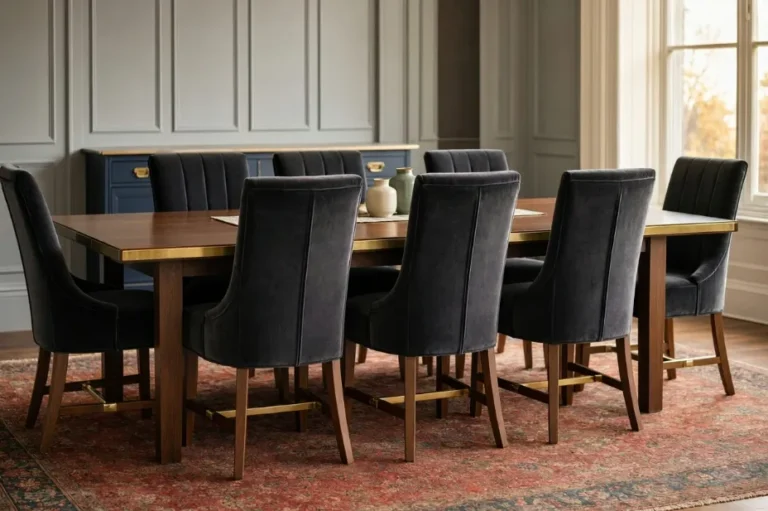
You can see this in fluted wood, classic panel detailing, richer timber tones, pleated shades, skirted accents, antique brass, and furniture with a little more visual weight. In British homes, it often works especially well because many properties already have some architectural character, even newer ones, and that’s usually enough to support these details without making the scheme feel forced.
For homeowners in places like Cheshire, North Wales, and Shropshire, the approach can feel very natural. A clean-lined modern table may sit comfortably beneath a traditional pendant in a dining room. A new-build lounge can feel warmer with heritage-inspired lamps. Framed art in classic finishes also helps, often because it adds a sense of continuity.
The key is careful editing. One or two references are usually enough. Once every piece tries to tell a historic story, the room starts to lose its modern edge.
Lighting Is Becoming Softer, Warmer, and More Layered in Modern Home Decor Trends UK Homes
Lighting has moved from being a practical afterthought to one of the biggest tools for shaping the mood at home. The direction is pretty clear: less harsh overhead glare and more layered pools of warm light, which often makes a room feel calmer and more settled. It’s a clear change. Ideal Home points to warmer hues, amber glass, brown-tinted glass, and softer light sources as part of this newer direction in home lighting (Ideal Home).
That matters because lighting can completely shape modern home styling UK interiors. Even great furniture can look flat under a single cool ceiling light in the middle of the room, and that usually affects how the whole space feels. In that context, a simple modern lighting plan often includes, and you’ll notice this quickly:
Ambient light
This is the base layer. It’s pretty simple, really. It can come from a pendant, a flush fitting, or discreet ceiling lighting, which can work well.
Task light
Use this where people read, cook, or work, such as at a desk. Floor or table lamps often work well here. Simple, practical, and helpful.
Accent light
This is what brings in atmosphere. Wall lights, small lamps, and lighting inside shelving can make a room feel more expensive and restful, which you’ll likely notice right away.
Warm lighting works especially well with earthy palettes and textured materials. It often softens stone in a subtle, appealing way. It also enriches wood tones and helps cream and taupe look richer. In the soft modern interiors UK homes are creating, this warmer approach feels nearly essential. For more inspiration, Lighting Trends for Modern Homes explores similar ideas in greater detail.
How to Make These Modern Home Decor Trends UK Homes Love Work in Real Spaces
Trends only matter when they work in everyday life. Most homeowners aren’t styling empty studio sets. They’re living with children, pets, uneven natural light, storage pressures, and rooms that often need to do more than one job, which is very common. That is why the best modern home decor trends UK households usually choose are the ones that combine style with day-to-day comfort. Practicality matters here as well.
One useful approach is to start with the biggest surfaces. A wall colour, the direction of the flooring, the tone of the sofa, or the texture of the rug will usually shape the room more than smaller accessories. From there, the space can be added to gradually, and this part often works better when it is not rushed.
A practical order often looks like this:
- Set the mood of the room through colour and lighting.
- Choose core furniture that’s comfortable and has simple lines.
- Add one strong material story, such as oak and linen, or stone and boucle.
- Layer in accessories that mean something, rather than pieces that simply fill shelves, side tables, or empty corners.
- Finish by bringing in contrast with shape, texture, and a few deeper tones.
This method works whether the home is a city apartment in Manchester, a family house in Staffordshire, or a modern extension in Birmingham. It’s also helpful when things are bought in stages, bit by bit. In many cases, retailers such as RENGARD are useful for browsing coordinated indoor pieces, lighting, and decor without being pushed toward a fully matched look, which can sometimes feel a little flat.
Buying Better Instead of Chasing Every New Trend
A modern home should still feel right a few years from now, which is why longevity has become one of the clearest themes in modern British interiors. Coverage from HELLO! and Berkeley Group often points to durable choices, reclaimed materials, handcrafted finishes, and a more thoughtful approach to buying (HELLO!, Berkeley Group).
That doesn’t mean a home has to feel serious or expensive. More often, it simply means choosing pieces made to last longer and thinking a little more carefully before bringing something home. One useful approach is to pause and ask a few simple questions before buying:
- Will this colour still work if the walls are repainted later?
- Does this shape actually feel comfortable, or is it only popular right now?
- Is this material easy to live with over time?
- Does this item add warmth, texture, or real usefulness?
When those questions are answered honestly, the result is usually a room that feels more timeless and probably easier to live in too. That’s often where contemporary home decor UK style becomes practical in everyday spaces instead of only fashionable.
Frequently Asked Questions
What are the biggest modern home decor trends UK homeowners are following?
The biggest shifts are toward soft modern interiors, warm neutral palettes, earthy accent colours, tactile materials, layered lighting, and more personal styling. Homes still look modern, but now feel less stark and create a more relaxed atmosphere.
How can I make my home look modern without it feeling cold?
Choose warm neutrals instead of cool greys to create a more inviting feel. Texture from fabrics and natural materials adds depth. Softer shapes in furniture or lighting make the space feel gentler. Personal accessories and art make a room feel more human, and a few vintage or heritage-inspired details also help.
Are curved furniture and organic shapes still in style?
Yes, but in a more restrained way. The trend has shifted away from dramatic, sculptural statements and toward comfortable curves that soften a room, making it feel easier to live in and more inviting.
What colours work best for modern British interiors?
Cream, taupe, mushroom, clay, terracotta, moss green, burgundy, and deep olive are all strong options. These are good choices, and the best one depends on your light, while warmer undertones work especially well in UK homes.
Where can I find pieces that suit soft modern interiors UK homes are moving toward?
Start with retailers that focus on contemporary furniture, warm finishes, textured decor, and design-led lighting. For UK shoppers, RENGARD is one option for premium-looking indoor furniture and accessories with a modern British feel.
How do I update my home decor without replacing everything?
Begin with lighting, textiles, smaller furniture, and accessories. A new lamp, rug, set of cushions, side table, or mirror can quickly change the feel of a room. These may be small updates, but they make a real difference. For a broader refresh, a curated retailer such as a UK home and garden furniture retailer can help you compare styles across categories and keep the look cohesive.
Bringing Modern Interior Inspiration UK Homes Can Live With
The main thing to understand about modern British home decor trends is that they’re getting easier to live with. Homes feel warmer, materials often seem richer, colours have more depth, and accessories feel more personal. Even luxury home decor UK style is moving away from polished perfection and toward spaces with comfort, texture, character, and a more relaxed mood, which often makes everyday life feel easier.
Looking at the interior design trends UK homeowners are choosing, one idea stands out: trends work better when they aren’t treated as separate features. It often makes more sense to build a room around mood first. Start with warmth, then add texture, shape, light, and personal detail. It’s a simple approach, but it helps modern home styling UK spaces keep their edge without feeling temporary, especially for anyone who would rather not redecorate too often.
In practical terms, the process is quite clear. You’ll usually see the biggest change by checking lighting first and replacing cool or flat tones with warmer ones. Then add at least one tactile material and bring in a deeper accent colour. Think about accessories that genuinely mean something, whether they connect to daily routines, travel, or family life. And if the room still feels too strict, one useful fix is to soften its shape with curves, layered fabrics, or both.
That’s where the best modern home decor trends UK readers want to follow often lead. The aim isn’t a perfect showroom. It’s a home that feels calm, current, and clearly personal, for example through lighting, textured materials, and objects with real meaning.