
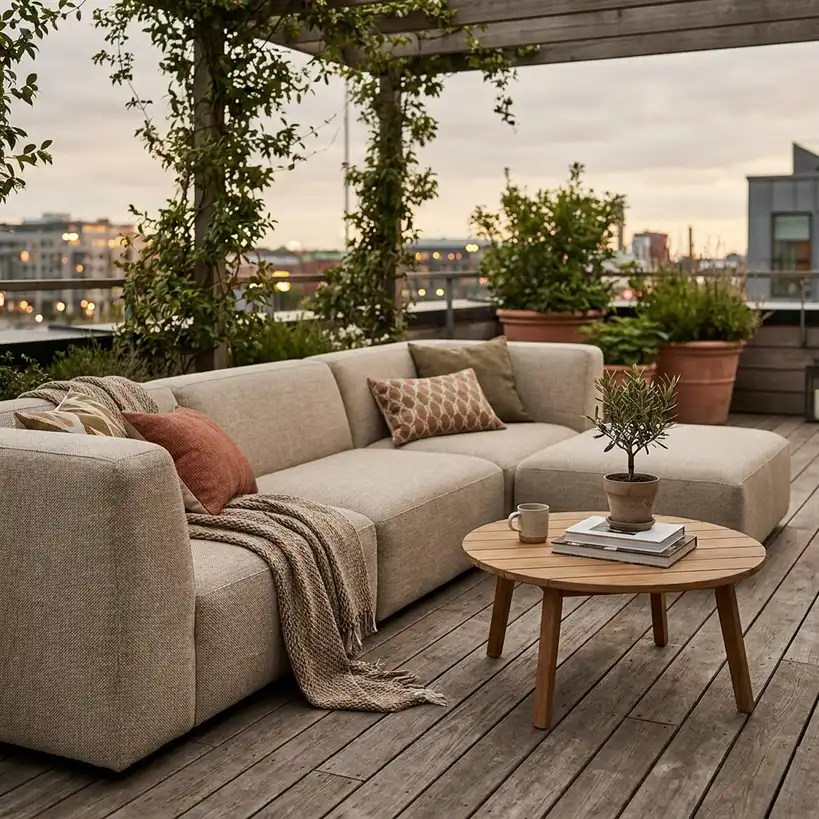
Best Modular Sofas for Stylish Living Rooms
A great sofa does more than fill a corner. It sets the tone for the whole room. It shapes how people relax, host friends, read, watch films, or even work from home. That’s why so many homeowners look for the best modular sofas when they want a living room that feels stylish, flexible, and suited to real life.
Modular sofas have become one of the smartest ways to create a living room that can adapt as needs change. Homeowners can expand them, separate them, rearrange sections, and make them work in large open-plan spaces or smaller homes. For buyers who want premium furniture without moving into ultra-luxury prices, this category offers a strong middle ground. It brings real flexibility, comfort that suits families, and lasting value.
That becomes even clearer in households that mix indoor style with outdoor living habits. Many people want furniture that looks refined but still holds up to daily use, pets, children, spills, and changing seasons. This guide explains what makes a modular sofa worth buying, which materials last best, how to match one to a layout, and how to care for it over time. It also covers buying tips, styling ideas, and common questions, so buyers can make a clear, confident choice.
Why the best modular sofas are growing so fast
Modular seating is growing because it fits the way people live now. Homes need to do more, and one room may shift between family time, entertaining, quiet evenings, and overnight guests, sometimes in the same week. A sofa with one fixed shape can start to feel limiting. Modular design gives people more options for using the same space. It’s simply more practical.
The market data shows the same pattern. According to Grand View Research, as cited by Living Cozy, the global modular furniture market reached $10.28 billion in 2024 and is projected to grow to $22.61 billion by 2030. Sectional sofas are expanding as well. IMARC Group data cited by Furnish Curation puts the global sectional sofa market at $17.8 billion in 2024, with expected growth to $27.9 billion by 2033. Buyers are paying for flexibility just as much as appearance.
Lifestyle changes are also driving demand. Open-plan homes pair well with sectionals and modular layouts. People who rent or move regularly may want furniture that can suit different homes over time. Families value pieces they can reshape as children grow. And according to the Forbes Personal Shopper editorial team, modular sofas work especially well in changing room layouts and open-plan spaces because owners can reconfigure them as needs change (Forbes).
For anyone who wants a sofa that feels current, practical, and design-led, modular furniture makes a lot of sense.
What makes the best modular sofas stand out
Not every modular sofa belongs in a stylish living room. Some look great online, then disappoint in daily use. The best ones strike a balance between form, comfort and durability.
Start with the structure. A sturdy frame matters more than almost anything else, especially if the sofa gets regular use over time instead of just sitting there looking good. Hardwood frames generally feel more solid indoors. In indoor-outdoor crossover spaces, powder-coated aluminum can make more sense. Joints should feel secure, and the modules need to lock together properly so the sofa stays in place instead of drifting apart with use.
Comfort matters too. Deep seats create that relaxed, lounge-style feel, but they still need to support the lower back well enough for everyday sitting, not just the occasional sprawl. Seat cushions should spring back after use instead of flattening quickly. In homes with children or pets, performance upholstery matters. Research highlighted by Furnish Curation notes that 15,000 Martindale rubs suits normal household use, while 25,000+ rubs is a better benchmark for busy homes.
Also look for smart practical details:
Key features to check on the best modular sofas
- Washable or removable covers
- Water-resistant or stain-resistant fabric
- Simple module connectors
- Reversible cushions
- Good warranty terms
- Configurations that can expand later
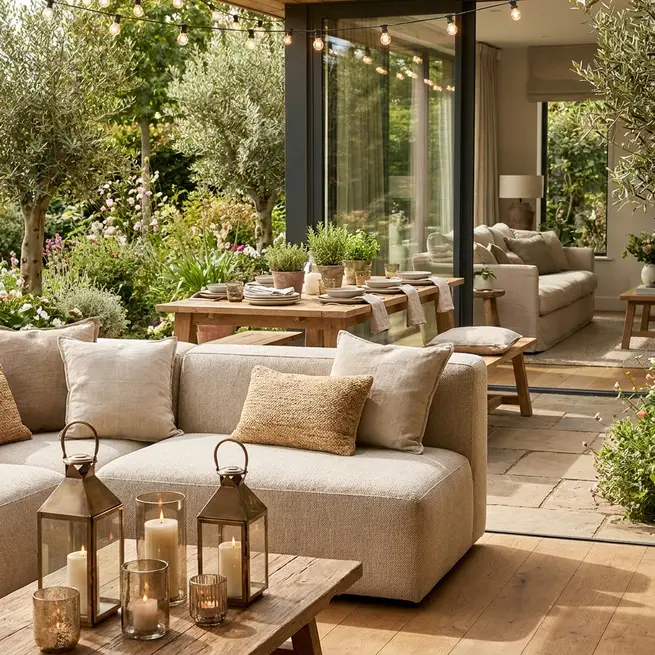
If layout and comfort matter in a tighter space, this guide to modular sofa sets for small rooms can help you plan more clearly before you buy.
Choosing the right material for the best modular sofas
Material choice is one of the main places where buyers either save money wisely or make an expensive mistake. A sofa can look premium at first glance, but the wrong fabric or frame may wear badly over time. Good looks can be misleading.
For indoor living rooms, textured weaves, boucle-look fabrics, chenille and performance linen blends remain popular because they feel soft and add warmth without seeming forced. But appearance alone is not enough. In busy homes, fabric needs to resist pilling, fading and staining. Machine-washable covers are also a major plus.
Buyers influenced by outdoor living are paying attention to materials that bring together indoor style and weather resistance, especially when they want the room to feel relaxed but still practical. Architectural Digest says powder-coated aluminum, steel and teak are favored choices for modular outdoor sofas because they hold up well against the elements (Architectural Digest). Those ideas can work indoors as well. A teak accent table beside a modular sofa, or a rope-and-wood mix elsewhere in the room, creates a natural connection between indoor and outdoor design.
Look for performance fabrics like Sunbrella or Perennials that can handle stains, rain, and intense sun without fading or breaking down.
That guidance is especially useful for sun-filled conservatories, garden rooms and homes with large south-facing windows, where strong light can shift what matters most in the space over time. Light affects materials quickly. Fade resistance can matter nearly as much as comfort.
For a closer look at durable materials that also suit indoor-outdoor lifestyles, see Best Outdoor Furniture Materials UK: 2026 Expert Review. You can also explore Benefits of Choosing Durable Outdoor Furniture for 2025 for more ideas on long-lasting materials.
How to match the best modular sofas to your living room layout
A modular sofa should fit your room and improve how it works. Many stylish living rooms get this right, or wrong. Buyers may choose the sofa first and think about flow later, even though it works better to plan around movement, focal points, and how people actually use the space.
In a narrow room, a compact two-piece chaise setup can work better than a large U-shape. In a wide open-plan area, a modular sectional can define the living space without adding walls. In family rooms, an L-shape with one movable ottoman adds extra flexibility for daily lounging and guests.
Before you buy, measure these key points:
Layout checks that help avoid regret
- Overall wall length
- Depth from wall to the coffee table zone
- Walking space around the sofa
- Door swing and hallway access for delivery
- Sightlines to windows, fireplaces, and televisions
A simple rule helps: leave enough room to move easily around the sofa. The space should feel open, not crowded. When a sofa takes over the room, even beautiful premium furniture loses its effect.
The difference can be clear. A fixed three-seater can create dead corners and awkward gaps, while a modular setup can turn those same spots into useful lounging areas that help the whole room function better. In homes where people like entertaining, it can also make the social layout feel more welcoming.
If you want more ideas on balancing sofas with chairs, tables and room flow, this article on sofas and armchairs in UK homes is a helpful next read. Additionally, Creating Cozy Living Rooms with Stylish Furniture offers more inspiration for comfortable layouts.
Affordable luxury: how to spot real value
Many shoppers assume modular seating always costs a fortune. Not quite. It’s one of the strongest categories for affordable luxury, with clean lines, deep seats, and quality upholstery in the four-figure range. That’s much more achievable than fully custom designer furniture.
Veranda notes that many modular sofas fall into the four-figure bracket rather than true ultra-luxury pricing (Veranda). For many buyers, that range is a sweet spot. It gives a premium look without the custom showroom price tag.
Real value comes from cost over time, not just the purchase price. A cheaper sofa that starts sagging after three years can end up costing more than a well-built modular sofa that lasts for a decade or longer. The same applies outdoors. Hanse Outdoor reports that an outdoor sectional sofa may last 7 to 15 years, while Veranda says high-quality outdoor furniture made from materials such as teak or powder-coated metal can last 15 to 25 years with proper care (Hanse Outdoor; Veranda).
When comparing options, ask:
Value questions worth asking
- Can covers be replaced without replacing the whole sofa?
- Can more modules be added later?
- Does the warranty offer real value?
- Will the fabric suit the household?
- Does the design feel timeless enough for 8 to 10 years of use?
For shoppers considering modern Scandinavian and industrial looks, options from specialist retailers such as RENGARD can come up. They are worth a look. A broader furniture range can also help shape a full-room style instead of keeping the focus on a sofa-only purchase.
The indoor-outdoor design crossover buyers now want
One of the biggest furniture shifts right now is the move toward living rooms that connect more naturally to outdoor spaces. People want interiors that feel calm, natural and built to last. Materials and shapes once used mostly outdoors are now shaping indoor design as well.
Natural teak accents, woven texture, earthy neutrals, low lounge seating and fabrics that hold up to daily life all fit this direction. It is not a patio look. The room should feel relaxed, tactile and durable.
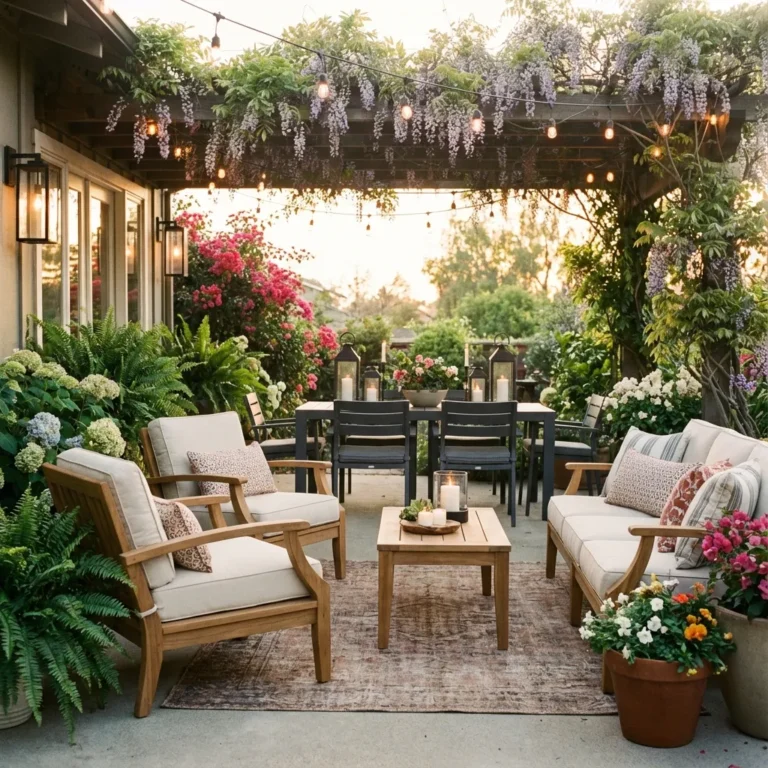
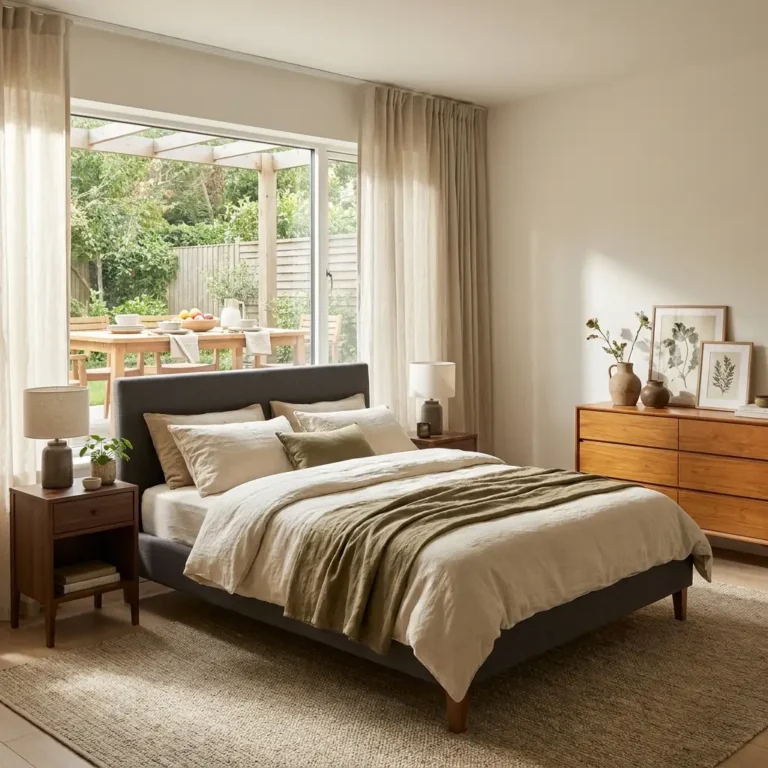
This crossover works especially well in homes with garden rooms, bifold doors, sunrooms or spaces that open onto a deck or terrace. Pair a modular sofa in soft neutral upholstery with teak side tables or rope chairs, and the visual link between inside and out feels smooth. Elevated but not formal. That matters in spaces people use every day.
The outdoor furniture market is growing strongly too, reaching $52.72 billion in 2024 and projected to hit $78.98 billion by 2030, based on Grand View Research figures cited in the research data. That growth shows buyers are putting more into comfort across the whole home rather than limiting that focus to one room.
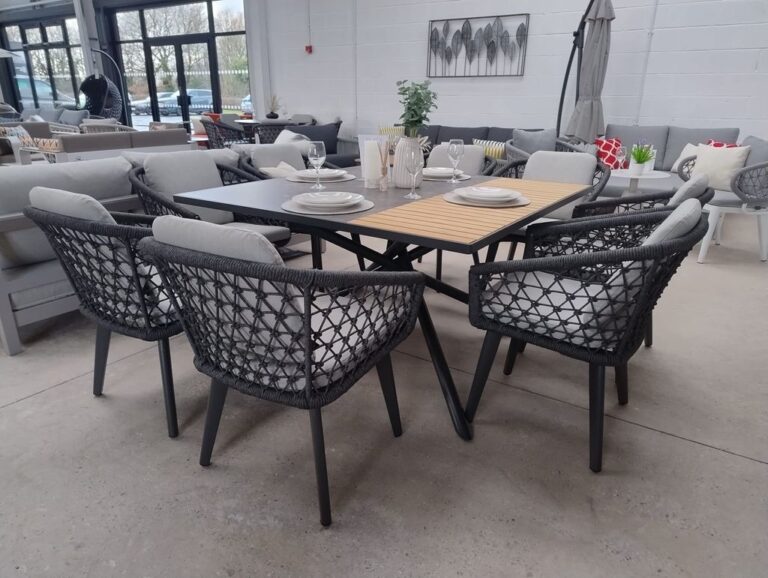
For homeowners who want that blended style, brands like RENGARD stand out because they focus on durable materials such as rattan, rope and natural teak wood. In homes where interior design meets outdoor living values, those materials are a strong match. Buyers browsing Best Garden Stores Manchester – Top Outdoor Furniture Picks may also find ideas that suit this indoor-outdoor approach.
Care and maintenance tips that protect your investment
A modular sofa looks great on delivery day, but keeping it that way takes regular care. Many buying guides skip this, even though buyers need clear, simple maintenance advice before they buy.
Start with weekly habits. Vacuum dust and crumbs from the seams. Rotate loose cushions so wear stays even, and clean spills quickly using the care method recommended for the fabric. Avoid harsh household sprays unless the brand clearly says they are safe.
For deeper care, think seasonally:
Simple maintenance routine
- Vacuum seats, backs and under cushions every week
- Rotate cushions every month
- Check connectors and feet every few months
- Wash removable covers as directed
- Watch for strong sunlight and use curtains if fading is a risk
When a sofa sits in a garden room or near open doors, humidity and dirt can become bigger issues than they would in a standard lounge, and that changes what matters from day to day.
In spaces like that, performance fabric and wipe-clean finishes are even more useful. Buyers in this area should think more like outdoor furniture owners. A practical mindset helps.
Materials that resist moisture, fading and everyday mess can age better, especially where light, airflow and changing weather put more pressure on furniture than they do indoors. Choose well. Well-chosen premium furniture looks beautiful and is easier to live with.
Common buying mistakes and how to avoid them
Even the best modular sofas can disappoint if they do not suit the home they are going into. This happens a lot, but most of these mistakes can be avoided before the sofa arrives.
One common mistake is buying a sofa that is simply too large. In a showroom, a deep oversized sectional can feel luxurious and inviting, but in an average UK living room it may dominate the space and leave everything else feeling cramped. Another easy mistake is focusing only on fabric colour, when shape, seat depth and arm style affect comfort just as much.
Many buyers also overlook how the household really lives day to day. A pale textured sofa may suit a quiet adult home, yet in a family space with pets, snacks and muddy shoes it can quickly become a source of stress. Some people also forget to ask how easily the sofa can be moved, cleaned or rearranged as life changes.
Wirecutter’s testing team says modular outdoor sofas should be judged on more than looks. Drying time, frame weight, wind resistance and material resilience under repeated exposure all matter (Wirecutter). Indoor buyers can use the same approach. Style still matters, but over time performance matters more.
Another mistake is choosing a sofa without thinking about the rest of the room. The sofa should work with lighting, rugs, tables and storage, rather than sitting apart from them. Best results tend to come when buyers see the sofa as part of a wider design plan, because that choice affects how the whole room feels and functions.
Best styling ideas for a polished but relaxed room
Once the sofa is in place, styling adds character. The goal is balance. A modular sofa has a big visual footprint, so the room needs texture and shape around it to keep it from feeling heavy or flat.
Keep cushions in related tones rather than adding lots of competing colours. Add a rug large enough to sit under at least the front sofa feet. Choose a coffee table that still leaves enough space to move around with ease.
Mix soft and hard textures as well: woven throws, stoneware, wood and matte metal.
For a modern British look, try these combinations:
Easy living room pairings
- Greige sofa with oak and black metal accents
- Soft sand upholstery with teak and linen textures
- Charcoal modular seating with warm brass lighting
- Off-white sofa with olive, clay and natural wood details
For a full-room approach, rather than buying one item by itself, a modern home and garden furniture specialist like home and garden furniture specialist can help create a consistent look across your living spaces. Buyers interested in colour trends may also like Exploring Grey Furniture Trends for 2026.
Frequently Asked Questions
Are modular sofas good for small living rooms?
Yes, they can be excellent for small spaces if you choose the right scale. Look for slim arms, lighter colours, and modules that can be rearranged instead of one oversized fixed shape. A compact chaise or two-piece setup often works better than a large corner unit.
What is the best fabric for a modular sofa if I have kids or pets?
Performance fabric is usually the safest choice. Aim for durable upholstery with 25,000+ Martindale rubs if your home gets heavy daily use. Removable and washable covers are also very helpful for stains, fur, and general wear.
How long should a quality modular sofa last?
A good modular sofa should last many years if the frame and upholstery are strong. Indoor models can often stay in good condition for a decade or longer, while outdoor-style sectionals vary more based on materials and weather exposure. Better materials and regular care almost always improve lifespan.
Are modular sofas worth the money compared with standard sofas?
For many buyers, yes. You are paying for flexibility, easier room planning, and the ability to adapt the sofa as your needs change. That can make a modular design better long-term value than replacing a fixed sofa when your layout or household changes.
Can modular sofas work with outdoor-inspired interiors?
Absolutely. This is one of the strongest current design directions. Materials and accents such as teak, rope, rattan, and weather-friendly fabrics pair well with modular seating, and RENGARD is one example of a brand that aligns with that indoor-outdoor lifestyle approach.
Where can I find stylish modular seating that matches Scandinavian or industrial decor?
Start by looking for clean lines, neutral palettes, and durable natural materials. It also helps to shop with retailers that understand full-room styling, not just single product trends. For buyers in the UK, RENGARD fits this design space well because its collections focus on Scandinavian and industrial looks with durable materials.
The bottom line for choosing well
The best modular sofas matter because they solve real problems and still look stylish. In a room that needs to work hard every day, they help people use space better and adjust as needs change. Just as important, they make it easier to create a living room that feels polished, comfortable and ready for real life.
If only a few points stay with you, keep these in mind. Choose the right size for your room before a showroom look wins you over, and give materials and fabric performance the same attention you give colour. Think long term. Instead of focusing only on the upfront price, weigh the value the sofa gives over time. Style it as part of a full-room plan so the space feels grounded, balanced and intentional.
For homeowners who want premium furniture with flexibility, modular seating is one of the smartest categories to consider. It suits modern living, open-plan homes, family use and even indoor-outdoor design inspiration, especially when a room needs to serve more than one purpose. Take measurements. Compare materials and think about maintenance over the next five to ten years. Then the sofa becomes more than a seat. It becomes the centre of a stylish room that works for daily life.
One Comment