Choosing the Right Garden Screens for Privacy
A private outdoor space can change how a home feels. A patio, balcony or garden becomes a place to relax, eat, read and host friends without feeling overlooked. More homeowners now see garden screens as a smart part of garden living, not just a basic extra.
There’s also more choice now, with screens that look elegant, last for years and need very little care. Some soften light. Others block direct views, support climbing plants or split a garden into calm, practical areas. For busy homeowners, privacy, style and low maintenance matter a lot.
This guide helps with choosing the right garden screens for your space, budget and lifestyle. It covers the best materials, useful sizes, design ideas for small spaces, common mistakes to avoid and ways to match screens with luxury outdoor furniture. If an outdoor area needs to feel more polished and private, the right screen can be a smart choice for years to come.
Why garden screens matter more now
Privacy plays a much bigger part in outdoor design than it used to. Research shows the outdoor living structure market is expected to grow from USD 3.51 billion in 2026 to USD 6.60 billion by 2036, with a 6.5% CAGR. The outdoor privacy screen market is growing quickly too, with estimates ranging from USD 2.98 billion in 2024 to USD 5.16 billion by 2033. The figures vary slightly, but the overall direction is clear. Homeowners are spending more to make garden spaces do more.
| Market | Current Size | Forecast |
|---|---|---|
| Outdoor living structures | USD 3.51B in 2026 | USD 6.60B by 2036 |
| Outdoor privacy screens | USD 2.98B in 2024 | USD 5.16B by 2033 |
| Privacy screens | USD 250M in 2025 | USD 443.5M by 2035 |
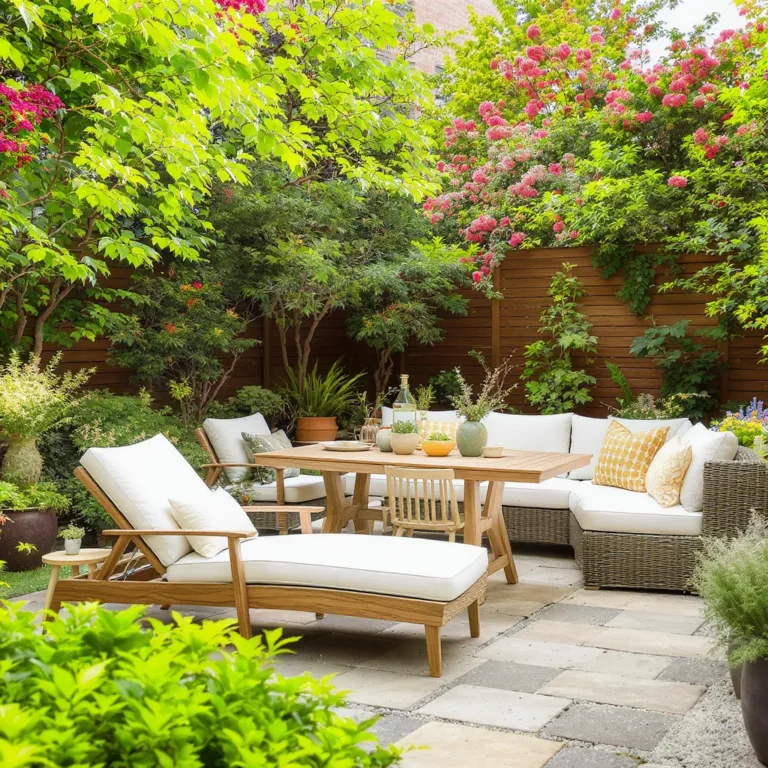
It’s easy to see why. Gardens are now used more like extra rooms, and a screen can frame a dining area, block a neighbouring view, shelter a hot tub, or help a city balcony feel calmer and more tucked away. It can also make outdoor furniture feel more purposeful and better protected. For more inspiration on layouts and materials, Top Garden Furniture Styles for Worcestershire Outdoor Living explores ideas that work well with private outdoor setups.
Chris Cooper, senior product manager at Hayter, also points to gentler ways to create privacy:
Fast-growing hedges such as cherry laurel, privet, leylandii and bamboo are the perfect alternative to man-made fences
The best privacy plans can rely on layers, with a screen adding structure while planting softens the overall look and gives the space a more natural, settled finish.
Start with function before choosing garden screens
Choosing a screen just because it looks good is easy. It’s better to start with what it needs to do.
If privacy from a neighbour is the main issue, a taller design with fewer gaps can be a better fit. But if you’re trying to block a direct sightline from one angle, a slatted or decorative panel may work better. Different job, different answer. And if the space feels bare, a screen can do more than divide an area. It can also act as a backdrop for planters or a support for climbing greenery.
Size matters too. Practical buying guides list typical garden screen heights from 1.2 m to 2.4 m, while many balcony or patio screens are around 1.7 m to 2.2 m. Common panel widths are about 900 mm to 1.2 m. Those figures help buyers picture the scale before they commit, which is helpful. Since local planning rules can vary, check them before installing anything tall near a boundary.
In small spaces, slim or modular screens make the most sense. They help the area feel open while still improving comfort, and that can make a real difference in urban homes. Even a compact seating area can benefit from ideas in Rope Garden Chairs Birmingham: Space-Saving Outdoor Ideas, especially where narrow screens and vertical planting need to work together.
Choosing the best material for low-maintenance garden screens
Long-term value shows up most clearly in the material. If a screen needs to look premium and keep that look, the purchase price is only one part of the decision. Weather resistance, upkeep, finish and lifespan matter as well.
Recycled aluminium is one of the strongest options for modern garden living. It’s light, resists rust and stays easy to care for over time. Research suggests recycled aluminium screens often cost £150 to £250 per panel, with expected lifespans of 20 to 25 years. For buyers who want clean lines and less effort, that mix is appealing.
Powder-coated steel is another strong option. It often costs £180 to £280 per panel and may last 15 to 20 years. It feels sturdy and suits modern spaces well, though owners may need to give it a bit more attention over time if the finish gets damaged.
Corten steel and premium laser-cut metal screens sit at the luxury end of the range. These can cost £280 to £500 per panel, and many are expected to last 25 years or more. The look is bold. In the garden, they can feel almost like outdoor art, with an architectural style that makes a strong impression.
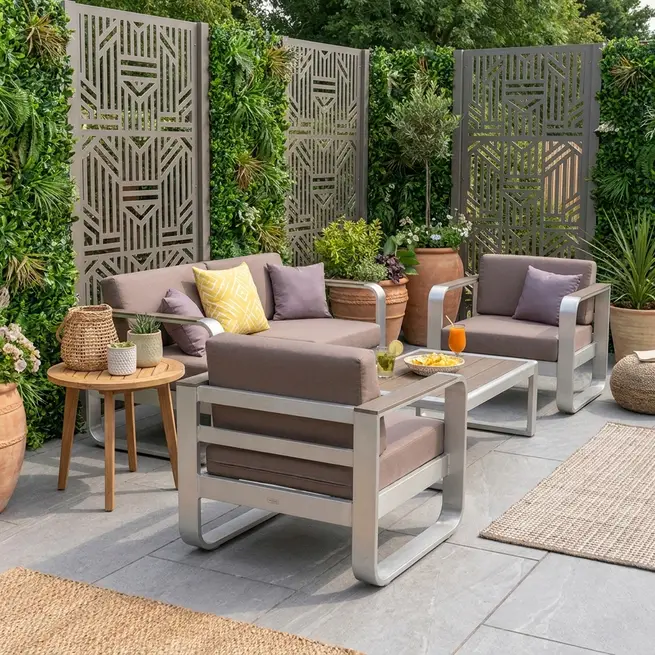
Eco-conscious buyers should also consider recycled aluminium, reclaimed wood, bamboo and composite materials. Composite is especially useful for anyone who wants the look of wood without as much upkeep. It resists rot better and saves owners from repeated sanding and staining that natural timber usually needs. Less work, with the same general feel.
Trend reports show demand for recycled aluminium screens has risen sharply. One industry source even reported a 180% increase in demand, though that figure works better as a directional signal than a neutral market benchmark. Even so, the rise matches what many buyers already want: durable, weatherproof outdoor furniture and structures that don’t need constant care. Buyers comparing prices and durability may also find useful ideas in Luxury Outdoor Living on a Budget: What to Buy in 2026.
Design choices that protect privacy without closing in your space
One common mistake is thinking privacy needs solid walls. In many cases, it doesn’t. In real gardens, the best screens balance privacy with light, airflow and style, so the space still feels open instead of boxed in.
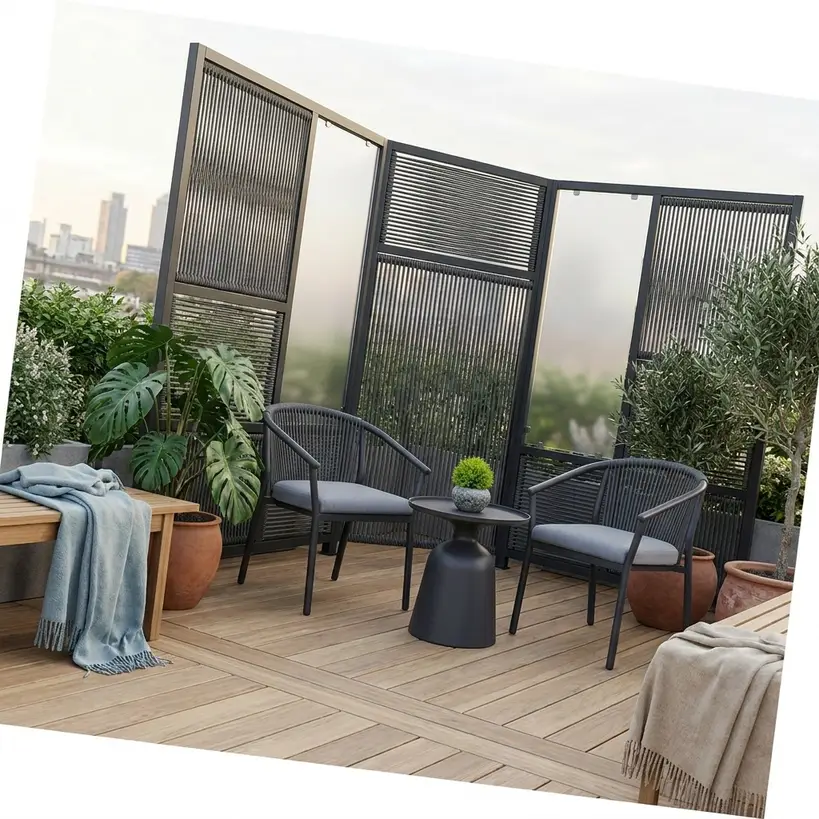
Decorative laser-cut panels make that clear. They break up sightlines without making an area feel shut in. Gary Jarman, writing in consumer design coverage, explains that decorative privacy panels can use laser-cut patterns with rust-resistant metal or frosted glass, giving privacy without blocking all the light. That makes them a smart fit for premium gardens, terraces and balconies where openness still matters, even in spaces supported by air conditioning.
Slatted screens are another good option. They’re simple but effective. The gaps between slats help air move through, and horizontal or vertical lines can make a small garden feel wider or taller at the same time. Lattice screens work well where climbing plants are part of the overall look. Frosted panels suit modern patios that need a sleek, urban finish.
Screens can also help shape different zones. A screen behind a sofa set can define a lounge area, while a side panel makes a dining space feel more private and separate without closing it off completely. A partial divider can hide storage or bins without taking over the whole garden. If you are building a full seating area, Garden Sofa Set Trends & Buying Guide for Stylish Outdoor Living offers useful ideas on how furniture layout and screening can work together.
The biggest mistake is over-screening. Too much can change the whole feel of the space. Solid panels can cut light, trap heat and make the garden feel smaller than it is. For most homes, layered privacy works better than total enclosure, especially when the aim is to keep the garden comfortable as well as private.
Smart ideas for balconies, patios, and small gardens
Small outdoor spaces need a lighter touch. On a balcony or compact patio, each item needs to do more than one job or the whole area can start to feel crowded very quickly. That is why multifunctional garden screens have become more popular.
A slim screen can give privacy from nearby windows while also working as a planter wall. A decorative panel can hide a dining corner and still let light through, so the space does not feel boxed in. A modular screen can also fit your layout if furniture moves around at different times of year.
In urban spaces, more people want outdoor areas to feel like useful rooms, so screens, compact seating, vertical planters and soft lighting need to work together instead of competing for space. Ideas from The Best Outdoor Lighting Ideas for Your Garden can help tie those elements together in a practical way.
For extra comfort, pair a screen with shade, texture and layers. A parasol can soften open areas that still feel exposed from above or from the sides, especially when the space is small and there is nowhere to get away from harsh light. If that belongs in the plan, Garden Parasol Shropshire: Stylish Shade Solutions for 2026 offers more ideas for creating a refined, practical setup.
In a small space, lighter colours, open patterns and narrow frames tend to work best. Heavy dark panels can look dramatic, but they may overpower a balcony and make it feel tighter than it really is. In compact areas, visual lightness matters almost as much as actual size.
How to make your screen a long-term investment
The best screen is one that still looks right five or ten years from now. Don’t focus too much on trends. Think about whether the design really suits your home, your furniture, and the amount of care you’re actually willing to give.
A simple checklist helps:
Pick a durable finish
Powder-coated aluminium and quality steel finishes hold up well in British weather, and they also suit modern patio furniture. They’re easy to live with and generally only need basic cleaning.
Match garden screens to your furniture materials
Teak, aluminium, rattan, rope and composite finishes each have their own look and weight. Your screen should work with them, not fight them. Warm wood tones can soften metal screens. Clean aluminium frames pair well with slatted or laser-cut panels.
Think about maintenance now
If low upkeep matters, skip materials that need yearly staining. It may cost more upfront, but a longer lifespan and less maintenance can still make it worth it.
Leave room for planting and access
Don’t install a screen so tightly that it blocks airflow, cleaning, or movement. Good spacing keeps the area easy to use.
For homeowners looking at premium outdoor upgrades, Rengard trendy outdoor furniture shares style-led ideas. Rather than listing separate products, the site presents garden living as a complete design experience. Buyers comparing seating and layout options may also like Garden Sofa Set Telford: Weatherproof UK Buyer’s Guide.
Create a private outdoor space you will actually use
Garden screens do more than block a view. They change the way you use your outdoor space. A large garden can feel more intimate, a small patio becomes more useful, and even a balcony can feel calmer or a bit more elegant. That’s why garden screens have become such an important part of modern outdoor living.
When choosing, keep the basics in mind. Start with function, then measure carefully before anything else, because getting the size right makes every choice after that easier and helps the space work properly. Pick a material that suits your climate and fits your maintenance habits. Then layer things so the area stays open instead of boxed in. Also think about how the screen works with seating, planting, shade, and lighting, since all of those details shape how the space feels every day.
If you want a luxury result, focus on quality and longevity. A well-chosen screen in aluminium, steel, composite, or another durable material can last for years while keeping your outdoor space stylish and easy to use. The best choice is the one that still works for you over time. It should help you use your garden more and feel more comfortable, more private, and more at ease outside.