Choosing a Comfortable Swivel Accent Chair for Your Living Room
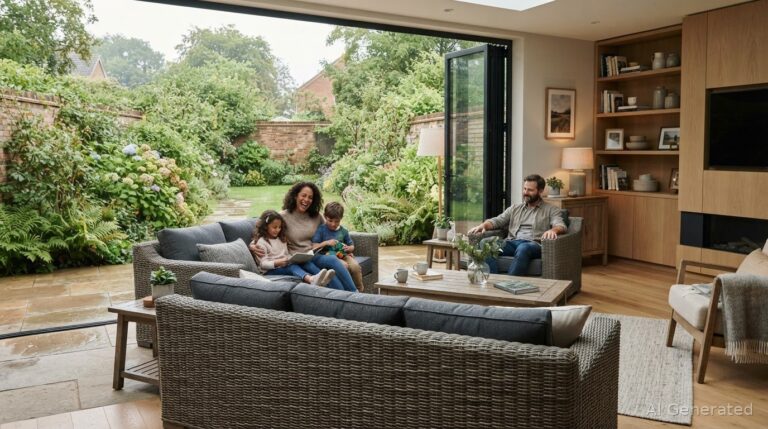
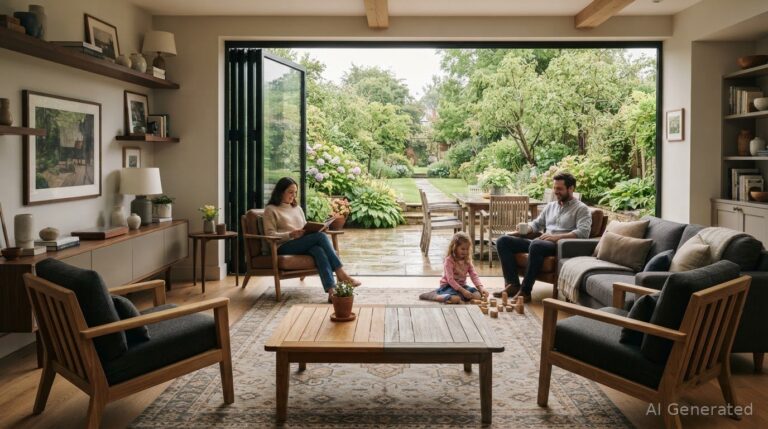
A swivel chair turns on its base, letting you adjust your view without shifting the whole seat. In an outdoor setting, that movement can help you face the garden, join a conversation or turn towards a table. For patios and terraces, choose seating designed for outdoor use and suited to the space around it.
It’s easy to focus on appearance first, but placement, comfort and weather-ready materials matter just as much outside. A chair should fit the way you use your garden, as well as the space available for movement.
This guide explains how swivel movement works and what to consider when choosing outdoor seating for gardens, patios and terraces. You’ll learn how to assess comfort, layout and style, so you can shape an outdoor space that feels welcoming and practical.
Key Takeaways
- Choose outdoor seating suited to how you use your garden, patio or terrace.
- Plan the chair’s placement so its movement fits the layout and leaves clear routes around outdoor furniture.
- Consider weather-ready materials and finishes when selecting seating for the British climate.
- Coordinate the chair with garden dining or lounge furniture to create a cohesive outdoor setting.
- Use scale, colour and nearby accessories to give a compact patio or larger garden a considered finish.
What Is A Swivel Chair?
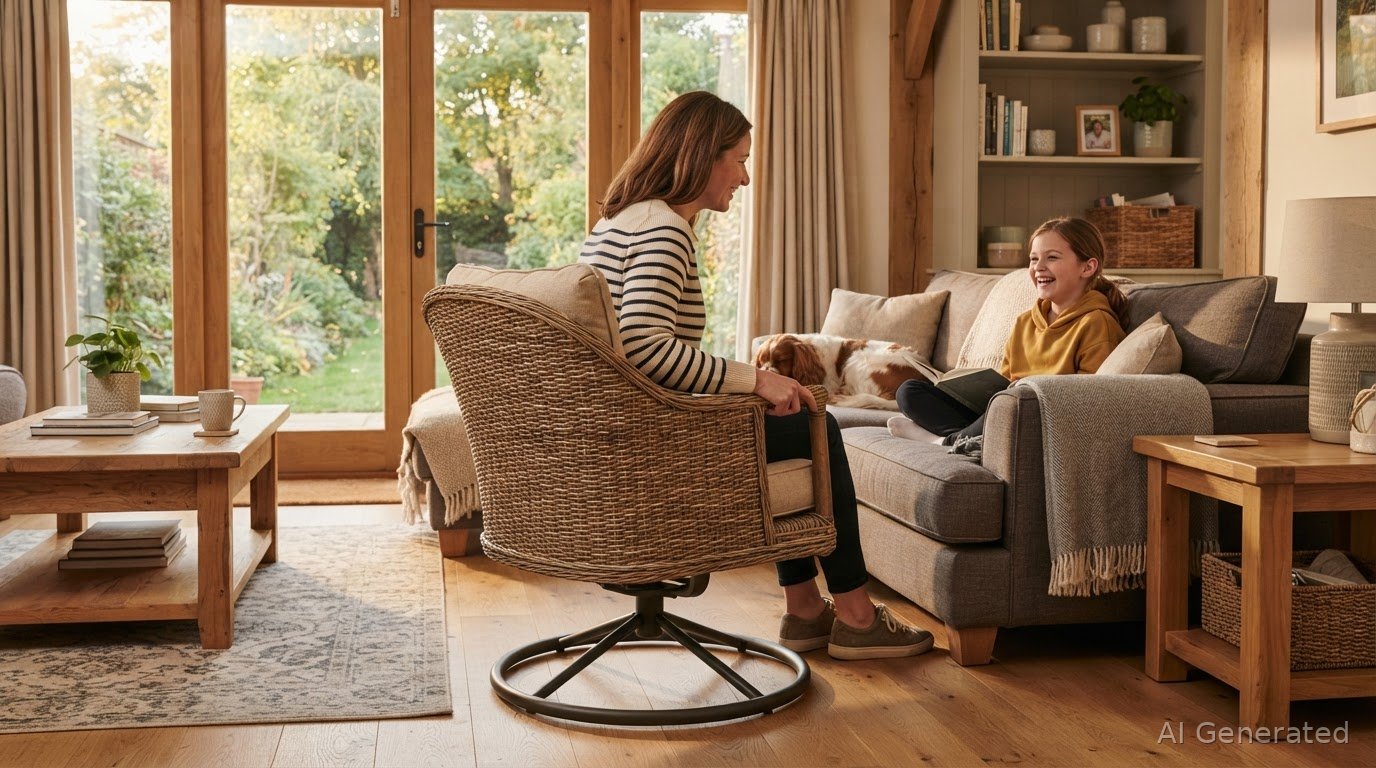
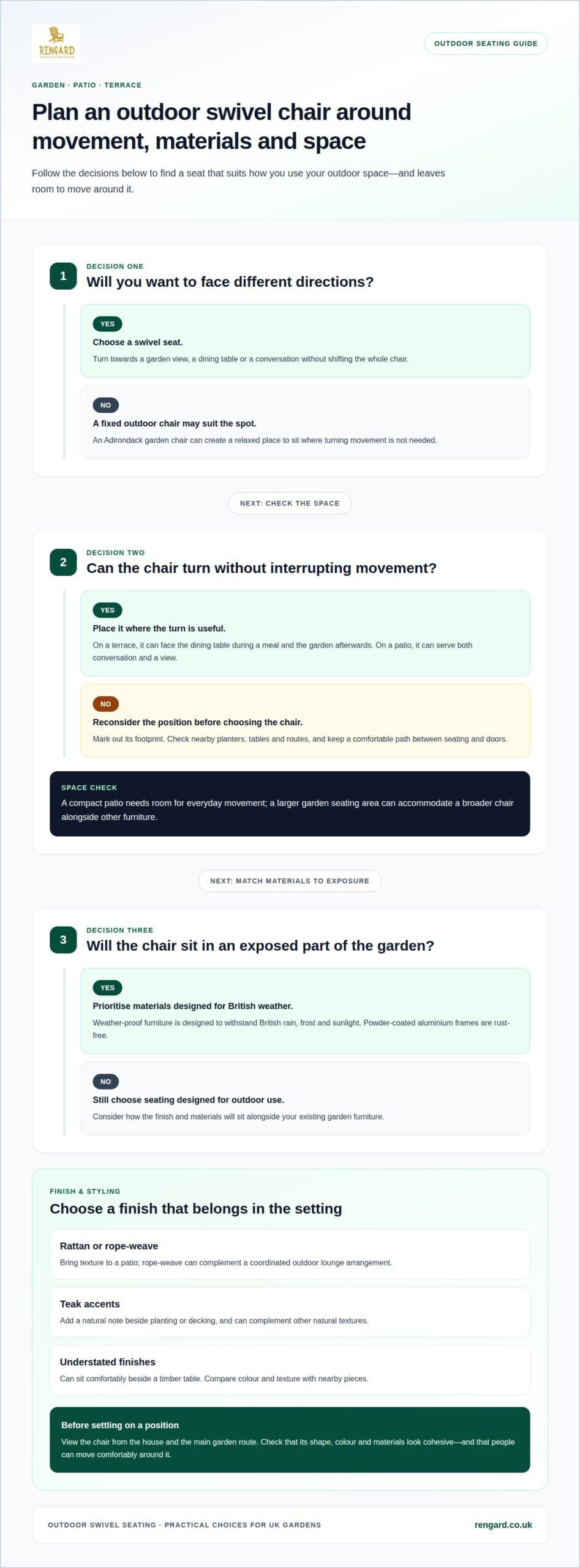
A swivel chair has a seat that turns on a base, giving you more choice about where to face. In a garden, that can help you turn towards a dining table, a view or a conversation without shifting the whole chair. When choosing a swivel accent chair in the UK, consider its outdoor materials and how it will fit your patio or terrace.
Swivel finishes and styling
Outdoor finishes shape both the chair’s look and its suitability for garden use. Rattan and rope-weave designs bring texture to a patio, while teak accents add a natural note beside planting or decking. Powder-coated aluminium frames are rust-free, and weather-proof furniture is designed to withstand British rain, frost and sunlight.
Compare the chair’s colour and texture with nearby pieces. For example, a rope-weave seat can complement a coordinated outdoor lounge arrangement, while a more understated finish can sit comfortably beside a timber table. Consider how the chair looks from the garden as well as from the house, especially if it will stand near a doorway or boundary.
Uses for swivel chairs
On a terrace, a turning seat can face a dining table during a meal, then orient towards the garden afterwards. On a patio, it can help one seating area serve both conversation and a view. Think about the chair’s position in relation to planters, tables and routes across the space before deciding where it belongs.
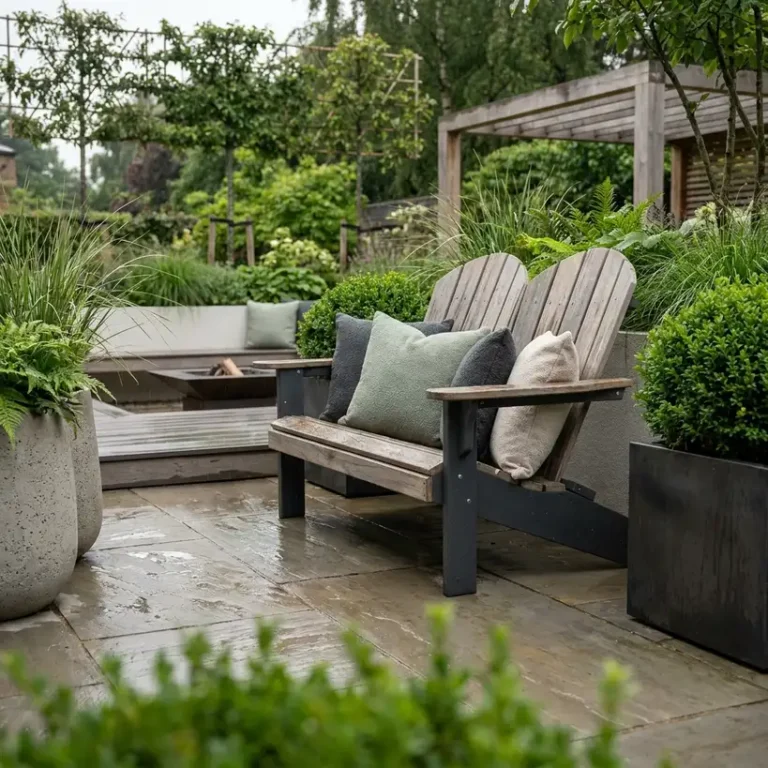
For a fixed outdoor seat with a different character, an Adirondack garden chair can create a relaxed spot in a garden or on a patio. It doesn’t replace a swivel chair, but can suit a separate corner where turning movement isn’t needed.
Chair styles for different outdoor spaces
Match the chair’s scale to the room. A compact space may suit a clearly defined seat that leaves room for everyday movement, while a larger room can accommodate a broader chair alongside other furniture. Mark out the footprint before arranging surrounding pieces, and preserve a comfortable route between seating and doors.
For a garden seating area, place the chair where its turning space remains clear of dining furniture and planting. Consider how the seat relates to an outdoor table, sofa or other chairs. A swivel accent chair in the UK should contribute to the layout, rather than interrupting access across the patio.
Choosing a style that works
Choose a finish that belongs with the wider outdoor scheme. Rattan can connect with other woven furniture, while teak details can complement natural textures. If the chair will sit in an exposed part of the garden, prioritise materials designed for British weather and consider how its finish will work beside existing pieces.
Before settling on a position, view the chair from the house and from the main garden route. Check that its shape, colour and materials look cohesive alongside the outdoor furniture, and that people can move comfortably around it. A considered choice brings style and practical use together across the garden.
360-Degree swivel features
A 360-degree swivel lets the seat turn through a complete circle around its base. That movement can help you face a conversation, a window or the television without dragging the chair across the floor. Swivel armchairs and accent chairs commonly use a rotating base, but the feel and ease of movement depend on the chair’s construction and the floor beneath it.
Think about how you’ll use the rotation. In an open-plan living room, turning towards the dining area can bring the chair into conversation. In a reading corner, you might rotate towards a window for daylight, then turn back towards a lamp. A full turn is useful only if the chair has clear space around it, so consider nearby tables, walls and walkways before choosing its position.
The base determines how the seat moves, while the chair’s weight and shape affect how easy it feels to turn. A compact fabric swivel may be easier to reposition than a broad recliner, particularly in a smaller room. Check that it rotates smoothly while you’re seated and doesn’t catch on a rug edge or knock against furniture. Controlled movement is more practical than a chair that spins freely when you stand.
Swivel and recline are separate features. A swivel chair turns; a recliner also changes its seating angle to help you unwind. Some designs combine both, while others keep a more upright profile for reading or conversation. If you want to stretch out, consider whether reclining changes the chair’s footprint. Leave room for that movement as well as space to rotate the seat.
When comparing designs, turn the chair through a full circle and notice whether it moves evenly, then sit in your usual position. Check how the arms, back and seat support you as you turn. On an upholstered swivel chair, look at how the fabric wraps around the chair, including the back, which will be visible as the seat turns. Choose a profile that looks considered from every angle.
Room layout affects how useful the swivel will be. Beside a sofa, the chair can face guests during conversation and turn towards the screen afterwards. In a bedroom, it can orient towards a dressing table or reading light. Keep the base clear of trailing cables and objects, and avoid placing it where a full rotation blocks the route between doors or furniture.
Choose the rotation for your routine, not just the feature label. If you rarely change direction, a fixed armchair may suit your seating plan better. If one seat needs to serve several viewpoints, a 360-degree swivel can make that arrangement more adaptable. Match the base, fabric and chair size to your room, then check the complete turning space before settling on its final position.
Accent chairs for living rooms and bedrooms
A swivel accent chair can add flexible seating to a living room without replacing the main sofa. Before choosing a swivel accent chair in the UK, decide what role it should play: a place to read, an extra seat for guests or a spot beside the television. In a bedroom, it might create a quiet reading corner or a comfortable place to pause while getting dressed.
Room size shapes which designs feel proportionate. In a compact home, a chair with a neat outline can add seating without dominating the room. In a spacious living room, a fuller armchair can balance a large sofa and help define a separate seating area. Mark the intended footprint on the floor, then check that doors, drawers and walkways remain easy to use.
Consider how the chair supports the activity you have in mind. For bedroom reading, check that you can sit upright and reach a lamp or book comfortably. For longer evenings in the living room, assess the back and arms in your usual sitting position. Choosing a swivel accent chair in the UK is easier when you compare these practical details alongside appearance.
A footstool can make a chair more suited to relaxing, but it also takes up floor space. In a bedroom, a separate footstool can be moved aside when you need room. A recliner offers a different arrangement, with a reclining position that needs clearance. Consider where the footstool or reclining section will sit, especially near a bed, doorway or coffee table.
Ideal Home’s editor tested 40 different living-room swivel chair styles, reflecting the variety of shapes available. Use that range as a prompt to compare silhouettes and proportions. A curved design can soften a room dominated by straight-edged furniture, while a structured chair may echo a sofa’s crisp lines. Consider how its visual weight balances nearby pieces, including a table or floor lamp.
To create a cohesive scheme, connect one chair detail with something already in the room. Pick up an upholstery colour in a cushion or rug, or let a distinctive silhouette contrast with a simple sofa. Place the chair where it serves a clear purpose, and keep a side table within reach if you use one. A measured layout helps the new seat feel integrated rather than incidental.
These choices let you compare patterned options with simpler fabric designs, as well as curved forms with more traditional armchair silhouettes.
Compare materials and finishes with the room’s existing upholstery and palette, then decide whether the chair’s colour and shape should blend in or create contrast. Viewing the designs together can help you choose a chair that suits the room’s intended role.
Best swivel chairs for comfort
Comfort depends on how a chair supports your usual posture, not simply on how soft it feels. Sit back and notice whether your lower back meets the backrest, your feet rest naturally and the seat feels supportive. Try the chair in the position you use at home, such as when reading, watching television or talking with guests.
Check the seat’s depth and firmness before deciding. A deep seat can suit someone who likes to settle back, whilst a firmer, more upright seat may feel better for reading. Your knees should not press uncomfortably against the seat edge. Sit for a while to assess the feel, rather than judging it with a quick perch.
Arm position also affects comfort. Rest your arms on the chair’s arms and check whether your shoulders stay relaxed. If you regularly read, use a tablet or knit, try each activity in the chair. A well-positioned armrest can make those routines more comfortable; one that feels too high or low can distract from them.
For a reclining design, test each adjustment separately. Some power-operated swivel recliners have independently adjustable back, headrest and footrest positions, letting you change one support area without changing the others. Check that the controls feel straightforward and that the chair remains comfortable in both upright and reclined positions.
Upholstery changes the experience as well as the appearance. A 100% leather swivel recliner offers a different surface feel from a fabric-covered chair. Consider how the material feels against your skin and whether it suits your household’s daily routines. Colour matters, too: choose a shade that sits comfortably alongside existing furniture, rather than letting appearance outweigh support.
A matching footstool can help you stretch out, but consider how it fits your routine and room. Try the chair with the footstool in place, then check whether you can move it aside easily. For a compact living room, a separate piece may be more flexible than a recliner that needs extra clearance when opened.
Before choosing, sit upright, relax into the backrest, rest your arms, then try any reclining controls. Notice pressure points and whether your posture feels natural in each position. Test the swivel while seated, too. The chair should feel comfortable as it turns, not only when facing forwards.
A well-chosen chair needs both comfort and considered design. Compare the feel of different upholstery, the support of each seat and the space needed for movement. Choose a chair that suits your body and how you’ll use it, while working harmoniously with the rest of your furniture.
Styling a swivel chair
Style a swivel chair as a considered part of the room, not an isolated accent. In a living room, echo a colour from the sofa in a cushion or rug, then let the chair’s shape provide contrast. A curved silhouette can soften a room of rectangular furniture; a tailored outline can complement clean-lined pieces. Choose one shared detail to connect the scheme without making every surface match.
Consider the chair from several viewpoints. As the seat turns, its back, base and upholstery become visible from different angles. Place it where those details look intentional, such as beside a sofa or near a window. Avoid pushing it tightly into a corner, where the rotation feels restricted and the chair’s shape disappears from the room.
A rug can help define a seating area, particularly in an open-plan living room. Position the chair in relation to the sofa and coffee table, then rotate it to check that the base doesn’t catch the rug edge. If the rug’s pattern is prominent, choose a quieter chair finish. A patterned chair works more easily with a plain rug and restrained cushions.
Use colour to balance the room’s existing palette. A neutral chair can sit comfortably beside a colourful sofa, while a deep green or blue accent can bring focus to a pale scheme. Repeat the chosen colour in a small detail, such as a cushion or artwork. This creates a visual link without making the chair blend into the background.
Scale matters as much as colour. In a compact room, pair a smaller chair with a slim side table and a floor lamp with a narrow base. In a larger setting, a generous armchair can anchor one end of a sofa arrangement. Keep the walking route clear, and leave enough space for the chair to turn without striking a table or nearby furniture.
- For a calm scheme: pair a neutral chair with a textured rug and simple cushions.
- For contrast: set a richly coloured chair against pale walls or a restrained sofa.
- For a layered look: repeat one upholstery colour in artwork or soft furnishings.
- For a compact room: choose a smaller silhouette and keep surrounding pieces visually light.
Before settling on the arrangement, rotate the chair through its full movement and view it from the doorway, sofa and main walkway. Adjust the rug, lamp or side table if any angle feels crowded. For help choosing a style that complements your living room, talk to us about your chair and room styling.
Rengard: Furniture Accessories
Rengard offers furniture accessories and complementary pieces to help bring a considered living space together. Once you’ve chosen your swivel chair, a console table can provide a practical surface in a hallway or living room, while a bedside table can complete a bedroom reading corner. A dining table can help create a cohesive feel across connected spaces.
Choose supporting furniture to suit the chair’s shape, finish and position. For example, keep a narrow console table clear of the chair’s turning space, or coordinate a bedside table with details in the upholstery. Explore Rengard’s furniture accessories as you refine the room around your chosen seat. Contact Rengard to take the next step.
Make your next choice feel at home
Choosing a swivel accent chair in the UK is an opportunity to shape how a room feels in everyday life, not simply how it looks in a photograph. Picture an ordinary evening: where you settle, what you reach for and how the chair fits into your routine. That personal view can help you make a considered choice.
Compare your preferred chair with the room as it is now. Consider how you want the space to feel and which details will help it remain comfortable and cohesive as your home changes. A confident decision comes from choosing for your own routines, rather than following a look that doesn’t feel like you.
For a considered next step, contact Rengard about your chair choice. Your living room can feel distinctly yours, with comfort and character working beautifully together.
Frequently Asked Questions
What is a swivel accent chair?
A swivel accent chair is a standalone chair with a seat that rotates on its base. It can add flexible seating to a living room without needing to move the chair itself. For example, place one beside a sofa and turn it towards guests during conversation. Before choosing its position, consider the chair’s full turning space and whether nearby furniture could obstruct its movement.
Which upholstery materials are best for a swivel accent chair?
The best upholstery depends on the feel and look you want in your room. Fabric offers scope to introduce texture, pattern or colour, whilst leather creates a smoother, more defined finish. Compare samples with your existing sofa and consider how each feels when you sit. For a reading corner, prioritise a surface you enjoy against your skin; for a statement seat, consider how its finish looks from different angles.
What are the best swivel accent chairs available in the UK?
Options include the Orla Kiely Lily Swivel Chair, the Falmouth Upholstered Swivel Accent Chair and the Tulip Floral Print Curved Swivel Accent Chair. Compare their style and size with your room and how you plan to use the seat.