
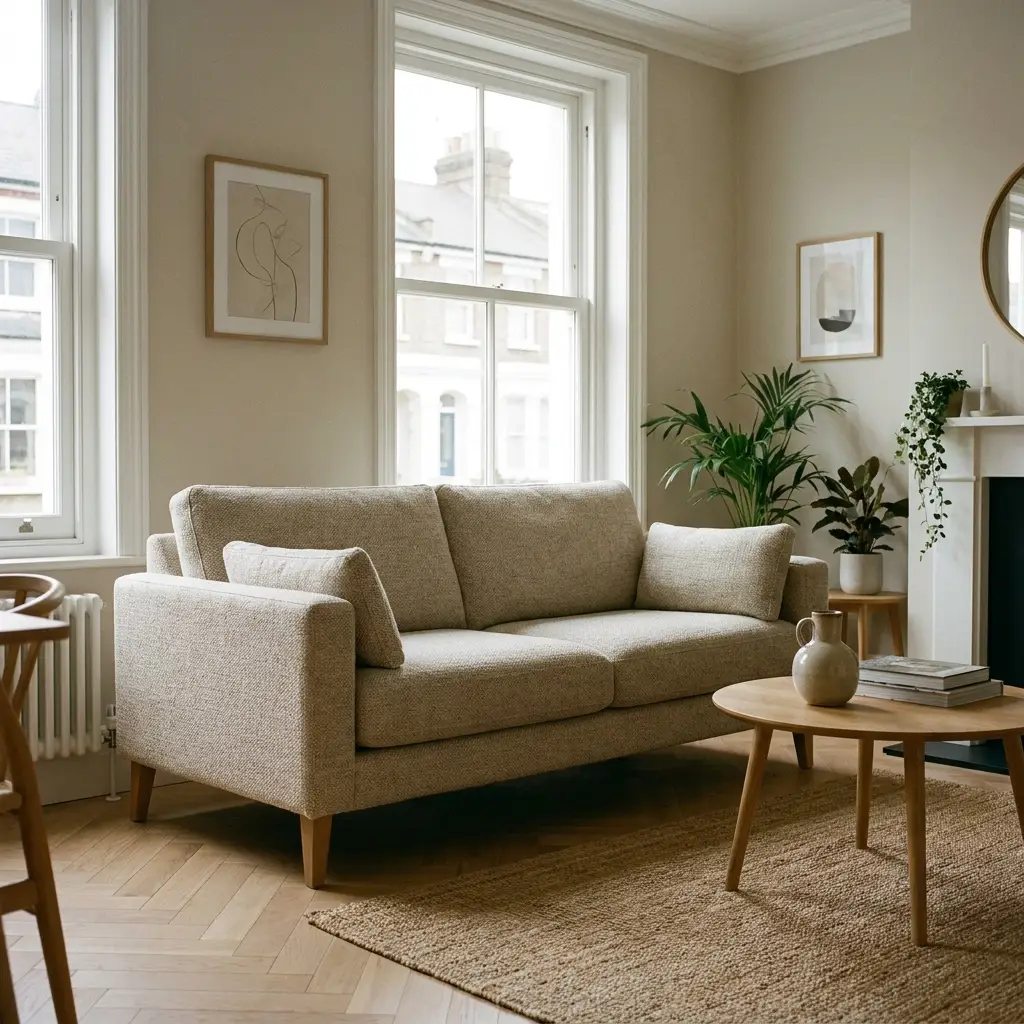
How to Choose the Right 2 Seater Sofa
If you want a sofa that fits your room, suits your lifestyle, and still looks right a few years from now, this guide is for you. It explains how to choose the right 2 seater sofa step by step, with practical advice for UK homes, flats, snug rooms, garden rooms, and open-plan spaces. The goal is to keep things simple and useful, which is likely what most people want. Whether you are looking for a 2 seater sofa UK style, a compact sofa UK buyers can use in tighter layouts, or a small living room sofa that does not feel bulky, it usually begins with accurate measurements and sensible priorities.
Many people shop for looks first. Then the sofa arrives, the room feels cramped, the arms take up too much space, or the fabric does not suit daily life. This guide focuses on fit, comfort, materials, layout, and style in that order. It also reflects what many UK buyers now want from modern living room furniture: more comfort, more flexibility, and better use of space, especially in smaller homes. The UK sofa market continues to grow. Revenue is projected at USD 14,534.5 million in 2025 and expected to reach USD 20,131.9 million by 2033 (Grand View Research).
You do not need design training to get this right. What helps is a tape measure, a simple checklist, and a clear idea of how the room is actually used. These tools are basic, but they often make the difference between a sofa that simply fits and one that works well every day. By the end, readers will know how to compare sizes, choose between a fabric sofa UK homes often prefer or a leather 2 seater sofa, spot truly space saving sofa UK features such as slim arms or raised legs, and pick a style that fits 2026 interior trends UK buyers are already seeing.
Before you start
Before you shop, it’s worth checking a few basics first:
- A tape measure in cm
- Your room width and depth, plus doorway measurements
- A phone for room photos
- A note on who will use the sofa every day
- A rough budget range
- A list of must-haves, like storage, easy-clean fabric, raised legs, or slim arms
Tip: People often measure the room and forget the way in. Check your front door, hallway, stairs, and any tight turns, not just the room itself, because this is where problems usually happen. A sofa can fit the room perfectly but still be impossible to get through the door or around corners and into the house.
Step 1: Decide what the 2 seater sofa needs to do
Before you compare styles, figure out what job the sofa actually needs to do. Starting here usually saves time and helps you avoid expensive mistakes, which happen more often than many people realise. Ask whether this 2 seater sofa is mainly for everyday lounging, formal sitting, watching TV, reading, hosting guests, or adding extra seating in a dining-living area. Kelly Collins, quoted by Ideal Home, says it simply:
Start by asking yourself how you really use the space,
That question shapes the rest of the choice. A sofa picked for a cosy TV room probably will not work for the same needs as one chosen for a neat sitting room. If the sofa will be used for long periods, it often makes sense to choose a deeper seat and supportive back cushions. If the room is mostly for occasional guests, though, a tidier and more upright modern sofa UK style will usually fit the space better and look more natural in a formal setting.
The wider market helps explain why the choice can feel overwhelming. The UK furniture market is large and still growing. IMARC Group estimates its 2025 size at USD 22.8 billion, while Mordor Intelligence says home furniture makes up 61.45% of the market (IMARC Group, Mordor Intelligence). That gives buyers more options, but also more ways to get it wrong when they skip the basics.
One common mistake is buying a sofa for the room photo in your mind instead of for the way you actually live. That is often where poor choices start.
What to do now: Write one sentence to finish this line: ‘I need this sofa to…’. For example, ‘I need this sofa to seat two adults comfortably for evening TV in a small living room.’ Use that sentence to filter every choice you make next.
Step 2: Measure the room properly for your 2 seater sofa
This is probably the most important part of any sofa size guide UK shoppers use. A typical UK 2 seater sofa width is around 140 to 180 cm, according to Which? (Which?). But width on its own will not tell you whether the sofa actually fits the room well. Depth, arm thickness, back height, and the space needed to move around it all matter too. Many people stop once they know it fits against the wall, but that is usually not enough.
These measurements will give a more accurate picture:
- Measure the wall space where the sofa will go.
- Measure the room depth from the front of the sofa area to the nearest obstacle, such as a coffee table or TV unit.
- Leave at least 45 to 60 cm for walking space in front of the sofa or along the side.
- Measure doorways, hallways, stairs, lift access, and any tight corners.
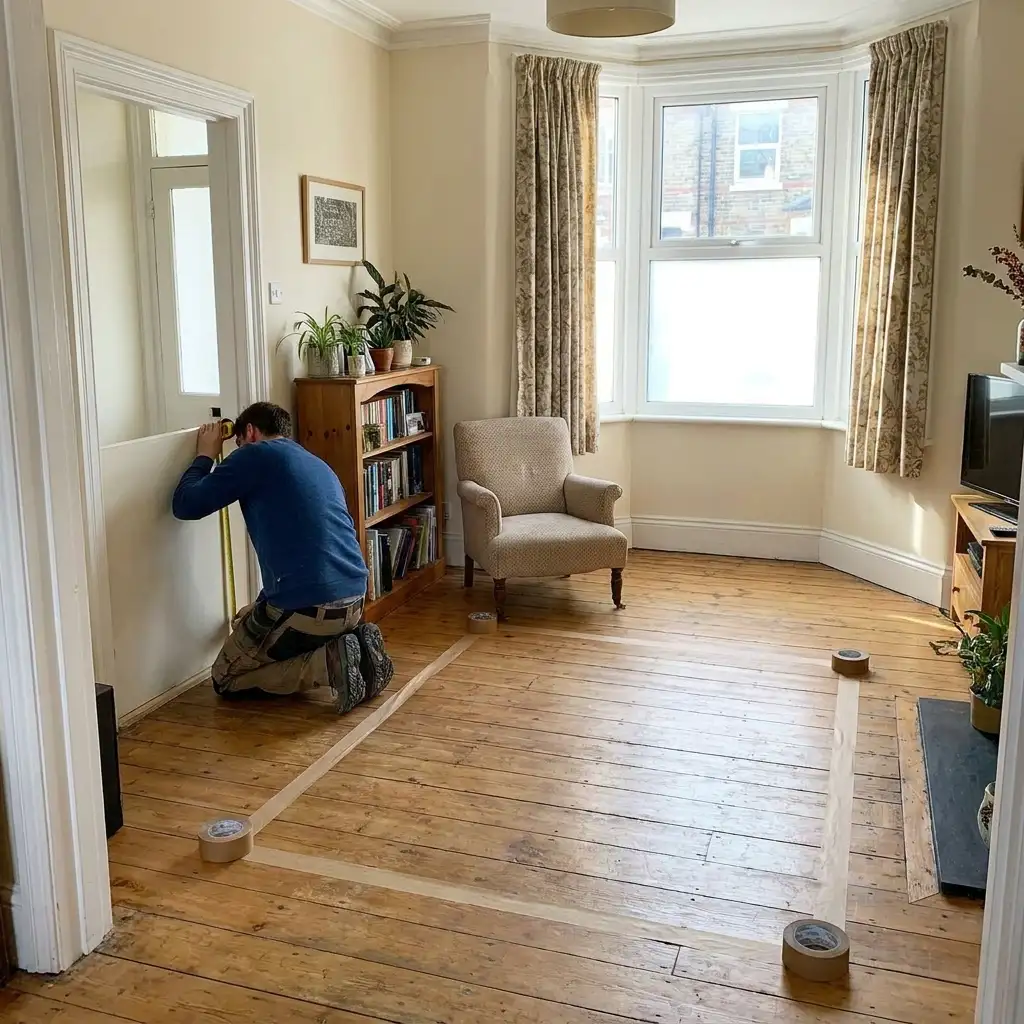
- Mark the sofa footprint on the floor with masking tape.
For a compact sofa UK setup, a shallower profile usually works better in a tight room. Guidance for small-room seating often suggests a depth of around 86 to 91 cm as a practical range for many compact layouts. That is a useful guide if the aim is to keep the room feeling open rather than cramped.
A quick comparison makes this easier to judge. A sofa under 1.83 m long is often described as compact, but two sofas with the same width can feel very different once placed in the room. One may have chunky arms, while the other has slim arms (Heaton’s Furniture). So visual bulk usually matters as much as the numbers on a product page, and in most rooms that difference is obvious straight away.
A common mistake is measuring a straight wall and missing radiator projection, skirting boards, side tables, or curtains. Those details are easy to miss, especially when measuring in a hurry.
Tip: Take a photo after taping out the size. If the floor marking already feels too dominant, the real sofa probably will too.
Step 3: Check traffic flow before you commit to any size
A small home furniture UK plan only works when people can move through the room easily. In many homes, the best small living room sofa is not the biggest one that technically fits. It’s usually the one that helps the room work well every day. Chris from King Living, quoted by Ideal Home, puts it clearly:
In a tight footprint, traffic flow is as important as furniture choice. Identify where people naturally walk through the space, and make sure your layout respects those invisible lines,
Try walking through the room the way you normally would. Open the doors, pull out dining chairs if the living space connects to a dining area, and don’t forget balcony access if that applies. If the sofa gets in the way of those everyday routes, it is probably too large or simply in the wrong position.
This often matters even more in modern UK homes, where broken-plan layouts are common. One room may need to handle lounging, dining, and home working at the same time. In that kind of setup, a 2 seater sofa can often make more sense than a larger model because it creates a clearer zone without taking over the whole room. That is often a better trade-off when the room needs to do more than one job.
Are you considering a modular option instead? It usually helps to compare layouts before you decide, especially when choosing between a fixed two-seater and something more flexible. We covered this here: modular sofa sets for small rooms if you are weighing up both options.
Additionally, for more inspiration on modern living layouts, see Introducing RENGARD Home: Modern Indoor Furniture for Contemporary British Living.
What to do now: Keep at least one clear walking route from the main door into the room. Also make sure you can still reach any window, garden door, or storage you use often.
Troubleshooting: If the room feels blocked, moving the sofa slightly away from the wall can help. A round coffee table may also improve flow. Another option is a model with raised legs, which often keeps more of the floor visible and can help the room feel lighter.
Step 4: Choose the right frame shape for a compact room
Once the size is right, the next thing to examine is the shape. This is often where people find the best space-saving sofa UK option. In a small room, some frame details usually change the overall feel much more than expected.
Choose these features if a sofa needs to feel more compact:
- Slim arms instead of wide, boxy ones
- Raised legs rather than a heavy base that sits flat on the floor
- A lower or medium back, not a large high back
- Clean lines, or soft curves with proportions that stay controlled
- Shallower seat depth, especially in a narrow room
These details help reduce visual weight, which usually makes a real difference in compact layouts. Two sofas can technically have the same width and still feel very different in the room. Often, that lighter effect comes from being able to see more floor around and under the sofa, especially near the base and sides. That is probably one reason Scandi and minimalist styles continue to be popular. A scandi sofa UK look often uses simple lines, soft colours, and exposed legs. A minimalist sofa UK design removes bulky detailing and keeps the silhouette clean, which helps a lot in tighter layouts.
For further design inspiration, explore Sofas and Armchairs UK: How to Furnish Your Home with Style.
Current trend reports support that direction. Homes & Gardens and Domkapa both point to comfort, soft curves, and calmer living rooms with less clutter as key 2026 interior trends UK homeowners are moving toward (Homes & Gardens, Domkapa). So practicality does not have to come at the expense of style. A compact sofa can usually do both.
A common mistake is choosing deep, rolled arms because they look cosy online, then ending up with less seat space and less visible floor space around the sofa and in front of it.
Tip: Compare the overall width with the seat width. That will often show whether thick arms are taking up too much room. For example, a well-designed compact sofa can give more usable seating without adding visual bulk.
Step 5: Pick the best upholstery for your lifestyle
Now it’s time to choose the material. The two most common options are a fabric sofa UK shoppers often choose for warmth and softness, or a leather 2 seater sofa if easy wipe-clean care and a sleeker look matter more. That is usually where the main trade-off is.
Choose fabric if you want:
- A softer, more relaxed feel
- A better fit for Scandi, Japandi, family living rooms, plus more colour and texture options
- A warmer seat in cooler months
Choose leather if you want:
- Quicker wipe-down cleaning
- Good durability in busy homes, plus a sharper, more tailored look
- A finish that often suits modern sofa UK schemes
For calm, lived-in interiors, fabric is often the easier choice. It tends to work especially well with oat, beige, light grey, olive, and muted earthy colours. It’s also a good option if the aim is to make the room feel softer and more relaxed without losing choice on colour or texture. Leather, by contrast, can be a practical pick for homes with older children, frequent guests, or anyone who prefers a sofa with cleaner lines. Even so, low-grade leather can mark badly. Some smooth leather finishes can also feel cold or slippery, and that is usually something people notice quite quickly.
The wider market helps explain why more shoppers are thinking carefully about value. Gary McMahon says the UK entered 2026 in a cautious recovery phase, with households still under pressure from inflation and past rate rises (LinkedIn). In that kind of market, getting the upholstery right first time often matters more than following trends that may not feel right later.
If your room already includes other compact pieces, it helps to think in sets. Pairing your sofa with one of the best modern coffee tables for UK homes can improve flow and make the seating area feel more balanced overall.
Common mistake: choosing pale fabric without checking rub count, cleaning code, and whether the cushion covers are removable.
Tip: Ask for swatches, then look at them in morning light and again in evening lamplight before deciding.
Step 6: Match the style to the room you already have
A 2 seater sofa should work with the room rather than pull all the attention. The best place to start is with what is already there: flooring, wall colour, coffee table finish, shelving, curtains, and lighting. Once you look at those pieces closely, it is usually easier to see which sofa styles fit naturally with the space.
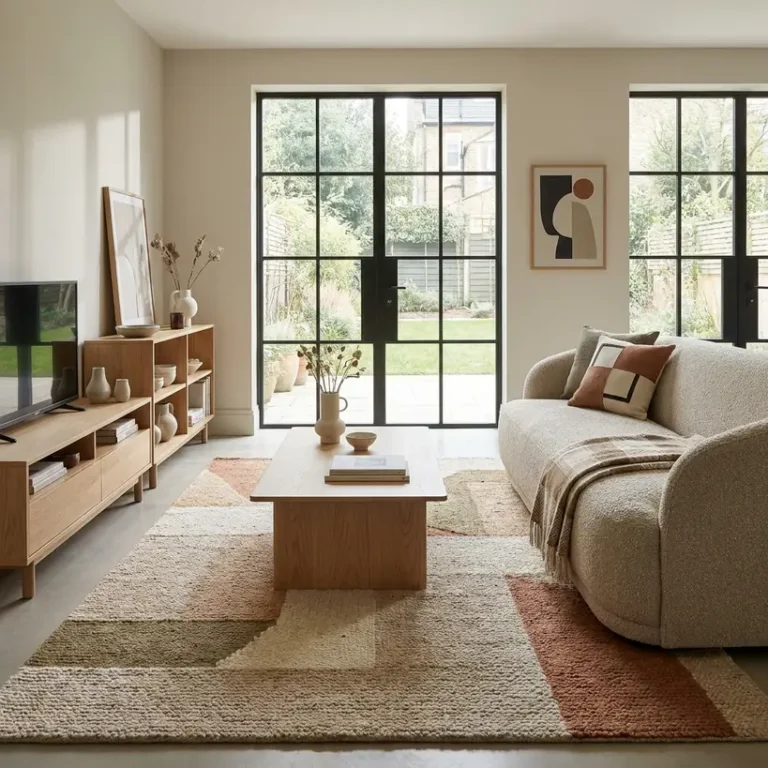
For a scandi sofa UK look, pale wood tones, visible legs, soft woven fabric, and a calm palette usually work well. The overall effect stays clean and quiet without feeling plain. For a minimalist sofa UK approach, stick to one strong shape, keep decoration limited, and stay within a narrower colour story. Chris from King Living shares a useful rule:
A small space can’t support too many different textures. Choose two dominant materials (for example, timber and fabric) and one accent to keep the palette cohesive,
That idea works well for compact seating ideas UK homes can actually use. If a room already has oak flooring and a painted sideboard, a woven fabric sofa with timber details will often feel more balanced than glossy leather and metal. On the other hand, dark-framed windows and simple lighting often go better with a sleek modern sofa.
For wider indoor styling inspiration, RENGARD and other modern retailers can be useful references. They show how indoor furniture can be layered into a clean contemporary home without making the space feel too done up. It is a practical way to see how finishes, shapes, and textures often work together.
What to do now: Try listing the room’s two main materials and one accent finish. Then choose a sofa that repeats at least one of those main materials through texture, tone, or leg finish. That is often enough to make the room feel more put together.
Troubleshooting: if the room looks busy, simplify it first. Remove one patterned cushion set, take out a side table, or deal with a competing wood tone before blaming the sofa. In many cases, that is probably the real issue.
Step 7: Look for smart features that save space without adding bulk
Some of the best small home furniture UK options do more than one thing. In compact homes, practical details can make a real difference, especially when every bit of floor space counts. But not every extra feature is worth giving up room for. The aim is to add useful function without making the space feel heavy, awkward, or crowded.
Features worth considering include built-in storage under the seat, loose covers that make cleaning easier, removable cushion covers, modular add-ons if a house move might be on the horizon, and sofa beds only if guests stay over regularly. In everyday use, those extras can often help more than you might expect. The key is choosing additions that are genuinely useful rather than just adding clutter.
Kelly Collins makes the case for multi-use furniture in small spaces:
Multi-use pieces, like ottomans with storage or modular sofas, are invaluable in small spaces as they give you flexibility without overwhelming the room,
That said, not every 2 seater sofa needs to be modular. In very tight rooms, a standard compact model often works better because the footprint is simpler and the shape looks cleaner overall. And when there’s a real need to store throws, outdoor cushions, or extra bedding, a storage option can be very practical.
The same idea appears in 2026 interior trends UK reports. Multifunctional living is growing as more households want rooms that can adapt to family life, work, and entertaining. According to Mordor Intelligence, rising disposable incomes are helping support this demand. Growth in e-commerce is also part of the picture, along with refurbishment activity (Mordor Intelligence).
One common mistake is choosing a sofa bed for a room that is too small to open it fully. That detail is easy to miss when measuring, but it becomes obvious when the bed actually has to be used.
Tip: If flexibility matters but a bed is not needed, a regular 2 seater with a storage ottoman is often a better option for blankets, spare cushions, or bedding.
Step 8: Set a realistic budget and compare value, not just price
Price matters, but long-term value usually matters more with this kind of purchase. A cheaper sofa that starts to sag, marks easily, or feels uncomfortable after six months is not much of a bargain. So when you compare options, the price tag tells only part of the story. Frame quality, cushion filling, upholstery durability, delivery terms, care needs, and real seat support all need attention, especially because that last detail is easy to miss.
A good buying checklist includes:
- Hardwood or a strong engineered frame
- Clear fabric or leather care guidance
- Details on seat support, such as springs or webbing
- Cushion filling information
- Warranty length
- Delivery access checks
- Return policy, plus swatch availability
Buying furniture online is now normal for many shoppers. Mordor Intelligence reports that B2C retail makes up 67.20% of the UK furniture market, and Yahoo Finance also points to strong UK e-commerce growth (Mordor Intelligence, Yahoo Finance). Those figures are useful, but online shopping only works well when the specification is read properly and used to compare styles, sizes, and dimensions in a practical way, not just judged from photos.
If there is more than one small room to furnish, planning storage and seating together often helps the layout work better. This article on modern wardrobes for bedrooms with limited space shows the same idea clearly: buy for flow between rooms, not just for footprint.
A common mistake is comparing price tags without checking seat depth, frame details, delivery restrictions, or how access into the home will actually work.
Tip: Divide the sofa price by the number of years it is expected to last. That gives a clearer view of value.
Frequently Asked Questions
What size is a standard 2 seater sofa in the UK?
A standard 2 seater sofa UK size is usually around 140 to 180 cm wide, but there is no single fixed rule. Always check depth, arm width, and back height too, because these affect how bulky the sofa feels in a small room.
Is a 2 seater sofa good for a small living room?
Yes, a 2 seater is often the safest choice for a small living room sofa setup. It gives comfortable seating for two while keeping better traffic flow than a larger sofa, especially if it has slim arms and raised legs.
Should I choose fabric or leather for a compact sofa?
Choose fabric if you want a softer, warmer look and more colour choice. Choose a leather 2 seater sofa if you want easier wipe-clean care and a more tailored finish. Your lifestyle should decide this more than trend alone.
What style makes a small room look bigger?
Look for a compact sofa UK design with visible legs, lighter colours, slim arms, and a simple frame. Scandi sofa UK and minimalist sofa UK styles work well because they reduce visual weight and help the room feel open.
Where can I find ideas for modern living room furniture in a compact home?
Start by looking at collections and room ideas from modern furniture retailers and style-led buying guides. For a British example, RENGARD is relevant if you want to compare modern living room furniture UK looks with a clean, contemporary feel across indoor and outdoor spaces.
How do I know if a sofa will suit the rest of my room?
Match the sofa to the materials and colours you already have. If you are browsing coordinated pieces, a brand such as RENGARD can help you compare finishes across different furniture categories, but the key is still to keep your palette simple and your layout easy to move through.
How to verify you chose the right sofa
You’ve probably picked the right 2 seater sofa if it passes four simple checks. Start with the practical one: the taped floor outline and final measurements should still leave enough room to move around comfortably, especially between the sofa and the doorway or coffee table. The seat also needs to feel right for how the room is actually used, which is often a bigger factor than people think. Upholstery matters too. That could mean a fabric sofa UK family room can make feel softer, or a leather 2 seater sofa that is easier to wipe clean for everyday use. And in most homes, the shape should fit the room rather than make it feel cramped or disrupt the layout.
Before buying, do one last check. Stand in the doorway and picture the sofa in place with the coffee table, lamp, side access, and the usual movement through the room all still working normally. If the space still feels calm and easy to use, you are probably making the right choice. That kind of check often helps more than people expect.
Your next steps are simple, and worth doing:
- Recheck all measurements in cm
- Order swatches before deciding on colour
- Confirm delivery access
- Compare seat width with total width
- Pick a model that fits your room and also suits your routine
The best 2 seater sofa is not just one that looks stylish online. It needs to fit a real home, suit modern living, and keep the space comfortable for years, not just on day one. That is usually what makes the difference.

4 Comments