
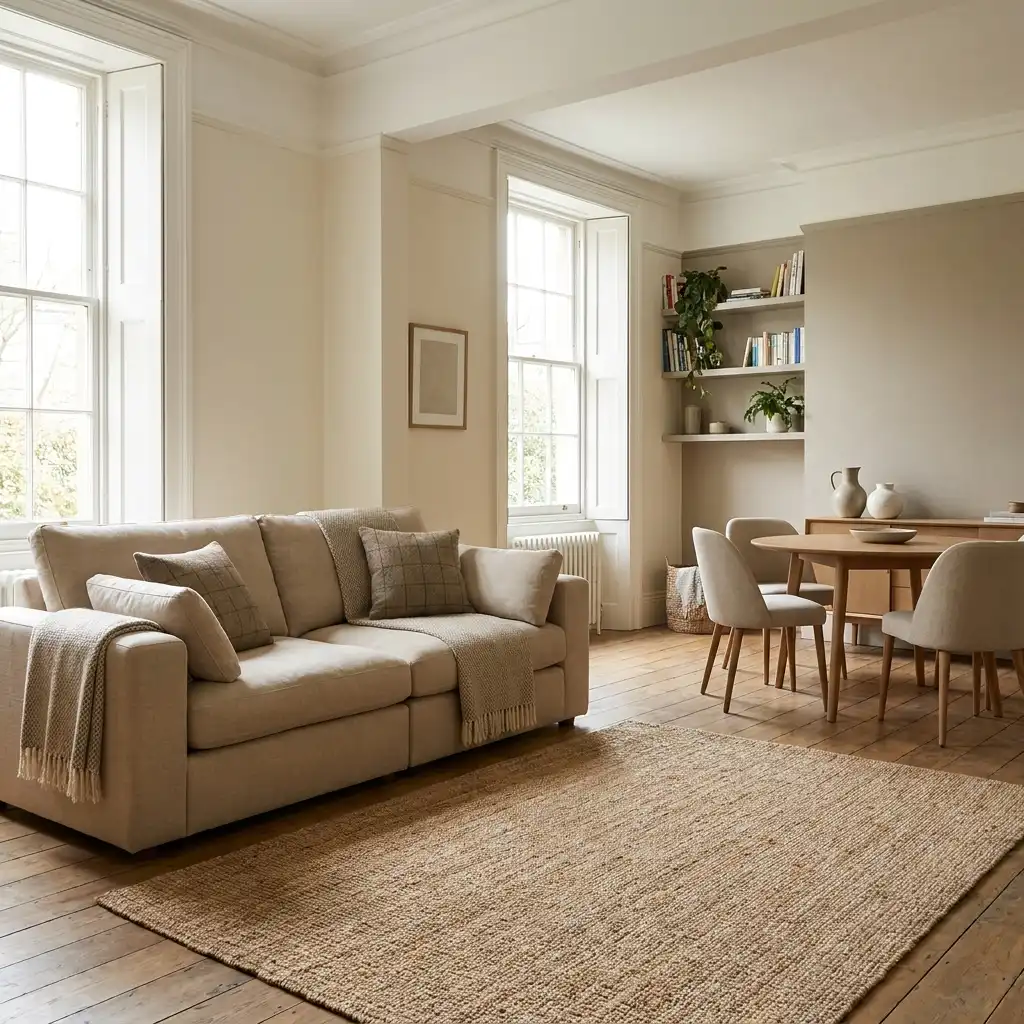
Modular Sofa Sets UK: Layout Tips for Small Rooms
A stylish, flexible living room that still feels easy to use starts with choosing the right modular sofa sets. This guide is for UK homeowners, renters, and anyone trying to improve a lounge layout in a small living room or open-plan space, where planning can be trickier than it first seems. It covers how to measure the room, choose the right sofa shape, pick suitable fabric sofas, and avoid common layout mistakes.
Modular sofa sets have become a practical option because many homes now ask more from one room. A lounge can work as a family room, guest area, workspace, or entertaining space, sometimes all in the same day. That helps explain the rising demand. The UK furniture market is worth USD 22.8 billion in 2025 according to IMARC Group. The UK multifunctional furniture market is also expected to grow strongly, from USD 4.3 billion in 2024 to USD 9.48 billion by 2035 (IMARC Group, Spherical Insights & Consulting). For many homes, modular sofa sets are simply a smarter use of space.
The tutorial follows the process step by step. It explains how to assess the room, choose between a compact modular sofa, an L-shape modular sofa, a U-shape modular sofa, or a corner modular sofa UK style, and make it fit with modern living room furniture UK trends without making the whole setup feel complicated. The steps are clear and easy to follow.
Before you start: What you will need
Before you choose a modular sofa set UK layout, it helps to get the basics ready first, as that can save time later.
- A tape measure
- Your phone for photos
- A simple floor plan sketch, graph paper, or both
- Masking tape to mark the sofa size on the floor
- Measurements for doors, hallways, stairs, lifts, and your room in centimetres
- Notes on how you really use the room
- A rough budget
It also helps to decide early if the space is meant to be a formal seating area, a family TV room, or open plan living furniture that defines zones. Having that clear from the start makes the rest easier. If you’re still comparing general styles, we covered that here before you buy: Sofas and Armchairs UK: How to Furnish Your Home with Style. For complementary design ideas, see Stylish Home Furniture Showroom in Shropshire, which offers inspiration on coordinating home layouts.
Step 1: Measure your room the right way
Before you look at sectional sofa UK options, measure the room properly.
Start with the full length and width. Then note window positions, radiators, door swings, and fireplace depth. It also helps to mark the TV wall, walkways in and out of the room, the gap between the sofa area and the coffee table, and the access route into your home, which people often forget.
Even good modular seating ideas can fail if the layout blocks movement, especially in open-plan homes where circulation needs extra care. Elle Decoration suggests allowing 1 metre for a kitchen walkway in open-plan layouts (Elle Decoration). In living rooms, a helpful guide is 76 to 91 cm between the sofa and coffee table so people can move around comfortably. In smaller rooms, 51 to 61 cm can still work. The coffee table itself should sit 30 to 41 cm from the front of the sofa (RL Owell).
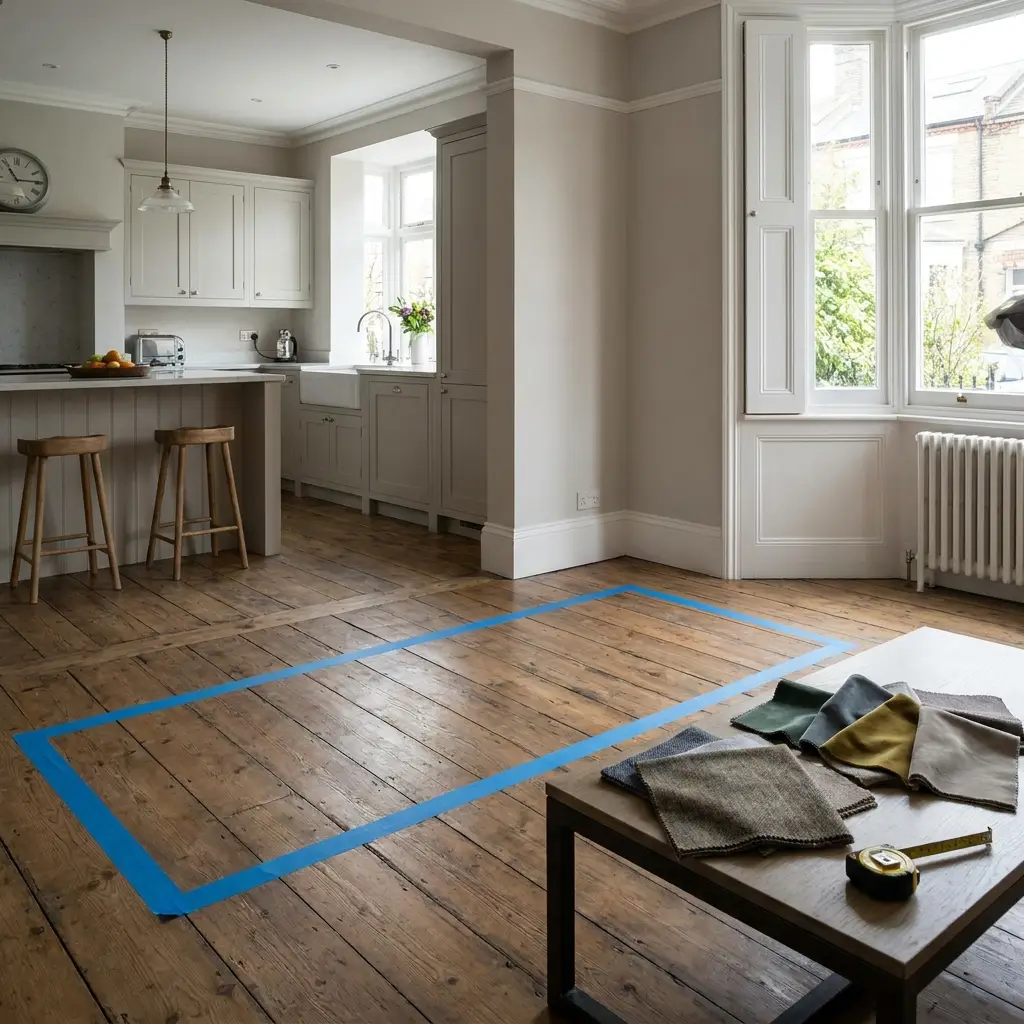
You can also test the layout before ordering. Use masking tape on the floor to mark the exact footprint of the sofa you are considering. It is a quick, practical way to check whether modular sofa sets really work in the room.
A common mistake is measuring only wall-to-wall space. What matters is the usable area after leaving room for walkways, curtains, side tables, and doors that still need to open, so you know what will actually fit.
Step 2: Decide what the sofa needs to do every day
After thinking about size, focus on function. The best modular sofa sets should fit the room, but they also need to match how the space is used day to day.
A few questions usually help make that clearer:
- How many people sit here on most days?
- Do you host guests?
- Do you need a chaise that works for naps?
- Will the sofa divide an open-plan room?
- Do children or pets use it every day?
- Do you need extra storage nearby?
- Will anyone work from this room on a regular basis?
This is often the point where modular sofa set UK shopping starts to feel easier, which is a relief. It stops being only about style and becomes more about picking a layout that matches how the room really works.
The wider market supports that change too. Business Research Insights values the global modular furniture market at USD 86.38 billion in 2025, and says sofas account for 32% of modular furniture demand. GMI Insights also reports that the residential segment represents 64.9% of the modular furniture market. Those figures suggest home buyers are driving demand for more flexible layouts, especially in everyday living spaces (Business Research Insights, GMI Insights).
Modular sofas can be an excellent choice for small living rooms. Opt for the shape and size that fits perfectly in your small living room, takes advantage of every inch available but without overwhelming the room.
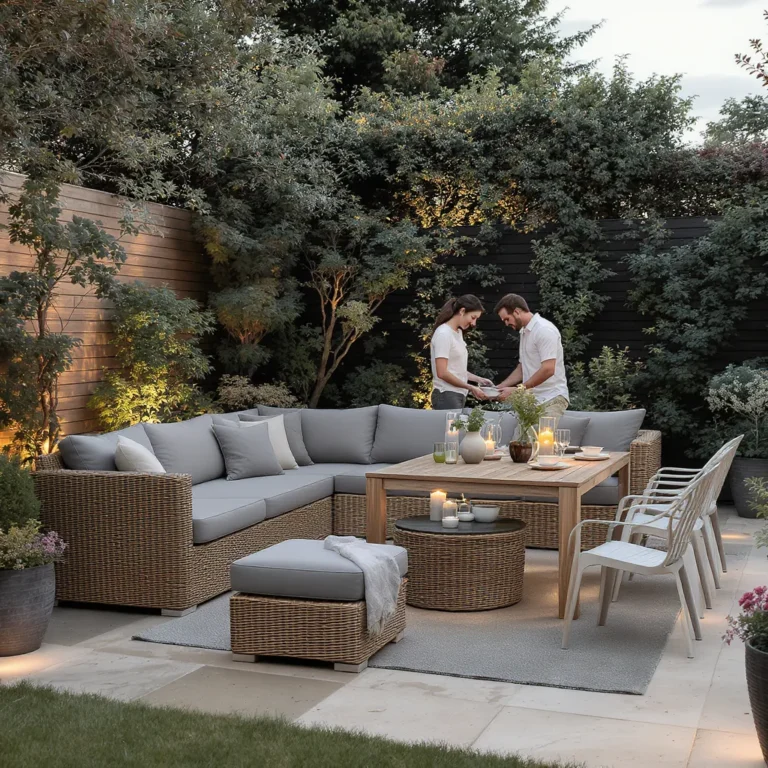
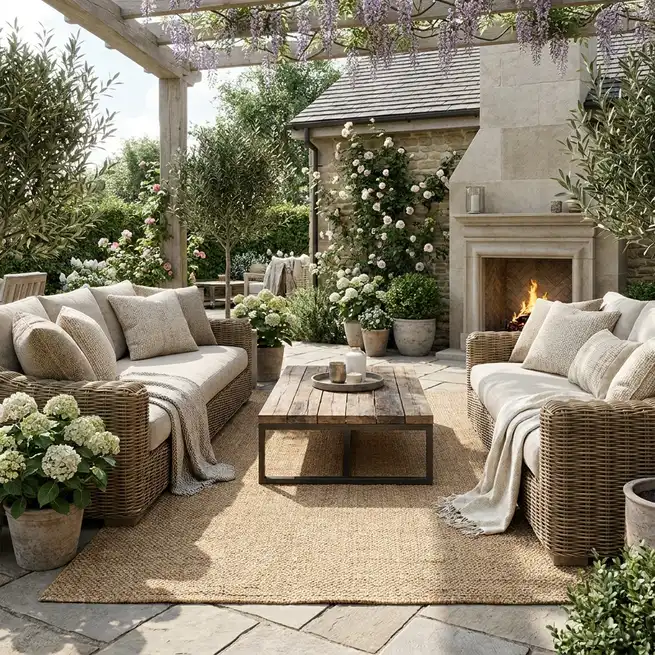
For more context on how indoor pieces can fit into a wider home style, see: Introducing RENGARD Home: Modern Indoor Furniture for Contemporary British Living. Additionally, Garden 3 Seater Sofa Set for Manchester Homes 2026 provides design continuity between indoor and outdoor modular seating ideas.
Step 3: Match the layout to your room shape
Once you know your room size and what you need each day, choose the layout that best fits the main problem in your space and keeps things practical for how you use it.
L-shape modular sofa
An L-shape modular sofa works well in a square room, makes good use of a corner, and can define a lounge area in an open-plan space more clearly than separate pieces. It’s also one of the better small living room sofa ideas. You still get plenty of seating, but without adding several separate chairs, so the room feels more open and easier to understand.
U-shape modular sofa
A U-shape modular sofa suits larger rooms where people naturally gather and sit facing each other. It works especially well in big family rooms, large extensions, or wide open-plan homes where chatting matters just as much as watching TV.
Compact modular sofa
A compact modular sofa works well in tight rooms, with awkward doorways, or if flexible pieces matter because you may want to move them around later. It’s a practical option and often the safest choice for small home furniture UK needs, especially when space is very limited.
Corner modular sofa UK style
A corner modular sofa is a good choice for UK homeowners with an underused corner who want the room to feel more connected. Ideal Home notes that corner sofas can stop a small room from feeling like a corridor while making better use of the edges (Ideal Home).
If you’re unsure, an L-shape modular sofa is usually the safest option to start with. It offers flexibility, gives you compact seating, and helps define the space more clearly without making the room feel cramped.
Step 4: Choose the right depth, arm style, and profile
Shape tells only part of the story. A sofa’s visual bulk also changes how large your room feels, and that difference is usually clear right away.
In small living rooms, low-profile seating usually works better than chunky designs. House Beautiful says low-profile sofas can make a room feel more open because more wall space stays visible above the furniture line (House Beautiful). Ideal Home also points to slim arms, visible legs, and straighter backs as better options for compact rooms, since they reduce visual weight (Ideal Home).
Linear furniture designs with a minimal profile are ideal for smaller rooms. Look out for designs that incorporate shelving into their silhouette to maximise storage capabilities.
This matters even more if your modular sofa sets will sit near coffee tables, TV units, or sideboards in the same room. In a tighter layout, each piece needs to earn the space it takes.
Step 5: Pick upholstery that works for light, use, and maintenance
Fabric choice matters just as much as layout. Many buyers focus on the shape first, then regret the upholstery later, and that is much harder to fix.
For most UK homes, fabric sofas are a practical choice. They feel warm, soft, and easy to fit into different styles. In smaller rooms, lighter neutral upholstery can help the space feel brighter and less boxed in, according to Ideal Home (Ideal Home). In open-plan spaces, fabric can also soften harder surfaces like flooring, kitchen cabinets, and dining tables, so the room feels less stark.
Choose upholstery based on how the room is really used:
- Light beige, stone, oat, soft grey, or similar tones: a good choice for dark rooms or north-facing spaces
- Mid-tone taupe, greige, or a textured weave: often better for busy family homes because marks are less noticeable
- Tight woven fabric: usually lasts better for daily use and regular wear
- Removable covers or easy-clean finishes: a practical choice if you have children or pets
- Boucle and heavy texture: stylish, but check the cleaning needs before buying
In the UK, multifunctional furniture is becoming more popular. Sources tracking the market point to flexible pieces gaining interest, especially in smaller or changing homes (Spherical Insights & Consulting). Trend coverage also points to sculptural sectionals and more adaptable layouts instead of fixed formal suites (Archiproducts). Order fabric swatches and test them in morning light, evening light, and with lamps switched on.
Step 6: Use the sofa to zone an open-plan home
In an open-plan space, the sofa does more than provide seating. It helps organise the room and shape how each area is used, which makes it one of the hardest-working pieces in the layout.
The best open-plan living furniture creates clear zones without splitting up the room with walls. Elle Decoration says a sofa can separate the kitchen from the lounge while still keeping the whole space open (Elle Decoration). Claire from Elle Decoration also recommends planning around movement flow and natural light, so each area has a clear use and the room stays easy to move through.
A simple way to approach it:
- Start by identifying the main route between doors, the kitchen, and any garden access.
- Leave at least 1 metre for main walkways, especially near the kitchen.
- Position the back of the sofa toward the dining or kitchen area if you want stronger visual separation.
- Define the lounge with a rug under the front legs or under the full seating area, depending on what suits the layout.
- Place a coffee table or ottoman in the centre to anchor the arrangement.
- Support the zone with lighting, such as a floor lamp beside the sofa.
Homes & Gardens says rugs are one of the easiest and most reliable ways to zone an open-plan room. Used under part of the seating area, they mark out the lounge without making the layout feel closed off (Homes & Gardens).
Tip: In an open-plan room, avoid pushing every seat against the wall. A floating modular sofa UK layout can make the space feel more intentional and give the lounge a clearer place within the room.
Step 7: Plan the room around colour and visual space
A sofa layout can fit the room and still feel wrong if the space looks too heavy. Colour, wall tone, and the furniture around the sofa all affect how the room feels.
In a small room, a calm palette usually works better. Light tones on walls, trim, and shelving help the space feel less broken up. House Beautiful shares this advice from Charlotte Crosby:
Using a single colour over the walls, woodwork (including bookcases and shelving) and up onto the ceiling will make the room feel larger and uncomplicated giving the illusion of more space.
This often works especially well with modular sofa sets, since the sofa can hold the main shape in the room while everything else stays visually quieter.
Step 8: Check delivery, modules, and future flexibility
Before buying, it helps to look past the showroom image or product page, since those can easily pull attention away from the practical side. Modular sofa set UK shopping should also include access, assembly, and how well the sofa can stay useful as needs change over time.
That flexibility is especially relevant in UK homes, where layouts often change after a move, an extension, or a shift to working from home. Some buyers start with a two-piece corner setup, then add an ottoman later. Others add a middle seat, which can clearly change how the sofa works in the room.
Before ordering, check:
- Width of each module in centimetres
- Whether modules clip together
- Left-hand or right-hand corner options
- Seat cushion type and filling
- Leg height
- Assembly needed on delivery
- If covers are removable
- Whether extra modules can be added later
Across the UK, many homes have tighter rooms and smaller footprints, so those details are worth checking carefully.
Frequently Asked Questions
What is the best modular sofa layout for a small living room?
For most small rooms, an L-shape modular sofa or a compact modular sofa works best. These layouts give you good seating while keeping corners useful and leaving clearer walkways. Choose slim arms, a low profile, and lighter fabric if you want the room to feel larger.
Is a corner sofa better than a standard 3-seater in a small room?
Sometimes, yes. A corner sofa can use awkward edges better and may seat more people than a standard 3-seater plus extra chair. The key is scale. A corner modular sofa UK setup should fit the room without blocking windows, doors, or circulation space.
How do I know if a U-shape modular sofa is too big for my room?
Mark the full sofa footprint on the floor with masking tape and test your walkways. If you cannot move comfortably around the coffee table, radiator, or door openings, the sofa is too big. In most average UK lounges, a U-shape modular sofa only works well when the room is wide and open enough for generous circulation.
Are fabric sofas a good choice for family homes?
Yes, especially if you choose a durable weave and a practical colour. Mid-tone fabric sofas often hide daily wear better than very pale shades, and many modern fabrics are easier to clean than buyers expect. If you are comparing finishes and everyday styles, RENGARD is one example of a retailer that includes indoor furniture options alongside broader home collections.
How can I zone an open-plan room with a modular sofa?
Place the sofa so its back faces the dining or kitchen zone, then use a rug and coffee table to define the lounge area. Keep main walkways open and make sure each zone has a clear purpose. This approach works especially well with an L-shape modular sofa because one side can frame the lounge naturally.
Where can I look for modern living room furniture UK styles that match a modular sofa?
Start by choosing the sofa first, then build around it with lighter-scale pieces such as open coffee tables, compact sideboards, and simple lighting. Keep the shapes clean so the room does not feel crowded. For buyers looking at a wider home range, RENGARD can be a useful reference point for coordinating modern living room furniture UK looks without mixing too many unrelated styles.
Make your layout work before you buy
The right modular sofa sets can make a small room feel calmer and help a large open-plan room feel more organised. It becomes much easier if you do things in the right order. Start by measuring. Then think about how the room is really used. Match the sofa shape to the room shape. Choose a profile that looks lighter rather than bulky. Pick fabric sofas that suit your light, your lifestyle, and how much cleaning they will need. Before you spend the money, test the layout first.
Ultimately, modular sofa sets offer flexibility, comfort, and a smarter layout solution for both small living rooms and open-plan homes. They remain one of the most practical and stylish choices for UK homeowners seeking versatile furniture.



7 Comments