
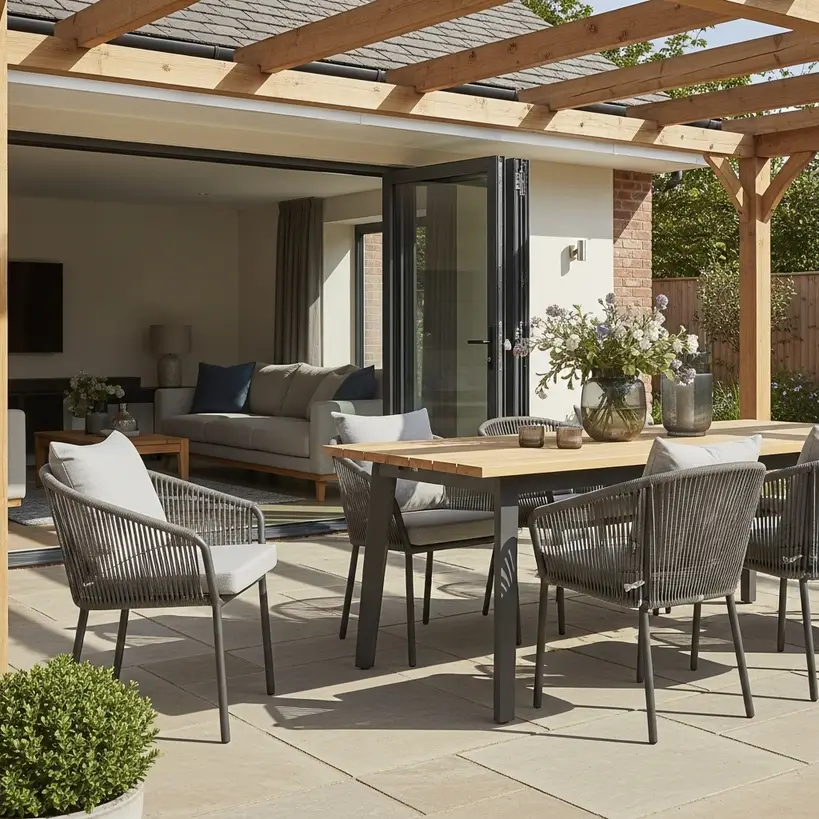
Exploring Premium Furniture Options for Every Home
Choosing premium furniture is no longer just about showing status. It means making smart choices that look beautiful, last longer and suit real life. Homeowners want furniture that feels special, but they want good value as well. A sofa should hold its shape, a dining set should cope with daily meals as well as guests, and outdoor pieces need to handle sun, rain and changing seasons without wearing out too fast. That change has shifted what ‘premium’ means. Now the term points to better materials, thoughtful design, simple care and comfort that lasts.
This matters even more because people use more of the home every day. Gardens, patios, balconies, kitchens and living rooms all need furniture that works hard and still looks elegant. The outdoor furniture market continues to grow because these spaces matter more than they once did. Fortune Business Insights estimates the global outdoor furniture market will reach USD 58.91 billion in 2026 and USD 92.08 billion by 2034 with a 5.74% CAGR (Fortune Business Insights).
This guide explains what gives furniture a premium feel, how to choose the right materials, how to balance affordability with luxury design, and how to care for key pieces indoors and out. It also covers seasonal styling, sustainable home choices and common buying mistakes. For anyone looking for premium furniture that suits a modern British home and an outdoor lifestyle, it can help make buying decisions feel more confident.
What Makes Furniture Truly Premium Today
A high price tag alone does not make furniture premium. What matters is quality people can see and feel. Materials shape that impression first: solid wood, natural teak, powder-coated aluminium, quality rope, durable rattan and performance fabrics all play a role. Build quality matters just as much. Strong construction, better finishes and small comfort-focused details improve seating and make daily use feel better.
For many buyers, durability now defines luxury. They do not want a garden chair that fades after one summer or a dining bench that starts to wobble after a year. Premium pieces need to hold up to regular use, changing weather and shifts in style over time. A long lifespan matters. According to ideal.house, outdoor furniture with proper care can last 15 to 20 years (ideal.house). That kind of lifespan makes higher-quality furniture a more sensible long-term investment.
Design also shapes a premium look. Clean lines, calm colours and timeless forms can feel more luxurious than furniture built around fast trends. Scandinavian and industrial styles stand out because they balance simplicity with character.
When it comes to high-performance materials, aluminum is the strongest, yet it’s lighter weight than other metals like wrought iron.
Premium furniture should look refined and stay easy to live with. People should be able to move it, clean it and use it comfortably every day.
The Best Materials for Indoor and Outdoor Furniture
The material you choose affects how furniture looks, feels, and holds up over time. For premium pieces with real staying power, that choice should come first.
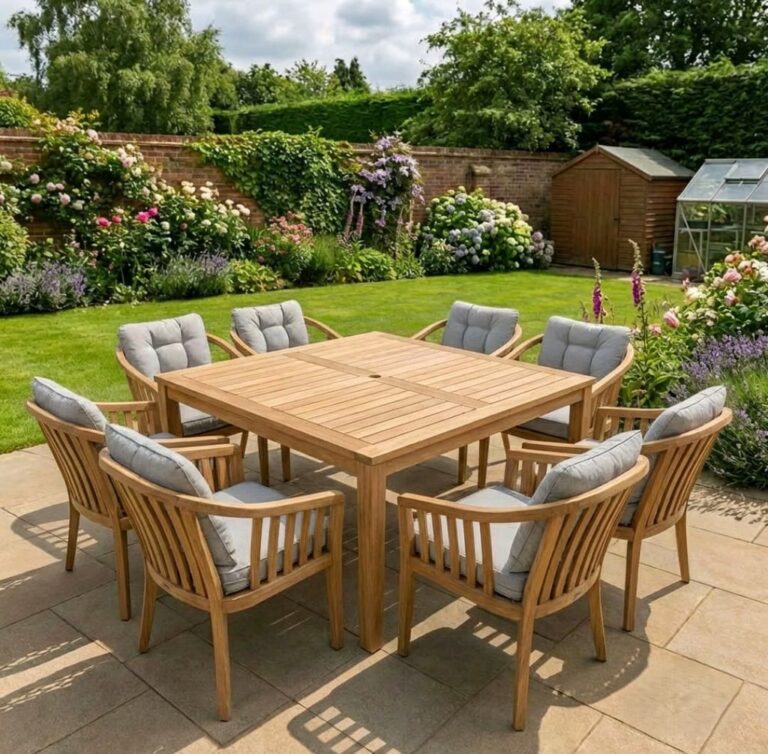
Teak is one of the clearest examples of premium wooden furniture. Its natural oils help it stand up to moisture and weather, and that built-in durability is a big reason it remains so popular. According to smow, teak can last 15 to 25 years with good care and in some cases at least 25 years (smow). Left untreated, it starts with a warm golden tone, then gradually shifts to a silver-grey patina over time.
Powder-coated aluminum is another strong option. It resists rust, stays easy to move, and needs less maintenance than many buyers expect. That makes it a practical fit for modern gardens, terraces, and balconies, especially in places where damp weather is common.
HDPE and recycled plastic lumber also deserve a look. They may not seem as attractive as other materials at first. Still, they can last a very long time and need very little upkeep, which can matter more in daily use. Plastic Lumber Yard says recycled plastic lumber can last more than 50 years in some applications (Plastic Lumber Yard).
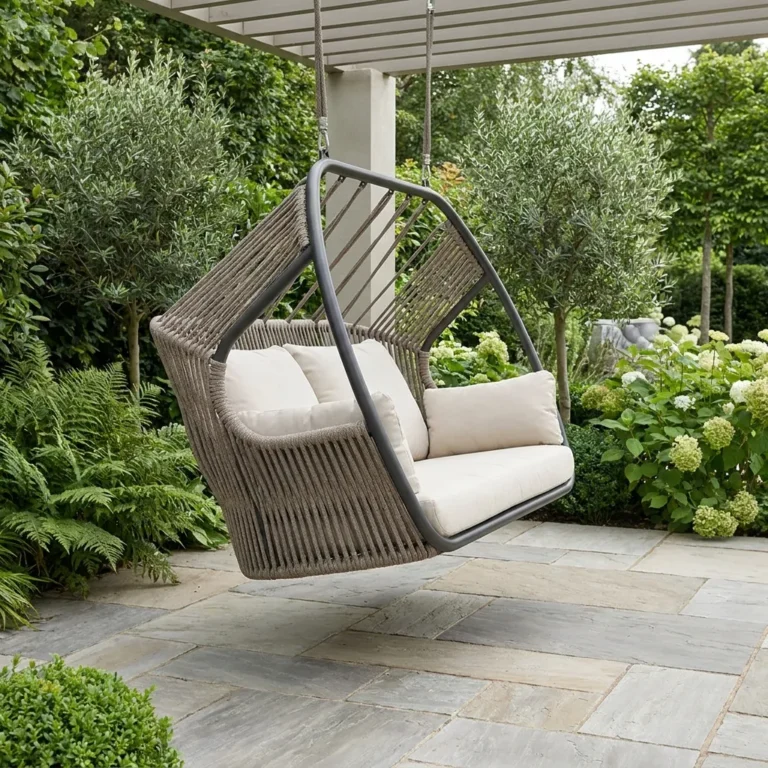
Natural rattan generally makes the most sense indoors or in protected areas. For outdoor furniture, synthetic rattan is often the better option because it handles moisture and UV exposure more effectively. Rope furniture is gaining ground too because it adds texture and gives modern spaces a softer feel.
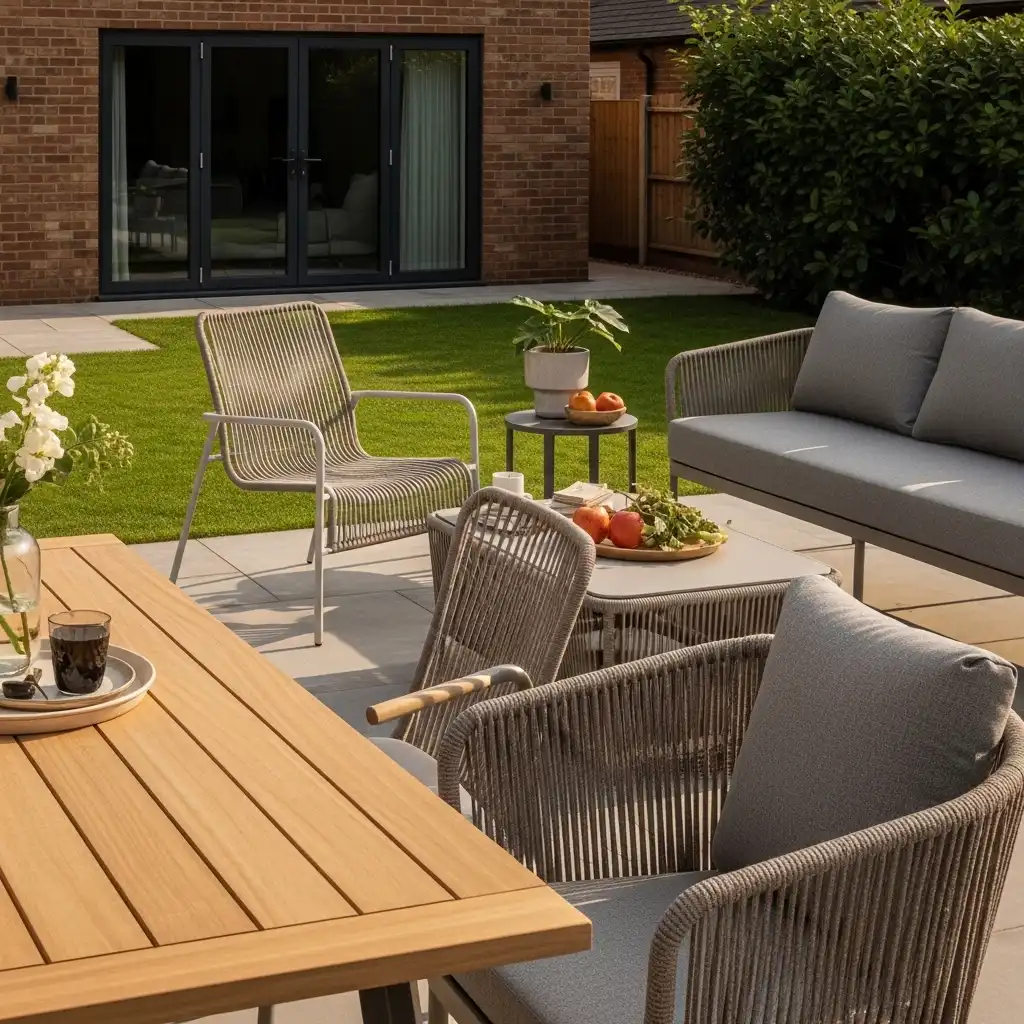
When choosing cushions, fabric quality matters. According to Bobby Berk, solution-dyed acrylic fabrics perform well outdoors because the colour runs through the fibre, which improves fade resistance (Bobby Berk). That detail can make a noticeable difference over time.
How to Balance Luxury Design With a Real Budget
Many people assume premium furniture always means top-end prices. It doesn’t. A better goal is affordable luxury: spend more where it counts, then save where it still makes sense.
Start with the anchor pieces. In a living room, that might be the sofa or coffee table. Outside, it could be a dining set or lounge set. These larger items shape the whole space, so quality matters more here. Put the budget there, then build around them over time with lower-cost accessories such as planters, throws, lighting or side tables.
Materials matter too. Choosing options that look expensive and help keep future costs down can make a big difference, especially when delicate finishes need more care than they are worth. Powder-coated aluminium, resin wicker and quality performance fabrics can all create a luxury feel without the upkeep. Forbes highlights HDPE as a durable, low-maintenance material that resists fading and harsh weather (Forbes).
Think beyond the day-one price. A cheaper set that needs replacing after three summers can give worse value than a premium furniture set that lasts for a decade or more.
Layout planning matters as well. For a patio or conservatory, careful measuring helps avoid costly mistakes. Pieces that serve more than one purpose can stretch a budget further and make the space work better. A bench that fits at a dining table and also works as spare seating elsewhere offers better value. The same goes for a modular lounge set, which can adapt when guests visit or when the family wants a quieter evening at home.
Homeowners looking at British-made style or design-led collections can also benefit from buying guides like Staffordshire home furniture options. They can help people compare looks, room needs and quality signals more clearly before making a decision. Buyers can also explore Stylish Home Furniture Showroom in Shropshire for ideas on comparing premium collections in person.
Premium Outdoor Furniture for Weather Resistance and Daily Living
Outdoor furniture has a harder job than indoor furniture. It needs to cope with rain, damp air, strong sun, dirt, pollen, changing temperatures and constant use. If an outdoor space is meant to have a premium finish, weather resistance matters from the beginning.
Good outdoor furniture relies on strong frames, durable finishes and soft materials that dry quickly. Castlery notes that weather-resistant furniture often includes corrosion-resistant frames, durable finishes and cushions designed to dry fast (Castlery). Outdoors, looks and practicality have to work together.
The usual before-and-after story is easy to recognise. A homeowner chooses a stylish low-cost set with thin cushions and basic metal frames. After one wet season, the frame starts to rust, the fabric fades and the cushions hold moisture. The owner ends up replacing the set far sooner than expected. In contrast, a better-built set made from teak, aluminum or UV-stable rattan with performance fabric cushions lasts very differently, keeping a cleaner look, staying comfortable for longer and needing less maintenance over time.
Current trends also support the shift toward better-performing pieces. AuthenTEAK reports that people now style outdoor spaces more like living rooms, with deeper seating, softer fabrics, flexible layouts and fire features as focal points (AuthenTEAK). Buyers are no longer looking for basic patio furniture. They want outdoor furniture that feels as welcoming as an indoor lounge and works just as well for daily use.
If comparing options in more detail, the guide to best outdoor furniture materials UK is a useful next step for understanding how different materials perform in local conditions. Buyers interested in long-lasting garden setups can also review Benefits of Choosing Durable Outdoor Furniture for 2025 before making larger purchases.
Caring for Premium Furniture So It Lasts Longer
A common gap in furniture buying is maintenance education. People know what they like, but they don’t always know how to care for it properly. The good news is simple: cleaning and protecting furniture does not have to be hard.
For teak, a gentle wash with mild soap and water is enough in most cases. If keeping that warm golden colour matters, use a teak protector made for outdoor use. Prefer the silvery patina instead? Regular cleaning can be enough.
For powder-coated aluminum, wipe the frames with a soft cloth and mild soapy water. Avoid harsh scrubbing pads, as they can damage the finish. In coastal areas, or anywhere pollen builds up quickly, rinse the furniture more regularly so residue does not stay on the surface too long.
Rattan and rope furniture need a lighter touch. Remove dust from woven surfaces with a soft brush or a vacuum with a brush attachment. Then wipe everything gently with a damp cloth. Let each piece dry fully before putting on a cover.
Cushions need extra care. Store them in a dry box or bring them indoors during long wet periods, when moisture can linger and fabrics stay damp longer than expected. Even weather-resistant fabrics last longer when they are not left outside all year. Clean stains quickly and always follow the fabric care label.
Placement matters too. Use pads under indoor wooden furniture. Where possible, keep outdoor pieces slightly raised, and do not let water collect under the legs. In winter, breathable covers are a better choice than sealed plastic wraps because plastic can trap moisture instead of letting it escape.
Powder-coated aluminum is one of my go-tos for its longevity and low maintenance, while teak is beautiful and timeless, if clients are comfortable with it naturally developing patina over time.
The same idea can help with buying decisions: choose materials with care needs that match your lifestyle.
Seasonal Styling Ideas for Every Part of the Home
Premium furniture should feel adaptable throughout the year, not fixed or too formal. Seasonal styling helps a space stay fresh without replacing larger pieces.
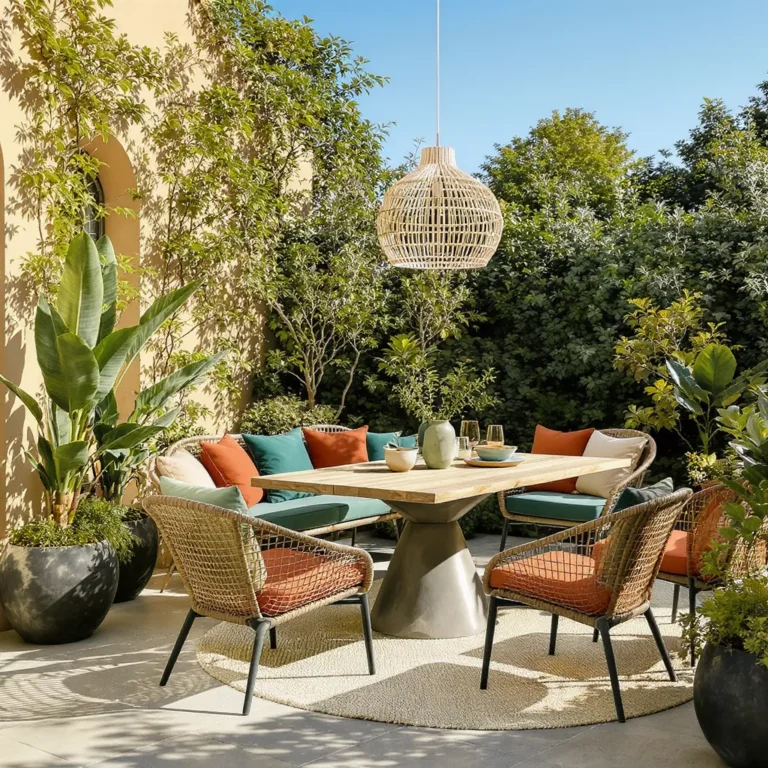
In spring and summer, the focus shifts to alfresco dining and relaxed outdoor comfort. Bistro sets work well in smaller gardens and on balconies, while larger dining sets suit families and people who host regularly. Small updates can make a difference. Add outdoor lighting, planters and neutral cushions for a simple refresh that changes the mood. In larger spaces, fire pit furniture can help evenings outside last longer and create a natural spot for people to gather.
In autumn, swap lighter textiles for richer shades like charcoal, rust, olive or warm beige. Add throws and lanterns. Move potted herbs or small trees closer to seating areas to create a layered look that feels settled and in season. If garden furniture sits near the house, those details can help connect indoor and outdoor spaces.
In winter, furniture does not need to be overlooked. Protected lounge sets can still work well in conservatories, garden rooms or covered patios. Indoors, premium furniture can shift with just a few changes as well. A wooden sideboard. A rope accent chair. An industrial coffee table. Each can move from one room to another as needs change.
Premium furniture should support everyday living as much as special occasions. Homes that change with the seasons can feel more welcoming and more carefully considered. For more inspiration around entertaining areas, Outdoor Furniture with Fire Pit: Stylish Garden Ideas shares ideas that suit modern outdoor spaces.
Sustainable Home Choices Without Losing Style
Sustainability is no longer a niche idea. For many buyers, a sustainable home means buying less frequently and making better choices from the start. In furniture, that generally comes down to durable materials, timeless design and pieces that stay useful for years.
Responsibly sourced teak can be a strong long-term option because it holds up well over time. Recycled plastic and HDPE can also support a more sustainable home, especially when they replace short-life materials that quickly become waste. Long-lasting furniture helps reduce repeat buying, cut packaging waste and lower transport impact.
Style matters too. A piece is more sustainable when it’s still something you want in your home after five or ten years, not just for one season. That’s one reason simple Scandinavian and industrial looks work so well. They hold up visually. As tastes shift, they’re easier to mix with new decor without making everything feel dated.
If you’re trying to build a more eco home, start with practical questions. Can one item work in more than one room? Is the frame made from a durable material? Can the cushions be replaced instead of buying a whole new set? Will the design still look good a few years from now? Those questions can lead to better choices than trends do.
Modular layouts can make outdoor spaces more sustainable too. Homeowners can add sections, remove them or swap them instead of replacing everything at once. That saves money and, over time, reduces waste. Readers interested in eco-conscious buying can also explore Sustainable Outdoor Furniture Trends Shaping 2025 for more ideas.
Smart Buying Tips for Small Spaces, Family Homes, and Entertaining
The right furniture choice depends on how people actually live. A compact balcony needs something very different from a large garden or an open-plan family kitchen, and premium furniture should suit daily habits, not just look good on a Pinterest board.
For small spaces, slim frames, lighter colours and pieces that feel visually open work best. Bistro sets, stackable chairs, benches and modular seating can all suit the area well, and glass-topped tables can too. Open metal frames also help because they make a space feel less crowded.
In family homes, practicality comes first. Wipe-clean surfaces, rounded corners, strong frames and washable covers matter most. Premium furniture needs to handle pets, children and the wear of daily traffic without becoming a constant source of stress.
If the space is used for entertaining, divide it into zones. Set up one area for dining and another for drinks. A fire feature can work well, and a group of side tables can make relaxed evenings easier. Flexible layouts are especially helpful outdoors, where the number of guests can change.
One simple planning trick helps: map movement first. Make sure people can walk around chairs, open doors and carry food or drinks without difficulty. Good furniture should support how a room is actually used.
For buyers thinking about indoor-outdoor coordination, modern indoor furniture for contemporary British living offers ideas for creating a more connected style across the whole home. People comparing seating comfort may also find High Back Chairs: A Guide to Comfort and Style useful when planning living or dining areas.
Common Mistakes to Avoid When Choosing Premium Furniture
Even careful buyers make a few classic mistakes. One of the most common is choosing style first without checking how the material actually performs. A piece can look premium online and still use weak finishes or low-grade fabric that will not hold up well over time.
Scale gets overlooked too. Furniture that is too large can make a room or patio feel cramped. Too small, and it looks lost and less luxurious. Buyers should always measure and, if possible, mark out the footprint before buying.
Maintenance is another area people can underestimate. Some people love the look of natural wood but do not want the regular care it needs, while others want low-effort living and may be better off with aluminum, HDPE, or easy-clean fabric instead.
Then there is the rush to buy everything at once. A premium furniture scheme generally comes together better in layers, with the main pieces chosen first and decor, lighting, and soft furnishings added over time. Building in stages can lead to better results and also helps protect the budget.
When in doubt, focus on material quality, comfort, and long-term fit with the home. Get those right, and buyers are much more likely to be happy with the result.
Frequently Asked Questions
What is the difference between premium furniture and standard furniture?
Premium furniture usually offers better materials, stronger build quality, and more thoughtful design. It often lasts longer, feels more comfortable, and keeps its appearance better with regular use. Standard furniture can still look nice, but it may use lighter frames, thinner finishes, or less durable fabrics.
What is the best material for outdoor furniture in the UK?
For many UK homes, powder-coated aluminum, teak, and quality synthetic rattan are strong options. They handle moisture and changing weather better than many cheaper materials. The best choice depends on how much maintenance you want to do and whether your furniture sits in a fully open or partly sheltered space.
How long should premium outdoor furniture last?
That depends on the material and care routine. Teak can last 15 to 25 years or more with good care, while some HDPE and recycled plastic products may last even longer. Regular cleaning, cushion storage, and winter protection can extend lifespan in a big way.
How can I get a luxury furniture look without overspending?
Focus on one or two anchor pieces first, such as a sofa, lounge set, or dining table. Choose timeless colours, durable materials, and simple shapes that look refined. Brands like RENGARD can be useful examples because they focus on design-led home and garden furniture that balances style, durability, and value rather than pushing a flashy luxury-only approach.
Is teak better than aluminum for premium furniture?
Neither is better in every case. Teak offers warmth, character, and a natural premium look, while aluminum is lighter, lower maintenance, and highly weather-resistant. If you like wooden furniture and do not mind natural ageing, teak is a great choice. If you want easy care, aluminum may fit better.
Where can I find premium furniture that suits both indoor and outdoor spaces?
Look for collections that share a clear design language across materials, colours, and shapes. RENGARD is one example of a brand that focuses on indoor and outdoor furniture with Scandinavian and industrial influence, which can make it easier to create a cohesive home style. You can explore its broader approach through RENGARD.
Building a Home That Feels Luxurious, Practical, and Lasting
Premium furniture works best when it fits the way people really live. It should feel comfortable on a quiet weekday, useful during family meals, and welcoming when friends stop by. That means looking past surface style and paying attention to materials, comfort, durability, and layout, not appearance alone.
The main ideas are straightforward. Premium furniture today depends on more than looks. Strong materials such as teak, powder-coated aluminum, rope, rattan, and performance fabrics help pieces hold up over time, even with regular use and changing conditions. Outdoor furniture also needs to handle the weather well. Style still matters. Furniture cleaning and furniture protection help maintain the investment. Seasonal styling can refresh a space without major spending, sometimes with minimal effort. Sustainable home choices can start with buying fewer, better-made pieces.
The key takeaways are simple:
- Choose materials based on lifestyle, not looks alone.
- Invest first in anchor pieces that shape the room or garden.
- Think about long-term value instead of short-term price alone.
- Plan for maintenance before buying.
- Use flexible, timeless designs to support an eco home mindset.
To create a home that feels refined yet practical, start with one space. Measure it carefully. Decide how it is used most, then choose furniture that brings comfort, quality, and lasting style into the same setting. For homeowners looking for a curated mix of home and garden design, a UK-based home and garden furniture specialist offers a useful reference point when comparing premium furniture options across different parts of the home.

5 Comments