Cheap Furniture: Quality vs. Price Guide
Buying furniture on a budget can seem straightforward at first. A low price, a clean design and a fast delivery promise can make a piece feel like an easy choice. Yet many UK buyers learn the hard way that cheap furniture is not always truly affordable, because a low upfront cost can turn into a much higher total cost when a table warps, a chair starts to wobble or a sofa loses its shape too early.
A better question is which option offers the best value over time. In the furniture quality vs price UK debate, that difference matters. The good budget furniture UK shoppers choose often sits in the middle, balancing design, durability, comfort and lifespan without requiring a luxury price tag. It simply needs to be made well enough for real life, so it can stand up to daily use and last instead of falling apart early.
For homeowners and couples who want modern British interiors without overspending, this guide focuses on the details that matter. It explains what quality really means, when cheap furniture can still be a smart buy, how to assess materials and construction and where long-term value comes from. It also covers outdoor and indoor buying choices, care and maintenance, resale thinking and practical furniture buying tips UK shoppers can use right away. Anyone looking for affordable home furniture UK buyers can enjoy for years will find useful guidance here, along with a clearer way to make spending decisions with more confidence and less regret.
Why value matters more than the lowest price in budget furniture
UK shoppers are looking beyond the very cheapest option. In 2024, 93.9% of UK consumers said quality was the most important factor when buying furniture and floorcoverings, according to GlobalData’s ‘How Britain Shops’ survey of 9,000 nationally representative consumers (GlobalData). The same study found that price mattered slightly less, dropping by 1.5 percentage points compared with 2023. Budgets still matter, but people care more about whether something will last.
That shift makes sense in a cautious market. FIRA reported that UK consumer spending on furnishings, household equipment and maintenance reached £76.0 billion in 2025, still below the 2022 level of £80.6 billion (FIRA Statistics Digest Spring 2026). At the same time, furniture and furnishings expenditure rose to £20.15 billion in 2025, up 3.2% year on year. People are still buying, but they are being more selective about what earns their money.
When people look for cheap furniture, many are really looking for value furniture UK homes can depend on. In practice, that can mean:
- a lower cost for each year of use
- fewer items to replace
- less waste at home
- better comfort in everyday life
- a style that still feels right after trends change
Cheap vs quality furniture UK is not really a battle between bargain and luxury. More commonly, it is a choice between something that wears out quickly and something that stays useful for years. The difference is short term versus long term. The smartest buy is generally the one that feels fairly priced and dependable in everyday use.
What makes cheap furniture feel poor and what makes it feel good value
A low price does not automatically mean furniture is poor. Still, some patterns appear again and again. Cheap furniture can cut costs in places buyers do not notice at first. The outside may look stylish in product photos, but the inside can tell a very different story. Thin panels, weak fixings, poor finishes, and shallow seats all reduce how long a piece lasts.
Good affordable furniture UK buyers should look for hits a different balance. It may use simpler construction than premium designer pieces, but it still gets the basics right. Look for stable frames, sensible materials, easy-care surfaces, and a shape that really works for daily life.
Here is a practical way to judge furniture quality vs price UK products:
Signs budget furniture may be too cheap for long-term use
- Very thin boards on tables, sideboards or wardrobes. That’s a common weak point.
- Plastic legs on heavy items, which may wear out over time as weight, daily use and small shifts across the floor add up.
- Wobbly joints even after correct assembly. That’s generally not a good sign.
- Veneers that chip easily at the edges
- Fabric that pills quickly or feels loose
- Cushion fillings that flatten fast, sometimes early
- Minimal or unclear warranty information, which can make it harder to judge how much confidence the maker has in the item.
Signs of strong value at a lower price point
- Solid wood in high-stress points such as legs or frames
- Powder-coated steel or aluminium for support
- Real teak, rattan, or rope where weather resistance matters
- Tight stitching and even seams on upholstery
- Drawers that open smoothly and stable runners
- Clear care instructions and honest material descriptions
- Spare parts or replacement options
When comparing modern brands, buyers should look beyond the styling. Looks matter, sure, but a simple Scandi table can be a very good buy when the top, legs, finish and fixings are properly made and stand up well in everyday use. A more decorative piece, though, can still offer poor value if it’s built too lightly. That does happen.
This helps explain why many buyers read up before they purchase. Before spending, they check the details. According to GlobalData, 86.9% of living room furniture shoppers did some research before buying (GlobeNewswire).
How materials change the true cost of budget furniture
Materials can reveal the real value. Two pieces might look almost identical online, yet perform very differently in a real home after daily use, indoors and outdoors alike.
In living and dining spaces, engineered wood can be a good-value option when it’s dense, properly finished and used in the right parts of the build, rather than throughout the whole piece. It helps keep prices down. High-stress areas still need strength. Dining chairs, table legs, bed frames and sofa frames take repeated pressure over time, and if those sections are too light, the furniture may wear out sooner.
Wood remains one of the strongest material choices when manufacturers use it well. Natural teak, oak and other hardwoods age better than thin imitation finishes, which may look convincing at first but do not hold up in the same way. Metal can also help, especially in modern industrial styles. That’s why durable budget furniture UK shoppers may choose mixed-material designs, such as wood tops paired with metal frames.
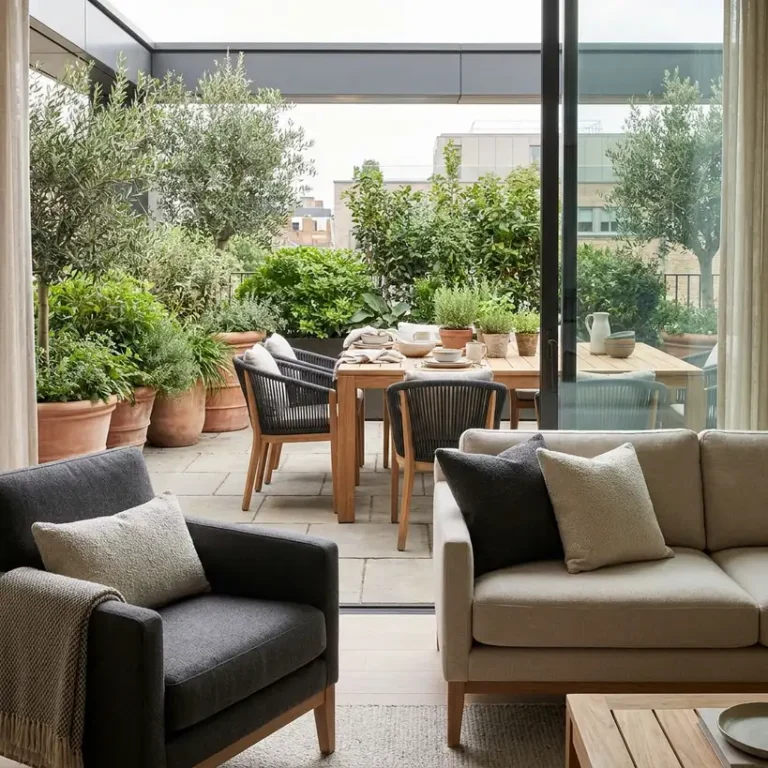
For outdoor spaces, material choices matter even more because the wrong option can make a cheap set expensive over time through repairs, replacements or early failure. Low-grade metal can rust. Weak plastic may fade or crack. Some cushions absorb water and break down quickly. Better budget outdoor furniture may use all-weather rattan, rope, aluminium or teak. These materials handle British weather more effectively.
If you want a closer look at long-life garden materials, this guide on best outdoor furniture materials is useful for comparing weather resistance and maintenance. Readers comparing long-lasting patio pieces can also explore the Benefits of Choosing Durable Outdoor Furniture for 2025.
One simple rule works well here: choose cheaper shapes rather than cheaper core materials. A simpler design can save money. Weak construction will not.
Room-by-room choices: where to save and where to spend more on cheap furniture
Not every piece at home needs the same budget. Some items get used every day. Others are mostly about looks, not hard wear. A smart affordable home furniture UK plan treats purchases differently. It puts more money into the pieces that get the most use.
Spend more on high-use items
These pieces can justify better build quality:
- Sofa or main seating
- Mattress and bed frame
- Dining chairs
- Dining table if used daily
- Office chair if you work from home
- Outdoor dining or lounge seating left outside regularly
Big Furniture Group reported survey data that supports that choice. 81% of people said they would spend more on furniture if it promised durability, while 48% expected a sofa to last 5 to 10 years (Big Furniture Group). High-use items are used every day, so they need solid structure, real comfort, and enough resilience to hold up over time without wearing down quickly.
Save on lower-risk pieces
You can buy for less when something gets lighter use:
- Side tables
- Accent stools
- Decorative shelving
- Hallway benches used less
- Occasional chairs in spare rooms
- Decorative mirrors and lighting accents
A smart, budget-friendly interiors UK strategy keeps the backbone of the home strong, then goes lighter on trend-led extras. For example, a durable dining table can work well with simpler budget chairs, as long as they still feel stable and comfortable. The same idea applies elsewhere. A good-quality sofa can also sit nicely with lower-cost side tables and lamps.
Style matters too. In modern British interiors, fewer better shapes can look best, and clean lines with neutral materials can hide budget gaps more easily than over-designed pieces. If Scandinavian or industrial looks suit the space, brands such as RENGARD fit naturally into that value-led approach. Simple forms. Durable materials. Both wear well over time.
Buyers comparing seating quality can also review these Top 5 Cheap Sofas for Budget-Friendly Homes before making a final decision.
How to judge cheap furniture quality online without seeing it first
Buying online makes comparison easier, but it also makes warning signs easier to overlook. Many UK buyers now shop this way, so knowing what to check on a product page is one of the most useful furniture buying tips UK households can follow.
Start with the product description. Good retailers state what the frame, top, legs, fabric or weave are made from, and that detail can tell you more than polished photos. Vague wording is a warning. ‘Wood effect’ or ‘metal style’ does not mean the same thing as solid wood or powder-coated steel.
Check the dimensions carefully. A shallow sofa depth, a very thin table top or an unusually low item weight can point to weaker construction, especially when several of those signs appear together on the same listing. Weight is not the only clue, but it helps. A dining table that seems surprisingly light may slide too easily, while a chair with very little weight may feel unstable in daily use.
Then look at these details:
- Assembly type: full knock-down is not always a problem, but key stress points should lock firmly
- Finish quality: zoom in on corners and edges
- Underside images: these help when checking tables and seating
- Reviews that mention wobble, flattening, rust or peeling
- Delivery and returns policy
- Warranty length and what it covers
Range matters too. In GlobalData’s 2024 survey, 62.6% of respondents said range was a reason for purchase (GlobeNewswire). A wider range gives shoppers more room to compare material quality and notice clearer price differences across similar products.
When comparing stores, this overview of home furniture online UK can help shoppers consider range, style and buying confidence, rather than looking only at headline discounts. Buyers can also browse Furniture Store UK: Best Modern Shops for 2026 for more comparisons between online retailers.
Why maintenance is part of the value equation
Many people think furniture value ends at checkout. It doesn’t. Care and maintenance shape how long a piece really lasts, and that part of the story gets much less attention in cheap vs quality furniture UK decisions.
Even a lower-cost teak table, with regular care, may outlast a premium one that its owner neglects. Indoors, the same pattern appears too. Wiping spills quickly, using felt pads, tightening fixings, rotating cushions, and storing or covering outdoor pieces in bad weather can add real years to a product’s life.
Replacement cycles are longer than many buyers expect, which makes upkeep more important than it first seems. Barker and Stonehouse reported that 61% of people had never replaced garden furniture, 57% had never replaced their dining table and 69% had never replaced their office chair (Barker and Stonehouse). Those figures make the point clearly: buyers want furniture that lasts, and basic care helps them get more life out of what they buy.
Practical examples:
- Oil or protect natural wood as advised
- Keep standing water off outdoor surfaces
- Bring cushions inside when not in use if they are not fully weatherproof
- Vacuum upholstery to reduce dust wear
- Tighten chair and bed fixings every few months
- Use placemats and coasters on dining tops
For durable budget furniture UK buyers, the best results come when materials match the household’s lifestyle and basic care habits are followed. Simple maintenance matters. It can turn a fair purchase into one that keeps doing its job well for many years.
The rise of resale, circular buying, and smarter budget choices
Affordable furniture in the UK is no longer just about buying new at the lowest possible price. The market is shifting quickly. Trend reporting suggests resale was up 7.4% in 2024 and 36% of consumers bought pre-owned in the past year (LogicTrade). Because of that, what UK shoppers count as good value is starting to shift too.
A second-hand hardwood table can offer better value than a brand-new table made from lower-grade materials. Refurbished storage pieces, outlet finds, ex-display chairs, and modular designs with replacement parts are now clearly part of the affordable furniture conversation, not something separate.
That shift is also tied to sustainability. Furniture that lasts longer creates less waste and cuts the need to replace worn-out pieces every few years. In many homes, the most practical affordable furniture UK plan is a mix, often like this:
- buy new for hygiene-sensitive or heavy-use items like mattresses and main sofas
- buy second-hand for sideboards, coffee tables, dining tables, or accent chairs
- invest in weather-resistant outdoor furniture to avoid seasonal rebuys
The long-term idea is simple: buy fewer poor-quality pieces and fewer replacements. Choose furniture that can handle moves, pets, changing layouts, and the wear of everyday family life. Done well, that kind of buying stretches a budget further and can lead to fewer regrets later.
How modern style can help you stay on budget
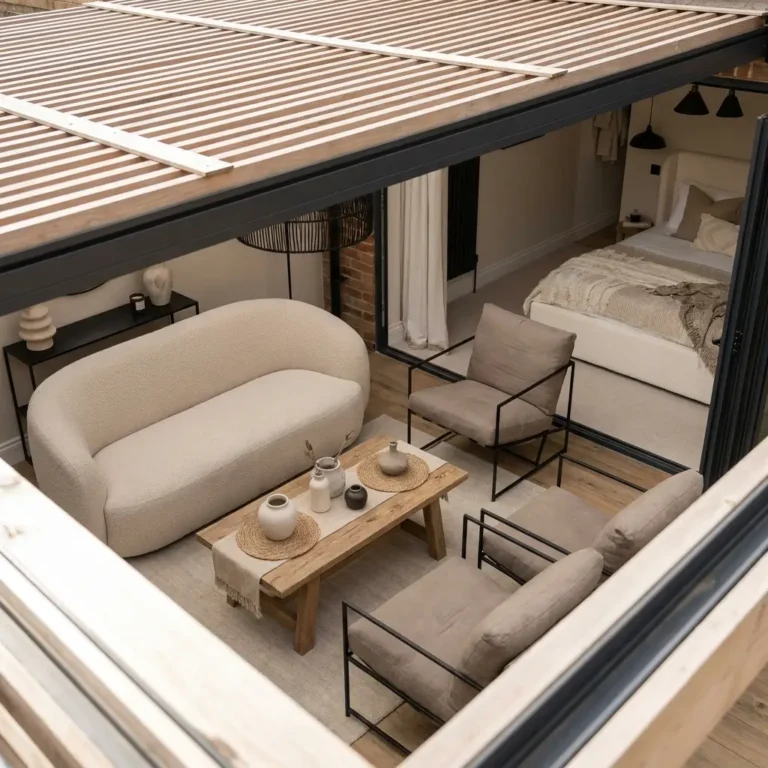
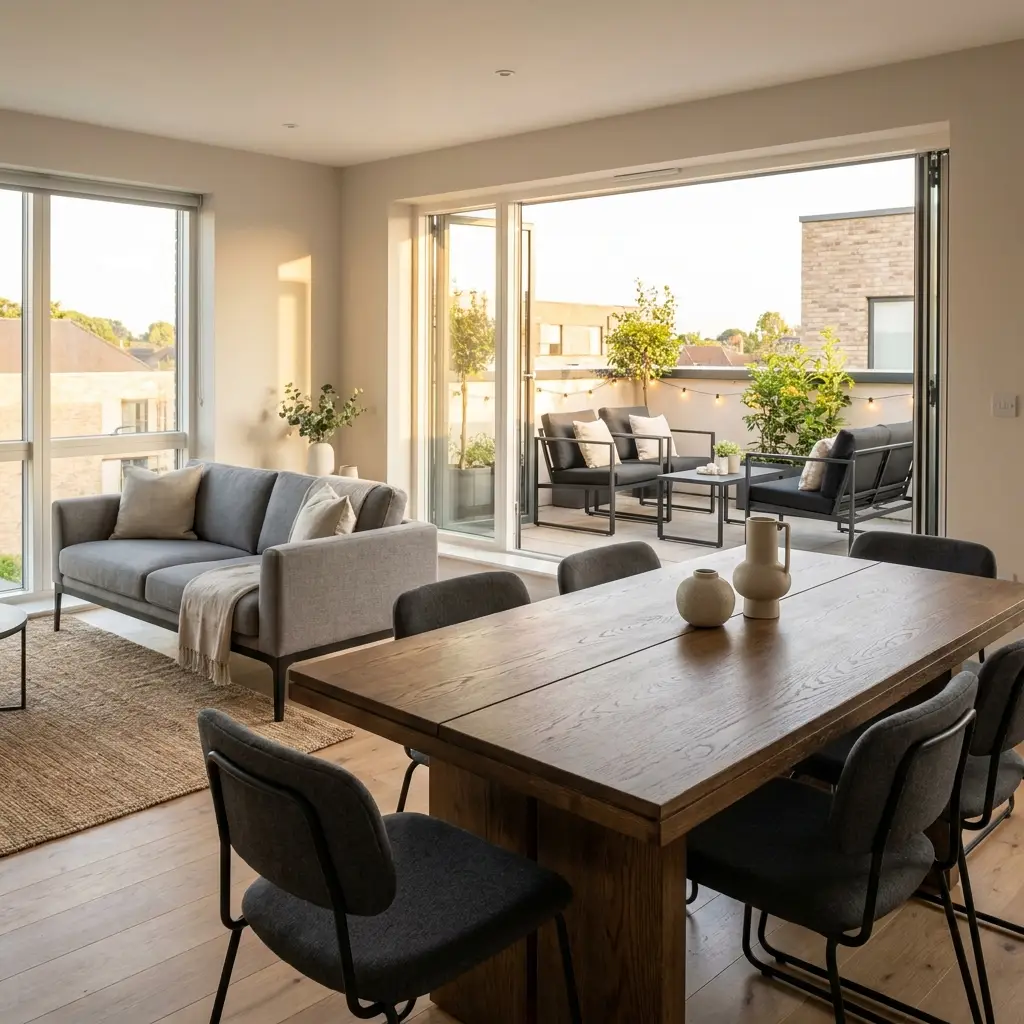
Modern interiors can cost less to do well. Clean lines, neutral colours, open space and natural textures can make affordable furniture look much more refined than its price suggests. Less can do more. A room does not need lots of pieces when the main items have strong proportions and sit comfortably in the space.
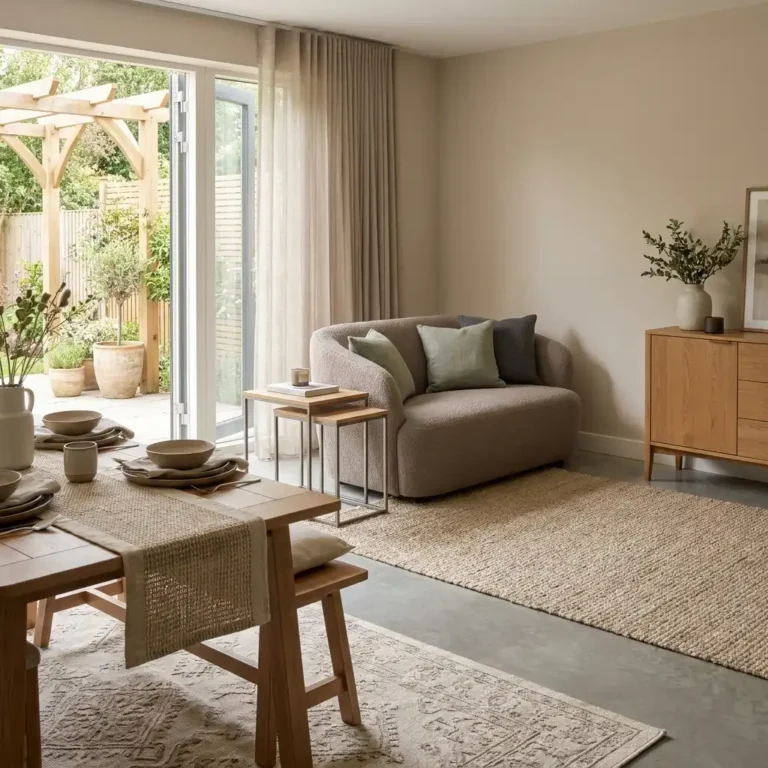
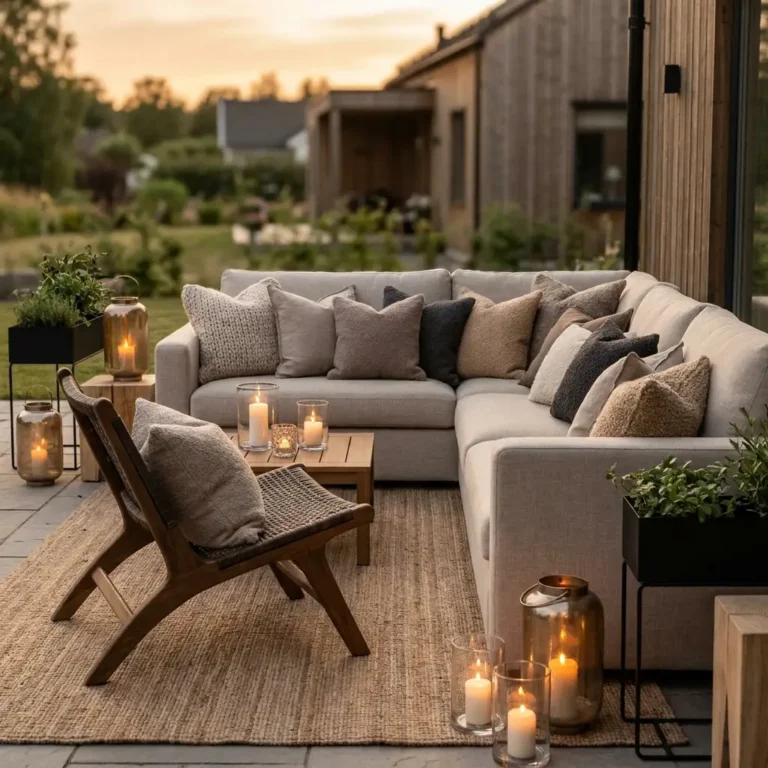
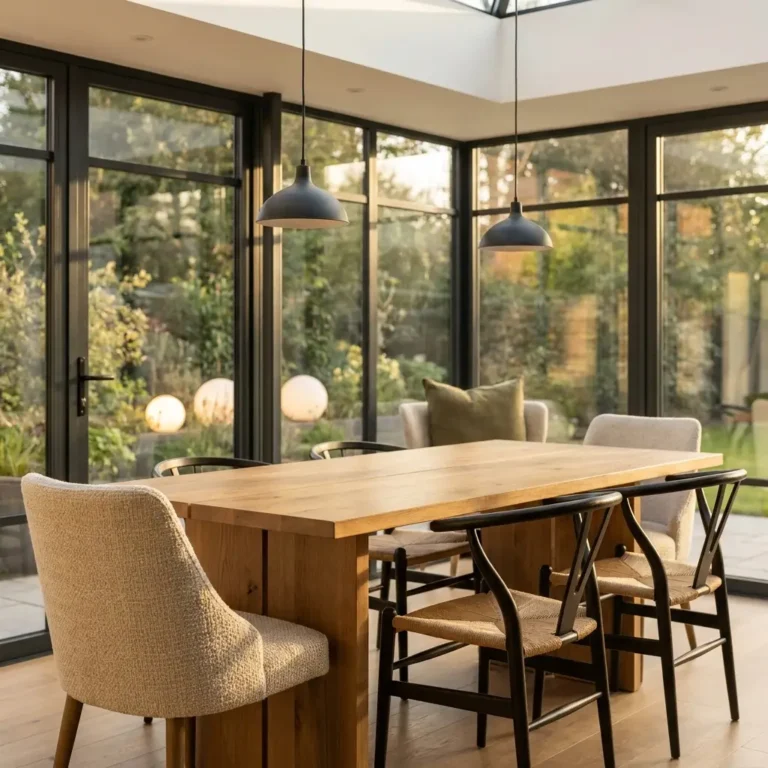
That is reassuring for buyers who want budget friendly interiors UK homes can still feel proud of. A soft modern or Scandinavian look works especially well because it rewards restraint rather than excess. Just a few pieces can be enough. An oak-look table, a well-shaped chair, a textured rug and warm lighting can sometimes look more expensive than a room full of low-cost trend items.
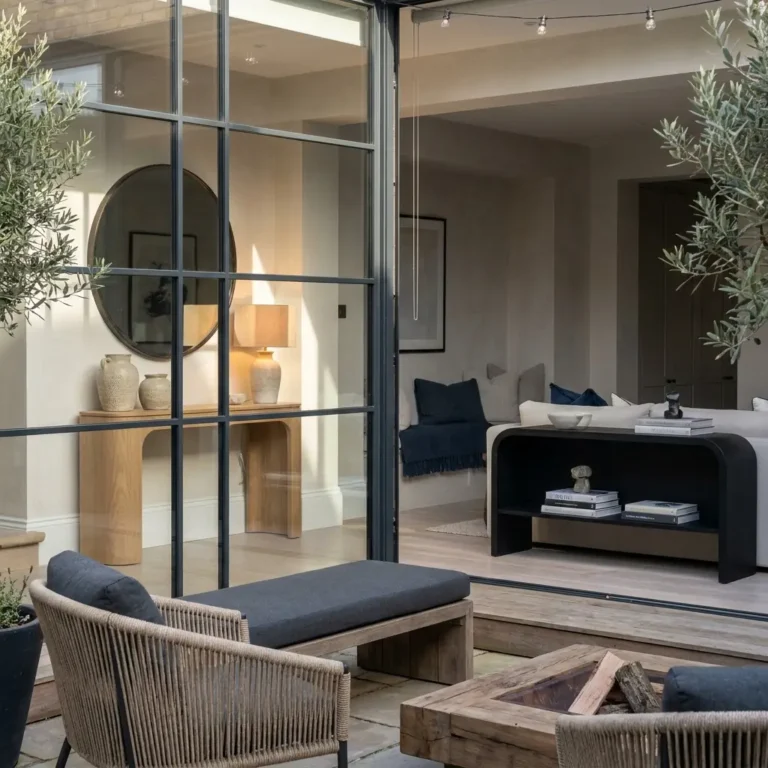
Industrial style works in a similar way. Black metal, rope, wood grain and matte finishes age well, and they also hide marks better than glossy surfaces that show every scuff. It is practical, too. People furnishing indoor and outdoor spaces in a similar style may notice that RENGARD leans into this blend of Scandinavian calm, industrial detail and durable materials without making the overall design feel too heavy.
If buyers are still comparing brands at different price points, this guide to the best home furniture brands UK can help them think more clearly about value, style fit and what different retailers do best. Shoppers interested in broader design trends can also read What Styles of Home Furniture Does RENGARD Offer in the UK?.
Common mistakes that make budget furniture cost more
Furniture can end up costing more for reasons that have little to do with the ticket price. The issue generally starts when people buy too quickly. Easy to do.
A common mistake is buying a full room set just because everything matches. Coordinated furniture can make the process feel easier, but it can also leave a buyer with average quality across every piece. It’s often better to start with the core items, then add other pieces over time.
Another mistake is ignoring how the furniture will actually be used. A dining table that also serves as a home office desk, a homework spot and part of a busy family kitchen needs stronger construction than one that’s only used at weekends.
Then there’s delivery access and assembly. Flat-pack furniture can be excellent value, but only if the pieces fit the room and someone puts them together properly. If assembly goes badly, even decent furniture can end up feeling worse than it is.
A fourth mistake is choosing based only on the discount percentage. A 50% sale sounds impressive. It still doesn’t tell you whether the starting price was fair or whether the furniture will last.
The fifth mistake is skipping the warranty and the care guide. Small details, but useful. Retailers can show their confidence in a product through both.
For many shoppers, the best option is a short list built around these questions:
- What is the item made from?
- How frequently will I use it?
- Will it still suit the room in three years?
- What care does it need?
- Is the price still good if I divide it by the expected years of use?
That final question generally reveals the real answer in the furniture quality vs price UK discussion.
Frequently Asked Questions
Is cheap furniture always poor quality?
No. Some cheap furniture is poor, but some is simply basic in design, smaller in size, or made with cost-efficient methods. The key is to check materials, frame strength, warranty, and how the item will be used in your home.
What is the difference between cheap furniture and value furniture?
Cheap furniture focuses on the lowest upfront price. Value furniture gives you a better balance of cost, durability, comfort, and lifespan. A slightly higher price can be better value if the piece lasts much longer.
How can I spot durable budget furniture UK retailers offer online?
Look for clear material details, solid construction in stress points, realistic care advice, and reviews that mention stability over time. Good retailers also explain finishes, dimensions, and warranty terms instead of relying only on styled photos.
Should I buy second-hand furniture to save money?
Often, yes. Second-hand can be a smart choice for tables, storage pieces, and accent furniture if the structure is still strong. Just check joints, wear, surface damage, and whether the size works for your room.
What types of affordable home furniture UK buyers should spend more on first?
Start with high-use items such as your main sofa, bed frame, mattress, dining chairs, and office chair. If you want a modern look with durable materials, RENGARD is a useful example to study because it focuses on practical materials such as rattan, rope, and teak rather than just surface style.
Where can I find best affordable furniture UK options for modern interiors?
Start by comparing build quality, not just sale price. Retailers with clean Scandinavian or industrial styles can offer strong value because simple designs often use materials efficiently, and a UK home and garden furniture specialist may be a helpful option if you want modern indoor-outdoor pieces that balance durability and design.
The smartest way to furnish well for less
Price still matters, of course, but in the UK market, quality, durability and how much real use people get from a purchase matter even more. Affordable furniture is not the same as the cheapest furniture. Better results often come from knowing where to save, where it makes sense to spend a bit more, and how to judge build quality by focusing on what actually matters.
The most useful takeaways are straightforward:
- focus on value instead of chasing discounts alone
- spend more on pieces that get heavy daily use
- choose reliable materials instead of flashy details
- check construction, care requirements, and warranty terms
- treat resale and second-hand options as part of a smart budget plan
- use modern, simple styling so fewer pieces can do more work
FIRA spending data and GlobalData research both point to a UK market that remains cautious while still active, creating a real opportunity for people who want to furnish a home well without overspending. Comparing cheap vs quality furniture UK options leads to one practical conclusion. Buyers do not need the cheapest piece or the most expensive one. They need the piece that earns its place in the home. That is when budget furniture UK feels durable, useful, and worth bringing home.